
Imagine a bustling community beneath the prairie grass, where hundreds of small, adorable mammals chitter and play-this is a prairie dog town. Known for their intricate burrow systems and strong social structures, these lively colonies serve as vital ecosystems in grassland environments. Understanding what makes a prairie dog town so special not only satisfies our curiosity about wildlife but also highlights the importance of these creatures in their habitats. As you delve deeper into the fascinating world of prairie dog colonies, you’ll discover their complex social behaviors, communication methods, and the crucial role they play in maintaining the landscape around them. Join us as we explore the enchanting life of these charming rodents and why they deserve our attention and conservation efforts.
What Defines a Prairie Dog Town?
A prairie dog town is a fascinating and complex community that’s not just a collection of burrows; it’s a bustling social hub teeming with life. These towns are typically characterized by extensive networks of interconnected burrows that can stretch over hundreds of acres. The individual burrows feature distinctive entrances that can vary in size, some being as small as a foot in diameter, creating an intricate maze underground. What sets a prairie dog town apart is the close-knit social structure of its inhabitants-these small, furry mammals live in colonies known as coteries, which can include anywhere from a handful to dozens of prairie dogs.
Within these towns, prairie dogs exhibit a remarkable level of cooperation and communication. They utilize an array of vocalizations, including barks and growls, to alert each other of potential threats from predators like hawks and coyotes. The towns themselves serve multiple functions: they provide shelter, a place for grooming and socializing, and, most critically, a unique ecosystem that supports a variety of other wildlife species. For instance, their burrowing activities aerate the soil and create habitats for insects and other small creatures, while also allowing water to permeate more deeply into the ground, benefiting plant life.
One of the captivating aspects of prairie dog towns is their ecological interconnectivity. These towns support a variety of species, including burrowing owls, black-footed ferrets, and various insects, all of which find refuge in the burrows or participate in the ecological balance of the ecosystem. By maintaining their towns, prairie dogs play a crucial role in the prairie ecosystem, significantly influencing the types and abundance of plant species found in their habitat. Thus, a prairie dog town is not merely a habitat for the prairie dogs themselves, but a vibrant ecosystem that showcases the interconnectedness of life on the prairie.
The Social Structure of Prairie Dog Colonies

is a captivating interplay of community dynamics that reveals much about the behavior and lifestyle of these remarkable rodents. Prairie dogs live in familial colonies called coteries, which typically consist of several adult females and their offspring, along with one or more males. This arrangement fosters a cooperative environment where individuals participate in caring for their young and defending their territory. The bonds formed within these coteries are crucial for survival, as they work together to keep watch for predators and coordinate activities like foraging and grooming.
Communication is key within prairie dog towns. These animals possess a sophisticated vocalization system, using specific calls to warn of danger, announce food sources, or alert others to the presence of intruders. For example, they have distinct alarm calls that differentiate between aerial and ground predators, allowing colony members to understand the exact nature of the threat. This level of communication not only strengthens social ties but also enhances the colony’s overall resilience against predators.
Additionally, prairie dog towns are characterized by a hierarchy, often influenced by age, size, and reproductive status. Dominant individuals usually have priority access to prime burrowing areas and resources, which can impact the growth and health of the colony as a whole. Newcomers to the town, whether they are young prairie dogs dispersing from their home coteries or individuals seeking to establish new connections, must navigate this social structure carefully, often facing challenges as they integrate into established groups.
In essence, the social fabric of prairie dog colonies is a fundamental aspect of their ecology, with cooperation and communication serving as the bedrock of their survival and success. Understanding these dynamics not only enriches our appreciation of their complex societies but also highlights the importance of conserving their habitats, as these communities play an essential role in the wider prairie ecosystem.
Unique Behaviors of Prairie Dogs in Towns
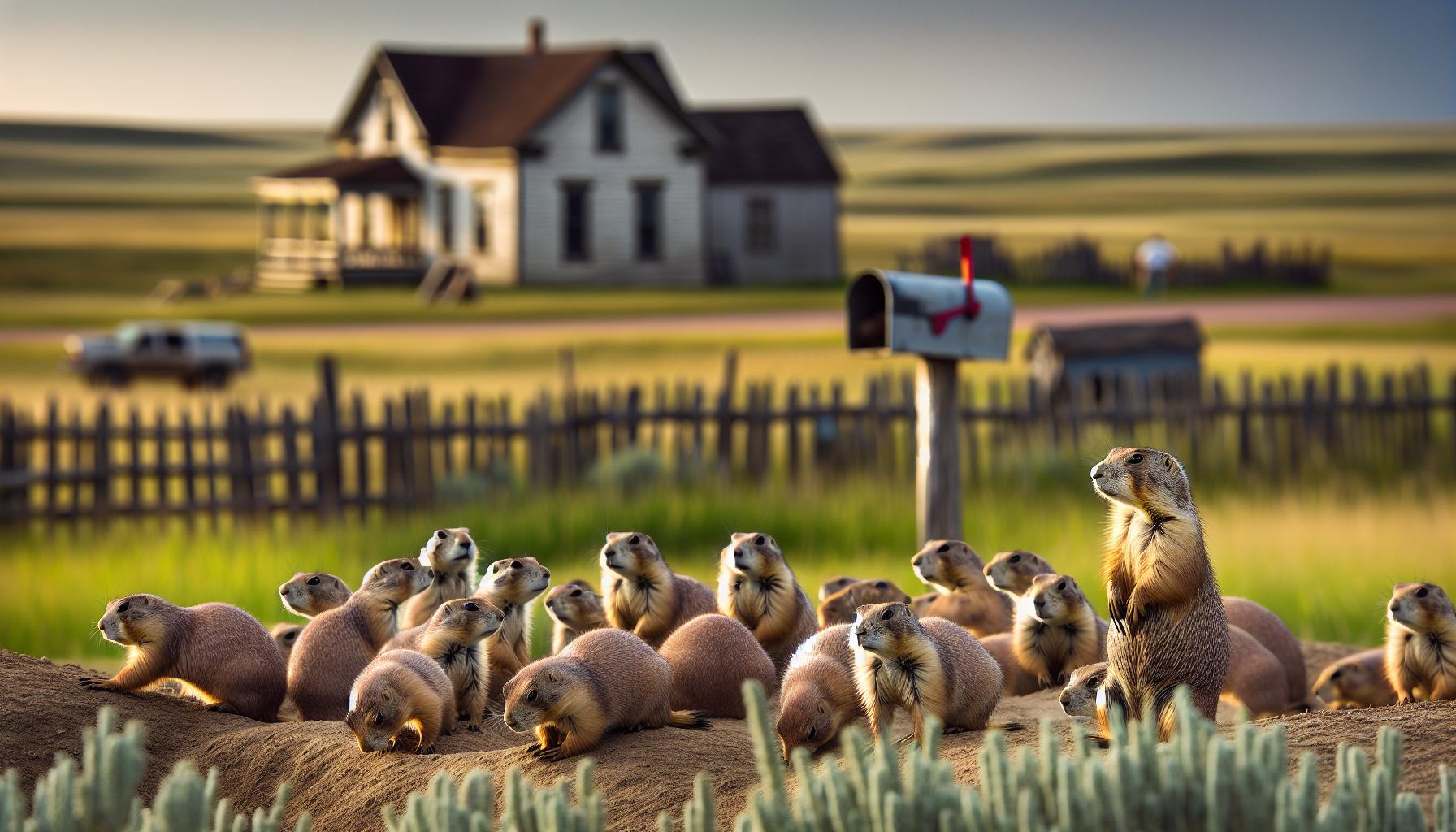
Prairie dogs exhibit a range of fascinating behaviors that not only highlight their adaptability but also strengthen the fabric of their communities. These quirky rodents are much more than mere inhabitants of the grasslands; they are vibrant social creatures with unique interactions that enhance their survival. One of the most captivating aspects is their elaborate system of communication. Prairie dogs utilize a diverse array of vocalizations, each carrying specific meanings. For instance, they have alarm calls finely tuned to alert their colony to predators. Research has shown that they can differentiate between the sounds of hawks and coyotes, each provoking a distinct response from the colony, further illustrating their sophisticated social organization.
Another remarkable behavior observed in prairie dog towns is their custom of “kissing,” or touching noses, which can serve multiple purposes, such as greeting or reinforcing social bonds within their groups. This playful interaction strengthens relationships among members, fostering a sense of community and cooperation. During foraging, prairie dogs often participate in communal feeding behaviors, where they keep sentinels on lookout for threats while others eat. This teamwork proves essential for their safety, allowing them to optimize their foraging efficiency while minimizing risk from predators.
Their burrowing behavior also reflects their unique adaptations to life in a densely populated town. Prairie dogs dig extensive tunnel systems that not only serve as homes but also as works of engineering marvels. These tunnels can be several feet deep and include multiple entry and exit points, which are strategically placed to provide escape routes from threats. This complex architecture not only protects the prairie dogs but also benefits their ecosystem by aerating the soil and facilitating water absorption, thereby enhancing plant growth in their environment.
In understanding the unique behaviors of prairie dogs, we gain insight into their role as both community members and vital cogs in their ecological wheel. Their social interactions, practical strategies for survival, and architectural ingenuity showcase the richness of life within prairie dog towns. Observing these behaviors can be a delightful and informative experience, offering a glimpse into the intricate lives of these charming rodents.
Ecological Importance of Prairie Dog Towns
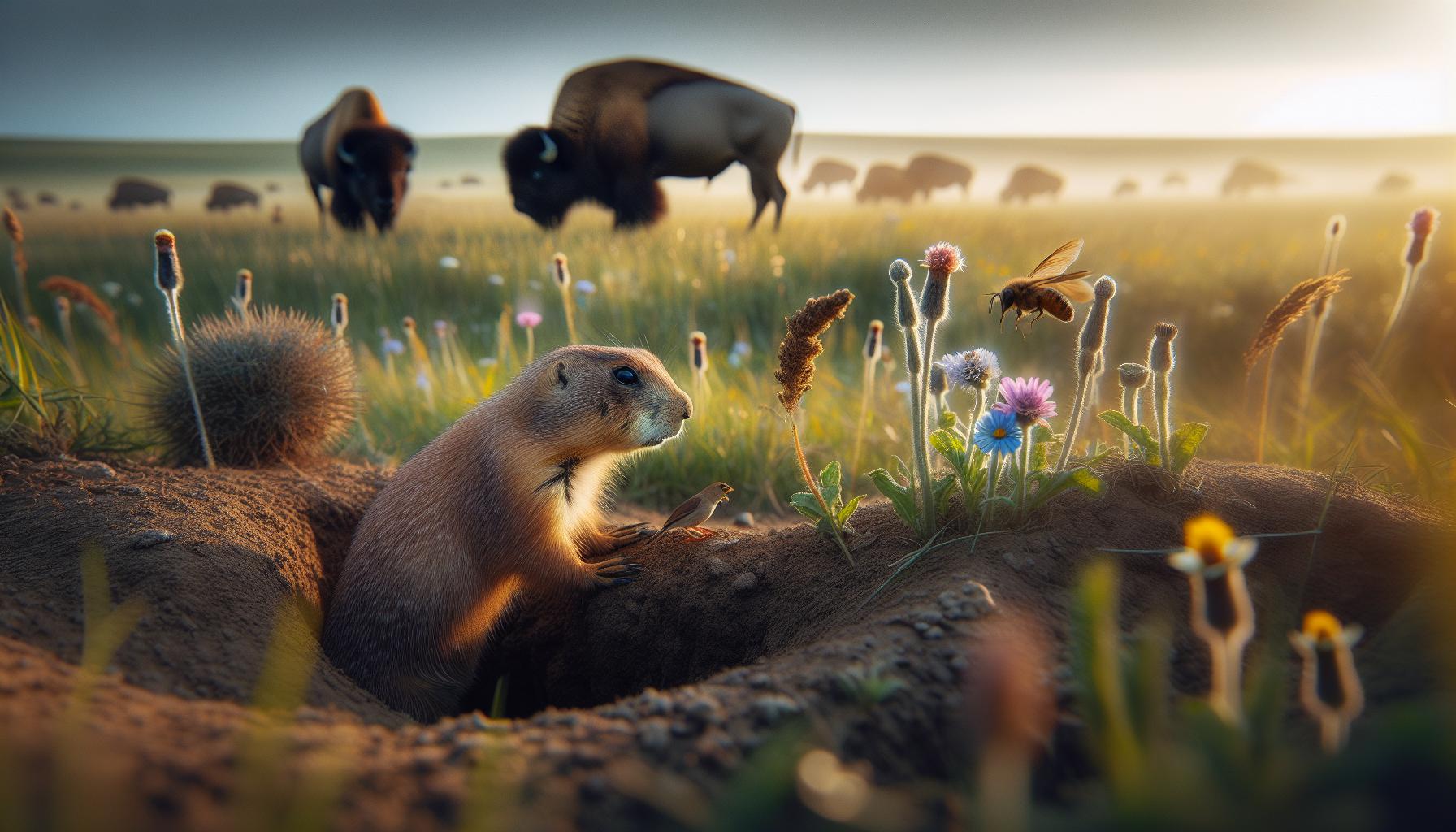
Prairie dog towns are bustling hubs of activity that play a crucial role in maintaining the health of grassland ecosystems. These lively colonies are not just homes for prairie dogs; they serve as vital centers of biodiversity, supporting a wide range of other species as well. The burrowing activity of prairie dogs aerates the soil, promoting better water infiltration and root growth. This enhances the overall productivity of the grassland, making it more resilient to drought and other environmental stresses.
The architecture of a prairie dog town, with its intricate tunnel systems, creates microhabitats that benefit various plants and animals. For instance, the abandoned burrows of prairie dogs provide nesting sites for birds like burrowing owls and small mammals such as foxes and badgers. Additionally, the open spaces around prairie dog towns offer ideal foraging grounds for many herbivores, including deer and livestock. These relationships highlight a complex web of interactions where prairie dogs act as a keystone species, influencing the abundance and diversity of numerous organisms in their habitat.
Moreover, prairie dog towns contribute significantly to nutrient cycling within ecosystems. As prairie dogs forage on grasses and other vegetation, they not only trim overgrown plant life but also contribute to plant growth through their waste, which adds nutrients back into the soil. This process enhances overall vegetation health, benefiting grazing animals and promoting a healthy balance in the ecosystem.
In conclusion, the cannot be overstated. They are not only the foundation for prairie dog social structures but also vital components of their environments, supporting a diverse array of species and promoting the overall vitality of grassland ecosystems. Observing these fascinating towns offers a window into the interdependence of wildlife and its habitat, underscoring the value of protecting these unique communities.
Feeding Habits and Diet of Prairie Dogs
In the heart of the prairie dog towns, feeding is not just a routine; it’s a vibrant spectacle of natural behavior. Prairie dogs are primarily herbivores, with a diet that mostly consists of grasses, weeds, and seeds. They play an essential role in their ecosystem by selectively foraging and managing the plant community. This foraging habit helps prevent overgrowth, which can lead to healthier and more diverse vegetation patterns in their habitat.
These furry little creatures are particularly fond of a variety of plants, often grazing on:
- Grasses: Prairie dogs favor grasses, particularly short and nutritious varieties that grow in their open, sunlit habitats.
- Roots and Bulbs: They occasionally dig up roots, providing them with moisture and nutrients during dry spells.
- Flowers and Seeds: In addition to greens, they enjoy the flowers and seeds of various plants, adding diversity to their diet.
Interestingly, prairie dogs have a unique way of communicating the presence of food or danger in their towns. They use a series of vocalizations that notify other members of the colony about the availability of food sources or impending threats from predators. This social behavior enhances their survival as they work collaboratively to protect communal foraging areas.
Their feeding habits not only benefit their own nutrition but also impact the broader ecosystem. By trimming grasses, prairie dogs promote new growth, aiding in the regeneration of plants beneficial to other herbivores like deer and bison. In essence, their feeding patterns help shape the landscape, creating a robust and varied environment for numerous species.
Ultimately, understanding the dietary preferences and feeding behaviors of prairie dogs provides insight into the intricate relationships within their towns and highlights their role as ecological stewards of the prairie. As you observe these engaging animals, remember that their everyday activities contribute significantly to the balance and health of their ecosystem.
Challenges Faced by Prairie Dog Communities
Prairie dog communities face numerous challenges that threaten their survival and the health of their towns. As keystone species, they play a crucial role in their ecosystems, yet they are caught in a complex web of environmental pressures and human activities that are increasingly encroaching on their habitats.
One of the most significant threats is habitat loss due to agricultural expansion and urban development. As farmland spreads, prairie dogs are often driven from their burrows and towns, leading to a decrease in their populations. This loss is particularly critical because it not only affects prairie dogs directly but also disrupts the entire ecosystem built around them. Many other species, including various birds, mammals, and reptiles, depend on prairie dog towns for shelter and food. The void left by declining prairie dog populations can lead to diminished biodiversity.
Additionally, prairie dogs are vulnerable to outbreaks of disease, such as sylvatic plague, which can decimate robust colonies in rapid succession. These diseases are often exacerbated by environmental stressors, including drought and habitat fragmentation, making recovery difficult. Continuous monitoring and managing for these illnesses are essential, yet they are often lacking in conservation efforts.
Predation is another challenge that prairie dog towns face. While they have evolved various alarm calls to warn one another of approaching threats, increased populations of predators such as coyotes and hawks can lead to higher mortality rates. In a well-functioning town, the social structure allows prairie dogs to thrive; however, when predation pressures rise, their communal living can become precarious.
Lastly, the perception of prairie dogs as pests often leads to negative human interactions, including extermination efforts. Landowners might see them as a nuisance, leading to the use of toxic poisons that affect not only prairie dogs but also other wildlife and pets. Education about the ecological importance of prairie dogs and advocacy for humane management practices are vital for their conservation.
Understanding these challenges is crucial for anyone interested in wildlife conservation. Supporting local and national efforts to preserve prairie dog habitats not only benefits these intriguing social animals but also promotes a healthier, more diverse ecosystem overall.
Conservation Efforts for Prairie Dog Towns
are vital, as these small mammals serve as keystone species in their ecosystems, supporting a variety of wildlife and natural processes. With their burrowing habits, prairie dogs create habitats not only for themselves but also for hundreds of other species, including birds of prey, mammals, and insects. Protecting these towns is crucial for maintaining the biodiversity and ecological balance of the grasslands they inhabit.
One significant initiative involves habitat protection and restoration. Organizations and stakeholders are working to designate protected areas where prairie dogs can flourish without the threat of urban development or agricultural encroachment. Land conservation efforts focus on sustainable land-use practices that allow farmers and ranchers to coexist with prairie dog populations. By implementing strategies such as buffer zones, landowners are encouraged to maintain prairie dog towns on their properties, recognizing their ecological value rather than simply viewing them as pests.
Public education also plays a crucial role in conservation. Many organizations actively engage local communities through outreach programs that highlight the importance of prairie dogs. By fostering a greater understanding of prairie dogs and their ecosystem roles, these programs help dispel myths that lead to negative attitudes towards them. Workshops, school programs, and volunteer opportunities for habitat restoration can empower individuals to participate in conservation efforts actively.
Moreover, monitoring and research are fundamental to effective conservation strategies. Regular population surveys and studies on disease management-especially regarding threats like sylvatic plague-are essential. These efforts help conservationists determine healthy population thresholds and develop targeted interventions. Supporting research initiatives allows for informed decisions about management practices that can protect both prairie dogs and their habitats.
Ultimately, collective efforts from local communities, conservation groups, and government agencies can ensure the survival of prairie dog towns. By protecting these vibrant ecosystems, we not only safeguard prairie dogs but also contribute to the health of the entire grassland habitat and the myriad of life it supports. Engaging in these efforts to sustain prairie dog populations benefits us all by promoting a balanced and thriving environment.
How to Observe Prairie Dog Towns Ethically
Observing prairie dog towns can be a delightful experience, as these fascinating creatures display a range of behaviors that highlight their complex social dynamics. To ensure that your observations are ethical and respectful of their habitat, consider some essential guidelines that allow you to enjoy these vibrant ecosystems without causing harm.
First and foremost, maintain a safe and respectful distance from the prairie dogs. Using binoculars or a camera with a zoom lens will enable you to observe their activities-such as their characteristic “barking” communication and playful interactions-without intruding into their space. Close encounters can stress the animals, disrupting their social structure and feeding habits. A preferred distance is at least 100 yards away, which helps minimize disturbance while still providing a clear view.
It’s also critical to avoid feeding prairie dogs or leaving any food scraps in their environment. While it might seem harmless or entertaining, feeding wild animals can lead to dependence on human food sources, altering their natural behaviors and possibly endangering their health. Instead, carry out all waste and be mindful not to litter, ensuring that the area remains pristine for both the prairie dogs and the surrounding ecosystem.
Furthermore, visiting prairie dog towns during off-peak hours can help reduce disturbances. Early mornings or late afternoons are often calmer times for wildlife, allowing you to observe their natural behaviors without the chaotic influx of visitors. Consider planning your visit during weekdays instead of weekends when public disturbances are typically higher.
By following these ethical guidelines, you can enjoy observing prairie dog towns while contributing to the conservation of these unique animals and their habitats. Remember, your presence should enhance the experience for both you and the prairie dogs, preserving the wonder of these remarkable social colonies for future generations to appreciate.
Prairie Dog Towns vs. Other Animal Societies
Exploring the dynamics of prairie dog towns offers a fascinating comparison to other animal societies, showcasing how these remarkable creatures interact within their communities. Prairie dogs are highly social rodents that establish complex structures known as towns, which often contain hundreds of burrows and extensive underground networks. These towns are bustling with activity, as prairie dogs communicate through a sophisticated system of vocalizations that convey messages about threats, food availability, and even the presence of predators.
When comparing prairie dog towns to other animal societies, one might consider the social structure of ant colonies or bee hives. Both systems emphasize cooperation and role specialization within their populations. However, the prairie dog society stands out due to its remarkable level of individual recognition and social behavior. Each prairie dog has a distinct personality, and social interactions can vary from playful antics to serious warning calls. For instance, when a predator approaches, prairie dogs utilize alarm calls that not only signal danger but can also indicate the type of threat-an impressive nuance for a non-human species.
Another interesting point of comparison lies in the caregiving behaviors of prairie dog societies. Prairie dogs exhibit communal care within their colonies, similar to that seen in elephants or certain primate groups. Female prairie dogs will frequently babysit one another’s pups, thereby strengthening social bonds and ensuring the safety of the young. This behavior reinforces the social network within the town and promotes a cooperative environment. Such practices are crucial for the survival of the species, particularly in their open grassland habitats where threats from predators are prevalent.
The ecological impact of prairie dog towns further distinguishes them from other animal societies. These towns serve as a substrate for other wildlife, providing burrows for various animals like black-footed ferrets and other small mammals. Their extensive burrowing activities aerate the soil and help with water retention, illustrating how the activities of one species can significantly affect the surrounding ecosystem and contribute to biodiversity.
In essence, the vibrant life of a prairie dog town encapsulates a unique intersection of cooperation, communication, and environmental stewardship, setting it apart in the diverse tapestry of animal societies. Observing these behaviors not only highlights the intelligence and social complexity of prairie dogs but also inspires appreciation for the interconnectedness of life in their habitats.
The Role of Prairie Dogs in Their Ecosystem
Prairie dogs are not just cute, chattering rodents; they are keystones of their ecosystem. By creating extensive burrow systems, they play a crucial role in maintaining the ecological balance in grassland environments. Their towns are bustling habitats that contribute significantly to the overall health of the prairie ecosystem.
One of the primary ways prairie dogs impact their environment is by aerating the soil through their burrowing activities. This process enhances soil health, improves water infiltration, and promotes the growth of grasses and other vegetation. The presence of prairie dogs can lead to increased plant diversity as their digging creates patches of disturbed soil ideal for various species to flourish. As such, they serve as catalysts for weed control and assist in maintaining the plant community that other species depend upon.
Moreover, prairie dog towns provide countless benefits to other wildlife. Their burrows become homes for a variety of animals, including black-footed ferrets, rabbits, and burrowing owls. This interdependence demonstrates the prairie dog’s role as a foundational species, where the health of their populations directly affects the survival of numerous others. By fostering such biodiversity, prairie dogs contribute to a richer, more resilient ecosystem.
Additionally, these social creatures are vital in creating habitat that supports larger predators. Many raptors, coyotes, and other carnivores rely on the abundance of prairie dogs as a food source. When these animals maintain a stable population, it further enriches the entire food web. By having such an integral role, prairie dogs exemplify how a single species can influence the dynamics of an ecosystem and highlight the importance of their conservation in keeping prairie habitats vibrant and healthy.
In summary, the ecological role of prairie dogs extends far beyond their towns, affecting various aspects of the grassland ecosystem. Their burrowing aids soil health, supports diverse wildlife, and contributes to a balanced food web, underscoring their significance as a species deserving of protection and awareness.
Interesting Facts About Prairie Dogs and Their Towns
Prairie dogs are fascinating creatures, and their towns are a spectacle of social behavior and ecological interaction. One interesting fact about these social rodents is their impressive communication skills. Prairie dogs use a variety of vocalizations-over 25 distinct sounds-to convey messages about danger, food, and the presence of predators. For example, they can alert their colony to a hawk in the area with a specific alarm call, warning everyone to take cover. This complex language system highlights their intelligence and the sophistication of their social structure.
Another captivating aspect of prairie dog towns is their engineering prowess. The burrow systems they create can extend up to 30 feet deep and cover vast areas. These intricate networks not only provide shelter from the elements and predators but also play a crucial role in aerating the soil, which benefits surrounding vegetation. The numerous entrances and exits in a prairie dog town allow quick escape routes, demonstrating their proactive adaptation to survival in the wild.
Moreover, prairie dog towns are bustling with life beyond just prairie dogs themselves. Numerous other species, including black-footed ferrets, owls, and various insects, rely on these towns for habitat and food. This interconnectedness exemplifies the prairie dog’s role as a keystone species, meaning their presence significantly influences the biodiversity and health of their ecosystems.
Lastly, the social dynamics within a prairie dog colony can be quite complex. They live in family groups called coteries, with intricate social hierarchies and cooperative breeding practices. Siblings often assist in caring for younger pups, fostering a nurturing environment that strengthens the community. This social support system not only aids in raising the next generation but also enhances the survival of the entire colony.
In essence, prairie dog towns are not just habitats; they are vibrant ecosystems filled with interaction and interdependence, making them a remarkable subject of study for wildlife enthusiasts and ecologists alike.
Q&A
Q: What is the social structure of a prairie dog town?
A: A prairie dog town features a complex social hierarchy where family groups known as coteries reside together. Each coterie consists of a dominant male, several females, and their offspring, fostering cooperation in activities such as foraging and alarm calling against predators.
Q: How do prairie dogs communicate in their towns?
A: Prairie dogs use a variety of vocalizations to communicate, including barks and chirps. They have complex calls that convey specific information about threats, their location, and even the type of predator approaching, showcasing their advanced social interactions.
Q: Why are prairie dog towns important for the ecosystem?
A: Prairie dog towns are critical for ecosystem health as they contribute to soil aeration and nutrient cycling. Their burrowing activities improve land conditions for other species, making prairie dogs a keystone species in grassland habitats.
Q: What threats do prairie dog towns face?
A: Prairie dog towns are threatened by habitat loss, disease, and human encroachment. Plague and rodenticides significantly impact their populations, making conservation efforts essential to maintain their communities and the associated wildlife that depend on them.
Q: How can people observe prairie dog towns ethically?
A: To observe prairie dog towns ethically, maintain a respectful distance, avoid disturbing their burrows, and refrain from feeding them. Using binoculars can enhance your experience while keeping the animals safe and stress-free in their natural habitat.
Q: What are the unique behaviors found in prairie dog towns?
A: Prairie dogs exhibit spectacular social behaviors, including cooperative breeding and sentry duty, where individuals take turns watching for predators. They engage in playful activities and communal grooming, reinforcing social bonds within the town.
Q: How do prairie dog towns compare to other animal societies?
A: Prairie dog towns are unique in their sophisticated social structures and communication methods, akin to meerkat colonies but distinct due to their burrowing habits and the communal defense strategies they employ against predators.
Q: What is the diet of prairie dogs in their town?
A: Prairie dogs primarily eat grasses and herbaceous plants, along with the occasional roots and seeds. Their foraging behaviors promote plant diversity and contribute to the ecological balance within their towns and surrounding areas.
For further insights into prairie dog behaviors and their crucial role in the ecosystem, explore the detailed sections on unique behaviors and ecological importance in our article!
Insights and Conclusions
Now that you understand what a prairie dog town is and the fascinating social structures that define these communities, consider diving deeper into the world of prairie dog behavior and the ecological roles they play. Their unique colonies are not just intriguing to observe but vital to the ecosystem. If you’re curious about where to find these lively towns, check out our guide on the best prairie dog hunting locations here.
Don’t miss out on becoming a part of our wildlife-loving community! Subscribe to our newsletter for more engaging content on animals and conservation efforts. Have any questions or experiences to share about prairie dogs? We’d love to hear from you in the comments below. Your insights could help others who are equally curious about these social animals!
As you explore further, you might also enjoy reading about the best practices for humane wildlife observation and effective conservation strategies for prairie dog habitats. Join us in fostering a greater appreciation for nature and discovering the many layers of life in prairie dog towns!
Get our latest guides, news, and insights highlighted in your Google Search & AI Overviews.