
Did you know that prairie dogs are actually more closely related to squirrels than to dogs? Understanding the family tree of prairie dogs opens a fascinating window into their behavior, habitat, and the vital role they play in their ecosystems. These social rodents are not just cute; they are keystone species, meaning their presence significantly impacts their environment and the animals that share it. If you’ve ever been intrigued by wildlife and want to learn how these lively creatures fit into the broader animal kingdom, you’re in for a treat. Join us as we delve into the relatives of prairie dogs, exploring their unique characteristics and connections that highlight the incredible diversity of the rodent family. This journey will not only satisfy your curiosity but also deepen your appreciation for these charming inhabitants of the American plains.
What Are Prairie Dogs’ Closest Relatives?
Prairie dogs, those charismatic little creatures of the grasslands, belong to a fascinating family tree that connects them with several other interesting rodent species. They are classified within the family Sciuridae, which also encompasses tree squirrels, ground squirrels, and chipmunks-creatures that many of us might encounter in our backyards or local parks. Among their closest relatives are various species within the genus Cynomys, which includes five recognized species of prairie dogs: the black-tailed, white-tailed, Gunnison’s, Utah, and Mexican prairie dogs.
These social critters share distinct features with their relatives in the squirrel family. For example, prairie dogs exhibit a highly organized social structure, living in colonies known as “towns.” Within these towns, much like their tree-dwelling cousins, prairie dogs communicate through a sophisticated set of vocalizations, which some scientists argue is one of the most complex forms of animal communication outside of primates. Their adaptations for living in burrows, alongside behaviors such as grooming and sentinel duty (where one prairie dog watches for predators while others feed), showcase similar communal living dynamics seen among various species of squirrels.
Interestingly, prairie dogs are often mistaken for typical rodents due to their size and appearance, yet they exhibit unique behavioral patterns that distinguish them from more solitary rodents. For instance, unlike many rodents, which tend to be more solitary or less socially interactive, prairie dogs thrive in large, interactive groups. This trait emphasizes their evolutionary success as a species deeply integrated into the ecosystem of the Great Plains, working symbiotically with other wildlife and plant species to maintain a healthy environment.
Understanding prairie dogs’ closest relatives not only sheds light on their biological classification but also opens up a window into the complex relationships that exist within rodent families. By recognizing these connections, we enhance our appreciation for the diversity of life and the intricate web of interactions within ecosystems that include these fascinating burrowers.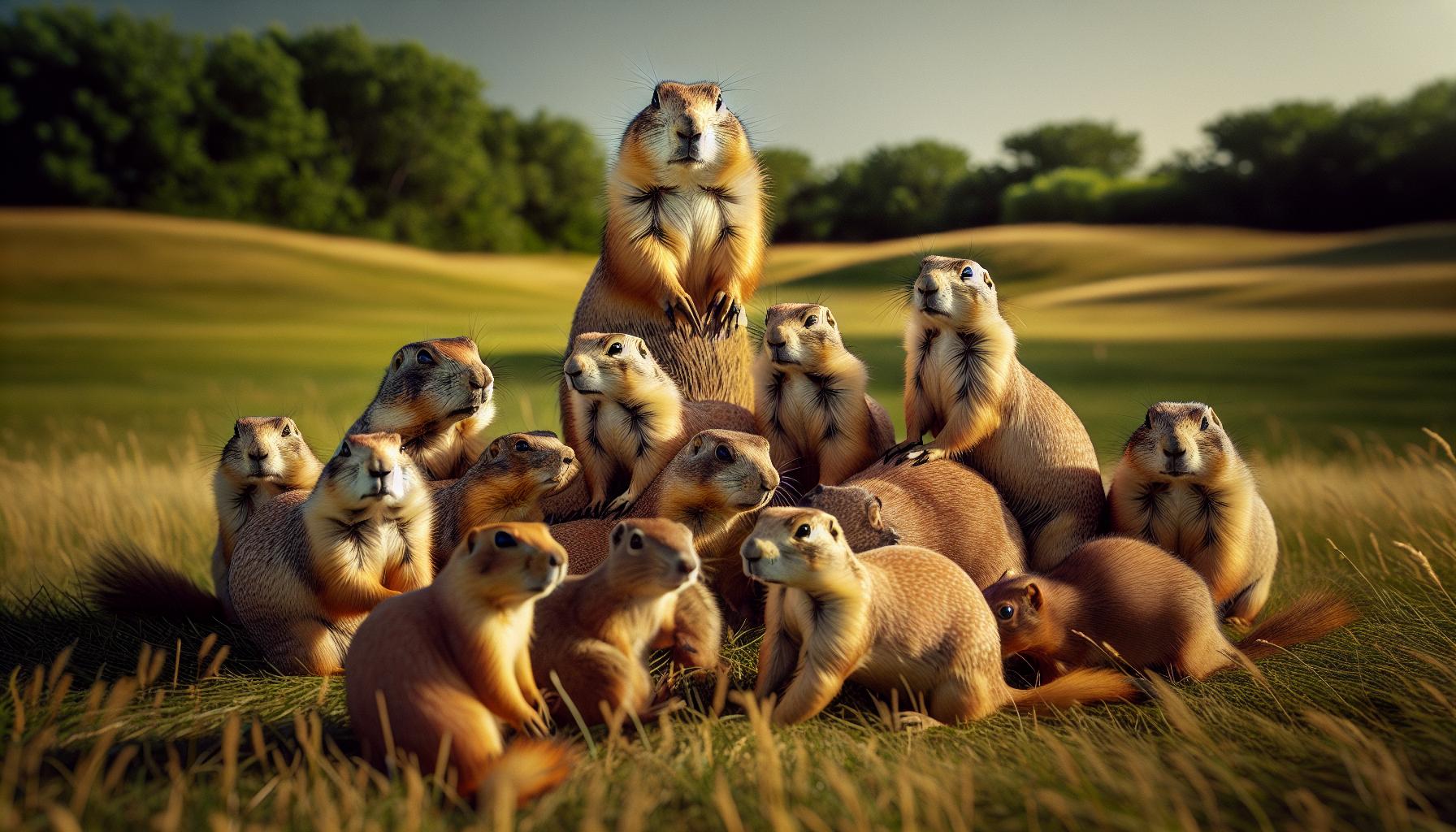
Understanding Prairie Dog Family Classification
Prairie dogs are distinctive members of the rodent family, and understanding their classification reveals the fascinating connections they share with other animals in the Sciuridae family. This family encompasses not only prairie dogs but also tree squirrels, ground squirrels, and chipmunks, creating a diverse group of creatures with varying habitats and behaviors. Within the prairie dog lineage, the genus Cynomys is home to five primary species: the black-tailed, white-tailed, Gunnison’s, Utah, and Mexican prairie dogs, each adapted to their unique environments in the grasslands of North America.
What sets prairie dogs apart from their relatives is their intricate social structure. Unlike many solitary rodents, these animals thrive in complex colonies called “towns,” where they engage in social behaviors that greatly enhance their survival. The communicative skills of prairie dogs are particularly noteworthy-research has shown that their vocalizations can convey specific information about predators, food availability, and even the type of threat perceived, suggesting a high level of social awareness similar to that of primates.
Their adaptations go beyond communication; prairie dogs exhibit behaviors that demonstrate their communal spirit. For instance, they partake in grooming one another and assigning individuals the task of watching out for predators while others feed. This sentinel behavior not only helps keep the colony safe but also emphasizes their reliance on one another for survival, showcasing how their family classification is tightly woven with social dynamics and ecological interactions.
By delving into prairie dogs’ classifications and their nearest relatives, we gain valuable insight into the broader ecological roles these animals play. Their existence exemplifies how closely related species can adapt to their environments while developing unique communal traits, creating a rich tapestry of life on the Great Plains. Such knowledge not only enriches our understanding of prairie dogs but also fosters a deeper appreciation for the interconnectedness of wildlife as a whole.
The Unique Traits of Prairie Dogs: A Closer Look
Prairie dogs are much more than just adorable, chattering rodents; they are fascinating creatures that embody unique traits and behaviors setting them apart in the animal kingdom. One of the most intriguing aspects of prairie dogs is their astoundingly complex social structure. Unlike many other rodents that prefer solitude or simple group dynamics, prairie dogs live in extensive colonies known as “towns.” These towns can comprise dozens to hundreds of individuals, fostering a rich, interactive community where they engage in cooperative behaviors that enhance their survival.
Among their unique communication abilities, prairie dogs utilize a sophisticated system of vocalizations that can convey critical information. Research indicates that their calls can specify not just the presence of a predator but also the type of threat it poses, whether it’s a hawk, coyote, or human. This level of specificity in warning signals showcases their advanced social awareness and is a striking example of non-human language complexity. In addition to vocal communication, prairie dogs use body language and scent marking to reinforce social bonds within their colony.
Another captivating characteristic of prairie dogs is their nurturing nature. These rodents exhibit behaviors such as grooming, which helps strengthen social ties, and sentinel behavior, where designated individuals keep a lookout for danger while others feed. Such communal living arrangements highlight their reliance on one another for safety and survival, making them not just a species of rodents but a dynamic social entity within their ecosystem.
In summary, prairie dogs embody a blend of engaging traits that not only make them a remarkable example of a social rodent but also enhance their role in the environmental tapestry of the Great Plains. Their intricate communication and cooperative behaviors provide insight into the evolutionary advantages of social living, which is essential for their survival in the wild. Understanding these unique traits allows us to appreciate the nuances of prairie dog life, paving the way for informed discussions about conservation efforts and ecosystem health.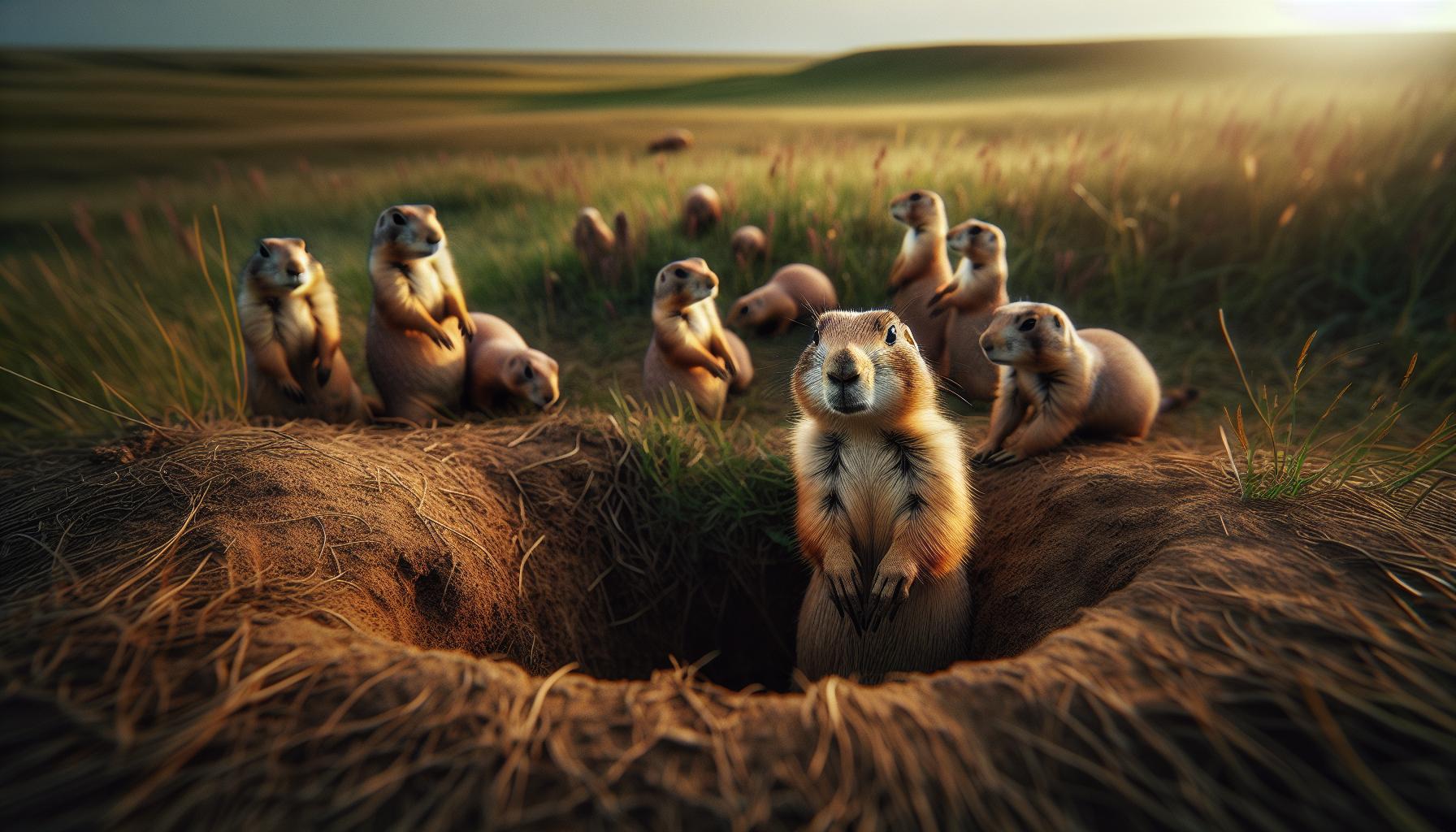
The Evolutionary History of Prairie Dogs
The evolutionary journey of prairie dogs is as intriguing as their lively behavior in their expansive colonies. These charismatic rodents belong to the family Sciuridae, which primarily includes squirrels, but their specific lineage traces back to a fascinating group of ancestors. Prairie dogs, known scientifically as Cynomys, share a closer relationship with ground squirrels than with their tree-dwelling cousins. This family tree reveals interesting adaptations that have enabled prairie dogs to thrive in the grasslands of North America.
Originating around 30 million years ago, prairie dogs inherited a unique burrowing lifestyle, which provides them with essential protection from predators and harsh weather conditions. Their distinctive tunneling behavior has not only shaped their physical traits-such as strong forelimbs for digging-but has also influenced their social systems profoundly. This survival strategy allows them to create complex colonies, or towns, where multiple generations can coexist.
Interestingly, prairie dogs are part of a larger rodents category known as “cynomys,” which translates to “dog mouse,” a name reflecting their vocal nature, reminiscent of a barking dog. This vocal ability has evolved significantly, allowing them to communicate effectively about potential dangers within their environment, which is vital for their survival in the unpredictable plains.
Throughout their evolutionary history, prairie dogs have also experienced various environmental changes, leading to adaptations in their diet and behavior. They are primarily herbivorous, feeding on grasses and herbs, which supports their role in maintaining the ecosystem by aerating the soil and facilitating nutrient cycling. As they dig their extensive burrows, their activities help mix soil layers, benefiting other plants and animals in their habitat. Understanding enhances our appreciation for their role in the ecosystem and highlights the significance of preserving their habitats amidst growing environmental challenges.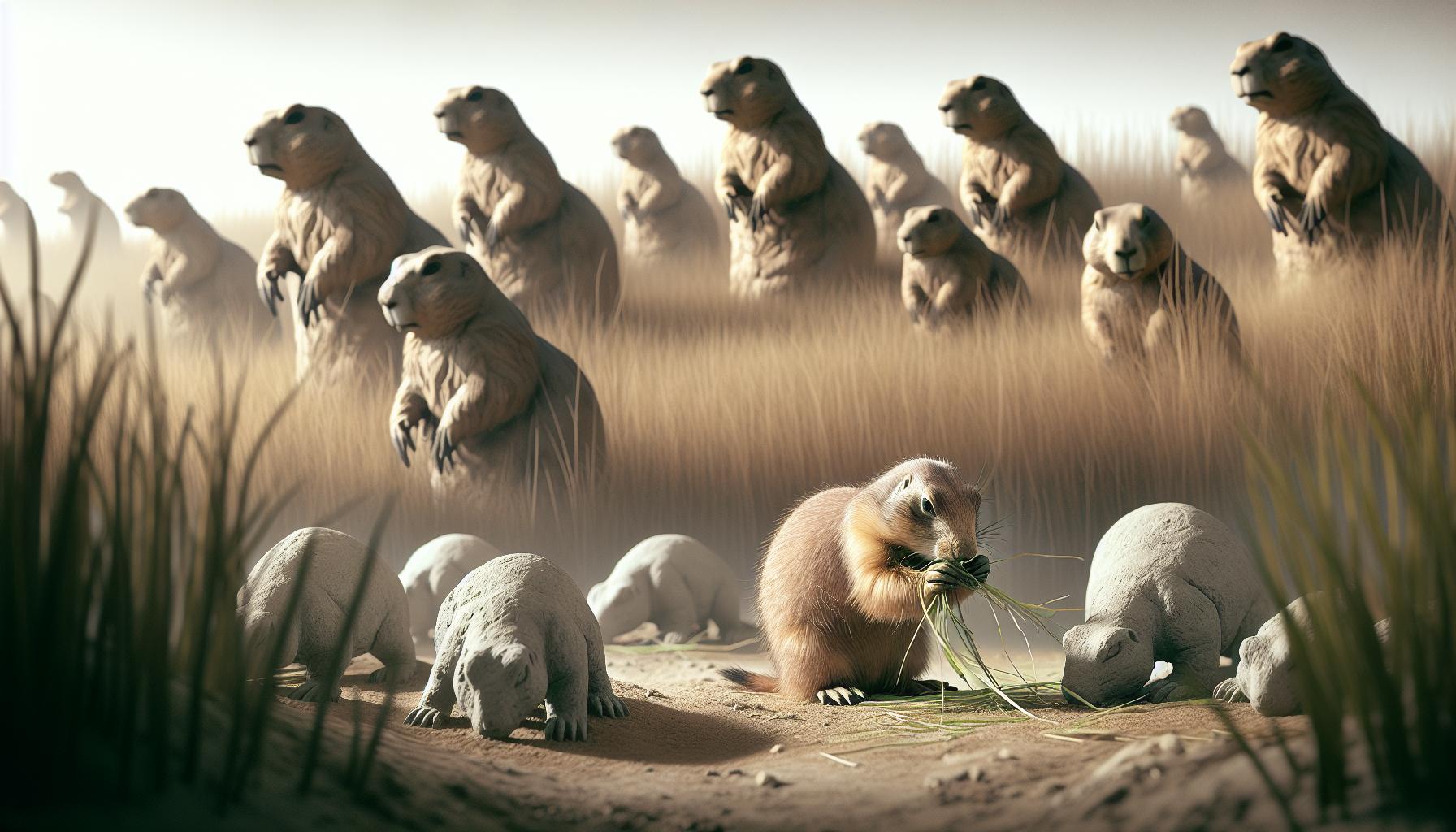
Comparative Analysis: Prairie Dogs vs. Other Rodents
Prairie dogs may share their environment with a range of rodent species, but their closest relatives are ground squirrels, which belong to the same family, Sciuridae. This connection highlights a fascinating evolutionary branch that adapts to similar habitats and lifestyles. Ground squirrels typically lead a more solitary life compared to the gregarious nature of prairie dogs, who thrive in social colonies. These colonies, often referred to as “towns,” can consist of hundreds of individuals and play a crucial role in their daily survival, facilitating foraging and protection against predators.
Comparing prairie dogs to other rodents such as rats, mice, and voles, we see that prairie dogs exhibit unique social structures and behaviors not commonly observed in these more solitary or opportunistic species. For example, while rats are often seen nibbling on scraps in urban environments, prairie dogs maintain a strict herbivorous diet focused on grasses, which positions them as critical members of their grassland ecosystems. Their foraging habits significantly impact the vegetation dynamics, encouraging biodiversity within their habitat.
One of the most intriguing aspects of prairie dogs is their communication system, which is highly developed compared to other rodents. They use a complex series of vocalizations to alert other prairie dogs about various threats, a trait less pronounced in many rodent species. This vocal behavior underscores not only their social nature but also their evolutionary adaptation, enhancing survival through community awareness and cooperation.
Ultimately, while they are part of the broader rodent family, prairie dogs stand out with their unique adaptations, social behaviors, and ecological roles. Their relationships with other species in the rodent family illustrate the diversity within the group, proving that even within one family, the ways of life can be strikingly different. Understanding these similarities and differences helps underline the importance of preserving prairie dogs and their habitats, as they contribute significantly to their ecological niche and the larger environmental fabric.
The Role of Prairie Dogs in Their Ecosystem
Prairie dogs are more than just charming residents of the grasslands; they play a vital role in their ecosystems that extends far beyond their burrows. These small mammals create complex colonies known as “towns,” which contribute significantly to the biodiversity and health of their environment. Their activities not only promote vegetation diversity but also support numerous other animal species that rely on prairie dog habitats for survival.
One of the most crucial ways prairie dogs impact their ecosystem is through their foraging habits. As herbivores, they primarily consume grasses and other vegetation, which helps to maintain a balanced plant community. This grazing behavior prevents certain grass species from becoming overly dominant, thus allowing a variety of plant species to thrive. The nutrients in prairie dog droppings also enrich the soil, enhancing the growth of surrounding vegetation, which in turn supports a diverse range of wildlife.
Moreover, prairie dog towns serve as critical ecosystems in their own right. The complex burrow systems they create provide shelter not only for themselves but for other species as well, such as foxes, rabbits, and a wide array of invertebrates. Their diggings aerate the soil, promoting healthier plant growth and helping to retain moisture, which is essential in arid landscapes. This creates a vibrant microhabitat that supports a tapestry of life, demonstrating the interconnectedness of prairie dogs with their environment.
In addition to their direct contributions, prairie dogs are also key prey for predators such as coyotes and birds of prey. By supporting these higher trophic levels, they help to maintain the balance of the grassland food web. Their presence influences the distribution and behavior of these predators, further emphasizing their important role as a foundation species in their ecosystem.
In summary, prairie dogs are integral to the ecological dynamics of their habitats. By fostering plant diversity, providing shelter for other wildlife, and supporting predator populations, they enhance the resilience of the grassland ecosystem. Recognizing and preserving their role is essential for ensuring the health and stability of these environments.
How Prairie Dogs Communicate with Each Other
Prairie dogs are not just adorable residents of the grasslands; they also boast an impressive communication system that rivals many more advanced mammals. Using a complex array of vocalizations, they can convey messages about various situations, such as the presence of predators or the state of their environment. For instance, researchers have identified a range of distinct alarm calls that differ based on the type of threat-a coyote versus a hawk, for example. This remarkable ability to differentiate threats highlights their advanced cognitive skills, underscoring the importance of communication within their social structures.
In addition to vocalizations, prairie dogs employ a fascinating form of body language and physical displays to communicate. They often engage in grooming and social bonding behaviors, which foster community ties and reinforce group cohesion. When they stand upright on their hind legs, it can indicate alertness or serve as a lookout position to scan for danger. These behaviors not only boost their ability to survive in the wild but also enrich their social interactions, demonstrating the depth of their communal life.
Why Communication Matters
Effective communication is crucial for prairie dog’s survival, enabling them to coordinate functions and maintain social hierarchies within their colonies. When a sentinel prairie dog spots a potential threat, it emits specific calls that inform the others to remain vigilant. This quick dissemination of information can save lives and is a striking example of the complex social structures that characterize prairie dog towns.
Moreover, their communication extends to sharing information about food sources and habitat conditions. This form of social learning is vital for young prairie dogs, who must develop survival skills and knowledge of their environment from their elders. Thus, prairie dogs demonstrate a sophisticated level of social interaction that goes well beyond mere survival instincts, showcasing their role as socially complex mammals within their ecosystems.
The Importance of Prairie Dog Conservation
Prairie dogs play a crucial role in maintaining the health of their ecosystems, and their conservation is vital not just for their survival but for the countless species that depend on them. These social rodents create extensive burrow systems that improve soil health, promote water retention, and provide habitat for a variety of other animals such as burrowing owls, rattlesnakes, and even foxes. The presence of prairie dog colonies can enhance biodiversity, serving as a nursery for other species as they create opportunities for various animals to thrive in their unique habitats.
Unfortunately, prairie dogs face numerous threats, primarily from habitat loss, urban development, and agricultural expansion. Their populations have decreased dramatically over the years, leading to calls for conservation efforts aimed at protecting these important animals. Effective conservation measures involve not just protecting prairie dog colonies but also managing the lands surrounding these areas to create a sustainable environment. One approach is establishing protected areas that allow for safe dispersion of prairie dog populations. This not only aids in their population recovery but also enhances the surrounding ecosystem.
Involving local communities in conservation strategies can also empower residents and foster a sense of stewardship for these unique creatures. Education about the benefits of prairie dogs, including their positive impacts on soil and other wildlife, can encourage support for conservation initiatives. Engaging in programs that promote coexistence and understanding of prairie dog behavior fosters appreciation rather than animosity, which is essential in areas where ranchers view them as pests.
To effectively protect prairie dogs and their habitats, conservationists advocate for policies that prioritize collaborative efforts among stakeholders. This multifaceted approach can include habitat restoration, public awareness campaigns, and incentives for landowners to maintain prairie dog colonies. By doing so, we not only safeguard these fascinating animals but also the rich tapestry of life that thrives within prairie ecosystems.
Interesting Facts About Prairie Dog Behavior
Prairie dogs are fascinating creatures that showcase a variety of intriguing behaviors, making them some of the most captivating rodents in North America. One of their standout traits is their remarkable social structure; they live in what are known as “towns,” which can sometimes span over hundreds of acres and house thousands of individuals. Within these towns, prairie dogs maintain a complex social hierarchy and exhibit cooperative behaviors, particularly in raising their young and watching out for predators.
Communication is key to prairie dog society. They use a sophisticated system of vocalizations that can convey detailed information about potential threats, such as the approach of a hawk or coyote. Studies have shown that their alarm calls are not just generic warnings; they can specify the type of predator and even describe the predator’s size and color. This level of communication aids in the survival of the group, showcasing the intelligence and social awareness of these rodents.
Additionally, prairie dogs are known for their elaborate burrowing behavior. Their burrows can be quite intricate, featuring multiple chambers and exits. This design not only provides shelter from predators and extreme weather but also helps regulate the temperature inside their homes. The burrowing activity of prairie dogs also influences the surrounding ecosystem, as their digging aerates the soil and allows for better water infiltration, ultimately benefiting other flora and fauna in their habitats.
In terms of play behavior, prairie dogs engage in a variety of playful activities, especially among younger individuals. They can often be seen chasing each other, wrestling, and even sliding down slopes. This playful interaction serves not only as a means of bonding but also as an essential part of their development, honing their skills that will be crucial for survival in the wild. Overall, the behavior of prairie dogs exemplifies their adaptability and importance within their ecological niche.
Prairie Dog Varieties: Differences Among Species
Prairie dogs, often considered one of the most sociable of rodents, belong to the family Sciuridae, which includes a variety of other fascinating species. While there are five recognized species of prairie dogs, each exhibits unique traits and adaptations that enable them to thrive in their specific habitats. Understanding these differences can enhance our appreciation of their ecological roles and behaviors.
One of the most common species is the Black-tailed Prairie Dog (Cynomys ludovicianus), found mainly in the grasslands of North America. They are easily recognizable by their distinctive black-tipped tails, which serve as a warning flag to alert their companions of approaching danger. These prairie dogs live in expansive colonies called “towns” that can cover extensive areas, demonstrating their highly social nature.
Varieties of Prairie Dogs
- White-tailed Prairie Dog (Cynomys leucurus): Found in the higher elevation regions of Wyoming, Colorado, and Utah, this species has a predominantly white tail and a more rounded body. They are known for their slightly different foraging habits, often eating a broader variety of grasses and herbs compared to their black-tailed relatives.
- Gunnison’s Prairie Dog (Cynomys gunnisoni): This small species is native to the mountainous regions of Colorado and surrounding states. Gunnison’s prairie dogs are noted for their smaller stature and a more complex burrow system, which reflects their adaptation to the harsher climates of higher altitudes.
- Utah Prairie Dog (Cynomys parvidens): This species is considered endangered and is found primarily in the state of Utah. Their populations have been significantly affected by habitat loss and disease, highlighting the importance of conservation efforts.
- Mexican Prairie Dog (Cynomys mexicanus): This less common species resides in the grasslands of northern Mexico and southwestern Texas. They possess a unique social structure and are slightly more specialized in their diet, often favoring specific plant species found in their localized habitats.
While all prairie dogs share common characteristics, their varied adaptations to different environments illustrate the remarkable diversity within this group. The differences in size, habitat preference, and social structure among species not only offer insight into their evolutionary history but also underscore their distinct roles within their ecosystems. From aerating the soil with their digging to serving as a food resource for numerous predators, prairie dogs play a critical role in maintaining the health of grassland habitats.
Understanding these varieties not only fascinates wildlife enthusiasts but also emphasizes the significance of conservation measures to protect these incredible animals and their habitats. Whether it’s the bustling towns of black-tailed prairie dogs or the more secluded colonization of the Gunnison’s variety, each species contributes uniquely to the tapestry of life in North America’s grasslands.
How Prairie Dogs Fit in the Food Chain
In the intricate web of life within grassland ecosystems, prairie dogs play a pivotal role as both prey and ecosystem engineers. As a keystone species, their presence significantly influences the health and function of their habitat. To understand how these charismatic rodents fit into the food chain, it’s vital to recognize not only who dines on them but also how their behaviors and burrowing activities create a ripple effect throughout their environment.
Prairie dogs are primarily herbivores, feasting on grasses, roots, and other vegetation. However, they themselves become a crucial food source for various predators. Commonly seen as tasty meals, they are hunted by a range of animals including hawks, eagles, coyotes, and ferrets. Their rich nutrient content and availability make them a favored prey item, ensuring that these predators thrive in their respective ecological niches. For example, prairie dog colonies attract prairie falcons, which hunt the open environments surrounding the towns where these rodents live, showcasing the interplay between predator and prey in this vibrant landscape.
One of the fascinating aspects of prairie dogs is how their burrowing behavior affects the soil structure and plant communities. Their extensive tunneling aerates the soil, promoting healthy root systems and enhancing water infiltration. This not only benefits their own kind by creating a more abundant food source from the resulting lush vegetation but also supports other herbivores that depend on the grasslands for sustenance. The presence of prairie dogs can increase biodiversity, as many other species-such as insects, reptiles, and different grassland birds-find shelter and food within the complex environment they help create.
Moreover, prairie dog colonies serve as a crucial habitat for other animals, such as the endangered black-footed ferret, which relies on prairie dogs both as a nesting site and primary food source. Thus, the interconnectedness of prairie dogs and their environment highlights their role as an essential building block of the grassland food web. By protecting prairie dogs, we are not only ensuring their survival but also fostering the health of the entire ecosystem, making conservation efforts around these fascinating creatures all the more vital.
In conclusion, prairie dogs illustrate how one species can influence countless others in their ecosystem. Their role in the food chain is not just about being prey; it extends into the health of the grasslands, showcasing an inspiring example of nature’s interconnectedness.
Exploring the Social Structure of Prairie Dog Colonies
In the world of prairie dogs, social structures are as intricate and fascinating as the tunnels they dig. Living in colonies often referred to as “towns,” these animals showcase a blend of cooperation and communication that is essential for their survival and thriving community life. Each colony can consist of hundreds to thousands of prairie dogs, all of whom share a highly organized social framework.
At the heart of prairie dog society is a complex system of social hierarchies. Typically, males will establish territories and compete for dominance through displays of aggression, vocalizations, and posturing. Within a town, you may find several “families,” where related females often cooperate to raise their young. The females are typically more involved in raising pups, and males may disperse to different colonies once they are mature, thus preventing inbreeding and supporting genetic diversity. This system ensures that each colony remains resilient and can adapt to environmental changes.
Communication plays a vital role in the social structures of prairie dogs. They use a sophisticated array of vocalizations to alert others to threats, express alarm, or coordinate with one another. Eavesdropping on these conversations reveals that they have distinct calls depending on the type of predator spotted, allowing them to convey detailed information about size and danger level. This unique behavioral trait not only enhances their collective defense strategies but also strengthens social bonds among members of the colony.
Moreover, the presence of prairie dog colonies has broader ecological impacts, creating distinct micro-habitats that encourage a diverse range of wildlife. Other organisms, including various bird species and small mammals, often rely on these colonies for shelter and food. Hence, the social structure of prairie dog communities extends beyond their own species, forging intricate connections within the larger ecosystem.
Understanding these lively social dynamics gives us insight into the importance of prairie dogs beyond their charming exterior. Each colony is a bustling hub of activity, cooperation, and communication, showcasing how social structures can greatly influence both individual and community survival in the wild.
FAQ
Q: What family do prairie dogs belong to?
A: Prairie dogs belong to the Cynomys genus, which is part of the Sciuridae family, known as the squirrel family. This classification highlights their close relation to ground squirrels and other small rodents.
Q: How are prairie dogs related to other rodents?
A: Prairie dogs are closely related to other members of the Sciuridae family, such as ground squirrels and chipmunks. Despite differences in habitat and behavior, they share a common ancestor, showcasing their evolutionary links within the rodent family.
Q: What animals are considered prairie dog predators?
A: Prairie dog predators include a variety of animals such as hawks, eagles, badgers, and coyotes. These predators play a vital role in controlling prairie dog populations, illustrating their importance in the food chain.
Q: Are there different species of prairie dogs?
A: Yes, there are five species of prairie dogs: the Black-tailed, White-tailed, Gunnison’s, Mexican, and Chiwantze prairie dogs. Each species has unique traits and adaptations suited to their environments, contributing to their diverse family tree.
Q: How do prairie dogs communicate with each other?
A: Prairie dogs use a complex system of vocalizations, body language, and even tail signals to communicate. Their sophisticated communication helps them alert each other to danger, find mates, and maintain social structures within colonies.
Q: What role do prairie dogs play in their ecosystem?
A: Prairie dogs serve as a keystone species, creating burrows that benefit many other animals. Their grazing habits help maintain grassland health, while their colonies provide habitats for various birds and small mammals, promoting biodiversity.
Q: What are the conservation status and threats to prairie dogs?
A: Prairie dogs face threats from habitat loss, disease, and pest control efforts. Their conservation status varies by species, with some being more at risk. Protecting their habitats is crucial for maintaining healthy prairie ecosystems.
Q: How do prairie dogs differ from ground squirrels?
A: While prairie dogs and ground squirrels share family ties, prairie dogs are typically more social and live in larger colonies. Ground squirrels tend to be solitary or live in smaller groups, showcasing different social structures and behaviors.
In Summary
Now that you understand what prairie dogs are related to in terms of their family tree, it’s essential to recognize their role in the ecosystem and the broader wildlife community. As social animals, prairie dogs exhibit fascinating behaviors that merit further exploration, such as their complex burrow networks and their interactions with other species. If you enjoyed this dive into prairie dog relatives, consider clicking over to our article on “The Ecosystem Impact of Prairie Dogs” to learn more about their ecological significance.
Don’t stop here! Join our newsletter for the latest insights on wildlife and conservation topics, or check out our popular piece on “Interesting Facts About Prairie Dog Behavior” to heighten your knowledge and appreciation for these intriguing creatures. Whether you’re a seasoned wildlife enthusiast or new to learning about these fascinating animals, there’s always more to discover. Share your thoughts and experiences in the comments below, and let’s keep the conversation going!
Get our latest guides, news, and insights highlighted in your Google Search & AI Overviews.