

Did you know that baby prairie dogs are affectionately called “pups”? These adorable little critters bring a whole new level of charm to the bustling communities of their furry families. Understanding pup terminology not only enriches your appreciation for these social animals but also highlights their unique behaviors and care needs, which are crucial for their survival in the wild. As we delve into the fascinating world of prairie dog pups, you’ll discover how vital these young ones are to their colonies, their playful antics, and the challenges they face in their natural habitat. Whether you’re a wildlife enthusiast or just curious about these charming creatures, this exploration will provide you with insights that deepen your connection to prairie dogs and the importance of their conservation. Let’s uncover the delightful world of pup life and what makes these little prairie dwellers so special!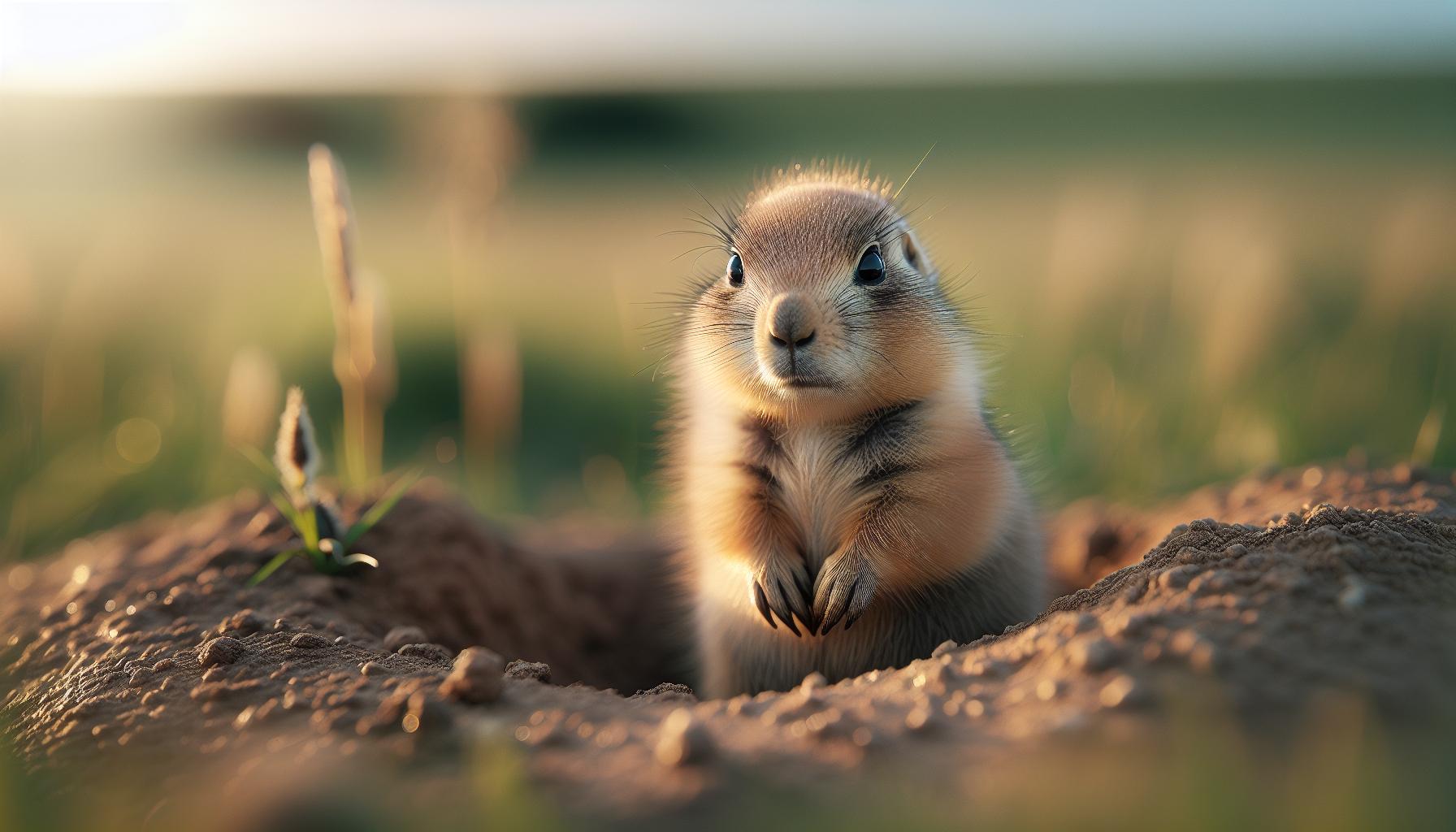
What Do You Call a Baby Prairie Dog?
Baby prairie dogs are affectionately known as “pups.” This charming term captures their youthful innocence and playful demeanor. Just like puppies of more familiar canine breeds, prairie dog pups exhibit curiosity and energy as they navigate their underground burrows. They are born into intricately structured colonies, which serve as both their home and social network.
The life of a prairie dog pup begins in the safety of a burrow. After a gestation period of about 30 days, a mother prairie dog gives birth to a litter that typically ranges from three to eight pups. These little ones are born hairless and blind, entirely dependent on their mothers for warmth and nourishment. As they grow, pups emerge from their burrows, starting to explore the world around them while learning crucial survival skills from their mothers and other colony members.
As they develop, prairie dog pups play a significant role in their communities. Their gregarious nature allows them to forge strong social bonds and establish hierarchies within their colonies. This social structure is paramount for their safety, as living in a community helps protect them from predators. Additionally, through play, pups enhance their physical abilities, improving their chances of thriving as adults.
Overall, prairie dog pups are a delightful aspect of their colony lifestyle. Their early experiences not only shape their development but also contribute to the vibrant and dynamic nature of prairie dog communities. If you have the chance to observe these little creatures, you’ll witness a fascinating blend of cuteness and complex social behavior in action!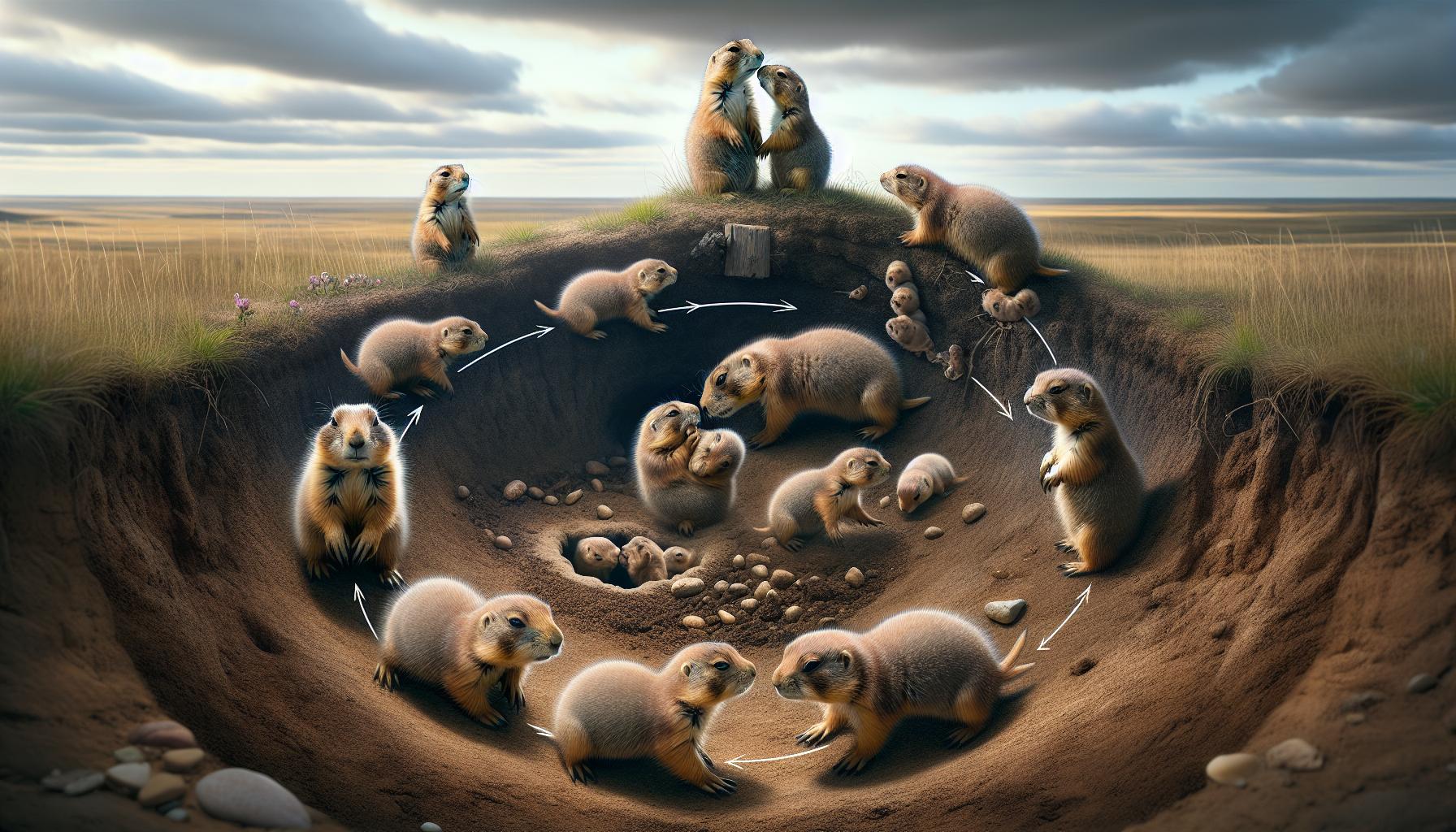
Life Cycle of a Prairie Dog Pup
The journey of a prairie dog pup is nothing short of remarkable, filled with transformation and growth as it navigates life within its bustling colony. Born after a swift gestation period of about 30 days, these pups emerge into a world that is both familiar and new. Initially hairless and blind, they rely completely on their mother for warmth and nourishment. This stage is critical as they begin their lives in the safety of the burrow, a nurturing environment that protects them from predators.
As the days progress and the pups grow stronger, they gradually venture out of the safety of their underground homes. This exploration is not just for curiosity; it is a vital part of their development. They start to learn essential survival skills essential for their future. They practice critical abilities, such as foraging, social interaction, and evading predators all under the watchful eyes of adult prairie dogs. The pups will often engage in playful games, which, while delightful to observe, serve a greater purpose in honing their skills and strengthening social bonds.
The role of these pups in their colonies cannot be understated. Growing up, they contribute to the complex social structure of the colony, forming relationships and establishing hierarchies that are crucial for their communal living. Their energetic play and social interactions help reinforce bonds within the colony, which is vital for collective defense against threats. Those who live in harmony are often safer, and the pups’ presence fosters a spirit of cooperation that keeps the colony thriving.
Ultimately, the is a blend of vulnerability and resilience. From being tender, care-dependent young to becoming active social participants in their communities, these pups exemplify the strong communal nature of prairie dogs. If you ever get the chance to witness a colony in action, you’ll see not only the cuteness of the pups but also the sophistication of their social structures and behaviors, revealing the intricate web of life these remarkable creatures share.
How to Care for Prairie Dog Pups
Caring for prairie dog pups is a delicate and fulfilling endeavor, as these lively little creatures form the heart of their colonies. As social animals, they thrive in communal settings, sharing responsibilities and bonds with their family members. If you find yourself in a position to care for a prairie dog pup, whether you are rehabilitating or keeping them as pets, it’s important to understand their unique needs to ensure they flourish.
To begin with, a clean, safe environment mimicking their natural habitat is crucial. Prairie dog pups need ample space to burrow and play-a substrate of soft bedding material like straw or aspen shavings is ideal. This setup allows them to exhibit natural behaviors and provides a cozy retreat for resting. Keeping their habitat dry and free from waste is essential to prevent health issues.
Diet is another critical aspect of care. In the wild, prairie dogs are herbivores, primarily grazing on grasses and herbs. When caring for pups, providing a balanced diet rich in hay, fresh vegetables, and specially formulated rodent pellets is key. Ensure that their diet is high in fiber to promote healthy digestion. Avoid processed foods or high-fat snacks, as these can lead to health complications.
Socialization cannot be overlooked either. Prairie dog pups are not solitary creatures; they develop best when interacting with their peers or human caretakers. Gentle handling and regular social interaction will help them grow into well-adjusted adults. Playtime is vital, so consider providing toys or safe objects to encourage their playful instincts. It’s essential to supervise play to ensure their safety.
Lastly, regular check-ups with a veterinarian experienced in exotic animals can help monitor the pups’ health and development. They’ll be able to address any dietary or behavioral concerns you might encounter. By creating a nurturing environment, offering the right food, and encouraging social interactions, you can help prairie dog pups thrive, preparing them for a happy life both in the wild or as companions.
In summary, with attention to their habitat, diet, social needs, and health, you’ll set the stage for prairie dog pups to grow into healthy, energetic adults. These captivating creatures are not just pets; they are part of a rich social fabric that, when supported correctly, can offer endless joy and fascination.
Common Misconceptions About Prairie Dogs
Many people harbor misconceptions about prairie dogs, particularly regarding their behavior, habitat, and social structures. One common belief is that prairie dogs are merely pests, often likened to rodents like rats. While they do share some family traits-being part of the rodent family-prairie dogs actually play a critical role in their ecosystem. Their burrowing habits aerate the soil and help promote the growth of vegetation, making them essential to the health of their prairie habitats.
Another misunderstanding is that prairie dogs are solitary creatures. In truth, they are highly social animals that thrive in colonies called coteries, which can include dozens of individuals. These groups engage in complex social interactions and even exhibit behaviors that resemble play. For instance, prairie dog pups often engage in social grooming and playful chasing, which are vital for their development and help solidify social bonds within the group.
Some also mistakenly believe that prairie dogs are easy to care for as pets, assuming they would behave like common pets such as dogs or cats. However, prairie dogs have specialized needs that require a deep commitment to their habitat and social behaviors. They thrive in environments that mimic their natural habitat, including ample space for burrowing and interaction with their kind. Keeping them in isolation can lead to stress and health issues, highlighting the necessity of understanding their complex needs.
Lastly, a frequent misconception is that prairie dogs pose no threat to agriculture or land use. While they can cause localized damage through their burrowing and feeding habits, their impact can often be mitigated through responsible land management practices. People must balance understanding their ecological benefits with the challenges they present, ensuring a sustainable coexistence that respects wildlife and agriculture alike. Understanding these facets of prairie dogs helps paint a fuller picture of their significance in both the animal kingdom and the ecosystems they inhabit.
The Role of Pups in Prairie Dog Colonies
In prairie dog colonies, the role of pups extends far beyond mere cuteness; these young animals are vital to the social structure and survival of their communities. Born in litters of around 3 to 6, prairie dog pups are weaned between 4 to 6 weeks of age and begin to explore their surroundings shortly thereafter. This early exposure to the bustling life of the coterie contributes significantly to their development and integration into the group.
As pups grow, they engage in a variety of social behaviors that fortify their connections with other members of the colony. They participate in friendly play, which is essential for building social skills and establishing hierarchies. During these playful interactions, you might observe pups chasing one another, wrestling, or even practicing their famous “jumping” antics, where they leap into the air, showcasing their youthful exuberance. These activities aren’t just fun; they teach important survival skills, such as agility and quick reflexes, which are crucial when evading predators.
Moreover, prairie dog pups rely on their elders for protection and learning. Adult prairie dogs take on the role of guardians, alerting the colony to dangers and teaching the pups essential survival techniques. This mentorship fosters a deep sense of community, as each member plays a part in raising the next generation. The cooperative nature of prairie dog colonies is a testament to their intricate social structures, where each pup’s growth is supported by the collective effort of experienced adults.
To summarize, pups are the future of prairie dog colonies, serving as vital links within their social groups. They absorb knowledge from adults while contributing to the community’s dynamics through play and social interactions. This nurturing environment not only ensures the pups’ survival but also perpetuates the colony’s traditions and resilience against the challenges they face in their natural habitats.
Feeding Needs of Baby Prairie Dogs
The nourishment of young prairie dogs is essential to their growth and development, setting the foundation for their roles in their colonies. These adorable pups, born blind and quite helpless, begin their life completely dependent on their mothers for sustenance. Initially, they rely solely on their mother’s milk, which provides not just hydration but vital nutrients necessary for their rapid growth during the first few weeks of life.
As these tiny creatures mature, their diet undergoes significant changes, typically around the age of four to six weeks when they start to transition to solid foods. Young prairie dogs are herbivorous, thriving on a variety of vegetation. Their diet includes tender grasses, clover, and other leafy plants that are abundant in their natural habitats. This shift to grass forms an important part of their learning process, as they watch their mothers and other adults forage for food, honing their own foraging skills.
Maintaining a balanced diet is crucial for the pups’ health and growth. A diet rich in nutrients helps support their developing bodies and energy levels for play and exploration. In the wild, prairie dog pups not only learn to identify edible plants through observation but also develop social behaviors linked to foraging, such as sharing food and communicating about food sources with other colony members. This aspect of their feeding habits contributes to the tight-knit community dynamics that prairie dogs are known for.
To summarize, the evolve markedly from milk dependence to a varied herbivorous diet that supports their growth and fosters essential social behaviors. Understanding their dietary requirements is vital for anyone interested in their care, ensuring that these captivating animals thrive both in the wild and in responsible human habitats.
Unique Characteristics of Prairie Dog Pups
Prairie dog pups exhibit a delightful combination of vulnerability and charm as they embark on their early journey of life. At birth, these little creatures are completely blind and rely entirely on their mothers for nourishment and protection. One of the most fascinating characteristics of prairie dog pups is their rapid adaptation to their surroundings. Within just a few weeks, they begin to develop their senses and start to venture outside their burrows, which not only helps them acclimate but also maximizes their chances of survival in the wild.
As they grow, prairie dog pups showcase a remarkable trait: their playful nature. This playfulness is not merely for fun; it plays a crucial role in honing their survival skills. Engaging in mock fights and chase sequences helps them develop agility and social bonds within their colony. Their interactions are essential for establishing hierarchies and learning important communication cues, which are pivotal for their future roles in the complex social structure of prairie dog colonies.
Another unique aspect of these pups is their exceptional capacity for learning through observation. Young prairie dogs closely watch their mothers and other adults, mimicking their foraging behavior to acquire knowledge about potential food sources and safe foraging techniques. This keen observational skill not only aids in their survival but also reinforces the communal nature of prairie dog society, where older members teach the younger generation essential skills for life in the wild.
Interestingly, prairie dog pups are born with a coat of soft, fine fur that gradually changes in texture and color as they mature. This transformation is vital for maintaining camouflage within their environment, protecting them from predators. Their ability to blend into the landscape is heightened by this changing coat, making it even more impressive when one considers how quickly these pups grow and adapt in just a few short months. Each characteristic of prairie dog pups contributes to their role in fostering a tightly-knit and thriving colony.
Social Behavior and Development of Pups
Baby prairie dogs are called pups, and their social behavior and development are remarkable as they grow within the structure of prairie dog colonies. These little creatures are not just cute and cuddly; they are critical to the social fabric of their community. From a young age, prairie dog pups engage in playful interactions that serve essential functions beyond mere amusement. Through games of chase and mock fighting, they learn essential skills like agility, coordination, and, importantly, social bonding.
Social structure in a prairie dog colony is intricate, marked by hierarchies and roles that pups learn to navigate as they mature. Recent observations have shown that pups begin to establish their social rank even in their early weeks. They communicate through a combination of vocalizations and body language, which are crucial for their integration into the colony. This social communication helps them to identify peers and engage in cooperative behaviors that enhance their survival chances.
As pups grow, they also exhibit a heightened ability to learn from older, more experienced prairie dogs. Through observation, they pick up foraging skills and territory awareness-knowledge that is vital for their independence. Such mentorship is a staple of prairie dog society; older members often guide younger ones, reinforcing the collective nature of these communities. This close-knit social environment is essential as it exposes pups to various stimuli, breeding familiarity and comfort with their surroundings.
In their first few months, the pups’ development accelerates, making ample use of their surroundings for exploration. They gradually learn to identify predators and recognize safe spaces. This early education in social behavior not only contributes to their growth but also strengthens the bonds of the community, ensuring that the colony remains resilient and thriving. The interplay of play, learning, and social interaction sets the stage for these little pups to evolve into integral players in the prairie dog world.
Understanding Prairie Dog Communication
Prairie dogs are not just known for their adorable pups; their communication skills are equally fascinating and complex. These small mammals use a rich vocabulary of sounds and body language to convey messages, alert about dangers, or strengthen social bonds. The ability of prairie dogs to communicate intricately is one of the reasons they thrive within their colonies, as it helps maintain a tightly knit social structure crucial for their survival.
One of the most surprising aspects of prairie dog communication is the diversity of their vocalizations. Research indicates that they have specific calls for different types of predators, allowing them to warn others effectively. For example, they might emit short barks for aerial threats like hawks and longer growls for approaching land predators like coyotes. This sophisticated warning system enables pups to respond swiftly to impending danger, ensuring their protection in the often treacherous prairie environment.
In addition to vocal sounds, prairie dogs use body language to communicate. They engage in behaviors like tail flicking or foot stomping as part of their social interactions. These actions can signify excitement, alarm, or even playfulness among pups, further enriching their social learning experiences. Engaging with one another through play not only helps younger dogs develop critical life skills but also reinforces social hierarchies as they understand their role within the colony.
Furthermore, the communication dynamics among prairie dog colonies extend beyond mere survival. Pups learn to recognize familiar voices and body cues, which facilitates bonds among family members and encourages cooperative behaviors, such as foraging together or grooming each other. This combination of vocal and physical communication fosters a resilient community, where pups learn essential life skills and integration into their social structure. The nurturing environment provided by these rich communication patterns is crucial for the pups’ development, helping them grow into well-adapted adult prairie dogs ready to thrive in their expansive habitats.
Conservation Status of Prairie Dogs
The is a topic of great concern, particularly due to their role as a keystone species in grassland ecosystems. In fact, these social rodents are not just vital for their colonies but also serve as essential contributors to the health of the prairie environment. Unfortunately, habitat loss, disease, and human activities have led to significant declines in prairie dog populations across North America.
Prairie dogs are listed as a species of concern, with some populations classified as endangered or threatened. Their colonies provide habitat for a variety of other animals, including burrowing owls, black-footed ferrets, and various grassland birds, highlighting their importance to biodiversity. When prairie dog numbers decline, it creates a ripple effect that impacts these other species, further emphasizing the need for conservation efforts.
Efforts to protect prairie dogs involve habitat preservation and restoration, as well as public education to foster appreciation for these unique creatures. Many conservation organizations are actively working to create safe environments for prairie dogs and to reduce the negative impacts of agricultural development and urban expansion. Initiatives may include establishing protected areas, managing existing prairie dog colonies, and implementing policies that support sustainable land use.
For wildlife enthusiasts or those curious about adopting a prairie dog as a pet, understanding these conservation challenges is crucial. Responsible ownership involves educating oneself about the needs of these mammals and supporting conservation initiatives that aim to protect their wild counterparts. Moreover, appreciating the ecological role that prairie dogs play can inspire individuals to become advocates for their preservation, ensuring that future generations will continue to enjoy and learn about these fascinating animals.
Fun Facts About Prairie Dog Families
Although prairie dogs may be small, their family dynamics are fascinating and tell a rich story about social behavior and survival. A baby prairie dog, affectionately called a “pup,” is born into a world steeped in community. These little pups stay within their burrows, relying on their families for warmth, protection, and nourishment during their early days. The strong ties within prairie dog families not only contribute to the survival of the pups but also maintain the stability of their colonies.
Pups are born blind and hairless and rely heavily on their mothers in the beginning. As they grow, they start to emerge from the safety of their burrows around six weeks old. During this period, they engage in play, a crucial behavior that helps them develop their social skills and learn important survival tactics. The playful interactions are not just fun; they help pups understand their place in the social structure of the colony. In a thriving prairie dog town, you can observe these young ones practicing their agility, darting around and mimicking adult behaviors.
The colony itself acts almost like an extended family. Prairie dogs are known for their strong bonds; they communicate with one another using a complex system of vocalizations and body language. This communication is vital for the safety of the pups, as adults will alert the group to potential threats, allowing the little ones to seek shelter quickly. Moreover, as pups grow older, they begin to adopt roles within the group, sometimes helping to care for younger siblings or participating in “sentinel” duties where they keep watch for predators.
In their social structures, prairie dog families demonstrate remarkable cooperation and altruism. When a pup is in danger or needs extra care, other members of the colony often step in to help. This behavior extends beyond the immediate family unit, showcasing a community ethos that benefits all its members. The camaraderie seen in prairie dog colonies is a beautiful reminder of the importance of teamwork and community support, reflecting how interconnected these small yet significant animals are in the prairie ecosystem.
Comparing Prairie Dogs to Other Rodents
While prairie dogs are iconic members of the rodent family, they offer a unique glimpse into the fascinating world of rodent behavior that sets them apart from their cousins. A baby prairie dog, known as a pup, shares similarities with young from many other rodents, yet their social structures and behaviors are especially noteworthy.
In the vast family of rodents, which includes animals like squirrels, beavers, and rats, prairie dogs showcase a remarkable level of social interaction. Unlike many solitary rodents, prairie dogs live in large colonies called “towns,” which can comprise hundreds of individuals. This community-oriented lifestyle promotes cooperative behaviors, such as sentry duty and communal care for pups. For instance, adult prairie dogs will often take turns watching for predators, allowing others in the colony to forage or nurture young ones. This level of vigilance and care is less common in more solitary rodents like the typical rat or mouse, where parental care is often limited to the immediate family.
One intriguing aspect of prairie dogs is their sophisticated communication system. They utilize a variety of vocalizations to inform each other of threats, direct movement, and even convey specifics about predators. This contrasts sharply with many other rodents, whose communication is generally less complex. For example, squirrels may use tail movements or simple calls but do not possess the varied vocalizations found in prairie dogs. The ability to convey detailed information is crucial for the survival of prairie dog pups, as their safety heavily relies on swift reaction to danger signaled by adult members.
Feeding habits also highlight distinct characteristics. Prairie dogs are primarily herbivorous, grazing on grasses and plants within their habitat. This diet aligns them with other rodents like beavers and capybaras but differs from omnivorous rodents such as rats, which consume a broader range of food. This specialization can affect their role within the ecosystem, with prairie dogs contributing to their environment by maintaining the grasslands they inhabit, thus supporting a wider array of wildlife.
Overall, while prairie dogs and other rodents share foundational traits typical of the rodent order-such as continuously growing incisors-they diverge significantly in social structures, communication, and ecological contributions. Understanding these differences offers a wonderful insight into the diversity and adaptability of rodents, revealing just how interconnected and interdependent these small animals are within their ecosystems. Whether you’re observing playful pups in their burrows or marveling at a bustling prairie dog town, there’s no denying the captivating dynamics at play in these remarkable creatures.
Frequently Asked Questions
Q: What is a baby prairie dog called?
A: A baby prairie dog is commonly referred to as a pup. This term is used across various species of dogs, including prairie dogs, to describe their young in the first stages of life.
Q: How long does a prairie dog pup stay with its mother?
A: Prairie dog pups typically stay with their mother for about 8 to 10 weeks. During this time, they are weaned and taught essential survival skills before they begin to explore the colony on their own.
Q: At what age do prairie dog pups open their eyes?
A: Prairie dog pups generally open their eyes around 28 to 35 days after birth. Initially, they rely on their strong sense of smell and touch while they are not yet fully mobile.
Q: What do prairie dog pups eat?
A: Initially, prairie dog pups consume their mother’s milk, but they start to nibble on solid foods such as grasses and roots around three weeks of age. By weaning, they shift to a plant-based diet typical of adult prairie dogs.
Q: How do prairie dog pups communicate?
A: Prairie dog pups communicate using a variety of vocalizations and body language. They are known to make alarm calls that alert the colony of potential dangers, showcasing their early development of social skills.
Q: What dangers do prairie dog pups face in the wild?
A: Prairie dog pups are vulnerable to predators such as hawks, coyotes, and ferrets. Their reliance on burrows for protection becomes vital as they learn to navigate the dangers of their environment.
Q: Do prairie dog pups have any unique physical characteristics?
A: Yes, prairie dog pups are born with a thick fur coat that helps keep them warm. They are also smaller in size compared to adults, and their coloration is typically lighter at birth, darkening as they grow.
Q: How can I care for a pet prairie dog pup?
A: Caring for a pet prairie dog pup involves providing a balanced diet, ample space to burrow and explore, and routine veterinary check-ups. For more details on care, refer to the section on How to Care for Prairie Dog Pups in the main article.
In Conclusion
Now that you know a baby prairie dog is called a pup, you can appreciate these charming creatures even more! Understanding the terminology surrounding their behavior and habitat is crucial for anyone fascinated by wildlife. If you’re eager to learn about their unique social structures or how to support prairie dog conservation efforts, check out our articles on prairie dog behavior and habitat preservation.
Curious about other adorable wild baby names? Explore our related posts on baby animals like kits and cubs! Don’t forget to subscribe to our newsletter for more captivating wildlife insights delivered right to your inbox. Share your thoughts in the comments-what surprised you most about prairie dogs? Join our community of wildlife enthusiasts and help spread the word about these fascinating little pups!
Get our latest guides, news, and insights highlighted in your Google Search & AI Overviews.










