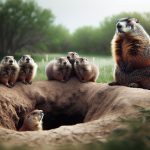
Did you know that prairie dogs are notorious for their elaborate underground burrows and social behaviors that resemble tiny cities? These fascinating creatures belong to the family Sciuridae, which includes squirrels and marmots, making them a unique part of the rodent world. Understanding the scientific classification of prairie dogs not only highlights their ecological role but also sheds light on the importance of conservation efforts. As wildlife enthusiasts, knowing the family and genus of prairie dogs enhances our appreciation for their complex social structures and habitats. Join us as we delve deeper into the captivating world of prairie dogs, exploring their characteristics, behaviors, and the significance they hold within their ecosystems. You’ll discover why these little animals are more than just a cute face on the plains-they’re vital players in maintaining the balance of their habitats.
Understanding Prairie Dogs: A Quick Overview

Did you know that prairie dogs communicate through a complex system of vocalizations that can convey specific information, like the presence of predators? These fascinating rodents are more than just cute inhabitants of the North American plains; they are social creatures that play a crucial role in their ecosystem. Belonging to the family Sciuridae, prairie dogs are closely related to squirrels and chipmunks, but their unique traits set them apart.
Prairie dogs are classified under the genus Cynomys, which includes several species, such as the black-tailed prairie dog (Cynomys ludovicianus) and the white-tailed prairie dog (Cynomys leucurus). Each species has adapted to specific environments across the Great Plains and Rocky Mountains, showcasing a range of behaviors that highlight their adaptability. For instance, black-tailed prairie dogs are known for their extensive burrowing systems, which not only provide shelter for themselves but also for other species, contributing to biodiversity.
In terms of physical characteristics, prairie dogs are small to medium-sized rodents, typically weighing between 1.5 to 3 pounds. They have sturdy bodies, short legs, and a distinctive upright posture when standing on their hind legs. This position not only aids in surveying their surroundings for danger but also plays a vital role in their social interactions. Within their thriving communities, prairie dogs often engage in intricate social behaviors, such as grooming, playing, and establishing hierarchies, which further enrich their communal life.
Understanding these remarkable animals and their classification is vital for appreciating their role in the ecosystem. As herbivores, they directly affect the vegetation of their habitats and are essential prey for a variety of predators, including hawks, coyotes, and badgers. Their burrows aerate the soil and help to recycle nutrients, demonstrating their importance in maintaining ecological balance. Whether you’re a seasoned wildlife enthusiast or new to their world, prairie dogs offer endless opportunities for discovery and deeper understanding of the intricate web of life they support.
The Family Tree of Prairie Dogs Explained
Prairie dogs, with their endearing antics and social structures, belong to a fascinating family of rodents known as Sciuridae. Within this family, they are classified under the genus Cynomys, which includes several notable species. This classification puts them in close relation to squirrels and chipmunks, but their unique traits and behaviors make them stand out in the rodent world. There are five recognized species of prairie dogs, each exhibiting distinct characteristics and adaptations suited to their environments across North America.
Species Overview
- Black-tailed Prairie Dog (Cynomys ludovicianus): The most widespread species, found in the plains of the central United States.
- White-tailed Prairie Dog (Cynomys leucurus): These dogs inhabit the western U.S. and are characterized by their lighter tails and distinct coloration.
- Utah Prairie Dog (Cynomys parvidens): Endemic to Utah, this species is considered endangered and has unique conservation needs.
- Gunnison’s Prairie Dog (Cynomys gunnisoni): Known for its smaller colonies and specific range in the Rocky Mountains.
- Mexican Prairie Dog (Cynomys mexicanus): This species, found in northern Mexico, is also listed as endangered due to habitat loss.
These prairie dog species have adapted to thrive in various habitats, from grasslands to mountainous regions. They construct extensive burrow systems, which not only serve as homes but also help aerate the soil. This burrowing behavior creates a complex underground network that benefits many other species, demonstrating their pivotal role as ecosystem engineers.
By understanding the family tree of prairie dogs and their scientific classification, wildlife enthusiasts gain insight into their ecological importance. These charming rodents are not just residents of the plains; they embody a rich tapestry of evolution and adaptation in the wild. Whether observed in their natural habitats or represented in documentaries, the diverse species of prairie dogs invite us to appreciate their contribution to the ecological health of their environments.
Key Characteristics of the Cynomys Family

The members of the Cynomys genus, known as prairie dogs, are celebrated for their intricate social structures and dynamic behaviors. What sets them apart within the Sciuridae family is their unique adaptations that foster communication and community living in the often harsh environments of North America. Prairie dogs are small, burrowing rodents that have evolved to thrive in grasslands, forming complex colonies that can span vast areas. Their physical characteristics, including stocky bodies, short limbs, and large heads, are well-suited for their underground lifestyle, allowing them to dig extensive tunnel systems that provide protection from predators.
In terms of behavior, prairie dogs are highly sociable animals, living in large groups called “towns.” These towns can contain hundreds of individuals, all working collaboratively to keep their community safe and thriving. One fascinating aspect of prairie dogs is their vocal communication, which is remarkably sophisticated. They utilize various chirps and barks to signal different types of danger, identifying threats like hawks or coyotes, and even distinguishing between different species! This intricate communication system not only helps them survive but also strengthens the bonds within their communities.
The burrowing habits of prairie dogs are vital for their ecosystem. These animals not only serve as a food source for numerous predators, including hawks and foxes, but their digging aerates the soil, enhancing plant growth and promoting a more diverse ecosystem. Moreover, abandoned burrows oftentimes serve as homes for other animals, demonstrating their role as ecosystem engineers. Prairie dogs ensure that their habitat remains rich and healthy, contributing significantly to the biodiversity of the regions they inhabit. Understanding these characteristics reveals just how important prairie dogs are within their environments, making them worthy subjects of study for both wildlife enthusiasts and conservationists alike.
Social Structure: The Community of Prairie Dogs

The social world of prairie dogs is a bustling community reminiscent of a small, well-organized city. Within their expansive towns, which can stretch over several acres, these fascinating animals display remarkable social behaviors that contribute to their survival and well-being. Living in colonies, prairie dogs exhibit a complex social structure based on close familial ties and cooperative interactions, which are vital for alerting each other to potential dangers and maintaining their habitat.
Prairie dog towns are comprised of intricate systems of burrows and compounds, where different ‘coteries’-or family groups-inhabit their own designated sections. Each coterie typically consists of a breeding pair and their offspring, creating a strong sense of family. What’s particularly intriguing is how prairie dogs engage in communal care; young from different families are often cared for together, and adult prairie dogs will take turns keeping watch, allowing others to forage for food or perform necessary tasks around the colony.
The communication among prairie dogs adds another layer to their social structure. They have developed an extensive vocabulary of vocalizations, ranging from alarm calls to specific warnings about predators. For example, they can communicate the size, speed, and even the type of threat approaching-whether it’s a human, a hawk, or a coyote. This level of sophistication in communication not only enhances their chances of survival but also reinforces the social bonds within their community.
In addition to communication, prairie dogs engage in various social behaviors such as grooming, which helps to strengthen relationships and maintain harmony within the town. Their social interactions are crucial for detecting threats quickly, as a vigilant community will perpetuate awareness among its members. Collectively, these behaviors exemplify how prairie dogs thrive in a cooperative environment, leveraging teamwork to protect their families and ensure the colony flourishes in the face of environmental challenges.
Behavioral Traits: What Makes Prairie Dogs Unique?
Within the rich tapestry of North American wildlife, prairie dogs stand out not just for their endearing appearance but for their remarkable behaviors that reflect a deep social structure and community life. These small, burrowing rodents are often likened to the bustling streets of a city, where every prairie dog plays a crucial role in maintaining the health and safety of their colony. One fascinating aspect of their behavioral traits is their advanced communication system, which includes a sophisticated array of vocalizations that can convey a variety of messages-everything from warnings about nearby predators to alerts about the size and speed of approaching threats.
Their social interactions are characterized by cooperative behaviors such as nurturing young and taking turns on lookout duties. For instance, it is not uncommon for prairie dogs from different family units to collaborate in caring for their young, ensuring that all pups receive attention while some adults remain vigilant. This communal approach not only strengthens social bonds but enhances the survival of the group. Adult prairie dogs will often take turns watching over the colony, allowing others to forage for food without fear, effectively sharing the responsibility of vigilance and safety.
Another unique behavioral trait of prairie dogs is their impressive range of social signals. Their vocalizations are not mere alarm calls; they possess the ability to describe specific attributes of threats, which is rare among animals. Research suggests that these vocalizations can differ in pitch and intensity based on the perceived danger, and other prairie dogs can accurately interpret these cues. This complexity in communication underpins their need for cohesion and teamwork, essential qualities in the fight for survival against numerous predators, such as hawks, coyotes, and even domestic animals.
Moreover, grooming and playful interactions among prairie dogs reinforce their bonds and contribute to a harmonious living environment. Just like a close-knit family, these social behaviors foster a sense of unity and support within the colony. Through cooperative living, shared responsibilities, and intelligent communication, prairie dogs exemplify a model of social organization that highlights the intricate behaviors of animals living in community structures. Their unique traits not only ensure their survival but also make them a fascinating subject of study for wildlife enthusiasts and researchers alike.
Diet and Feeding Habits: What Do They Eat?
Prairie dogs are often seen munching on a variety of plants, but their diet is as fascinating as it is diverse. These little herbivores primarily graze on grasses, but they also enjoy a menu of other vegetation, including herbs, seeds, and roots. Their particular favorites are clover, dandelion greens, and various species of prairie grasses, which provide essential nutrients and energy.
One captivating aspect of prairie dog feeding habits is how they manage their foraging activities. They tend to forage in groups, which not only helps them efficiently find food but also minimizes individual risk from predators. By working together, prairie dogs can cover a larger area, locate the freshest food sources, and remain alert to threats that may be lurking nearby.
Seasonal Diet Variations
During the different seasons, prairie dogs adapt their diets based on the availability of plants. In spring and summer, they enjoy fresh greens, while in the fall, they may switch to seeds and nuts, when available. This adaptability helps sustain their nutritional needs throughout the year, ensuring they are well-prepared for the winter months when food becomes scarce.
Nutritional Importance
The nutritional composition of their diet is vital for maintaining their health. Prairie dogs need a diet high in fiber, which they get from grasses. Fiber aids in digestion and ensures that their teeth, which continuously grow, are kept in check through the natural wear and tear as they chew tough plant materials.
In summary, prairie dogs are not just cute and social creatures; they also exhibit fascinating culinary habits that reflect their adaptability and role within the ecosystem. By understanding their dietary preferences and habits, we can appreciate even more the complexity of these remarkable animals and their interactions with the environment.
Conservation Status: Protecting Prairie Dog Populations
Prairie dogs might be small, but their impact on the ecosystem is anything but minor. Unfortunately, these social creatures face significant challenges that threaten their populations and habitats. Conservation efforts are essential to protect prairie dog populations, which in turn sustains the ecosystems that rely on them.
Historically, prairie dogs have been victims of habitat destruction, agricultural expansion, and disease. Large-scale farming practices disrupt their natural environments, while the use of poisons aimed at controlling rodent populations can severely impact prairie dog colonies. Moreover, outbreaks of sylvatic plague, a disease carried by fleas, can decimate prairie dog towns in devastating waves. To combat these threats, conservation efforts focus on habitat preservation and restoration, alongside educating the public about the ecological importance of prairie dogs.
A successful example of conservation comes from areas where land management practices are altered to favor prairie dog habitats. Protecting these areas not only helps prairie dogs but also sustains a host of species that depend on prairie dogs as a keystone species, such as black-footed ferrets, hawks, and badgers. Additionally, organizations are implementing vaccination programs to help manage disease outbreaks within prairie dog populations.
By promoting awareness and understanding of prairie dogs’ crucial role in their habitats, we encourage more people to support conservation initiatives. Protecting prairie dogs isn’t just about saving one species; it’s about preserving the intricate web of life that exists in grassland ecosystems. Every action counts, from choosing sustainable products to advocating for policies that aim to protect these social little animals and their homes.
Common Misconceptions About Prairie Dogs
Did you know that prairie dogs are often mistakenly thought of as mere pests or rodents, comparable to common house rats? While they share the same family as rodents, the Cynomys, prairie dogs hold a much more complex role in their ecosystems, and understanding their significance can help dispel several myths.
One prevalent misconception is that prairie dogs are solitary animals. In reality, they are highly social creatures living in large colonies or “towns,” which can consist of hundreds to thousands of individuals. These communities demonstrate intricate social structures, engaging in behaviors such as grooming, playing, and even alarm calling to warn each other of impending danger. Their social nature is vital, as it helps maintain the stability of their populations and mitigates risks from predators.
Another common belief is that prairie dogs have no ecological value. This couldn’t be further from the truth! As a keystone species, prairie dogs play a critical role in their environment. Their burrowing activities aerate the soil and promote grass growth, benefiting many other species in the grassland ecosystem, including black-footed ferrets, hawks, and badgers, who rely on them for food and as a habitat staple. Their towns create microhabitats that support a variety of plants and animals, making them indispensable to biodiversity.
Additionally, some people may think that all prairie dogs are the same. There are actually five species within the Cynomys genus-each adapted to different habitats and displaying unique behaviors. For example, the black-tailed prairie dog is known for its extensive town-building and striking communication style, while the white-tailed prairie dog has a more limited range and population footprint.
By recognizing these common misconceptions, we can appreciate the fascinating lives of prairie dogs and advocate for their conservation. Understanding their behaviors, social structures, and ecological roles can lead to a greater respect for these remarkable animals and the need to protect their habitats. After all, preserving prairie dogs is not just about saving a species; it’s about nurturing the richness of our ecosystems.
Fun Facts About Prairie Dogs and Their Relatives
Did you know that prairie dogs have a complex communication system that rivals our own? These remarkable rodents utilize a series of vocalizations, body language, and even facial expressions to convey messages to one another. For example, researchers have discovered that different alarm calls can indicate distinct types of predators, such as hawks or coyotes, allowing their colonies to react accordingly. This sophisticated vocalization method not only helps keep prairie dogs safe but also showcases their intelligence.
The Cynomys family, to which prairie dogs belong, includes five fascinating species, each with its own unique traits and adaptations. The black-tailed prairie dog, for instance, is well-known for its extensive social networks and town-building capabilities. A typical black-tailed prairie dog town can cover vast areas, containing hundreds of interconnected burrows that serve as homes and social hubs.
Another intriguing relative is the white-tailed prairie dog, which has a more limited geographical range, primarily found in parts of Colorado and Utah. While not as prolific in terms of burrowing, they still maintain important ecosystems, supporting various other species. Each species within the Cynomys genus plays a vital role in the grasslands they inhabit, creating microhabitats that benefit a range of flora and fauna. Their burrowing activities improve soil health and water infiltration, proving their ecological importance.
Prairie dogs aren’t alone in their grassland habitats; they share their environment with other rodents like ground squirrels and gophers. While these creatures might seem similar at first glance, prairie dogs are unique in their highly organized social structures and complex communication methods. Understanding these distinctions can enhance our appreciation for prairie dogs and their relatives and highlight the importance of conserving their habitats and ecosystems.
Comparing Prairie Dogs to Other Rodent Species
Prairie dogs are often a point of fascination due to their intriguing behaviors and social structures, but how do they stack up against other rodent species? Belonging to the family Sciuridae, which includes squirrels and marmots, prairie dogs exhibit some unique traits that set them apart from their rodent relatives.
One of the most striking differences lies in their social behavior. Prairie dogs live in large colonies known as “towns,” which can contain hundreds to thousands of individuals. This communal lifestyle contrasts sharply with other rodents, such as the solitary pocket gopher or the more social but less community-oriented golden-mantled ground squirrel. In prairie dog towns, every member plays a vital role in maintaining their burrow complex and alerting others to dangers, often through complex vocalizations that can specify the type and location of threats.
Additionally, prairie dogs are known for their impressive burrowing skills. Their extensive tunnel systems not only create homes but also provide habitats for various other species, including foxes, rabbits, and numerous insects. This behavior is somewhat paralleled in species like the European rabbit, which also creates burrows, but prairie dogs’ burrow systems are uniquely structured and maintained with a level of community cooperation rarely seen in other rodents. This structure enhances soil health and facilitates water infiltration, highlighting their ecological importance.
The diet of prairie dogs predominantly consists of grasses and forbs-similar to other herbivorous rodents-but they also exhibit a notable preference for high-quality forage. Unlike some of their relatives, such as capybaras, which are much larger and primarily semi-aquatic, prairie dogs have adapted well to the dry grassland ecosystems of North America. Their foraging behaviors not only help sustain themselves but also influence the plant community dynamics within their habitats.
As you delve into the world of prairie dogs, keep in mind their unique adaptations and behaviors compared to other rodents. Understanding these differences enriches our appreciation for these fascinating animals and emphasizes the need for their conservation as integral members of their ecosystems.
The Role of Prairie Dogs in Their Ecosystem
The intricate lives of prairie dogs extend far beyond their own burrows, making them crucial architects of their ecosystems. These charming rodents play a vital role in maintaining the health and biodiversity of the grasslands they inhabit. As they dig extensive networks of tunnels, they aerate the soil, facilitating water infiltration and promoting a richer, healthier environment for the myriad of plants that grow above them. Their burrowing activities create microhabitats not only for themselves but also for numerous other species, including rabbits, foxes, and various insects, all of which benefit from the structured landscape they help create.
Additionally, prairie dogs engage in a behavior known as “ecosystem engineering.” Their colonies, often referred to as towns, are dense and complex, with numerous entrances and exit routes that enhance soil stability. This communal setup allows other species to thrive. Birds of prey, like hawks and eagles, often rely on the visibility provided by these open habitats to hunt more efficiently. By grazing on grass, prairie dogs help keep the vegetation short, which in turn supports a diverse plant community and prevents less desirable species from taking over. This interplay not only sustains the prairie dog populations but also ensures a balanced ecosystem.
Their social structure is another fascinating aspect of prairie dogs’ ecological roles. Living in large colonies, they exhibit a highly organized social system, with individuals playing specific roles such as sentinels to warn of danger. This collaboration extends beyond their species; the presence of prairie dog towns attracts a variety of predators and scavengers, enriching the food web. Their vocal communication about threats informs not only fellow prairie dogs but also increases awareness for other species in the area.
In essence, prairie dogs serve as keystone species in their environments. Protecting their populations is critical not just for their survival, but for the myriad of plants and animals that depend on the unique ecosystems they foster. Understanding the significance of these little creatures helps in promoting conservation efforts that recognize their essential role in the vibrant tapestry of grassland habitats.
Frequently Asked Questions
Q: What family do prairie dogs belong to?
A: Prairie dogs belong to the family Sciuridae, which is commonly known as the squirrel family. This classification highlights their relation to other rodents within this diverse family, which includes tree squirrels, ground squirrels, and chipmunks.
Q: What is the scientific classification of prairie dogs?
A: The scientific classification of prairie dogs is as follows: Kingdom Animalia, Phylum Chordata, Class Mammalia, Order Rodentia, Family Sciuridae, and Genus Cynomys. This places them squarely within the rodent family, sharing characteristics with other small mammals.
Q: How many species of prairie dogs are there?
A: There are five recognized species of prairie dogs: the black-tailed prairie dog, the white-tailed prairie dog, the Gunnison’s prairie dog, the Mexican prairie dog, and the Utah prairie dog. Each species has unique traits and habitats, contributing to the biodiversity of prairie ecosystems.
Q: Are prairie dogs social animals?
A: Yes, prairie dogs are highly social animals. They live in large colonies known as coteries, where they exhibit complex behaviors such as grooming and alarm calling. Their social structure plays a crucial role in their survival and community dynamics.
Q: What do prairie dogs eat?
A: Prairie dogs primarily eat grasses, seeds, and roots, but they may also consume various herbs and flowers. Their diet is essential for maintaining their health and the overall health of their ecosystems, as they contribute to soil aeration through their burrowing.
Q: How do prairie dogs communicate?
A: Prairie dogs have a sophisticated system of communication, utilizing vocalizations and body language. They can produce different sounds to alert others of various predators, which indicates a high level of social intelligence and awareness within their communities.
Q: What is the role of prairie dogs in their ecosystem?
A: Prairie dogs play a vital role in their ecosystem by aerating the soil and creating burrows that provide habitats for other species. Their extensive burrowing activity helps to enrich the soil and promotes plant growth, benefiting a wide variety of wildlife.
Q: Why are prairie dogs considered a keystone species?
A: Prairie dogs are regarded as a keystone species because their presence significantly impacts the structure of their ecosystem. Their burrows provide shelter for numerous other animals, and their grazing behavior helps maintain grassland health, influencing biodiversity within their habitats.
In Summary
Now that you know prairie dogs belong to the family Sciuridae, it’s clear these fascinating creatures play a significant role in their ecosystems. If you’re eager to explore more about their behavior, social structures, or habitat conservation, be sure to check our related articles on “Prairie Dog Social Behavior” and “The Importance of Prairie Dogs in Their Ecosystem.”
Don’t miss out on the chance to deepen your understanding of wildlife! Subscribe to our newsletter for the latest articles and tips on animal care and conservation. If you have any questions or thoughts about prairie dogs, drop a comment below-we’d love to hear from you! Remember, the more you learn, the more you can appreciate the rich tapestry of life around us. Join us on this journey of discovery!
Get our latest guides, news, and insights highlighted in your Google Search & AI Overviews.