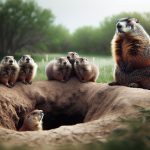
Did you know that prairie dogs are a vital part of the ecosystems they inhabit? These fascinating creatures create extensive underground burrow systems that support a myriad of other wildlife. Understanding the habitats where prairie dogs thrive not only highlights their ecological significance but also sheds light on the intricate relationships between species in grassland ecosystems. As you learn about their habitat type, you’ll discover how these social animals contribute to soil health, provide shelter for other species, and serve as indicators of environmental health. Join us as we delve into the specifics of what makes prairie dog ecosystems so unique and essential for biodiversity. Through this exploration, you’ll gain valuable insights into the delicate balance of nature and the role prairie dogs play in it, igniting your curiosity about the natural world.
What Is a Prairie Dog’s Natural Habitat?
Prairie dogs are fascinating creatures that thrive in the expansive grasslands of North America. These small, social rodents primarily inhabit the western parts of the United States, including the Great Plains, where they dig intricate burrow systems known as towns. Their preference for open landscapes is not just a coincidence; these environments provide them with the necessary resources for survival-chiefly, plenty of grass and the ability to spot predators from a distance.
In terms of specifics, prairie dogs favor areas with short grass or mixed-grass prairies. These habitats allow them to forage easily for their diet, which consists mainly of grasses, seeds, and roots. Additionally, their burrowing behavior helps aerate the soil and promote the growth of various plant species, creating a mini-ecosystem that benefits numerous other wildlife. The burrows themselves can be quite complex, with multiple entrances and chambers, serving various purposes such as nesting and storing food, while also providing protection from the elements and predators.
Moreover, prairie dog colonies have been observed to influence their environment positively by supporting a variety of other species. The burrows are used as homes by creatures such as burrowing owls and snakes, illustrating the interdependence present in their ecosystems. However, one should remember that the loss of prairie dog habitats due to agricultural expansion and urbanization poses significant challenges to these ecosystems, not only for the prairie dogs but for the myriad of species that rely on them.
In essence, prairie dogs are a keystone species within their grassland ecosystems, and maintaining their natural habitat is crucial not only for their survival but for the health of the entire community of organisms that depend on the environment they help create. Protecting these habitats ensures the sustainability of their populations and the ecological balance they contribute to in the Great Plains.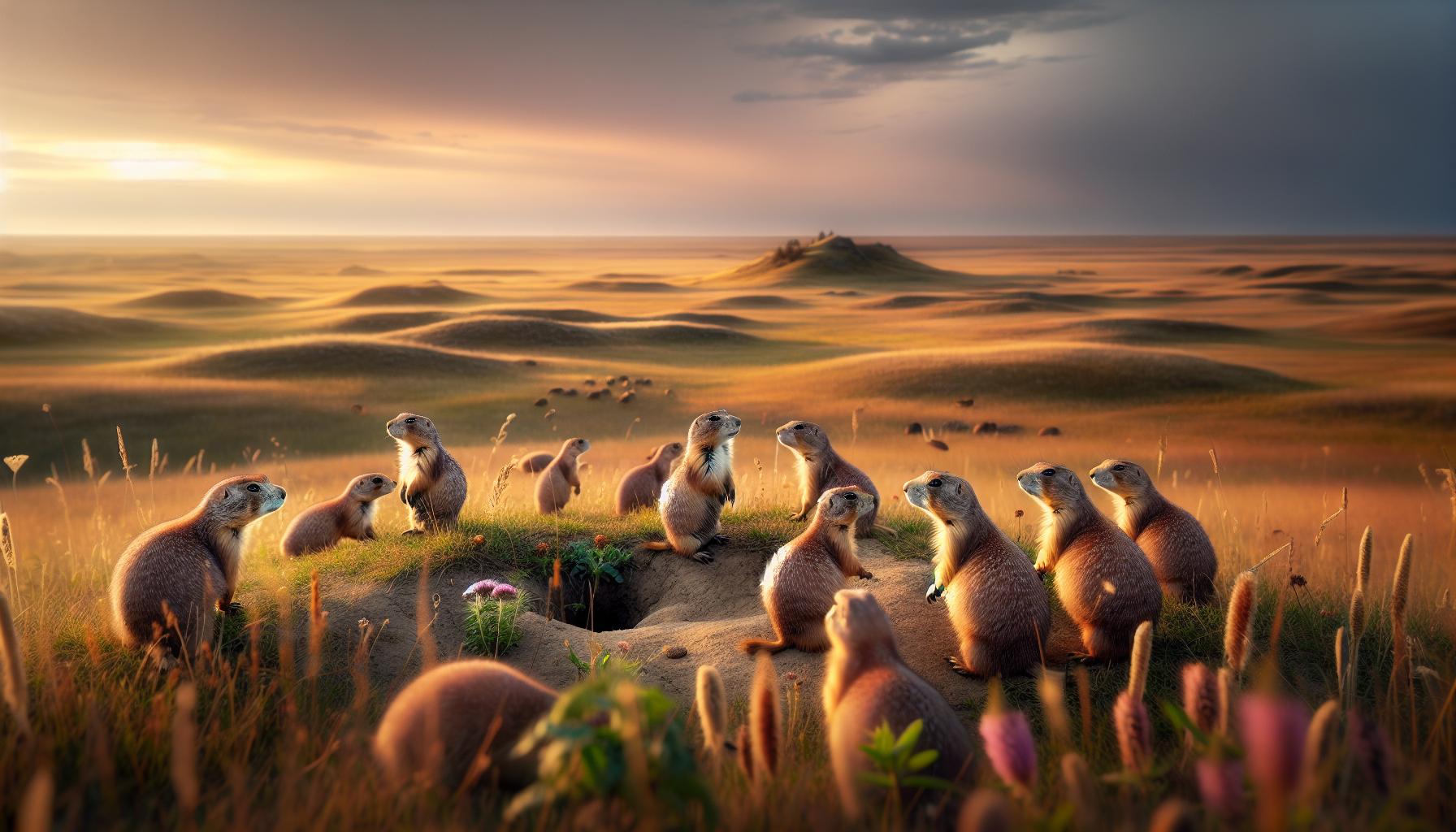
Characteristics of Prairie Dog Ecosystems
The ecosystem inhabited by prairie dogs is a vibrant tapestry of life, characterized by its open grasslands and rich biodiversity. These fascinating rodents thrive in well-drained, shortgrass and mixed-grass prairie environments, which provide them with ample food sources and the space to construct their intricate burrow systems, commonly referred to as “towns.” Prairie dog towns can span several acres and serve as crucial habitats not only for prairie dogs but also for various other species. This communal lifestyle ensures a complex social structure that helps in vigilance against predators, promoting both survival and ecological stability.
Within these ecosystems, two major types of grasslands can be identified: shortgrass prairie and mixed-grass prairie. The shortgrass prairie, which typically harbors grasses that grow less than 12 inches tall, receives less rainfall and has a wide range of temperature fluctuations. In contrast, the mixed-grass prairie boasts a more diverse plant life with taller grasses and greater moisture retention, creating a lush environment ideal for both grazing animals and burrowing creatures.
The interactions between prairie dogs and their environment are remarkable. As they dig and maintain their burrows, these rodents aerate the soil, facilitating water absorption and promoting plant growth. Moreover, the complex burrow systems they create provide shelter not only for themselves but also for a plethora of other species, including burrowing owls, foxes, and numerous insects. The active lifestyle of prairie dogs helps maintain the health of their ecosystem, as they act as a keystone species, influencing population dynamics and the distribution of other wildlife.
However, these ecosystems face considerable challenges. Habitat loss due to agricultural expansion, urban development, and climate change jeopardizes the delicate balance of prairie dog communities and the broader ecosystems they support. Conservation efforts are increasingly vital to protect these habitats and maintain the ecological services prairie dogs provide. By facilitating awareness and understanding of prairie dog ecosystems, we can appreciate the intricate relationships within these environments and advocate for their preservation.
Types of Grasslands and Their Features
In the vast landscapes of North America, prairie dogs thrive primarily in environments characterized by two distinct types of grasslands: shortgrass prairies and mixed-grass prairies. Each type plays a crucial role in providing the necessary conditions for these social rodents to flourish and build their elaborate burrow systems.
Shortgrass prairies are striking in their simplicity and resilience. Typically, these grasslands feature grasses that remain under 12 inches tall, adapting to the region’s drier, often harsher climate. These areas receive less rainfall, leading to a landscape dominated by drought-resistant flora. The soil is often compact and nutrient-poor, but prairie dogs have adapted remarkably well. They find ample forage in these shorter grasses, and by digging their burrows, they help aerate the soil, enhancing growth for other plants and maintaining a vibrant ecosystem. Their presence also supports a variety of wildlife, from hawks to snakes, all of which find refuge and food around prairie dog towns.
On the other hand, mixed-grass prairies present a more diverse and lush environment. Here, grasses can reach heights of up to 3 feet, thriving in an ecosystem that receives more moisture compared to the shortgrass region. This abundance of water allows for a richer tapestry of plant life, including forbs and shrubs, which in turn sustains a wider array of herbivores, such as deer and bison, as well as predators. Prairie dogs play a fundamental role in this environment by creating communal burrows that not only serve as their homes but also provide shelter and nesting sites for various species, including the endangered burrowing owl and various insects. By actively maintaining their towns, prairie dogs ensure that the soil remains healthy and ecosystems stay balanced.
These grasslands are more than just homes for prairie dogs; they are vibrant ecosystems that support complex interactions among numerous species. Understanding the emphasizes the importance of conserving these habitats, which face significant threats from agricultural expansion and urbanization. By protecting shortgrass and mixed-grass prairies, we help sustain the intricate web of life that prairie dogs and their neighbors rely on every day.
How Prairie Dogs Interact with Their Environment
In the expansive grasslands of North America, prairie dogs engage in a dynamic dance with their environment, showcasing the intricate bonds within their ecosystems. These charismatic rodents are not just burrow-dwelling critters; they profoundly influence their surroundings through their unique behaviors and social structures. By digging extensive tunnel systems, prairie dogs aerate the soil, which enhances water infiltration and promotes healthier plant growth. This activities not only benefit their own survival but also create a more robust habitat for other species.
Their burrowing habits contribute significantly to the ecosystem’s health. For example, the abandoned burrows of prairie dogs serve as homes for a variety of other wildlife, including the endangered burrowing owl, which relies on these tunnels for nesting and protection from predators. The presence of prairie dog colonies attracts a diverse community of foragers and predators, such as hawks, foxes, and snakes, that depend on these rich patches of land for food. This interdependence illustrates a well-balanced ecosystem, where prairie dogs are at the center of a thriving community.
Moreover, prairie dogs practice social grooming and sentinel behaviors that help maintain harmony and alertness within their colonies. By standing guard and warning others of impending dangers, they foster a sense of community that enhances survival rates not just for themselves, but for numerous neighboring species as well. Through their presence and activities, prairie dogs facilitate a vibrant web of life, proving that every species plays a role in the health of our planet.
Despite their importance, prairie dog habitats face significant threats from urban development and agricultural practices. Preserving these colonies is essential not only for the prairie dogs themselves but for the multifaceted ecosystems they support. By understanding and appreciating the role of prairie dogs in their environment, we can promote conservation efforts that safeguard these crucial habitats for future generations to enjoy.
The Role of Prairie Dogs in Their Ecosystem
In the sprawling grasslands of North America, the prairie dog emerges as a remarkable ecosystem engineer, playing a pivotal role that enables both its survival and that of countless other species. By digging elaborate burrow systems, prairie dogs not only create their homes but also contribute to soil aeration. This process improves water infiltration and promotes healthy plant growth, making the environment more vibrant and resource-rich. Their colonies, bustling with activity, become focal points for biodiversity, attracting a variety of wildlife that relies on these well-structured habitats.
The burrows themselves serve as crucial shelters for numerous species. For instance, the endangered burrowing owl takes advantage of these tunnels for nesting and protection, illustrating the interdependence within this ecosystem. Additionally, prairie dog colonies draw in a host of predators and foragers, such as hawks, badgers, and foxes, all of whom find a bounty of food in and around these colonies. This complex web of interactions emphasizes the prairie dog’s role as a keystone species-one whose presence significantly influences the ecological community.
Moreover, prairie dogs are social animals known for their intricate communication and cooperative behaviors. They engage in practices like sentinel duty, where individuals take turns watching for predators, signaling alarms that ensure the safety of the entire colony. This behavior not only enhances their survival but also benefits nearby species that share their habitat-showing that the health of one species can entwine with the health of many others.
The vitality of prairie dog ecosystems faces considerable challenges from habitat destruction, notably due to agricultural expansion and urban development. Preserving these vital colonies is essential not just for the prairie dogs themselves but for the rich tapestry of life they support. To ensure the survival of these charismatic rodents and their diverse companions, conservation efforts that protect their habitats are critical. By understanding and valuing the role of prairie dogs within their environment, we can contribute to preserving these essential ecosystems for generations to come.
Challenges Facing Prairie Dog Habitats
The prairie dog, an unsung hero of the grasslands, faces significant threats that jeopardize its existence and, by extension, the health of its ecosystem. These challenges stem from a combination of natural and human-made factors, creating a perfect storm of decline for this vital species.
One of the leading challenges is habitat loss, primarily due to urban development and agricultural expansion. As cities grow and farmland expands, prairie dog colonies-which require vast areas of open grassland-are increasingly fragmented or entirely eradicated. This not only reduces the available living space for prairie dogs but also disrupts the interconnected web of life that thrives around their colonies. When these burrowing rodents are displaced, many other species that rely on them for shelter and food, such as burrowing owls and foxes, are also negatively impacted.
Moreover, prairie dogs are often targeted for extermination due to misconceptions about their behavior and environmental impact. In some areas, they are poisoned or the focus of culling efforts, which can have devastating effects not just on their populations but also on the overall biodiversity of the grassland ecosystem. As a keystone species, the decline of prairie dogs disturbs the balance, leading to less vegetation diversity and subsequent challenges for other wildlife.
Additionally, climate change poses an ever-increasing threat. Alterations in temperature and precipitation patterns can make habitats less suitable for prairie dogs. These small mammals require specific conditions to thrive, and as their habitats become less predictable, their survival becomes more precarious. With rising temperatures, droughts may become more common, stressing the already vulnerable grasslands and exacerbating the challenges prairie dogs face in finding food and maintaining their colonies.
Addressing these challenges requires concerted conservation efforts. Protecting prairie dog habitats, mitigating human-wildlife conflict, and fostering an understanding of the ecological importance of prairie dogs are crucial steps. By prioritizing these initiatives, we can help ensure the longevity of prairie dog populations and the vital ecological services they provide, making our grasslands healthier and more resilient.
Conservation Efforts for Prairie Dog Ecosystems
To protect prairie dog ecosystems, a combination of science, community action, and legal frameworks is essential. Prairie dogs are not just adorable critters; they are keystone species that support the survival of many other animals and plants within their habitat. As they dig extensive burrow systems, they aerate the soil and help promote grassland health, benefiting not just their species but the entire ecology around them.
Maintaining and restoring prairie dog habitats requires a multi-faceted approach. Conservation organizations like the Prairie Dog Coalition are dedicated to empowering local communities and advocating for prairie dog protections. They provide resources, educational programs, and support to individuals and groups working on the frontlines of prairie dog recovery efforts. By fostering an understanding of the ecological importance of prairie dogs, these organizations promote habitat preservation and restoration initiatives, which are vital in countering the effects of habitat loss.
Engaging local communities through participatory conservation is another critical strategy. Educational workshops can educate residents about the benefits of prairie dogs and the ecosystems they inhabit, dispelling myths around their behavior. Moreover, land-use planning that includes the preservation of prairie dog colonies can help minimize conflicts between human development and wildlife. For example, creating conservation easements on agricultural land can protect vital prairie dog habitats while still allowing for sustainable farming practices.
Finally, advocacy for legal protections for prairie dogs is crucial. Strengthening policies that protect their habitats from urban development, agricultural expansion, and extermination practices is essential. This includes raising awareness and mobilizing support for legislation that recognizes the ecological role prairie dogs play and promotes cohabitation with human communities.
By integrating community efforts, scientific research, and strong advocacy, we can build a robust framework of conservation that not only protects prairie dogs but also enhances the resilience of the grasslands they call home. These efforts contribute to a richer biodiversity and a healthier environment for future generations, making the grasslands a more vibrant ecosystem for all its inhabitants.
The Impact of Climate on Prairie Dog Living Conditions
Prairie dogs are truly remarkable creatures, well-adapted to thrive in the dynamic environments of North America’s grasslands. However, like many species, their living conditions are significantly influenced by climate. Temperature fluctuations, precipitation levels, and seasonal changes can all have major impacts on their habitat and behavior.
In hot, dry spells, prairie dogs rely on their burrow systems to escape the intense heat and conserve moisture. These elaborate networks of tunnels provide not only shelter but also a more stable microclimate, ensuring they remain cool during the hottest parts of the day. Conversely, during rainy seasons, the abundance of vegetation helps provide food resources. However, excessive rainfall can lead to flooding of their burrows, which poses a significant threat to their survival. Understanding these climatic influences helps illustrate why maintaining healthy prairie dog habitats is so crucial.
Climate Impacts
The impacts of climate on prairie dog living conditions can be categorized as follows:
- Temperature Regulation: Burrows help maintain a consistent temperature, protecting prairie dogs from extreme heat and cold.
- Water Availability: Changes in precipitation affect the growth of grasses and plants that prairie dogs depend on for food; drought can lead to food shortages.
- Vegetation Changes: Climate patterns influence the types of grasses that grow, which can alter the entire food web in their ecosystem, affecting not only prairie dogs but also the predators that rely on them.
- Predator Dynamics: Fluctuations in weather can also shift predator populations, like coyotes and hawks, which may influence prairie dog colonies significantly.
As the climate continues to change, prairie dogs and their ecosystems face increasing challenges. Conservation efforts must consider these climatic factors to effectively manage and protect prairie dog habitats. Ultimately, the survival of prairie dogs is tied to their ability to adapt to climate variations in their environment, underscoring the importance of understanding these dynamics for their ongoing conservation and the health of the grassland ecosystems they help sustain.
Coexistence: Prairie Dogs and Other Wildlife
Prairie dogs play a pivotal role in their ecosystems, fostering a vibrant community of wildlife. Their extensive burrow systems create rich microhabitats, benefiting a range of species. For example, the tunnels provide shelter not only for prairie dogs but also for other animals like burrowing owls and various insects. These owl species often take residence in abandoned burrows, utilizing the prairie dog colonies as a hunting ground, while the prairie dogs’ presence helps maintain the grassland ecosystem, facilitating a balance that supports diverse life.
Moreover, prairie dogs act as a food source for numerous predators, such as coyotes, hawks, and ferrets. This unique relationship underscores how prairie dogs serve as a keystone species within their environment. Their populations can significantly influence the predator dynamics and overall health of the grassland ecosystem. For instance, a thriving prairie dog colony may attract various raptors, turning the area into a hotspot for birdwatching as these birds take advantage of the ample prey available.
The interactions between prairie dogs and other wildlife illustrate the intricate web of life within grassland ecosystems. By burrowing and feeding, prairie dogs aerate the soil and promote vegetation growth, which benefits grazing animals like deer and antelope. In turn, these grazers support a variety of plant species, leading to a thriving habitat that attracts an even wider array of wildlife. This interconnected dynamic highlights the importance of conserving prairie dog populations and their habitats, ensuring that the rich tapestry of life they support continues to flourish.
It’s fascinating to observe how the presence of prairie dogs can transform a barren landscape into a thriving ecosystem, showcasing the delicate balance of nature. Understanding and protecting these interactions is essential for preserving the biodiversity of grassland habitats. Through conservation efforts, we can maintain not only the health of prairie dogs but also the myriad of species that coexist with them, securing a vibrant future for North America’s grasslands.
Human Influence on Prairie Dog Habitats
Human activities have a profound impact on the habitats of prairie dogs, influencing their populations and the ecosystems they support. From urban development to agriculture, the pressures on these charming creatures are ever-increasing. One captivating fact is that prairie dog towns can serve as ecological hubs. The extensive burrows they create not only provide homes for them but also shelter for many other species, forming a bustling community. When human activity encroaches on these habitats, it disrupts not just the prairie dogs but the entire ecosystem reliant on them.
When agricultural land expands or urban areas encroach, prairie dog habitats often suffer. Areas used for farming may convert vibrant grasslands into monocultures, drastically reducing the biodiversity that prairie dogs help sustain. Additionally, human-induced eradication efforts targeted at prairie dogs due to their perceived threat to agricultural land can lead to diminished populations, which ripples through the ecosystem. As prairie dog numbers dwindle, so do the diverse wildlife species that depend on them, from predators to smaller mammals and insects.
Recognizing the importance of these delightful rodents, various conservation efforts are underway. Community awareness initiatives can help inform the public about the ecological roles of prairie dogs, advocating for coexistence strategies rather than eradication. Creating wildlife-friendly spaces is essential in urban planning to ensure that prairie dog habitats remain intact. Additionally, policies that support habitat preservation are vital in maintaining the integrity of grassland ecosystems, allowing prairie dogs to thrive alongside their human neighbors.
Ultimately, fostering a deeper understanding of prairie dogs and their ecological significance is key to navigating the challenges they face. By highlighting the interdependence between prairie dogs and other wildlife, we can encourage responsible land use and promote conservation efforts that benefit the entire ecosystem-not just prairie dogs, but the array of life they support. As stewards of the land, our actions can pave the way for a harmonious balance between human development and the rich natural world that prairie dogs represent.
Fun Facts About Prairie Dogs and Their Homes
Prairie dogs are not only adorable but also fascinating inhabitants of the North American grasslands. These social creatures live in intricate underground networks called burrows, which can stretch over 100 acres and contain hundreds of individual homes. One of the most captivating aspects of prairie dog life is their communication. They have a complex system of vocalizations that can convey specific warnings about predators, and they even have distinct calls for different types of threats, showcasing an incredible level of social organization.
Beyond their impressive burrow systems, prairie dogs play a crucial role in maintaining the health of their ecosystem. Their digging behavior aerates the soil, promoting plant growth and improving the overall nutrient cycle. Moreover, these towns are bustling locales that provide habitat not just for prairie dogs, but also for an array of other wildlife. Burrowing owls, for instance, often take up residence in abandoned prairie dog burrows, while the burrows themselves serve as homes for insects and other small mammals.
Their grassland habitats are notably rich in diversity, hosting various plant species that adapt to the unique prairie climate. The moderate rainfall and expansive sun exposure create an environment where both grasses and wildflowers thrive. Prairie dogs primarily eat grasses and seeds, which helps control the growth of vegetation and supports a balanced ecosystem. This grazing behavior can prevent overgrowth and promote a diverse array of plant life, enhancing overall biodiversity.
Despite their ecological significance, prairie dog colonies face numerous challenges, including habitat loss due to agricultural practices and urban expansion. The conversion of grasslands to farming land disrupts these crucial ecosystems, threatening prairie dog populations and the myriad species that depend on them. Conservation efforts are essential in protecting these vibrant prairie dog towns, ensuring that they continue to exist not only as the charming creatures they are but also as linchpins of their ecosystems. Engaging with local conservation initiatives can be a meaningful way for individuals to contribute to the longevity of prairie dogs and their homes.
FAQ
Q: What type of habitat do prairie dogs prefer?
A: Prairie dogs prefer open grasslands and savannas where they can dig extensive burrows. These habitats provide both food and a clear line of sight for spotting predators. They thrive best in areas with short, sparse vegetation that allows for easy visibility and movement.
Q: How do prairie dogs impact their ecosystem?
A: Prairie dogs are keystone species; their burrowing activities aerate the soil and create habitats for other wildlife. Their grazing helps maintain plant diversity, which supports various species. By creating a unique ecosystem, they contribute to the health of grassland environments.
Q: What regions are home to prairie dog colonies?
A: Prairie dog colonies are primarily found in the Great Plains of North America, covering areas like parts of Montana, Wyoming, and Colorado. They thrive in regions that are primarily composed of grasslands, which offer optimal conditions for their survival.
Q: Why are prairie dogs considered a keystone species?
A: Prairie dogs are considered a keystone species due to their significant role in maintaining the ecological balance within their habitats. Their burrowing and foraging behaviors create microhabitats for other species, and their presence supports predators, thus enhancing biodiversity.
Q: What threats do prairie dog habitats face?
A: Prairie dog habitats face threats from urban development, agricultural expansion, and climate change. These forces can disrupt their colonies and lead to declines in their populations, which in turn affects the entire ecosystem they support.
Q: How do prairie dog burrows benefit other animals?
A: Prairie dog burrows provide critical shelter and nesting sites for various species, including badgers, foxes, and burrowing owls. These structures also improve soil aeration and water retention, benefiting plant life and other organisms in the ecosystem.
Q: What role do prairie dogs play in grassland conservation?
A: Prairie dogs play a vital role in grassland conservation by managing vegetation and promoting biodiversity. Their grazing patterns prevent overgrowth, which maintains the habitat’s health and supports a variety of plant and animal species.
Q: How can landowners effectively manage prairie dog populations?
A: Landowners can manage prairie dog populations through integrated conservation strategies that may include habitat restoration, controlled relocation, and coexistence practices that balance ecological health and agricultural needs. These methods can enhance both prairie dog sustainability and land productivity.
In Conclusion
As we’ve explored, prairie dogs play a crucial role in their grassland ecosystems, impacting not just their surroundings but numerous other species as well. Their unique burrowing habits create habitats that support biodiversity, underscoring their importance as ecosystem engineers. If you’re fascinated by the interplay between prairie dogs and their environment, check out our articles on the dynamics of prairie dog communities and their broader ecological impacts by clicking here and here.
Don’t miss out on the chance to deepen your knowledge about these remarkable creatures! Subscribe to our newsletter for updates on wildlife conservation and explore practical resources on how you can contribute to preserving these vital habitats. Join the conversation-your insights and experiences matter, so feel free to share your thoughts in the comments below. Together, we can ensure that these captivating animals continue to thrive in their natural ecosystems!
Get our latest guides, news, and insights highlighted in your Google Search & AI Overviews.