
When you think of prairie dogs, you might picture their lively towns dotting the American plains, buzzing with activity. But have you ever considered what their droppings can tell us? Understanding what prairie dog poop looks like is not just a quirky curiosity; it provides valuable insight into their diet, health, and habitat. This identification guide will help you recognize prairie dog scat and learn why it matters for wildlife observation, ecology, and even pest management. Whether you’re an avid wildlife watcher or simply curious about these fascinating creatures, continue reading to uncover the secrets hidden in the droppings of prairie dogs and enhance your appreciation for these remarkable animals.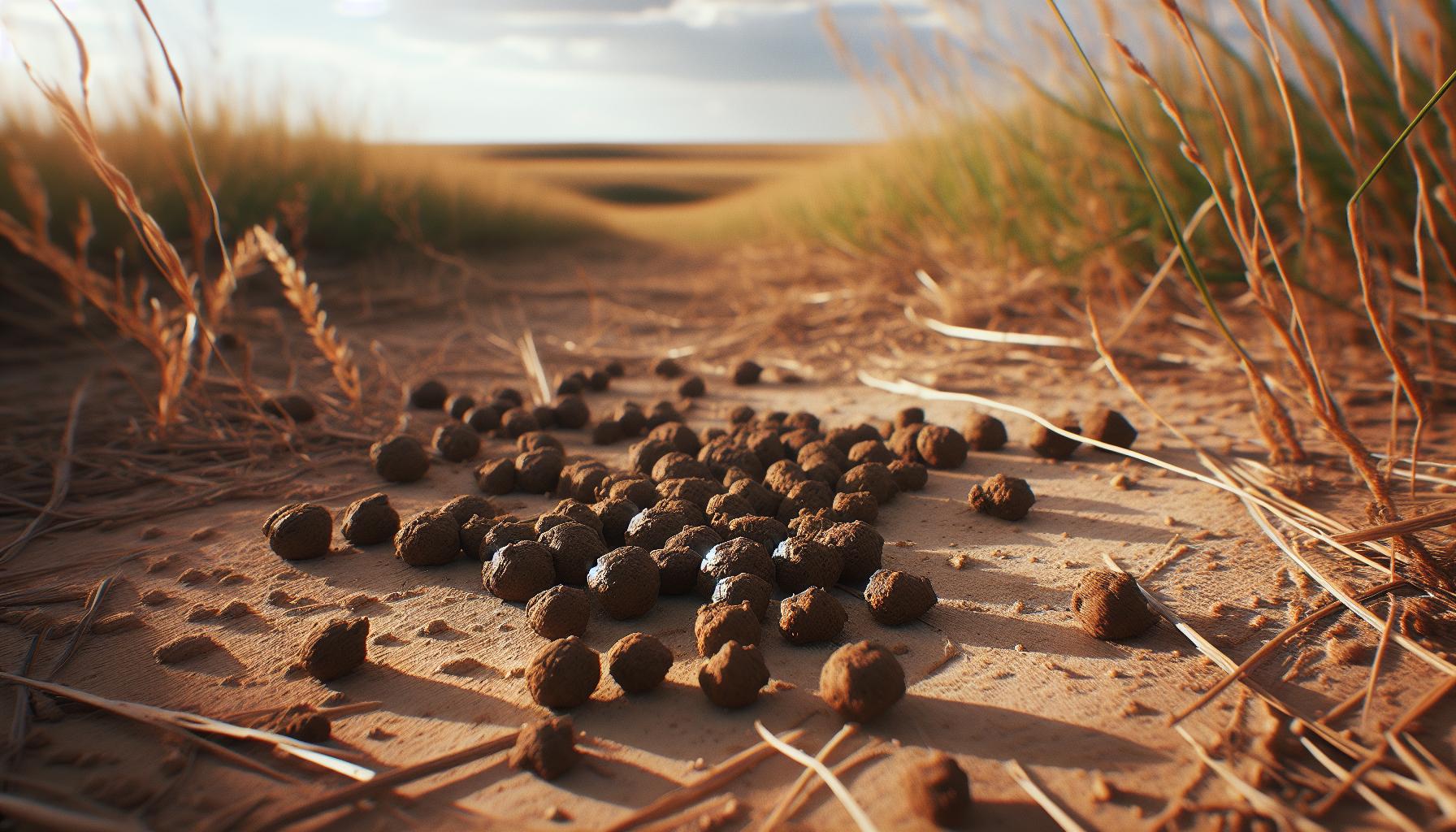
Characteristics of Prairie Dog Droppings
Prairie dog droppings are often described as small, cylindrical pellets that resemble those of other rodents but come with unique characteristics worth noting. Typically, these droppings are dark brown to black in color, signaling a healthy diet composed of grasses and herbs. The texture tends to be quite smooth, and they are usually about the size of a pea, making them relatively easy to identify. When exploring fields inhabited by prairie dogs, one might notice these fecal pellets scattered around their burrows, often clustered in small piles.
The size and shape of prairie dog droppings play a crucial role in identification. As mentioned, they are roughly the size of a marble-typically around 0.25 to 0.50 inches in diameter-elongated in shape yet rounded at the ends. This distinctive appearance, along with their notable dark color, helps differentiate them from the droppings of other small mammals, such as rabbits or squirrels, which tend to have different shapes or texture variations.
Despite the common misconceptions, prairie dog droppings are not just random indicators of animal presence; they can provide insights into the health of the prairie dog colony and the overall ecosystem. For example, a high number of droppings near a burrow could suggest a thriving population, while a sudden decrease might raise concerns about environmental stressors or disease outbreak.
Environmental factors like weather and habitat directly influence the appearance of these droppings. For instance, during dry conditions, droppings might appear more dehydrated and crumble easily, while wetter conditions can lead to softer, wetter droppings. Observing these variations can give wildlife enthusiasts important clues about the prairie dogs’ habits and the surrounding environment, enriching the experience of exploring these fascinating creatures in their natural habitat.
Color and Texture: What to Expect
When venturing into the world of prairie dogs, one of the first things you might notice are their droppings, which tell an interesting story about their diet and health. The color of prairie dog poop typically ranges from dark brown to nearly black. This rich coloration reflects their herbivorous diet, which consists mainly of grasses, herbs, and other plant materials. Healthy prairie dogs produce droppings that are not only dark but also exhibit a smooth texture, which is a clear indication of their well-rounded, plant-based nutrition.
These fecal pellets are small, usually around the size of a pea, making them easy to spot in the vast fields where prairie dogs thrive. Their shape is cylindrical and slightly elongated, generally measuring about 0.25 to 0.50 inches in diameter, with rounded ends. This distinctively smooth appearance aids in distinguishing their poop from other species, such as rabbits or rodents, whose droppings might be more irregular or have a different texture. In search of prairie dogs, one might even find these pellets arranged in narrow paths leading to their burrows, a testament to their active lifestyle.
It’s fascinating to observe how environmental factors can affect the appearance of prairie dog droppings. Under dry weather conditions, the pellets may appear more dehydrated and crumble easily, whereas, in wetter climates, they can be softer and more malleable. These subtle changes in texture not only reflect the prairie dogs’ immediate environment but also provide a glimpse into their foraging habits and overall health in varying climates. Whether you are an enthusiastic observer or an experienced wildlife aficionado, each droppings’ characteristics offer clues about these intriguing creatures and their ecosystems.
Size and Shape: Identifying Features
Understanding the size and shape of prairie dog droppings can dramatically enhance your wildlife observation experience. These small, cylindrical pellets measure approximately 0.25 to 0.50 inches in diameter, making them easily distinguishable from those of other animals. A close look reveals that they are smooth and often have rounded ends, which sets them apart from the more irregular droppings of rabbits or larger rodents. If you’re on a prairie dog safari, you’ll likely spot these pellets scattered around their burrows or in the grassy plains where they gather. Their presence is not just a sign of occupancy but can also lead you to areas where these sociable creatures are most active.
When identifying prairie dog poop, pay attention to their color as well, which typically ranges from dark brown to almost black. This rich hue results from their vegetarian diet, primarily consisting of grasses and herbs. Healthy prairie dogs produce uniformly shaped droppings, signifying good nutritional status and foraging habits. The alignment of the droppings in neat lines or scattered clusters can also hint at their behavioral patterns, such as foraging or marking territory.
While venturing out to observe these adorable creatures in their natural habitat, don’t just focus on the lively antics of the prairie dogs; take a moment to appreciate the fascinating indicators their droppings provide. Understanding these details not only enriches your appreciation of wildlife but also adds a layer of knowledge that can heighten your adventures in nature. Remember, responsible observation means respecting their space and understanding their role in the ecosystem. So, enjoy the thrill of discovery and be a steward of the wildlife you encounter!
Common Misinterpretations of Prairie Dog Poop
Understanding prairie dog droppings can be a bit of a puzzle, especially for those enthusiastic about wildlife observation. Many people make the mistake of assuming that all small, round droppings belong to rodents, which can lead to confusion when distinguishing between species. For instance, some might encounter rabbit feces, which looks quite similar but tends to be more irregular and has a different texture. Knowing the specifics of prairie dog droppings can enhance your field experience significantly.
One common misinterpretation arises from the color of prairie dog poop, which ranges from dark brown to nearly black due to their herbivorous diet. Some may think that unusually colored droppings indicate health issues or dietary problems, but in reality, coloration can vary based on the types of grasses consumed. Thus, while a sudden change in color could warrant attention, don’t jump to conclusions without observing the animal’s overall behavior and environment. Similarly, the size of the droppings can be misleading; larger pellets might be mistaken for those of other larger rodents, while they are perfectly normal for an adult prairie dog.
Another misconception revolves around the behavior inferred from the droppings’ arrangement. Some observers might see neatly arranged droppings and assume that the prairie dogs are marking territory deliberately. However, this pattern might just be a result of the animals foraging or simply going about their daily routines. It’s essential to consider the context in which the droppings are found, including proximity to burrows and other signs of prairie dog activity, to draw accurate conclusions.
Lastly, people might overlook the role of prairie dog feces in the ecosystem. These droppings are not merely a byproduct of their diet; they provide vital nutrients to the soil, promoting the growth of vegetation that supports other wildlife. Recognizing the ecological significance of these droppings can shift your perspective from merely identifying them to understanding their importance in maintaining the prairie environment. So, next time you’re out observing prairie dogs, remember that their droppings tell a story much deeper than you might initially think!
Environmental Factors Affecting Dropping Appearance
Understanding the environmental factors that affect the appearance of prairie dog droppings can enhance your wildlife observation experience and help you better appreciate these fascinating creatures. The droppings of prairie dogs are not only linked to their diet but are also influenced by various environmental conditions. For instance, the moisture levels in the soil can play a significant role. During wet conditions, droppings may appear softer and darker due to the increased water content. Conversely, in drier conditions, the feces tend to be harder and lighter in color, making them more brittle and easier to break apart.
Additionally, the type of vegetation in their habitat significantly impacts the characteristics of their droppings. Prairie dogs primarily feed on grasses and herbs; thus, the specific types of plants available in their environment can alter the nutrient composition of their poop. A diet rich in particular grasses may produce darker, more nutrient-dense droppings, while areas with less nutritious forage can lead to paler or sparse fecal matter. Changes in their feeding habits, influenced by seasonal variations or habitat alterations, can also result in noticeable shifts in the appearance of their waste.
Another fascinating aspect is the influence of prairie dog colonies’ density. In areas where prairie dog populations are high, the accumulation of droppings can affect their appearance. More dense colonies tend to create larger patches of droppings, which may appear compacted or layered, whereas in more sparse populations, the droppings can be more spread out and less dense. This can help wildlife observers identify active colony sites and gauge their health based on the quantity and quality of droppings found in the area.
Finally, it’s important to remember the broader ecological context. Prairie dog droppings contribute to soil fertility, influencing not only the immediate environment but also the surrounding flora and fauna. They play a vital role in nutrient recycling in ecosystems, helping to create healthier soil and promoting plant growth. Understanding these environmental factors allows enthusiasts to appreciate not only what prairie dog droppings look like but also the essential ecological functions they serve. So next time you spot a pile of prairie dog poop, consider not just the droppings themselves but the myriad of factors that shaped their appearance.
Health Indicators: What Their Poop Reveals
Understanding the health of a prairie dog colony can often be as simple as observing what’s left behind-specifically, their droppings. These small deposits serve as a critical indicator of not only individual prairie dog health but also of the overall well-being of the community. Healthy prairie dog feces typically appear dark and moist, which is reflective of a nourishing diet rich in grasses and herbs. In contrast, droppings that are excessively dry, light in color, or show signs of mold can suggest nutritional deficiencies, dehydration, or even disease within the population.
When examining prairie dog droppings, consider the following key indicators:
- Color: Healthy droppings are generally dark brown, signaling a nutritious diet. Paler feces may indicate poor nutrition or lack of access to quality forage.
- Shape and Texture: Well-formed and slightly shiny droppings suggest a healthy digestive system. Crumbling or overly hard droppings can be a sign of dehydration or digestive issues.
- Presence of Parasites: Observing any presence of worms or foreign objects can indicate a parasitic infection, which can affect colony health. This is particularly concerning if droppings start appearing small and fragmented.
- Volume: A high volume of droppings in a specific area suggests active feeding and a healthy population, while a significant reduction may indicate stressors or a decline in health.
Monitoring these droppings can provide valuable insights not just into individual prairie dogs, but to the broader ecological dynamics at play. For instance, a notable change in droppings could coincide with changes in community dynamics, such as an influx of predators or habitat disturbances. Being aware of these factors could help conservationists take proactive measures to protect prairie dog habitats and maintain the balance of these enchanting ecosystems.
Thus, next time you’re out observing prairie dogs, take a moment to look closer at their droppings-they might just tell you a fascinating story about the health and sustainability of their charming little community.
Comparing Prairie Dog Poop with Other Species
When it comes to prairie dog droppings, you might be surprised by how they compare to the droppings of other species sharing their habitat. In the wild, different animals leave behind distinctive signs that can tell us much about their diets, health, and even their behavior. Prairie dog feces, typically dark brown and cylindrical, can often be confused with those of other small mammals. For instance, the droppings of black-tailed prairie dogs are similar in color to rabbit droppings, but the latter are usually smaller, rounder, and more pellet-like.
To help you differentiate prairie dog droppings from those of other common species, consider these comparisons:
- Ground Squirrels: Similar in size to prairie dog droppings, ground squirrel feces tend to be slightly more elongated and have a shinier appearance. Their diet, which includes a higher proportion of seeds, can also affect the consistency of their droppings.
- Rabbits: Rabbit droppings are much smaller and round, often resembling small pellets. They are typically uniform in size and are usually found in clusters, as rabbits tend to leave a large number of droppings in one area.
- Rodents: Droppings from rodents like mice and voles are much smaller and can vary in shape from spherical to elongated. They are often dark like prairie dog feces but are usually cluttered and found in hidden or covered spots.
- Carnivores: The droppings of animals like foxes or coyotes can also be found in prairie dog colonies, but these feces are notably larger, have a more twisted appearance, and often include fur or bone fragments due to their meat-based diet.
In environments where prairie dogs are prevalent, understanding these distinctions can enhance your wildlife observation experiences. Each type of feces tells a story about the species’ diet and health, and knowing these details can help conservation enthusiasts monitor the ecological balance of their habitats. The presence of prairie dog poop, especially in high volumes, often indicates a robust and thriving colony, while changes in the type or amount of droppings can signal shifts in environmental conditions or threats to their survival.
How Habitat Influences Prairie Dog Feces
Prairie dog droppings serve as a fascinating reflection of their habitat and the conditions surrounding it. The environment where these social animals thrive greatly influences the appearance and composition of their feces. Typically found on flat plains, grasslands, and semi-arid regions, prairie dog colonies can be indicators of the ecological health of these areas. Their droppings, dark brown and cylindrical, can vary in texture and size based on factors like diet, soil type, and moisture levels.
The soil composition also plays a pivotal role in determining the characteristics of prairie dog feces. For example, sandy soils can lead to drier droppings, while clayey soils may retain moisture, causing the feces to be more formed and cohesive. This variation means that the ecological impact of prairie dog colonies can differ significantly based on local soil types and related vegetation quality. Additionally, changes in climate can impact prairie dog droppings. In years of heavy rainfall, you might find droppings that are softer and more scattered due to the increased moisture content in their diet and environment. On the flip side, during prolonged droughts, droppings may become drier and lighter. Being attuned to these environmental nuances not only enhances your understanding of prairie dog behavior but also enriches your wildlife observation experience, making every encounter a chance to learn more about these intriguing creatures and their ecosystems. The impact of prairie dog poop on their ecosystem extends far beyond the confines of mere sanitation. These droppings play a pivotal role in nutrient cycling, contributing significantly to soil health and overall ecosystem productivity. As herbivores, prairie dogs digest a diet rich in plant material, and their feces are packed with essential nutrients, such as nitrogen and phosphorus, that are vital for plant growth. This process of fecal deposition enriches the soil, promoting the thriving of grasses and other vegetation, which in turn supports a variety of other wildlife. Moreover, prairie dog feces serve as an important food source for various scavengers and insects, highlighting their role in the food web. As these droppings break down, they attract insects such as dung beetles, which facilitate decomposition and enhance soil aeration. This interaction not only aids in nutrient cycling but also boosts microbial activity, crucial for maintaining healthy soil ecosystems. While prairie dogs are often viewed primarily through the lens of their role as prey for larger predators, their droppings are vital indicators of ecological health. Monitoring droppings can inform conservation efforts, as changes in their quantity and composition can signal shifts in habitat quality or possible environmental stressors. Enthusiasts venturing into prairie dog territories should keep this in mind, as observing their droppings can provide insights not just into the health of prairie dog colonies, but of the entire habitat they help sustain. Overall, respecting these animals and their contributions to the environment is essential for maintaining the balance of the ecosystems they inhabit. When wildlife enthusiasts observe prairie dog colonies, they should appreciate the intricate role that this often-overlooked aspect of nature plays in sustaining the broader natural world. Did you know that prairie dog droppings have caught the attention of researchers and wildlife enthusiasts not just for their ecological importance, but also for their various cultural references and quirky fun facts? These small, dark pellets, often overlooked, serve as a fascinating gateway into the intricate life of prairie dogs and their role in the ecosystem. One fun fact is that prairie dog droppings are often used by naturalists and ecologists to study the health of prairie dog colonies and the surrounding environment. The droppings can reveal diet changes or population stresses, giving scientists invaluable insights without having to directly observe every animal. Additionally, prairie dog poop is rich in nutrients, and its decomposition benefits soil health, showing how even the simplest organic matter can contribute to ecosystem services. Moreover, popular culture has occasionally highlighted prairie dogs as charismatic animals, resulting in them being featured in films and documentaries. Their characteristic “towns” can often be seen in movies showcasing the American West, where prairie dogs are portrayed as cute, sociable creatures that add charm to the landscape. They might even inspire a chuckle or two when depicted in cartoons or storytelling, showcasing their social behavior and unique sounds, which can be likened to their own form of communication. As new wildlife enthusiasts venture into prairie dog territory, they may find it enlightening to observe these creatures and their droppings. Understanding the role of feces in the ecosystem can deepen appreciation for their behaviors and importance in the natural world. Whether you’re hiking through their habitats or simply curious about the outdoors, knowing a little about prairie dog droppings can transform a simple observation into a meaningful engagement with wildlife and the intricate web of life they help support. So next time you’re in the prairie, take a moment to appreciate the humble contributions of prairie dog poop-it’s more than just waste; it’s a vital thread in the fabric of the ecosystem! When exploring the lively world of prairie dogs, it’s crucial to observe them respectfully and responsibly. These social creatures play a significant role in their ecosystem, and by following some simple tips, you can enhance your understanding and appreciation while minimizing your impact on their habitat. First and foremost, maintain a safe distance. Prairie dogs are more sensitive to human presence than they may seem. Approaching too closely can cause them stress or lead them to retreat into their burrows. Use binoculars or a zoom lens for observing their behaviors from afar. This allows you to appreciate their quirky antics-like their charming “barking” communication-without intruding on their space. It’s also important to respect their habitat. Avoid stepping on their burrows and surrounding vegetation, as this can damage their living area and disturb other wildlife. Sticking to established trails while hiking in prairie dog territories helps protect the fragile ecosystem. Remember, these areas can be vital not only for prairie dogs but also for various plant and animal species that thrive in this unique environment. Additionally, be mindful of your noise levels. While it might be tempting to share your excitement with your companions, loud voices can frighten prairie dogs away. Quiet observation not only enhances your experience but also encourages a more natural interaction as prairie dogs continue with their daily activities. Lastly, consider documenting your observations responsibly. Whether you’re taking photos or notes, remember to do so without using flash photography, which can startle these animals. Share your findings and experiences with others to raise awareness about prairie dog conservation and the importance of maintaining their habitats. Through thoughtful observation, you can enjoy and contribute to the understanding of these fascinating animals while ensuring their survival for future generations to appreciate. Q: What is the color of prairie dog poop? Q: How big is prairie dog feces compared to other animals? Q: What shape is prairie dog poop? Q: Can the appearance of prairie dog poop indicate health issues? Q: Where can I find prairie dog droppings in the wild? Q: What do prairie dog droppings look like when dry? Q: How does the habitat influence prairie dog feces characteristics? Q: Are there any fun facts about prairie dog poop? Now that you know what prairie dog poop looks like and how to identify it, you’re one step closer to understanding these fascinating creatures and their role in the ecosystem. If you’re curious about other signs of wildlife in your area, check out our articles on identifying animal tracks and understanding the behavior of prairie dogs. Remember, observing nature is not only educational but also a great way to connect with your environment. Don’t forget to subscribe to our newsletter for more wildlife insights and tips directly in your inbox! Have questions or stories about your encounters with prairie dogs? We’d love to hear from you in the comments! Your journey into the world of animals is just beginning-continue exploring and discovering all the wonders that nature has to offer. Get our latest guides, news, and insights highlighted in your Google Search & AI Overviews.Hygiene and the Role of Poop in Ecosystems
Cultural References and Fun Facts About Prairie Dog Poop
Tips for Respectful Observation in the Wild
Q&A
A: Prairie dog poop typically appears in shades of brown, ranging from light to dark. The color can change based on their diet, which includes grasses and other vegetation. For more details on how diet affects their droppings, refer to the Color and Texture section.
A: Prairie dog feces usually measures about the size of a marble, approximately 0.5 to 1 inch in diameter. Compared to rabbit droppings, which are smaller and rounder, prairie dog poop is more elongated and larger. For a more detailed comparison, see the Comparing Prairie Dog Poop with Other Species section.
A: Prairie dog droppings are generally cylindrical and somewhat oval. This distinctive shape can help differentiate them from other animal feces. For more information on identifying features, check the Size and Shape section of the guide.
A: Yes, the condition of prairie dog droppings can be an important indicator of their health. Abnormalities in size, color, or consistency may signal digestive problems or disease. Learn more about health indicators in the Health Indicators section of the article.
A: Prairie dog droppings are commonly found in their burrow systems throughout grasslands and prairies, especially in areas where they are active. Look for their poop near burrow entrances or feeding areas, as indicated in the Tips for Respectful Observation in the Wild section.
A: When dried, prairie dog droppings become hard and often exhibit a granular texture. The dryness can make them crumble easily, which is a good time to check for any color changes or unusual shapes. For more details, see the Common Misinterpretations of Prairie Dog Poop section.
A: The habitat impacts prairie dog feces characteristics, such as size and shape, based on the availability of food and environmental conditions. For example, in nutrient-rich areas, droppings may be larger and more consistent. Explore this topic in the How Habitat Influences Prairie Dog Feces section.
A: Yes! Prairie dog droppings play a vital role in their ecosystem by fertilizing the soil and supporting plant growth. Interestingly, their feces can also be used by other animals in the area. Find more intriguing details in the Cultural References and Fun Facts About Prairie Dog Poop section.The Conclusion










