
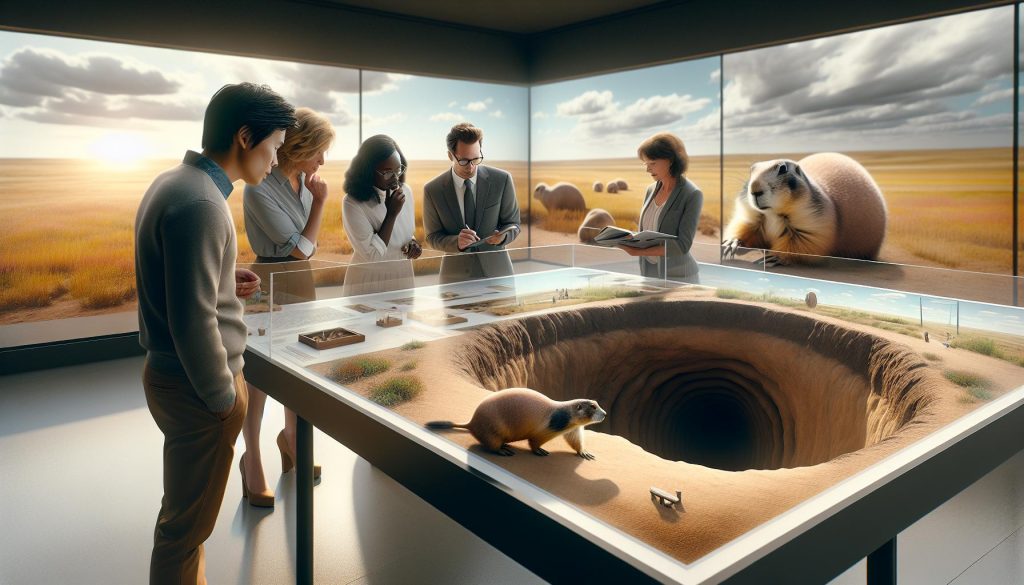
Did you know that prairie dogs are not only fascinating social animals, but their burrows play a crucial role in the ecosystem? These intricate underground tunnels serve as homes, nurseries, and even as shelters against predators. Understanding what a prairie dog burrow looks like can deepen our appreciation for these remarkable creatures and their behaviors. Whether you’re an avid wildlife enthusiast or a curious newcomer, exploring the structure and function of prairie dog tunnels reveals the complexity of their lives and the importance of conserving their habitats. Dive into the world beneath the surface and discover how these little diggers create a bustling community underground, showcasing the balance of nature’s architecture that supports not just prairie dogs but many species in their prairie environment.
What Are Prairie Dog Burrows? An Overview
Prairie dog burrows are fascinating constructions that serve not only as homes for these clever critters but also play a crucial role in their ecosystem. These complex networks of tunnels, which can extend up to 30 feet deep and reach over 100 feet in length, function as safe havens from predators and harsh weather conditions. With multiple entrances and exits, prairie dogs can quickly escape danger while maintaining a lively social life within their colonies.
The burrows themselves are designed with impressive engineering skills. Each burrow usually consists of multiple chambers, which can vary in purpose-some are for nesting, while others serve as latrines or food storage areas. The tunnels are often lined with grass and other vegetation, providing insulation and warmth. Interestingly, prairie dogs communicate through a range of vocalizations and body movements within these tunnels, emphasizing how vital these structures are for their social interactions.
Beyond serving as individual homes, prairie dog burrows contribute significantly to the ecosystem. They aerate the soil, which improves water absorption and promotes vegetation growth, benefiting other species. Additionally, these burrows can be home to various other animals, such as burrowing owls and snakes, showcasing the interdependence of wildlife within these intricate systems. As such, understanding and preserving prairie dog burrows is essential for maintaining the health of grassland ecosystems.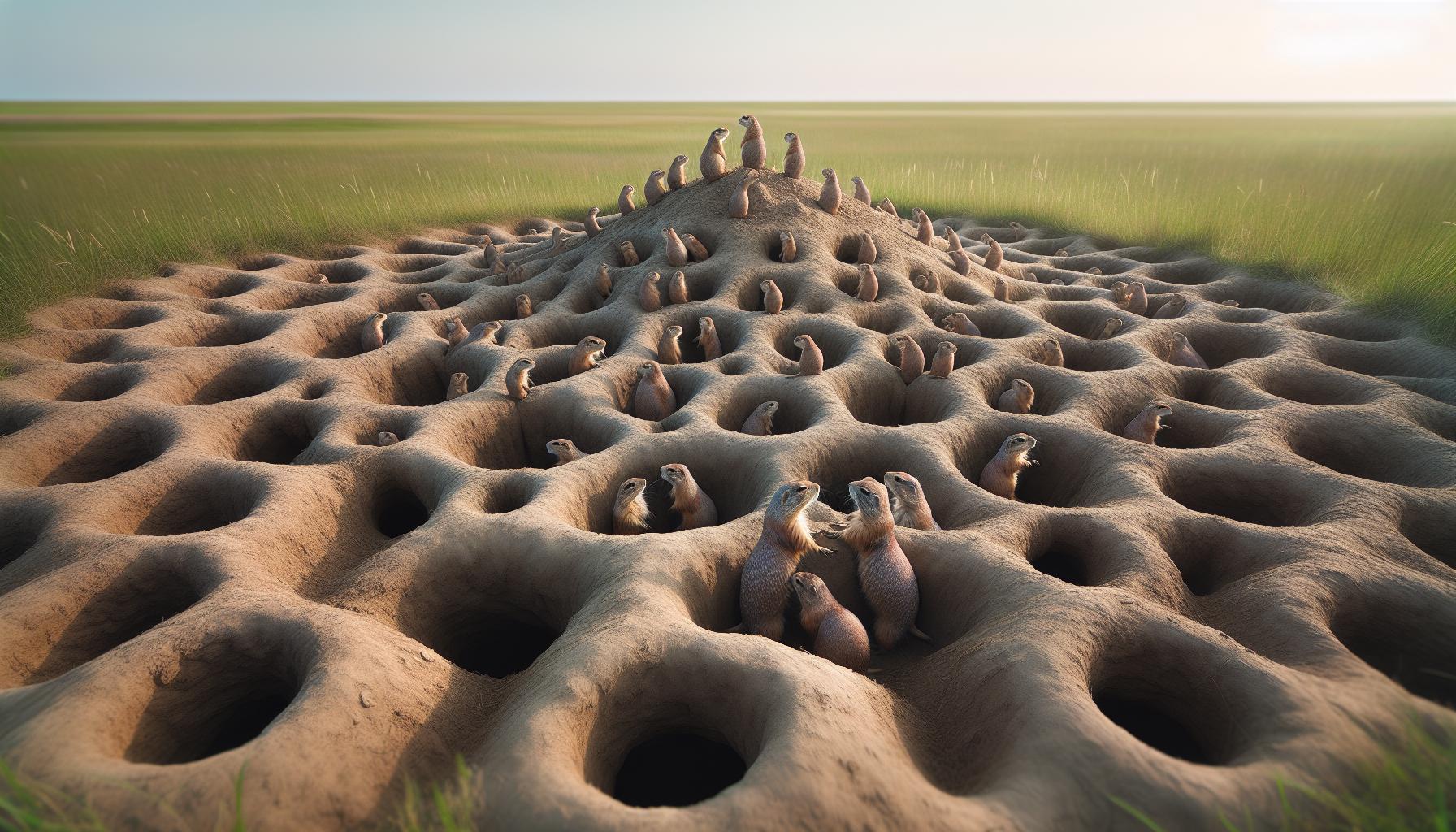
The Structure of a Prairie Dog Burrow
Prairie dog burrows are marvels of natural engineering, often referred to as the bustling underground cities of the grasslands. These structures serve as much more than mere homes; they are complex habitats that facilitate social interactions and community living among prairie dogs. Each burrow system can consist of multiple entrances and chambers extending several feet below the surface, demonstrating the ingenuity of these small mammals.
The architecture of a prairie dog burrow typically includes various interconnected tunnels that lead to distinct chambers, each designed for specific purposes. For example, some chambers function as nurseries, while others serve as food storage or latrines. The entrances, usually placed strategically, allow prairie dogs to escape predators swiftly and retreat into their safe underground world. This not only enhances their survival chances but also promotes a vibrant social structure, as prairie dogs communicate through vocalizations and behaviors within these tunnels.
Key Features of Prairie Dog Burrows:
- Multi-chamber Systems: Burrows often include multiple chambers for nesting, food storage, and waste disposal.
- Insulation: The walls of the burrow, lined with grass and other organic materials, provide insulation against temperature extremes.
- Access and Escape: Multiple entrances allow for quick escape routes, essential for evading predators.
These intricate burrows not only house prairie dogs but also create habitats for other species, such as burrowing owls and various insects. Each burrow system plays a crucial role in the local ecosystem by promoting soil aeration and enhancing plant growth, demonstrating just how interconnected life in the prairie can be. Understanding the structure and function of prairie dog burrows offers insight into the vital role these animals play in maintaining the health of their environments, making the preservation of their habitats all the more critical.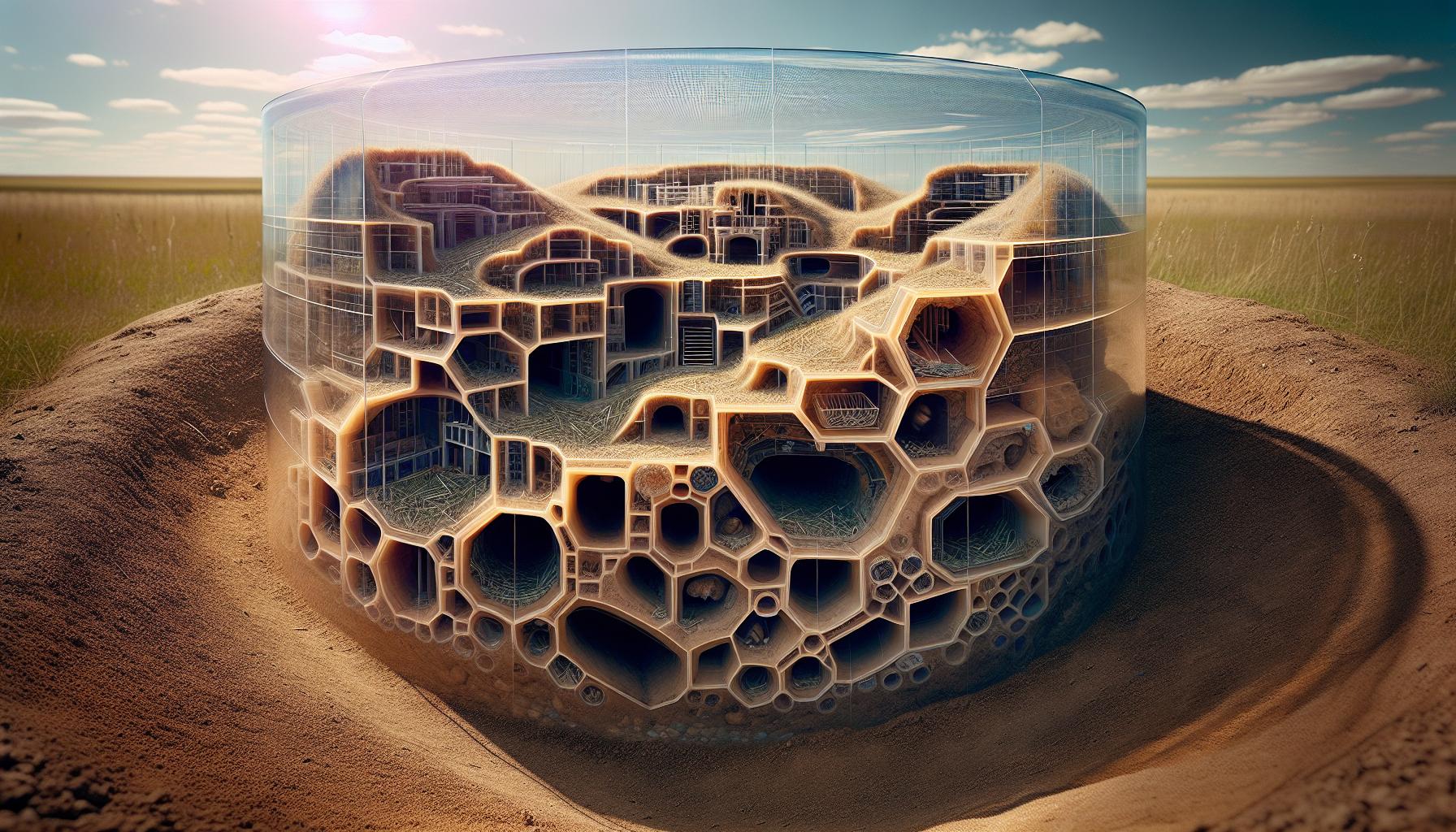
Unique Features of Prairie Dog Tunnels
When you think of a prairie dog’s home, imagine a vast network of tunnels conceived by nature’s finest architects. Prairie dog tunnels are not just paths leading to simple burrows; they are complex, multifaceted systems that play a crucial role in the animals’ daily lives. These tunnels can extend as deep as 10 to 15 feet below the surface and may stretch several hundred feet in length. Each tunnel is a part of a larger maze that facilitates the social interactions and communal structure of prairie dog colonies.
One of the most fascinating aspects of prairie dog tunnels is their interconnectedness. These intricate networks serve various purposes, including nursery chambers for the young, food storage areas, and latrines-all contributing to the overall health of the colony. Prairie dogs are known for their social behavior, and this is reflected in the layout of their burrows. The tunnels allow quick communication and coordination among colony members, helping them alert each other to dangers and fostering a sense of community.
Another unique feature is the construction material. Prairie dogs use soil and plants to build their tunnels, often reinforcing the walls with roots and grasses. This not only gives the tunnels structural integrity but also provides insulation against temperature extremes. The burrows remain cooler in the summer and warmer in the winter, creating a stable microhabitat for the residents.
Challenges such as weather conditions play a significant role in the upkeep of these tunnels. Rain can flood tunnels or cause collapses, prompting prairie dogs to repair and maintain their homes regularly. This constant labor is crucial for the survival of the colonies, as structural integrity can mean the difference between safety and exposure to predators.
In sum, prairie dog tunnels are remarkable subterranean habitats that exemplify how these furry creatures adapt to their environment. They showcase nature’s ingenuity and highlight the important role prairie dogs play in their ecosystems. Understanding these unique features not only deepens our appreciation for these animals but also emphasizes the importance of conserving their habitats.
The Importance of Burrow Depth and Size
The depth and size of prairie dog burrows are critical to the survival of these fascinating animals. These subterranean homes can vary greatly, with tunnels reaching depths of 10 to 15 feet, and they often extend hundreds of feet horizontally. This impressive network is not just for show; it plays a vital role in the daily lives of prairie dogs, providing essential shelter from predators and harsh weather conditions.
One notable aspect of burrow size is its relation to temperature regulation. The deeper sections of the burrow remain cooler in the scorching summer months and warmer during the winter, creating a stable microclimate for the prairie dogs. This natural insulation is crucial for their survival, helping them conserve body heat and stay cool when needed. In a sense, the burrow acts as both a home and a climate-controlled sanctuary.
Furthermore, the interconnectedness of these tunnels is crucial for socialization and communication. The size and complexity of the burrows allow prairie dogs to quickly navigate between different areas of the colony, alerting each other to danger through a series of vocalizations. This social network fosters a strong communal bond among colony members, enhancing their chances of survival in the wild.
The maintenance of burrow depth and size is a collective effort. Prairie dogs regularly reinforce and clean their burrows, ensuring structural integrity against erosion from rain, which can lead to collapses. This constant upkeep is vital not just for the comfort and safety of the prairie dogs, but also for the myriad of other species that may inhabit or rely on these burrows, highlighting the importance of prairie dog colonies in the broader ecosystem. Understanding the significance of burrow dimensions is essential for appreciating these remarkable animals and the roles they play in their environments.
How Prairie Dogs Construct Their Homes
Prairie dogs are master architects of the animal kingdom, using a mix of instinct and learned behavior to construct elaborate burrow systems that serve as homes, nurseries, and safe havens from predators. Their construction process begins with a strategic choice of location, often in open grasslands where they can easily monitor their surroundings. This choice not only ensures visibility but also provides ample materials for digging, such as soft soil.
The burrowing process itself is a communal effort, with family groups working together to excavate the intricate tunnels. Each burrow typically features a main entrance, which can be up to a foot wide, leading into a network of tunnels that may stretch for hundreds of feet underground. As they dig, prairie dogs transport soil to the surface, creating distinctive mounds that mark their territory. These mounds not only signal to other prairie dogs but also play a role in thermoregulation, helping to keep the burrow cooler in summer and warmer in winter.
- Excavation: When starting a new burrow, prairie dogs employ their strong forearms and claws to loosen and shift dirt, digging as deep as 10 to 15 feet.
- Tunnel Design: The layout of their tunnels is not random; prairie dogs often create a series of chambers for sleeping, nesting, and storing food.
- Social Interactions: Vocal communications during construction help coordinate their efforts, enhancing both efficiency and safety.
As these colonies grow, so do the complexities of their burrows. Prairie dogs frequently modify existing tunnels, reinforcing them against erosion caused by rain or wear from regular use. This constant construction and maintenance highlight the importance of their social structure, where roles may vary: some prairie dogs dig while others stand guard, ensuring the colony’s safety from hawks and other predators. These activities not only foster community bonds but also exemplify the prairie dog’s significant role in their ecosystem, supporting various plant and animal life that depend on their burrows.
The Role of Prairie Dog Colonies in Ecosystems
Prairie dog colonies act as vital contributors to the ecosystems they inhabit, functioning like miniature ecosystems within a larger landscape. These social animals create extensive burrow systems that not only serve their needs but also provide shelter and support for a myriad of other species. In essence, prairie dog towns are bustling communities that promote biodiversity and facilitate ecological health.
Habitat Creation
The burrows of prairie dogs create a unique habitat that benefits many other organisms. Various mammals, birds, and reptiles are drawn to the colonies, utilizing the tunnels for shelter and safety from predators. For instance, the endangered black-footed ferret, a primary predator of prairie dogs, relies heavily on these colonies for survival. In addition, the disturbed soil from excavation promotes the growth of certain plants that thrive in the nutrient-rich mounds, enhancing the overall flora diversity and attracting insects, which in turn supports various bird species.
Soil Aeration and Nutrient Cycling
Furthermore, the active digging of prairie dogs plays a critical role in soil aeration and nutrient cycling. As they excavate their burrows, they break up compacted soil, allowing for better water infiltration and root penetration. This process helps maintain the health of the surrounding grasslands, which are often essential grazing areas for herbivores like antelope and deer. By turning over the soil and adding organic matter, prairie dogs contribute to a more productive ecosystem.
Interconnectedness of Species
The interactions within these colonies and their surrounding areas exemplify the interconnectedness of species. Prairie dogs are not only prey for ferrets but also provide a food source for raptors and coyotes. Their presence affects the population dynamics of these predators, showcasing a balance that maintains ecological stability. This symbiotic relationship emphasizes the importance of preserving these habitats, as the decline of prairie dog populations can lead to cascading effects on the broader community of wildlife.
In summary, prairie dog colonies are more than just homes for the prairie dogs themselves; they are dynamic hubs that support a rich tapestry of life. By conserving these habitats, we not only protect these clever architects but also the intricate web of species that depend on their homes for survival. Observing these communities can be a rewarding experience, highlighting the wonders of nature and the essential roles that even the smallest creatures play in our environment.
Burrow Maintenance: Who Does the Work?
In the bustling world of prairie dog colonies, maintenance of their intricate burrow systems is a communal effort. These social rodents are not merely passive inhabitants of their underground creations; they are active caretakers. As prairie dogs scurry about, they continually tend to their homes, ensuring that the extensive networks of tunnels and chambers remain functional and safe.
Burrow maintenance is primarily carried out by adult prairie dogs, who exhibit a behavior known as “digging” to reinforce and expand their tunnels. This ensures that the burrows remain structurally sound while also accommodating their growing families. They often collaborate with other members of the colony, engaging in a fascinating dance of cooperation. The more experienced savvy diggers take the lead, showing younger prairie dogs how to excavate and maintain the ventilation shafts that are crucial for fresh air circulation within the tunnels.
Furthermore, burrow maintenance serves crucial roles beyond mere structural integrity. For example, prairie dogs clear out debris and old nesting materials to keep the space clean and less vulnerable to pathogens. Their digging also promotes soil aeration, which enhances the health of the soil around the colony. This not only supports the prairie dogs’ immediate environment but also benefits the overall ecology of the grasslands. In this way, the prairie dogs don’t just thrive within their homes; they also sustain the life that surrounds them.
Interestingly, the act of burrow maintenance is also a social event. Prairie dogs engage in grooming and playful behaviors around their burrows, which strengthens their social bonds and promotes a sense of community. So, when observing these industrious creatures, remember that every tumble and click of their teeth is a part of a larger story-one of collaboration, resilience, and ecological support that plays a critical role in the health of their environment.
What Lives Inside a Prairie Dog Burrow?
In the lively tunnels of a prairie dog burrow, a bustling community thrives beneath the surface. These intricate underground homes are not just exclusive to prairie dogs; they provide a sanctuary for a diverse array of creatures. From insects to small mammals, prairie dog burrows serve as an essential ecosystem hub.
Various species find refuge within these tunnels. For instance, the burrows are often shared with burrowing owls, which use the abandoned tunnels to nest and protect their young from predators. Rattlesnakes and other small reptiles may also take up residence in the cooler, shaded depths of the burrow. They find the tunnels a perfect spot for hunting smaller mammals or sheltering from the heat, making the prairie dog burrow a critical aspect of the local food web.
In addition to vertebrates, a myriad of insects like ants and beetles contribute to the burrow’s ecosystem. These small creatures help decompose organic material within the burrow, returning nutrients to the soil and benefiting the prairie dog colony. This mutualistic relationship showcases the interconnectedness of life in these environments, demonstrating how prairie dog burrows foster a balanced ecosystem.
The importance of these underground havens cannot be overstated; they not only provide shelter but also promote biodiversity. As you explore the world of prairie dogs, remember that each burrow is a mini-ecosystem, teeming with life and interaction that highlights the fascinating complexity of nature. Being a part of this world means acknowledging and respecting the delicate balance of these communities as we observe these remarkable animals in their natural habitat.
The Impact of Weather on Prairie Dog Burrows
The delicate nature of prairie dog burrows makes them highly sensitive to weather conditions. These intricate underground homes serve not only as personal sanctuaries for prairie dogs but also as ecological hubs for a variety of other species. Weather impacts the structure and functionality of these burrows, influencing the overall health of the prairie dog colonies and the surrounding ecosystem.
During heavy rains, for example, prairie dog burrows can flood, compromising the integrity of the tunnels. Waterlogged burrows not only make it difficult for prairie dogs to navigate but can also drown or trap other small inhabitants. As a survival strategy, prairie dogs often dig deeper or create multiple entry points to evacuate and distribute water effectively. This adaptability showcases their remarkable engineering skills while highlighting the impact of weather on their habitats.
Conversely, extreme heat can lead to desiccation of the soil, which in turn affects the stability of burrows. Prairie dogs mitigate this by digging deeper to access cooler, moist soil layers or by constructing multiple layers of tunnels that allow for better ventilation and temperature regulation. These behaviors not only help them stay comfortable but also maintain a suitable environment for the other species that rely on their burrows for shelter.
In winter months, snowfall can insulate burrow entrances and provide much-needed warmth. However, heavy snow accumulations can also block entrances, requiring prairie dogs to tunnel their way out. This seasonal adaptation is crucial for their survival, showcasing how weather not only shapes their daily lives but also enhances the complexity of their tunnels as they respond to environmental challenges. Observing these dynamics not only deepens our appreciation for these fascinating creatures but also underscores the importance of monitoring environmental conditions to ensure the health of prairie dog colonies and their habitats.
Understanding helps conservationists and wildlife enthusiasts alike appreciate the intricate balance of life and how weather plays a fundamental role in the success of these unique ecosystems.
Conservation of Prairie Dog Habitats and Burrows
The survival of prairie dog colonies hinges on the vitality of their burrows and the habitats they create. These complex systems of tunnels and chambers serve as not only homes for the prairie dogs themselves but also support a myriad of other species, including rodents, reptiles, and birds. Unfortunately, prairie dog habitats face numerous threats from habitat destruction, agriculture, and development. Conservation efforts focusing on these ecosystems can provide significant benefits to both the prairie dogs and the broader ecological community.
Protecting Prairie Dog Habitats
To promote conservation, several strategies can be employed. Preserving and restoring prairie ecosystems is paramount, as this is where prairie dogs thrive. Land management practices that emphasize sustainable agricultural use and limit urban sprawl can significantly enhance habitat availability.
Another key aspect is the public education on the ecological role of prairie dogs. By highlighting their importance as ecosystem engineers, who aerate the soil and create habitats for other species, conservation initiatives can garner support from local communities and policymakers. Engaging in citizen science projects, such as monitoring prairie dog populations and burrow health, can also foster a sense of ownership and responsibility toward these creatures and their environments.
Role of Legislation in Conservation
Legislation plays a critical role in the conservation of prairie dogs and their habitats. Laws protecting prairie dog colonies from eradication efforts, as well as regulations on land use adjacent to these colonies, can preserve their far-reaching impacts. Organizations can work with government agencies to enforce these protections and promote habitat restoration initiatives.
In many regions, conservation groups actively engage in habitat restoration projects, including replanting native vegetation that supports not just prairie dogs but a variety of wildlife. These collaborative efforts can revitalize ecosystems, ensuring that prairie dog burrows remain vibrant and functional for generations to come.
Community Involvement and Responsible Observation
Community involvement is vital. Local organizations can host educational workshops and citizen science projects focused on prairie dog ecology and burrow maintenance. Additionally, responsible observation practices can enhance public interest while ensuring that these animals are not disturbed. Learning to observe prairie dog colonies from a respectful distance can help safeguard their natural behaviors and habitat.
In summary, the conservation of prairie dog habitats is not just about preserving a single species but fostering an entire ecosystem. By understanding the interconnectedness of life within prairie dog burrows and advocating for sustainable practices, we can play a part in ensuring that these charming creatures and their unique homes continue to thrive amidst the challenges posed by a changing environment.
Interesting Myths and Facts About Prairie Dog Tunnels
Did you know that the burrows created by prairie dogs can reach depths of up to 3 feet and stretch for over 30 feet in length? These intricate tunnels serve as both a home for prairie dogs and a communal hub for their entire colony. However, plenty of misconceptions surround these fascinating habitats, making it important to separate fact from fiction.
One common myth is that prairie dog tunnels are small and simple. In reality, these burrows are complex systems featuring multiple chambers and entrances that cater to different needs, such as nurseries, food storage, and sleeping quarters. The tunnels also include ventilation shafts, which help circulate air and regulate temperature within the burrow, showcasing nature’s efficient design. Surprisingly, the layout of these burrows can also resemble that of an underground city, where prairie dogs not only live but also socialize, communicate, and raise their young together.
A lesser-known fact is that prairie dog burrows provide critical habitats not just for the prairie dogs themselves but also for other species. Many animals, including burrowing owls, snakes, and various insects, rely on prairie dog tunnels for shelter and protection. This mutual dependency underlines the ecological significance of prairie dogs as ecosystem engineers. By maintaining extensive burrow systems, they contribute to the biodiversity of their environment.
Additionally, prairie dog tunnels play a vital role in soil aeration and nutrient cycling. As they dig, prairie dogs help to break up the soil, allowing water and nutrients to penetrate more effectively. This behavior promotes plant growth and improves the overall health of the surrounding habitat. Engaging with prairie dog colonies responsibly, from a distance, allows us to appreciate this unique dynamic without disturbing these important ecosystems.
In conclusion, it’s clear that prairie dog tunnels are complex, multifunctional habitats that extend beyond the lives of prairie dogs alone. By fostering a greater understanding of these burrows, we can better appreciate the ecological roles they play while supporting conservation efforts that protect these fascinating animals and their intricate homes.
How to Observe Prairie Dog Burrows Responsibly
Observing prairie dog burrows can be an exhilarating experience, offering a firsthand look into the fascinating world beneath our feet. However, it’s essential to approach this adventure with respect and care to protect these intricate ecosystems. Start by keeping a safe distance from the burrows-using binoculars for a closer view allows you to enjoy the activity without disrupting the prairie dogs or their habitat. Remember, these animals are sensitive to disturbances; loud noises or sudden movements can send them scurrying into their tunnels, interrupting their social interactions and daily routines.
When you visit a prairie dog colony, it’s lovely to take notes or photograph their unique behavior, such as how they communicate with each other through distinct calls. Prairie dog vocalizations can range from alarm calls when predators are nearby to social greetings, adding to the rich tapestry of life within the colony. Staying quiet and still can increase your chances of observing these behaviors, as the prairie dogs will feel safe to continue their activities, allowing you to soak in the full experience.
Another key point in responsible observation is to tread lightly on the surrounding environment. Avoid walking on the actual burrows; this can collapse tunnels and disturb both prairie dogs and the complex ecosystem they support. Stick to designated paths or areas that are already disturbed to minimize your impact. Also, consider the time of day for your visit. Early mornings and late afternoons are often the best times to see prairie dogs active, as they spend the hottest part of the day in their cool underground homes.
Lastly, engage with educational material or local wildlife experts to enhance your understanding of these remarkable creatures. Many places offer guided tours of prairie dog colonies, which can provide valuable insights into their behavior and ecology. Participating in such informed experiences ensures that your curiosity contributes positively to conservation efforts, building a deeper appreciation for prairie dogs and their vital role in the ecosystem. Remember, every observation you make can help advocate for their protection and the preservation of their habitats.
FAQ
Q: What is the typical size of a prairie dog burrow?
A: A typical prairie dog burrow can be 3 to 6 feet deep and can extend horizontally over 20 feet. The size can vary depending on the species and the soil type, providing ample space for their complex tunnel systems.
Q: How do prairie dogs communicate within their burrows?
A: Prairie dogs use a variety of vocalizations and body language to communicate. They have specific calls for different predators and convey messages about food and territory, which are essential for their social structure within burrows.
Q: What materials do prairie dogs use to build their burrows?
A: Prairie dogs primarily use soil that they excavate from their tunnels. They may line their burrows with grasses and other vegetation to provide insulation and help maintain temperature within the burrow.
Q: Do prairie dog burrows have multiple entrances?
A: Yes, prairie dog burrows often have multiple entrances and exits. This design allows for quick escapes from predators and enhances their social interactions within the colony.
Q: What are the dangers of prairie dog burrows to humans?
A: Prairie dog burrows can pose a danger to humans, particularly for people walking or riding over them. Injuries from falls into these hidden tunnels are common, and they can also contribute to soil erosion in grazing areas.
Q: How do prairie dog burrows impact the environment?
A: Prairie dog burrows play a critical role in the ecosystem by aerating the soil, improving plant growth, and creating habitats for other species. This activity promotes biodiversity and supports various wildlife.
Q: Can animals other than prairie dogs live in their burrows?
A: Yes, many other animals such as burrowing owls, foxes, and other rodents often take advantage of abandoned or active prairie dog burrows, using them for shelter and nesting.
Q: How does weather affect prairie dog burrows?
A: Weather can significantly impact prairie dog burrows. Heavy rain can cause flooding, while extreme heat can affect the internal temperature, prompting prairie dogs to modify their burrows for better insulation or drainage [9].
Feel free to explore further sections in the article for detailed insights!
Wrapping Up
As we dive into the intricate world of prairie dog burrows, remember that these fascinating structures are more than just homes; they are bustling communities vital to the ecosystem. Now that you’re equipped with insights about their tunnels, why not explore further? Check out our guide on prairie dog behavior for a deeper understanding of their social interactions, or perhaps our article on their role in habitat management to see how they contribute to biodiversity.
Don’t miss out; subscribe to our newsletter for the latest updates and intriguing wildlife stories right in your inbox! If you have questions or want to share your experiences with prairie dogs, leave a comment below. Your engagement helps create a community that values wildlife education. Dive into the world of wildlife with us-there’s so much more to discover!
Get our latest guides, news, and insights highlighted in your Google Search & AI Overviews.










