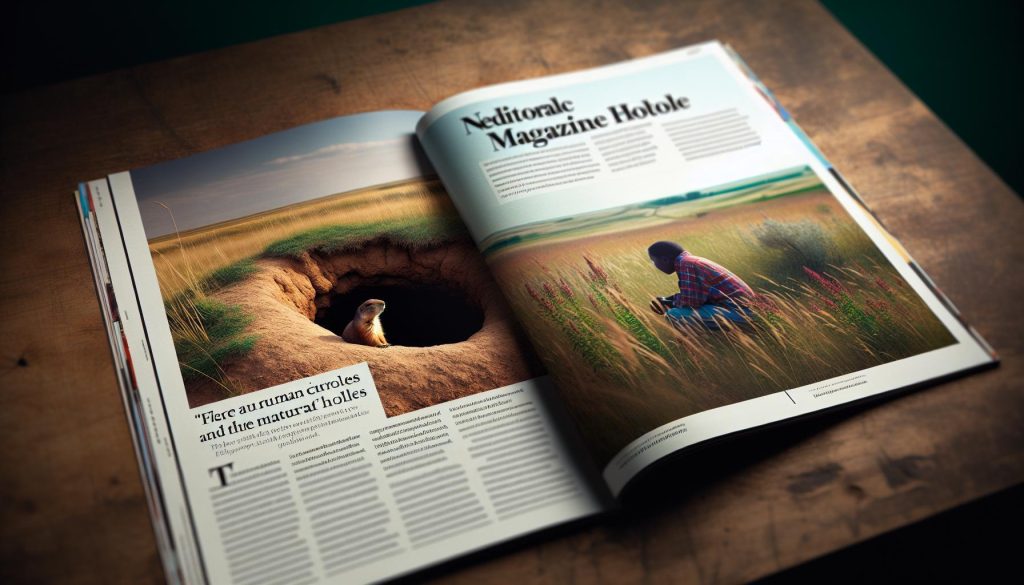
Did you know that prairie dog holes play a crucial role in their ecosystem, acting as homes not only for these social creatures but also for various other wildlife? Recognizing the entrance to a prairie dog hole is essential for wildlife enthusiasts, as it helps in understanding their behavior and habitat. These fascinating burrows are expertly constructed, featuring specific characteristics that can tell you a lot about the inhabitants. Whether you’re a seasoned observer or just starting your journey into the world of prairie dogs, knowing what to look for can enhance your appreciation of these remarkable animals. Join us as we delve into the distinct features of prairie dog entrances and explore how these openings reflect the busy lives of their residents.
What Makes Prairie Dog Holes Unique?
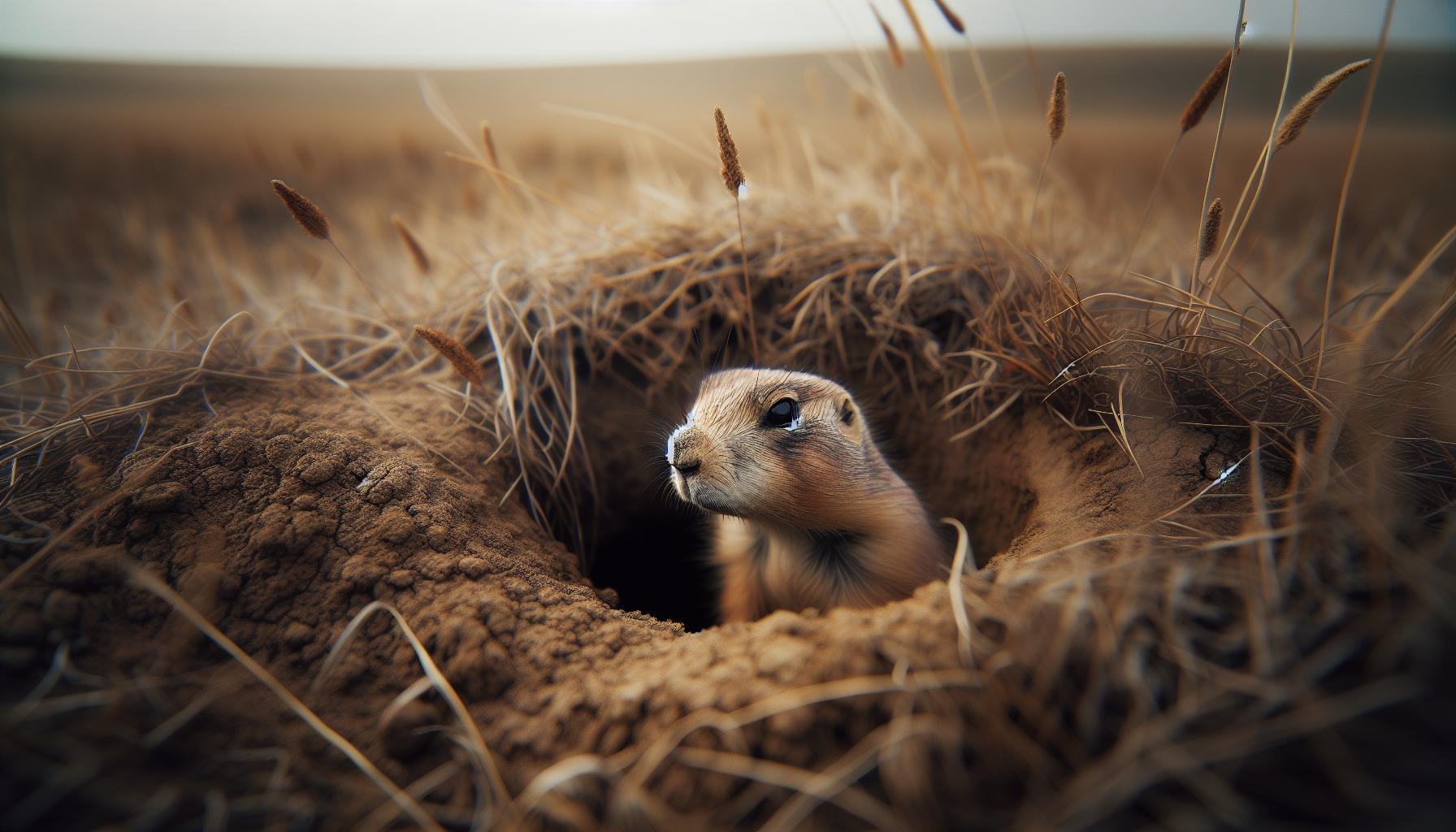
Prairie dog holes are not just mere entrances to their underground homes; they are remarkable indicators of a complex social structure and an adaptive strategy for survival. Each burrow serves as a bustling hub of activity, showcasing the intricate relationships prairie dogs maintain with each other and their environment. Typically, these entrances feature a distinct circular shape, measuring about 4 to 6 inches in diameter, which sets them apart from other burrowing species. This size is vital for quick entrances and exits, allowing prairie dogs to evade predators efficiently.
These holes possess unique characteristics that reflect the prairie dog’s lifestyle and habitat. For instance, they often have a raised mound of soil surrounding the entrance, which acts as a lookout point for these creatures, enabling them to spot threats while providing a quick escape route. The mounds can indicate the health and activity level of the colony; more mounds suggest a vibrant community actively maintaining their burrows. Regular maintenance of these holes by the prairie dogs ensures they remain clean and functional, as they excavate debris and reconstruct mounds regularly.
Another fascinating aspect of prairie dog holes is their design, which often leads to a network of tunnels connecting various entrances throughout their colonies. This subterranean architecture can extend several feet deep and spans extensive areas, resembling a city beneath the surface. Such a structure not only facilitates movement and communication among members of the colony but also provides critical protection against harsh weather conditions.
Observing these unique burrows can reveal a wealth of information about prairie dog behavior. Active holes that show signs of frequent traffic, such as fresh soil or visible scratching, indicate a lively and social prairie dog colony. Conversely, entrances that appear overgrown or neglected suggest decreased activity, perhaps due to environmental changes or threats. Understanding these characteristics can enhance your appreciation for these fascinating mammals and their integral role in the ecosystem.
The Anatomy of Prairie Dog Entrances
Prairie dog entrances are an intriguing highlight of their lively underground world. The surface characteristics of these entrances provide insights into both their construction and the daily life of prairie dogs. Typically, you’ll find these entrances about 4 to 6 inches in diameter, designed specifically for quick escapes from predators like hawks and coyotes. This size is more than just a convenient passage; it reflects a clear evolutionary adaptation that enhances their chances of survival.
One distinguishing feature of prairie dog holes is the surrounding mound of earth. These mounds serve dual purposes: they act as lookout points and provide a vantage for spotting dangers. The soil is meticulously excavated, often resulting in a well-maintained mound that can be several inches high. A vibrant prairie dog colony will show evidence of active mounds, as they continuously groom and maintain their entrances to keep them functional and clear of debris. This maintenance reflects a bustling community life, suggesting that the more substantial and frequent the mounds, the healthier the colony.
As you observe these entrances, take note of the surrounding area. If you see fresh soil or signs of digging, it indicates that the burrow is active. On the other hand, if an entrance looks neglected or overgrown, it may suggest a decline in activity-perhaps due to predators or environmental stresses. Such keen observations not only enhance our understanding of prairie dog behavior but also deepen our appreciation for their role within the ecosystem.
The intricate design of these underground habits is essential for communication and social structure within a colony. With networks of tunnels connecting various entrances, each burrow serves as a portal to a miniature city bustling beneath our feet. This subterranean architecture, remarkable in its complexity, underscores the social nature of prairie dogs, making their entrances not just openings, but gateways into a vibrant community life.
Common Features of Prairie Dog Burrows
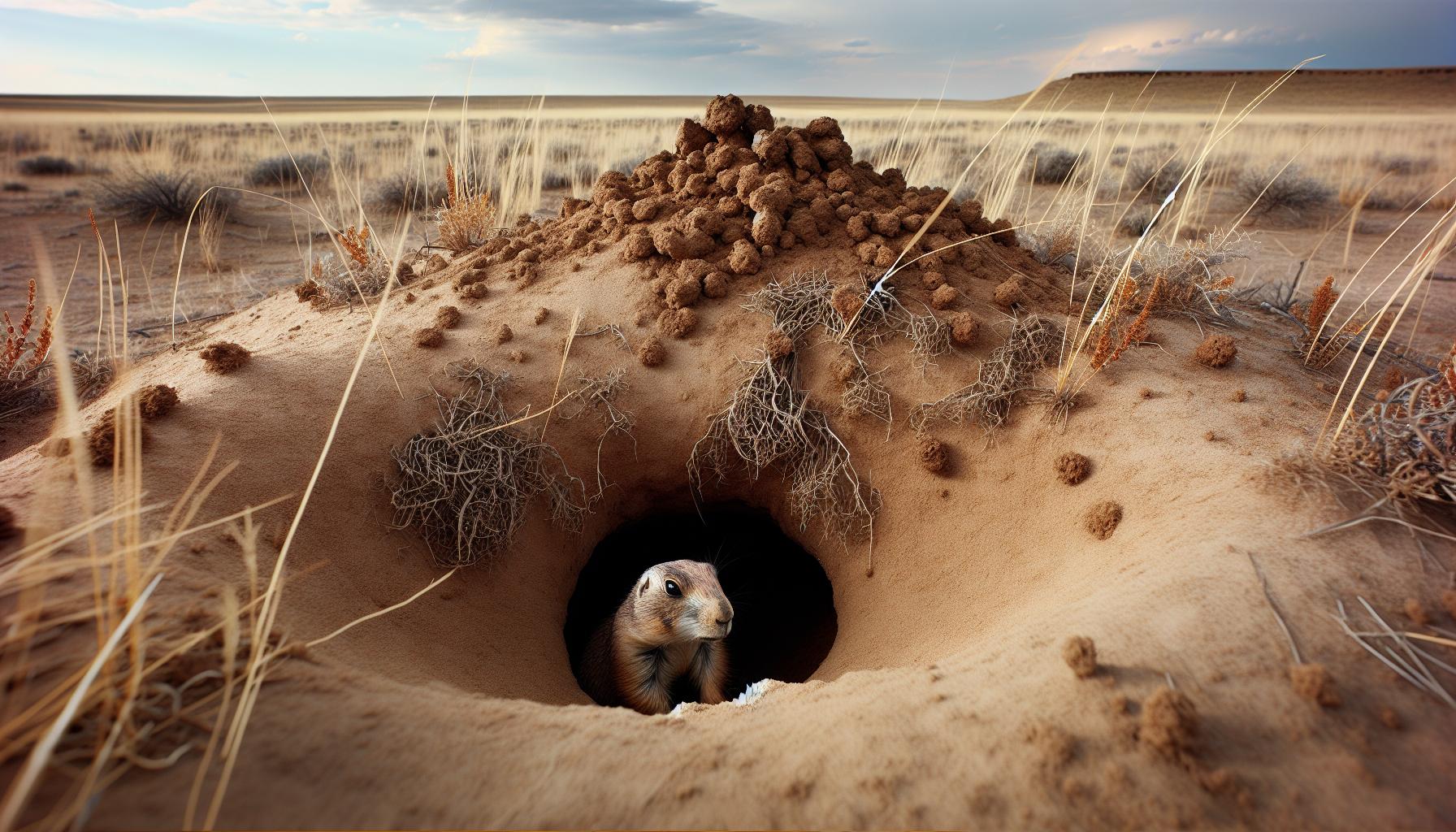
The underground world of prairie dogs is a marvel of natural engineering, marked by a maze of burrows that serve as the heartbeat of their colonies. When examining these burrows, several common features stand out, each revealing something significant about the lives of these fascinating creatures.
Entrance Size and Structure
Prairie dog entrances typically measure around 4 to 6 inches in diameter, meticulously shaped to facilitate quick escape from predators such as hawks and coyotes. This specific size is not merely for convenience; it is a clever evolutionary adaptation that maximizes their chances of survival. The entrances are often circular and well-maintained, highlighting the social and communal behavior of prairie dogs as they continuously work to keep these access points clear.
Earth Mounds
Surrounding these entrances, you’ll usually notice characteristic mounds of earth. These mounds serve multiple purposes: they act as lookout points where prairie dogs can survey their surroundings and play a crucial role in thermoregulation by providing shade and insulation. The size of these mounds can vary, but a well-maintained mound indicates a thriving colony, as prairie dogs actively dig and reshape their burrows to ensure optimal living conditions.
Burrow Complexity
The underground architecture is astonishingly complex, featuring interconnected tunnels that create an elaborate network mimicking a city beneath the surface. Each burrow connects to various entrances, allowing for efficient movement and communication among members of the colony. This intricate design reflects the strong social nature of prairie dogs, emphasizing their dependence on one another for survival and well-being.
Signs of Activity
Observing prairie dog burrows can also provide insights into their activity levels. Freshly turned soil around the entrances, along with signs of digging or grooming, indicate an active burrow. In contrast, neglected or overgrown entrances may suggest diminished colony activity, potentially due to environmental stresses or increased predation. This awareness of burrow health is essential for those interested in wildlife conservation, as it helps gauge the well-being of prairie dog populations and the ecosystems they support.
Understanding these common features not only enhances our appreciation for prairie dogs but also underscores their crucial role in grassland ecosystems. By creating these burrows, prairie dogs improve soil aeration and provide habitats for a variety of other wildlife, making their underground homes vital to the broader ecological community.
Differences Between Prairie Dog and Other Burrows
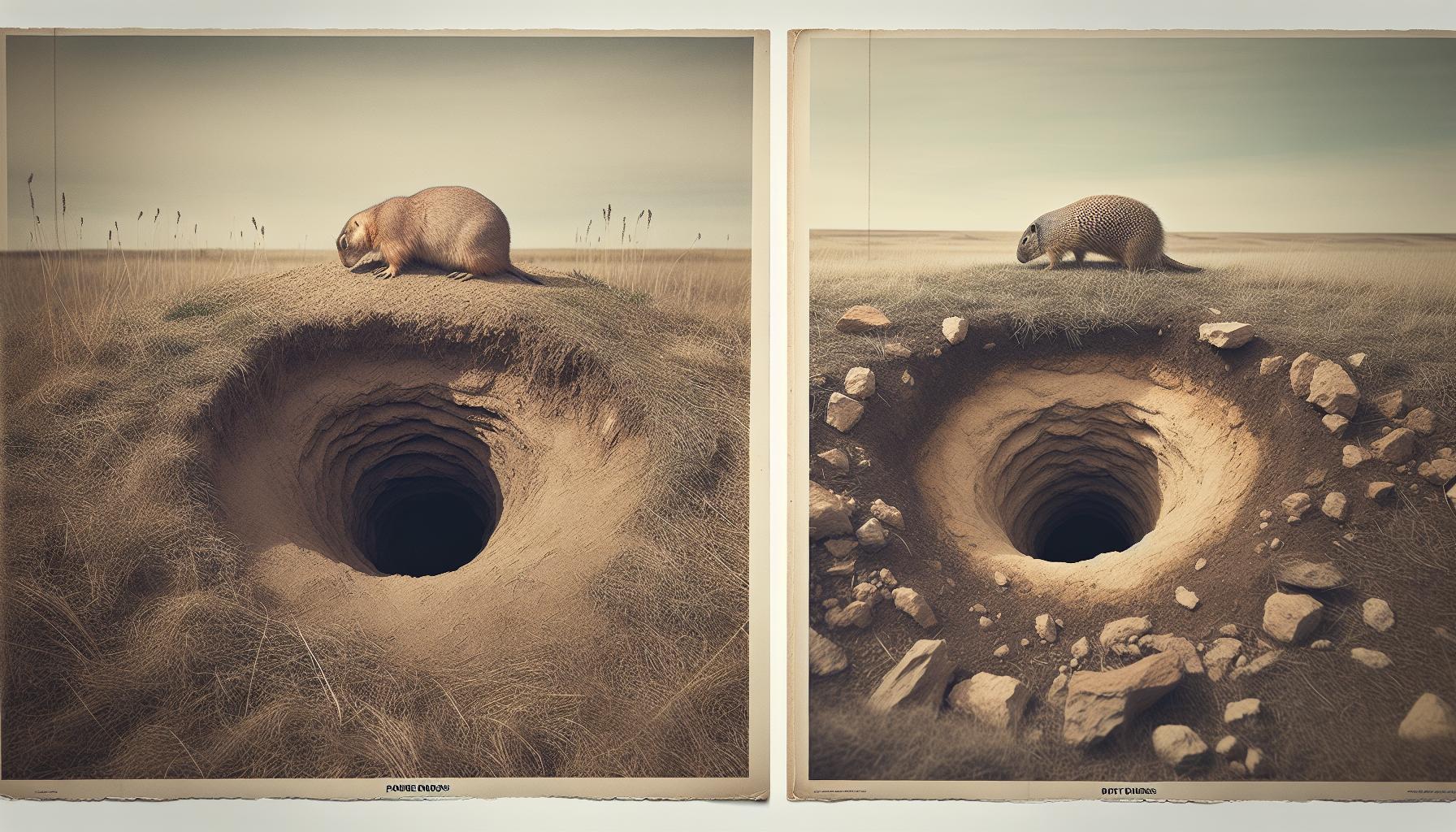
The intricate burrows of prairie dogs stand out for their remarkable engineering, showcasing distinct features that contrast sharply with the holes created by other animals. For instance, the entrances of prairie dog burrows are typically 4 to 6 inches in diameter, perfect for quick escapes from predators. This specific size and shape are not only a product of evolution but also reflect the social structure of prairie dog colonies, where quick communication and escape routes are vital for survival.
In contrast, many other burrowing animals have different entrance designs. Consider the complex tunnels of a badger, which may feature larger, more irregular openings. Badger burrows are often larger and deeper, primarily designed for hunting and a solitary lifestyle. Similarly, rabbit holes are distinctively smaller and may not have the same level of maintenance seen in prairie dog colonies. Rabbit exits often lead to a tangle of quick escape routes rather than a cohesive network of tunnels.
The architectural complexity of prairie dog burrows also sets them apart. Their extensive systems of interconnected tunnels can reach impressive depths and lengths, resembling a bustling underground town. The careful construction and ongoing maintenance of these burrows showcase the cooperative behavior of prairie dogs. In comparison, the burrows of ground squirrels may appear simpler, often with fewer connections and less communal involvement, reflecting a more individualistic approach to survival.
Key Comparison Points:
- Entrance Size: Prairie dogs (4 to 6 inches) vs. Badgers (larger, irregular) and Rabbits (smaller).
- Burrow Structure: Prairie dogs create complex, interconnected tunnels; badger tunnels are deeper and intended for hunting.
- Social Behavior: Prairie dog communities actively maintain their burrows, while other species like ground squirrels show less communal upkeep.
The examination of prairie dog burrows not only provides insight into their unique adaptations but also highlights the incredible diversity in the burrowing habits of various species. Whether you’re stumbling upon a prairie dog town or a solitary badger’s den, each offers a glimpse into the hallmark behaviors that define these fascinating creatures.
How to Identify Active Prairie Dog Holes
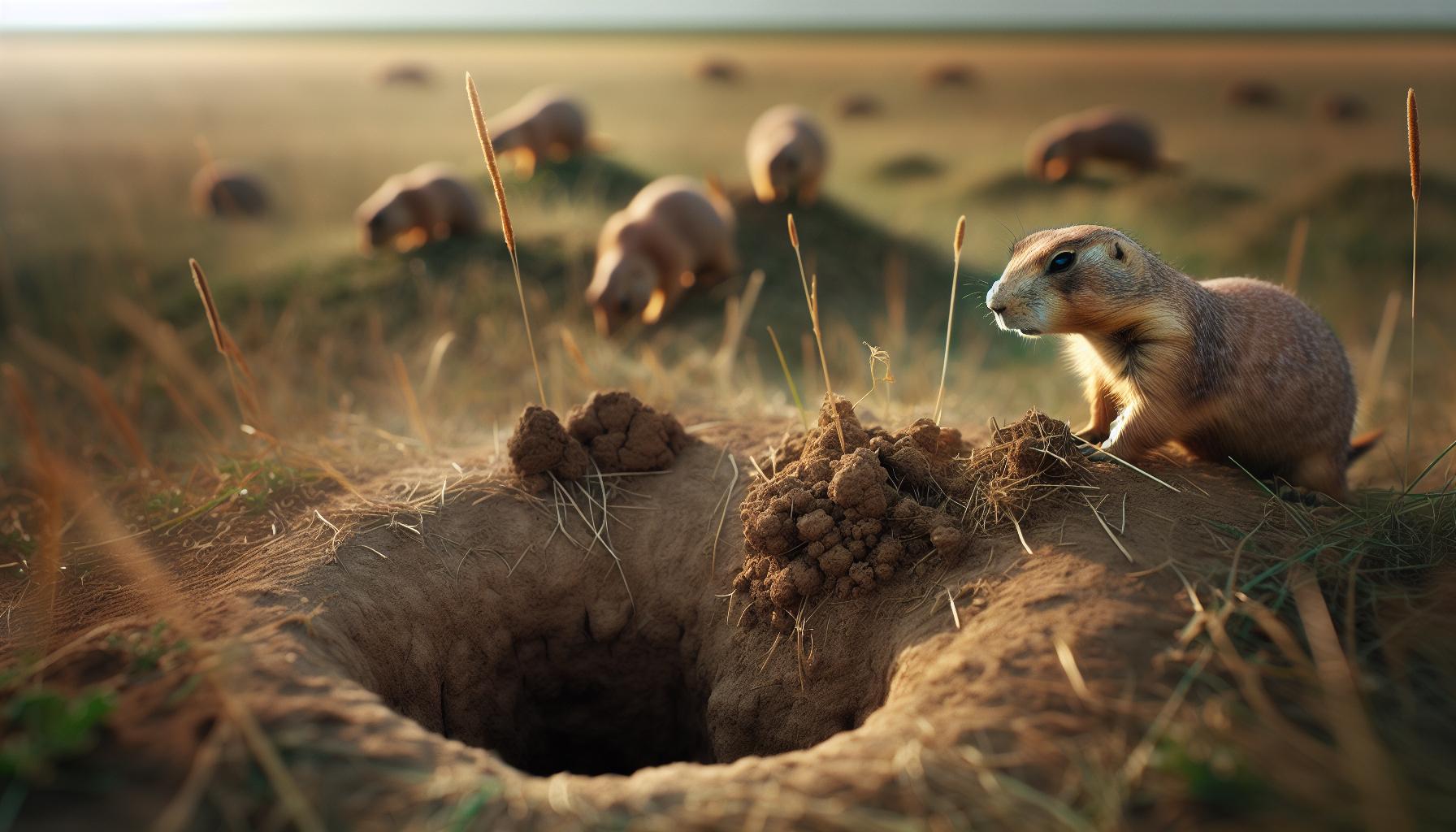
Recognizing active prairie dog holes can transform a casual outdoor stroll into an exciting wildlife observation experience. One of the most telling signs of activity is the freshness of the burrow itself. Active burrows usually have clear, well-defined entrances, typically ranging from 4 to 6 inches in diameter. If the surrounding earth is freshly disturbed or the edges of the hole appear freshly excavated, you’re likely looking at a hole that’s currently in use.
Another clue to identify an active prairie dog hole is the presence of fresh droppings nearby. Prairie dogs often leave behind small, cylindrical pellets that can frequently be seen littering the area around their burrows. These droppings not only indicate recent activity but also suggest that the burrow serves as an active part of their social structure. Typically, you may also observe prairie dogs standing sentry at or near their holes, alert to any potential threats, which adds a lively aspect to any sightings.
Active burrows will also show signs of maintenance and usage. Look for signs of wear, such as flattened grass or disturbed soil near the entrance, which indicates that prairie dogs are frequently entering and exiting these holes. Additionally, if you notice several burrows clustered together, the chances are good that this is part of a larger colony, which is a hallmark of prairie dog social behavior.
When observing these fascinating creatures, remember to maintain a respectful distance. Use binoculars or a camera with a zoom lens to avoid disturbing their natural behaviors. This way, you can enjoy the vibrant social interactions and behaviors of prairie dogs while ensuring their habitat remains undisturbed for future visits.
Fun Facts About Prairie Dog Habitats
Prairie dog habitats are truly fascinating ecosystems teeming with life and complexity. Did you know that a single prairie dog colony, often referred to as a town, can cover hundreds of acres and consist of thousands of individuals? This communal living is not just for social interaction; it plays a critical role in their survival. Prairie dogs are exceptional builders, and their intricate burrow systems, with multiple entrances and escape routes, are essential for protection against predators and harsh weather.
In terms of physical structure, the burrows serve various purposes, including nurseries for young pups and storage areas for food. The entrances to these holes are typically about 4 to 6 inches in diameter, designed to facilitate quick access. Interestingly, the soil excavated from these holes is often piled around the entrance, which not only adds a unique aesthetic to the landscape but also provides prairie dogs with vantage points to watch for threats.
Another captivating aspect of prairie dog habitats is their impact on the surrounding environment. The tunnels and burrows aerate the soil, promoting healthier plant growth, while the presence of prairie dogs aids in the cycle of nutrients within these ecosystems. Furthermore, their activities create microhabitats for countless other species, including insects and burrowing owls, showcasing the interdependence of life in these vibrant communities.
Taking care to observe prairie dogs from a respectful distance allows you to witness their bustling societies without causing disruption. With binoculars in hand, you can enjoy their lively antics, from sentinel behaviors to playful interactions among family members. Embracing this viewpoint not only enriches your experience but also contributes to conservation efforts aimed at preserving their unique habitats for generations to come.
What Do Prairie Dog Holes Reveal About Behavior?
The intricate network of prairie dog holes tells us much more than just where these fascinating creatures live; it reveals a wealth of information about their behavior, social structure, and survival strategies. For instance, the distinct arrangement of entrances often reflects the hierarchy within the colony. Dominant prairie dogs may have access to the most favorable positions, while subordinate members might settle for holes that are less strategically advantageous. This social ladder is crucial for understanding their community dynamics.
Active prairie dog holes, which are frequently used, typically show signs of wear and maintenance. Prairie dogs engage in regular cleaning and refurbishment of their burrows, indicating a strong instinct to keep their environment safe and clean. Entrance holes that are surrounded by freshly excavated soil often suggest that the area is bustling with activity. Observers can note specific behaviors associated with these entrances, such as the sentinel behavior where prairie dogs take turns watching for predators while others forage. This cooperative vigilance highlights their sophisticated social interactions and communication skills.
Interestingly, the design of these burrows can change with the seasons. During the warmer months, prairie dogs may dig deeper, creating complex systems with multiple chambers and escape routes to evade predators. In contrast, during harsher winters, they tend to maintain simpler structures that focus on warmth and protection. This adaptability not only showcases their survival abilities but also their instinctual knowledge regarding environmental changes.
To truly appreciate prairie dog behavior, observing them from a distance with the help of binoculars can provide compelling insights. Watching as they interact, communicate, and maintain their burrows offers a glimpse into the intricate social fabric of their communities, revealing just how critical these holes are not only for their survival but for their highly organized societal structure. Understanding these aspects enriches our appreciation of prairie dogs and underscores the importance of protecting their habitats for future generations.
Seasonal Changes in Prairie Dog Hole Design
As the seasons change, so too do the designs and functions of prairie dog holes, revealing how adaptable these clever rodents are. During the warmer months, prairie dogs thrive in bustling colonies, digging intricate tunnel systems that can extend several feet underground. These elaborate burrows often feature numerous entrances and chambers, allowing for various functions such as nesting, storing food, and evading predators. The complexity of these structures reflects their need for safety and social interaction. Prairie dogs coordinate within their colonies, utilizing multiple exits for quick escapes and maximizing their chances of survival against threats like hawks and coyotes.
As winter approaches, however, prairie dogs shift their focus. Temperatures drop, and the need for warmth and protection takes precedence over the complex designs suited for warmer weather. Prairie dog burrows during this season become simpler, often featuring fewer entrances. The burrows are deeper and more insulated, as they seek to retain body heat and guard against freezing temperatures. This seasonal adaptation is crucial not only for their survival but also for the community dynamics within the colony. Fewer exits in winter may help concentrate social groups, providing warmth through close contact and cooperation.
Furthermore, prairie dogs exhibit interesting behavior as they prepare for winter. They might begin to stockpile food items at the end of summer, using designated chambers in their burrows to store these resources. This behavior is vital, as it allows them to sustain themselves during the harsh winter months when food is scarce. The design of their holes during this time reflects these practical necessities, focusing on security, resource storage, and energy conservation.
By understanding these , wildlife enthusiasts can gain deeper insights into their lives and contribute to conservation efforts. Recognizing how they adapt to their environment equips observers with meaningful knowledge about their behavior and the challenges they face, fostering a greater appreciation for these remarkable creatures and the ecosystems they inhabit.
Best Practices for Observing Prairie Dogs Safely
Observing prairie dogs in their natural habitat can be a thrilling experience, as these social creatures display a range of fascinating behaviors. However, it’s essential to approach your observation with care and respect for their environment. Here are some best practices to ensure your experience is both enjoyable and safe for you and the prairie dogs.
To start, keep a respectful distance from the burrows. Prairie dogs are sensitive to disturbances, and close proximity can trigger stress responses or cause them to retreat into their holes. A good rule of thumb is to observe from at least 50 yards away. This distance not only protects their comfort but also allows you to use binoculars or a zoom lens to capture their antics without intruding on their territory.
When you find a spot to observe, remain still and quiet. Sudden movements or loud noises can alarm prairie dogs, causing them to cease their activities. Instead, practice patience. You might be surprised at how much you can learn simply by sitting quietly and watching. Over time, prairie dogs will grow accustomed to your presence, resuming normal behaviors such as foraging, grooming, and playing.
Additionally, be mindful of your surroundings. Prairie dog burrows can be hazardous, as they are often surrounded by complicated tunnel systems and loose soil. Stepping too close to the entrances may result in accidental falls or injuries. Stick to stable ground and avoid walking on or near the burrow entrances to ensure both your safety and that of the prairie dogs.
As you observe, consider documenting your experience through sketches, notes, or photography, but do so responsibly. Avoid using flash photography or other disruptive methods that could startle the animals. Instead, capture the mesmerizing moments as they unfold naturally-this approach not only yields authentic images but also contributes to a more respectful interaction with wildlife.
By adhering to these practices, you’ll enhance your understanding of prairie dogs and their intricate behaviors while contributing to the conservation of their habitats. Each encounter offers a glimpse into their lives, making your observation both rewarding and enlightening. Happy watching!
Conservation Efforts and Prairie Dog Habitats
Prairie dog holes are more than just entrances to underground homes; they are vital components of the ecosystem that support a diverse array of wildlife and contribute to soil health. These fascinating burrows provide shelter not only for the prairie dogs themselves but also for countless other species, including burrowing owls, foxes, and various insects. The intricate tunnel systems can reach depths of 10 to 15 feet, showcasing a remarkable engineering feat. Each burrow serves as a hub of ecological activity, making prairie dog colonies essential for maintaining the balance of their grassland habitats.
The Role of Prairie Dog Holes in Conservation
Conservation efforts aimed at protecting prairie dogs often revolve around preserving and enhancing their habitats. Healthy prairie dog populations create a unique ecosystem that supports biodiversity. By aerating the soil through their burrowing activities, prairie dogs improve water absorption and promote nutrient cycling, which benefits surrounding vegetation. This process helps sustain a rich environment for both flora and fauna. For example, studies have shown that when prairie dog colonies thrive, the overall health of grasslands increases, supporting not just prairie dogs, but also livestock and other wildlife, creating a harmonious balance between ranching and conservation practices in many areas [[1](https://animalwellnessaction.org/faqs-about-prairie-dogs-and-their-conservation/)].
Community Engagement and Conservation Initiatives
Engaging local communities in prairie dog conservation can have a significant impact. Programs that educate ranchers and landowners about the ecological benefits of maintaining prairie dog colonies can foster a sense of stewardship. Many ranchers have successfully integrated prairie dog conservation into their land management practices, which not only protects these unique mammals but can also enhance their agricultural practices. Demonstrating that prairie dogs contribute to soil health and biodiversity can change perceptions and encourage collaborative conservation strategies [[2](https://www.humaneworld.org/sites/default/files/docs/HumaneWorld_Creating-prairie-dog-management-plans_Part1.pdf)].
Ultimately, recognizing the importance of prairie dog holes goes beyond just caring for a single species; it’s about understanding their role within a larger ecosystem. As you explore these surrounding habitats, you’ll find that each burrow is a gateway to an intricate network of life, deserving of respect and protection. Through collective efforts and responsible observation, we can ensure these charismatic creatures continue to thrive in their natural environments.
The Importance of Prairie Dog Holes in the Ecosystem
Prairie dog holes are not merely entrances to their underground world; they represent a critical part of the ecosystem, contributing to the health and diversity of grasslands. These intricate burrow systems, often spanning several acres, serve as habitats for various species, both inside and outside the prairie dog community. Burrowing owls, for instance, rely on these holes for nesting, while smaller mammals and countless insects find refuge within their complex tunnels. This symbiotic relationship highlights how prairie dog colonies act as keystone species, supporting a rich array of wildlife.
The engineering prowess of prairie dogs in constructing their burrows has remarkable environmental benefits. As they dig, they aerate the soil, allowing for better water infiltration and promoting nutrient cycling. This natural tilling helps create healthier soil, which supports the growth of grass and other vegetation. The result is a vibrant ecosystem where not only prairie dogs thrive but also livestock and other wildlife, fostering a delicate balance in these habitats. This functionality is crucial, especially in arid regions where water conservation can impact the survival of many species.
In addition to providing habitat and soil health benefits, prairie dog holes play a role in carbon sequestration. The vegetation that flourishes in these areas captures carbon dioxide from the atmosphere, contributing to climate regulation. Conserving prairie dog populations and their burrowing activities can thus have broader implications for environmental health, making their holes vital not just for the prairie dogs themselves but for the entire ecosystem.
Recognizing the importance of these burrows can enhance our understanding and appreciation for prairie dogs. By learning to identify active holes-often marked by fresh dirt or signs of activity-we can observe these fascinating creatures in their natural habitats, prioritizing respectful wildlife observation. Responsible engagement with prairie dogs not only enriches our connection to nature but also aids conservation efforts aimed at protecting these vital ecological engineers. Through education and awareness, we can help ensure that prairie dog populations remain robust, sustaining the environmental health of grasslands for generations to come.
FAQ
Q: What do prairie dog holes typically look like?
A: Prairie dog holes are circular, typically about 4-12 inches in diameter. They are characterized by a noticeable mound of dirt surrounding the entrance. The mounds can be flattened from frequent use, with the entrance leading into a complex underground burrow system.
Q: How can I differentiate between prairie dog holes and other animal burrows?
A: Prairie dog holes are round and often have a surrounding dirt mound. In contrast, holes from other rodents like ground squirrels are more oval and lack the prominent mounds. Also, prairie dog burrows are generally part of a larger colony system, while others are solitary.
Q: When is the best time to observe prairie dog holes?
A: The best time to observe prairie dog holes is during the spring and summer months when prairie dogs are most active. Early mornings or late afternoons provide the best visibility, as these are peak activity times for feeding and social interactions.
Q: Why do prairie dog holes have mounds of dirt?
A: The mounds around prairie dog holes are created from discarded soil as they dig their extensive burrow systems. These mounds help with drainage and provide a lookout point for prairie dogs to watch for predators.
Q: Are all prairie dog holes used actively?
A: Not all prairie dog holes are actively used. To identify active holes, look for fresh digging marks or signs of recent activity, such as tracks or droppings nearby. Inactive holes may appear overgrown or have weathered edges.
Q: How deep can prairie dog burrows go?
A: Prairie dog burrows can extend up to 10-15 feet deep and have multiple chambers, including sleeping areas, nurseries, and restroom areas. The extensive design helps them stay safe from predators and harsh weather.
Q: What features are common in prairie dog burrows?
A: Common features of prairie dog burrows include multiple entrances, interconnected tunnels, and chambers for nesting and storage. These burrows help regulate temperature and provide protection against predators.
Q: Can human activities impact prairie dog burrows?
A: Yes, human activities like construction, agriculture, and urban development can severely impact prairie dog burrows by destroying their habitat and reducing populations. Conservation efforts are vital to preserving these ecosystems and their inherent wildlife.
The Conclusion
Now that you have a clearer understanding of what prairie dog holes look like and how to recognize their entrances, you’re better equipped for your outdoor adventures! Remember, spotting these entrances is just a step toward enjoying the thrill of prairie dog hunting or wildlife observation. For more insights, check out our guides on effective prairie dog hunting techniques and the best gear to elevate your experience.
Don’t miss out on the excitement-subscribe to our newsletter for tips, updates, and exclusive content tailored for wildlife enthusiasts like you! If you have any questions or experiences to share, drop a comment below; your insights could help others in our community. Explore further, and let’s keep the conversation going about these fascinating creatures and their habitats!
Get our latest guides, news, and insights highlighted in your Google Search & AI Overviews.