

Did you know that prairie dogs are highly social creatures with a rich array of behaviors? These furry little animals not only build complex burrows but also have unique terms for their offspring. Understanding what prairie dog babies are called and how they interact is essential for appreciating their role in the ecosystem. Whether you’re a wildlife enthusiast, a responsible pet owner, or simply curious about these fascinating creatures, this exploration of prairie dog offspring terms will deepen your connection to nature. Join us as we uncover the charming world of prairie dog families, their care, and the significance of their young in maintaining healthy grassland habitats. Let’s dive in and discover what makes these adorable pups so special!
What Are Prairie Dog Babies Called? Understanding Offspring Terms
Prairie dog babies are affectionately called “pups.” These small, adorable creatures are known for their social and playful nature, which begins from a young age. Typically, prairie dogs give birth to a litter of 2 to 8 pups after a gestation period of about 28 to 35 days. When the pups are born, they are hairless, blind, and completely dependent on their mothers for warmth and nourishment.
As pups grow, they begin to explore their environment and interact with siblings, which is vital for their developmental learning. Their playful antics not only serve the purpose of socialization but also help in honing their survival skills. Pups learn to recognize danger, communicate with other prairie dogs, and even start practicing foraging techniques while playing.
The bond between the mother and her young is strong, as maternal care includes nursing and teaching critical behaviors for survival. The nurturing experience fosters a tight-knit community of prairie dogs, showcasing the importance of social structures in their colonies. Understanding the terms used for prairie dog offspring not only highlights their life stages but also enriches our appreciation for these fascinating rodents and their complex social dynamics.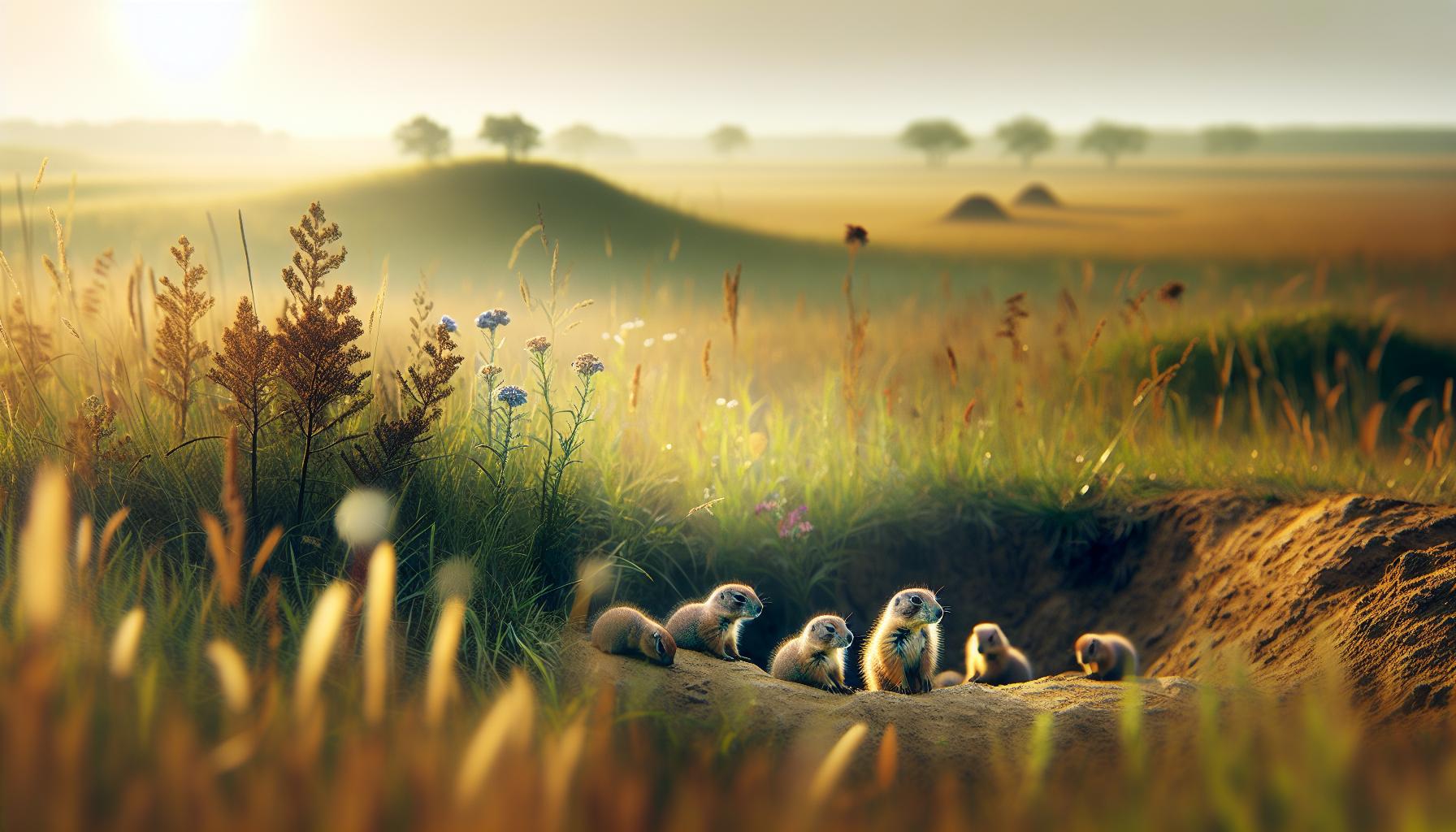
The Life Cycle of Prairie Dogs: From Pup to Adult
Prairie dogs undergo a remarkable transformation from innocent pups to fully grown adults, showcasing one of nature’s most engaging life cycles. When born, these pups are completely reliant on their mothers for survival-hairless, blind, and vulnerable. The initial weeks of their lives are spent entirely in the safety of the burrow, where they receive warmth and nourishment. This early dependence is critical, as maternal care during this phase includes not just feeding but also the teaching of essential survival behaviors.
As they approach three weeks of age, pups begin to venture outside the burrow for the first time. This exploratory phase is filled with playful interactions with their siblings, which are crucial for social development. These playful behaviors not only foster camaraderie but also teach the skills necessary to recognize predators and communicate effectively within the colony. The pups’ playful chatter is an endearing aspect of prairie dog society, which enhances their social bonds and facilitates a strong communal structure.
By the age of six weeks, pups are weaned and more independent, although they will often remain close to their mother and other members of the colony. They continue to grow and learn from their interactions, gradually taking on more responsibilities within the family unit. This social nature helps to solidify the colony’s hierarchy, ensuring that every member knows their role in the community. As pups mature, they will reach adulthood in about one year, becoming integral members of the highly structured prairie dog towns.
From a conservation perspective, understanding the life cycle of prairie dogs is vital. With their populations facing threats from habitat loss and diseases, awareness of their growth stages highlights the importance of preserving their natural habitats. Protecting prairie dog towns not only supports their survival but also sustains the diverse ecosystem that relies on these fascinating rodents. The journey from pup to mature adult reflects a broader story of adaptation and resilience in the face of environmental challenges.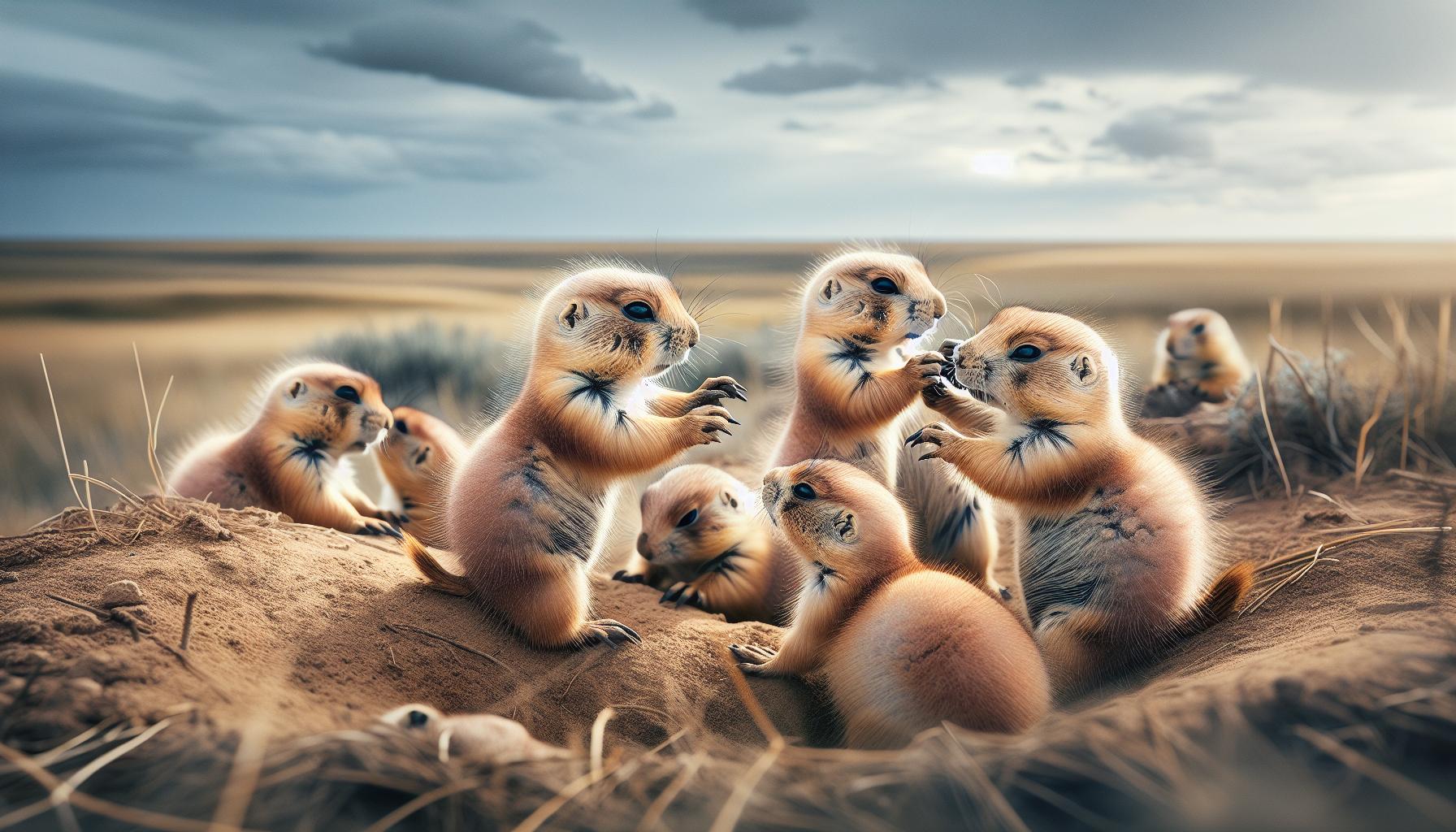
Behavior of Prairie Dog Babies: Social and Playful Interactions
Prairie dog pups, affectionately referred to as pups, display some of the most delightful and engaging behaviors during their early months. As they emerge from the safety of their burrows, these tiny creatures enter a world filled with exploration and play, integral to their development. Their interactions are not merely random; they are rich with social learning and communication, setting the foundation for their roles within the colony.
The playful antics of prairie dog pups are a sight to behold. As they hop around their burrows and engage in spirited games of chase, these playful exchanges help them build essential skills. For instance, through wrestling and mock-fighting, pups learn vital tactics for dealing with both siblings and potential predators. Their play often involves playful chirps and barks, mimicking the sounds of adult prairie dogs. This vocalization not only enhances their social bonds but also aids in developing their communication skills for adulthood.
Moreover, social interactions among pups assist in establishing group dynamics within the colony. Each pup learns to recognize its place in the hierarchy, whether by observing adult behavior or through direct interaction with peers. These experiences promote a sense of community, vital for the survival of prairie dog towns where cooperation is key to fend off predators and maintain their complex burrow systems.
In conclusion, the playful interactions among prairie dog pups are more than just delightful moments; they are critical to their growth and social structure. The behaviors they exhibit during this playful phase lay the groundwork for their future roles as adults, ensuring the continued success of their communities in the wild. To truly appreciate these small creatures and their dynamic social structures, one must observe their behavior and understand the significance behind their playful interactions.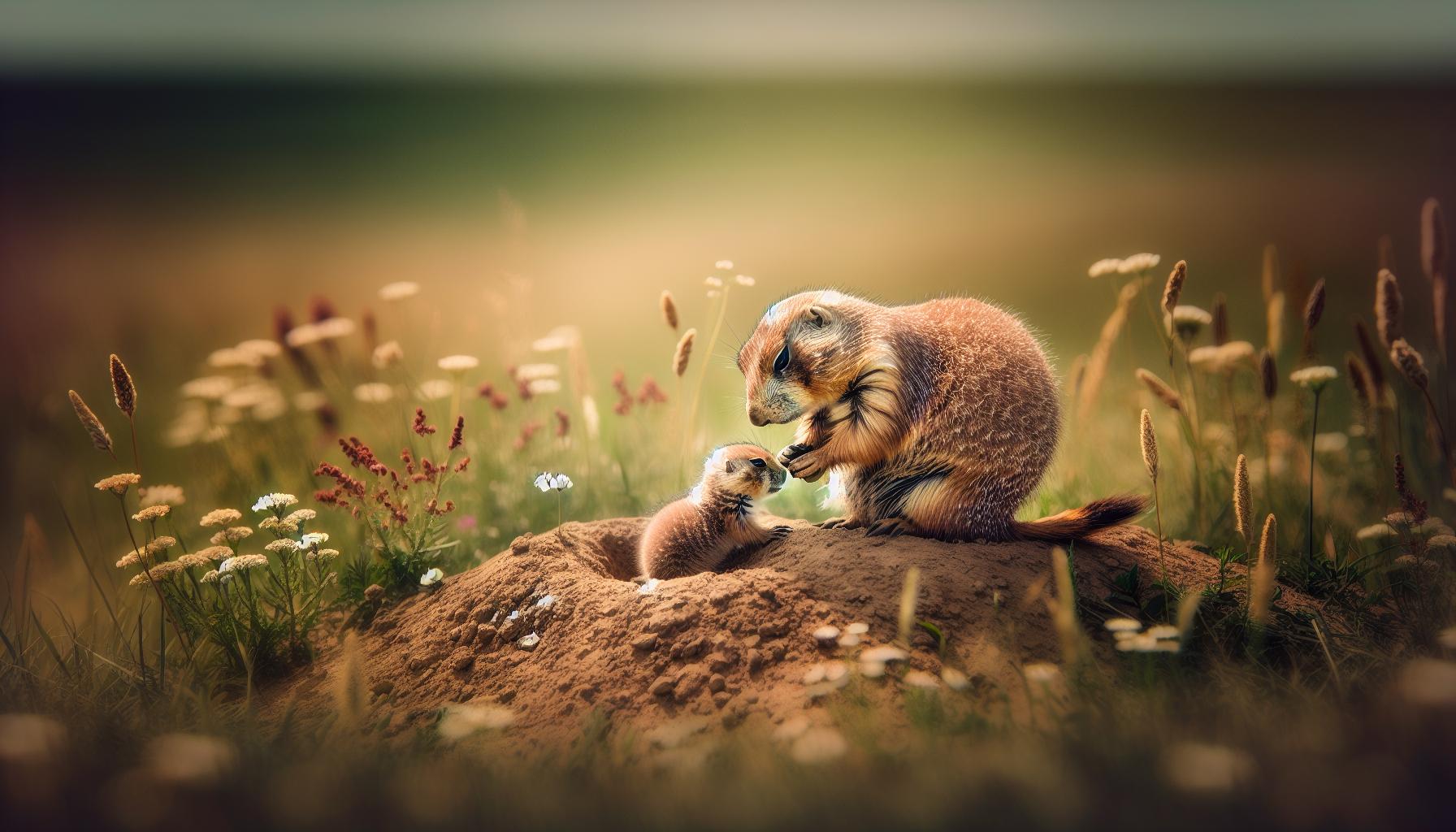
Nurturing Prairie Dog Young: Maternal Care and Development
Prairie dog mothers exhibit remarkable dedication to their offspring, showcasing a nurturing instinct that plays a crucial role in the survival of their young. After a gestation period of about 28 to 35 days, a mother prairie dog gives birth to a litter of pups, typically ranging from three to eight individuals. These pups are born tiny, blind, and hairless, entirely dependent on maternal care. This early stage of life is critical-not just for individual survival, but for the cohesion and health of the entire colony.
The maternal care provided to prairie dog pups highlights the importance of social structures within prairie dog colonies. Mothers tend to their young by keeping them warm, protecting them from predators, and eventually introducing them to the burrow system. As pups begin to grow fur, open their eyes, and explore their surroundings, mothers will initiate a gradual process of weaning and socialization. They nurse the pups extensively during the first few weeks, passing on vital nutrients and antibodies that help boost their immune systems.
Learning Through Observation
Interestingly, maternal care extends beyond just nurturing; it also involves teaching. Young pups learn essential skills by observing their mothers and older siblings. From figuring out how to forage for food to understanding warning calls for impending danger, maternal guidance is vital. Prairie dog pups are quick learners, often mimicking their parents in both behavior and vocalizations, which helps integrate them into the rich social fabric of their colony.
To illustrate, researchers have noted that maternal vocalizations can help pups learn the different calls used to signal various threats. In essence, prairie dog mothers are not just caregivers but also educators, equipping their offspring with the skills needed for successful integration within the complex social organization of their community.
The nurturing practices of prairie dogs highlight their remarkable adaptability and social intelligence, ensuring that each generation is well-prepared to thrive in the wild. Their ability to create strong familial bonds and community ties not only supports individual pups but fosters a resilient colony, essential for the species’ continued success and survival.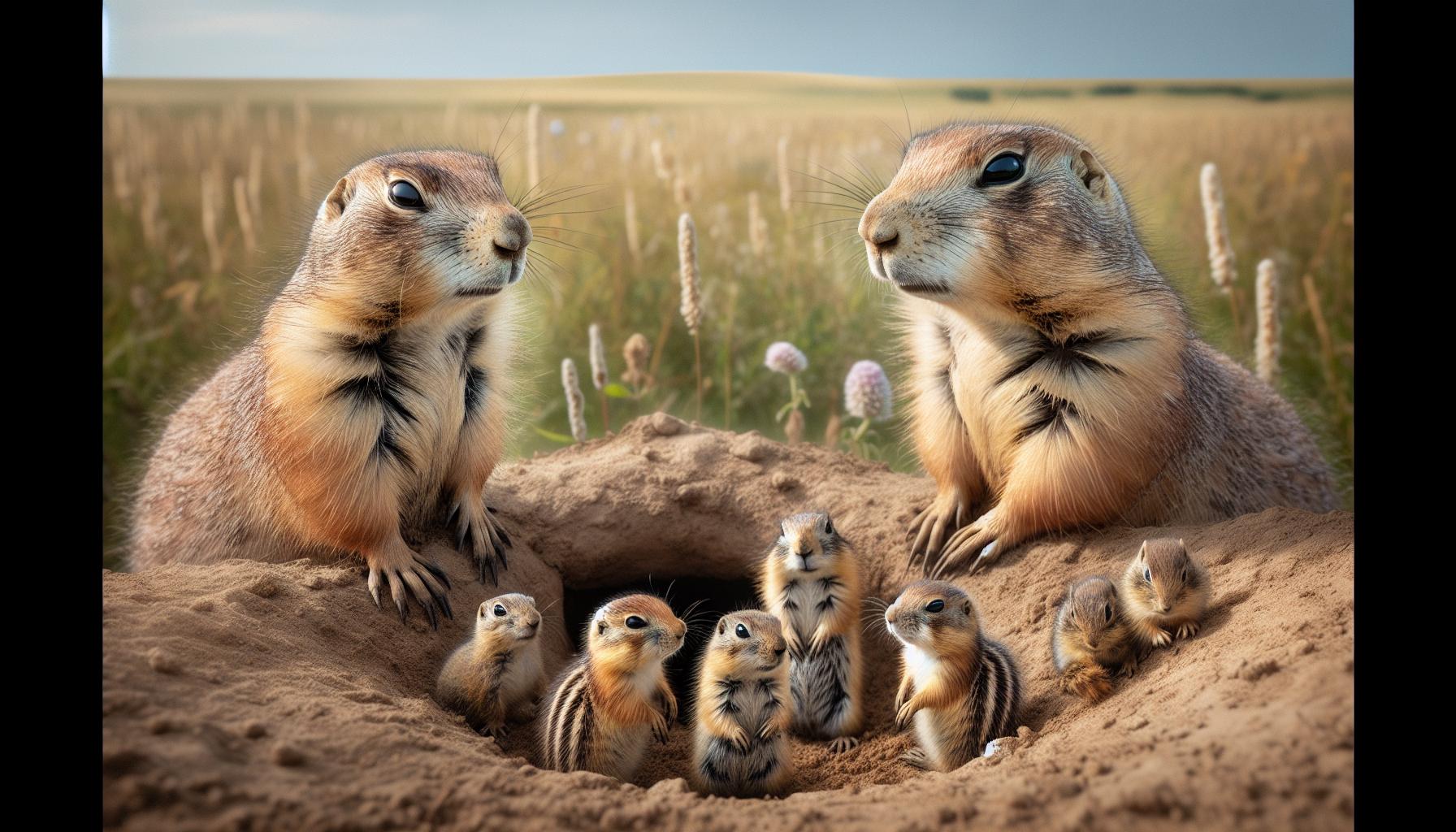
Comparing Prairie Dog Offspring with Other Rodent Species
Prairie dog pups, known simply as “pups,” experience a life cycle that is remarkably similar to many other rodent species, yet their nurturing and developmental behaviors set them apart. Pups are born in small litters, typically three to eight, and like many rodents, they are entirely dependent on their mothers during the first weeks of life. This blind, hairless state is common among rodents, such as rats and squirrels, who also rely heavily on maternal care in their early stages.
However, the way prairie dog pups are integrated into their social structures is uniquely fascinating. While many rodent parents prioritize basic survival needs like food and shelter, prairie dog mothers go further by actively teaching their pups essential survival skills. Pups observe their mothers as they navigate their burrow systems and respond to social cues. For example, prairie dogs have a complex communication system filled with specific calls for different types of danger, and pups learn these vocalizations early on. This contrasts with species like guinea pigs, whose young, called pups as well, are born precocial and capable of independent movement shortly after birth, thus requiring less parental teaching.
Additionally, prairie dogs create a community-oriented upbringing; pups are raised collectively, with other colony members playing protective roles. This is reminiscent of rats and their social structures, where kin often assists in rearing the young. Camelids and larger rodents, such as capybaras, also display similar cooperative caring behaviors but are less complex than the multifaceted social structures of prairie dogs, where commitments to their young extend beyond mere feeding and shelter into active education and social integration.
In essence, prairie dog pups display a unique blend of nurturing that emphasizes both survival and social learning, a combination that helps them thrive in their dynamic and sociable colonies. By observing these interactions, we glean insights into their behavior that are reminiscent of and distinct from other rodent species.
The Habitat of Prairie Dog Babies: Safe Spaces and Territories
In the bustling underground world of prairie dogs, pups find themselves in a carefully constructed habitat that ensures their safety and development. These adorable younglings are born within the warm confines of a burrow, a complex system of tunnels and chambers that play a critical role in their early lives. The burrow not only provides shelter from harsh weather and predators but is also a central element of a prairie dog colony’s social structure.
The burrow system of prairie dogs is an architectural feat. Typically, these systems can extend several feet underground, featuring entrances, nesting areas, and even latrine sites. Each colony, or “town,” may contain hundreds of individual burrows, allowing pups to grow up in a vibrant community filled with activity and familial ties. This communal living space offers numerous benefits, including protection from predators such as hawks, coyotes, and badgers. Additionally, the close proximity of pups to their mothers and other adult prairie dogs allows for critical learning opportunities as these young ones observe and mimic social behaviors.
Safe Spaces and Growth
For prairie dog pups, the journey begins in the cozy confines of the nursery burrow. As they grow, these pups benefit from the presence of older siblings and other colony members who help watch over them. This communal care is vital; pups practice emerging from their burrow to explore the world outside, where they learn crucial skills like foraging for food and recognizing potential threats. Their safety is enhanced by the vigilant watchfulness of adult prairie dogs that use complex vocalizations to warn of danger.
Here are some vital aspects of their habitat:
- Temperature Regulation: The burrow protects pups from extreme temperatures, which can fluctuate wildly on the surface.
- Social Learning: As pups grow, they engage in play and mimicry, crucial for developing their social skills within the colony.
- Predator Protection: The deep burrows provide refuge from predators, with multiple escape routes often cleverly designed into the system.
In terms of habitat, the prairie dog’s home is not solely functional; it also fosters a rich social environment. Pups are often seen engaging in playful interactions that are fundamental to their development, allowing them to bond with not just their siblings but the entire colony. Each interaction strengthens their understanding of social hierarchies and communication, which are critical for survival in the wild.
In conclusion, the safe spaces created by prairie dog colonies not only serve to protect their young during the vulnerable pup stage but also cultivate an environment ripe for learning and social development. This intricate blend of safety and community interaction makes prairie dog habitats particularly remarkable in the animal kingdom, highlighting the importance of conservation efforts to maintain these fascinating ecosystems.
Interesting Facts About Prairie Dog Pups: A Fun Dive into Their Nature
In the whimsical world of prairie dogs, their young, known as pups, are born into a highly social and protective environment that fosters their growth and development. Did you know that prairie dog pups are generally born in litters of three to eight, but they are incredibly tiny at birth, weighing less than an ounce? This makes their initial survival reliant on the nurturing care of their mothers and the collective vigilance of the entire colony.
One fascinating aspect of prairie dog pups is their rapid development. Within just a few weeks, they begin to emerge from the safety of their burrows, curious about the world around them. During this exploration phase, they engage in playful interactions with siblings and other colony members, a behavior that is crucial for developing their social skills. These playful tussles not only strengthen bonds among pups but also enhance their physical abilities, preparing them for the challenges of life above ground.
Pups communicate with chirps and barks that evolve as they grow, allowing them to signal distress or excitement effectively. In fact, research has shown that prairie dogs have sophisticated vocalizations that can even indicate specific threats, such as the presence of predators. This ability to convey detailed messages contributes to the colony’s overall survival, making playtime not just fun but a vital part of their learning process.
As these pups become more independent, they will often be seen practicing foraging skills alongside adults. This apprenticeship allows them to learn the intricacies of finding food within their complex habitat, where each burrow system can host multiple families and layers of social interaction. Whether it’s learning to identify safe plants to eat or recognizing the warning calls of adult prairie dogs, every moment of their early life is a step toward becoming capable, social animals within their vibrant communities.
Challenges Facing Prairie Dog Populations: Conservation Insights
Prairie dogs, the charming little rodents that inhabit the grasslands of North America, are facing significant challenges that threaten their populations and, ultimately, their future. One of the most pressing issues is habitat loss due to urban development and agricultural expansion. As human activities encroach on their natural habitats, prairie dog colonies are becoming fragmented, making it increasingly difficult for these social animals to find suitable living spaces. This fragmentation not only reduces their foraging areas but also disrupts the social structures crucial for raising their adorable pups.
Another major threat is the widespread use of rodenticides aimed at controlling prairie dog populations, often mistakenly viewed as pests. These chemicals not only kill prairie dogs but also pose risks to other wildlife, including birds of prey and scavengers that rely on prairie dogs as a food source. A decline in prairie dog populations has a cascading effect on the ecosystem, as they are considered a keystone species. Their presence is vital for many other animals, including the black-footed ferret and various birds, which use abandoned burrows for nesting.
Additionally, disease plays a role in the decline of prairie dog populations. Outbreaks of sylvatic plague have been known to decimate colonies, impacting the survival of mothers and their pups. These health crises can push prairie dogs into isolation, further weakening their social structure and reducing reproduction rates. To combat these challenges, conservation efforts are essential. Educating the public about the ecological role of prairie dogs and promoting sustainable practices can help protect their habitats.
By raising awareness and implementing protective measures, we can ensure that prairie dog pups continue to grow up in vibrant, thriving communities. Supporting local conservation organizations and participating in habitat restoration projects are proactive steps individuals can take to contribute to the survival of these fascinating creatures. As we learn more about prairie dogs and their importance to the ecosystem, we can foster a deeper appreciation for these charming pups and the complex world they inhabit.
How to Care for Prairie Dogs: Tips for Nuturing Family Units
Caring for prairie dogs, especially when it comes to nurturing their young, is as rewarding as it is crucial for maintaining healthy colonies. Prairie dog babies, affectionately known as pups, require careful attention and an understanding of their natural behaviors and needs. In their early weeks, these adorable little ones depend heavily on their mothers and their social structures, making it vital for caregivers to create an environment that fosters community and safety.
When nurturing prairie dog family units, providing a rich habitat is essential. Establish a spacious enclosure that mimics their natural burrowing environment. Ensure there are plenty of tunnels and hiding spots, which not only offer security but also stimulate play and exercise among the pups. These small rodents thrive on social interaction, so it’s important to keep them in family groups to prevent loneliness and promote natural social behaviors. Regularly observe their interactions; you’ll notice the young pups engaging in playful antics, a key part of their development.
One of the fundamental aspects of caring for prairie dog pups involves nutrition. In the wild, prairie dogs forage on grasses and other vegetation. For domesticated prairie dogs, a diet rich in hay, fresh vegetables, and specially formulated pellets will keep them healthy. Fresh water should always be available, and treats such as fruits should be given sparingly, ensuring they maintain a balanced diet. Proper care extends beyond just food; keeping a clean living environment is crucial to prevent disease, particularly in a young, developing population susceptible to infections.
Behavior and Social Interaction
Another interesting fact about prairie dog pups is their strong social nature. They communicate through a variety of vocalizations, which can be observed as they interact with their mothers and siblings. This communication is key for their development and helps establish their roles within the colony. Engaging with them through gentle handling can also enhance their socialization skills. It’s important, however, to ensure any interaction is calm and controlled to minimize stress.
Be proactive in monitoring the health of your prairie dogs. Regular veterinary check-ups can help catch potential health issues early, especially in young pups. As part of your care routine, learn to recognize signs of distress or illness, such as lethargy or loss of appetite, which can indicate larger problems.
In conclusion, nurturing prairie dog families requires a blend of environmental enrichment, proper nutrition, and social interaction. By replicating their natural habitat, fostering their playful behaviors, and staying attuned to their health needs, you not only enhance their quality of life but also contribute to the survival of these captivating creatures. Each pup represents a vital part of the prairie dog community, and your role in nurturing them is essential to their success.
Prairie Dog Communication: How Babies Interact with Adults
The interactions between prairie dog pups and their adult counterparts are a captivating dance of communication and social bonding. These tiny, fluffy creatures rely heavily on a variety of vocalizations and body language to interact within their tightly-knit communities. In fact, prairie dogs are renowned for their complex communication system, which some studies suggest rivals the intricacies of human language. As pups, their ability to communicate is crucial for their development and integration into the colony.
During the early stages of life, pups learn to express themselves primarily through a series of chirps and barks, each carrying specific meanings. For instance, a high-pitched squeak might signal alarm, while softer sounds could indicate contentment or playfulness. This vocal playfulness not only helps pups bond with their mothers but also trains them to recognize dangers. Engaging adults are able to respond properly to these vocal cues, reinforcing appropriate behaviors and aiding in survival skills.
The social dynamics of prairie dog colonies are also evident in how pups interact physically with adults. Playful wrestling and chasing among families serve not only as entertainment but also as critical learning experiences. These interactions teach pups about hierarchy and social roles within the group. You might even observe a mother gently nudging her pup back toward safety, demonstrating the nurturing aspect of prairie dog society.
As they grow, these interactions become more sophisticated. Pups begin to develop a repertoire of calls that can convey different situations or emotions, often mimicking adult sounds to strengthen their communication skills. This essential bonding phase not only fosters security among young prairie dogs but also enhances their chances of survival in the wild. Such a rich communicative environment proves essential for their development, ensuring they thrive both as individuals and as integral members of their community.
Myth-Busting: Common Misconceptions About Prairie Dog Pups
While many people adore prairie dogs for their quirky behaviors and social structures, several misconceptions about their young, often called “pups,” tend to circulate. Let’s dispel some of these myths to foster a better understanding of these interesting creatures.
One common myth is that prairie dog pups are born ready to fend for themselves. In fact, these tiny furballs enter the world completely dependent on their mothers. They are born hairless, blind, and deaf, requiring significant maternal care for the first several weeks after birth. Their eyes begin to open around three weeks, but even then, they rely heavily on adult prairie dogs for food and protection as they learn to navigate their surroundings.
Another misconception is that prairie dog pups are solitary animals, similar to some other rodent species. This could not be further from the truth. Prairie dog pups thrive in a highly social environment, constantly interacting with their siblings and other colony members. Their playful wrestling and chasing are not just fun; these activities are crucial for developing social skills and learning the dynamics of their community. This level of socialization is what makes prairie dogs unique among rodents, who often exhibit more solitary behaviors.
Moreover, many believe that prairie dog pups will naturally move away from their colonies as they grow. While some do disperse as they reach maturity, many remain with their natal colonies, contributing to the complex family structures that define prairie dog towns. This tendency to stay close not only strengthens family bonds but also ensures a robust defense against predators, benefiting the entire group.
Finally, there’s a misconception that prairie dog pups are insignificant to their ecosystem. In reality, these adorable creatures play a vital role in their habitats. Their burrowing creates aerated soil, benefiting plants and promoting biodiversity. Additionally, their presence supports a range of predators, from hawks to coyotes, creating a balanced ecosystem that relies on these social little rodents.
Understanding these truths about prairie dog pups enriches our appreciation for them and highlights the importance of their conservation in the wild. By learning about their behavior and social structures, we can support efforts to protect their habitats, ensuring that these fascinating animals continue to thrive for generations to come.
Prairie Dog Offspring in Popular Culture: Media Representations
Prairie dogs captivate our imagination not just in their natural habitats but also within the realms of popular culture. Their unique characteristics and social structures make them a charming subject in various forms of media, from animated shows to nature documentaries. Often depicted as playful and humorous, prairie dog pups (commonly known as “pups”) are represented as emblematic of the cuteness found in the wild. This appeal has led to their representation in several children’s programs and wildlife films, where they showcase their endearing social interactions and family dynamics.
One notable representation can be found in the animated series “The Animals of Farthing Wood,” where various woodland creatures, including prairie dogs, illustrate themes of family and community survival. These portrayals usually emphasize the importance of cooperative living and the instincts that drive prairie dog colonies. Similarly, documentaries like “Planet Earth” highlight their role in the ecosystem, showcasing their burrowing habits and social structures, which ultimately educate viewers on their behaviors and habitats while entertaining them with stunning visuals.
In addition to children’s media, prairie dogs have made cameo appearances in video games such as “The Sims,” where they are often included as whimsical pets. These games allow players to interact with prairie dogs in a simulated environment, further endearing these creatures to a younger audience and promoting awareness of their playful nature.
Just as importantly, prairie dogs are frequently mentioned in discussions surrounding wildlife conservation. Press coverage and feature documentaries often highlight the challenges these animals face in their habitats, linking their survival to broader environmental issues. This coverage is crucial in raising awareness about prairie dog populations and the ecosystems they support. Overall, the representation of prairie dog pups in popular culture not only entertains but also plays a vital role in fostering a deeper appreciation for these fascinating animals and the ecological contributions they make.
Q&A
Q: What are juvenile prairie dogs called?
A: Juvenile prairie dogs are commonly referred to as “pups.” This term is used to describe prairie dog offspring from birth until they reach independence, typically around eight weeks of age. For more information on their development, see the section on The Life Cycle of Prairie Dogs.
Q: How do prairie dog pups differ from adult prairie dogs?
A: Prairie dog pups are smaller, have less developed fur, and rely entirely on their mothers for nutrition and protection. As they grow, they learn social behaviors and burrowing skills, unlike adults who are more independent. For a deeper dive, check out The Behavior of Prairie Dog Babies.
Q: When do prairie dogs give birth to pups?
A: Prairie dogs typically give birth in the spring, around March to April, coinciding with the warmer months when resources are abundant. This timing ensures that pups can thrive as they grow. Explore more about their Nurturing Prairie Dog Young to understand maternal care.
Q: What is the typical litter size for prairie dog pups?
A: A prairie dog female usually gives birth to a litter of three to eight pups. The size can vary based on environmental conditions and the health of the mother. For insights into their developmental stages, refer to Understanding Offspring Terms.
Q: What challenges do prairie dog pups face in the wild?
A: Prairie dog pups face numerous challenges including predation from birds of prey and mammals, as well as competition for resources. Their survival relies heavily on the protection of their family unit. Learn more in Challenges Facing Prairie Dog Populations.
Q: How long do prairie dog pups stay with their family?
A: Prairie dog pups typically stay with their family for about six months before becoming independent. During this time, they learn essential survival skills. For tips on caring for them, see How to Care for Prairie Dogs.
Q: Can prairie dog pups communicate with adults?
A: Yes, prairie dog pups communicate through a series of vocalizations and body language to alert adults to danger or express needs. Understanding their communication can enhance care and bonding. For more on this topic, refer to Prairie Dog Communication.
Q: What do prairie dog pups eat?
A: Initially, prairie dog pups depend on their mother’s milk, but as they grow, they begin to sample vegetation such as grasses and seeds. This transition to a solid diet is crucial for their development. Check out Nurturing Prairie Dog Young for more details on care.
Wrapping Up
Thank you for exploring the fascinating world of prairie dog offspring! Now that you know what baby prairie dogs are called-kits-why not dive deeper? Check out our articles on prairie dog habitats and their unique social structures to gain a fuller understanding of these incredible creatures. If you have more questions or thoughts, share them in the comments below; we love hearing from fellow wildlife enthusiasts!
Don’t miss out on our exclusive newsletter filled with wildlife tips, conservation news, and cute animal facts. And remember, whether you’re a curious newcomer or an experienced animal lover, there’s always more to learn about these playful critters. Keep exploring, and let’s celebrate our wildlife together!
Get our latest guides, news, and insights highlighted in your Google Search & AI Overviews.










