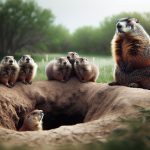
If you’ve ever watched a prairie dog standing sentinel over its colony, you might find yourself wondering about its relatives in the animal kingdom. Prairie dogs are fascinating creatures, social and highly vocal, but they have several similar species that share their habitat or physical characteristics. Understanding these animals not only enhances your appreciation of wildlife but also sheds light on the ecological roles they play in their environments.
From the charming ground squirrels to the elusive black-tailed prairie dog, each of these animals contributes uniquely to their ecosystem. Whether you’re a wildlife watcher looking for the next critter to observe or a curious learner wanting to discover more about nature’s diverse inhabitants, this exploration of animals that resemble prairie dogs will intrigue you. Get ready to dive into the world of these adorable and important rodent relatives, and perhaps even spark a new curiosity about the wildlife that shares our planet!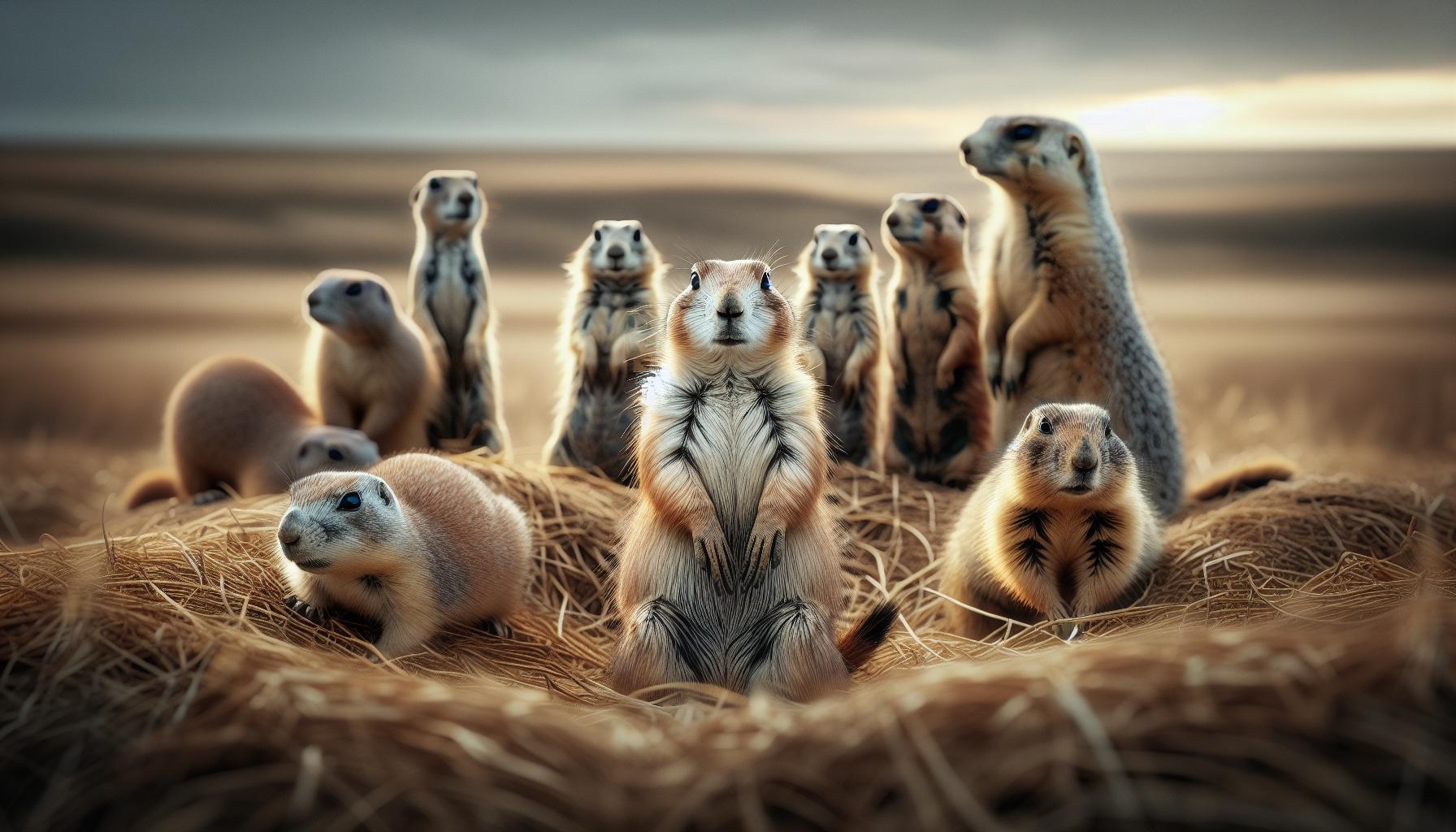
What Is a Prairie Dog? Key Characteristics Explained
Prairie dogs are fascinating creatures, known for their social behavior and lively towns. These small, burrowing mammals belong to the squirrel family and are primarily found in North America, particularly in the Great Plains region. One of the most captivating aspects of prairie dogs is their complex social structure. Living in colonies called “coteries,” they engage in cooperative breeding and care for their young, showcasing a level of social interaction that is quite remarkable for rodents. Their distinctive vocalizations serve as a sophisticated communication system that can alert others to potential predators and coordinate activities within the group.
Key Characteristics of Prairie Dogs:
- Size: Prairie dogs are relatively small, typically weighing between 1.5 to 3 pounds and measuring about 12 to 15 inches long.
- Appearance: They have sturdy bodies with short legs, a flat head, and small eyes. Their fur is generally tan or light brown, helping them to blend into their grassland habitat.
- Habitat: Preferring open grasslands, prairie dogs dig extensive tunnel systems that can stretch for miles, creating a network of living quarters and communal areas.
- Diet: They are herbivores, mainly feeding on grasses, roots, and seeds, which they gather and store for the winter months.
Prairie dogs also play a crucial role in their ecosystem. Their burrowing activity aerates the soil, promoting healthy plant growth, while the tunnels they create provide homes for various other species, including burrowing owls and small mammals. Not only are they vital for soil health, but they also serve as prey for a variety of predators, including hawks, coyotes, and badgers, thereby supporting a broader food web.
In summary, the prairie dog is not only an iconic symbol of the American West but also a keystone species that contributes significantly to the health and stability of grassland ecosystems. With their unique behaviors and crucial ecological roles, prairie dogs certainly deserve our attention and protection.
Animals That Look Like Prairie Dogs: An Overview
Many animals share similarities with prairie dogs, often capturing the attention of wildlife enthusiasts and curious onlookers alike. This resemblance isn’t just about looks; it often extends to behavior and habitat preferences. Understanding these animals not only enriches our appreciation for prairie dogs but also highlights the diversity of life around them.
One of the closest relatives to prairie dogs is the ground squirrel. Often found in similar habitats, these creatures are also burrowing mammals that exhibit social behaviors. Like prairie dogs, ground squirrels live in colonies and have intricate underground homes. Their vocalizations serve to communicate with group members, though their calls might differ in both complexity and purpose. Common species include the Richardson’s ground squirrel and the 13-lined ground squirrel, both of which can be spotted darting across the grasslands of North America.
Another notable look-alike is the Burrowing Owl. While owls are avian and not rodents like prairie dogs, they share habitats in prairie dog towns, utilizing the extensive burrows for nesting and protection. These small, active owls have a core ecological role alongside prairie dogs, controlling insect populations and serving as indicators of overall ecosystem health. Interestingly, areas with thriving prairie dog populations often support higher numbers of burrowing owls, demonstrating their mutual relationship.
The marmot, particularly the yellow-bellied marmot, is another similar species that resonates with prairie dog enthusiasts. Predominantly herbivorous, marmots live in colonies much like prairie dogs, digging burrows in rocky terrains and open fields. They are known for their alarm calls to warn their group of potential threats, which adds an intriguing layer to their social structure. Marmots are generally larger than prairie dogs and can weigh up to 12 pounds, making them quite distinct despite their shared behaviors and habitats.
In summary, animals that resemble prairie dogs offer a glimpse into the complexities of grassland ecosystems. Ground squirrels, burrowing owls, and marmots all contribute to the vibrant tapestry of life, reflecting the interdependence seen in nature. Exploring these creatures deepens our understanding of prairie dogs and their ecological significance-there’s always more to discover!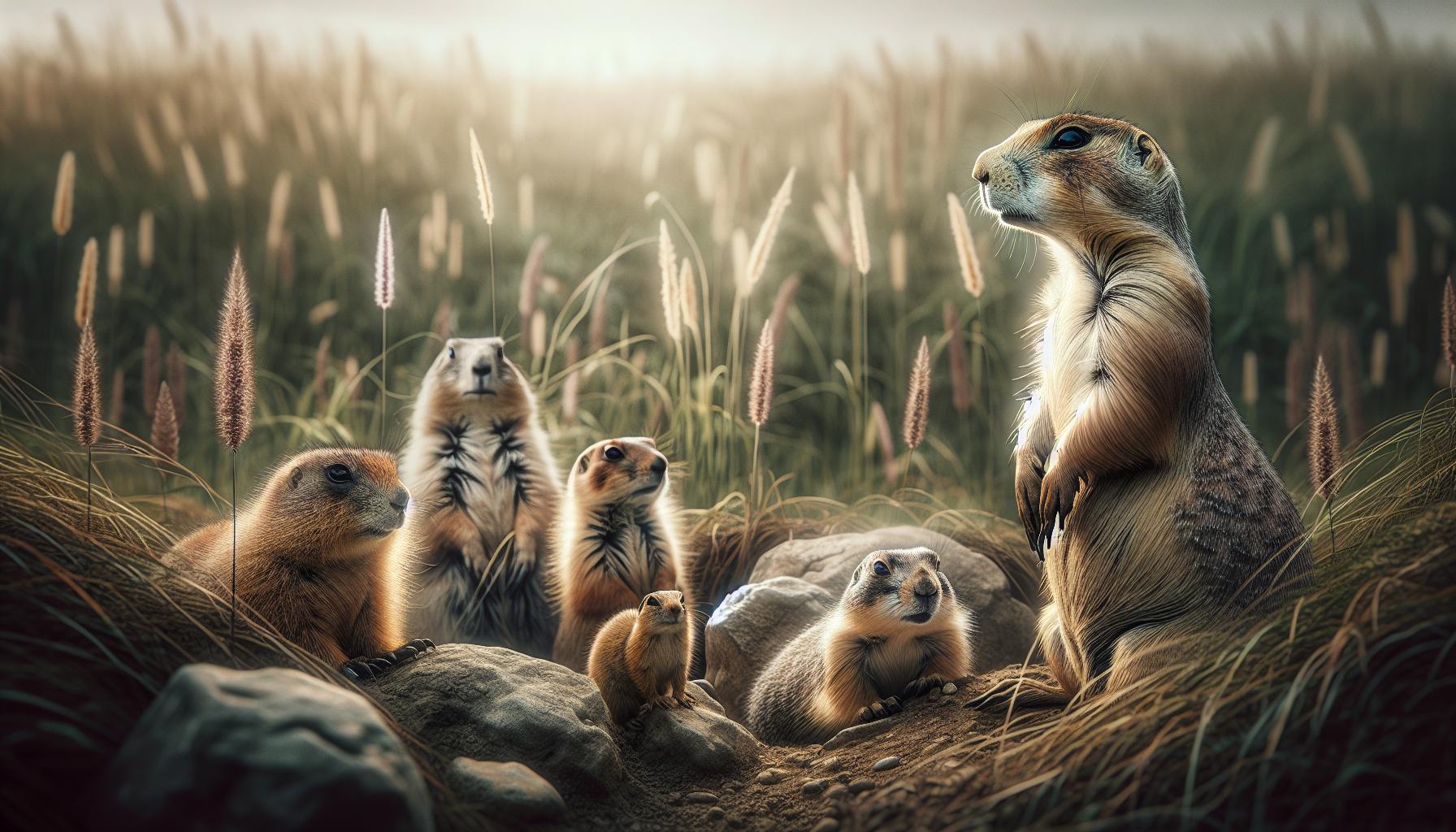
The Most Similar Species to Prairie Dogs
Prairie dogs are fascinating creatures, but they aren’t the only inhabitants of the grasslands that share their charming traits. Another burrowing mammal that might catch your eye is the ground squirrel. These lively critters, particularly Richardson’s and 13-lined ground squirrels, thrive in similar environments, often darting about in the same grassy fields where prairie dogs reside. Both species exhibit strong social structures, living in colonies and using an array of vocalizations to communicate. While prairie dogs have their iconic sentinel behavior, ground squirrels also stand watch, alerting their peers to the presence of predators.
Equally captivating, the burrowing owl is a non-rodent neighbor that shares the prairie dog’s underground habitat. These small owls dramatically differ in appearance and lifestyle, yet they capitalize on the extensive burrow systems made by prairie dogs for nesting and protection. This relationship highlights an intricate connection in the ecosystem; prairie dog towns support not just their own population but also provide essential services for numerous other species, including these clever avians, who help control insect populations.
Another buddy you might find amusing is the yellow-bellied marmot. These larger relatives of the prairie dog are herbivorous and socialize much like their smaller cousins. Marmots dig expansive burrow systems where they reside in colonies, and they are renowned for their alarm calls which serve to warn their community of approaching threats. With a potential weight of up to 12 pounds, they offer a striking contrast in size but mirror prairie dogs in their social dynamics and behavior.
The interconnectedness of these species underscores the rich tapestry of life in grassland ecosystems. By understanding these look-alikes, wildlife enthusiasts can appreciate the delicate balance of nature that exists around prairie dogs. Whether you’re observing their quirky behaviors or enjoying the company of their counterparts, there’s no shortage of wonder in the grasslands!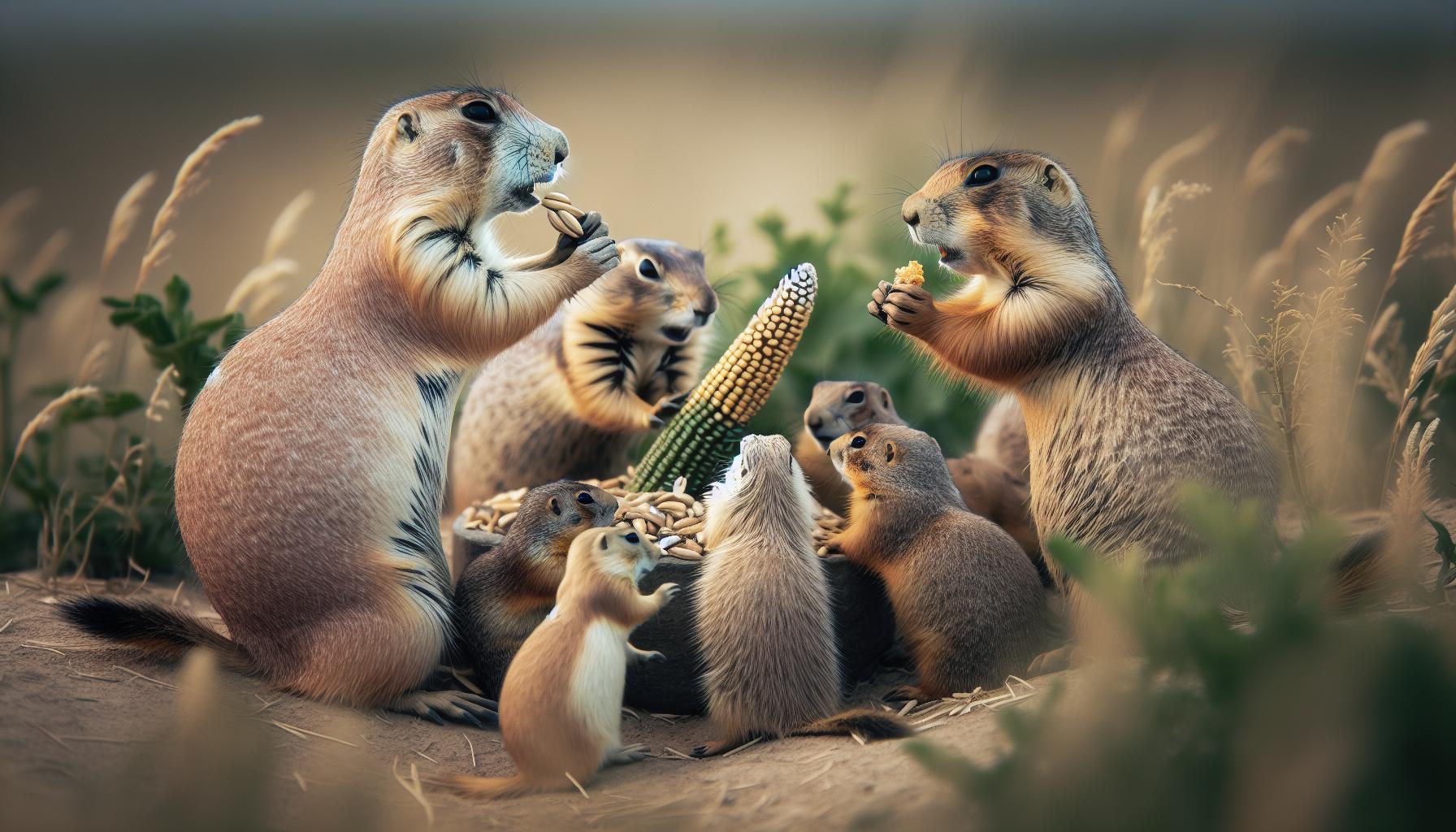
Prairie Dog Look-Alikes: A Closer Examination
Among the charming residents of the grasslands, few animals evoke as much curiosity and intrigue as the prairie dog, but they aren’t the only ones captivating the hearts of wildlife enthusiasts. The landscape is also home to other burrowing animals that share a striking resemblance to prairie dogs, presenting a fascinating opportunity for observation and appreciation. These look-alikes not only share similar habitats but also exhibit behaviors and social structures that can be equally captivating.
One such equivalent is the ground squirrel, particularly types like the Richardson’s ground squirrel and the 13-lined ground squirrel. Both species thrive in similar environments, often found in the same fields that prairie dogs occupy. Ground squirrels are known for their lively antics, including their vigilant sentinel behavior, where one member stands watch while the others forage. This communal lifestyle echoes that of prairie dogs, making them an engaging comparison for animal lovers. Observing both species interacting in their shared habitat can provide insights into their social dynamics and the importance of cooperation in avoiding predators.
Another intriguing neighbor is the burrowing owl, which, while different in appearance, relies heavily on prairie dog burrows for nesting and protection. These small but cunning avians capitalize on the extensive tunnel systems created by prairie dogs, showcasing a unique aspect of ecosystem interdependence. As insectivore compatriots, burrowing owls also play a role in controlling pest populations, demonstrating how different species contribute to the health of their environment.
Finally, don’t overlook the yellow-bellied marmot-a larger but equally engaging relative of the prairie dog. Marmots are herbivorous and come with their own set of fascinating behaviors. They too dig extensive burrows and live in colonies, relying on alarm calls to communicate threats. Their size and social structures provide a vivid contrast to prairie dogs, yet they share similar traits that make them delightful to observe.
Understanding these prairie dog look-alikes offers more than just an appreciation for their similarities and differences; it also highlights the interconnectedness of grassland ecosystems. Each species plays a vital role, and by fostering a respect for all the charming inhabitants of these habitats, we take a step towards conserving the delicate balance of nature they represent. So next time you’re in the grasslands, take a moment to observe the fascinating interactions among these connected species-there’s a whole world of behavior and beauty waiting to be discovered!
Differences Between Prairie Dogs and Their Counterparts
While prairie dogs are remarkable in their own right, they share the grasslands with various creatures that, while similar in appearance, showcase distinct differences in behavior, habitat, and social structure. Understanding these contrasts enriches our appreciation of these animals and the ecosystems they inhabit.
Ground squirrels, especially the Richardson’s ground squirrel and the 13-lined ground squirrel, are among the closest look-alikes to prairie dogs. However, ground squirrels tend to be smaller and have a slightly different social structure. Unlike prairie dogs, who live in larger towns and build intricate tunnel networks, ground squirrels establish smaller burrow systems. Their social behavior also diverges; ground squirrels are often more solitary compared to the communal lifestyle of prairie dogs, which rely heavily on group dynamics for foraging and predator vigilance. This difference plays a crucial role in how each species interacts with their environment.
Another notable counterpart is the yellow-bellied marmot, which shares habitats with prairie dogs but differs significantly in size and dietary habits. Marmots are larger and primarily herbivorous, while prairie dogs are more opportunistic feeders, often consuming roots and grasses. Additionally, marmots hibernate during the winter months, while prairie dogs remain active, burrowing deeper to escape the colder temperatures. This variation in lifestyle impacts the ecosystems they inhabit, as their respective roles contribute to different aspects of soil aeration and vegetation management.
Even the burrowing owl, a bird known for its dependence on prairie dog burrows for nesting, contrasts with prairie dogs in notable ways. While prairie dogs create extensive tunnel systems and live in highly structured colonies, burrowing owls do not excavate for themselves. Instead, they rely on the pre-existing burrows made by prairie dogs, highlighting a unique interspecies relationship. This dependency illustrates how prairie dogs facilitate not just their survival but also that of various other species in the ecosystem.
In conclusion, recognizing these differences not only helps wildlife enthusiasts appreciate the diverse adaptations of animals resembling prairie dogs but also fosters an understanding of the essential roles each plays in maintaining ecological balance. Observing their behaviors and interactions can be both entertaining and educational, reminding us of the intricacies of nature’s design.
Habitat and Behavior: Where Do Similar Animals Live?
Prairie dogs occupy a unique niche in the grassland ecosystems of North America, and their close relatives also thrive in various habitats across the continent. Understanding where similar animals live enhances our appreciation of their behaviors and ecological roles.
Ground squirrels, particularly the Richardson’s and 13-lined varieties, are commonly found in the same grassland areas as prairie dogs. These creatures prefer short, open grasslands where they can easily spot predators. Unlike prairie dogs’ extensive burrow systems, ground squirrels create simpler burrows, often forming smaller colonies. They can be observed in areas with loose soil, allowing them to dig and establish their homes with relative ease.
The yellow-bellied marmot takes a different approach to habitat. These larger rodents typically live in mountainous regions, favoring rocky slopes and alpine meadows. Their burrowing habits involve digging larger nests to accommodate their size, and they are generally more solitary than prairie dogs, often forming small family groups. While prairie dogs adapt to the open plains, marmots are more at home among the boulders and shrublands, providing a fascinating contrast in how similar species occupy their environments.
Burrowing owls have a unique relationship with prairie dogs. These small, ground-dwelling owls rely on the burrows made by prairie dogs for nesting and protection. Found in open areas, such as grasslands and deserts, the owls prefer the safety offered by existing burrows rather than excavating their own. This interdependence highlights the vital role that prairie dogs play in their ecosystem, as their colonies create more than just homes for themselves; they offer shelter for various other species.
In summary, the habitats of creatures resembling prairie dogs, such as ground squirrels, marmots, and burrowing owls, illustrate a diverse tapestry of ecosystems. From grasslands to mountainous terrains, these animals adapt to their surroundings in intriguing ways, showcasing the complexity of relationships within nature.
Role in Ecosystems: Importance of Prairie Dogs and Allies
Prairie dogs are often seen as the bustling architects of the grasslands, creating intricate burrow systems that not only house themselves but also provide habitats for a plethora of other species. Their colonies, often sprawling across large areas, play a crucial role in sustaining the ecosystem. By digging and maintaining these burrows, prairie dogs improve soil aeration and promote water infiltration, leading to healthier plant growth above ground. This, in turn, supports a variety of herbivores and insects that rely on the vegetation for food.
Beyond their immediate contributions to soil health and plant life, prairie dogs have a symbiotic relationship with several species. For example, burrowing owls take advantage of the abandoned burrows of prairie dogs for nesting. This not only provides protection from predators but also makes it easier for the owls to hunt for food in the vicinity. Other inhabitants of prairie dog colonies include badgers and ferrets, who hunt directly within these neighborhoods of burrows, showcasing the vibrant interplay of predator and prey dynamics.
The Ripple Effect in the Ecosystem
The presence of prairie dogs can even influence the populations of larger animals. Their foraging habits can affect the distribution of other herbivores such as antelopes and deer, which are attracted to areas where prairie dogs help maintain lush grasslands. Conversely, their burrows can also serve as a refuge for smaller species during times of environmental stress, demonstrating their value as a keystone species. Without prairie dogs, the entire grassland community could experience significant imbalances, highlighting the importance of their role in the ecosystem.
Moreover, prairie dog colonies serve as natural indicators of environmental health. Conservationists often monitor these colonies to gauge the conditions of grasslands and related wildlife populations. Their social structure and behavior influence other similar species, such as ground squirrels and marmots, underscoring a broader ecological network. This interconnectedness emphasizes the need for thoughtful conservation measures to protect not just prairie dogs but the entire web of life depending on them.
In sum, prairie dogs are more than just cute, chatty rodents; they are vital players in their ecosystems. Their burrowing creates homes for other animals, fosters habitat diversity, and contributes to the health of grasslands. Protecting prairie dogs not only benefits them but also preserves the intricate relationships that sustain numerous wild inhabitants in their vibrant habitats.
Surprising Facts About Prairie Dogs and Related Species
Did you know that prairie dogs are highly social creatures with a complex communication system? Their “language” includes barks and chirps that convey different messages, such as warnings about predators or alerts for food. This intricate communication is a fascinating aspect of their behavior that sets them apart from many other rodents. In fact, research has revealed that specific sounds can refer to distinct types of predators, showcasing their remarkable ability to convey detailed information.
The prairie dog is often confused with other burrowing rodents, such as ground squirrels and marmots. While these animals share similar habitats and some behavioral traits, they also have distinct differences. For instance, ground squirrels generally have a more varied diet that includes more forbs and seeds, whereas prairie dogs primarily consume grasses. Marmots, larger cousins of both, are typically solitary rather than living in colonies, unlike the gregarious prairie dog. This communal lifestyle not only offers social interaction but also enhances their chances of survival through collective vigilance.
Another surprising fact about prairie dogs is their impact on the ecosystem. Their burrowing activities aerate the soil and help water infiltration, which benefits surrounding vegetation. This created environment in their colonies attracts a variety of other wildlife. For instance, burrowing owls often make their nests in abandoned prairie dog burrows, significantly enhancing their survival rate due to the protection these burrows offer. This symbiotic relationship illustrates the broader ecological role that prairie dogs play.
Conservation efforts for prairie dogs are critical not merely for their species but also for the multitude of other animals that rely on them. With their declining populations due to habitat loss and disease, protecting prairie dogs can help ensure the survival of a variety of dependent species. These efforts resonate beyond prairie dogs, illustrating how interconnected life can be in grassland ecosystems. By appreciating and understanding prairie dogs and their look-alikes, we embrace the overarching narrative of wildlife conservation and the need for coexistence in our shared habitats.
How to Identify Animals That Resemble Prairie Dogs
Identifying animals that resemble prairie dogs can be both a fun and enlightening experience, especially when you’re out in the field or exploring nature documentaries. While prairie dogs are a unique species with distinct behaviors and social structures, several other creatures share similar traits and habitats. Understanding these similarities and differences can enhance your appreciation for wildlife and its diversity.
One of the most notable look-alikes is the ground squirrel. These small rodents are often found in similar habitats and can be spotted perched on their hind legs, much like prairie dogs. Ground squirrels typically have a shorter tail and a slightly rounder body compared to prairie dogs. They are more versatile in diet, often feasting on seeds and fruits in addition to grasses. You can tell them apart by their more solitary behavior; unlike the highly social prairie dog, ground squirrels tend to live in smaller family groups.
Another cousin worth mentioning is the marmot, which is larger and generally more solitary. Marmots have a bushy tail and are known for their loud whistling calls. Unlike prairie dogs, which live in large colonies, marmots prefer to burrow alone or in small groups. They can often be found in mountain regions and can be identified by their robust build and tendency to hibernate during colder months.
Lastly, it’s easy to confuse prairie dogs with chipmunks, particularly when observing them from a distance. Chipmunks are smaller, with distinctive stripes running down their backs. They are more agile and typically prefer forested or shrub areas rather than open grasslands. Their penchant for storing food in cheek pouches sets them apart from the grazing habits of prairie dogs.
Key Identifying Features
- Ground Squirrels: Shorter tail, solitary behavior, diverse diet.
- Marmots: Larger body size, solitary living, bushy tails, strong whistling calls.
- Chipmunks: Small with stripes, agile, prefer wooded areas, food storage in cheek pouches.
Taking the time to observe these animals can greatly enrich your understanding of prairie dogs and their ecosystem. Whether you’re out on a nature hike or simply watching wildlife documentaries, look for these key characteristics to differentiate between these fascinating creatures. This not only enhances your wildlife watching but also contributes to a greater awareness of species conservation and their habitats.
Conservation Status: Protecting Prairie Dogs and Their Relatives
Despite their charming appearance and social nature, prairie dogs and their relatives face significant threats that jeopardize their survival. These small, quintessentially American rodents are often targets of habitat destruction, pesticide use, and misguided extermination efforts, spurred by misconceptions about their impact on the ecosystem. Conservation status varies across the species that share habitats with prairie dogs, but many are experiencing declining populations, urging wildlife enthusiasts and conservationists alike to take action.
Efforts to protect prairie dogs focus primarily on habitat preservation and creating awareness about their ecological importance. For example, prairie dogs play a crucial role in their ecosystems as “keystone species.” Their burrowing activities help aerate the soil, and their towns provide habitat for other wildlife. By maintaining healthy prairie dog colonies, we support a whole community of animals, including the black-footed ferret, which relies on them for food. Therefore, smart management practices that include controlled hunting and collaboration with landowners can help ensure the future of these adorable rodents and their allies.
When it comes to similar species like ground squirrels and marmots, the conservation status can be just as precarious. Like prairie dogs, ground squirrels often suffer from habitat loss due to urban development and agriculture. This diminishes their living spaces and breeding grounds. To assist them, it is essential to promote habitat conservation initiatives and educate the public on the benefits of maintaining these species within their ecosystems.
Moreover, sharing fascinating facts and engaging in local conservation efforts can inspire a greater appreciation for all wildlife. Joining community groups focused on habitat restoration, attending educational programs, or participating in citizen science projects are excellent ways to contribute positively. Protecting prairie dogs and their look-alikes not only preserves biodiversity but also enriches our connection with the natural world. Each small step counts in the journey toward a healthier ecosystem for generations to come.
Living with Look-Alikes: Care Needs for Similar Pets
Caring for animals that resemble prairie dogs can be a rewarding yet challenging endeavor. Ground squirrels and marmots, both part of the same family as prairie dogs, share similar needs but also exhibit unique behaviors that potential pet owners must consider. Understanding their natural habitat is essential for creating an appropriate living environment, whether in the wild or as pets.
One of the main aspects to consider is diet. While prairie dogs are herbivores that thrive on a variety of grasses and plants, similar species like ground squirrels also require a diet rich in fiber, including fresh vegetables and high-quality hay. It’s crucial to avoid feeding them processed foods or too many fruits, as this can lead to health complications such as obesity or dental issues. Regular access to clean water is equally important.
Moreover, creating an engaging environment that mimics their natural habitat can significantly enhance their well-being. Both ground squirrels and marmots enjoy burrowing and tunneling, so a spacious enclosure with plenty of substrate for digging will keep them entertained. Utilizing multilevel platforms and hiding spots can recreate the complex structures they would find in the wild. These animals are also social creatures, so if you’re considering keeping a captive individual, it’s advisable to house them with companions of the same species. However, be mindful of the dynamics; not all individuals get along, so observation is key.
Lastly, health care needs should not be overlooked. Regular veterinary check-ups will help catch any potential health issues early. Vaccinations and parasite control are also vital, as these rodents can be susceptible to various diseases. Learning to recognize signs of stress or illness-such as changes in eating habits or behavior-can be critical in providing adequate care.
Keeping these intriguing look-alikes of the prairie dog can be both fun and fulfilling, but it requires a firm commitment to understanding their needs. With the right approach, you can create a fulfilling life for these fascinating creatures while playing a part in their conservation and welfare.
Fun Anecdotes: Prairie Dogs in Pop Culture
Imagine a bustling town full of pint-sized rodents, diving in and out of their burrows with a flair that could put a Broadway show to shame. Prairie dogs are not just cute little creatures; they’ve captured the fascination of many and made delightful appearances in pop culture that highlight their charismatic nature. These social animals, known for their playful antics and distinctive barks, have become symbols of the wild American West and are integral to many stories and media representations.
In films, prairie dogs frequently serve as comedic relief or symbols of the untamed spirit of nature. For instance, in the beloved animated film “Ice Age: The Meltdown,” the character Scrat, while primarily focused on his obsessions, crosses paths with a prairie dog colony, showcasing their quirky behavior in a lighthearted way. The cheeky portrayal can spark interest in viewers to learn more about these creatures, leading scientists to recognize a rise in engagement related to prairie dog habitats.
Beyond the silver screen, prairie dogs have made their mark in documentaries and educational programs, often spotlighting their role in ecosystems. Shows like “Planet Earth” have highlighted their burrowing habits, which create homes for numerous other species, and their complex social structures that emphasize cooperation and communication. Such representations help raise awareness about their importance in maintaining the grassland ecosystem, encouraging conservation efforts among viewers.
Furthermore, prairie dogs have even influenced fashion and merchandise, appearing on T-shirts, coffee mugs, and plush toys. These items not only celebrate their adorable appearance but also serve as conversation starters about wildlife and the importance of protecting their habitats. So next time you spot a prairie dog or a product featuring one, remember they’re more than just a cute face; they’re a vibrant part of our natural world, sparking joy and curiosity in people of all ages!
Faq
Q: What animal is most similar to a prairie dog?
A: The black-tailed prairie dog is highly similar to other species in the squirrel family, particularly the ground squirrel. Both share similar habitats and social behaviors. For a more detailed comparison, check out the section on the Most Similar Species in our article.
Q: How can I identify animals that resemble prairie dogs?
A: To identify prairie dog look-alikes, focus on size, body shape, and social behavior. Species like the California ground squirrel and Mongolian gerbil display similar features. Consult our guide on How to Identify Animals That Resemble Prairie Dogs for more tips.
Q: Are prairie dogs related to any other animals?
A: Yes, prairie dogs are closely related to squirrels and chipmunks. They belong to the same family, Sciuridae, which includes various terrestrial rodents. Explore the Differences Between Prairie Dogs and Their Counterparts for an in-depth look.
Q: What are the habitat requirements of animals similar to prairie dogs?
A: Animals like ground squirrels prefer grassland or semi-arid environments similar to prairie dogs. These habitats provide ample burrowing space and food sources. Visit the section on Habitat and Behavior in our article to learn more about specific needs.
Q: Why do prairie dogs live in colonies compared to similar species?
A: Prairie dogs live in colonies primarily for protection against predators and to enhance social interaction. This behavior differs from some similar species that may prefer solitary or smaller groups. For more insights, check our discussion on Role in Ecosystems.
Q: Can prairie dogs and their look-alikes be kept as pets?
A: Some animals related to prairie dogs, like gerbils, can be kept as pets. Prairie dogs, however, require specialized care due to their social structures and habitat needs. For care tips, refer to the section on Living with Look-Alikes.
Q: What is the conservation status of prairie dogs and similar animals?
A: Prairie dogs are considered a keystone species, but their populations are threatened in some areas due to habitat loss. Many similar species also face conservation challenges. Learn more about Conservation Status in our article for further information.
Q: How do other animals benefit from being near prairie dogs?
A: Many species, including hawks and badgers, benefit from prairie dogs as they provide a food source and maintain healthy ecosystems. For a better understanding, check our section on the Role in Ecosystems.
Concluding Remarks
As we’ve explored, several fascinating animals resemble prairie dogs, from their physical traits to social behaviors. Whether it’s the charming ground squirrels or the quirky marmots, each species brings its own unique flair to the ecosystem. If you’re captivated by these creatures, dive deeper into our articles on the Top 5 Ground Squirrels and Understanding Marmot Behavior for more insights!
Before you go, make sure to subscribe to our newsletter for the latest updates in wildlife facts and tips. Got questions or favorite prairie dog look-alikes? Share your thoughts in the comments! Your engagement helps us grow and continue bringing you quality content. Don’t forget to check out our related resources on wildlife conservation and responsible pet ownership-they’re just a click away. Explore more, learn more, and let’s keep this adventure going!
Get our latest guides, news, and insights highlighted in your Google Search & AI Overviews.