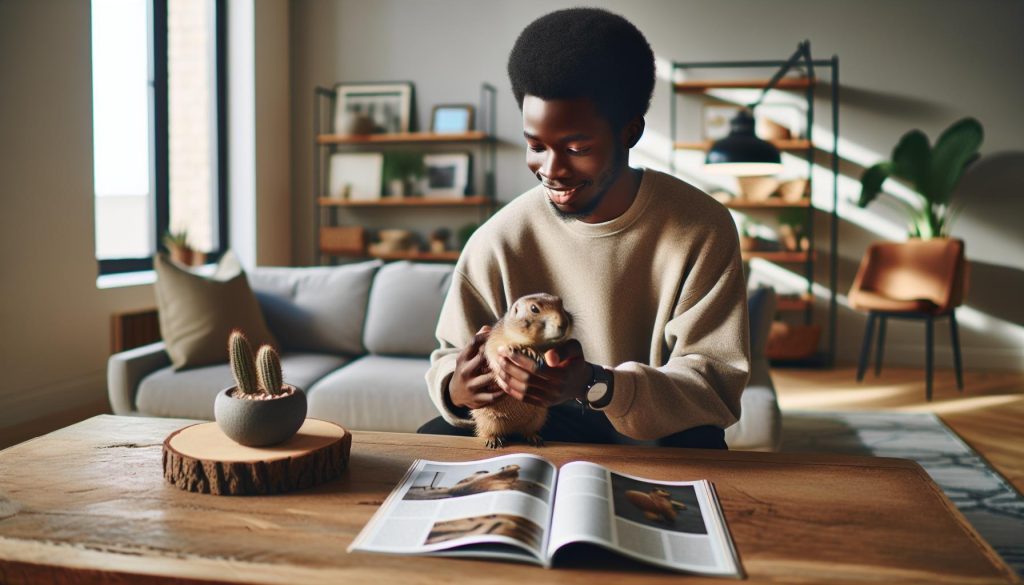
Did you know that prairie dogs are not just adorable but also incredibly social creatures? These fascinating rodents have complex behaviors and strong family bonds, making them unique as pets. If you’re considering adding a prairie dog to your home, understanding their care and needs is essential for their wellbeing and your enjoyment.
In this guide, we’ll explore everything you need to know about raising a prairie dog-from their habitat and dietary requirements to socialization practices and health care. Whether you’re a wildlife enthusiast looking to expand your knowledge or a curious newcomer wanting to provide the best for your new friend, this comprehensive care guide will ensure that you’re well-equipped to create a thriving environment for your prairie dog. Let’s dive into the vibrant world of prairie dogs and learn how to keep them happy and healthy!
How Prairie Dogs Communicate and Socialize
Prairie dogs are not just cute little animals; they are also highly social creatures with complex communication systems. These delightful rodents use a variety of vocalizations, body language, and even scent marking to convey important information within their communities. For example, prairie dogs have been reported to have different alarm calls that signify various types of predators, allowing them to warn their fellow colony members effectively. Their vocalizations can indicate whether a threat is aerial or terrestrial, and their calls can vary based on the color, size, and even gait of the potential threat.
In their social interactions, prairie dogs exhibit a range of behaviors such as grooming, play, and physical contact. Grooming not only helps to maintain hygiene but also reinforces social bonds among individuals. These animals thrive in social settings and often engage in playful activities, which are essential for their mental health and well-being. By maintaining a communal lifestyle, prairie dogs can better protect each other against predators and ensure the survival of their species.
Creating a suitable environment for your prairie dog at home is crucial for encouraging these social behaviors. Ensure that your prairie dog has ample space to roam and interact with enrichment items like tunnels and toys. Offering companionship-whether another prairie dog or a human-can help fulfill their social needs. Remember that these animals flourish when they feel part of a group; thus, understanding their communication and social behaviors is vital to raising a happy and healthy prairie dog in a home setting.
Understanding Prairie Dog Habitat Needs
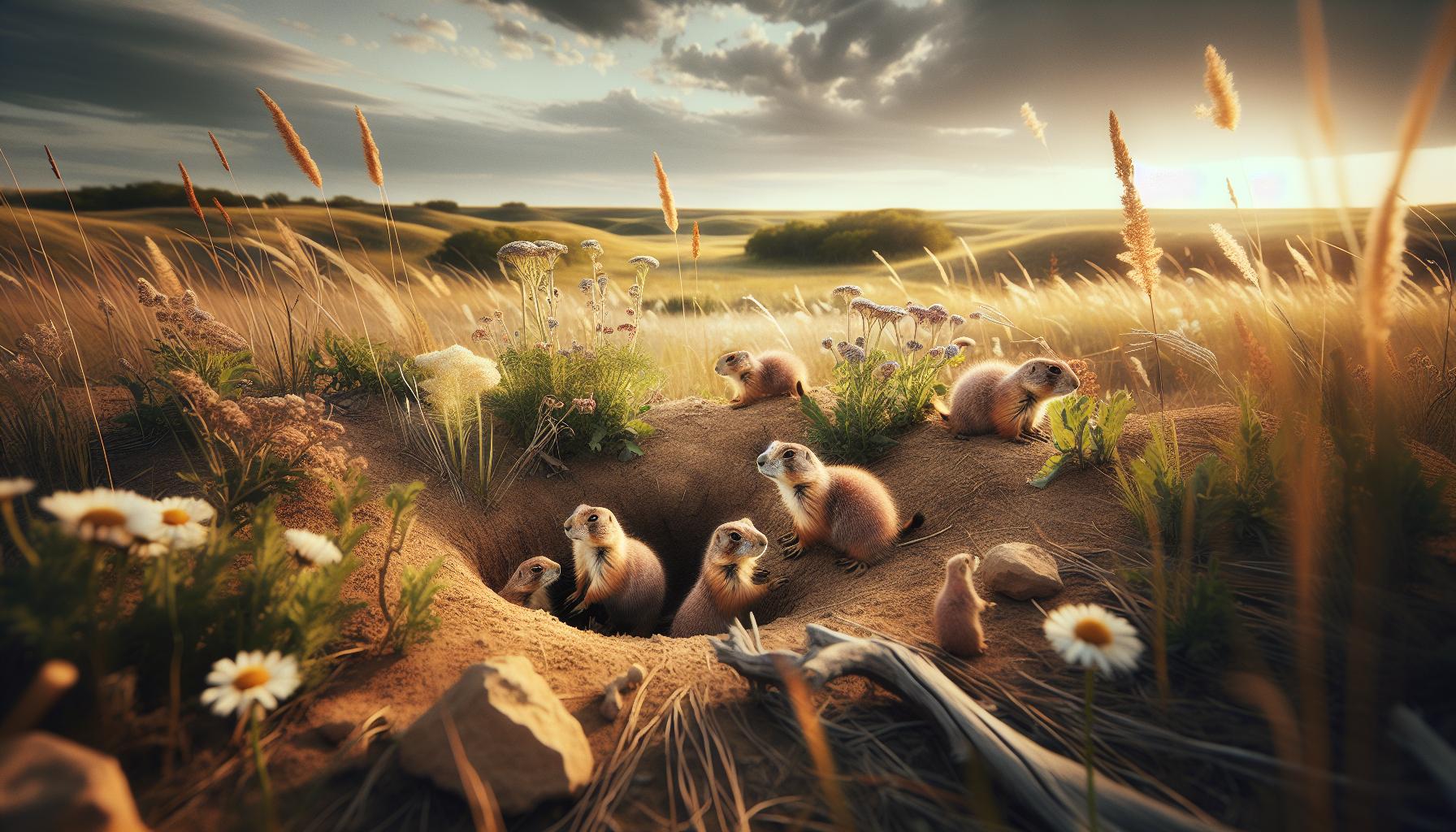
Prairie dogs are fascinating little creatures that thrive in complex, interconnected environments. In the wild, they live in extensive burrow systems that can stretch over several acres, forming intricate communities known as colonies or towns. This habitat provides not only shelter but also crucial social structures that help them manage interactions with other prairie dogs and defend against predators. Understanding these habitat needs is essential for anyone considering raising a prairie dog at home.
Creating a suitable habitat for your prairie dog requires careful consideration of their natural instincts and behaviors. Ideally, your space should mimic their burrowing lifestyle. Providing a large enclosure with ample room to dig and burrow is critical. A multi-level cage can simulate the layers of their natural habitat. Include tunnels, hideouts, and different substrates that allow them to explore and engage in natural behaviors. Use safe materials like untreated wood or cardboard for tunnels and enrichments, as prairie dogs love to chew and create their environment.
Another vital aspect of their habitat is temperature and humidity control. Prairie dogs are sensitive to extreme weather; they require a temperature range ideally between 65°F to 75°F (18°C to 24°C) and should never be exposed to direct sunlight for prolonged periods. Proper ventilation is also essential to ensure a comfortable living environment. Keep in mind that they are social creatures, so if possible, consider housing them with a companion to meet their social needs, which can significantly enhance their quality of life:
- Social Interaction: Prairie dogs naturally live in colonies and thrive on social interactions. Having more than one prairie dog can help reduce stress and encourage play.
- Space: A larger habitat allows for more natural behaviors like foraging and playing, and helps prevent boredom.
- Escape Proofing: Ensure the enclosure is secure, as prairie dogs are excellent diggers and can escape easily if the structure isn’t reinforced properly.
By crafting an enriching and secure environment that reflects their natural habitat, you’ll create a fulfilling life for your prairie dog, allowing them to flourish in your care while respecting their needs. Balancing safety, comfort, and social opportunities plays a crucial role in ensuring a happy, healthy life for these charismatic animals.
Essential Nutrition for Prairie Dog Health

Prairie dogs are not only adorable but also require a balanced diet to thrive. In the wild, they primarily graze on grasses, seeds, and roots, making their dietary needs reflect a herbivorous lifestyle. To ensure your prairie dog remains healthy and happy, it’s crucial to replicate this diet as closely as possible in captivity. A well-constructed nutrition plan can prevent obesity and related health issues, which are common among prairie dogs that lack proper dietary guidance.
A typical diet for a prairie dog should consist of high-fiber hay, such as timothy or oat hay, that provides essential nutrients and aids in digestion. Fresh vegetables should also be introduced regularly, including options like carrots, bell peppers, and leafy greens like kale and romaine. However, be cautious with the quantity of high-starch vegetables and fruits as these can lead to digestive problems if overfed.
To further enhance your prairie dog’s diet, you can offer small amounts of specially formulated prairie dog pellets. These pellets often contain a mix of grasses and seeds that mimic their natural diet, supplemented with vitamins and minerals critical for their overall health. It’s important to provide fresh, clean water daily, as hydration is vital for preventing urinary issues and supporting metabolic functions.
Suggested Feeding Guidelines
- Hay: Unlimited access to high-quality grass hay (e.g., timothy or orchard grass).
- Vegetables: A small serving daily, focusing on leafy greens and crunchy veggies.
- Pellets: A limited daily serving of high-quality prairie dog pellets.
- Water: Fresh water available at all times, changed daily.
In summary, understanding what makes up a nutritious meal for your prairie dog is essential. By focusing on high fiber, cutting back on sugary treats, and ensuring they have access to clean water, you can help your little friend lead a healthy and thriving life. Just remember, while it’s tempting to spoil them with treats, moderation is the key to keeping these lively creatures happy and healthy!
Creating the Perfect Prairie Dog Home

When designing a habitat for your prairie dog, think of it as crafting a miniature version of their natural surroundings. These social creatures thrive in environments that mimic their native grasslands, characterized by open spaces for burrowing, grazing, and playful behaviors. A spacious enclosure is essential, as prairie dogs are active diggers and need room to explore their natural instincts. Aim for a cage that is at least 4 feet long, 2 feet wide, and 3 feet tall to provide enough space for movement and play.
To create an inviting atmosphere, include multiple levels and platforms for climbing. Use natural materials like untreated wood for ramps and shelves, which can also serve as chew toys. Incorporate tunnels made from cardboard or PVC pipe, allowing your prairie dog to explore and hide as they would in the wild. Bedding made from aspen shavings or recycled paper provides a comfortable digging substrate while aiding in odor control.
Environmental Enrichment:
Keep your prairie dog’s mental and physical health in check by offering various enrichment tools. Fill their habitat with toys-think of sandboxes filled with soil for digging or boxes for hiding-encouraging natural behaviors like foraging. Introduce puzzle feeders that dispense food or treats when manipulated, stimulating their natural curiosity and problem-solving abilities. Regularly shifting furniture, toys, and hiding spots will also keep their environment dynamic and interesting.
Temperature and Cleaning:
Maintain a temperature between 65°F and 75°F (18°C and 24°C) to keep your prairie dog comfortable. They are sensitive to extreme temperatures, so ensure their home is not located in direct sunlight or drafty areas. Regular cleaning of the enclosure is crucial; spot clean daily and perform a more thorough cleaning weekly to maintain hygiene and prevent odors. Remember, a clean habitat contributes significantly to their overall health and happiness.
Creating the perfect home for a prairie dog is about providing them with a stimulating and safe environment that caters to their natural behaviors. By prioritizing space, enrichment, and cleanliness, you ensure a happy life for your furry friend, allowing them to thrive both physically and mentally.
Regular Veterinary Care for Prairie Dogs

Establishing a healthy and happy life for your prairie dog requires more than just providing an appropriate habitat and diet; regular veterinary care is essential. These animals, while charming and social, can suffer from a variety of health issues that may not be immediately obvious. Routine check-ups are crucial in catching potential health problems early, allowing for prompt treatment. Many owners might not realize that prairie dogs can be prone to certain diseases like syphacia and dental problems, which can significantly affect their quality of life.
Veterinary visits should ideally take place at least once a year, but more frequent visits may be necessary based on your pet’s specific health conditions. During these consultations, the vet will conduct a thorough examination, including checking teeth, weight, and overall wellness. They may also discuss vaccinations, which are vital in keeping your prairie dog protected from infectious diseases. Besides routine examinations, it’s important to be observant. If you notice signs of respiratory distress, changes in behavior, or unusual eating habits, contact a veterinarian immediately.
Finding a Knowledgeable Vet
Choosing a veterinarian experienced with exotic pets or specifically prairie dogs is critical. Not all veterinarians are familiar with the unique needs and health concerns of these animals, so a little research can go a long way. Ask for recommendations from local exotic pet communities or look for veterinary clinics that advertise their expertise in small mammals or wildlife rehabilitation. A knowledgeable vet can help tailor health plans specific to your prairie dog’s needs, ensuring they receive the best care possible.
Preventative Care and Grooming
In addition to regular check-ups, preventative care is vital for your prairie dog’s long-term health. This includes grooming, particularly nail trimming, which should be done to prevent foot problems. Additionally, dental care is essential. Providing chew toys made from safe materials can help wear down their teeth naturally, preventing overgrowth and related issues. While prairie dogs typically manage their own dental health to some extent, it’s wise to monitor their chewing habits and consult your vet if you notice any irregularities.
The role of regular veterinary care cannot be overstated. Ensuring that your prairie dog receives consistent and expert medical attention will contribute significantly to their quality of life, longevity, and happiness. By actively engaging in your pet’s health care routine and staying informed, you can enjoy countless joyful moments with your furry companion.
Behavioral Enrichment for Happy Prairie Dogs
Prairie dogs are not just adorable little furballs; they’re intelligent and social creatures that thrive on interaction and stimulation. Providing behavioral enrichment is essential to keeping your prairie dog happy and healthy. Just like humans, prairie dogs can experience boredom, leading to stress and health issues. To create an engaging environment for your furry friend, consider incorporating various toys, activities, and social interactions.
One effective way to enrich your prairie dog’s environment is through interactive toys. Chew toys made from untreated wood or safe natural fibers are excellent choices that allow prairie dogs to exercise their natural chewing instincts while promoting dental health. Hide treats within these toys or scatter them around their habitat to encourage foraging behavior, which mimics their natural search for food in the wild. Additionally, creating tunnels or using egg cartons can stimulate their curiosity and desire to explore.
Social Interaction
Remember, prairie dogs are social animals that thrive in the company of their peers. If possible, consider adopting a pair, as they can often engage in play and grooming behaviors, which are vital for their emotional well-being. If adopting multiple prairie dogs isn’t feasible, ensure you spend quality time interacting with your pet daily. This can include playtime outside their habitat, gentle handling, and even training sessions, where you can teach them tricks or simple commands. Engaging with your prairie dog not only strengthens your bond but also fulfills their social needs.
Enriching the Environment
Transforming your prairie dog’s living space can make a significant difference in their quality of life. Establish a dynamic habitat by incorporating natural elements such as rocks, logs, and grasses. These additions not only provide visual stimulation but also serve as climbing structures that encourage exercise. Consider rotating toys and rearranging their environment regularly to maintain novelty. Prairie dogs are naturally inquisitive, so offering new experiences will keep them engaged and happy.
Integrating these enrichment strategies into your prairie dog’s daily routine can teach you more about their personality and create a joyful living experience for both you and your pet. By prioritizing their physical and mental stimulation, you ensure that your prairie dog thrives, exhibiting behaviors that reflect their natural instincts while enjoying a fulfilling life in your care.
Common Health Issues and Solutions
Prairie dogs are not only captivating creatures but also require attentive care to maintain their health. Despite their resilience, they can face several common health issues. Understanding these problems and how to address them is crucial for any prospective prairie dog owner.
One of the most prevalent concerns among prairie dogs is dental problems. Their continuously growing teeth can lead to overgrowth, making it difficult for them to eat. Regularly providing appropriate chewing materials, such as untreated wood or specific dental chews, can help keep their teeth at a manageable length. If you notice signs of lethargy or difficulty eating, a trip to the veterinarian is warranted to assess potential dental issues.
Another common health issue is obesity, often stemming from a diet too high in fat or carbohydrates with inadequate exercise. Prairie dogs need a balanced diet that mirrors their natural intake, primarily consisting of hay, fresh vegetables, and pellets formulated for their specific nutritional needs. Ensure they have ample space to roam and explore; this helps to naturally reduce weight while keeping them mentally stimulated.
Respiratory infections can also affect prairie dogs, especially if they are kept in poorly ventilated spaces or exposed to extreme temperatures. Symptoms may include nasal discharge, coughing, or labored breathing. Providing a clean, well-ventilated habitat and regular veterinary check-ups can help prevent these infections. If you suspect your prairie dog is ill, consult a vet immediately for diagnosis and treatment.
Lastly, prairie dogs are susceptible to parasites like fleas, ticks, and internal worms. Regular preventative treatments, along with maintaining clean living conditions, can significantly reduce the risk of infestations. Always consult your veterinarian for the best parasite control methods suited for prairie dogs.
Keeping an eye on these common health issues and acting swiftly when needed can ensure your prairie dog remains a happy, healthy companion for years to come. Regular health checks, a balanced diet, and an enriched environment are central to their well-being.
Socialization Tips: Raising a Friendly Prairie Dog
To forge a strong bond with your prairie dog, early and consistent socialization is vital. Prairie dogs are naturally social creatures, thriving in colonies in the wild. When raised in an environment where they can interact positively with humans and other pets, they become affectionate and engaging companions. The key to socializing your prairie dog lies in patience, understanding their instincts, and creating a safe space for interaction.
Start the process by allowing your prairie dog to acclimate to its new home. This involves providing a quiet area where it can explore and feel secure. During this time, spend time sitting near their enclosure, speaking softly to them. Use treats to build trust; offering small, healthy snacks will encourage them to come closer. Over time, as they become comfortable, you can gently reach in to pet them. Always observe their body language-if they seem hesitant or stressed, give them space and try again later.
Once your prairie dog is comfortable with you, introduce them to other family members gradually. Include children in this process, showing them how to interact kindly. It’s essential to teach children to approach slowly and respectfully. Encourage gentle handling and discourage sudden movements or loud noises that might startle your pet. Regular, gentle playtime enhances their comfort with intimacy and interaction.
In addition to human interactions, incorporating playtime with toys can also promote socialization. Use items that mimic their natural environment, such as tunnels or chewable objects. They will engage with these toys, boosting their confidence and willingness to interact with you. As you create a stimulating environment, remember to respect their natural behaviors. A well-socialized prairie dog will learn to recognize you as a source of safety and joy, leading to a rewarding bond that enriches both your lives.
Training Your Prairie Dog: Tips and Techniques
Training your prairie dog can be a delightful and rewarding experience, as these intelligent and curious creatures are capable of learning simple commands and tricks. Establishing a solid foundation of training not only helps in building a strong bond but also enriches their lives, transforming them into engaging companions. The key to successfully training a prairie dog lies in understanding their behavior, utilizing positive reinforcement, and being patient throughout the process.
Start with basic commands such as “come” or “sit” by using their name followed by the command. Make sure to keep your training sessions short, about 5-10 minutes, so your prairie dog remains focused and interested. Positive reinforcement is crucial; offer treats or affection when they respond correctly. For instance, when your prairie dog comes to you after saying their name, reward them instantly with a small treat. This positive association will encourage them to repeat the behavior. Be consistent in your training cues and reward system, as unpredictability can confuse them.
It’s also beneficial to incorporate play into your training regime. Prairie dogs love to explore and engage with their environment, so using toys to encourage movement or problem-solving can strengthen your training efforts. Set up small obstacles they must navigate to reach a treat. This creates a fun, stimulating challenge that not only teaches them but also caters to their natural instincts.
Lastly, always observe your prairie dog’s body language. Signs of stress, such as hiding or aggressive behavior, indicate it’s time to take a break. Remember, training is meant to be a positive bonding experience, so patience is essential. With time and practice, your prairie dog can learn to follow commands and engage in interactive play, leading to a deeper connection between you both. Embrace the journey, as training can be as enriching for you as it is for your charming prairie companion!
Legal Considerations for Prairie Dog Ownership
Keeping a prairie dog as a pet can be an exciting journey, but it’s crucial to navigate the legal landscape surrounding their ownership. Many regions have specific regulations regarding the ownership of exotic animals, including prairie dogs, that potential owners must understand. Failing to comply with these laws can result in fines or even confiscation of your pet, so being informed is essential.
In the United States, some states outright ban or restrict the ownership of prairie dogs due to concerns about their health and ecological impact. For instance, prairie dogs are known carriers of diseases like plague. Therefore, certain jurisdictions may impose regulations to protect public health. Before bringing a prairie dog home, check local wildlife laws or contact your state’s fish and wildlife agency to confirm if prairie dogs are permitted as pets in your area.
Another vital aspect is the sourcing of your prairie dog. It is advisable to adopt from reputable breeders or shelters rather than capturing them from the wild. Wild capture not only disrupts local populations but also may be illegal, depending on your location. Always request documentation of the animal’s legal status and health records from your source. Proper documentation can ensure that your pet is healthy and ethically acquired.
Moreover, it’s essential to consider the habitat and care requirements outlined by local laws. Some regions may require specific enclosures or veterinary care standards for exotic pets. By maintaining compliance with these regulations and providing a suitable environment, you not only demonstrate responsible pet ownership but also help mitigate common issues related to prairie dog care, such as health concerns and behavioral problems.
Overall, understanding the legal considerations before welcoming a prairie dog into your home ensures a harmonious relationship with your new companion and adherence to local wildlife laws. Always stay informed and responsible, promoting a positive image of prairie dog ownership while enjoying their charming personalities.
Promoting Conservation and Responsible Ownership
Raising a prairie dog comes with both joys and responsibilities that extend beyond pet ownership into the realm of conservation and ethical stewardship. Did you know prairie dogs play a crucial role in their ecosystems? These fascinating creatures aerate the soil and create habitats for other wildlife, while their colonies serve as a food source for various predators. By understanding and promoting responsible ownership, you can contribute positively to the health of prairie dog populations and their environments.
To be a conscientious prairie dog owner, start with sourcing your pet ethically. Adopt from reputable breeders or rescue organizations that prioritize animal welfare and legal compliance. This approach not only helps prevent illegal wildlife trade but also ensures that you are bringing a healthy animal into your home. Always inquire about health records and the animal’s history; a responsible source will be transparent about these details.
It’s equally important to create a suitable habitat that mimics a prairie dog’s natural environment. This includes providing ample space for burrowing, socializing, and exploring. Consider creating a care plan that integrates the following aspects:
- Enclosure: Use a spacious cage with plenty of height for climbing and a substrate that allows digging.
- Socialization: Prairie dogs are highly social animals; housing them in pairs or small groups can promote their well-being and happiness.
- Behavioral enrichment: Include toys and objects that allow for natural behaviors such as hiding and foraging.
Educating friends, family, and the larger community about prairie dogs is another way to support conservation efforts. Share your experiences and knowledge to dispel myths. Perhaps host informational gatherings or participate in local wildlife events. Every conversation contributes to a greater understanding of these animals and underscores the importance of preserving their habitats.
By adopting a holistic approach to prairie dog ownership that emphasizes ethics, habitat, and education, you can become a part of the solution in promoting conservation. Encourage others to appreciate these extraordinary animals while living in harmony with nature. Not only will you deepen your bond with your prairie dog, but you’ll also play a role in fostering a culture of responsible pet ownership and wildlife conservation.
FAQ
Q: What do prairie dogs eat in captivity?
A: Prairie dogs require a balanced diet rich in hay, vegetables, and specially formulated pellets. Timothy hay should make up the bulk of their diet, while fresh greens like kale and carrots can be offered as treats. Avoid high-fat or sugary foods to keep them healthy.
Q: How often should a prairie dog be exercised?
A: Daily exercise is essential for prairie dogs to maintain their health and happiness. Provide at least 1-2 hours outside of their cage each day in a safe space to burrow and play. This prevents boredom and encourages natural behaviors.
Q: How can I tell if my prairie dog is happy?
A: A happy prairie dog exhibits social behavior, such as chirping or barking, and enjoys interacting with you and other pets. Look for signs of playfulness, like digging or jumping, and ensure they have a spacious area to roam and explore.
Q: What veterinary care do prairie dogs need?
A: Regular veterinary check-ups are crucial for prairie dogs. They should see an exotic pet veterinarian at least once a year for health screenings. Vaccinations and dental care may also be necessary to prevent common health issues.
Q: Can prairie dogs live with other pets?
A: Prairie dogs can sometimes live with other small pets, like rabbits, if introduced carefully. However, monitor their interactions closely to ensure safety, as prairie dogs are social creatures and require companionship to thrive.
Q: What are the signs of illness in prairie dogs?
A: Common signs of illness in prairie dogs include lethargy, loss of appetite, and unusual vocalizations. If your prairie dog displays any of these symptoms, it’s essential to consult a veterinarian promptly to address potential health issues.
Q: How do I maintain my prairie dog’s dental health?
A: Proper dental care is vital for prairie dogs, as their teeth continually grow. Provide chew toys, hay, and wooden blocks to help wear down their teeth naturally. Regular veterinary check-ups should also include dental evaluations.
Q: What is the ideal cage setup for a prairie dog?
A: A spacious cage with vertical space for climbing is ideal for prairie dogs. Include multiple levels, tunnels, and digging areas. Ensure the substrate is suitable for burrowing, like aspen shavings, and maintain a clean environment by changing bedding regularly.
For more detailed care instructions, check out our main sections on essential nutrition and habitat needs to ensure your prairie dog thrives!
Concluding Remarks
Raising a prairie dog can be an incredibly rewarding experience, offering companionship and a touch of the wild right in your home. Remember, these social creatures thrive in environments that mimic their natural habitat, so providing them with ample space, proper nutrition, and social interaction is key to their well-being. If you’re ready to embark on this journey, don’t hesitate! Check out our guides on “Creating a Comfortable Habitat for Your Prairie Dog” and “Healthy Diet Tips for Prairie Dogs” for more invaluable insights.
Have questions or tips of your own? Join the conversation in the comments below! For those eager to stay updated, consider signing up for our newsletter, where you’ll receive expert advice and the latest trends in prairie dog care. Exploring your role as a responsible pet owner can be further enriched by our resources on wildlife conservation and pet care best practices. Let’s keep the journey going-your prairie dog is counting on you!
Get our latest guides, news, and insights highlighted in your Google Search & AI Overviews.