

Did you know that prairie dogs are not just adorable but also fascinating social animals? Understanding their reproductive habits gives us insight into their behavior and the dynamics of their colonies. On average, a female prairie dog can have several babies each year, typically ranging from three to eight pups per litter. This prolific breeding helps maintain their populations, which are essential for their ecosystem. By learning about their litter sizes, we can appreciate the intricate balance of nature and the challenges these charming creatures face in the wild. Let’s explore the world of prairie dogs and discover more about their reproductive cycles and what it means for their survival.
Average Litter Size of Prairie Dogs Explained
Prairie dogs, fascinating members of the rodent family, have a unique approach to reproduction that supports their dynamic social structures and adaptations to the environment. On average, a female prairie dog gives birth to a litter of 3 to 8 pups, although this number can vary based on several factors, including environmental conditions and the health of the mother. This relatively small litter size is quite strategic, allowing mothers to invest significant time and resources into raising each pup, increasing their chances of survival in the wild.
The reproductive cycle of prairie dogs typically begins in early spring when female prairie dogs engage in breeding rituals that strengthen social bonds within their colonies. After a gestation period of around 30 to 35 days, the pups are born in underground burrows, providing them with protection from predators and harsh weather conditions. These pups are born hairless and blind, relying completely on their mothers for warmth and nourishment as they begin to grow and develop.
While a litter of prairie dogs may be small, the social dynamics of prairie dog colonies play a crucial role in their upbringing. Females often cooperate, assisting each other with caring for all the young in the burrow. This communal approach not only helps in nurturing the pups but also strengthens the bonds within the colony, showcasing the sophisticated social structures that prairie dogs maintain.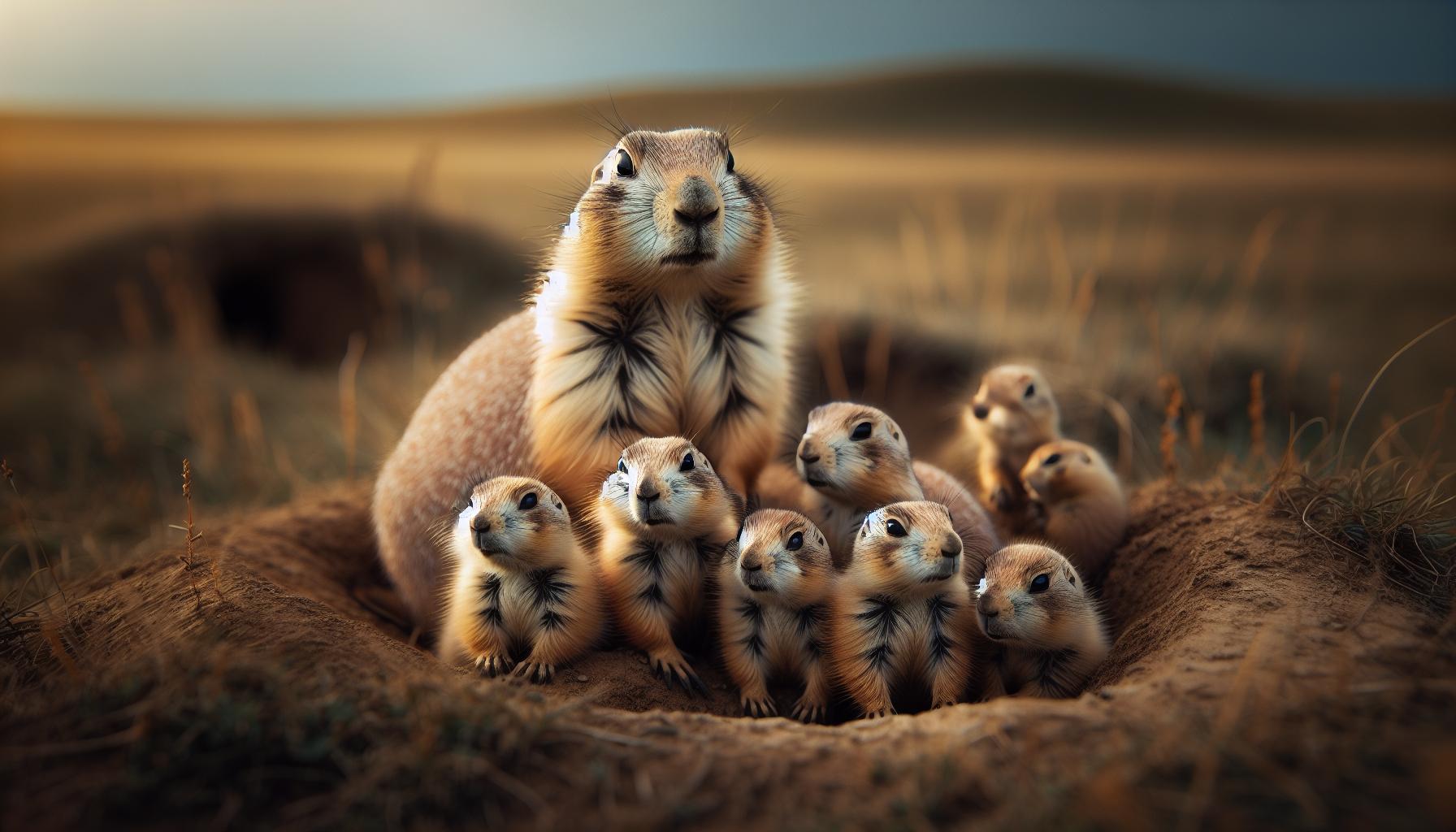
Understanding Prairie Dog Reproduction
Prairie dogs are not just adorable, but they also display fascinating reproductive behaviors that reflect their social nature. Female prairie dogs typically give birth to litters ranging from 3 to 8 pups, a number that varies depending on numerous factors, including environmental conditions and the mother’s health. This relatively small litter size is strategic. By limiting the number of pups, mothers can dedicate more time and resources to each one, significantly increasing the likelihood of survival in their often harsh habitats.
Reproduction in prairie dogs kicks off in early spring, right after the winter thaw. During mating season, males engage in elaborate courtship behaviors to attract females. After a gestation period of approximately 30 to 35 days, the pups are born in deep underground burrows, which provide a safe haven from predators and extreme weather. At birth, these tiny creatures are hairless, blind, and utterly dependent on their mothers. As they grow, they begin to explore their burrow nursery, gradually learning the social cues and behaviors that define their lives in the colony.
The social dynamics within prairie dog colonies are integral to their reproductive success. Females often form cooperative relationships, assisting one another in caring for the pups. This communal nurturing approach not only benefits the young but also reinforces the social bonds that are vital for the survival of the colony. It’s a beautiful illustration of how prairie dogs thrive together, combining individual care with a collective responsibility for their young. As the pups start to grow, their playful antics further strengthen these communal ties, enriching the social tapestry of their prairie home.
In summary, the reproductive habits of prairie dogs reflect their adaptability and intricate social structures, showcasing the delicate balance of life in the wild. Their small litter sizes may seem modest, but they are a testament to the species’ evolutionary strategies for ensuring the survival and success of their young.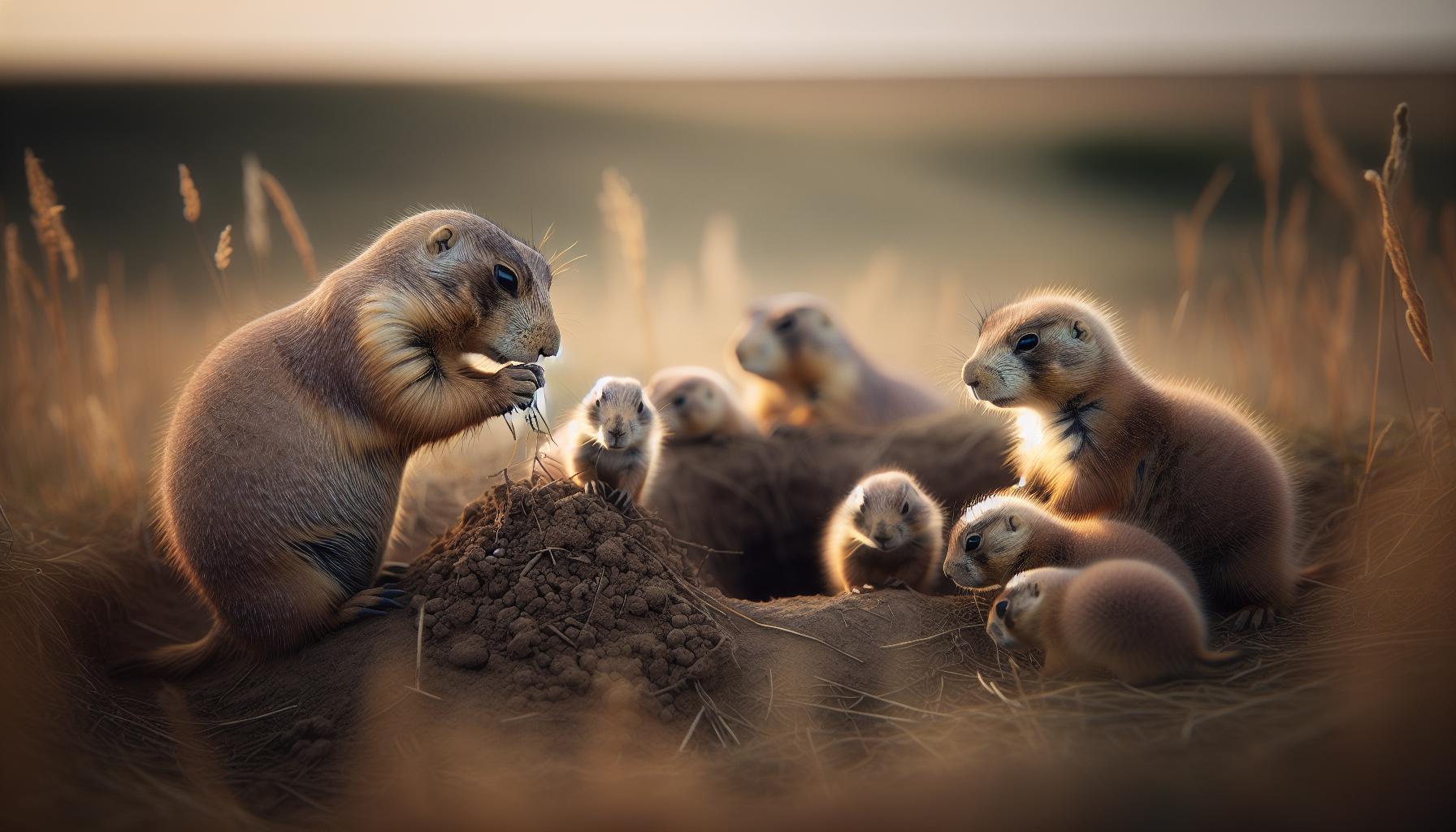
Factors Influencing Prairie Dog Litter Size
The number of pups born to prairie dogs isn’t just a random figure; it’s influenced by a variety of environmental and biological factors that shape their reproductive success. One of the most significant factors is the availability of food resources. In areas where grasses and plants are abundant, female prairie dogs are likely to have healthier pregnancies and stronger litters, leading to larger average litter sizes. Conversely, in regions where food is scarce, females may birth fewer pups, focusing instead on ensuring the survival of the few they do have.
Another crucial aspect is the health and age of the mother. Younger females or those in poorer health may produce fewer pups. Age plays an interesting role-while older, more experienced mothers may be more adept at raising multiple offspring, they can also face health challenges that younger females do not. It turns out that a mother’s previous reproductive success can influence her future litters as well. Those who have previously raised healthy pups may have the confidence and ability to increase their litter size.
Seasonal and climatic conditions cannot be overlooked either. Prairie dogs generally breed in spring, triggered by warmer temperatures and longer daylight hours. If there’s an unusually harsh winter, or if spring arrives late and cold, it can limit food availability and stress the mothers, leading to smaller litters. Additionally, predation pressures during critical early life stages can also play a role, prompting mothers to adapt their strategies based on perceived risks.
In summary, the factors that influence prairie dog litter size are interconnected, reflecting a complex balance between biology, environment, and social dynamics. The way these adorable creatures navigate their reproductive challenges not only shapes their immediate survival but also ensures the sustainability of their colonies in the long run. Observing how these elements work together can give us deeper insights into their lives in the wild, showcasing the resilience of prairie dog populations amid changing conditions.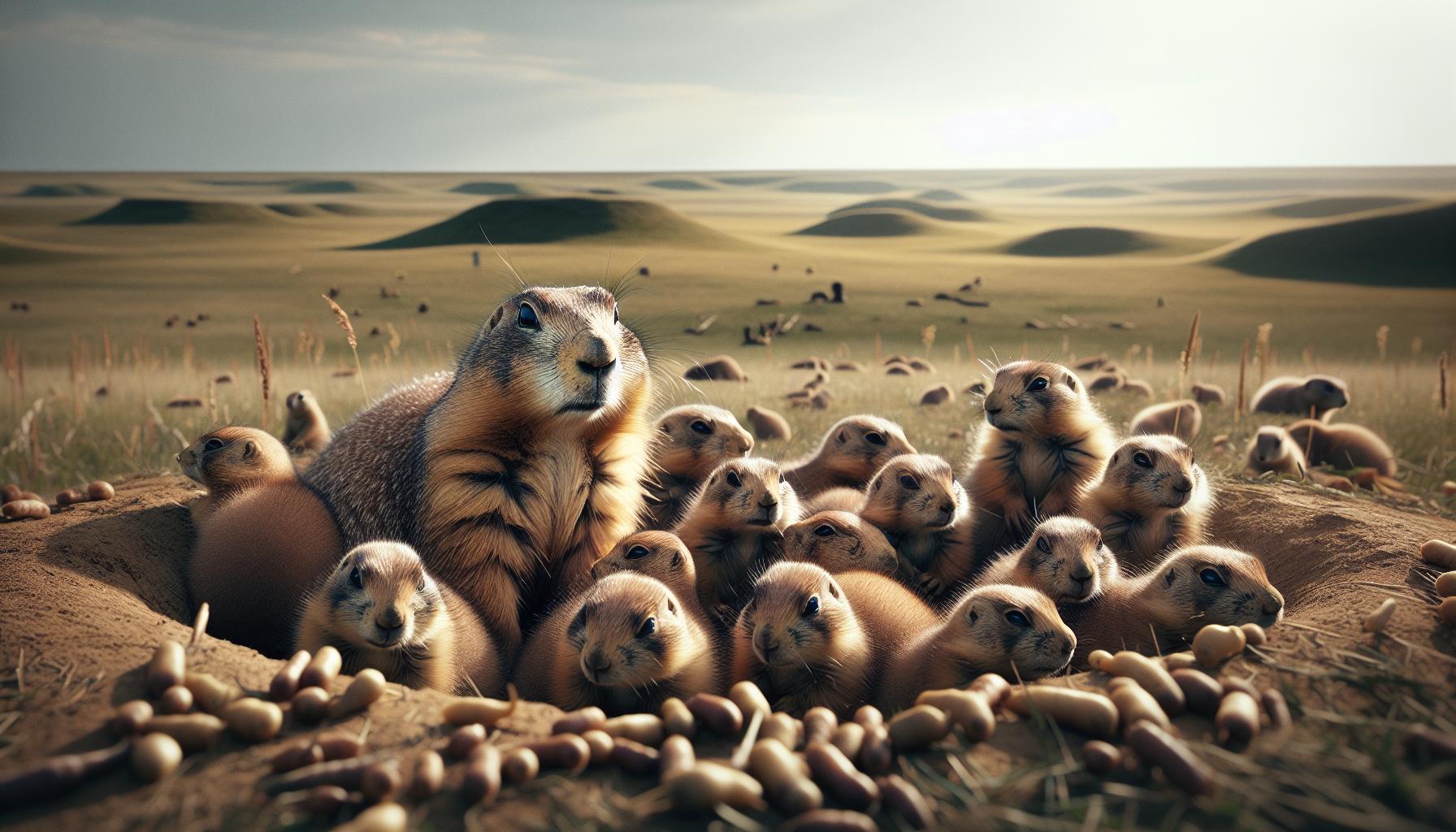
Comparing Prairie Dog Litters to Other Species
When exploring the average litter size of prairie dogs, it’s intriguing to compare their reproductive patterns to those of other species within the rodent family and beyond. Prairie dogs typically have litters ranging from three to seven pups, a figure that can vary significantly based on environmental conditions, food availability, and the mother’s health. This makes them somewhat average among small mammals but distinct in their own social structures and nesting behaviors.
Comparative analysis reveals that many rodents feature similar or even smaller average litter sizes. For instance, the black-tailed prairie dog, a close relative, often mirrors these numbers. In contrast, other rodent families, such as rats or mice, can produce much larger litters, sometimes exceeding a dozen offspring in a single birth. This rapid reproductive strategy in species like the house mouse (with litter sizes of up to 12 pups) is a reaction to high predation and mortality rates, a stark contrast to prairie dogs, whose social structures and cooperative care strategies often allow for better survival rates among their fewer young.
Among mammals, larger species such as felines or canines tend to have fewer offspring, yet they often invest significantly more time and resources into raising their young. For example, many species of canids typically raise litters of four to six pups, but they’ll ensure these pups receive extensive care and teaching – a tactic that parallels what prairie dogs do through their complex social communities. The nurturing methods seen in prairie dog colonies, including babysitting by other group members, enhance pup survival and reflect a sophisticated understanding of social responsibility that extends beyond mere reproduction.
In conclusion, while prairie dogs may not have the largest litters in the animal kingdom, their unique breeding strategies and strong community ties ensure that their young have the best chance for survival. This blend of health, environmental conditions, and social structure demonstrates the adaptability and resilience of prairie dogs, solidifying their role within their ecosystems.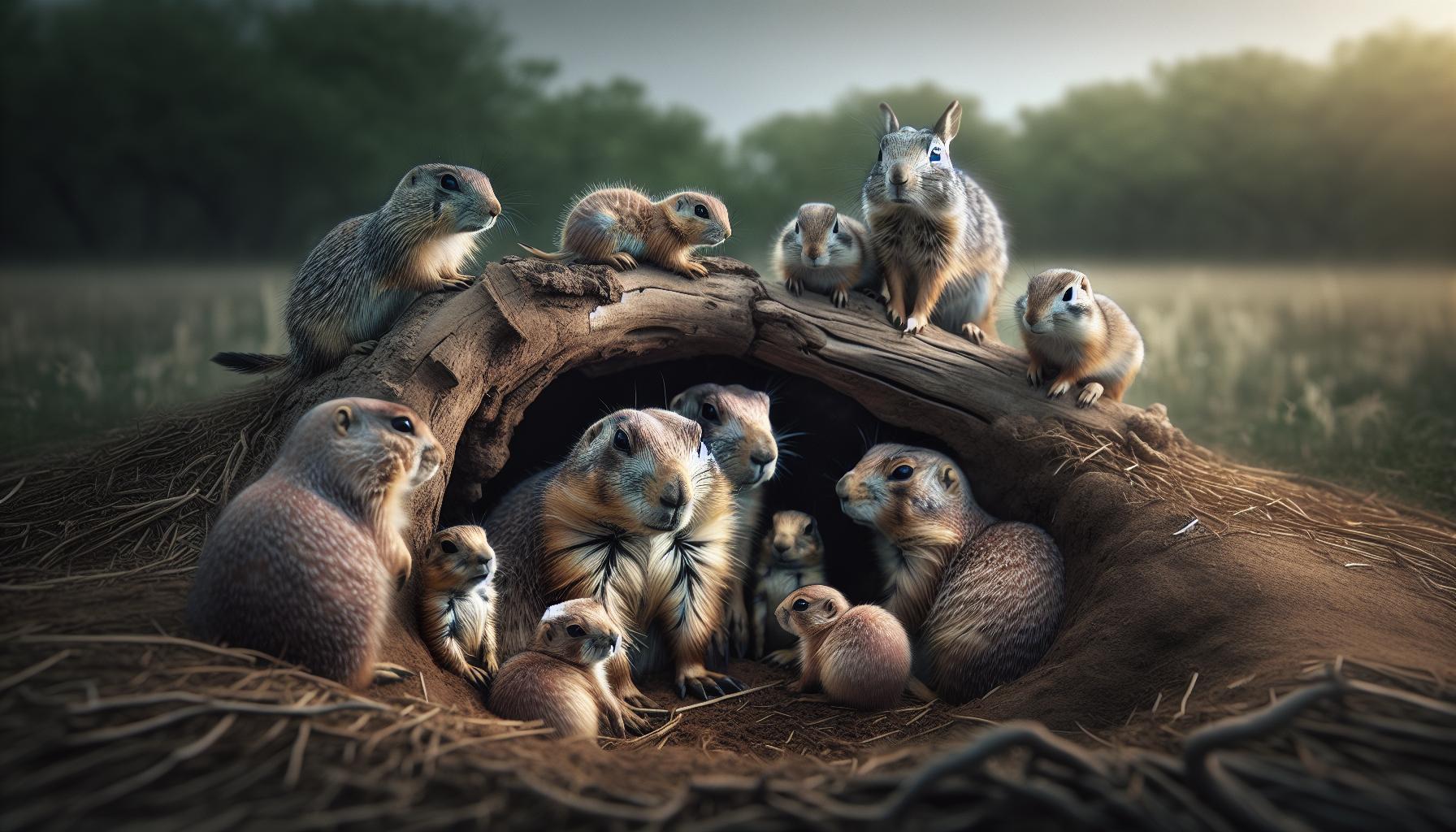
When Do Prairie Dogs Have Their Babies?
The arrival of baby prairie dogs is a thrilling moment in the life cycle of these charming rodents. Typically, prairie dogs have their babies in the spring months, particularly from late March to early June. This timing aligns with the warmer weather, providing the young with a better chance to thrive as food becomes abundantly available. When the pups are born, they are blind and hairless, reliant fully on their mothers for warmth and nourishment.
Once the pups are born, a fascinating transformation begins. Prairie dog mothers exhibit nurturing behaviors that reflect their sophisticated social structures. After about 28 to 34 days of gestation, the litter – usually comprising three to seven pups – emerges from their burrows around five to six weeks old. This period is crucial for their development, and the community plays a pivotal role in their upbringing. Through a system of “babysitting,” older prairie dogs watch over the young while mothers forage for food, ensuring that the pups remain safe and fed.
Understanding when these adorable creatures give birth is essential for wildlife enthusiasts and conservationists alike. Observing the birth and early life of prairie dogs can provide insights into their reproductive strategies and social interactions. It’s a reminder of the intricate connections in nature and the cooperative behaviors that enhance the survival of these lively little animals. So whether you’re a newcomer to wildlife watching or a seasoned enthusiast, witnessing the birth of prairie dogs provides a captivating glimpse into the wonders of animal life.
Nurturing Baby Prairie Dogs: The First Few Weeks
The first few weeks of a prairie dog’s life are nothing short of enchanting. After emerging from their burrows at about five to six weeks of age, the tiny pups begin a journey of exploration and play. Initially, they rely entirely on their mothers for sustenance. Mother prairie dogs are incredibly attentive, nursing their pups frequently and keeping them safe from predators. During this vulnerable period, they are mostly blind and hairless, making them completely dependent on their mother’s care and the protective environment of the burrow.
As pups grow, they gradually start to venture outside to explore their surroundings, learning essential survival skills through play with their siblings. This playful behavior is crucial; it helps pups develop hunting skills and social interactions. The community also plays a significant role in their upbringing. Known as “babysitting,” older prairie dogs will often watch over the young while mothers go out to forage, creating a cooperative environment that enhances the survival chances of the litters. This social structure allows the pups to benefit not just from their mothers but from the entire colony, fostering strong social bonds from an early age.
Another fascinating aspect of this nurturing process is how prairie dog mothers communicate with their young. Mothers use a variety of vocalizations to call their pups, alerting them of potential dangers and guiding them back to the safety of the burrow. This communication is vital, as it reinforces the bond between mother and pup, ensuring that the young ones stay close and safe during their most formative weeks.
The caring environment, combined with the colony’s support, sets the foundation for healthy prairie dog populations. Understanding this nurturing phase is essential for wildlife enthusiasts and conservationists interested in the dynamics of prairie dog families. These early weeks, filled with both challenges and triumphs, highlight the importance of community in wildlife parenting and the intricate interdependencies that exist in nature.
Impact of Environmental Conditions on Litter Size
Environmental conditions play a crucial role in determining the litter size of prairie dogs. Notably, factors like food availability, weather extremes, and habitat quality can significantly influence how many pups a female prairie dog can successfully nurture. For instance, an abundant food supply during the breeding season can lead to larger litters, as well-nourished mothers are more likely to conceive and raise healthier offspring. On average, a prairie dog will give birth to anywhere from two to eight pups, but this number can vary based on the surrounding environment.
Drought conditions can severely impact prairie dog populations and their litters. In times of drought, the availability of vegetation-the primary food source for these animals-can dwindle, leading to malnutrition and decreased reproductive success. Females may choose to produce smaller litters or, in extreme cases, may skip breeding entirely during harsh environmental conditions. Conversely, in years with optimal weather and abundant resources, prairie dogs may experience population booms, leading to a surge in litter sizes.
Another important factor is the health of the local ecosystem. Healthy grasslands, which are home to not only prairie dogs but a variety of other species, contribute to a balanced food web. Increased biodiversity can create a more resilient environment, allowing prairie dog colonies to thrive. This interconnectedness shows how vital it is to maintain healthy habitats, not just for prairie dogs, but for the broader ecosystem’s stability.
In summary, when considering factors that affect a prairie dog’s litter size, one cannot overlook the significance of environmental conditions. Understanding this relationship not only enhances our knowledge of these fascinating creatures but also underscores the importance of conservation efforts aimed at preserving their habitats. Keeping our grasslands healthy ensures that prairie dog populations can continue to flourish, thereby maintaining the ecological balance essential for so many species, including humans.
Social Structure and Its Role in Parenting
Prairie dogs live in complex social structures known as colonies, which significantly contribute to their parenting and rearing of young. These colonies are often composed of numerous families, each living in interconnected burrows. The social environment not only provides safety in numbers but also fosters strong community bonds, which are essential during the vulnerable periods of raising pups. In fact, prairie dog societies are composed of highly structured family units, with males often taking on the role of guardians while the females focus on nurturing the young.
One captivating aspect of prairie dog families is the phenomenon of communal parenting. Within a colony, it is common for multiple females to help care for each other’s young. This strategy benefits the pups, as they receive attention and protection from several adult prairie dogs rather than solely their mothers. This cooperative behavior allows mothers to take shorter foraging trips to gather food, ensuring they can maintain their strength while still providing for their pups. As a result, litters are more likely to survive in a nurturing environment where adults work together to safeguard and educate the young.
Communication is another vital component of prairie dog social structure that aids in parenting. These animals are known for their sophisticated vocalizations, which serve as alarms for potential threats. When a danger is detected, such as a predator nearby, the alarm calls alert other members of the colony, allowing them to scurry back to the safety of their burrows. This protective instinct enhances the survival rates of the young and highlights the importance of social networks in the rearing process.
Moreover, the social dynamics of prairie dog colonies play a role in litter sizes. During periods of stress, such as drought or food scarcity, the competitive pressures can lead to reduced reproductive success. Conversely, in healthy, thriving colonies with stable food supplies, females can often produce larger litters. This cycle underlines the intricate relationship between social structure, environmental conditions, and the overall health of the prairie dog population. By ensuring their habitats remain intact, we can support these charming creatures and their fascinating family dynamics.
Common Challenges Faced by Prairie Dog Mothers
While prairie dogs are endearing and highly social creatures, motherhood in their world is fraught with challenges that can impact both the mothers and their pups. One of the primary obstacles these dedicated caregivers face is predation. With their young vulnerable in the open, prairie dog mothers must balance foraging for food with the constant need to watch for predators such as hawks, coyotes, and ferrets. This dual role can lead to exhaustion, as mothers spend significant amounts of time alert and on guard while trying to nourish themselves and their growing litters.
Environmental conditions further complicate the maternal role. Droughts or harsh winters can diminish food supplies, forcing mothers to venture farther from their burrows to find sustenance. This not only increases their exposure to danger but also risks leaving their pups unprotected for extended periods. Additionally, during tough times, stress within the colony can rise, prompting competition for resources that may affect a mother’s overall health and the well-being of her pups. High-stress environments can even lead to smaller litter sizes or, in some cases, the abandonment of pups if the mother cannot adequately care for them.
Moreover, competition with other female prairie dogs can pose a significant issue. Although communal parenting is common, not all mothers may share the same level of generosity. Some may prioritize their own young over others, leading to a reduction in the survival rates of less-favored pups. This competitive environment not only challenges the nurturing of individual litters but can also affect the social dynamics within the entire colony.
In summary, prairie dog mothers navigate a complex landscape filled with threats from predators, environmental hardships, and competitive pressures, all while striving to ensure their offspring survive to adulthood. Understanding these challenges underscores the resilience these fascinating animals exhibit in raising their young, reflecting the delicate balance of life in the colonies they inhabit.
Interesting Facts About Prairie Dog Families
Prairie dog families are not only adorable but also fascinating in their social structure and behaviors. Did you know that these small mammals are highly social creatures? They live in complex colonies called “towns,” which can encompass hundreds to thousands of individuals. Each prairie dog has a role within the colony, contributing to the collective welfare, especially when it comes to raising the young.
Family dynamics in prairie dog colonies are remarkable. After giving birth, a female typically cares for her pups alone, but she isn’t isolated in this task. Other females in the colony often assist with babysitting duties, watching over the young while the mothers forage. This communal approach helps improve the survival rate of the pups, who rely on the watchful eyes of their extended family to stay safe from predators.
Communication plays a crucial role in these social structures. Prairie dogs use a variety of vocalizations to alert others about potential dangers. Their sophisticated language can even convey details about what types of predators are nearby-whether it’s an aerial threat like a hawk or a ground-based one like a coyote. Such communication not only helps keep families safe but also strengthens bonds within the colony.
Prairie dog pups are born after a gestation period of about 30 to 35 days and usually number between 3 to 5 in a litter, though this can vary. They are born hairless and blind, requiring careful nurturing. Mothers are particularly vigilant during the first few weeks of life when pups are most vulnerable. As they grow, young prairie dogs begin to explore outside the burrow and play with each other, which is essential for their development and social learning.
In summary, prairie dog families exhibit a complex blend of cooperation, communication, and care, embodying the spirit of community. Their behaviors offer a window into how social mammals navigate parenthood and survival within their unique ecosystems.
Conservation Efforts for Prairie Dogs and Their Young
Efforts to conserve prairie dogs and their young are crucial for maintaining the health of grassland ecosystems. Prairie dogs play a significant ecological role; they are considered a keystone species. This means that their presence supports a diverse array of plants and animals. However, human activities, including agricultural expansion and urban development, have put tremendous pressure on prairie dog populations, leading to habitat loss and decreased numbers. Protecting these charming rodents is not just about saving them; it’s about preserving the intricate web of life that depends on them.
Because prairie dog colonies offer habitat for many other species, such as birds, foxes, and even endangered species like the black-footed ferret, conservation efforts often focus on safeguarding these towns. Organizations and coalitions, such as the Prairie Dog Coalition and The Prairie Dog Project, work tirelessly to educate the public on the importance of prairie dog conservation, advocating for responsible management practices. They emphasize the need for cohabitation strategies that minimize conflicts with agricultural interests, allowing ranchers to sustain their livelihoods while protecting prairie dog habitats.
Another vital aspect of prairie dog conservation is the implementation of humane management policies. Historically, prairie dogs have faced severe threats from lethal control methods like poisoning and trapping, which have decimated populations. Today, many conservation groups promote non-lethal alternatives and community engagement, helping locals understand the ecological benefits these animals provide. By encouraging educational programs and community observation efforts, these organizations are fostering a deeper appreciation for prairie dogs and their young.
Moreover, understanding how litter size impacts conservation strategies is essential. While prairie dogs typically have litters that average between 3 to 5 pups, their survival rates can hinge on environmental conditions and maternal care. Conservation efforts often focus on creating safe environments where mothers can rear their young without the looming threat of habitat destruction or predation. By emphasizing protective measures during critical periods of development, organizations are enhancing the chances of survival for these adorable critters.
In summary, successful conservation of prairie dogs and their young hinges on a multi-faceted approach that combines public education, humane management, and habitat protection. When communities come together to support these remarkable animals, they help ensure that prairie dog towns continue to thrive, fostering the remarkable biodiversity they support.
Faq
Q: How many babies do prairie dogs typically have in a litter?
A: Prairie dogs usually give birth to 3 to 8 babies in a single litter. Litter size can vary based on environmental factors and the health of the mother, with some litters reaching as high as 12 pups under optimal conditions.
Q: What is the gestation period for prairie dogs?
A: The gestation period for prairie dogs is about 28 to 35 days. After this time, the mother will give birth to a litter, typically around late spring or early summer, aligning with optimal food availability for raising young.
Q: When do prairie dogs have their babies?
A: Prairie dogs usually have their babies in late spring to early summer, which allows the pups to grow during the warm months when food is abundant, ensuring better survival rates for the young.
Q: How long do baby prairie dogs stay with their mother?
A: Baby prairie dogs typically stay with their mother for about 6 to 8 weeks after birth. During this period, they are weaned and learn vital survival skills before becoming more independent.
Q: Do prairie dogs care for their young?
A: Yes, prairie dogs are attentive parents. The female prairie dog will nurse her pups and ensure their safety, often sharing responsibilities with other members of the colony in a cooperative breeding system.
Q: What factors influence prairie dog litter size?
A: Factors influencing prairie dog litter size include food availability, environmental conditions, and the mother’s health. Better nutrition and a safe habitat can lead to larger litters.
Q: How do prairie dog family structures affect their young?
A: Prairie dog family structures are highly social, which supports the young. The colony’s social structure allows for communal care, enhancing protection and the sharing of resources among the young.
Q: What challenges do prairie dog mothers face?
A: Prairie dog mothers face several challenges, including predation, environmental changes, and resource scarcity. Effective nesting and community support are crucial for the survival of the young during their early weeks.
For further insights on prairie dog care and reproduction, consider exploring the sections on Nurturing Baby Prairie Dogs and Factors Influencing Litter Size in our main article.
Key Takeaways
In conclusion, understanding the average litter size of prairie dogs provides fascinating insights into their reproductive habits and social structures. With an average of three to five pups per litter, these lovable rodents contribute significantly to their communities. If you’re intrigued by prairie dog behavior and want to learn more about their habitats or care needs, check out our articles on “Prairie Dog Habitats” and “Caring for Prairie Dog Pets.”
Don’t miss out on essential information-subscribe to our newsletter for the latest updates and tips on wildlife! Have questions or experiences to share? Join the conversation in the comments below! Explore our site further to uncover even more exciting wildlife facts and resources. Keep your curiosity alive and dive deeper into the wonderful world of prairie dogs and beyond!
Get our latest guides, news, and insights highlighted in your Google Search & AI Overviews.










