

Did you know that prairie dogs, those charming little rodents known for their social structures and elaborate burrow systems, can have varying litter sizes depending on environmental conditions? Understanding how many babies a prairie dog can have is vital for appreciating their role in the ecosystem and ensuring their conservation. It’s not just about numbers; it’s about their impact on grassland habitats and relations within their colonies. Whether you’re fascinated by wildlife or considering adopting one as a pet, knowing these litter size facts helps you grasp their reproductive habits and overall behavior. Join us as we explore these intriguing aspects of prairie dog life, and discover what makes them such essential players in their ecosystems!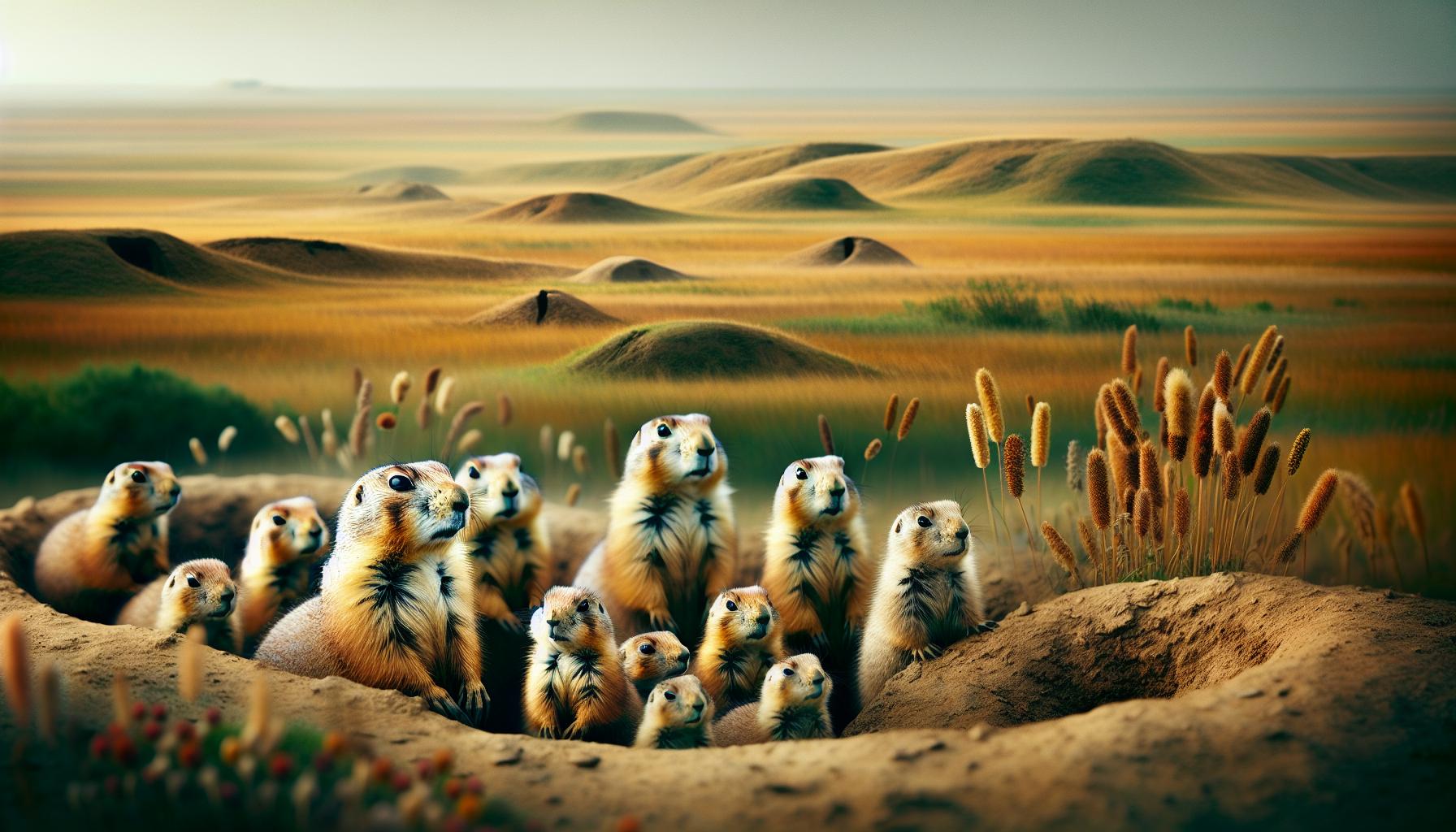
Understanding Prairie Dog Reproduction Patterns
Prairie dogs are fascinating social creatures, and their reproduction patterns reflect their complex lives within tightly-knit colonies. Each season presents the opportunity for a new generation, but understanding their reproductive habits provides insight into how these animals thrive in the wild. Prairie dogs typically breed once a year, with mating occurring shortly after they emerge from hibernation in the spring. This timing is crucial, as it allows the young to be born during a time of abundance, aligning with the growth of spring grasses that provide ample food for nursing mothers.
In terms of litter size, prairie dogs usually give birth to three to five pups, although litter sizes can vary. Factors that influence these numbers include the age and health of the mother, as well as environmental conditions and food availability. For example, a well-nourished, older female may have larger litters compared to younger or less healthy individuals. The gestation period for prairie dogs is around 30 to 35 days, allowing for a relatively quick turnover in population.
After birth, the mother takes full responsibility for the pups. She will nurse them for about six to eight weeks, during which time they begin to grow rapidly and learn the essential skills they’ll need to survive. Nursing not only provides them with vital nutrients but also strengthens their bond with their mother and their eventual integration into the colony’s social structure.
Understanding how prairie dogs reproduce and care for their young is essential for conservation efforts. These small mammals play a critical role in their ecosystem, and their populations can significantly impact the landscape. Awareness of their breeding patterns can help in developing strategies to protect their habitats and manage their populations in a way that benefits both prairie dogs and the wildlife communities they support.
Typical Litter Sizes of Prairie Dogs
Typically, prairie dogs welcome their young into the world with litters that range from three to five pups. This number can vary significantly based on various factors, making each prairie dog family’s experience unique. Imagine a bustling underground nursery, where each pup is carefully nurtured by its mother, surrounded by the distinctive sounds of their colony. Prairie dog colonies are highly social, and this close-knit environment plays a crucial role in the raising of the young, ensuring that they have a higher survival rate in the wild.
Several elements influence the size of litter among prairie dogs. For instance, the age, health, and nutritional status of the mother can drastically affect her ability to produce offspring. An older, healthier female is likely to have larger litters, as she is better equipped to provide the necessary nutrients both during gestation and while nursing. Additionally, environmental factors, such as food availability and habitat conditions, play a significant role in reproductive success. In years where resources are plentiful, you might find larger litters being born.
After their birth, the pups remain dependent on their mothers for nutrition and protection. The nursing period lasts from six to eight weeks, during which time the mother invests time and energy into her litter, fostering their development and ensuring they learn essential survival skills. As they grow, they begin to emerge from their burrows and interact with other colony members, gradually integrating into the complex social structure of prairie dog towns.
Understanding the intricacies of prairie dog litter sizes not only showcases their reproductive strategies but also highlights the need for conservation efforts. By protecting these remarkable creatures and their habitat, we ensure that future generations of prairie dogs can thrive, contributing to the ecological balance of the grasslands they inhabit.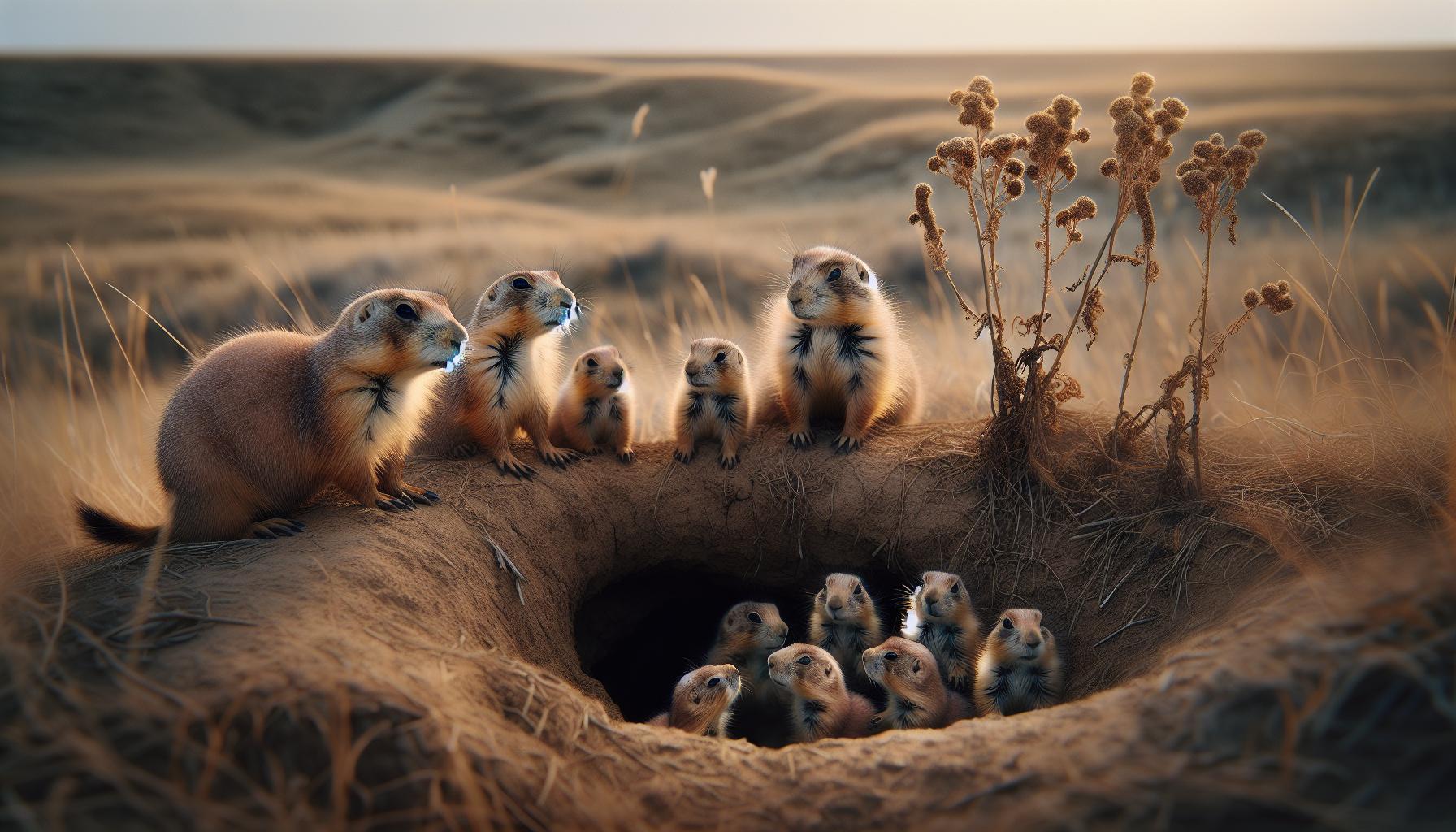
Factors Influencing Litter Size in Prairie Dogs
Litter size in prairie dogs is not a fixed figure; it fluctuates based on a myriad of factors that influence reproductive success. A pivotal element is the age and health of the mother. Generally, older females with ample experience and good health tend to produce larger litters. These mature mothers are better equipped to meet the nutritional demands of their developing pups during both gestation and nursing periods. The body condition of the mother at the time of breeding can serve as a foundation for the size of her litter; well-nourished mothers typically yield more pups.
Environmental conditions significantly affect litter size as well. The availability of food and habitat suitability can dictate how many pups a mother prairie dog is able to carry to term. During years of extreme drought or food scarcity, mothers may have smaller litters. Conversely, when conditions are favorable and resources are abundant, litters can expand to include even more pups. The cyclical nature of resource availability adds unpredictability to reproduction patterns among prairie dogs, making it something of a rollercoaster ride for these delightful little rodents.
Social dynamics within a prairie dog colony also play a crucial role. These highly social animals thrive in well-established colonies where they can support one another in raising young. The presence of multiple adult females in a community often leads to cooperative breeding practices, which can boost the overall survival rates of the pups. This interaction doesn’t just influence the raw number of offspring but also their wellbeing, as mothers can share responsibilities, allowing them to care for their young more effectively.
Lastly, the seasonality of breeding behaviors influences litter size. Prairie dogs typically breed in the spring, coinciding with optimal environmental conditions, which helps ensure that their offspring have the best chance at survival. Understanding these factors not only enriches our knowledge of prairie dog ecology but also emphasizes the importance of preserving their habitats. Conservation efforts directly impact the reproductive success of these iconic species, and by safeguarding their environments, we can contribute to the endurance of prairie dog populations and the ecological webs they support.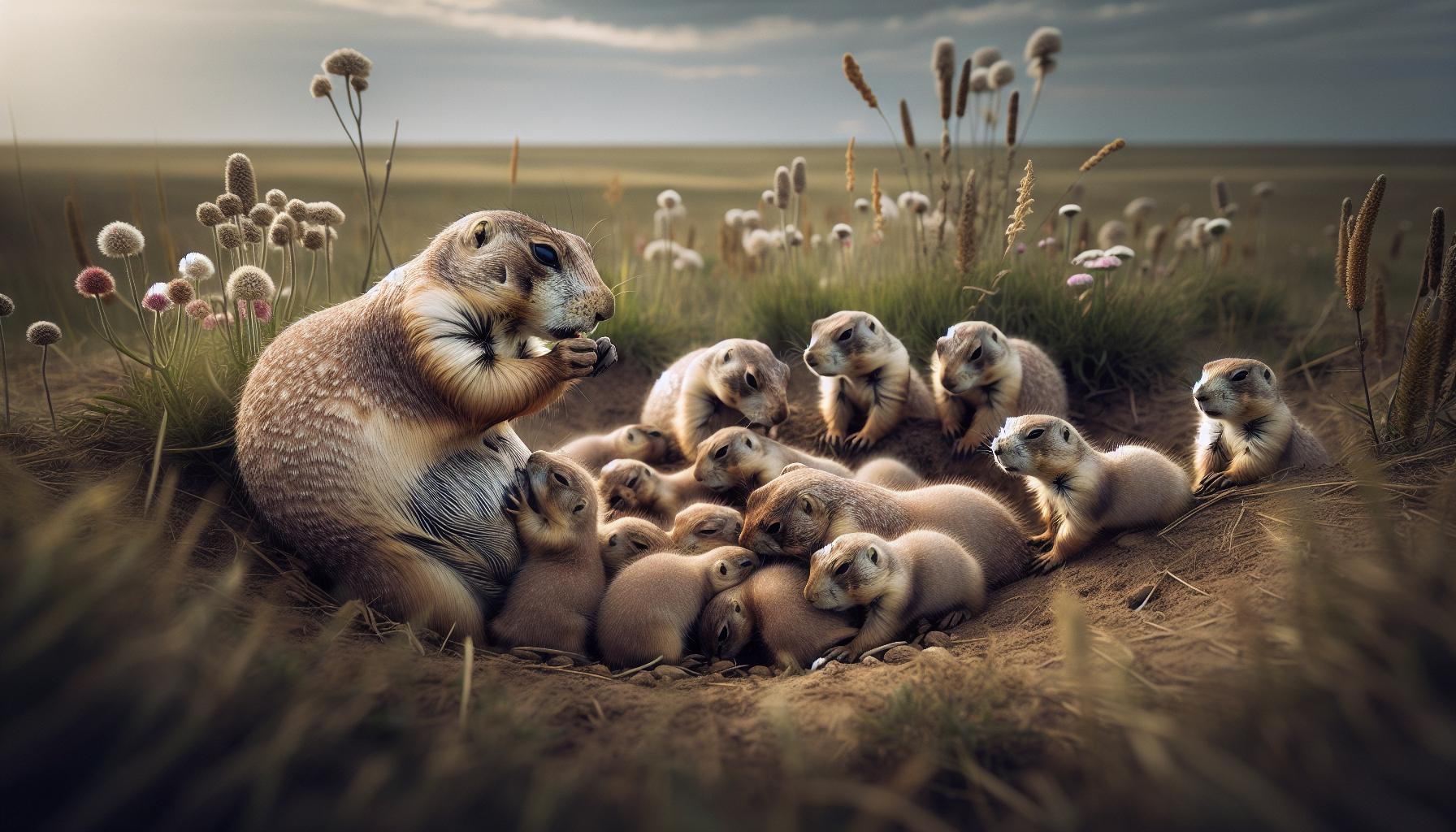
Gestation Period: How Long Do Prairie Dogs Carry Young?
The gestation period of prairie dogs is quite fascinating and plays a crucial role in their reproductive success. Generally, prairie dogs carry their young for about 30 to 35 days. This relatively short gestation period aligns with their need to time the birth of their pups with the peak availability of resources in their environment, usually during late spring. By synchronizing the birth with the lush growth of grasses and flowering plants, mother prairie dogs can ensure that their pups have ample food to support their rapid growth and development.
During this period, the mother will begin preparing for the arrival of her young by creating a safe nesting burrow within the colony. These burrows not only provide protection from predators but also maintain a stable microclimate that can help keep the pups warm and secure after birth. The burrow system is a critical component of prairie dog social structure, as it allows for communal living, where multiple families might share adjacent burrows, fostering a supportive environment for parenting.
Once the pups are born, the mother will continue to guide and protect them. Despite being born blind and hairless, prairie dog pups are nurtured in a colony setting that enhances their chance of survival. The cooperative behavior among prairie dogs means that while one mother is caring for her young, other females in the colony can assist by watching over them-this shared responsibility is crucial, especially during the early weeks when the pups are most vulnerable.
Understanding the gestation period and the subsequent care given to the young underscores the fascinating social dynamics of prairie dog communities. This collaborative approach not only increases individual pup survival rates but also strengthens the bonds within the colony, making it a resilient unit amidst the challenges of their natural habitat.
Care for Newborns: Mother Prairie Dog’s Responsibilities
The arrival of prairie dog pups is a remarkable event, laden with the responsibility of the mother to ensure their survival in a challenging environment. After a relatively short gestation of only 30 to 35 days, the mother gives birth to a litter that can range from three to eight pups, depending on environmental conditions and the health of the mother. Right from the start, the nurturing behavior of the mother prairie dog is essential.
Once the pups are born, their eyes are closed, and they are completely dependent on their mother for warmth and food. The mother carefully tends to her newborns within the safety of the burrow, which she has prepared in advance. It’s a cozy and secure environment that she fills with soft grasses, ensuring that her pups are protected from the elements and potential threats. The burrow’s entrance is often camouflaged and may be watched over by other adult prairie dogs, further enhancing the security of the family unit.
Mother prairie dogs are incredibly attentive, using a range of vocalizations to communicate with their young and signal danger. These protective instincts extend beyond her own pups, as prairie dog colonies exhibit a remarkable social structure where care is shared. Other female prairie dogs, often related to the mother, may assist in watching over the young ones, a behavior known as alloparenting. This collective childcare not only increases the safety of the pups but also strengthens the bonds within the colony, ensuring that every young prairie dog has the best chance of survival.
As the weeks pass, the pups begin to grow rapidly, starting to venture outside the burrow around three weeks of age. The mother guides them in foraging and teaches them social behaviors that are crucial for their development and integration into the colony. This nurturing phase is vital, as the pups learn not just how to find food but also the intricacies of living in a tightly-knit social group. By caring for their young so effectively, mother prairie dogs play a crucial role in maintaining the health and vitality of prairie dog populations.
Development of Prairie Dog Pups: What to Expect
The journey of prairie dog pups is nothing short of enchanting and critical for the survival of their species. Emerging into a bustling colony after about 30 to 35 days of gestation, these little furballs begin life with their eyes tightly shut and a reliance on their mother that is profound. During the initial weeks, their entire world revolves around the safety of the burrow, where the mother has created a soft nest from grasses to keep her pups warm and secure.
As the pups develop, they typically begin to open their eyes around two weeks old, unveiling a universe filled with intrigue and new experiences. This is a vital period for their sensory development, as they start to explore their environment with increased curiosity. It is during this stage that the mother introduces them to the critical skills they will need to thrive. She teaches them about foraging while also instilling social behaviors important for the colony’s dynamics.
By three weeks, the pups venture outside the burrow, often seen popping their heads above ground, cautiously assessing their surroundings. Their first excursions are thrilling yet careful, as they learn to navigate the complex social structure of the prairie dog community. This stage is marked by play, where they engage in wrestling and chasing each other, honing their agility and social skills through these playful interactions.
As the pups continue to grow, they are integrated into the colony’s life, learning from adult prairie dogs through observation and imitation. This nurturing environment, filled with protective adults and other pups, enables them to flourish. Social cats, such as other mother prairie dogs, often participate in the care of the young, showcasing the colony’s strong communal bonds. This cooperative behavior ensures that each pup has multiple avenues for learning and support, ultimately enhancing their survival odds in the wild.
With their playful spirits and social nature, prairie dog pups embody the essence of their species, illustrating how closely-knit community dynamics play a crucial role in their development and survival.
Comparative Litter Sizes Among Other Rodent Species
The fascinating world of rodents unveils a wide range of reproductive strategies and litter sizes, showcasing the rich diversity among species. For instance, while prairie dogs typically birth a litter of about 4 to 5 pups, some of their rodent relatives, like the prolific norway rat, can produce considerably more. A female norway rat can have litters averaging 8 to 12 pups, with the potential for up to 20 in a single birthing. Their rapid reproductive cycle allows for a high turnover, which is crucial for survival in various environments.
Interestingly, the ground squirrel, another member of the rodent family, exhibits a reproductive pattern somewhat similar to prairie dogs. They usually have a litter size ranging from 4 to 10 pups, depending on species and environmental conditions. This similarity hints at the shared habitat strategies that these social rodents utilize to thrive in their specific ecosystems. Conversely, while the agile and solitary deer mouse might only have 2 to 6 young per litter, it can produce several litters in a single breeding season, maximizing its reproductive output without forming large social colonies.
Comparison Table of Rodent Litter Sizes
| Species | Average Litter Size | Breeding Frequency |
|---|---|---|
| Prairie Dog | 4-5 | 1-2 times per year |
| Norway Rat | 8-12 (up to 20) | Multiple times a year |
| Ground Squirrel | 4-10 | Once or twice a year |
| Deer Mouse | 2-6 | Several times a year |
In this way, understanding the reproductive dynamics of prairie dogs within the broader context of rodent biology reveals much about their survival strategies. Social structures, like those seen in prairie dog colonies, can influence not only care for the young but also the overall success of the species in their natural habitats.
Seasonal Breeding Behaviors of Prairie Dogs
The breeding cycle of prairie dogs is closely tied to the seasons, reflecting their adaptation to the temperate climates they inhabit. In general, prairie dogs breed once or twice a year, with the timing primarily influenced by environmental conditions and food availability. The culmination of this season typically occurs in early spring, with females eagerly preparing for nesting after the winter chill subsides. As temperatures rise and vegetation begins to flourish, prairie dogs engage in a lively courtship dance. Males are known to display exuberant behaviors, including mock fighting and vocalizations, to attract potential mates.
After successful mating, the gestation period lasts for about 28 to 34 days. The arrival of spring serves as a crucial period for the young prairie dogs, or pups, who typically are born from late spring to early summer. The total number of pups in a litter generally ranges from four to five, though it can vary based on factors like the health of the mother and the abundance of resources in their environment. During this time, the dedicated mother prairie dog, known for her nurturing instincts, will create a cozy burrow system to protect her young from predators and harsh weather.
In their colonies, prairie dogs exhibit fascinating social behaviors that contribute to their reproductive success. The colonies themselves are structured, with distinct hierarchies and social roles-this not only provides safety but also facilitates cooperative care for the young. For instance, other females within the colony may help by babysitting, allowing mothers to forage for food more effectively. Such social dynamics enhance the survival rates of the pups during their early vulnerable weeks.
As summer progresses, the pups grow rapidly, exploring their surroundings and learning vital survival skills. This playful period is essential for their development, as it prepares them for the challenges they will face once they become independent. By the end of summer, the pups are typically weaned and starting to engage in foraging behavior alongside their mothers, solidifying their place within the social structure of their colony. Understanding these seasonal breeding behaviors offers insight into the ecological niches prairie dogs occupy and underscores the importance of habitat conservation for their continued survival.
Social Dynamics and Their Impact on Reproduction
The social structures of prairie dog colonies are not just fascinating to observe; they play a crucial role in the species’ reproductive success. In these colonies, prairie dogs establish complex social hierarchies that significantly influence how young are raised. By living in tight-knit groups, prairie dogs benefit from a system where individuals support one another, especially when it comes to nurturing the pups.
Cooperative Breeding
One of the standout features of prairie dog behavior is their cooperative breeding. In a colony, it’s common for several females to share birthing duties, looking after each other’s young. This collaborative approach means that while one mother forages for food, others can watch over and protect the pups. Such teamwork not only gives the young a better chance of survival during their formative weeks but also allows mothers to maintain their own health and increases the number of litters that can be raised within the colony.
The Impact of Colony Structure
The physical design of prairie dog towns-characterized by extensive burrow systems-offers another layer of social interaction that aids reproduction. These burrows provide shelter from predators and harsh climates, but they also serve as social hubs where prairie dogs interact. The security offered by such environments fosters a reproductive environment where females feel safe to raise larger litters. Additionally, the presence of dominant males can influence mating opportunities within the colony, impacting the genetic diversity and health of subsequent generations.
Moreover, the social dynamics can also be affected by environmental factors. In years when food is scarce, the competition can lead to lower litter sizes, as stressed females may choose to have fewer pups. Conversely, in times of abundance when the colony can afford to nurture more young, prairie dogs are likely to see an increase in the number of pups, reflecting nature’s balance between resource availability and population growth.
Understanding these social dynamics provides a window into the intricate lives of prairie dogs. Their cooperation and the benefits of living in a colony highlight the importance of social bonds in wildlife, showcasing that survival and reproduction often rely on more than just individual efforts.
Conservation Status: Threats to Prairie Dog Populations
The survival of prairie dogs, those fascinating little architects of the Great Plains, faces multiple threats that impact not only their populations but also the broader ecosystems they support. These charismatic rodents play a crucial role in their habitats, yet for many years, they have been the target of various control measures due to misconceptions about their ecological importance. Sadly, their numbers have declined dramatically as a result of habitat loss, diseases, and human activities, which complicate their reproductive success and overall survival.
One significant threat is habitat destruction caused by agricultural expansion and urban development. Prairie dogs thrive in open landscapes, but as farming and cities encroach upon their ideal environments, their colonies are fragmented, leading to reduced genetic diversity and increased vulnerability to disease. Additionally, the practice of poisoning prairie dogs to control their populations, often under the belief that they compete with livestock for grazing land, has further exacerbated their decline. Since poisoning can wipe out entire colonies, this not only threatens prairie dogs but also the myriad species that depend on their burrows and ecosystems.
Moreover, prairie dogs are also susceptible to diseases such as sylvatic plague, which can decimate entire populations. This disease, spread by fleas, can result in high mortality rates, affecting their ability to reproduce and maintain colony numbers. When populations decrease sharply, the remaining prairie dogs may struggle to find mates, leading to smaller litters or even local extinctions in some areas.
In light of these challenges, conservation efforts are essential to protect prairie dog populations and their habitats. Initiatives like habitat restoration, public education on the ecological benefits of prairie dogs, and the promotion of coexistence with agricultural practices are vital. By recognizing the integral role that prairie dogs play in supporting over 150 vertebrate species, including threatened ones like the black-footed ferret, we can shift our approach towards conservation that fosters biodiversity rather than destruction. Through understanding and addressing these threats, we take a significant step toward ensuring durable populations of these remarkable animals, thereby enhancing their ecosystems and the numerous species that rely on them.
Fun Facts About Prairie Dogs and Their Young
Prairie dogs, the lively and social rodents of the North American plains, are not only fascinating to watch but also vital to their ecosystems. One of the most delightful aspects of these creatures is their reproduction. A mother prairie dog typically gives birth to a litter of about 3 to 5 pups, although litters can range from 1 to 8 depending on various factors such as environmental conditions and the mother’s health. This small family unit adds to the dynamic and bustling community within their colonies.
What’s particularly intriguing is how quickly prairie dog pups develop. Born blind and hairless, these young ones rely heavily on their mother’s care in the early weeks. They begin to emerge from the burrow at about four to five weeks old, a time filled with exploration and learning. This period is critical not just for their personal growth but also for the colony’s health. The pups not only learn essential survival skills from their mothers but also engage in playful interactions that help establish social bonds and hierarchy within the colony.
Social dynamics play a significant role in prairie dog communities. Cooperative behaviors, such as sentinel watching-where some prairie dogs keep lookout for predators while others forage-enhance the chances of survival for the entire group, especially for the vulnerable pups. This vigilant behavior is particularly important in colonies, as threats from above can come swiftly and unexpectedly.
Interestingly, prairie dogs are highly communal, often sharing burrows and foraging areas. This social structure provides a supportive environment for raising young, as the entire colony often participates in protecting the pups. Their lively antics and critical role in maintaining the grassland ecosystem make prairie dogs endearing and integral players in their environment. As you enjoy these spirited rodents, remember the vital role they play, not just in their family units but throughout their habitat.
Q&A
Q: How many babies do prairie dogs typically have in a litter?
A: Prairie dogs generally have 3 to 8 pups per litter, though the size can vary depending on species and environmental conditions. Understanding the typical litter size provides insight into their reproduction patterns, which is discussed further in the section on typical litter sizes.
Q: When do prairie dogs breed and give birth?
A: Prairie dogs usually breed in early spring, with the gestation period lasting about 28 to 35 days. Pups are typically born in late spring or early summer, aligning their birth with favorable environmental conditions for their growth.
Q: How often can prairie dogs have litters each year?
A: Prairie dogs typically produce one litter per year, with breeding occurring once the pups from the previous year have matured. This seasonal breeding behavior contributes to their survival and population dynamics.
Q: What factors can influence the litter size of prairie dogs?
A: Food availability, habitat conditions, and overall health of the mother are key factors that influence litter size. In times of stress or scarcity, prairie dogs may have smaller litters, which is discussed in the section on factors influencing litter size.
Q: How long do prairie dog pups stay with their mother?
A: Prairie dog pups typically remain with their mother for about two to three months. During this time, the mother provides care and teaching necessary for survival in their social community.
Q: What is the survival rate of prairie dog pups?
A: The survival rate of prairie dog pups is generally low; about 50% of pups may not survive past their first year due to predation and environmental factors. Understanding these challenges helps to assess their conservation status.
Q: Do prairie dogs exhibit parental care for their young?
A: Yes, mother prairie dogs exhibit significant parental care, including nursing and teaching their pups essential survival skills. This care is crucial for the pups’ development, as highlighted in the section on care for newborns.
Q: How does social structure impact prairie dog reproduction?
A: Social dynamics play a crucial role in prairie dog reproduction, as higher social interactions lead to better protection and nurturing of young. This aspect is further explored in the section discussing social dynamics and their impact on reproduction.
Feel free to explore these engaging details and consider visiting the sections mentioned for a deeper understanding of prairie dog reproduction and care!
To Wrap It Up
As we’ve explored, prairie dogs are fascinating animals with impressive litter sizes that can significantly impact their populations. Understanding their reproduction not only highlights their role in the ecosystem but also emphasizes the need for conservation efforts. If you’re curious about the habitat of prairie dogs or want tips on how to responsibly observe them in the wild, check out our articles on prairie dog habitats and conservation strategies.
We encourage you to dive deeper into these topics and share your thoughts or experiences in the comments below. Don’t forget to subscribe to our newsletter for the latest updates on wildlife facts and conservation news. Discovering the complexities of prairie dog life can be a rewarding journey, and we’re here to guide you every step of the way. Take action now-explore our related resources and become a part of the conversation about this critical species!
Get our latest guides, news, and insights highlighted in your Google Search & AI Overviews.










