
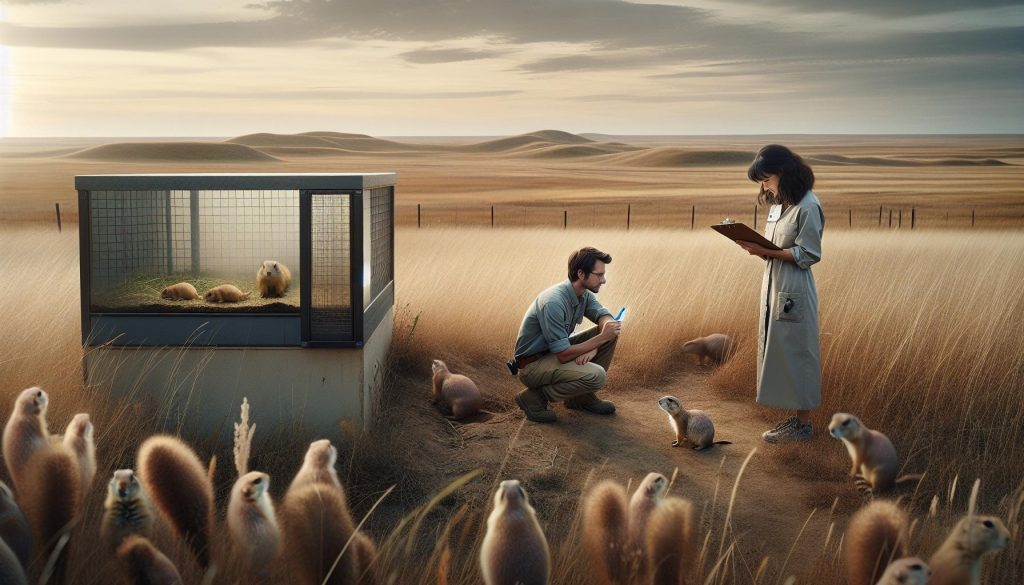
Did you know that prairie dogs are not just cute and quirky, but they also play a crucial role in their ecosystem? Understanding their lifespan offers insights into their behavior, habitat, and the challenges they face in the wild and captivity. Typically, prairie dogs live between three to five years in the wild, but with dedicated care, they can thrive for up to eight years in captivity. For wildlife enthusiasts and potential pet owners alike, knowing how long these fascinating creatures can live not only informs responsible ownership but also deepens our appreciation for their ecological significance. So, if you’ve ever wondered about their life stages or how to care for them, read on to uncover more delightful facts about prairie dog longevity and what factors influence their lifespans!
How Long Do Prairie Dogs Typically Live?
Typically, prairie dogs have a lifespan ranging from 3 to 5 years in the wild, although some individuals can live up to 8 years under optimal conditions. These social rodents, known for their complex burrows and communal living, face numerous threats in their natural habitat that can shorten their lives. Factors such as predation, diseases, and habitat destruction play significant roles in affecting their longevity.
In captivity, prairie dogs can live significantly longer, often exceeding 10 years, sometimes even reaching the age of 12. This increased lifespan in controlled environments can be attributed to better access to food, veterinary care, and protection from predators. However, maintaining their diet, social interactions, and environmental needs is crucial to ensure their health and longevity.
To enhance the lifespan of prairie dogs, it’s important to provide a balanced diet rich in fiber, along with opportunities for exercise and socializing. Understanding their natural behaviors and habitat requirements can also help in creating a suitable living environment, either in the wild or in captivity, ultimately contributing to their overall well-being and longevity.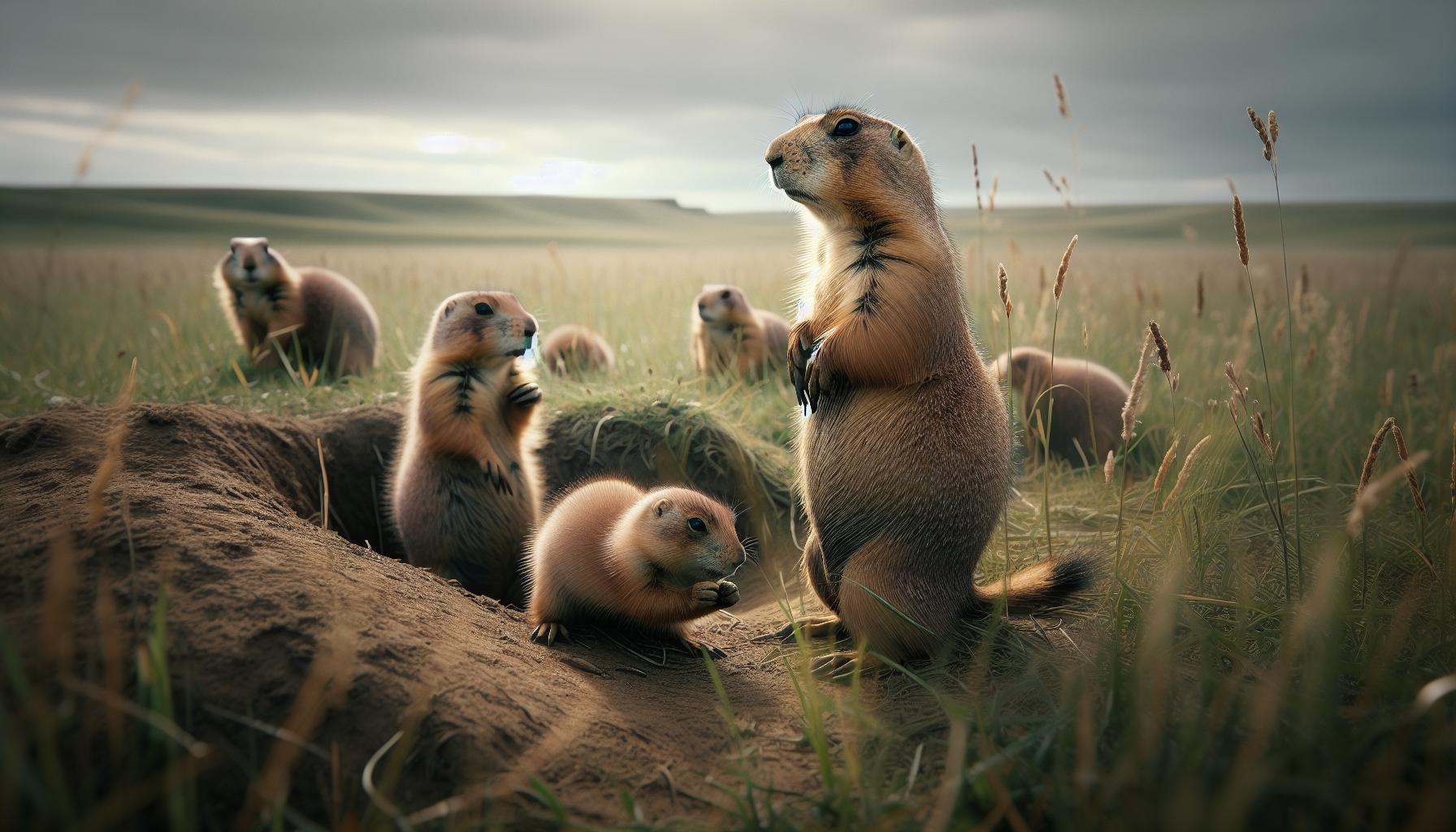
Lifespan of Prairie Dogs in the Wild
Prairie dogs are intriguing creatures, known for their vibrant social structures and the elaborate burrow systems they create. In the wild, their lifespan typically ranges from 3 to 5 years, but some lucky individuals can live up to 8 years, especially when environmental conditions are favorable. Their time in the wild can be a mix of excitement and peril, as their lives are continuously challenged by predation, disease, and environmental changes.
One of the primary factors impacting their longevity is predation. In the wild, prairie dogs face threats from a variety of predators, including hawks, coyotes, and domestic cats. These predators can significantly decrease the colony’s population, as the loss of just a few individuals can ripple through the group and affect social dynamics. Moreover, diseases such as plague can spread rapidly through prairie dog colonies, adding another layer of risk that affects their average lifespan.
Despite these challenges, prairie dogs are well-adapted to their environment. Their communal living situation creates a network of protection where they alert each other to danger with their characteristic alarm calls. This social structure not only supports their defense against predators but also plays a role in their reproductive success, as a stable group can provide more care for young prairie dogs.
Understanding the lifespan of prairie dogs involves appreciating the balance between their social behavior and the serious threats they face in their natural habitats. For wildlife enthusiasts, observing these lively animals in their burrows provides a glimpse into a complex world where survival is a daily challenge, and each day might offer a new opportunity for learning about nature’s resilience.
Factors Affecting Prairie Dog Lifespan
In the wild, prairie dogs face a multitude of challenges that can significantly impact their lifespan. One of the most evident factors influencing their longevity is predation. These social rodents are preyed upon by a wide array of animals including hawks, eagles, foxes, and coyotes. The constant threat from these predators forces prairie dogs to remain vigilant, impacting their daily activities and overall stress levels, which can ultimately shorten their lives.
Equally important are diseases that can sweep through prairie dog colonies, with bubonic plague being the most notorious. This disease is transmitted by fleas and can decimate entire populations in a very short time. Prairie dogs live in large colonies, so an outbreak can easily spread, leading to high mortality rates. Environmental factors, such as habitat quality and food availability, also play crucial roles. Adequate nutrition and a safe, stable habitat are vital for prairie dogs to thrive and reach their maximum lifespan.
The prairie dog’s social structure provides both advantages and disadvantages. Living in communities allows them to alert one another to danger, which enhances their survival chances. However, overcrowding can lead to increased competition for resources and can exacerbate the spread of disease. Social dynamics within the colony also affect individual health; animals that are isolated or experience social stress can have shorter lifespans.
Lastly, while wildlife poses numerous threats, the impact of human activities cannot be underestimated. Habitat destruction, agricultural practices, and recreational activities can lead to significant population declines, affecting not only the prairie dogs but the entire ecosystem they inhabit. Conservation efforts are crucial to maintaining genetic diversity and fostering environments where prairie dogs can thrive peacefully, allowing them a fighting chance at living out their full lifespans in the wild.
Comparing Lifespan: Wild vs. Captivity
In the wild, prairie dogs typically live around 3 to 5 years due to a variety of environmental pressures, including predation, disease, and habitat destruction. However, when these fascinating rodents are kept in captivity, their lifespans can increase significantly, often reaching up to 8 to 10 years or even more with proper care. This stark difference highlights not only the challenges prairie dogs face in their natural habitats but also the potential benefits of controlled environments.
One of the key reasons for the enhanced lifespan of prairie dogs in captivity is the consistent availability of food and water. In the wild, prairie dogs must constantly forage and compete for resources, which can lead to malnutrition and stress. In contrast, captive prairie dogs are provided balanced diets that meet their nutritional needs, typically including hay, fresh vegetables, and commercial rodent pellets. This ensures they can thrive without the constant threat of resource scarcity.
Additionally, captive prairie dogs are shielded from many of the dangers they face in the wild. Predation is virtually non-existent in captivity, reducing their stress levels and allowing them to lead more stable lives. Furthermore, veterinary care can address health issues that would otherwise go untreated in the wild. For instance, common ailments resulting from parasites or infections can be managed effectively, contributing to greater overall health and longevity.
However, it’s important to note the challenges of captivity as well. While they may live longer, prairie dogs require social interaction to maintain their mental health, as they are naturally social animals. A solitary prairie dog may suffer from stress and anxiety, impacting its quality of life. Therefore, if considering keeping prairie dogs as pets, it’s essential to house them in pairs or small groups and provide an environment that mimics their natural habitat as closely as possible.
In summary, while prairie dogs experience harsher realities in the wild, the right conditions in captivity can create a thriving environment that extends their lifespan significantly. Understanding these differences is crucial for both wildlife enthusiasts and potential pet owners who wish to provide the best care for these engaging creatures.
Health Issues Impacting Prairie Dog Longevity
Prairie dogs, with their delightful social behaviors and intricate burrow systems, face a range of health challenges that can significantly affect their longevity. While these charming rodents have adapted remarkably to their surroundings, they remain susceptible to various health issues, particularly in the wild where survival is a daily battle.
One of the most pressing threats to prairie dog health is the prevalence of parasites. Infestations from fleas, ticks, and intestinal worms are common and can lead to serious health complications if left untreated. In the wild, these parasites not only cause discomfort but also compromise the immune system, making prairie dogs more vulnerable to diseases. In captivity, regular veterinary check-ups and preventive treatments can mitigate these risks, allowing for a healthier life span.
Another critical health issue impacting prairie dog longevity is respiratory disease. In wild populations, this can stem from environmental stressors, like extreme weather and habitat degradation, which can weaken the animals’ overall health. Captive prairie dogs also face similar challenges, especially if kept in overcrowded or poorly ventilated environments. Conditions such as pneumonia can arise, making it essential for pet owners to provide ample space and fresh air, along with appropriate habitat management.
Diet is equally significant when considering the health of prairie dogs. In the wild, their diet fluctuates based on availability, which can lead to nutritional deficiencies. A balanced diet rich in fiber is crucial for maintaining digestive health and ensuring overall vitality. For those caring for prairie dogs in captivity, offering a variety of hay, fresh vegetables, and high-quality pellets can support robust health and help prevent dietary-related issues.
Regular social interaction is vital as well. Prairie dogs are inherently social creatures, and a lack of companionship can lead to stress-related health problems. Stress can weaken their immune system, making them more prone to various health issues. By providing companionship and stimulating environments, we can help these animals thrive, both physically and mentally.
In conclusion, addressing these health issues through proactive care can dramatically enhance the longevity of prairie dogs, whether in the wild or in captivity. Understanding these challenges not only enriches our knowledge of these fascinating creatures but also empowers us to create better environments that foster their well-being. Keeping prairie dogs healthy requires commitment and knowledge, but the reward is often a thriving companion or a deeply appreciated observation of wildlife resilience.
Diet and Nutrition: Boosting Lifespan
The diet of prairie dogs plays a crucial role in their longevity and overall health. These fascinating rodents are primarily herbivores, thriving on a diet rich in greens and fibers. In the wild, prairie dogs feast on grasses, seeds, roots, and even some flowers, which not only provides essential nutrients but also helps maintain their complex digestive systems. A diverse diet ensures that they receive the necessary vitamins and minerals to resist diseases and thrive in their colonies.
When considering prairie dogs in captivity, it is essential to replicate their natural diet as closely as possible. Offering a variety of fresh hay, such as timothy or oat hay, is vital for their digestive health. Fresh vegetables can supplement their intake, introducing crucial nutrients and moisture. Carrots, bell peppers, and leafy greens are excellent choices, providing vitamins A and C, which are essential for their immune function. Additionally, high-quality pellets specifically designed for rodents can ensure they receive a balanced diet, filled with the right nutrients. Avoid high-fat treats or processed foods, as these can lead to obesity and health issues.
Regularly monitoring their weight and health is key to adjusting their diet appropriately. Signs of nutritional deficiencies can manifest in various ways, from dull fur to decreased activity levels. Understanding the nutritional needs of prairie dogs allows caretakers to make informed decisions, helping to boost their lifespan significantly. For instance, ensuring they have access to clean, fresh water at all times is just as crucial as food, as proper hydration contributes to their overall well-being.
Incorporating beneficial dietary practices not only extends the life of prairie dogs but also enhances their quality of life. A well-fed prairie dog is more active, social, and less prone to stress-factors that are equally important in promoting longevity. By focusing on a balanced diet and being mindful of their nutritional needs, caregivers can foster healthier, thriving prairie dogs both in the wild and in captivity.
Environmental Factors Influencing Lifespan
Prairie dogs thrive in complex ecosystems that significantly influence their lifespan. These social rodents are native to North America’s grasslands, where their elaborate burrow systems provide not only shelter but also a bustling habitat teeming with life. Interestingly, the health of these environments plays a crucial role in determining how long prairie dogs live. In the wild, environmental factors such as predation, habitat quality, and disease exposure can all impact their longevity.
The structure of their colonies is key to their survival. Prairie dogs live in large groups called coteries, which offer protection against predators like hawks and coyotes. A healthy prairie dog town maintains a balance within its ecosystem, where each burrow contributes to the overall health and stability of the community. When their habitats are disturbed by human activities such as farming and urban development, prairie dog populations can decrease, making them more susceptible to disease and predation. Environmental changes can lead to overcrowding and stress, which negatively affects their health and lifespan.
Seasonal changes also play a role in prairie dog lifespans. In colder months, for instance, food sources become scarce, and prairie dogs must rely on their stored fats and rich diets to survive. A dry summer can lead to food shortages and increased competition among them. Furthermore, the availability of high-quality forage-grasses and plants rich in nutrients-can influence their overall health. In turn, this affects their ability to reproduce and maintain stable populations.
Lastly, the role of conservation cannot be underestimated. Protecting prairie dog habitats from degradation and ensuring their ecosystems remain healthy and supportive can significantly boost their chances of a longer, healthier life. Rehabilitating disturbed habitats and managing human interactions can create thriving environments where prairie dogs can flourish. By understanding and acting on these environmental factors, enthusiasts and caretakers can contribute positively to the longevity of these charming creatures.
Social Structure and Lifespan Correlation
Prairie dogs are not just adorable little rodents; they are also fascinating social creatures whose colony structure plays a crucial role in their longevity. Living in coteries, which can consist of as few as a couple to as many as a hundred animals, prairie dogs band together to form tight-knit communities. This social structure is integral to their survival, offering various benefits that can extend their lifespan significantly.
Within these colonies, prairie dogs communicate through a complex system of vocalizations that alert each other to danger, share information about food sources, and even convey warnings about predators. This social interaction not only fosters a supportive environment but also helps them manage stress and anxiety that can arise from their inherently risky existence in the wild. For example, when one prairie dog spots a hawk, it will emit a specific alarm call, prompting all members of the colony to take cover. This collective vigilance reduces individual risk and can lower the chance of predation-critical factors in lifespan.
Moreover, the presence of established social hierarchies within coteries aids in maintaining order, which can influence reproductive success and overall health. Dominant males typically secure breeding rights with multiple females, ensuring genetic diversity within the group and leading to healthier offspring that contribute to the colony’s sustainability. Healthier colonies are more resilient to disease, predation, and environmental pressures, further enhancing the chances of individual members living longer lives.
In addition to natural behaviors, the role of social bonds cannot be underestimated. Prairie dogs exhibit grooming behaviors and physical closeness, which strengthens relationships and promotes a sense of security among the group. Ultimately, healthy relationships and social interactions contribute to lower stress levels and, over time, may positively affect the lifespan of these charming social rodents. By understanding the intricate social dynamics of prairie dogs, we can better appreciate how their community life impacts their survival and longevity in both wild and controlled environments.
Common Misconceptions About Prairie Dog Lifespan
Many people underestimate how long prairie dogs can live, often assuming that these small, social rodents have a lifespan that mirrors that of other common pets like hamsters or guinea pigs. While prairie dogs are indeed short-lived compared to some species, there are common misconceptions surrounding their longevity. For instance, some believe that all prairie dog species have the same lifespan, while others might think they only live for a few years due to the dangers they face in the wild.
In reality, the lifespan of prairie dogs varies significantly, not just by species but also between wild and captive environments. In the wild, prairie dogs typically live around 3-5 years, but they can occasionally reach up to 8 years depending on environmental conditions and predation risks [1]. In contrast, prairie dogs in captivity may often fall victim to stressing conditions that limit their lifespan. While proper care and environment can extend their lives, it’s not uncommon for them to live only 8-10 years in captivity due to health issues and dietary concerns [3].
Another misconception is that prairie dogs are solitary animals. This myth can lead to incomplete understandings of their needs and lifestyles. In truth, they thrive on social interaction within their communities, which greatly influences their overall health and longevity. The social structures they engage in have shown to provide support that can extend their lives, making the social environment as critical to their health as their physical habitat. Awareness of this complex need for community can actually help potential owners provide better care, making them more responsible in an attempt to successfully integrate prairie dogs into their homes.
Correcting these misunderstandings not only promotes a deeper appreciation for prairie dogs but helps ensure that those who choose to keep them as pets provide an environment that supports their natural behaviors and social needs. This knowledge enhances both the human-animal bond and the welfare of these fascinating creatures, enabling them to thrive in both natural and domestic settings.
How to Care for Prairie Dogs for Longer Life
Prairie dogs are small, social creatures that thrive on interaction and a well-maintained environment. To ensure these fascinating rodents enjoy a long, healthy life, it’s crucial to understand their unique needs. From habitat to dietary considerations, every aspect of care contributes to their longevity. With proper attention and knowledge, prairie dog owners can significantly enhance their pets’ quality of life while promoting good health.
One of the most critical elements in caring for prairie dogs is providing a spacious and enriched habitat. They are natural diggers and enjoy burrowing, so a cage with multiple levels and tunnels will keep them engaged. A substrate such as care fresh or aspen shavings mimics their natural environment and allows for digging. Additionally, incorporating safe chew toys and hiding spots can alleviate boredom and promote mental stimulation. Regular cleaning of their living space is essential to prevent disease and maintain a healthy atmosphere.
Diet plays a pivotal role in the health of prairie dogs. A balanced diet should consist of high-quality grass hay, fresh vegetables, and a limited amount of commercial pellets designed for herbivores. Avoid sugary treats and foods high in starch, as these can lead to obesity and other health issues. Make sure to provide fresh water at all times, as hydration is vital for their overall well-being. Adding fiber-rich snacks like dried flowers or leaves can also promote healthy digestion.
Social structure is a significant component when caring for prairie dogs. They are highly social animals that thrive on companionship, so ideally, consider keeping more than one to prevent loneliness. However, if housing multiple prairie dogs, introduce them gradually to ensure compatibility. Observe their behavior closely; signs of stress or aggression can indicate the need for separate housing. When cared for in a social setting, prairie dogs not only feel secure but also enjoy more active, enriching lives.
Awareness of health issues common to prairie dogs is necessary for proactive management. Routine veterinary check-ups, vaccinations, and maintaining a clean environment can prevent many ailments. It’s also beneficial to keep an eye on their weight and activity level, as changes may indicate underlying health problems. Providing adequate exercise, through playtime outside the cage and interaction with their human companions, can enhance their physical and mental health.
By embracing these care guidelines, prairie dog owners can nurture healthier and happier pets. Observing your prairie dog’s behaviors, needs, and preferences will help create a fulfilling environment that fosters a longer lifespan and enhances their natural disposition. Remember, investing time and effort into their care is rewarding; it strengthens the bond you share and celebrates the wonderful quirks that make prairie dogs such unique companions.
Fun Facts About Prairie Dog Lifespan
Did you know that prairie dogs communicate through a complex system of vocalizations, including distinct sounds for different predators? This remarkable social structure doesn’t just aid in survival; it also ties into their lifespan, which can vary quite a bit depending on their environment. In the wild, prairie dogs live around 3 to 5 years, while in captivity, they can thrive for 8 to 10 years or even longer with proper care.
One fascinating aspect of prairie dog longevity is their social nature. Living in colonies, prairie dogs benefit from community vigilance, where members take turns standing guard. This teamwork helps keep them safe from predators, indirectly influencing their overall lifespan. The more vigilant and cohesive a colony, the better the chances of survival.
Additionally, the care provided by their human companions can significantly impact a prairie dog’s life expectancy. Owners who are attentive to diet, habitat enrichment, and social interactions can help their prairie dogs lead longer, healthier lives. A well-balanced diet rich in fiber-think high-quality grass hay, fresh veggies, and occasional treats-can not only prevent obesity but enhance their immune systems, making them less susceptible to diseases that could shorten their lives.
Moreover, prairie dogs exhibit a remarkable ability to adapt to their environments. When kept in a clean, stimulating space with plenty of opportunities to burrow and play, they not only thrive physically but also enjoy a fulfilling psychological life. This adaptability highlights the critical role of proper home care and the importance of understanding their natural behaviors to maximize their longevity. A well-maintained habitat, combined with social interaction and nutritious food, can transform the lifespan of these charming rodents.
The Role of Conservation in Prairie Dog Lifespan
Conservation plays a pivotal role in the lifespan of prairie dogs, influencing both their survival rates in the wild and their well-being in captivity. These social creatures thrive in large colonies, which provide safety in numbers against predators and help maintain a healthy population. Effective conservation practices, including habitat preservation and restoration, directly impact their longevity by ensuring that prairie dogs have enough space and the right resources to flourish.
The decline of prairie dog populations due to habitat destruction and urban development poses a significant threat to their survival. When their habitats are compromised, the social structure of colonies can be disrupted, leading to reduced genetic diversity and increased vulnerability to disease. Conservation initiatives that focus on protecting prairie dog ecosystems ensure that these critters can continue to live in the complex social environments they rely on, where vigilant colony members can watch for threats.
Moreover, conservation efforts often involve education and community engagement. By raising awareness about the ecological importance of prairie dogs-often called a keystone species-their role in promoting biodiversity and maintaining grassland ecosystems becomes clearer. This education fosters a sense of responsibility among local communities, encouraging them to participate in conservation projects, such as creating awareness about human-prairie dog coexistence. For example, programs that promote coexistence strategies can reduce conflicts between prairie dogs and agricultural interests, ultimately aiding in their preservation.
In captivity, conservation efforts translate into better care practices. Understanding the specific needs of prairie dogs, such as appropriate diet, space for burrowing, and social interaction, enhances their quality of life. This knowledge, derived from conservation research, leads to practices that can double their lifespan, enabling them to thrive for 8 to 10 years or more. Through informed care and conservation strategies, we can enhance the longevity and quality of life for these fascinating creatures, ensuring that future generations will enjoy watching the lively antics of prairie dogs in both the wild and in human care.
Q&A
Q: How do prairie dogs communicate about danger?
A: Prairie dogs use a complex system of vocalizations to alert others about predators. They have specific calls for different types of threats, indicating whether the danger is from above (like birds) or on the ground (such as coyotes). Understanding these signals is crucial for their survival.
Q: What is the average lifespan of a prairie dog in captivity?
A: In captivity, prairie dogs can live between 8 to 12 years, significantly longer than their wild counterparts. This extended lifespan is often due to better nutrition, absence of predators, and regular veterinary care.
Q: What environmental factors can shorten a prairie dog’s life?
A: Prairie dogs face dangers from extreme weather, habitat destruction, and pollution. Harsh winters can reduce their lifespan significantly. Ensuring a stable, safe environment can help improve their longevity, especially in captivity.
Q: How does the social structure of prairie dogs affect their lifespan?
A: Prairie dogs live in complex social groups called coteries, which provide safety in numbers. Social interaction can enhance their wellbeing, reducing stress and promoting a longer life. Healthy social dynamics are crucial for their mental and physical health.
Q: What health issues commonly affect prairie dogs?
A: Common health issues for prairie dogs include respiratory diseases, dental problems, and injuries from fights or accidents. Regular veterinary check-ups and a proper diet can prevent these health issues, leading to a longer lifespan.
Q: Can you keep prairie dogs as pets, and what is involved in their care?
A: Yes, prairie dogs can be kept as pets, but they require a dedicated environment with space to dig and play. Proper diet, social interaction, and exercise are essential for their health. Invest in a large, secure enclosure that replicates their natural habitat.
Q: How does diet influence the lifespan of a prairie dog?
A: A balanced diet rich in fiber, such as hay and fresh vegetables, is vital for a prairie dog’s health. Proper nutrition helps prevent obesity and digestive issues, contributing to a longer, healthier life, both in the wild and in captivity.
Q: What are some fun facts about prairie dog lifespans?
A: Did you know that prairie dogs can adapt their lifespans based on their environment? In predator-rich areas, they may live shorter lives due to constant threats, while in more secure habitats, they can thrive for many years. Their social behaviors also play a role in longevity.
The Way Forward
Understanding the lifespan of prairie dogs both in the wild and in captivity reveals just how fascinating these creatures truly are. With lifespans that can vary significantly based on their environment, knowing how to care for them or even the importance of their roles in the ecosystem can deepen your appreciation for these social animals. If you’re eager to dive deeper, explore our articles on prairie dog habitats and behavior to gain more insights into their world.
To stay updated with our latest wildlife content, consider signing up for our newsletter. Your journey into the captivating world of prairie dogs doesn’t have to end here-join the conversation in the comments below or share your thoughts. Whether you’re an avid wildlife enthusiast or just starting your exploration, there’s always more to learn and discover. Keep exploring, and who knows what fascinating facts you’ll uncover next!
Get our latest guides, news, and insights highlighted in your Google Search & AI Overviews.










