

Did you know that prairie dogs, those charming little rodents often found in the American plains, don’t actually hibernate in the traditional sense? Instead, they enter a state of winter dormancy to survive the harsh cold months. Understanding how long this process lasts and the factors that trigger it not only highlights their remarkable adaptability but also sheds light on their role in the ecosystem. As you delve into the fascinating world of these social creatures, you’ll learn about their behavioral adaptations, social structures, and how their winter strategies impact the environment around them. Curious about how these little critters thrive in winter, and what it means for their communities? Join us as we explore the dormancy habits of prairie dogs and uncover the science behind their seasonal rhythms.
Understanding Prairie Dog Hibernation Patterns
Understanding how prairie dogs cope with harsh winter conditions is a fascinating glimpse into their adaptability. Unlike true hibernators, prairie dogs enter a state called “torpor,” which is a lighter form of dormancy. During the colder months, they retreat into their burrows, where they slow their metabolism significantly to conserve energy. This period of dormancy is marked by reduced activity and less frequent feeding, helping them survive when food is scarce.
The duration of this dormancy can vary, often lasting for several weeks to months depending on environmental conditions. Factors such as temperature, food availability, and even the presence of predators can influence how long prairie dogs remain inactive. During extremely cold spells, they may become almost entirely inactive, relying on fat reserves stored in their bodies from the summer’s abundant foraging. They will occasionally awaken to eat stored food or to engage in social interactions within their colonies, as prairie dogs are known for their strong social structures.
In preparation for dormancy, prairie dogs engage in a behavior known as “caching,” where they gather and store food in their burrows. This behavior is crucial as it not only provides sustenance during periods of inactivity but also helps them maintain social bonds within their communities. Keeping an eye on local climate conditions is essential for those interested in observing prairie dog behavior; warmer winters may lead to less dormancy, allowing more opportunities for interaction and feeding above ground.
The Science Behind Winter Dormancy
When winter sets in and the temperature drops, the survival strategies of prairie dogs come to the forefront, revealing the intricate balance of life in harsh conditions. While many animals enter a deep hibernation, prairie dogs display a fascinating adaptation through a process called torpor, a lighter form of dormancy. Unlike true hibernators, which can shut down their bodily systems for extended periods, prairie dogs periodically awaken during cold spells to eat stored food and socialize with colony mates. This behavior underscores the importance of community in their survival tactics.
Torpor allows prairie dogs to lower their metabolic rate and conserve energy when food sources are scarce. Their burrows, often complex networks of tunnels, provide not only shelter from the weather but also a safe haven where they can engage in caching-storing food for leaner times. Interestingly, prairie dogs may enter and exit this state multiple times throughout the winter, responding to external conditions. For instance, during warmer spells, they might emerge more frequently, leading to increased activity above ground. This adaptability is crucial as it enables them to take advantage of any available food, thus ensuring their colonies are well-fed during the colder months.
In addition to environmental factors, social dynamics play a significant role in prairie dog dormancy. Members of the colony often stay close together within their burrows, sharing warmth and reinforcing social bonds. This proximity not only helps them survive the winter chill but also facilitates communication, which can be vital when threats from predators loom. Monitoring these social interactions can provide insights into their well-being during dormancy. As the seasons change and temperatures fluctuate, prairie dogs showcase their resilience and innovative strategies for thriving in a challenging environment, reminding us of the delicate interplay between species and their habitats.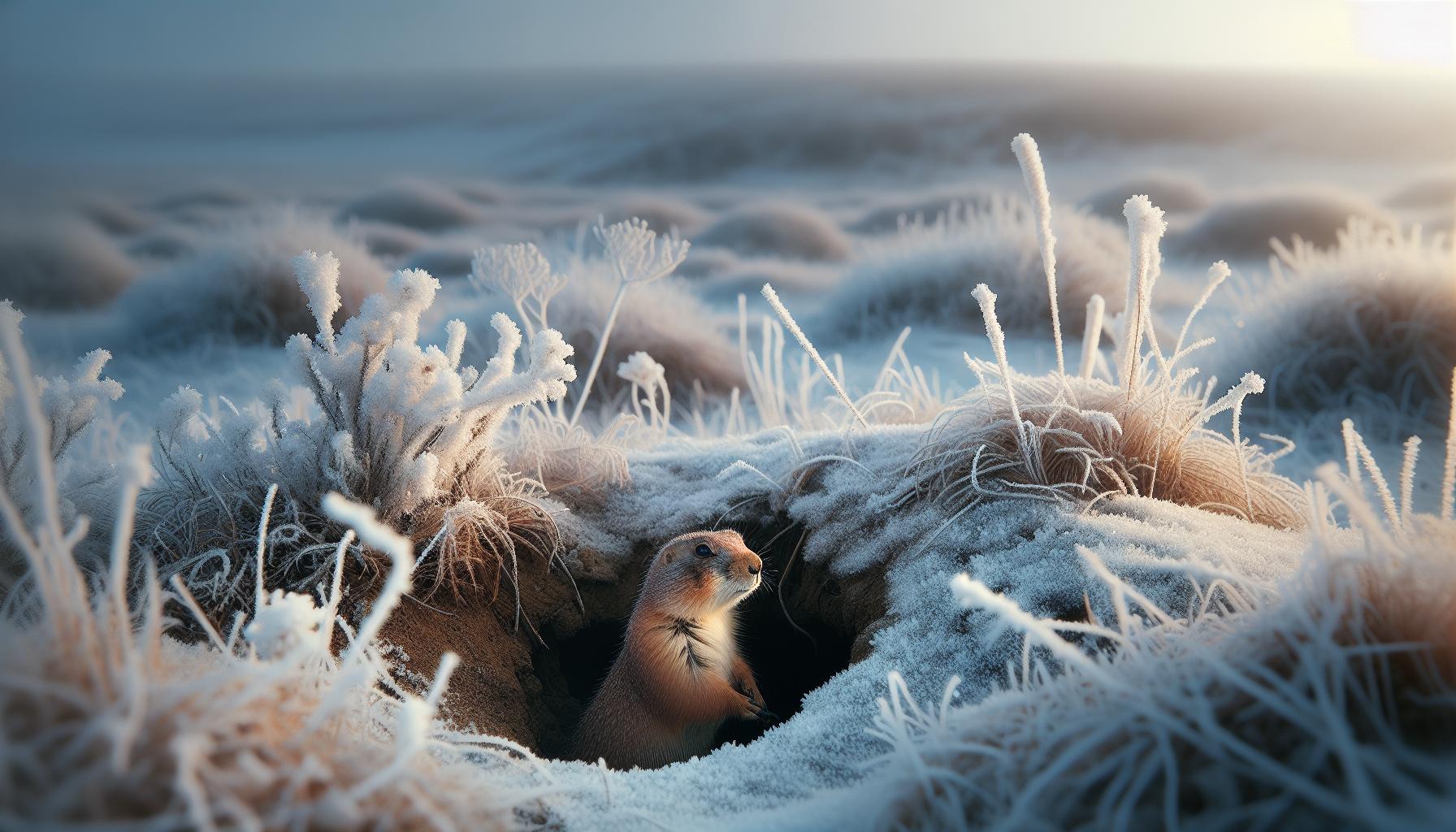
Do Prairie Dogs Truly Hibernate?
Contrary to what one might assume about small mammals living in harsh environments, prairie dogs do not truly hibernate in the classic sense. Instead, they engage in a fascinating behavior known as torpor, which allows them to survive frigid winters without the full shutdown of bodily functions seen in true hibernators. This adaptation is essential for their survival amid the extreme temperature fluctuations of their native habitats, primarily in the plains of North America.
During winter, prairie dogs enter periods of torpor-short-term bouts of decreased metabolic activity where they slow down their heart rate and breathing. However, unlike true hibernators, they do not remain in this state continuously; instead, they periodically awaken to forage on stored food, socialize within their colonies, and maintain social bonds crucial for their survival. This behavior showcases their remarkable ability to adapt to their environment and their reliance on social structures for warmth and security during colder months.
One key factor driving prairie dogs’ use of torpor is the availability of food. In harsh winters when resources are scarce, they tend to go into torpor more frequently. This cyclical pattern of activity and dormancy enables them to conserve energy while also capitalizing on warmer days to venture out of their burrows when conditions allow. Furthermore, their burrows-elaborately constructed and extensive-provide an insulated refuge from the biting cold, making them not just shelters but lifelines during the tough winter months.
Understanding this unique dormancy pattern is vital, especially for those who might keep prairie dogs as pets. Owners need to recognize the signs of torpor, ensuring their pets have enough stored food and are safe, promoting their health and well-being through the winter. By recognizing the differences between true hibernation and torpor, wildlife enthusiasts and pet owners alike can appreciate the extraordinary survival strategies of prairie dogs and contribute to their ongoing conservation.
Key Differences Between Hibernation and Torpor
While it may be tempting to lump all winter survival strategies into a single category, the differences between true hibernation and torpor are quite significant, especially when it comes to prairie dogs. Unlike creatures that hibernate for extended periods, only to emerge when spring thaw begins, prairie dogs have adapted a more flexible approach to surviving harsh winters. Understanding these differences can provide important insights into their behavior and needs, particularly for owners and wildlife enthusiasts.
Hibernation is a state of prolonged dormancy typically seen in animals like bears and ground squirrels, where physiological changes drastically slow down metabolic processes. During hibernation, an animal’s heart rate and respiration drop significantly, and body temperature decreases, often resulting in a near-complete metabolic shutdown. These animals enter a deep sleep, often for weeks or months, depending on species and environmental conditions, depending on the fat reserves they have stored beforehand.
In contrast, prairie dogs experience torpor, a much lighter form of dormancy characterized by brief periods of inactivity rather than continuous deep hibernation. In torpor, these social rodents can lower their metabolic rate and body temperature, but not to the extremes seen in true hibernators. Instead, they can wake up periodically to forage on their stored food, engage in social interactions, or take advantage of warmer winter days. This ability to “wake up” means that prairie dogs have more adaptability and can respond quickly to changing environmental factors, which is particularly critical during winter months when the availability of food sources can vary greatly.
Overall, while both strategies are vital to survival in cold climates, the key differences lay in the duration and depth of inactivity. Prairie dogs’ use of torpor allows them to maintain social structures and forage when conditions permit, showcasing their remarkable adaptability and the intricate balance of their behaviors in response to environmental challenges. For those caring for prairie dogs, recognizing these differences is essential in providing for their well-being, particularly ensuring that they have ample food and safe environments as they cycle through periods of torpor during the winter months.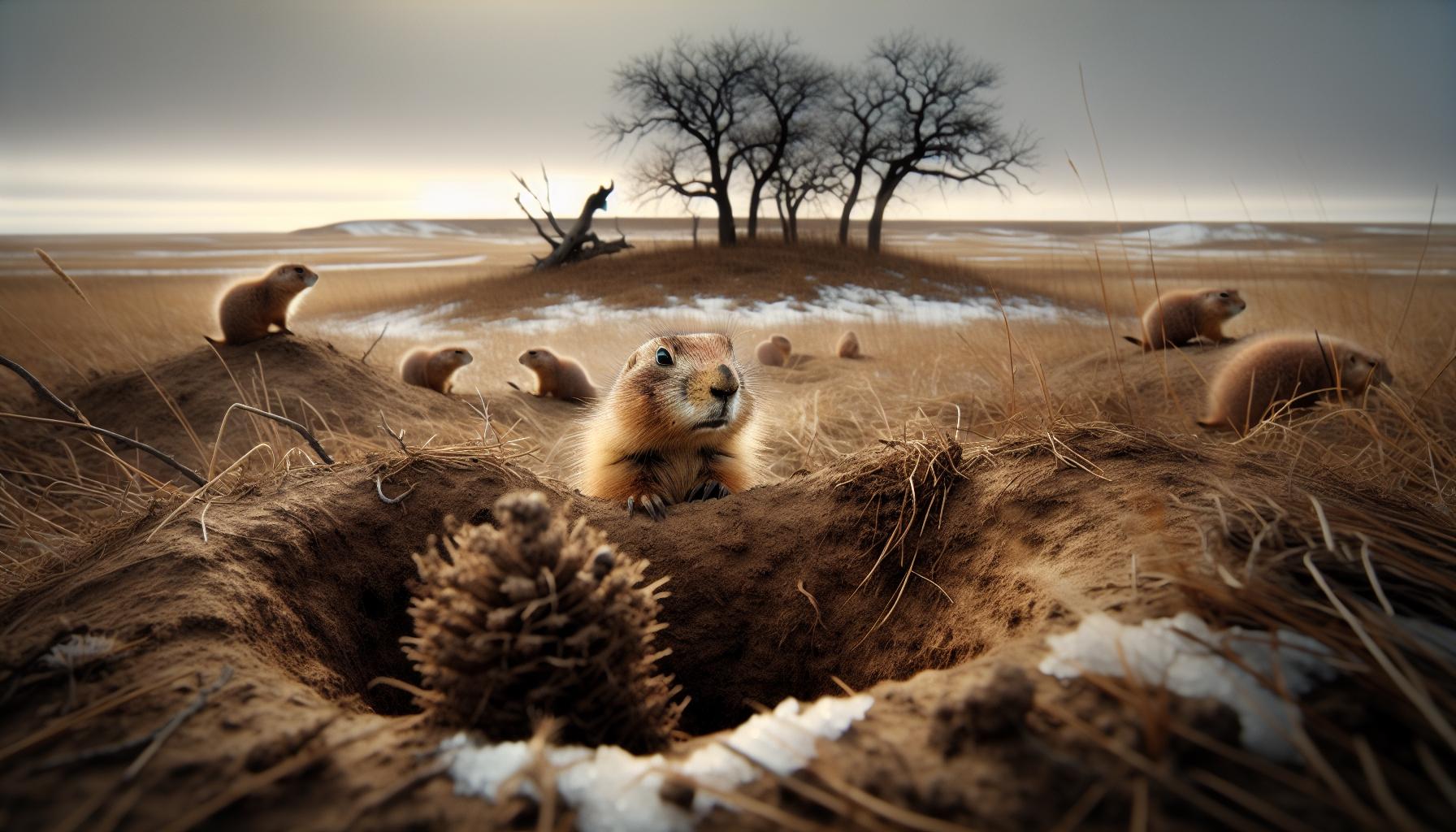
Factors Influencing Prairie Dog Dormancy
Understanding what influences the dormancy of prairie dogs is key to appreciating their behavior and survival strategies. Several factors come into play, including environmental conditions, social dynamics, and food availability, each shaping how these furry critters navigate the challenges of winter.
Temperature is one of the most significant contributors to dormancy. As the cold sets in, prairie dogs are more likely to enter torpor, a state of reduced metabolic activity. During particularly cold periods, they tend to retreat into their burrows, where they can control their body temperature more effectively. Conversely, on warmer days, they might venture out, foraging for food and even socializing with their peers. This adaptability highlights their ability to respond to short-term weather changes, making it vital for their survival.
Social structure also plays a role in the dormancy patterns of prairie dogs. Living in colonies, these social animals often rely on one another for warmth and protection. If the colony is healthy and food is plentiful, they may spend less time in dormancy, allowing for communal foraging. In contrast, if food is scarce or the colony is under stress due to disease or predation, they may enter torpor more frequently to conserve energy.
Food availability profoundly impacts how long prairie dogs remain dormant. They gather and store food in preparation for winter, but their access to these supplies can fluctuate. When temperatures drop and food becomes limited, they may depend on their stored provisions, leading to longer periods of inactivity. The interplay of these different factors showcases the intricate balance prairie dogs must maintain to endure harsh winter months, emphasizing the importance of understanding their habitat and behavior for both wildlife enthusiasts and pet owners alike.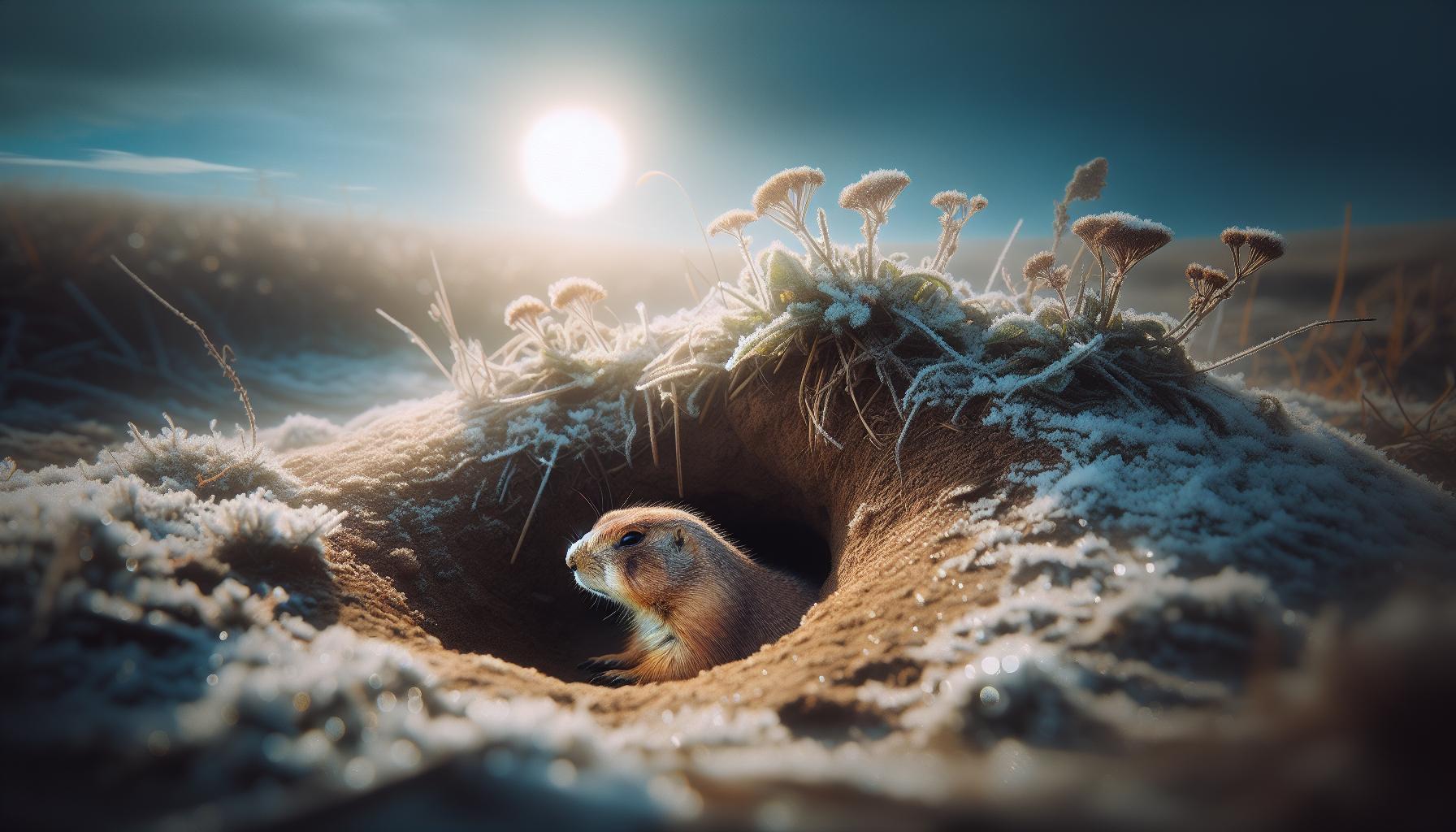
How Long Do Prairie Dogs Stay Dormant?
As winter descends, prairie dogs navigate the chill by entering periods of dormancy, often referred to as torpor. Unlike true hibernators, these clever little rodents don’t remain dormant for the entire winter. Instead, their dormancy is influenced by a combination of environmental conditions, food availability, and social dynamics. Typically, prairie dogs will spend several days to weeks in dormancy during the harshest cold spells, often emerging on warmer days to forage or socialize.
The duration of dormancy can fluctuate widely based on the severity of the winter and the specific colony’s situation. During particularly frigid stretches, prairie dogs might enter torpor for up to a week at a time, retreating to their burrows where they can conserve energy and maintain a stable body temperature. Conversely, milder days might see them venturing out to nibble on stored food or engage with colony mates, promoting social interactions that are vital for their well-being.
Factors Affecting Duration of Dormancy
- Temperature: Colder temperatures prompt longer dormancy periods as these animals seek warmth.
- Food Availability: A well-stocked larder encourages activity, while food scarcity leads to extended torpor.
- Colony Health: A thriving colony often minimizes dormancy; however, stressors from disease or predation can increase it.
In summary, while prairie dogs do not hibernate in the traditional sense, they instead engage in periodic dormancy aligned with their needs and environmental factors. Understanding these patterns can enhance our appreciation for these remarkable creatures and aid in their conservation, ensuring they continue to thrive through harsh winters and beyond.
What Happens During Dormancy Periods?
During periods of dormancy, prairie dogs enter a unique phase that allows them to conserve energy amid the harsh winter conditions. While not true hibernators, they experience a state reminiscent of torpor, where their metabolic rates significantly decrease. This adaptation is crucial for their survival, as it helps them cope with food scarcity and extreme temperatures. You might imagine them nestled in their burrows, snuggled together, sharing warmth and minimizing individual energy expenditure during the coldest spells.
As these pocket-sized prairie dwellers retreat to their underground homes, their bodies slow down; body temperatures drop slightly, and heart rates decrease. This physiological response reduces their need for food, enabling them to survive longer on their fat reserves. They remain alert to environmental changes, allowing them to detect warmer days when they might venture out to forage or socialize briefly. Interestingly, prairie dogs will often emerge in small groups on milder days, displaying social behaviors that reinforce colony bonds, which are vital for their survival throughout the winter.
In addition to conserving energy, dormancy serves another important purpose: it minimizes exposure to predators. Staying hidden during extreme cold helps these social rodents dodge threats that are more active in harsher conditions. However, these dormancy periods aren’t entirely devoid of activity. Prairie dogs may occasionally wake to groom, eat stored food, or even communicate with their colony mates through a series of chirps and calls, which reinforces their social structure and keeps them connected even during these lengthy breaks from regular activity.
Ultimately, understanding what happens during dormancy not only highlights the prairie dog’s remarkable adaptability but also emphasizes the importance of maintaining healthy habitats. As these creatures rely on their burrow systems to navigate their winter rhythms, conservation efforts aimed at preserving their environments are essential to support their unique lifestyles through changing climates and human impacts.
Signs That Your Prairie Dog is in Dormancy
As temperatures drop and snow begins to blanket the ground, many wildlife enthusiasts wonder how prairie dogs cope with the harsh winter months. Observing signs that your prairie dog has entered a state of dormancy is crucial for understanding their well-being during this period. Though these fascinating creatures do not truly hibernate, they exhibit specific behaviors that indicate they are entering a phase of reduced activity and energy conservation.
One of the primary is a noticeable decrease in activity. Instead of the usual playful antics and social interactions, you may find your pet spending long stretches in its burrow or nest area. During this time, their movement becomes minimal as they conserve energy. You might also notice that they are less responsive to stimuli, such as the rustling of food or the presence of family members. It’s essential to provide a quiet and comfortable environment, allowing your prairie dog to rest without unnecessary interruptions.
Another indicator is their altered eating habits. Prairie dogs often rely on stored food to sustain themselves during dormancy. If your prairie dog isn’t eagerly devouring its regular meals but instead nibbles sparingly on stored snacks, this is a natural symptom of their energy-saving mode. It’s helpful to ensure that they have access to a selection of fresh hay and other treats that can sustain them through these inactive periods. You may also notice that they tend to groom themselves less often, prioritizing energy conservation over self-care during deep dormancy phases.
You can also look for changes in body temperature and heart rate. While it’s challenging to monitor these factors at home, a lethargic prairie dog with a lower heart rate is typically a sign of dormancy. They may curl up tightly in their nesting area, often appearing almost like a ball. This posture helps them retain warmth and energy. If you’re ever concerned, a recovery or observation period on milder days can reveal more about their normal behavior patterns.
Lastly, social behaviors can provide insight into their dormancy state. Although prairie dogs become less active, they may still engage in occasional communication through chirps and calls when the weather allows. If your prairie dog communicates with its companions, even in brief intervals, it signifies that they are still aware of their environment and maintaining contact with their social structure.
By being attuned to these signs, you can ensure that your prairie dog remains comfortable and safe during its winter dormancy, ultimately enhancing their health and happiness during these quieter months. As a caring owner, understanding these behaviors reinforces your responsibility to provide a nurturing habitat that aligns with their natural instincts.
Impacts of Climate on Prairie Dog Behavior
As the frosty grip of winter descends, prairie dogs and their behavior can reveal just how deeply intertwined their lives are with climate conditions. These social rodents, native to North America, are not only fascinating for their complex burrow systems but also for their adaptive responses to seasonal changes. During colder months, their activity levels fluctuate dramatically, largely influenced by weather patterns. When temperatures drop, prairie dogs enter a stage of dormancy characterized by reduced movement, less social interaction, and significant energy conservation.
One of the most notable is the reliance on stored food. As winter approaches, prairie dogs gather and cache food items, ensuring they have a sufficient supply for times when foraging becomes difficult or impossible. This behavior is crucial since snow and ice can blanket the ground, making it tough for these animals to reach their usual food sources. Prairie dogs will often retreat into their burrows, where they rely on these reserves, further illustrating their ability to adapt to environmental challenges. Providing a variety of fresh hay and treats before the winter can help pet prairie dogs mimic this natural behavior, allowing you to support their dietary needs during the dormant phase.
Temperature also plays a pivotal role in how active prairie dogs are during winter. On milder days, you might observe your prairie dog venturing out briefly, attending to necessary activities like nibbling on stored food or socializing with companion animals. Conversely, during extreme cold snaps, they remain deep within their burrows, keeping warm and conserving energy. Owners can create a welcoming environment by ensuring the habitat maintains a suitable temperature, helping to keep your prairie dog comfortable during these colder stretches.
Furthermore, climate affects prairie dog colonies as a whole. A direct result of climate change is the altering of their habitats, which can lead to shifts in social dynamics within colonies. Too much moisture can flood burrows, while excessive drought can strip away food resources, leading to increased stress within groups. By understanding these dynamics, not only can you ensure the well-being of your prairie dog, but you can also appreciate the broader ecological impacts on these remarkable creatures.
Overall, the intertwining of prairie dog behavior with the climate showcases their resilience and adaptability, offering a glimpse into the broader challenges wildlife faces in a changing environment. As a responsible owner, being aware of these influences can help you create a supportive habitat that respects their natural instincts and promotes their health through the long winter months.
Care Tips for Owners: Managing Winter Dormancy
As winter settles in, prairie dogs exhibit fascinating behaviors tied to their seasonal dormancy, and understanding how to manage this phase can greatly enhance their well-being. Unlike true hibernators, prairie dogs enter a state of dormancy primarily influenced by temperature and food availability, making it crucial for owners to mimic their natural conditions. Ensuring they have a cozy, secure environment helps them feel safe and encourages healthy habits during this quieter time.
To support their dietary needs, owners should focus on stocking up on nutritious food before winter hits. Prairie dogs naturally cache food, so providing high-quality hay, fresh vegetables, and safe treats in their habitat will allow them to maintain their energy reserves. Monitoring food levels and replenishing their supplies regularly ensures that your pet has enough to sustain them during periods of reduced activity. Remember, variety is key-offering different types of food can make their diet more enjoyable and satisfying.
Temperature regulation plays a pivotal role in your prairie dog’s comfort during winter dormancy. Aim to keep their living space at a consistent, moderate temperature. A cooler, stable environment mimics their natural conditions, whereas sudden fluctuations can cause unnecessary stress. Providing plenty of bedding material like hay or shredded paper allows them to burrow in comfortably, helping maintain their body heat. On particularly cold days, consider providing extra heat sources, such as a heat mat under part of their habitat, to help them stay warm.
Social creatures by nature, prairie dogs can still benefit from gentle interaction during winter. While they may retreat into their burrows more often, try to spend a few minutes each day engaging with them on mild days or during shorter dormancy periods. This not only keeps their spirits up but can also strengthen your bond. Being aware of your prairie dog’s personality and preferences allows you to adjust your interactions accordingly, ensuring they feel secure even during their quieter months.
By anticipating their needs and adjusting the environment, you can help your prairie dog navigate winter dormancy with ease, ensuring a healthy and happy life as they recharge for the active months ahead.
Conservation Status: Why Hibernate Matters for Prairie Dogs
As the cold winds of winter approach, the fate of many species, including prairie dogs, seems to hinge on an intricate balance of behaviors and environmental conditions. While prairie dogs don’t hibernate in the traditional sense, their dormancy patterns are crucial for their survival and the overall health of their ecosystems. Understanding why this dormancy matters not only helps us appreciate these fascinating creatures but also highlights the importance of their conservation in a rapidly changing environment.
During dormancy, prairie dogs reduce their metabolic rates and activity levels to conserve energy, primarily due to decreased food availability and harsher weather conditions. This behavior plays a vital role in regulating their populations and supporting their unique social structures. Prairie dogs live in colonies, called coteries, and their winter dormancy allows them to save energy while maintaining the necessary social bonds that are critical for raising young and defending their territories. In this way, their winter patterns are a savvy survival strategy that also fosters community.
Moreover, the impact of prairie dogs extends beyond their immediate colonies. They are considered a keystone species in grassland ecosystems, as their burrowing behavior promotes a diverse range of plant and animal life. They help aerate the soil, manage vegetation growth, and create habitats for other wildlife, such as burrowing owls and foxes. Protecting prairie dog populations ensures that these essential ecosystem services continue, illustrating the interconnectedness of species and their environments.
Unfortunately, habitat loss and climate change pose significant threats to prairie dogs and their dormancy behaviors. As natural grasslands are converted into urban or agricultural spaces, prairie dog colonies are fragmented, making it challenging for them to find suitable habitats for winter dormancy. Conservation efforts aimed at preserving their habitats and understanding their ecological roles are imperative not only for prairie dogs but for the sustainability of the ecosystems they support. Engaging in local conservation projects or advocating for habitat protection can contribute positively to the lives of these remarkable animals and the health of their habitats.
In essence, the winter dormancy of prairie dogs is not merely a biological necessity; it is a vital component of their life cycle that underscores the importance of conservation. By ensuring that these small yet significant creatures thrive, we take vital steps towards preserving the rich diversity of our natural world. So, whether you’re a seasoned wildlife enthusiast or just beginning to explore the wonders of nature, fostering a deeper understanding of prairie dog behavior can inspire responsible stewardship of our ecosystems and the enchanting lives within them.
Fun Facts About Prairie Dogs and Their Unique Sleep Habits
While many are familiar with the concept of hibernation in animals, prairie dogs offer a fascinating twist on this phenomenon. Unlike true hibernators, these social mammals enter a state of dormancy that resembles torpor, characterized by a significant drop in metabolism and activity levels. Prairie dogs typically seek shelter in their elaborate burrow systems to survive the harsher winter months, retreating from the cold and reducing their foraging, which is essential given the limited food supply during this time.
One intriguing aspect of prairie dog dormancy is their social behavior. These animals live in tightly-knit communities called coteries, and their winter dormancy doesn’t mean isolation. In fact, it promotes communal living, as they often huddle together for warmth. This social structure not only aids in conserving body heat but also ensures they maintain strong social ties crucial for breeding and territory defense during the active months.
Regarding sleep, prairie dogs exhibit unique sleeping patterns, often taking short naps throughout the day. They can be quite the chatterboxes during these wakeful hours, using a variety of sounds to communicate with one another about the presence of predators or other dangers. Their keen sense of hearing allows them to detect subtle changes in their environment, keeping them alert even in their most relaxed states. Furthermore, a study of prairie dog behavior indicates that they may have distinct sleeping areas within their burrows, where they feel safest during their rest periods.
For those interested in observing these delightful creatures, the winter months provide a quieter opportunity to learn about their habits. While they may not be as active, understanding their dormancy and social interactions offers a glimpse into how these keystone species contribute to their ecosystems. Enjoying the delicate balance of prairie dog life reminds us of the intricacies of nature and highlights the importance of conservation efforts to support these remarkable animals.
FAQ
Q: How do prairie dogs prepare for winter dormancy?
A: Prairie dogs prepare for winter dormancy by increasing food storage in their burrows and reducing their activity levels. They gather and store grass and other vegetation, which helps them maintain energy during months when food is scarce. This preparation also includes creating deeper burrows for better insulation against harsh temperatures.
Q: What is the temperature range for prairie dog dormancy?
A: Prairie dogs typically enter dormancy when temperatures fall below 32°F (0°C). During this period, they conserve energy by entering a state of lower metabolic activity, often referred to as torpor, which can vary based on environmental factors and food availability.
Q: Do prairie dogs emerge during winter dormancy?
A: Occasionally, prairie dogs will emerge during their dormancy period if temperatures are mild or if they need to forage for food. However, this activity is generally limited to short durations and they quickly return to their burrows for warmth and safety.
Q: How can climate change affect prairie dog hibernation?
A: Climate change can significantly impact prairie dog hibernation by altering their dormancy patterns. Warmer winters can lead to more frequent interruptions in hibernation as they may emerge early or not enter dormancy at all, which affects their survival and food storage.
Q: What is the difference between hibernation and torpor in prairie dogs?
A: Hibernation and torpor are distinct states: hibernation is an extended period of dormancy lasting weeks to months, while torpor is a shorter, temporary state where prairie dogs lower their metabolic rate for short periods, often in response to extreme weather conditions or food shortage.
Q: How long do prairie dogs typically stay dormant?
A: Prairie dogs usually remain dormant for several months, typically from late autumn until early spring, depending on their habitat and environmental conditions. The exact duration can vary greatly based on local climate and food availability.
Q: What happens to prairie dog colonies during winter dormancy?
A: During winter dormancy, prairie dog colonies become less active, and their social structures are maintained within the burrow systems. They rely on stored food and communicate through vocalizations within the safety of their burrows, which helps reinforce colony dynamics.
Q: How do I know if my pet prairie dog is in dormancy?
A: Signs that your pet prairie dog is in dormancy include decreased activity levels, reduced food intake, and longer sleeping periods. They may also spend more time in their burrow or preferred sleeping spots, exhibiting behaviors similar to those observed in wild dormancy.
In Conclusion
As we explore the fascinating world of prairie dogs and their winter dormancy, remember that these unique creatures play a vital role in their ecosystems. Understanding how long prairie dogs hibernate not only enriches your knowledge but also emphasizes the importance of conserving their habitats. If you’re curious to learn more about their behavior and how they thrive in their environments, check out our articles on prairie dog social structures and their impact on grassland ecology.
Don’t miss out on more intriguing wildlife facts! Subscribe to our newsletter for the latest updates and special features on prairie dogs and other captivating animals. Have questions or experiences to share about prairie dog encounters? We’d love to hear from you-join the conversation in the comments below! Let’s continue this journey of discovery and ensure we appreciate and protect these delightful animals for generations to come.
Get our latest guides, news, and insights highlighted in your Google Search & AI Overviews.










