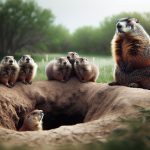
Have you ever wondered how the prairie dog, a charming burrowing animal known for its social behavior, got its peculiar name? This fascinating creature, often spotted in vast plains, has not only captivated wildlife enthusiasts but also played a crucial role in its ecosystem. Delving into the origins of the prairie dog’s name reveals intriguing insights into its habitat, behavior, and the cultural influences that shaped our understanding of this species. By exploring this history, you’ll not only enrich your appreciation for these lively animals but also gain a deeper understanding of their place in the ecosystem and the importance of conservation efforts. So, let’s uncover the story behind the name and discover why these little critters are much more than just their funny title!
The Origin of the Name “Prairie Dog” Explained
The name “prairie dog” might evoke images of a cute, burrowing creature that stands alert amidst the sprawling grasslands, but its origin is as intriguing as its behavior. This social rodent, a member of the Sciuridae family, captures its moniker from a combination of its habitat and vocalizations. The term “prairie” refers to the expansive treeless plains where these animals thrive, primarily in North America. The word “dog” comes from the distinctive barking sound they produce, which resembles a dog’s bark-a clever allusion that reflects both their environment and their social nature.
Prairie dogs are not actually dogs; they are more closely related to squirrels and share traits typical of rodents. Their colonies or “towns” are extensive, with intricate burrow systems that showcase their remarkable engineering skills. This term highlights not only their communal living style but also the playful yet alert demeanor that characterizes prairie dog communities. Observers often liken their behavior to that of dogs as they engage in greetings, warnings, and social interactions, making them a fascinating subject of study for wildlife enthusiasts.
Understanding the name “prairie dog” opens up avenues to appreciate the cultural and ecological importance of these animals. Not only do their playful antics capture the hearts of many nature lovers, but prairie dogs also play a crucial role in their ecosystems. As they dig and maintain their burrows, these little burrowers aerate the soil, which benefits numerous plant species and provides habitats for other animals. The playful and vocal nature of prairie dogs, paired with their unique name, firmly places them in the cultural fabric of the American West, symbolizing the vast and vibrant ecosystems that characterize this region.
Cultural Significance of Prairie Dogs in History
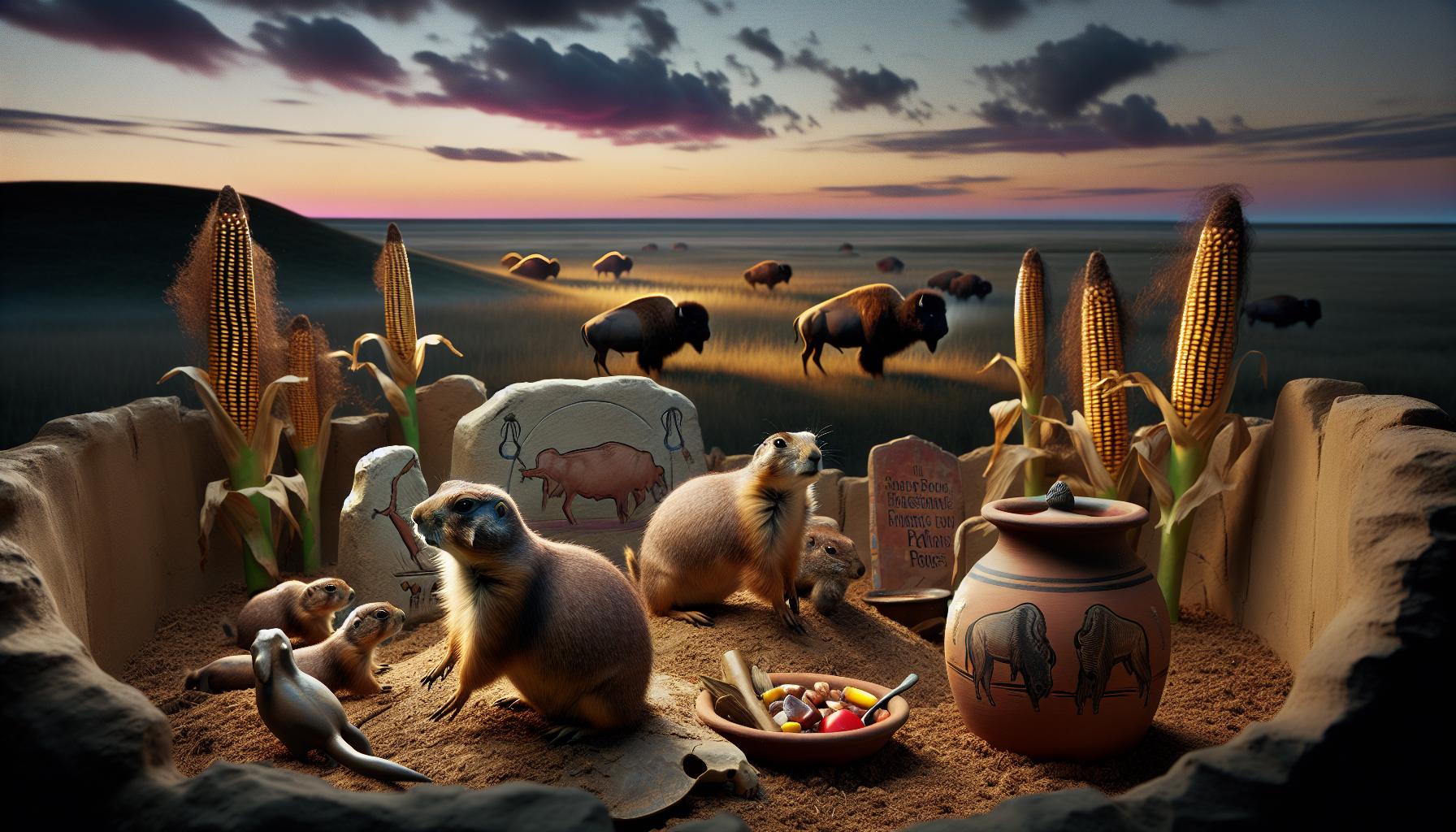
Prairie dogs have woven themselves into the cultural and historical fabric of the American West in ways that are as fascinating as the animals themselves. These energetic little creatures are not just another rodent species; they represent a unique connection to the land and its history. For Indigenous peoples of North America, prairie dogs were significant in their ecosystems, serving not only as a food source but also as indicators of a healthy environment. Their extensive burrow systems aerate the soil and promote plant growth, critical for sustaining the wildlife and human communities that depend on these ecosystems.
European settlers, too, noted the importance of prairie dogs within the vast prairies. As they expanded westward, these rodents became symbolic of the untamed frontier. The bustling prairie dog towns served as landmarks and a reminder of the richness of the countryside. Their presence offered opportunities for hunting, providing settlers with a sustainable food source and engaging early explorers and settlers in practices that would shape the cultural identity of the region. Literature and art from this period often featured prairie dogs, encapsulating their playful nature and the intriguing social dynamics of their colonies.
Moreover, prairie dogs have a role in modern conservation narratives. As keystone species, their colonies create habitats for a multitude of other animals, making them essential to the health of prairie ecosystems. This ecological significance has sparked a wide range of conservation efforts aimed at protecting both prairie dogs and their habitats. Environmental organizations often use prairie dogs as a rallying point to highlight broader issues concerning habitat preservation and biodiversity.
Their quirky vocalizations and social behaviors have also made prairie dogs popular in popular culture, finding their way into children’s books, animated films, and nature documentaries. This cultural significance underscores the vital connection between humans and wildlife, emphasizing the need to protect these remarkable rodents and the ecosystems they support. Ultimately, the story of prairie dogs is not just their own but is deeply intertwined with the history and culture of the land they inhabit, making them truly iconic animals of the plains.
The Role of Prairie Dogs in Ecosystems
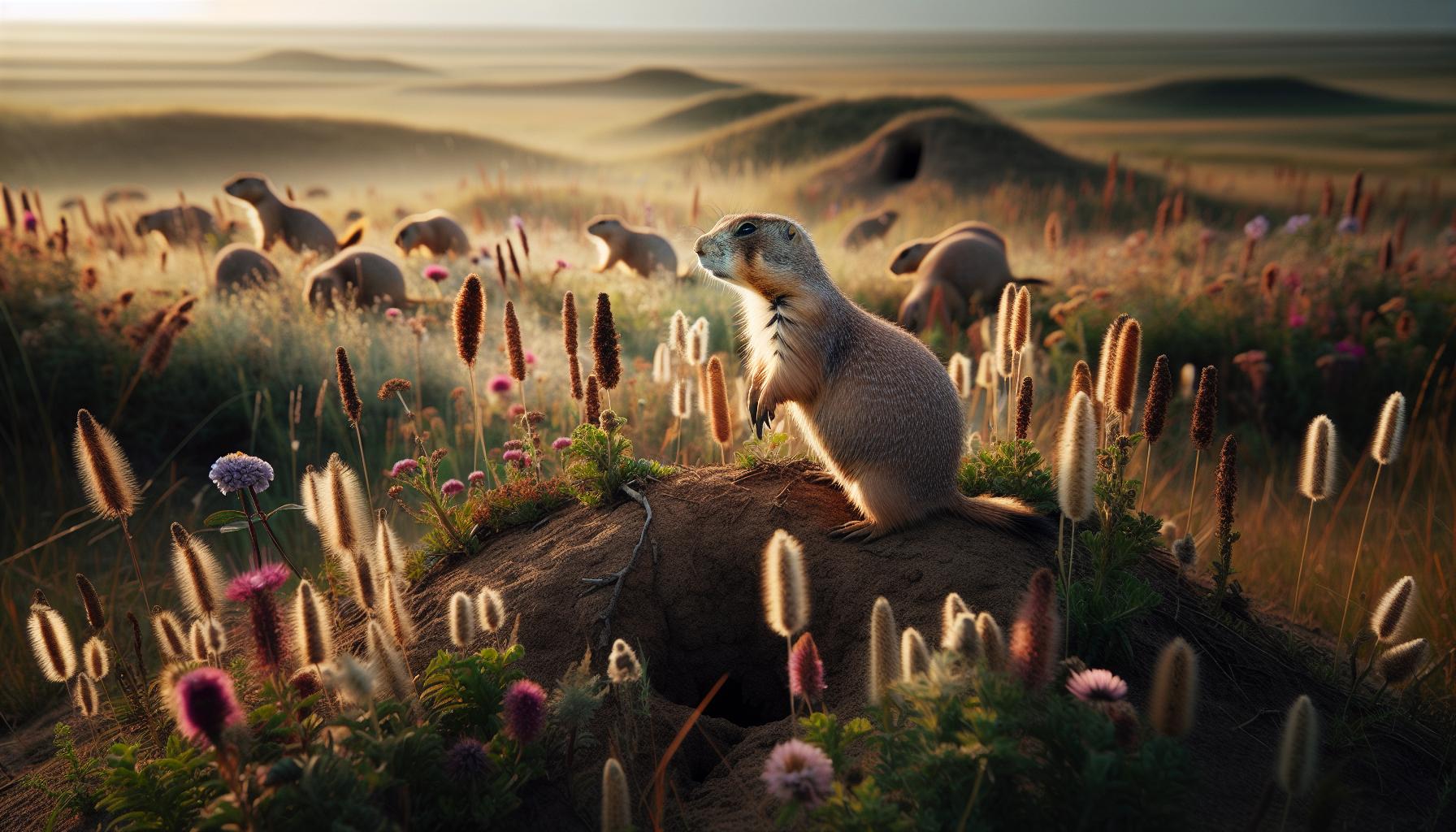
Prairie dogs play a crucial role in the ecosystems of North America’s grasslands, functioning as ecological engineers. Their extensive burrow systems not only provide shelter for themselves but also create habitats for a variety of other species. These burrows can be as deep as three feet and span large areas, promoting soil aeration and enhancing water infiltration. This activity helps grasses and other plants flourish, which in turn supports a myriad of wildlife, from insects to larger herbivores like prairie bison and deer.
As a keystone species, prairie dogs have a ripple effect on their surroundings. When they dig, they mix nutrients into the soil, facilitating plant growth. The presence of prairie dog colonies can lead to increased biodiversity, as they provide nesting sites and foraging grounds for animals such as the black-footed ferret, which relies on prairie dogs for survival. Birds of prey, like hawks and eagles, are also drawn to these vibrant communities, using them as hunting grounds.
Additionally, prairie dogs are known for their social structures and behaviors, which include elaborate vocal communication. Their alert calls help warn other members of the colony about potential threats, enhancing the survival of the group. Such interconnectedness within their communities showcases the complex relationships that exist in prairie ecosystems. Through their behaviors and habitat modifications, prairie dogs not only shape their environment but also contribute significantly to the ecological balance of the plains.
Incorporating conservational efforts to protect prairie dog populations is vital. Strategies often focus on preserving their habitats and mitigating impacts from agricultural expansion and urban development. Supporting prairie dog conservation not only benefits these intriguing rodents but also the countless other species that depend on the rich ecosystems they help sustain. Engaging in local conservation projects or awareness campaigns can empower individuals to play a part in preserving this unique aspect of North America’s natural heritage.
Fascinating Facts About Prairie Dog Behavior

Beneath the playful exterior of prairie dogs lies a plethora of fascinating behaviors that highlight their intelligence and social structures. One of the most captivating aspects of prairie dog life is their intricate vocal communication, which includes a variety of sounds used to convey different messages. Research has revealed that these vocalizations can indicate the type and severity of a threat, such as whether a predator is flying overhead or approaching on the ground. Their calls even vary according to the species of predator spotted, showcasing a level of complexity in their communication that is quite remarkable for a rodent.
In addition to their vocal prowess, prairie dogs are known for their highly social nature. They live in large colonies called “towns,” which can consist of hundreds to even thousands of individuals. These towns are not just places to live; they serve as bustling communities with social hierarchies and communal care. Prairie dogs engage in behaviors such as grooming each other and playing, reinforcing bonds within the group that enhance their overall survival. Surprisingly, they also exhibit behavior akin to sentinel duty, where one or more prairie dogs will remain vigilant on lookout while others forage or engage in social activities. This teamwork is essential for detecting predators and ensuring the safety of the colony.
Moreover, prairie dogs are expert diggers, creating extensive burrow systems that can reach depths of three feet and span acres of land. These burrows provide not only shelter but also a complex environment that aids in storing food and caring for young. Interestingly, these burrows contribute to the ecosystem by aerating the soil and promoting plant diversity, which benefits other species within their habitat. In turn, the vegetation that thrives due to prairie dog activity supports herbivores and, subsequently, the predators that rely on them.
Overall, the social structures, communication methods, and ecological contributions of prairie dogs paint a picture of a species that is far more complex and dynamic than one might initially assume. Their behaviors not only ensure the survival of their communities but also play a crucial role in maintaining the health of grassland ecosystems across North America.
Language and Terminology: A Deep Dive into Prairie Dog Names
The name “prairie dog” evokes imagery of vast grasslands and intriguing wildlife, but how did these charismatic creatures earn their moniker? Interestingly, the term reflects both their habitat and a peculiar resemblance to canines. The vibrant plains of North America, where prairie dogs thrive, are vital to understanding their name. They inhabit extensive burrow systems in the grasslands, which resemble a dog’s den, thus capturing the essence of their environment and behavior in a single phrase.
In addition to their unique name, prairie dogs have various regional names that showcase their influence in local cultures. For instance, in some areas, they are referred to as “barkers” due to their distinctive vocalizations. These names highlight the animal’s prominent role in local ecology and folklore, illustrating how deeply intertwined they are with their environment. Prairie dogs are not only part of the natural landscape; they also inspire curiosity and affection from wildlife enthusiasts and locals alike.
Furthermore, the scientific nomenclature offers insight into their identity. The genus name Cynomys translates to “dog mouse,” derived from the Greek words “kyon” (dog) and “mys” (mouse). This nomenclature reflects both the prairie dog’s social behavior, reminiscent of dogs in their social structures and vocalizations, and their classification as rodents. Such terminology enriches our understanding of these animals as it merges their characteristics with cultural perceptions and scientific classification.
As prairie dogs continue to capture the hearts and minds of people, their names serve as a reminder of their unique ecological role and cultural significance. Through engaging with the language surrounding prairie dogs, we gain a greater appreciation for these remarkable creatures and their contributions to the ecosystems they inhabit.
How Prairie Dogs Became Iconic Animals of the Plains
While often overlooked in discussions about iconic wildlife, prairie dogs have become emblematic of the American plains-known not just for their unique name but for their fascinating behavior and vital ecological roles. These charming, social rodents thrive in large colonies, famously producing intricate tunnel systems that resemble an underground city. The complexity of their burrows is a testament to their adaptability and intelligence, making them memorable residents of the grasslands.
Beyond their physical attributes, prairie dogs are significant for their cultural impact and their contribution to the ecosystem. They serve as a keystone species; their burrowing activities improve soil aeration and promote plant growth, ultimately providing habitats for numerous other animals. The presence of prairie dog towns supports a variety of wildlife, including foxes, hawks, and even endangered species like the black-footed ferret, which depend on these burrowing critters for survival. Watching a prairie dog colony can feel like observing a small slice of nature’s bustling community, where each animal plays a part in a larger tapestry of life.
Culturally, prairie dogs have captured the imagination of many. They are frequently featured in literature, films, and art that celebrate the rugged spirit of the American West. Their playful nature and vocal communications, which include barks and chirps used for alerting each other to danger, endear them to wildlife enthusiasts. Moreover, prairie dogs have sparked important conversations about conservation, land use, and the balance of ecosystems, highlighting the need to appreciate and protect these fascinating creatures that symbolize the rich biodiversity of the plains.
In essence, the journey of the prairie dog from a simple ground-dwelling creature to an icon of the plains illustrates the deep connections between cultural identity and wildlife. As people continue to learn about and connect with prairie dogs, they become not only ambassadors for their species but also reminders of the importance of preserving the delicate ecosystems they inhabit.
Comparing Prairie Dogs to Other Rodent Species
When it comes to comparing prairie dogs with other rodent species, it’s fascinating to see how these social creatures stand out among a diverse family. Prairie dogs belong to the family Sciuridae, which includes squirrels and other ground-dwelling animals, yet they exhibit unique behaviors and social structures. Unlike many rodents that are solitary or simply pair up during mating season, prairie dogs thrive in organized communities called “towns.” These towns can comprise hundreds to thousands of individuals, showcasing their deep social bonds and cooperative behaviors.
Social Structure and Communication
One of the primary distinctions between prairie dogs and other rodents lies in their social structure. For example, while squirrels might gather in small groups, prairie dogs display a highly sophisticated social system with unique vocalizations. They have developed a complex language involving various barks and chirps that communicate different warnings about predators-more comparable to alarm systems than mere calls. This nuanced communication is unparalleled in other rodent species, many of which rely on simple vocal cues or body language to convey messages.
Habitat and Adaptability
In terms of habitat, prairie dogs have adapted to the grasslands and plains, creating extensive burrow systems that can stretch for miles and serve multiple purposes, including nesting and storing food. This is similar to other burrowing rodents like ground squirrels, but the scale of a prairie dog town and its social implications is much grander. Ground squirrels might dig burrows for individual use, while prairie dog colonies create a shared environment that benefits the entire group, highlighting their role as a keystone species within their ecosystem.
Diet and Ecological Role
Prairie dogs primarily feed on grasses, roots, and seeds, playing a pivotal role in controlling vegetation in their habitats. This contrasts with other rodents, such as beavers, which significantly modify their environments through dam-building. However, both beavers and prairie dogs are essential for their ecosystems in different ways-they create habitats for other animals. Prairie dog towns enhance biodiversity by enabling a wider variety of plant species to grow, which in turn supports myriad wildlife, including birds and mammals that rely on these environments.
Understanding these differences illuminates the unique position of prairie dogs in the animal kingdom, showcasing their importance not only as individual species but also as vital components of their ecosystems. Whether it’s their intricate social networks, impressive adaptability, or significant ecological roles, prairie dogs offer a captivating glimpse into the diverse lives of rodents and their connections within the natural world.
The Impact of Prairie Dog Colonies on Local Wildlife
Prairie dog colonies serve as bustling ecosystems that impact numerous species in their local environments. These small mammals don’t just inhabit the plains; they create vibrant networks of life. With their extensive burrow systems and communal living, prairie dogs support an array of wildlife, making their colonies essential to the health of grassland ecosystems.
The burrows of prairie dogs provide shelter and breeding grounds for various animals. For instance, many ground-nesting birds, like the burrowing owl, take advantage of the abandoned burrows for nesting. This arrangement allows these birds to enjoy the safety of the prairie dog’s vigilance against predators. Moreover, prairie dog towns create a unique habitat that attracts other species, including black-footed ferrets, which primarily rely on prairie dogs as their main food source. This intimate relationship highlights how the presence of prairie dogs directly influences the population dynamics of other wildlife.
Furthermore, the foraging and digging activities of prairie dogs keep the soil aerated and promote the growth of diverse plant life. Their grazing habits can help prevent certain species of grasses from dominating the ecosystem, leading to a more heterogeneous environment. As different plant species flourish, they attract a wider variety of herbivores such as deer and rabbits, which, in turn, support larger predators like coyotes and hawks. This ripple effect underscores the essential role prairie dogs play in maintaining the balance of their ecosystems.
Additionally, the mere presence of prairie dogs can boost biodiversity, making these small creatures keystone species. Their colonies serve as social gatherings that facilitate life and interactions among various animals, contributing to a thriving ecosystem. Conservation efforts aimed at protecting prairie dog populations are crucial, not just for their sake, but for the myriad of other species that rely on these fascinating rodents for survival.
Conservation Efforts for Prairie Dogs and Their Habitat
Efforts to conserve prairie dogs and their habitats are vital, not just for these charismatic creatures but for the entire grassland ecosystem they support. As incredible ecosystem engineers, prairie dogs contribute significantly to biodiversity; thus, their conservation is a priority for many wildlife organizations and researchers. The Mountain West region of the United States, particularly, has been highlighted as a crucial area for prairie dog conservation due to its extensive grasslands that provide essential habitat and resources for them and other wildlife [[1]](https://www.kunc.org/regional-news/2025-02-25/mountain-west-could-be-key-for-prairie-dog-conservation-study-finds).
Non-profit organizations, such as the Prairie Dog Coalition, are at the forefront of these conservation efforts. They focus on empowering individuals and organizations to protect prairie dogs and restore the ecosystems they inhabit. Conservation strategies include habitat restoration, public education, and promoting coexistence between prairie dog colonies and human agriculture. This collaborative approach is essential, particularly in areas where prairie dogs may conflict with land use, ensuring that biodiversity thrives alongside development [[2]](https://www.prairiedogcoalition.org/) [[3]](https://www.prairiedogcoalition.org/our-story).
The challenges to prairie dog conservation include habitat loss, climate change, and diseases that can decimate populations. Raising awareness about the ecological roles of prairie dogs-like how their burrows support numerous other species, including burrowing owls and black-footed ferrets-helps garner public support for conservation initiatives. Moreover, research into prairie dog populations aids in understanding their behavior and habitat needs, leading to more effective preservation strategies. Engaging communities in conservation efforts through citizen science projects or educational programs fosters a sense of stewardship and responsibility towards these unique animals.
In summary, the conservation of prairie dogs is a multi-faceted endeavor that requires collaboration among wildlife organizations, researchers, landowners, and local communities. By focusing on prairie dog populations, we not only ensure their survival but also support the myriad of species that depend on them, thereby maintaining the delicate balance of grassland ecosystems.
Beliefs and Myths Surrounding Prairie Dogs
Despite their charming demeanor and social behavior, prairie dogs are often surrounded by misconceptions and myths that detract from their true nature and ecological importance. One common belief is that prairie dogs are simply pests-when, in reality, they play a crucial role in their environment. Their burrowing activities aerate the soil, promote water infiltration, and create habitats for numerous other species, like burrowing owls and black-footed ferrets. This vital ecosystem engineering is a far cry from the notion of prairie dogs as mere nuisances.
Another myth frequently encountered is the belief that prairie dog colonies are uniformly destructive to agriculture. While it’s undeniable that their burrowing can impact crop growth, many farmers have found ways to coexist sustainably with prairie dogs. By implementing measures such as creating buffer zones and utilizing more adaptive grazing practices, communities can benefit from the presence of prairie dogs, which contribute to broader biodiversity and help control insect populations.
Additionally, some people hold a widespread superstition that prairie dogs can predict weather changes or serve as omens. This idea likely stems from their behavior of altering their activity patterns in response to environmental shifts. However, rather than mystical forecasts, these changes are simply a reflection of their adaptation strategies to avoid predators and ensure survival.
Ultimately, debunking these myths not only helps protect prairie dogs but also fosters a deeper appreciation for their role in the ecosystem. Understanding their behavior, needs, and contributions allows us to better manage human-wildlife interactions and support conservation efforts. By celebrating these fascinating creatures, we can also champion the health of grassland ecosystems where they thrive.
Prairie Dogs in Popular Culture and Media
There’s something undeniably charming about prairie dogs that has captured the imagination of people around the world. These social rodents are not just fascinating inhabitants of the Great Plains; they’ve also made significant appearances in pop culture, which has helped to raise awareness about their unique behaviors and ecological roles. From animated films to popular documentaries, prairie dogs are often portrayed as lovable characters, emphasizing their friendly and curious nature.
One notable example is their role in family-friendly movies like Ice Age: The Meltdown, where a group of prairie dogs creates a whimsical moment of comic relief with their antics. Such portrayals help demystify these creatures and highlight their social structures, like the way they communicate through specific vocalizations to warn each other of predators.
Educational programming has also played a crucial role in shedding light on the lives of prairie dogs. Shows like PBS’s Nature frequently showcase their burrowing behaviors and complex social interactions, educating viewers on their importance to grassland ecosystems. These segments often illustrate how prairie dog colonies facilitate a diverse habitat that supports other species, such as the endangered black-footed ferret.
Moreover, prairie dogs have found their way into digital media and video games, where they are often depicted in a positive light, reinforcing their status as iconic symbols of the West. This representation not only entertains but also prompts discussions about their conservation needs. As audiences engage with these portrayals, they become more likely to support efforts aimed at protecting prairie dogs and their habitats, ensuring that these lively creatures continue to thrive in their natural environment.
By embracing their popularity in various forms of media, we can further the conversation on conservation and promote a deeper appreciation for prairie dogs as vital contributors to their ecosystems.
Exploring Prairie Dog Habitats Across North America
With their charming barks and intricate burrows, prairie dogs are a key feature of the grasslands across North America. These social rodents inhabit open plains, deserts, and even some high mountain areas, where they create extensive colonies known as “towns.” Their underground homes, which can extend 30 feet deep and cover several acres, showcase their remarkable adaptation to the environment.
In the Great Plains, prairie dog towns are often found in habitats characterized by shortgrass or mixed-grass prairies. These areas provide ample food sources, mainly consisting of grasses, herbs, and roots. Because of their grazing habits, prairie dogs play a vital role in maintaining the health of these ecosystems by promoting the growth of a variety of plant species, which benefits other wildlife.
Additionally, prairie dogs are crucial for many other species that rely on their burrows for shelter. For example, animals like the black-footed ferret and various bird species, including burrowing owls, depend on these elaborate tunnel systems for nesting and protection. The social lives of prairie dogs are equally fascinating; these rodents exhibit complex social structures and communication behaviors, often engaging in intricate warning systems to alert one another of approaching predators.
Furthermore, the preservation of prairie dog habitats faces challenges from agricultural practices and urban development. Conservation efforts are essential to protect these unique ecosystems. Initiatives that involve habitat restoration and public education can help foster a deeper understanding and appreciation of prairie dogs, their habitats, and their critical role in maintaining the balance of grassland ecosystems. By recognizing the importance of prairie dogs, we can contribute to their conservation and ensure that future generations continue to enjoy the sights and sounds of these iconic animals.
Q&A
Q: What does the name “prairie dog” signify about their habitat?
A: The name “prairie dog” reflects their habitat and social behavior. They typically live in grassland areas or prairies and are known for their burrowing and barking vocalizations, resembling that of dogs. This ties into their ecological niche, where they play a vital role in their ecosystems.
Q: Are prairie dogs social animals?
A: Yes, prairie dogs are highly social animals. They live in large families called coteries, which communicate through a complex system of vocalizations. Their social structures and interactions greatly influence their survival and ecological roles. If you want to learn more about their behavior, see the section on Fascinating Facts About Prairie Dog Behavior in the article.
Q: What are some misconceptions about prairie dogs?
A: Common misconceptions about prairie dogs include viewing them simply as pests or vermin. In reality, prairie dogs are integral to grassland ecosystems, supporting various wildlife species. Addressing such beliefs can promote conservation awareness. Explore more in the Beliefs and Myths Surrounding Prairie Dogs section.
Q: How do prairie dogs affect their ecosystems?
A: Prairie dogs promote biodiversity by creating burrowing systems that provide habitats for other animals and help aerate soil. Their colonies can influence grassland health and support numerous plant and animal species, illustrating their critical ecological impact as discussed in the Role of Prairie Dogs in Ecosystems section.
Q: What is the historical significance of prairie dogs to Native American cultures?
A: Prairie dogs hold cultural significance for many Native American tribes, symbolizing the connection between land and community. Their presence in historical stories and practices reflects the importance of biodiversity and ecosystem health, which is discussed in the article’s Cultural Significance of Prairie Dogs in History section.
Q: How do prairie dogs communicate with each other?
A: Prairie dogs utilize a sophisticated system of vocalizations to communicate information about predators and food sources. These sounds are essential for their survival and social interaction, emphasizing their role in the social structure of prairie dog colonies, as detailed in the article.
Q: What threats do prairie dogs face from human activity?
A: Prairie dogs face significant threats from habitat loss, urban development, and agricultural expansion. These activities disrupt their colonies and affect their populations. Understanding these threats is vital for effective conservation efforts as mentioned in the article’s Conservation Efforts for Prairie Dogs and Their Habitat section.
Q: How can someone help conserve prairie dogs and their habitat?
A: You can support prairie dog conservation by advocating for habitat protection, participating in local conservation programs, and supporting legislation that protects their environments. Engaging with local wildlife organizations dedicated to prairie dog habitats can further enhance these efforts.
Final Thoughts
Now that you’ve uncovered the intriguing origins of the prairie dog’s name, why not dive deeper into their fascinating world? These social creatures play a vital role in their ecosystem, and learning about their behavior and habitat can enrich your understanding of wildlife. Be sure to check out our article on prairie dog colonies and explore the importance of their ecosystem.
If you enjoyed this exploration, don’t miss out on more captivating wildlife insights! Subscribe to our newsletter for the latest articles and updates, or leave a comment sharing your thoughts about prairie dogs. Your engagement not only fuels our passion but also helps us create a vibrant community of wildlife enthusiasts. Join us and keep the conversation going-there’s always more to discover!
Get our latest guides, news, and insights highlighted in your Google Search & AI Overviews.