
Did you know that prairie dog burrows can reach impressive depths of up to 15 feet? These fascinating creatures, with their complex underground homes, not only provide shelter but also play a crucial role in their ecosystem. Understanding the depth of prairie dog holes isn’t just a matter of curiosity; it highlights the intricate social structures and habitats that support these charming animals. As you delve deeper into the world of prairie dogs, you’ll uncover how their burrowing habits influence soil health, plant life, and even the survival of other wildlife. So, let’s explore the remarkable world beneath the surface and discover what makes these burrows so vital for prairie dog families and the environment alike!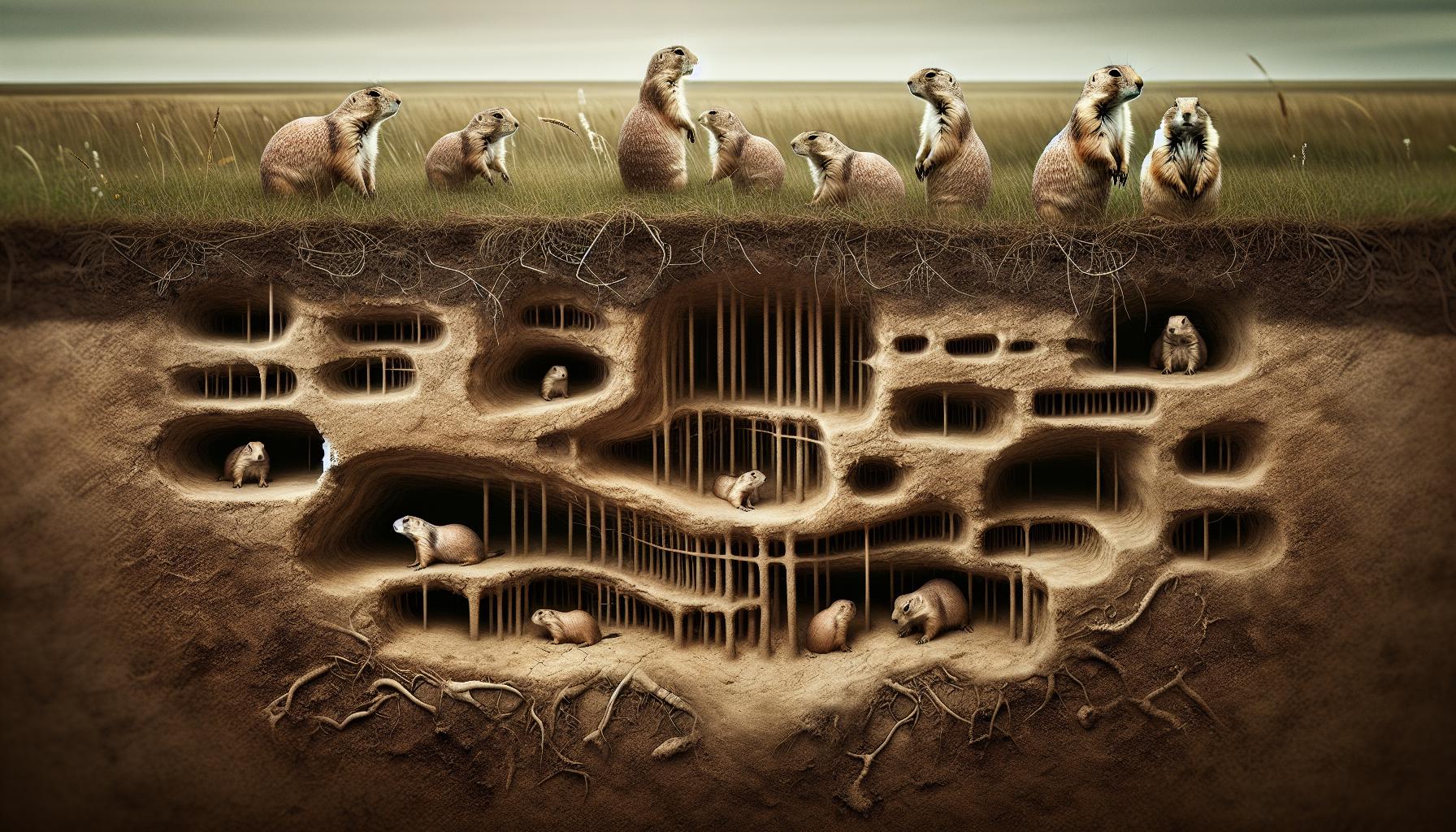
How Deep Do Prairie Dog Burrows Really Go?
Prairie dog burrows are a remarkable testament to the engineering skills of these small mammals, creating intricate underground networks that can reach impressive depths. On average, a prairie dog burrow can extend anywhere from 3 to 10 feet deep, with some exceptional examples plunging even deeper in certain regions. These burrows aren’t just random holes in the ground; they serve vital purposes for the prairie dogs they house, including protection from predators and harsh weather conditions.
One captivating aspect of prairie dog burrows is their complexity. A typical colony may feature a web of tunnels covering several acres, with each burrow leading to various chambers used for nurseries, storage, and even sleeping areas. The deepest tunnels are often used for safety, allowing prairie dogs to escape danger more effectively. The depth and structure of these burrows can significantly vary based on environmental factors, such as soil composition and moisture levels, which influence how deep and extensive the prairie dog communities can build their homes.
For anyone observing prairie dogs in their natural habitat, understanding the depth of their burrows provides insight into their behavior and survival strategies. These fascinating creatures continue to thrive thanks to their remarkable adaptability and the sophisticated underground networks they create, ensuring their colonies remain vibrant and resilient.
The Fascinating Anatomy of Prairie Dog Burrows
The engineering prowess of prairie dogs is truly fascinating, as their burrows are masterpieces of nature’s construction. These underground homes, varying in depth and complexity, play a crucial role in the social and survival dynamics of prairie dog colonies. While the typical burrow reaches depths of 3 to 10 feet, some can go much deeper, reflecting the adaptability of these animals to their environment. The intricate network of tunnels not only serves as shelter but also as a strategic defense mechanism against predators and extreme weather.
One of the most interesting features of prairie dog burrows is their layout. A colony may contain dozens of entrances and an extensive maze of tunnels, each serving different purposes. For instance, some chambers act as nurseries for raising young, while others are designated for food storage or sleeping. This intricate arrangement allows prairie dogs to thrive, as they can quickly access safe zones or retreats from perceived threats. The design of these structures can vary based on the soil type and moisture levels, which influence how deep and complex the burrows can be.
When exploring prairie dog burrows, you might notice differing tunnel sizes and shapes, depending on the burrowing species and environmental factors. This variability is essential as it helps the prairie dogs manage their daily activities effectively, from foraging to socializing. Each burrow entrance is strategically positioned to facilitate quick escapes, showcasing the intelligence of these creatures. By observing the burrows, one can gain a deeper appreciation for the adaptability and social structure of prairie dog communities.
Moreover, the burrow depth plays a significant role in the colony’s ecosystem. Deeper tunnels can retain moisture and protect against temperature extremes, creating a stable environment for the prairie dog population. This resilience is vital not just for the prairie dogs themselves but also for the myriad other species that share their habitat. Understanding the anatomy and depth of prairie dog burrows unveils the sophisticated relationships within this dynamic ecosystem, highlighting the importance of conserving their habitats for future generations.
Understanding Prairie Dog Habitat Preferences
Prairie dogs are remarkable creatures not just for their social behavior, but also for their unique habitat preferences. They thrive in open grasslands, where they can easily spot predators and interact with their colony members. Living in habitats that combine elements of grassland and sandy soil allows these animals to dig their extensive burrow systems effectively. The condition of the soil plays a critical role in how deep their burrows can go; sandy and loamy soils make digging easier and support more complex tunnel structures.
These lively rodents prefer areas with a mix of short and tall grasses, which are ideal for foraging. Grasses provide essential nutrition and offer cover from predators. Prairie dogs often create colonies in areas where vegetation is abundant but easily grazed, allowing them to maintain access to food while still keeping an eye out for potential threats. In fact, a healthy prairie dog colony can significantly influence the local ecosystem, promoting the growth of diverse plant species by their selective grazing.
Moreover, prairie dog habitat is typically characterized by its proximity to water sources, as hydration is vital for their survival. They engage in behaviors such as creating shallow water reservoirs near their burrows, which can help sustain their hydration needs and that of other species sharing their environment. One cannot help but notice how the burrows themselves provide both immediate refuge and a microhabitat that supports even the tiniest members of the ecosystem, including insects and small mammals.
In essence, the habitat preferences of prairie dogs reveal a complex interplay between their need for safety, nourishment, and the environmental conditions that promote their burrowing lifestyle. Observing these charming animals in their natural settings offers a glimpse into the intricate balance of life in prairie ecosystems and underscores the importance of habitat conservation to maintain their populations and the biodiversity they support.
The Role of Burrow Depth in Prairie Dog Survival
The intricate depth of prairie dog burrows plays a critical role in their survival and colony dynamics. Typically extending several feet underground-often reaching depths of 10 to 20 feet-these burrows are expertly crafted to provide shelter from predators, regulate temperature, and store food. The depth and complexity of these underground systems enable prairie dogs to thrive in harsh environmental conditions, showcasing their remarkable adaptability.
Protection Against Predators
One of the primary functions of burrow depth is providing protection against predators such as coyotes, badgers, and hawks. The deeper the burrow, the safer the prairie dogs are from above-ground threats. Moreover, the burrow’s winding tunnels can confuse and deter would-be predators, allowing prairie dogs to escape quickly if danger approaches. This safe haven is essential, as prairie dogs rely on their burrows not only for protection but also as their primary livable space.
Temperature Regulation and Shelter
Burrows also serve as vital climate control systems. The deeper layers of the soil maintain a relatively consistent temperature year-round, offering a cooler retreat during the scorching summer months and warmth during cold winters. This ability to regulate their immediate environment means that prairie dogs can remain active and foraging, even when external temperatures fluctuate dramatically. The burrows can also accumulate moisture, which is crucial in arid ecosystems, helping to sustain not only the prairie dogs themselves but also other small creatures that share this habitat.
Social Interaction and Colony Structure
Interestingly, burrow depth and structure also enhance social interaction within prairie dog colonies. Prairie dogs are highly social animals, and their burrows can interconnect, forming extensive networks that facilitate communication and social bonding among colony members. This interconnectedness is vital for their social structure, as prairie dogs rely on vocalizations and scents to communicate warnings about danger or to signal the availability of food.
In summary, the depth of prairie dog burrows is not just about shelter; it is a multifaceted aspect of their survival strategy. By offering protection from predators, regulating temperature, and enhancing social interactions, burrows are indispensable to the existence of these fascinating creatures. Observing prairie dogs in their natural habitat reveals just how essential these complex underground structures are to their overall health and the stability of their colonies.
Common Myths About Prairie Dog Holes
Many people are intrigued by prairie dog burrows, often underestimating their complexity and purpose. One common myth is that these holes are simply entry points. In reality, prairie dog burrows are intricate networks of tunnels that can extend to depths of 10 to 20 feet or even deeper in some cases. These underground systems are not just for shelter; they serve multiple functions essential for the survival of prairie dog colonies.
Another misconception is that prairie dog burrows are solitary structures. On the contrary, these burrows often interconnect, adding to the colony’s social fabric. Each burrow system can actually house many prairie dogs, who rely on these tunnels to communicate and navigate their environment. This interconnectivity promotes safety in numbers, as prairie dogs can quickly retreat into their burrows if a predator approaches. The winding nature of these tunnels can confuse attackers, providing an invaluable escape route.
Additionally, some folks believe that prairie dog holes are just a nuisance, potentially damaging agricultural land. While it’s true that they dig extensively, these burrows play a crucial role in the ecosystem. The aeration of soil helps promote healthy plant growth and their waste contributes nutrients back into the ground. In fact, a well-maintained prairie dog colony can enhance the health of the grasslands, supporting a diverse array of wildlife.
Ultimately, understanding these common myths helps paint a fuller picture of prairie dog behavior and their essential role in our ecosystems. Next time you see a prairie dog mound, remember that it’s part of a sophisticated subterranean world that contributes to the balance of life above ground.
Comparing Prairie Dog Burrows with Other Rodent Tunnels
Prairie dog burrows are truly fascinating when you consider how they stack up against the burrows of other rodents. For instance, while prairie dogs dig extensive networks that can reach depths of 10 to 20 feet, some of their rodent relatives, like the eastern gray squirrel, build nests above ground and create tunnels that may only be a few feet deep. In contrast, the burrowing owl often takes advantage of these prairie dog burrows, using them as safe nesting sites, which highlights the role these tunnels play in a broader ecological context.
Let’s look at how different species adapt their tunneling behavior. Ground squirrels have a propensity for creating complex burrow systems, but their structures tend to be less elaborate than those of prairie dogs. Ground squirrel burrows typically range from 3 to 6 feet deep, providing sufficient shelter from predators while being less extensive in interconnected tunnel systems. The impetus for prairie dogs to dig deeper is primarily linked to their social structure and interactions, which necessitate more complex shelter systems that allow for communication and safety in numbers.
On the other hand, mole tunnels exemplify another type of burrowing behavior entirely. Moles are known for their deep, winding tunnels that can extend up to 18 feet deep. However, mole tunnels are primarily used for hunting and movement rather than communal living and social interaction, as seen in prairie dog colonies. Moles create their tunnels to forage for insects and plants without establishing a social community like prairie dogs do, which creates a stark contrast between these two approaches to burrowing.
Understanding these differences not only gives insight into the behavioral ecology of prairie dogs but also highlights the importance of their burrows in the larger ecosystem. The interconnected nature of prairie dog burrows supports not only their survival but also the survival of various species that inhabit or rely on these tunnels. So, next time you observe a prairie dog mound, remember that it is part of a much larger tapestry involving various burrowing species, each with its own unique adaptations and ecological roles.
Factors Affecting Burrow Depth in Prairie Dog Communities
The depth of prairie dog burrows can vary significantly based on several key factors that speak to their adaptability and social structure. Typically ranging from 10 to 20 feet, these intricate networks are affected by environmental conditions, the composition of the soil, and the social dynamics of the prairie dog colony itself. For instance, loose, sandy soil allows for deeper digging, while compact, rocky terrain may restrict burrow depth. Additionally, moisture levels can play a crucial role; in wetter conditions, burrows may collapse or fill with water, pushing prairie dogs to dig deeper to create safe and dry living spaces.
In a prairie dog community, social structure is another vital influence on burrow depth. These rodents live in colonies called coteries, which can consist of several family groups. The presence of more individuals in a colony often leads to more competition for resources, prompting prairie dogs to expand their burrow systems. The intricate tunnels serve not only as homes but also as paths for communication and safety. For example, deeper burrows can provide refuge from predators, facilitating easier escape routes for the colony members. Thus, a robust social structure tends to encourage more extensive burrow systems, which can be critical for their survival.
Moreover, the presence of predators can affect how deep prairie dogs dig. When threats such as coyotes or hawks are prevalent, prairie dogs may deepen their burrows to enhance their safety. These depth variations help the colony adapt to varying levels of threat, showcasing their remarkable survival instincts. For wildlife enthusiasts observing these behaviors, it’s fascinating to note how prairie dogs not only impact their immediate environment but also maintain a complex relationship with it.
Understanding these factors can deepen our appreciation of prairie dog communities and their ecological significance. By supporting their habitat conservation, we ensure that these fascinating creatures can continue to thrive and contribute to the ecosystem in which they play such an essential role.
Signs of a Healthy Prairie Dog Colony
A thriving prairie dog colony is a fascinating sight, not just for its social activity but for the indicators of its overall health. One of the key signs of a healthy colony is the presence of a robust and complex burrow system. Healthy burrows, typically reaching varying depths from 10 to 20 feet, reflect an active community of prairie dogs. These burrows should be well-maintained, free of excessive debris, and exhibit signs of regular activity, such as fresh digging and visible entrances.
Another vital marker is the behavior and interaction of the prairie dogs themselves. A healthy colony is abundant with vocalizations, including the characteristic barks and chirps used for communication. Social interactions are also frequent; prairie dogs engage in grooming and play, which strengthen social bonds and indicate a lower level of stress within the group. This social structure is crucial as it enhances vigilance against predators and promotes cooperative foraging efforts.
It’s essential to look for signs of active foraging and feeding. Prairie dogs are herbivorous and rely on a variety of grasses, herbs, and seeds. A thriving colony will exhibit diverse feeding areas, showing that the prairie dogs are actively foraging for different types of vegetation. Additionally, the health of the vegetation plays a significant role in the welfare of the colony; lush, nutritious plants can sustain larger populations, while bare or overgrazed areas signal potential stressors in the environment.
Lastly, observing the presence of predators can also provide insights into the colony’s health. While predators such as hawks and coyotes are a natural threat, a well-established prairie dog colony often has developed effective strategies for evasion, such as intricate burrow systems and cooperative alarm calls. A stable balance of predator presence indicates a dynamic ecosystem, suggesting that the prairie dogs are not just surviving but thriving in their habitat. All these elements together paint a vivid picture of a vibrant prairie dog colony, showcasing the intricate relationship between these fascinating creatures and their environment.
How Burrow Depth Impacts Ecosystem Dynamics
The underground world of prairie dogs plays a crucial role in the health of their ecosystem, and the depth of their burrows is a key factor in this dynamic. Prairie dog burrows can reach depths of 10 to 20 feet and are intricately designed, featuring a network of tunnels that serve various purposes, from nesting to food storage. The depth and complexity of these burrows not only provide shelter from predators but also help regulate temperature and moisture levels, creating a stable environment for the prairie dogs.
Impact on Soil Health
As prairie dogs dig their burrows, they aerate the soil, enhancing its structure and promoting nutrient cycling. This activity allows rainwater to penetrate deeper into the ground, reducing runoff and erosion. The burrows also serve as homes for other animals, such as insects and small mammals, creating a bustling community that increases biodiversity. This cross-species interaction fosters a healthy ecosystem, as different organisms contribute to the decomposition of organic materials, further enriching the soil.
Influence on Plant Communities
The existence of prairie dog colonies typically leads to the establishment of diverse plant life. As prairie dogs feed on vegetation, they create open areas that allow sunlight to reach the soil, promoting the growth of various plant species that thrive in such environments. This results in a patchwork of habitats, where grasses and herbs can flourish, supporting a wide range of other wildlife that depend on these plants for food or shelter.
In addition to their immediate environment, prairie dog burrows can significantly influence larger ecosystem processes. The act of digging not only creates space for water infiltration and nutrient exchange but also impacts predator-prey dynamics. By altering the landscape, prairie dogs attract various predators like hawks, which in turn helps maintain balance within the ecosystem.
In summary, the depth and structure of prairie dog burrows play a vital role in shaping their environment. These fascinating creatures not only survive underground but actively contribute to the health and complexity of their ecosystems, supporting an array of life forms and processes. Understanding this relationship allows us to appreciate the ecological importance of prairie dogs and the need for their conservation.
Discovering Prairie Dog Behavior: A Deep Dive
Prairie dogs are truly remarkable creatures, displaying a rich array of behaviors that reflect their social structures and adaptability. These small mammals are highly social and live in extensive colonies or “towns,” which can cover hundreds of acres. Within these towns, their burrowing behavior plays a critical role in their daily lives and survival strategies.
One of the most fascinating aspects of prairie dog behavior is their communication system. Prairie dogs use a complex system of vocalizations to warn each other about approaching predators. Each call can indicate the type of threat, whether it’s a hawk soaring overhead or a coyote lurking nearby. This system not only enhances their chances of survival but also strengthens social bonds among colony members. When a predator is spotted, they signal to one another, and the colony often erupts into a frenetic series of alarm calls, which can be both mesmerizing and alarming to witness.
Social Structure and Cooperation
Prairie dogs exhibit a highly organized social structure, often with a clear hierarchy in place. Family groups, known as “coteries,” typically consist of one male, several females, and their offspring. Cooperation is key to their survival; they engage in behaviors such as sentinel duty, where one prairie dog stands watch while others feed or tend to the young. This mutual vigilance helps ensure the safety of the group, allowing them to thrive in environments where predators are a constant threat.
Additionally, the depth and complexity of their burrows enhance their social interactions. Each burrow serves multiple purposes: nesting, protection from the elements, and even a breeding ground. The intricate tunnel systems allow prairie dogs to escape quickly from danger and to navigate through their environment efficiently. These burrows are not just personal spaces; they are community hubs, facilitating social interactions and strengthening the bonds among colony members.
In conclusion, studying prairie dog behavior reveals a vibrant tapestry of social interactions and survival strategies. Their vocalizations, cooperative systems, and intricate burrow networks not only showcase their intelligence but also highlight their essential role in the ecosystem. By understanding and appreciating these remarkable creatures, we can better advocate for their conservation and the protection of their habitats, ensuring that future generations can enjoy the fascinating world of prairie dogs.
Conservation Efforts for Prairie Dogs and Their Habitats
The intricate burrow systems of prairie dogs play a critical role not only in their survival but also in the health of their surrounding ecosystems. Each burrow can extend up to 30 feet deep and may have multiple entrances, providing essential shelter from predators and harsh weather. However, these remarkable structures are at risk due to habitat loss, agricultural development, and pest control measures. Effective conservation efforts are crucial for the preservation of both prairie dogs and their habitats, as their activities are vital for maintaining grassland health.
Engaging in conservation can take many forms. Local communities and organizations can initiate educational programs that raise awareness about the ecological benefits of prairie dogs. For instance, prairie dog colonies aerate the soil, promote biodiversity, and serve as a food source for various species, from raptors to coyotes. This delicate balance underscores the importance of protecting these animals. By sharing stories and experiences, wildlife enthusiasts and educators can foster a greater appreciation for these keystone species.
Additionally, there are various conservation groups dedicated to prairie dog protection, such as the Prairie Dog Coalition and The Prairie Dog Project. These organizations empower communities by providing tools and strategies to sustain prairie dog populations while also fostering coexistence with human activities. They often work on creating protected areas and advocating against practices that harm prairie dog colonies, such as indiscriminate poisoning or habitat destruction. Individuals can support these efforts by participating in local conservation initiatives or volunteering with these organizations.
Ultimately, preserving prairie dogs and their intricate burrows is essential for the overall health of North America’s grasslands. Their presence supports a wide array of wildlife, and by safeguarding their habitats, we contribute to the continuation of these vibrant ecosystems. Recognizing the interconnectedness of diverse wildlife, including the humble prairie dog, emphasizes the responsibility we all share in protecting our natural world.
Faq
Q: How deep can prairie dog burrows go?
A: Prairie dog burrows can reach depths of up to 10 feet (3 meters) depending on the soil conditions and the specific species. These extensive tunnels provide shelter and help regulate temperature, making them ideal for survival in varying climates.
Q: Why do prairie dogs dig such deep burrows?
A: Prairie dogs dig deep burrows primarily for protection from predators and extreme weather. The depth of the tunnels provides a safe retreat, helps maintain a stable microclimate, and serves as a complex social structure for their colonies.
Q: How long do prairie dog burrows typically last?
A: Prairie dog burrows can last for many years, often decades, depending on environmental factors and colony health. If maintained by the prairie dog population, these burrows can remain intact despite changes in climate and vegetation.
Q: What is the structure of a prairie dog burrow?
A: The structure of a prairie dog burrow typically includes multiple chambers for nesting, food storage, and waste disposal, connected by extensive tunnel systems. This complex architecture helps support the social structure of the colony and enhances their survival.
Q: How do prairie dogs affect soil health?
A: Prairie dogs positively impact soil health by aerating the soil through their digging activities and helping to recycle nutrients. Their burrowing also promotes water infiltration, which can enhance plant growth around their habitats.
Q: What are the signs of an unhealthy prairie dog colony?
A: Signs of an unhealthy prairie dog colony include decreased burrow activity, fewer numbers of prairie dogs, or visible signs of disease. If burrows are collapsing or showing little maintenance, it may indicate environmental stress or population decline.
Q: How does the depth of prairie dog burrows impact their ecosystem?
A: The depth of prairie dog burrows plays a significant role in their ecosystem by providing habitat for various species, enhancing soil aeration, and affecting plant growth patterns. Their burrows also create microhabitats that support biodiversity.
Q: Do prairie dogs have any natural predators that affect burrow depth?
A: Yes, prairie dogs face natural predators like hawks, coyotes, and badgers that can impact burrow depth. These predators influence prairie dog behavior, often prompting them to dig deeper for safety, particularly in high-risk areas.
Feel free to explore more about prairie dog behavior and habitat preferences in our article for insights into this fascinating species!
To Conclude
As we’ve discovered, prairie dog burrows are fascinating structures that can extend impressively deep into the ground-often reaching depths of up to 10 feet. Understanding these unique homes not only enriches your knowledge of prairie dog behavior but also highlights their essential role in the ecosystem. If you’ve enjoyed this dive into burrow depths, check out our articles on Prairie Dog Social Behavior and Ecological Impact of Prairie Dogs to learn more about these incredible creatures!
Don’t wait-explore more about prairie dog habitats and their fascinating activities today! Join our community by subscribing to our newsletter for the latest updates and insights into the world of wildlife. Have questions or thoughts on prairie dogs? Share them in the comments below; we’d love to hear from you! Embrace your curiosity, and continue your journey into wildlife wonders right here on our site!
Get our latest guides, news, and insights highlighted in your Google Search & AI Overviews.