Did you know that flying squirrels can glide over 150 feet in one leap? These captivating creatures are more than just acrobatic flyers; they carry rich symbolism that resonates with our connection to nature. Understanding what flying squirrels symbolize can provide valuable insights into themes of freedom, adaptability, and community. Whether you’re a wildlife enthusiast or simply curious about their meanings, exploring the symbolism of these enchanting animals can enrich your appreciation of the natural world. Join us as we dive into what flying squirrels symbolize and unveil the layers of meaning behind their fascinating lives. Your journey into their world might just spark a new perspective on your own life!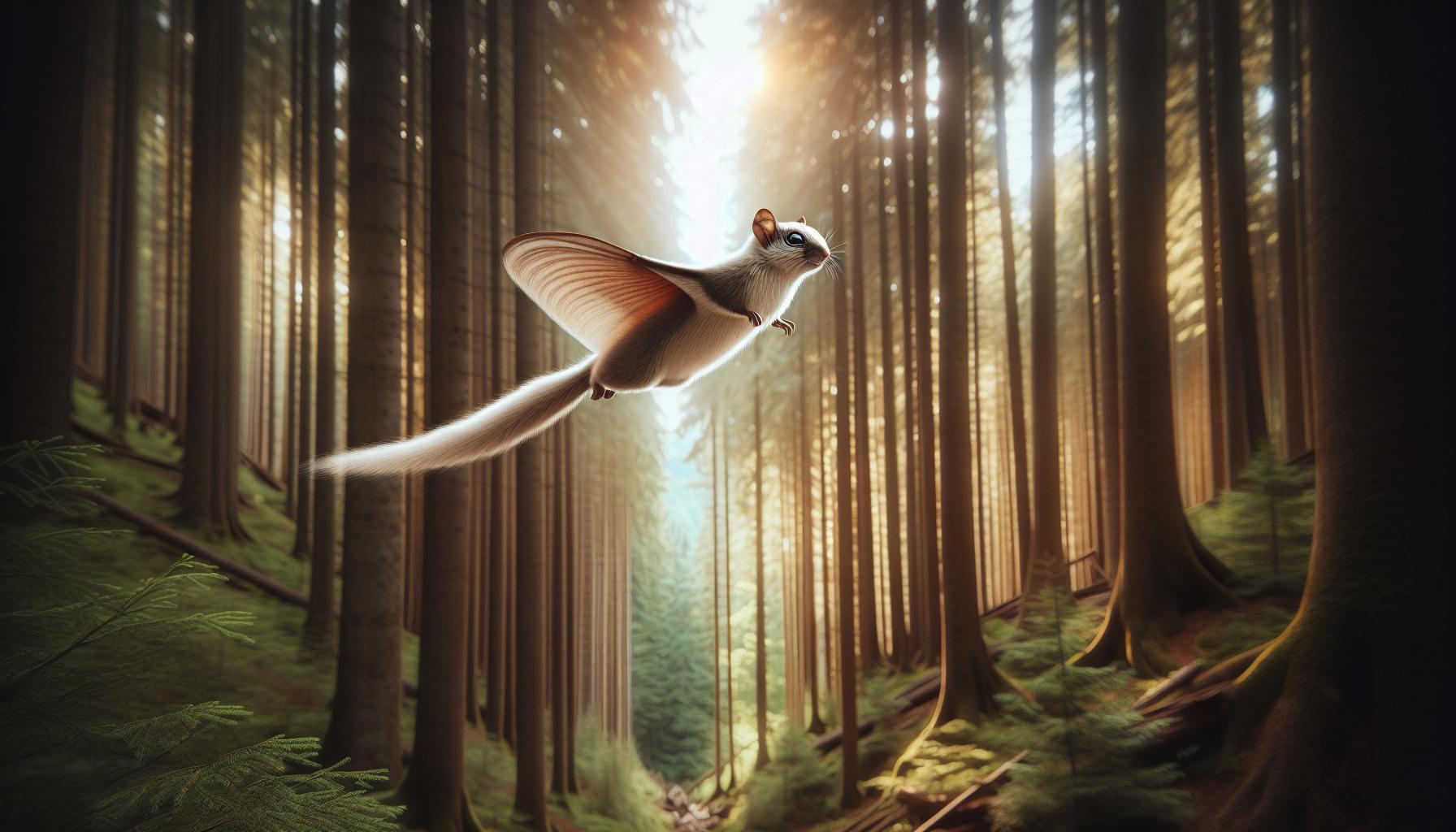
What Do Flying Squirrels Represent in Culture?
Flying squirrels often evoke fascination and curiosity, symbolizing agility and adaptability. These charming creatures, recognizable for their unusual membranes that allow them to glide between trees, are celebrated in various cultures as symbols of freedom and grace. Many societies regard them as representations of the connection between earthly existence and celestial realms. This ability to soar gracefully through the air resonates in storytelling, often portraying flying squirrels as messengers or guides who bridge the gap between the physical and spiritual worlds.
In indigenous cultures, flying squirrels sometimes embody community and cooperation. Their social behavior-living in family units and working together to find food-reflects the importance of teamwork and bonding. In this sense, they serve as a reminder of the strength found in unity and the nurturing of relationships. Moreover, their nocturnal lifestyle invites interpretations related to mystery and the unseen, aligning them with themes of intuition and uncovering hidden truths.
Additionally, flying squirrels appear frequently in folklore and children’s literature, where they are often depicted as whimsical characters full of mischief and adventure. They inspire a sense of wonder, encouraging a playful imagination. Their vibrant role in stories teaches children about the value of curiosity and the excitement of exploration, whether in familiar environments or new, uncharted territories.
As we appreciate the cultural significance of flying squirrels, it’s essential to acknowledge their role in the ecosystem as well. By dispersing seeds and facilitating tree growth, they contribute to environmental balance, reminding us of the interconnectedness of life and the importance of conservation efforts for these magnificent creatures and their habitats.
Common Symbolic Meanings of Flying Squirrels
Flying squirrels are fascinating creatures that capture our imaginations not only for their unique ability to glide gracefully through the trees but also for the rich symbolic meanings they hold. These charming animals are often associated with agility, freedom, and connection to the natural world. As they soar effortlessly from branch to branch, they symbolize the importance of adaptability and resilience in navigating life’s challenges. Their gentle presence in forests evokes a sense of wonder and reinforces the idea of embracing one’s natural instincts.
In many cultures, flying squirrels are seen as embodiments of cooperation and community. Their social habits-living in family units and collaborating to gather food-highlight the value of teamwork. By representing the strength found in unity, flying squirrels serve as a reminder of the bonds we share with those around us. Their nocturnal lifestyle adds a layer of intrigue, aligning them with themes of mystery and intuition, suggesting a deeper awareness of what lies beneath the surface of our everyday experiences.
Moreover, flying squirrels frequently make appearances in folklore and children’s literature, often portrayed as playful and adventurous characters. This whimsical portrayal not only captures the imagination of young audiences but also imparts essential lessons about curiosity and exploration. By inviting us into their enchanting world, these creatures teach the vital importance of childhood wonder and the pursuit of knowledge-whether exploring familiar surroundings or venturing into uncharted territories.
As we reflect on the symbolic meanings of flying squirrels, it’s important to recognize their ecological role as well. These creatures assist in forest health by dispersing seeds and aiding tree growth, emphasizing the interconnectedness of life. This balance in nature serves as a powerful reminder of our responsibility to protect the habitats of these remarkable animals, further enriching our understanding of the roles they play in both culture and ecology.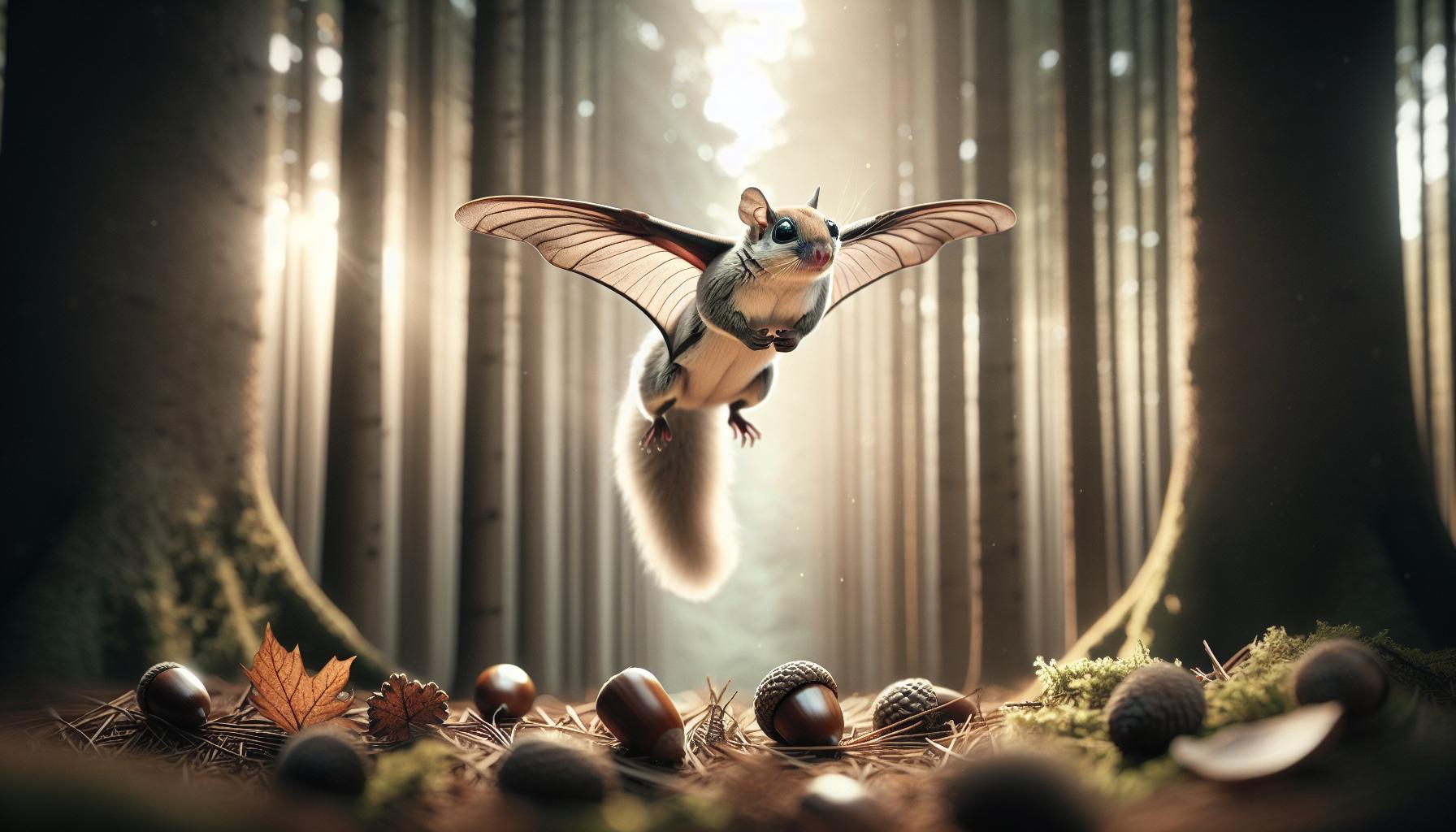
Spiritual Symbolism: What Flying Squirrels Mean
Flying squirrels are often seen as playful spirits of the night, gliding through the trees with a grace that captivates both nature enthusiasts and casual observers alike. Their ability to soar from branch to branch symbolizes freedom and the pursuit of joy in life. This charming trait is not just about movement; it reflects a deeper spiritual symbolism that resonates with many people. For instance, flying squirrels can represent adaptability and resilience, reminding us that, much like them, we can navigate life’s challenges with a sense of ease and grace.
In many spiritual practices, animals serve as totems or guides that reflect our inner selves. Flying squirrels embody a sense of curiosity and adventure, encouraging us to embrace our exploratory nature. They remind us to delve into the unknown and be open to new experiences. This spirit of adventure can be particularly beneficial during times of transition or uncertainty, when we may need a gentle nudge to step outside our comfort zone and explore new avenues in life.
Their social nature also carries spiritual significance. Flying squirrels often live in familial groups, highlighting the essence of community and connection. In this way, they symbolize the importance of nurturing relationships and supporting one another. As spirit animals, they encourage us to foster our bonds with family and friends, reminding us that a strong support system can help us overcome obstacles and achieve our dreams.
Lastly, the nocturnal existence of flying squirrels adds a layer of depth to their spiritual symbolism. Their activity during the night aligns them with intuition and the subconscious. This connection can encourage us to trust our instincts and pay attention to our inner voice, especially in our decision-making processes. By learning from the flying squirrel, we can develop a greater sense of self-awareness and embrace the mysteries of our own lives.
Flying Squirrels in Mythology and Folklore
Flying squirrels have fluttered their way into various myths and folklore around the globe, often enchanting those who hear their stories. These unique creatures, with their ability to glide gracefully through the night sky, inspire a sense of wonder and excitement. In many cultures, they are seen not just as ordinary animals, but as mystical symbols carrying deeper meanings.
In North American folklore, flying squirrels are sometimes associated with the spirit of adventure and exploration. Native American tribes, for instance, view these animals as messengers that can navigate both the earthly realm and the spirit world. Their nocturnal habits and gliding abilities symbolize a connection between the seen and the unseen, urging individuals to trust their instincts and explore the unknown. The stories often highlight their playful nature, encouraging ideals of freedom and resilience.
In addition to their adventurous spirit, flying squirrels play a role in cautionary tales. For example, some cultures depict them as tricksters, akin to the cleverness of the coyote or raven. These stories serve as reminders of the importance of wisdom and the ability to adapt, echoing the flying squirrel’s need to avoid predators by maneuvering through trees and gliding to safety. This duality-being both a playful spirit and a crafty survivor-adds depth to their representation in folklore.
Moreover, flying squirrels have made their mark in Japanese mythology, where they are considered symbols of intuition and wisdom. Their ability to glide in silence prompts stories that illustrate the importance of observation and careful movement in the pursuit of knowledge. In this context, their gliding is seen as a metaphor for approaching life with grace and mindfulness, highlighting an appreciation for patience and understanding in one’s journey.
The allure of flying squirrels in myth and folklore continues to resonate, allowing us to reflect on the attributes they symbolize: adventure, adaptability, and community. As we share stories across cultures, these enchanting creatures serve as both reminders of our own journeys and as guides through life’s mysteries, inspiring us to embrace our inner explorers.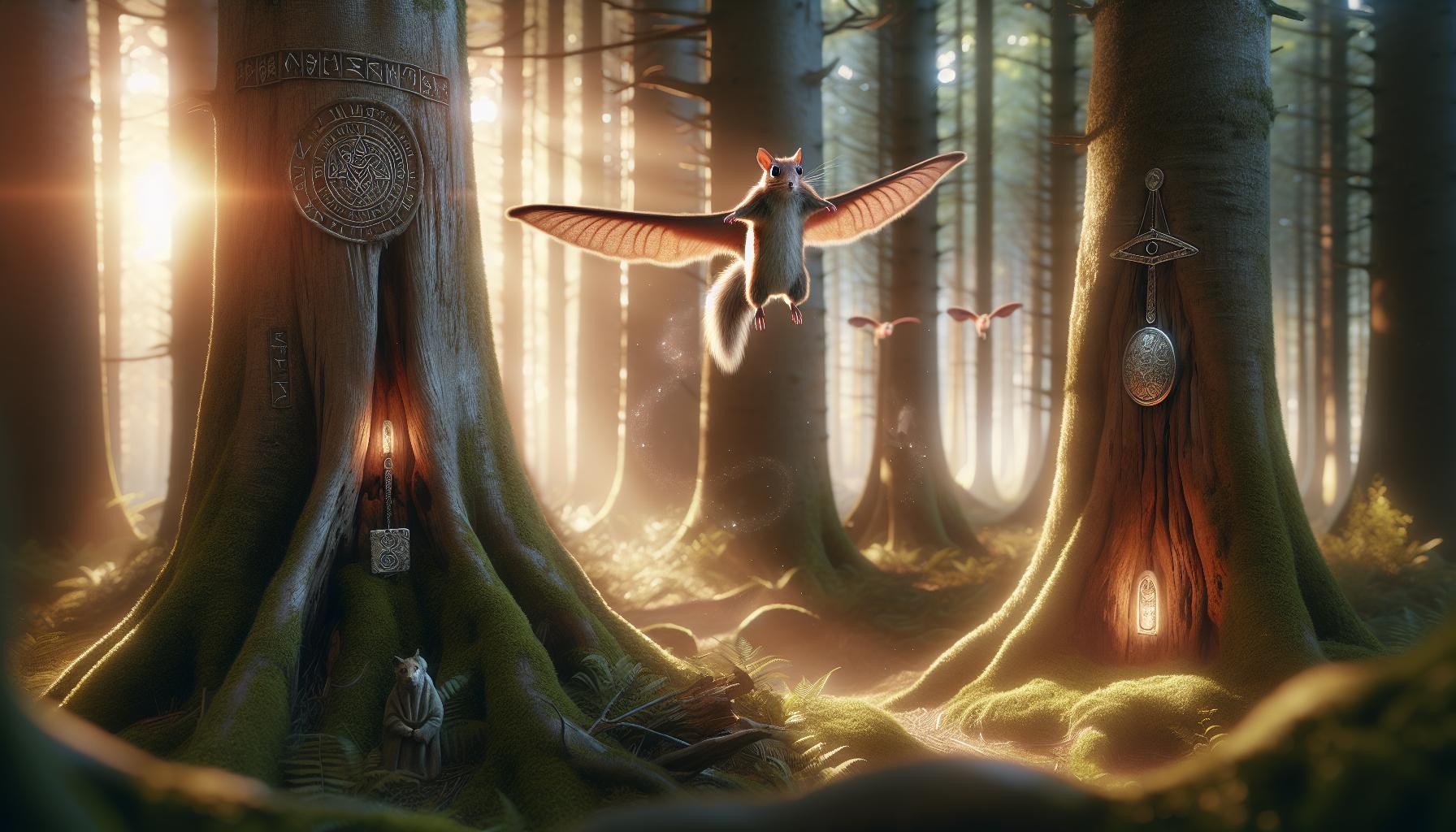
The Role of Flying Squirrels in Nature and Balance
Flying squirrels may seem like whimsical creatures capable of soaring silently through the night, but their role in nature is profoundly significant. These small mammals contribute to ecological balance, fostering healthy forest ecosystems while engaging in fascinating behaviors that highlight their importance as both foragers and community members.
One remarkable aspect of flying squirrels is their role as seed dispersers. As they glide from tree to tree, they often collect nuts and seeds, stashing them away for later consumption. However, not all of these hidden treasures are retrieved. This behavior inadvertently aids in forest regeneration, as the seeds buried in the ground can sprout into new plants, contributing to biodiversity. The flying squirrel’s foraging habits illustrate a crucial ecological function-acting as nature’s gardeners, these animals help sustain and rejuvenate their habitats.
Additionally, flying squirrels play a key part in the food web. They serve as prey for various predators, including owls, hawks, and snakes. Their presence indicates a healthy and balanced ecosystem, supporting a diversity of wildlife. By maintaining this balance, flying squirrels help ensure that both their populations and those of their predators remain stable. This interconnectedness illustrates the essential roles that even small species play in the larger environmental tapestry.
Moreover, flying squirrels exhibit strong social bonds within their communities. They prefer to nest in groups, which enhances their ability to share warmth and resources. This social structure not only provides protection against predators but also fosters collaboration in locating food. Their communal living style reflects a larger metaphor about the significance of community support in overcoming challenges-a poignant reminder of how interconnectedness is vital for survival in both nature and our human lives.
In conclusion, the contributions of flying squirrels to ecological balance highlight their importance beyond mere symbolism. By acting as seed dispersers and supporting the food web, they embody the principles of interdependence and community-qualities that resonate deeply in our understanding of the natural world. These charming creatures remind us to appreciate the delicate web of life and our role in preserving it, encouraging a harmonious coexistence with our environment.
Personality Traits Associated with Flying Squirrels
Flying squirrels, with their whimsical ability to glide gracefully through the night sky, capture our imagination not only for their unique behavior but also for the personality traits they embody. These charming creatures are known for their playful nature, demonstrating curiosity and intelligence that resonate with many wildlife enthusiasts. When observing flying squirrels, one might notice their lively interactions, as they often engage in playful chases and acrobatics, showcasing a spirit of adventure and social engagement.
Their highly social behavior is a hallmark of their personality. Flying squirrels thrive in groups, preferring to nest with family or close companions. This communal living not only fosters a sense of security but also encourages strong bonds among individuals. Their ability to communicate through a variety of vocalizations, including barks and whistles, highlights their expressiveness and serves to strengthen these relationships. In this way, they embody qualities such as teamwork and cooperation, reflecting a sense of community that resonates deeply with human social structures.
Another fascinating aspect of flying squirrels is their adaptability. These mammals are skilled navigators of their arboreal habitats, demonstrating problem-solving abilities as they overcome obstacles in their environment. Whether it’s finding their way through complex tree canopies or evading predators, flying squirrels exhibit a level of resilience that inspires admiration. Their cleverness in gathering food and utilizing their gliding abilities illustrates an innate resourcefulness, allowing them to thrive in diverse ecosystems.
Understanding the not only enriches our appreciation for these animals but also offers insights into the values of curiosity, community, and adaptability. By observing their behaviors, we are reminded of the beauty of interconnectedness in nature and the importance of preserving habitats that support such dynamic wildlife. Whether as cherished pets for some or as captivating creatures to watch in the wild, flying squirrels represent the joy and spontaneity that can be found in the natural world.
How Flying Squirrels Foster Community and Family Bonds
Flying squirrels are not only known for their delightful gliding abilities but also for their strong community ties and family bonds. These social mammals, primarily nocturnal, often gather in family groups, demonstrating a remarkable commitment to each other that mirrors the human experience of kinship and companionship. Their life in the treetops fosters a unique sense of security; they often choose to nest together in tree cavities or leafy nests, which provides warmth and protection against predators.
A remarkable aspect of their social structure is the way they communicate. Flying squirrels use a variety of vocalizations, such as barks and whistles, to maintain connections with each other, signaling everything from distress to the discovery of food. This vibrant communication strengthens their group dynamics, enhancing cooperation among individuals as they forage and play together. Their playful antics, including chasing one another through the canopy, aren’t just for entertainment; they also serve to solidify bonds among the young squirrels, teaching them vital survival skills in a context that’s supportive and nurturing.
Flying squirrels are particularly attentive to their young, often staying with them until they are ready to leave the nest. This involvement is crucial as it allows the young to learn essential foraging skills and social behaviors from their parents and siblings. This nurturing behavior underscores the importance of family structures in their species, highlighting how flying squirrels foster not only a protective environment but also a rich learning ground for the next generation.
In observing flying squirrels and their family dynamics, we gain insights into the value of community and cooperation, reminding us of our own connections with loved ones. Their playful, interactive nature and dedication to one another serve as a beautiful example of how social bonds can uplift both human and wildlife communities alike. Embracing these creatures as part of our natural world encourages a deeper appreciation for the intricate network of relationships that sustain life, urging us to foster similar bonds within our communities.
Flying Squirrels as Spirit Animals: A Deeper Dive
The flying squirrel is more than just a cute, gliding creature; it often embodies significant spiritual meanings and guidance for those who identify with or are inspired by it. Many cultures perceive flying squirrels as symbols of adaptability and resourcefulness, urging individuals to embrace change and navigate life’s transitions with grace. Their ability to glide effortlessly through the trees suggests a reminder to elevate one’s perspective, encouraging a broader view of situations rather than becoming bogged down by immediate challenges.
When considering flying squirrels as spirit animals, they represent community, family, and social bonds. They thrive in groups, demonstrating the importance of relationships and cooperation. Individuals guided by this spirit animal may find themselves drawn to nurturing roles or feel a deep-seated motivation to foster connections with others. This animal teaches the value of looking after one’s family and friends, stressing that unified efforts can overcome obstacles.
Additionally, flying squirrels remind us to remain playful and engaged in our lives. Their joyful antics and social interactions reflect an essential truth: that life should be filled with fun and levity, even amidst responsibilities. The presence of this spirit animal encourages people to approach challenges with creativity and humor, advocating for a balanced life where joy coexists with duty.
Adopting the flying squirrel as a spirit guide can also lead to a heightened appreciation for nature and the environment. Their habitat in the treetops symbolizes a need for perspective; when life feels overwhelming, it may be beneficial to step back and view problems from a new angle. By connecting with this spirit animal, one may foster a deeper connection to the earth and the ecosystems around them, instilling a sense of responsibility towards conservation efforts and ecological balance.
Exploring the Global Perspectives on Flying Squirrels
In many cultures around the world, flying squirrels are more than just adorable pets or delightful creatures in the wild; they often hold significant symbolic meanings. These charming animals are primarily noted for their ability to glide gracefully between trees, which has led to their association with freedom, adaptability, and versatility. For many people, flying squirrels symbolize the courage to explore the unknown and the ability to navigate changes in life with ease and confidence. This notion is especially significant in indigenous cultures, where animals are considered powerful spirit guides that provide wisdom and insight regarding life’s challenges.
In various societies, flying squirrels are admired for their social behavior and strong family bonds. For example, in some Native American cultures, they are seen as symbols of community and collaboration. Their tendency to thrive in groups serves as a reminder of the importance of nurturing relationships and supporting one another through life’s ups and downs. This aspect resonates with many who recognize the value of cooperation in achieving goals. The flying squirrel’s playful nature and communal living can inspire people to take a lighter approach to life, encouraging them to embrace joy and laughter in their personal connections.
Furthermore, flying squirrels have also captured the imagination of many artists, writers, and filmmakers, symbolizing creativity and resourcefulness. The remarkable skill with which these animals navigate their forest homes not only showcases their adaptability but also serves as a metaphor for human ingenuity. For example, in popular culture, flying squirrels are often depicted in stories and animations, illustrating themes of adventure and exploration. They remind us that sometimes, stepping out of our comfort zones can lead to new and exciting experiences, just as they effortlessly leap from tree to tree.
In conservation contexts, flying squirrels represent the health of forest ecosystems. Their presence often indicates a well-balanced habitat, as these animals rely on diverse tree species for food and shelter. Initiatives aimed at preserving their habitats can serve as reminders of our responsibility to protect the environment. The flying squirrel thus stands as a symbol of ecological balance, urging humanity to cherish and safeguard the natural world. By understanding these global perspectives, we can appreciate not only the beauty and charm of flying squirrels but also the profound lessons they impart across cultures.
Environmental and Conservation Significance of Flying Squirrels
Flying squirrels are not just adorable gliders in the forest; they play a vital role in maintaining ecological balance and indicate the health of their environments. These remarkable creatures thrive in forests rich with diverse tree species, which provide them not only with food but also with crucial nesting sites. As they glide from tree to tree, they perform an essential service by aiding in seed dispersal. This behavior fosters forest regeneration, allowing new plants to flourish and contributing to the overall richness of their habitats.
Much like canaries in coal mines, flying squirrels serve as indicators of environmental health. Healthy populations of flying squirrels signal that an ecosystem is thriving. Conversely, a decline in their numbers can point to habitat destruction or environmental imbalances. For instance, the loss of old-growth forests, which are critical for their nesting and foraging habits, can severely affect their populations. Thus, conservation efforts aimed at preserving these trees also benefit a wide range of forest wildlife, highlighting the interconnectedness of species within their ecosystems.
Community Involvement and Conservation
If you’re looking to get involved in flying squirrel conservation, consider participating in local wildlife programs or supporting organizations dedicated to habitat preservation. Simple actions like planting native trees or reducing pesticide use in your own backyard can create a more welcoming environment for these nocturnal creatures. Communities that focus on preserving local habitats not only help flying squirrels but also enhance biodiversity in general, ensuring that future generations can enjoy the beauty and complexity of nature.
It’s also fascinating to note how flying squirrels have become emblematic in conservation campaigns. Their charming appearance and interesting behaviors often inspire public interest and engagement in forest conservation initiatives. By showcasing flying squirrels, we can pivot conversations toward larger issues of habitat loss and climate change, inviting communities to consider their impact on local ecosystems. Understanding the significance of flying squirrels can foster a deeper appreciation for wildlife and motivate us to play an active role in the preservation and protection of our natural surroundings.
Fun Facts About Flying Squirrels and Their Habitats
Flying squirrels are not only fascinating creatures but also serve as important indicators of environmental health. One captivating fact is that they can glide up to 150 feet thanks to their unique patagium-a furry membrane that stretches from their wrists down to their ankles. This adaptation enables them to navigate from tree to tree effortlessly, evading predators and exploring their treetop habitats. These nocturnal mammals thrive in dense forests rich with tree species, underscoring their reliance on a healthy ecosystem.
In terms of their dietary habits, flying squirrels are omnivorous and primarily feed on fruits, nuts, and fungi. They have a particular fondness for acorns and beechnuts, and their foraging behaviors contribute to seed dispersal, promoting forest regeneration. In fact, they store food in various locations, creating a natural pantry that not only sustains them during harsher months but also aids in the growth of new plants in the spring. This ecological role makes them crucial players in maintaining the health of their forest habitats.
When it comes to their social structure, flying squirrels exhibit strong family bonds, often living in small family groups. They communicate using a variety of vocalizations and body language, sharing responsibilities such as nurturing the young and safeguarding their territory. This cooperative behavior reflects how interconnected wildlife and community can be, highlighting a natural model of family and cooperation that we can admire and learn from.
Conservation efforts for flying squirrels are vital, especially given their sensitivity to habitat destruction. As mature forests diminish, so do their chances of thriving. By planting native trees and supporting local wildlife habitats, we contribute to their well-being and, in turn, the health of broader ecosystems. Engaging with community conservation programs not only helps flying squirrels but enriches our understanding and appreciation of the natural world.
Q&A
Q: What does a flying squirrel symbolize in dreams?
A: A flying squirrel in dreams often symbolizes freedom, exploration, and adaptability. Dreaming of them can indicate a desire to take risks or embrace change in your life. It may also suggest that you should explore new opportunities. For deeper insights, check out the section on spiritual symbolism.
Q: Why are flying squirrels considered symbols of family?
A: Flying squirrels represent strong family bonds, as they often live in close-knit communities. Their nurturing nature and cooperative behavior highlight the importance of support and connection within families. This can remind us to cherish our loved ones and foster relationships.
Q: How do flying squirrels relate to adaptability?
A: Flying squirrels embody adaptability due to their ability to thrive in various environments. Their unique gliding skills allow them to navigate obstacles with ease, symbolizing the importance of flexibility and resourcefulness in our own lives. Explore more about their role in nature for further understanding.
Q: What role do flying squirrels play in Native American symbolism?
A: In Native American cultures, flying squirrels are often viewed as symbols of wisdom and communication, representing the importance of sharing knowledge and maintaining connections with others. They encourage communal living and can teach us about the balance between independence and community support.
Q: How can flying squirrels symbolize progress?
A: Flying squirrels symbolize progress as they demonstrate the ability to navigate challenges effectively. Their capacity to glide from tree to tree reflects taking leaps of faith towards achieving goals. This serves as a reminder to embrace our journey and seek innovative paths forward.
Q: What cultural significance do flying squirrels hold worldwide?
A: Globally, flying squirrels are seen as symbols of good luck and prosperity, often featured in folklore. Their enchanting gliding motions inspire stories about freedom and joy. Investigating global perspectives can offer a richer understanding of their varied symbolic meanings.
Q: Why might someone resonate with a flying squirrel as a spirit animal?
A: A flying squirrel as a spirit animal signifies playfulness and resourcefulness, encouraging one to embrace life’s adventures. It symbolizes courage to explore new horizons and fosters community connections, urging individuals to seek support from their social circles while pursuing personal growth.
Q: How do flying squirrels contribute to ecological harmony?
A: Flying squirrels facilitate ecological balance by aiding in seed dispersal, which promotes forest regeneration. Their ecological role underscores the interconnectedness of all species and habitats, emphasizing the importance of conservation efforts to maintain biodiversity. For deeper insights, refer to the environmental significance section.
Key Takeaways
As you explore the fascinating symbolism of the flying squirrel, remember that these charming creatures represent adaptability, curiosity, and the wisdom of playfulness in life. If you found value in understanding what flying squirrels symbolize, why not delve deeper? Check out our articles on “The Spiritual Meaning of Common Animals” and “How to Care for Exotic Pets” to broaden your knowledge even further.
Don’t forget to subscribe to our newsletter for more insights and fascinating wildlife facts delivered straight to your inbox! Your journey into the world of symbolism and animal behavior has just begun-engage with us in the comments below and share your thoughts or experiences. Stay curious and keep exploring!
Get our latest guides, news, and insights highlighted in your Google Search & AI Overviews.