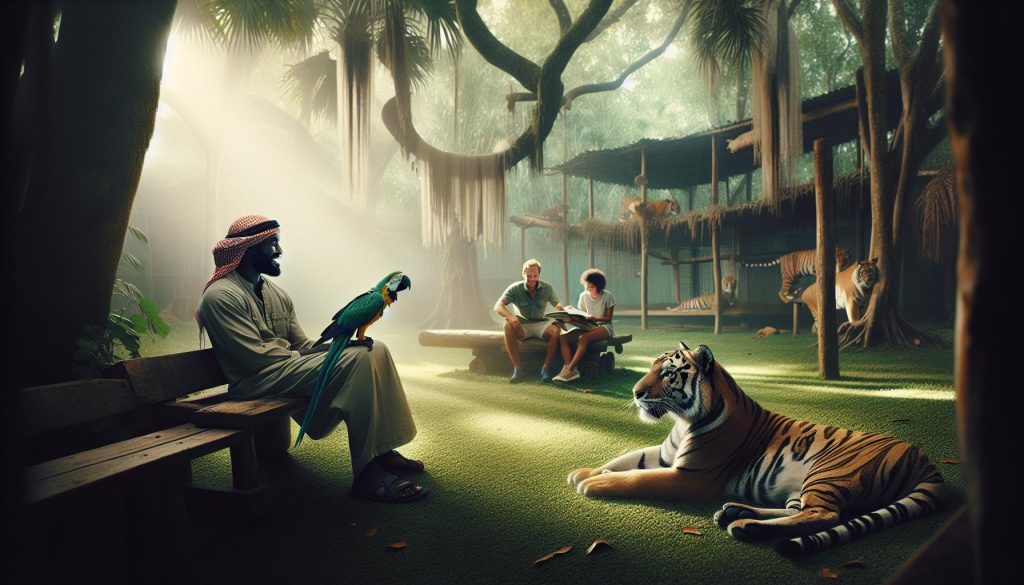
In the whirlwind of Joe Exotic’s larger-than-life saga, it’s easy to forget about the animals at the center of the storm. Today, we dive into the current lives of these fascinating creatures, exploring their well-being after the chaos of their former home at the Greater Wynnewood Exotic Animal Park. How are these animals adapting? Who is caring for them now? As many seek to understand the implications of exotic animal ownership and the responsibilities that come with it, these insights are crucial. Join us as we uncover heartwarming stories and provide updates on their new habitats, shedding light on the important connection between wildlife conservation and responsible ownership. This exploration not only satisfies our curiosity about these iconic animals but also prompts a deeper reflection on the impact of human actions on wildlife. Stick around to learn more about these incredible beings and how you can play a role in their conservation journey!
Joe Exotic’s Wildlife Collection: An Overview
Joe Exotic’s wildlife collection was nothing short of a spectacle, drawing immense public attention and controversy. With a vast array of exotic animals, it became notorious for its combination of glitz, glamour, and grim realities. At the height of his fame, Joe Exotic boasted over 200 big cats, including tigers, lions, and hybrids like ligers, alongside various primates and other exotic species. This extensive menagerie, largely situated at the Greater Wynnewood Exotic Animal Park in Oklahoma, was marketed as a conservation effort and fan experience, but it raised serious questions about the ethics of exotic animal ownership and care.
The diversity of species within Joe‘s collection showcased the allure of exotic pets, but behind the scenes was a complex web of care challenges. For instance, large felines require vast territories, specialized diets, and social structures to thrive. In captivity, these needs often go unmet, leading to harmful behaviors and health issues. His tigers, for example, often lived in cramped cages, devoid of the enrichment necessary for their well-being. While his wild persona and elaborate shows enticed visitors, they glossed over the essential requirements for caring for such majestic creatures.
As the fate of Joe’s wildlife collection unraveled, it became evident that the animals were caught in the middle of a high-stakes legal battle over animal abuse and wildlife trafficking allegations. After Joe’s conviction, the future of these animals became a pressing issue for many animal rights advocates. Various rescue organizations stepped in, aiming to provide a safe haven for Joe’s animals, ensuring they receive the proper care and environment suited for their species. These efforts have highlighted the broader implications of exotic pet ownership and have spurred conversations on the need for more stringent laws to protect these animals.
Today, many of the surviving big cats and other animals from Joe Exotic’s collection are now thriving in reputable sanctuaries where they can live out their days in a more natural and stress-free environment. The transition to rescue organizations marks the beginning of a new chapter, providing these animals the chance for recovery and proper care, a stark contrast to the lives they led at the park. This journey underscores an essential reality: the public’s fascination with exotic animals must be paired with a commitment to their welfare and protection.
The Fate of Joe Exotic’s Big Cats
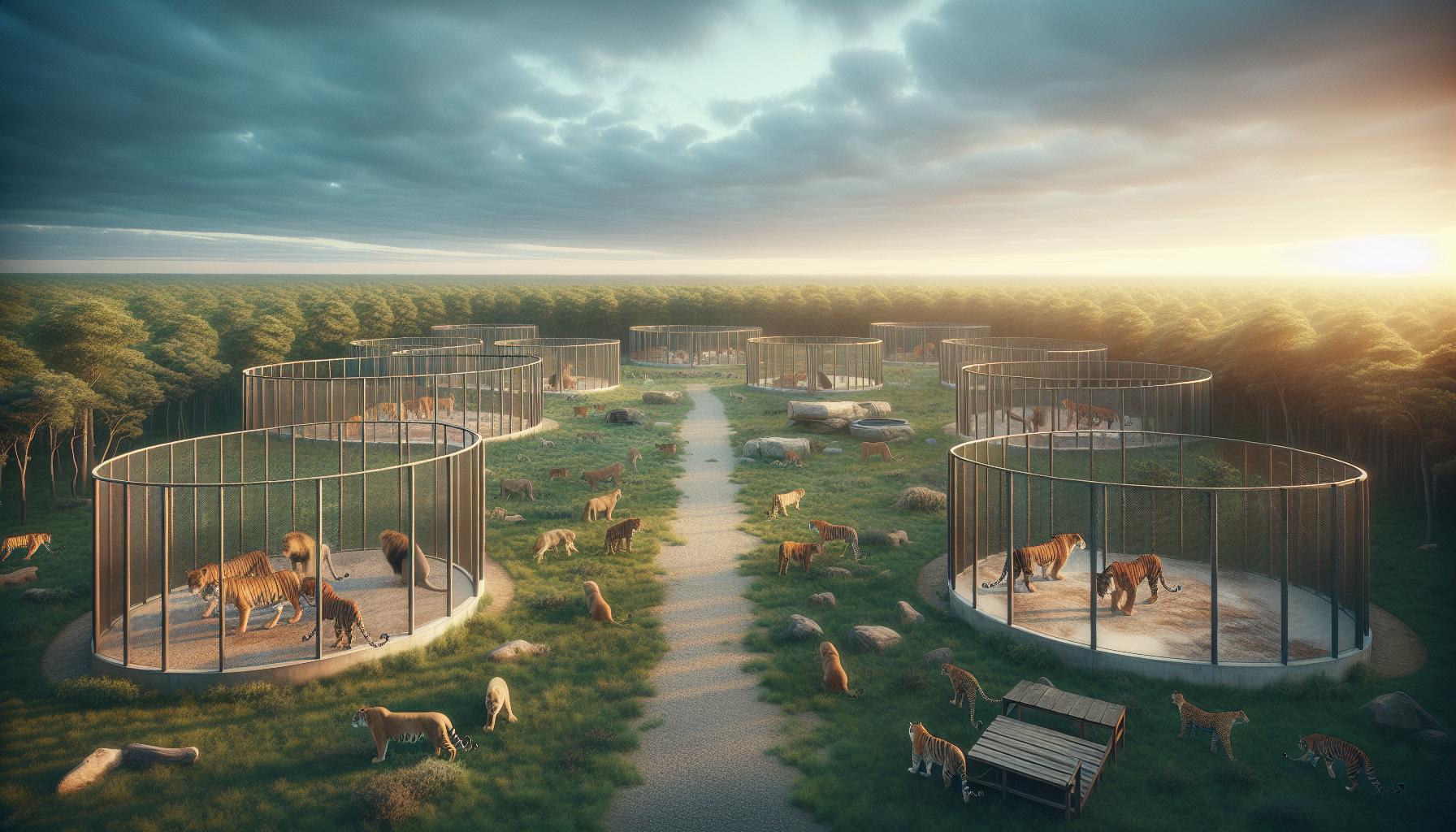
The fate of the big cats once housed at Joe Exotic’s facility has become a poignant chapter in the narrative of animal conservation and welfare. Following his legal troubles, many of the animals, particularly the tigers and lions that once roamed the confines of his park, were transferred to reputable sanctuaries, providing them a vital second chance. Unlike their previous lives, often relegated to small cages and artificial environments, these big cats now experience spaces more akin to their natural habitats, which are essential for their physical and psychological well-being.
To give you an idea of their new lives, these sanctuaries prioritize enrichment and natural behaviors. For instance, at big cat rescue facilities, tigers enjoy large enclosures that mimic their wild habitats-complete with trees to climb, water features for swimming, and ample space to roam. This significant shift is not just a change in scenery but transforms their day-to-day experiences. These animals are learning to engage in instinctual behaviors, such as hunting and socializing, which they were deprived of during their captivity.
Safe Havens and Ongoing Care
Various organizations, such as the Big Cat Rescue in Florida and the Wild Animal Sanctuary in Colorado, have stepped up to offer safe haven. These facilities employ experienced caretakers who understand the needs of big cats, ensuring they receive a balanced diet, veterinary care, and mental stimulation. For example, enclosures are designed to allow these majestic creatures to express natural behaviors, fostering a sense of independence and security that is imperative for their recovery.
Moreover, many of the animals have formed new social bonds in these sanctuaries, often finding companionship with other rescued animals. This socialization is crucial as tigers and lions, while solitary creatures in the wild, can benefit from the presence of other big cats under the right conditions. Enrichment programs also ensure that these animals engage in play and exploration, stimulating their instincts and reducing stress.
Looking Toward the Future
As the stories of Joe Exotic’s big cats continue to unfold, they serve as a reminder of the consequences of exotic animal ownership and the importance of responsible stewardship. The transfer of these animals highlights a growing recognition of animal rights and welfare, encouraging stricter regulations and awareness of the implications of keeping wild animals in captivity.
In summary, the big cats that once captivated audiences but suffered in confinement are now on a path of healing in sanctuaries that honor their needs and natural behaviors. Their journey underscores a critical truth: with great fascination for wildlife comes an even greater responsibility to ensure their welfare and conservation. The tale of Joe Exotic’s animals is not just about the past; it’s about building a better future for these incredible creatures.
Understanding the Current Lives of Joe’s Tigers
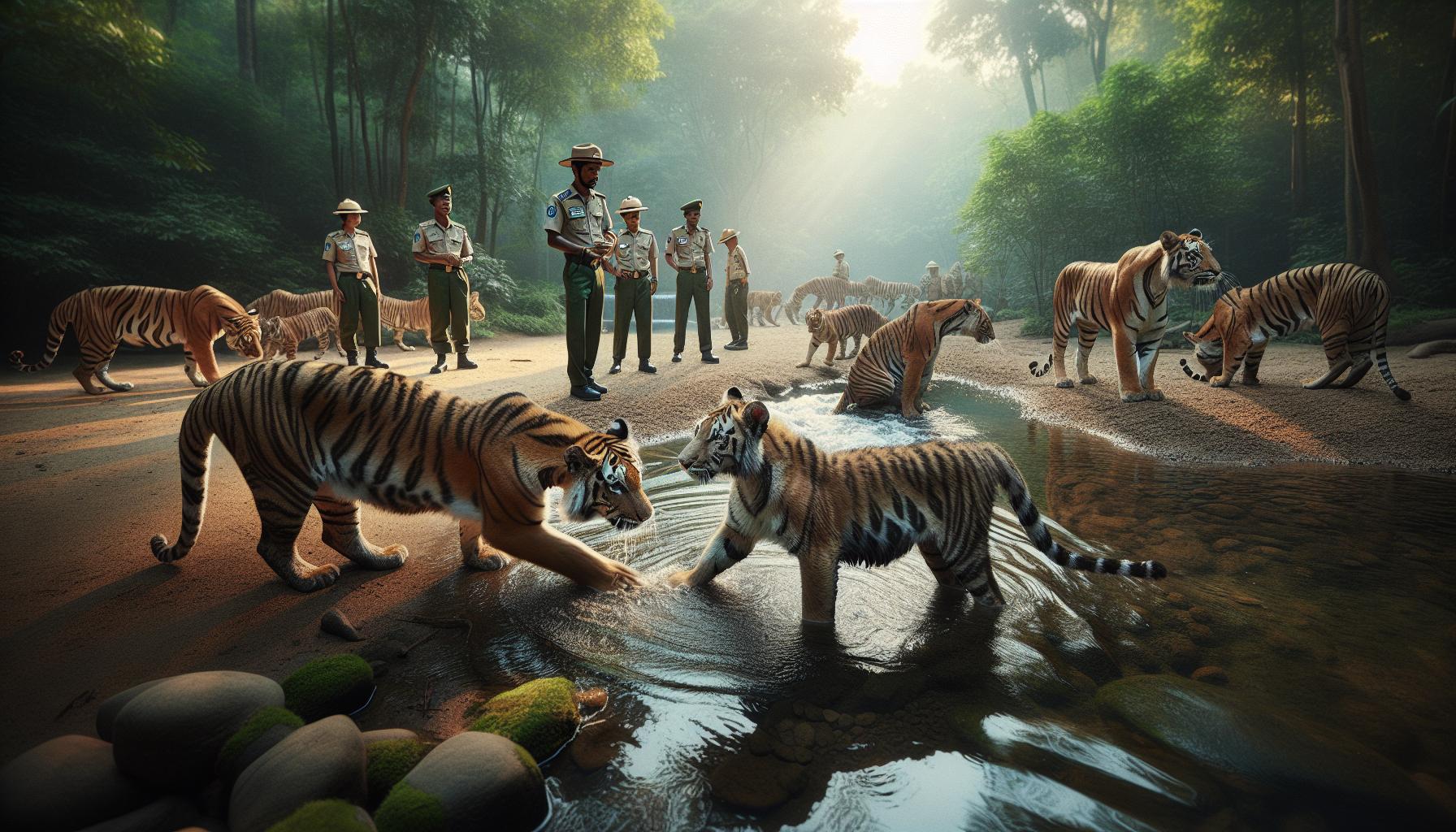
The journey of Joe Exotic’s tigers has taken a remarkable turn since their rescue from captivity. No longer confined to cramped enclosures unsuitable for their majestic stature, these magnificent big cats now thrive in sanctuaries designed to cater to their needs. For instance, at facilities like the Big Cat Rescue in Florida and the Wild Animal Sanctuary in Colorado, tigers roam large, naturalistic habitats that allow them to express their instinctual behaviors, such as climbing, swimming, and socializing with others of their kind.
The shift from captivity to sanctuary life not only improves their physical conditions but also enhances their mental health. Many of these rescues implement enrichment programs that encourage natural behaviors, stimulating the tigers’ minds and keeping them active. For example, caretakers provide them with toys, puzzle feeders, and environments that replicate their natural habitats, fostering a sense of exploration and curiosity. This kind of careful attention to their needs helps in reducing stress and anxiety, which are common among animals that have experienced the trauma of captivity.
Life in Sanctuary: A New Beginning
In their new homes, the tigers are also experiencing significant social changes. While tigers are generally solitary in the wild, many have formed unexpected bonds with other rescued animals, illustrating the adaptability of these creatures. In larger enclosures, they find companionship that promotes social interaction and contributes to their overall well-being. For those tigers that prefer solitude, sanctuaries ensure they have designated quiet areas, respecting their natural instincts while providing the freedom to choose their social engagements.
Another essential aspect of their current lives is the comprehensive veterinary care they receive. Regular health checks, vaccinations, and enriched diets tailored to their nutritional needs are paramount in ensuring their long-term health. This commitment to their care marks a significant contrast to their previous life, where proper medical attention was often neglected.
In summary, the tigers once associated with Joe Exotic are now on a path toward recovery and enrichment, embodying the potential for change and renewal. Their lives in sanctuaries reflect the importance of responsible animal care and the necessity of protecting these incredible creatures from exploitation and harm. As they adjust to their new worlds, they inspire ongoing conversations about wildlife protection and the ethical treatment of exotic animals.
What Happened to Joe Exotic’s Primates?
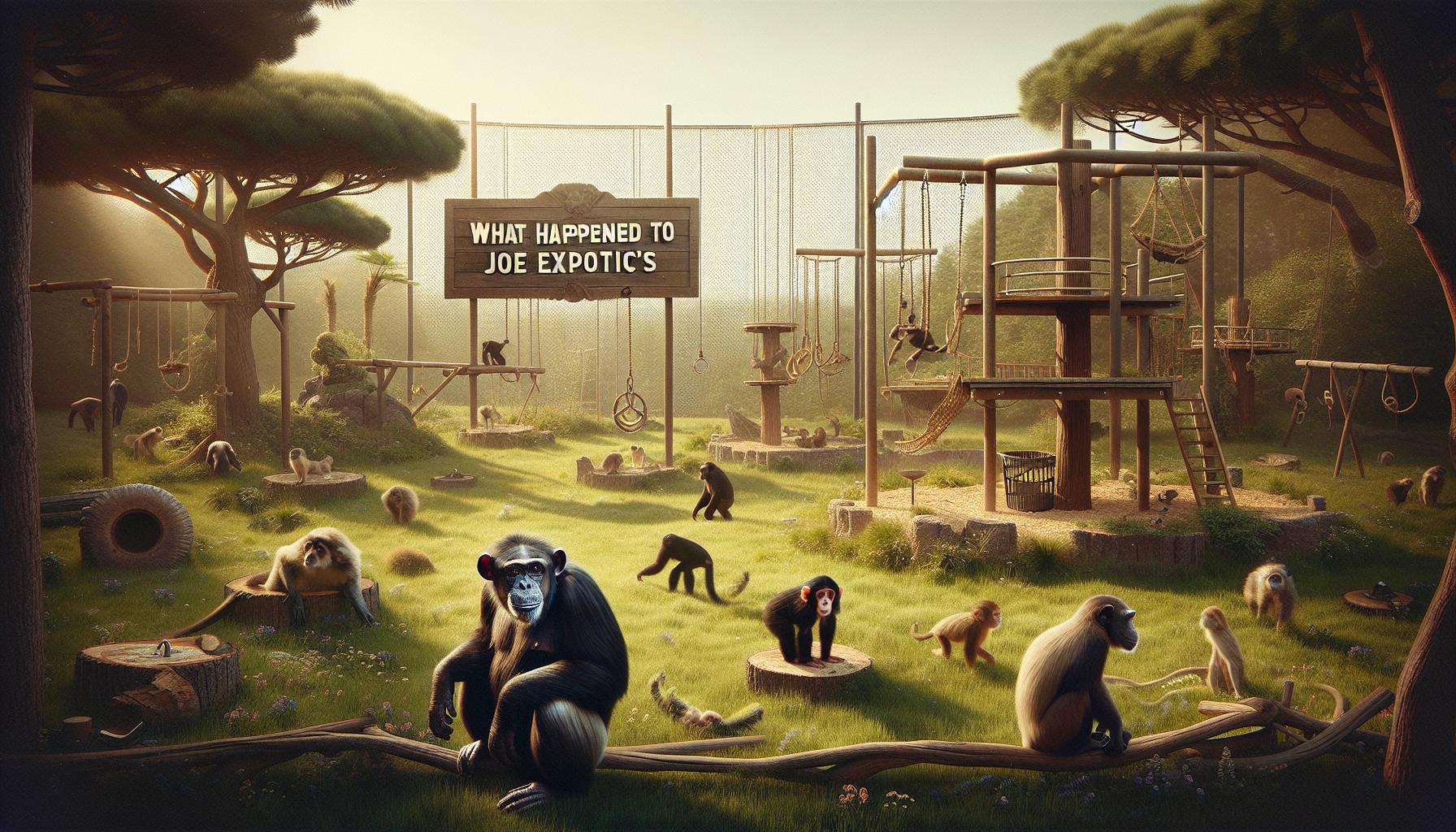
The story of Joe Exotic’s primates is both heartbreaking and inspiring as these intelligent animals have found refuge from past hardships. Primates, known for their social nature and complex behaviors, thrive in settings that allow them to engage with their environment and peers. After being rescued, many of Joe’s monkeys and other primates were relocated to reputable sanctuaries where they could begin their journey towards healing and rehabilitation.
The first major step for these primates was receiving comprehensive health assessments. Like many animals rescued from captivity, they arrived at their new homes facing various health and behavioral challenges. Sanctuaries employed specialized veterinarians to address physical ailments, provide vaccinations, and offer psychological support. Primates are particularly sensitive to changes in their environment, so careful handling and acclimatization are vital. For instance, at facilities like the Primate Rescue Center, staff create a gradual transition plan that introduces the monkeys to larger enclosures filled with enriching toys and climbing structures, mimicking their natural habitats.
At these sanctuaries, the primates benefit from living in social groups, which is crucial for their psychological well-being. Social structures among primates are complex, and in their new homes, many have formed bonds that help reduce anxiety and stress. Caretakers often observe fascinating interactions: some monkeys engage in playful behavior, while others nurture their young or groom one another. These social activities not only reflect their natural instincts but also facilitate recovery from the trauma they experienced in captivity.
Furthermore, sanctuaries prioritize education and awareness. They emphasize the importance of not keeping primates as pets and advocate for better wildlife protection laws. By sharing stories about Joe Exotic’s primates, they raise awareness about the challenges these animals face in captivity and the need for proper care. The journey of Joe’s primates illustrates not only the resilience of these remarkable beings but also the crucial role sanctuaries play in redefining what it means to care for exotic animals. Through dedicated efforts, these sanctuaries are helping to cultivate a future where primates can thrive in environments that respect their natural behaviors and instincts.
Life After Captivity: The Journey of the Animals
Exotic animals endure significant trauma when they transition from captivity to freedom, but this process can lead to remarkable changes in their lives. For the animals previously owned by Joe Exotic, their journeys of rehabilitation and recovery are both inspiring and complex. Once freed from the confines of inadequate care, these animals now enjoy environments designed to meet their natural needs, highlighting the resilience of wildlife and the positive impact of dedicated rescue organizations.
Upon arrival at sanctuaries, each animal undergoes a thorough health assessment. This includes both medical examinations and behavioral evaluations to determine their specific needs. For many of Joe Exotic’s big cats, this meant transitioning into more spacious enclosures that resemble their natural habitats. Enrichment activities, such as climbing structures and water features, are critical in helping cats like tigers and lions regain their instinctual behaviors. At facilities like Big Cat Rescue, caretakers focus on providing stimulating environments that encourage exploration and social interaction among species, fostering a sense of security and comfort.
In addition to physical health, emotional well-being is a top priority for these rescues. Animals that once experienced neglect or abuse often arrive with signs of anxiety or fear. Expert caretakers implement gradual acclimatization protocols, allowing the animals to explore their new surroundings at their own pace. For example, some lions took weeks to venture into their outdoor enclosures; however, with patience and encouragement, many have established a routine that includes sunbathing and playing with enrichment toys.
Recovering from captivity doesn’t only benefit the animals themselves but also serves a broader educational purpose. Sanctuaries actively engage the public through tours and outreach programs, sharing the stories of each animal and advocating for wildlife conservation. By spotlighting the plight of these creatures, the sanctuaries foster a deeper understanding of the importance of ethical animal care and the need for stricter regulations on exotic pet ownership. Through these efforts, Joe Exotic’s animals are not just surviving; they are thriving, becoming ambassadors for their species and inspiring change in attitudes towards wildlife conservation.
As observers witness their recovery, it’s crucial to remember that this journey does not end with the animals’ physical relocation; it’s about fostering future generations of awareness and respect for wild animals. Each story, each recovery, adds to a larger narrative that celebrates the possibility of healing and redemption for those who have suffered the injustices of captivity.
Where Are the Animals Now? Rescue Organizations Involved
After leaving the tumultuous environment created by Joe Exotic, many of the animals found refuge in various dedicated rescue organizations across the United States. These sanctuaries have transformed the lives of the displaced animals, offering them not just safety but also an enriched lifestyle that caters to their natural instincts and needs.
Sanctuaries like Big Cat Rescue and Carole Baskin’s Big Cat Rescue focus primarily on providing a stable, caring environment for big cats like tigers, lions, and leopards. Upon arrival, these animals receive comprehensive health checks and are gradually introduced to their new enclosures, which are designed to mimic their natural habitats. For instance, tigers enjoy large, wooded areas with pools, enhancing their swimming and climbing abilities-activities essential for their physical and psychological well-being.
Beyond big cats, various rescue organizations, including PETA and local wildlife rehabilitation centers, have stepped in to assist with the relocation of smaller exotic mammals. Joe Exotic’s primates, such as capuchins and macaques, found sanctuary at specialized facilities where they receive socialization with peers and enrichment activities tailored to their needs. In these safe havens, they can climb, swing, and interact with other primates-essential for their mental health and social development.
These organizations do not merely care for the animals; they also play a critical role in education and advocacy. By opening their doors to the public, they provide insights into the challenges of exotic pet ownership and the importance of wildlife conservation. Visitors can learn about individual animals, their backstories, and the ongoing efforts needed to protect them. Through this outreach, these rescues aim to inspire a greater appreciation for wildlife and advocate for stronger legal protections against the trade and exploitation of exotic animals.
The journey of these animals doesn’t just stop with their relocation. With the support of rescue organizations, they embark on a new chapter where they can enjoy a quality of life that was once denied to them, serving as powerful ambassadors for their species in the fight for better animal welfare practices worldwide.
Impact of Joe Exotic on Animal Welfare Laws
The whirlwind of attention surrounding Joe Exotic and the “Tiger King” phenomenon has not only captivated audiences but has also sparked a significant dialogue about animal welfare laws in the United States. Exotic animal ownership, particularly concerning big cats and primates, has been thrown into sharp relief, revealing systemic gaps in legislation designed to protect these animals. As the public became more aware of Joe’s controversial practices, the call for more stringent regulations grew louder.
In response to this newfound awareness, several states have started re-evaluating and tightening their laws regarding exotic animal ownership. For instance, the Animal Welfare Act has been highlighted as an inadequate safeguard for the welfare of animals kept in captivity. Many advocacy groups are pushing for changes that could include stricter licensing requirements, mandatory inspections for facilities housing exotic species, and prohibitions against breeding more big cats for personal ownership. These movements not only aim to rehabilitate the scars left by unethical practices but also aspire to prevent future cases of abuse and neglect.
Consequently, organizations like the Humane Society and PETA have taken up the mantle of reform, using the popularity of the “Tiger King” series to amplify their messages. Efforts have also included campaigning for the Big Cat Public Safety Act, which seeks to restrict private ownership of big cats and prohibit the cub petting industry. The law aims to close loopholes that allow for the exploitation of these majestic creatures. This could lead to a safer environment for both animals and communities, acknowledging that wild animals are not pets and should not be treated as such.
It’s crucial to recognize that public opinion plays a massive role in these legal changes. The fascination with Joe Exotic has ignited a passion for wildlife conservation among many viewers. For every big cat or monkey that finds refuge in a sanctuary following these reforms, there is an opportunity for learning and appreciation of the complexities of exotic animal care. As the narrative around Joe Exotic evolves, so too does the landscape of animal welfare law, encouraging a movement toward a future where exotic animals can live free from the shadows of exploitation.
Spotlighting the Exotic Species No Longer in Captivity
After a tumultuous existence in captivity, many exotic species once housed in Joe Exotic’s wild collection have begun their journeys toward a more natural life in sanctuaries and rehabilitation centers. These establishments strive to provide safe havens for animals that have suffered from the challenges of being kept in human-controlled environments. Each species has unique needs and behaviors that are taken into account to ensure their well-being.
One of the most captivating examples lies with the big cats. Tigers, lions, and cougars, all of whom faced uncertain futures when removed from Joe’s facilities, now roam in spaces designed to mimic their natural habitats. For instance, some tigers have been relocated to large enclosures in accredited sanctuaries where they enjoy enrichment activities that promote their natural instincts, like climbing, swimming, and exploring. These activities are crucial for their mental and physical health, alleviating stress and fostering behaviors that are often diminished in captivity.
Understanding Their New Lives
It’s important to recognize the transition these animals face. Many cats may exhibit signs of anxiety or behavioral issues initially-common responses after experiencing trauma or confinement. Care teams monitor their progress closely, using positive reinforcement techniques to help them acclimate to their new environments. Over time, many big cats have been recorded engaging in natural behaviors such as socializing with peers or exhibiting hunting strategies during feeding time.
Another significant group affected is the primates. Monkeys and lemurs similarly require specialized care due to their highly social and intelligent natures. Organizations that have taken in these species often focus on social rehabilitation, allowing them to live in groups where they can engage in typical behaviors like grooming, playing, and climbing. Sanctuaries such as the Save the Chimps facility in Florida have successfully created multi-acre habitats where ex-captive primates can experience a semblance of their wild lives, emphasizing the importance of social interaction within their species’ dynamics.
What’s Next for Rescued Species?
The efforts behind these transformations involve more than just relocation; they represent the beginning of a healing process for each animal. The sanctuaries not only provide a refuge but also play a pivotal role in educating the public about the needs and conservation of these fascinating creatures. Through workshops, virtual tours, and social media updates, they share stories of individual animals to foster understanding and empathy.
As the narrative around animal captivity continues to evolve, the stories of these exotic species shining in their new roles remind us of the importance of responsible wildlife ownership and conservation. Each animal’s journey emphasizes that a life without captivity can lead to recovery and revitalization, paving the way for their future in a world that respects their right to live freely.
How the Animals Adjusted to Their New Homes
Moving from a life of captivity to a sanctuary can be a daunting transition for any wild animal, but many of Joe Exotic’s former residents are adapting remarkably well. Each animal’s journey is unique, influenced by their prior experiences and the care they receive in their new homes. Caretakers at these sanctuaries understand that it takes time for these animals to adjust to their new environments, often mimicking their natural habitats to create a sense of comfort and security.
For big cats like tigers and lions, the adjustment period can be particularly challenging. Initially, some of these animals may display signs of confusion or anxiety, which is common after experiencing trauma. However, as they explore their spacious enclosures-complete with natural terrain like trees and water features-many begin to exhibit natural behaviors once again. Over time, some have been seen climbing trees, practicing ambush techniques during feeding, or even playing with enrichment toys designed to stimulate their wild instincts. Sanctuaries prioritize creating environments that foster these behaviors to promote both psychological and physical well-being.
Primates, on the other hand, require a different approach altogether. Given their social nature, many of Joe’s former monkeys and lemurs have thrived in group settings within sanctuaries like Save the Chimps. Here, they can reconnect with their own kind, engaging in grooming, climbing, and social play, which are essential for their mental health. Caregivers pay close attention to individual personalities and group dynamics, allowing time for them to integrate smoothly into their new communities. This emphasis on social interaction has proven vital for their emotional recovery, providing them with companionship and the opportunity to express their natural tendencies.
The efforts of these sanctuaries extend beyond mere care-they also involve a significant educational component aimed at raising awareness about the needs of these animals. Through tours and outreach programs, these organizations share the stories of individual animals, fostering a greater understanding of wildlife conservation and responsible pet ownership. This holistic approach not only nurtures the animals but also educates the public, helping to ensure a brighter future for these magnificent creatures.
Behind the Scenes: A Day in the Life of Exotic Animals
Every day in a wildlife sanctuary is a testament to resilience and healing. For the animals rescued from Joe Exotic’s troubled collection, this new life marks a significant transformation from captivity to a place where their natural instincts can thrive. Upon arrival at their new homes, each species undergoes a carefully structured routine that balances care, enrichment, and rehabilitation, ensuring they adapt well to their surroundings.
Morning Rituals
Mornings in a sanctuary typically begin with a team of dedicated caretakers preparing food. For big cats, this might include whole prey items or specially crafted diets enriched with vitamins. As the sun rises, the enclosures buzz with activity-lions and tigers pacing, eagerly anticipating their breakfast. Once fed, caretakers observe their eating habits, which can reveal much about their health and comfort levels. Tigers may even engage in playful behavior right after a meal, a sign of their settling in.
For primates, mornings can be orchestrated symphonies of vocalizations. As caregivers open enclosure doors, many monkeys leap and swing from tree branches, relishing the freedom to explore. Fresh fruits and vegetables are distributed as part of their diet, accompanied by opportunities for social interaction, essential for their wellbeing. Their days are filled with grooming, chasing, and climbing, which are vital activities for their mental health.
Enrichment Activities
Throughout the day, sanctuaries focus on enriching the lives of their residents through engaging activities. For big cats, enrichment can include puzzle feeders that trigger their hunting instincts or climbing structures that mimic their natural habitats. These activities promote physical health and mental stimulation, reducing the risk of boredom-related behaviors.
Primates also receive enrichment tailored to their needs. Caregivers provide various toys, foraging opportunities, and spaces designed to encourage social play. The goal is to recreate aspects of the wild, allowing these animals to express their natural behaviors-essential for their emotional and psychological recovery.
Evening Wind Down
As evening approaches, the pace within the sanctuary shifts. Caretakers conduct health checks, monitor the animals’ wellbeing, and ensure that each habitat is clean and safe. For the big cats, this is the time for a final meal, often accompanied by soothing interactions from staff, reinforcing trust and security. Meanwhile, the primates settle down for the night, often forming close-knit bonds as they groom each other or huddle together.
Celebrating Progress
The dedication of sanctuary teams makes a remarkable difference in the lives of these exotic animals. Regular assessments and continuous monitoring allow caregivers to tailor experiences that promote healing. The bond formed between the animals and their caretakers signifies a profound change-from confinement to connection, from fear to security. These animals are no longer just survivors; they are vibrant beings, expressing their unique personalities and reclaiming their place in the ecosystem.
Conservation Efforts Inspired by Joe Exotic’s Story
It’s fascinating how the controversial story of Joe Exotic has sparked greater interest in wildlife conservation. His high-profile exploits and the ensuing media frenzy highlighted the stark realities faced by exotic animals in captivity, leading many to question the ethics of their treatment. This has catalyzed discussions and initiatives aimed at safeguarding not only the species featured in his collection but also other threatened wildlife across the globe.
The impact of Joe Exotic’s saga is evident in the rise of advocacy for stricter regulations surrounding exotic animal ownership. Organizations such as the Big Cat Rescue and the Animal Welfare Institute are working tirelessly to push for legislation that would effectively ban private ownership of big cats and impose regulations on breeding and trade. These efforts aim to ensure that animals are not merely seen as entertainment or status symbols but are treated with the dignity they deserve. For example, new laws, like the Big Cat Public Safety Act, have gained traction in the U.S. Congress, signaling a shift in public perception and policy regarding exotic wildlife.
Moreover, many sanctuaries that have taken in ex-Joe Exotic animals are using their stories to raise awareness and educate the public about the importance of wildlife conservation. These facilities often host tours, educational programs, and outreach initiatives designed to inform visitors about the natural behaviors and habitats of these species. By sharing these narratives, they aim to foster a deeper understanding of the challenges facing wild animals in captivity and promote the importance of preserving their natural habitats.
In addition to legislative advancements, grassroots movements have sprung up, encouraging responsible ownership and ethical treatment of all animals. Campaigns urging people to think twice before adopting exotic pets are becoming more prominent, driven by the realization that many animals, like tigers and monkeys, require specialized care that most individuals cannot provide. Community events, fundraising drives, and social media advocacy have become powerful tools for spreading awareness about the plight of captive animals and the need for conservation efforts.
The collective reaction to Joe Exotic’s legacy is more than just outrage; it’s a rallying cry for change. It reflects an evolving understanding of our relationship with wildlife and emphasizes the urgency of protecting these magnificent creatures for future generations.
What Lies Ahead for Joe Exotic’s Animals?
While the narrative surrounding Joe Exotic’s exotic animals has been marked by controversy, there is hope for a brighter future for many of the creatures formerly under his care. Today, numerous organizations dedicated to animal welfare have stepped in to ensure these animals receive the specialized attention and environment they need to thrive. The journey ahead for Joe’s animals is guided by their individual needs, species-specific care, and the commitment of rescue organizations dedicated to their well-being.
As many big cats and primates have been relocated to sanctuaries, the focus is on rehabilitation and fostering natural behaviors. For instance, tigers are often placed in large, enriched habitats that allow them to exhibit instinctual behaviors like climbing, swimming, and hunting-though in safe and controlled environments. One notable sanctuary, the Big Cat Rescue, actively provides a more natural lifestyle, allowing these magnificent creatures to roam and explore vast enclosures, which is crucial for their mental and physical health.
The Role of Rescues and Sanctuaries
The animal welfare community is rallying around these animals to offer them a life free from exploitation. Here are some of the key organizations involved:
- Big Cat Rescue – Focused on the rescue and rehabilitation of big cats, providing them with spacious habitats.
- Wildlife Conservancy – Works to protect various exotic species, including those affected by Joe Exotic’s practices.
- The Animal Sanctuary – A rescue organization that provides permanent homes for exotic animals, emphasizing public education.
Through educational outreach, these organizations aim to raise awareness about the importance of wildlife conservation. By showcasing the animals’ new lives, they not only tell compelling stories but also urge the public to reconsider the ethics of exotic animal ownership and promote stricter regulations on private ownership.
Looking ahead, many of Joe Exotic’s animals are now on paths toward recovery and a form of normalcy. Some will participate in breeding programs designed for conservation, while others will serve as ambassadors in educational programs aimed at enlightening people about the challenges facing wildlife. As changes in legislation pave the way for stricter regulations, the legacy of these animals can foster a deeper appreciation for wildlife and encourage responsible stewardship of nature. In this evolving landscape, the focus remains clear: creating a future where animals like those formerly under Joe Exotic’s care can live with dignity, respect, and in harmony with their natural instincts.
FAQ
Q: What is the current status of Joe Exotic’s tigers?
A: Joe Exotic’s tigers are now in various accredited sanctuaries and zoos across the United States. Many have found homes in organizations committed to their care, such as the Big Cat Rescue and the Carolina Tiger Rescue. These sanctuaries focus on rehabilitation, providing a safe environment for the tigers to thrive.
Q: How are Joe Exotic’s elephants being cared for now?
A: Joe Exotic’s elephants, specifically those that were at his facility, have been relocated to specialized sanctuaries like the Elephant Sanctuary in Tennessee. These organizations offer spacious habitats and expert care, promoting a more natural lifestyle for elephants rescued from captivity.
Q: Were any animals adopted by private individuals after Joe Exotic’s arrest?
A: While some animals were initially placed in temporary care, most have been moved to accredited organizations dedicated to wildlife conservation. Private ownership of exotic animals is heavily regulated, ensuring that the majority of Joe’s animals are cared for by professionals.
Q: What organizations are involved in the rescue of Joe Exotic’s animals?
A: Multiple animal welfare organizations, including the ASPCA and the Big Cat Rescue, played crucial roles in rescuing Joe Exotic’s animals. These organizations work to rehabilitate the animals and promote awareness of wildlife conservation efforts.
Q: How are the animals adapting to their new environments?
A: Animals from Joe Exotic’s collection are generally adapting well to their new environments, with many exhibited signs of natural behaviors. Sanctuaries work diligently to ease the transition, providing enrichment and social opportunities similar to their natural habitats.
Q: Are Joe Exotic’s animals involved in conservation efforts?
A: While Joe Exotic’s animals primarily focus on rehabilitation, many sanctuaries also participate in conservation programs that educate the public. By showcasing the animals’ stories, these initiatives raise awareness about wildlife protection and habitat preservation.
Q: What challenges do rescued animals face after leaving Joe Exotic’s facilities?
A: Rescued animals often face challenges such as adjusting to a new environment and overcoming past trauma from captivity. Sanctuaries implement specialized care programs to help animals heal both physically and psychologically, ensuring a better quality of life.
Q: How can I support the sanctuaries caring for Joe Exotic’s animals?
A: Supporting sanctuaries can be done through donations, volunteering, or spreading awareness about their missions. Many organizations welcome financial contributions and support through educational programs that promote wildlife conservation.
Insights and Conclusions
As we wrap up our exploration into “Joe Exotic: Where Are the Animals Now? Their Current Lives,” remember that understanding these magnificent creatures’ journeys is just the beginning. Their stories reflect broader issues of wildlife conservation and ethical ownership that demand our attention. Don’t let their plight fade-share your thoughts in the comments below and engage with your fellow wildlife enthusiasts!
If you found this insight valuable, dive deeper into related topics like the impact of exotic pet ownership or the future of wildlife sanctuaries. Consider subscribing to our newsletter for updates on these important discussions and more captivating animal stories. Together, we can learn, advocate, and take action to support responsible wildlife care. Explore more on our site and enrich your knowledge about these incredible beings. Stay curious, and let’s continue this journey together!
Get our latest guides, news, and insights highlighted in your Google Search & AI Overviews.