
Did you know that California has one of the strictest laws regarding exotic animal ownership in the United States? This means that while many people dream of having unique pets, not all exotic animals can be legally kept in the state. Understanding which species are banned is crucial for potential owners to avoid legal troubles and ensure safe, responsible pet ownership. In this article, we’ll explore the list of exotic animals that are illegal in California, delving into the reasons behind these regulations and highlighting the importance of wildlife conservation. Whether you’re a curious animal enthusiast or considering an exotic pet, knowing this information is vital for making informed decisions. Let’s dive in and discover what you need to know about California’s exotic animal bans!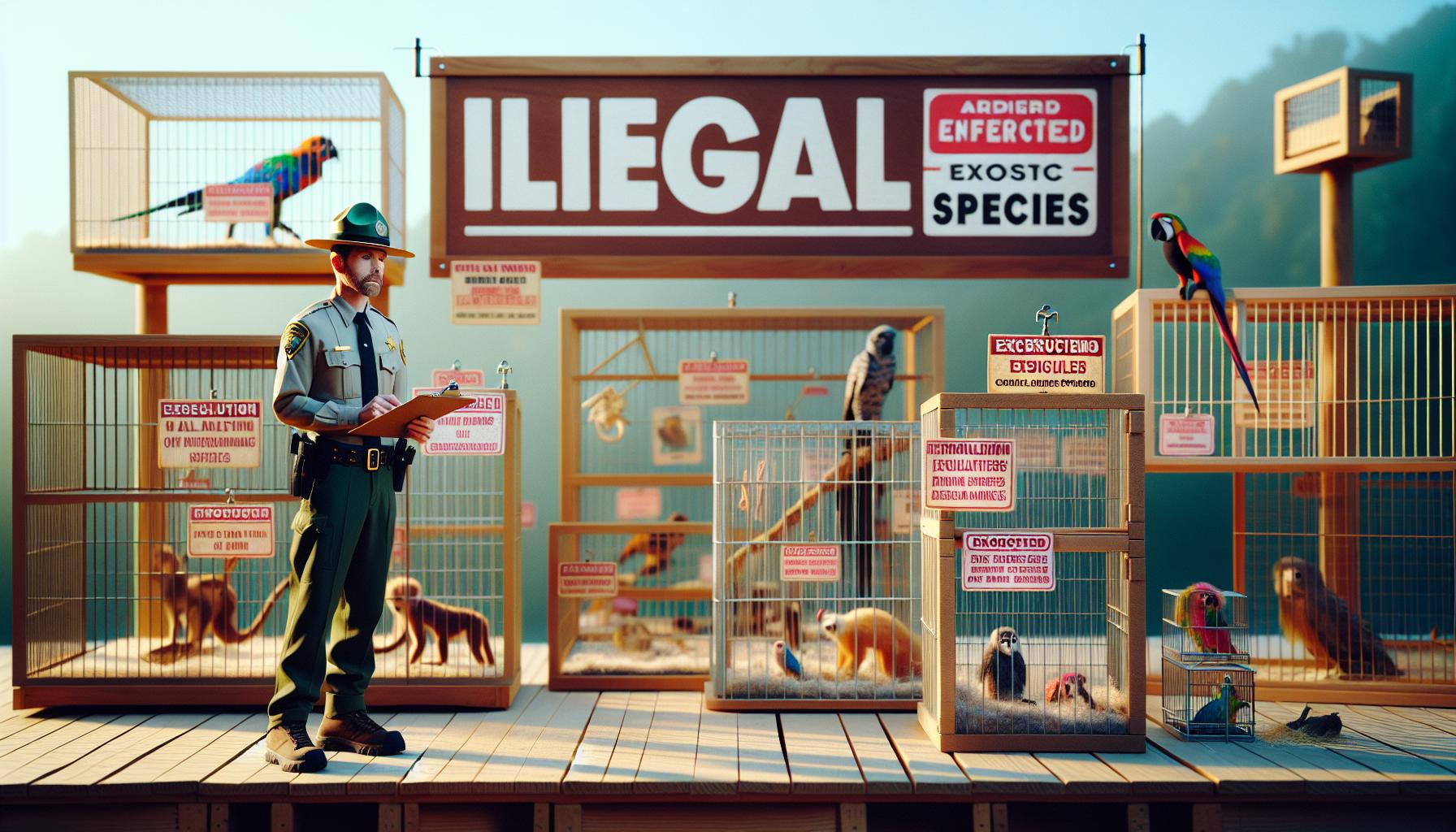
What Makes Exotic Animals Illegal in California?
California is known for its incredible biodiversity, but this state also has some of the strictest regulations when it comes to owning exotic animals. What makes these regulations essential is the understanding that exotic animals can pose significant risks to both the environment and public safety. These animals, often removed from their natural habitats, may carry diseases, exhibit unpredictable behavior, and require specialized care that most individual owners cannot provide. This concern is heightened by incidents of animal escapes or attacks that can endanger not only the owner but also the general public and native wildlife.
One major factor contributing to the legality of certain animals is their potential to disrupt local ecosystems. For example, non-native species may compete with native species for food and territory, leading to declines or even extinctions. Additionally, some exotic animals, such as large cats or reptiles, can become incredibly powerful and difficult to manage, resulting in serious safety threats if they are improperly cared for or if they escape. The California Department of Fish and Wildlife has established clear guidelines outlining which species are prohibited, based on these risks and the potential for harm.
To support responsible ownership and conservation efforts, California’s laws encourage the protection of native wildlife and habitats. Understanding these legal frameworks is crucial for any wildlife enthusiast considering caring for an exotic pet. In this state, appreciation for creatures of all kinds is balanced with the responsibility of ensuring that both people and animals are safe. If you’re interested in exotic animals, it’s essential to stay informed and compliant with these regulations to foster a respectful and safe interaction with the animal kingdom.
The Complete List of Banned Exotic Animals
California’s commitment to preserving its unique ecosystems is reflected in its comprehensive list of banned exotic animals. This regulatory framework is designed to protect native wildlife, public safety, and the overall health of the environment. If you’re curious about which exotic animals are illegal to own in California, you’ll find that the list encompasses a variety of species, ranging from large mammals to certain reptiles.
The following categories of animals are prohibited under California law:
Commonly Banned Species
- Big Cats: This includes lions, tigers, leopards, and cougars. Their size, strength, and dietary needs make them unsuitable as domestic pets.
- Primates: Monkeys and apes are banned due to their complex social needs and potential for aggressive behavior.
- Carnivorous Mammals: This category includes wolves, foxes, and raccoons, which can pose threats to local wildlife and domestic pets.
- Venomous Reptiles: Species such as venomous snakes (e.g., cobras, vipers) are restricted due to the substantial risk they pose to human safety.
- Large Constrictor Snakes: Anacondas, Burmese pythons, and boa constrictors are banned because they can inflict serious injury and often escape captivity.
- Certain Birds: Birds such as African grey parrots and many species of parrots are illegal due to their high intelligence and specialized care needs.
This diverse list highlights the state’s focus on animals that can potentially disrupt local ecosystems or pose public safety risks. Each of these banned species presents unique challenges, whether it’s due to their potential for aggression, complex care requirements, or propensity to escape and interact dangerously with California’s wildlife.
For anyone passionate about animals, understanding these regulations not only fosters responsible ownership but also showcases California‘s dedication to protecting its native species and habitats. Before considering any exotic pet, always consult the California Department of Fish and Wildlife guidelines to ensure compliance and promote conservation-friendly practices.
Reasons Behind California’s Exotic Animal Laws
The laws regulating exotic animals in California arise from a deep commitment to conserving the state’s rich biodiversity and safeguarding public health. With its unique ecosystems formed by a blend of coastal, desert, and mountainous landscapes, California is home to countless native species that could be endangered by the introduction of non-native animals. For instance, large predators like tigers or illegal exotic pets such as primates can disrupt local wildlife populations, preying on native species or competing for resources.
One major reason behind the stringent restrictions is the potential for human-wildlife conflicts. Certain exotic animals, such as big cats and venomous reptiles, pose significant safety risks. Encounters between humans and these animals can lead to injuries or worse, emphasizing the need for protective measures. Moreover, primates, known for their complex social structures and intelligence, can exhibit aggressive behaviors if not kept in proper social contexts, further complicating their ownership in a typical household setting.
Another consideration is the environmental impact of keeping exotic animals as pets. These animals often have specialized care needs, requiring precise diets, large habitats, and social interactions that cannot be met in a typical home. The consequences of insufficient care extend beyond the individual animals; when they escape or are released into the wild, they can become invasive species, outcompeting native wildlife and spreading diseases. California’s laws aim to mitigate these risks by prohibiting specific species deemed unsuitable as pets.
In essence, California’s exotic animal laws function as vital safeguards against the ecological and social repercussions of private ownership. They reflect a broader ethos of environmental stewardship, ensuring that the state remains a sanctuary for its diverse ecosystems and a place where the welfare of both humans and wildlife is prioritized. For those interested in exotic pets, understanding these laws not only enhances responsible ownership but also contributes to conservation efforts that protect the natural heritage of California.
Consequences of Owning Illegal Exotic Pets
Owning illegal exotic pets in California can lead to a cascade of serious consequences, both for the animals involved and the owners themselves. First and foremost, many species, such as big cats or reptiles like venomous snakes, are not suited to the domestic environment. Their complex needs-ranging from diet and social interaction to space-are often impossible to meet without specialized knowledge and resources. For example, a tiger requires vast territories to roam, social structures for companionship, and a specific diet that can be hard to replicate, leading to stress and health issues if kept inappropriately.
The legal ramifications of keeping these animals can be severe. Owners of illegal pets may face hefty fines, confiscation of the animals, or even criminal charges. The California Department of Fish and Wildlife actively enforces these laws to ensure public safety and wildlife conservation. It’s not just fines that owners have to worry about; the potential legal battle for retaining an illegal pet can be stressful and costly, often resulting in the animal being placed in a sanctuary or euthanized if it’s deemed too dangerous or unhealthy to rehabilitate.
Additionally, the emotional toll on both owner and animal shouldn’t be underestimated. Exotic pets often experience significant stress due to confinement and lack of proper stimulation, which can lead to behavioral issues. For example, a monkey not receiving adequate social interaction may develop anxiety or aggression, which could pose a danger to household members. In contrast, owners might also suffer from guilt and regret, realizing too late that they are unprepared for the complexities of exotic animal care.
From a conservation perspective, owning illegal exotic pets can contribute to wider ecological problems. If these animals escape or are released into the wild, they can become invasive species, threatening local ecosystems and native wildlife. Each instance of illegal ownership perpetuates a cycle of demand that fuels the black market for exotic pets, further endangering species in their natural habitats. Therefore, understanding these consequences is vital for anyone considering exotic pets, as responsible ownership goes hand in hand with wildlife protection efforts.
Legal Exotic Pets: What You Can Own in California
In California, pet enthusiasts have a variety of legal exotic animals to choose from, allowing for a diverse and fascinating pet ownership experience. While certain species are strictly regulated or banned due to safety, ecological reasons, and animal welfare concerns, there are still many captivating creatures that can be kept legally with the right permits and care. For example, species like hedgehogs, sugar gliders, and even some reptiles can make delightful companions for those ready to meet their specific needs.
When considering legal pets, it’s essential to understand their care requirements. A hedgehog, for instance, thrives in a spacious habitat that mimics its natural environment, including a wheel for exercise, a hidden area for sleep, and a varied diet of insectivorous fare. Similarly, sugar gliders are social animals that require companionship, both from their human caretakers and potentially from other sugar gliders. Their unique behaviors, like gliding in short bursts, can offer endless entertainment!
Common Legal Exotic Pets in California:
- Hedgehogs: Small, nocturnal creatures that love exploration. They require a warm habitat and a high-protein diet.
- Sugar Gliders: These marsupials are social and need interaction. Consider adopting more than one to give them a playmate.
- Certain Reptiles: Popular choices include bearded dragons and leopard geckos, provided you maintain proper humidity, temperature, and diet tailored to their species needs.
Important Considerations
Before bringing home an exotic pet, it’s crucial to conduct thorough research. Not only do different species have varying care needs, but some might also need special permits depending on their classification under California law. Always consult with the California Department of Fish and Wildlife to ensure compliance and responsible ownership.
In addition to meeting care requirements, potential pet owners need to think about their long-term commitment. Many exotic pets have specific social, dietary, and habitat needs that can be quite different from traditional pets. Understanding these needs helps ensure a rewarding experience for both the owner and the pet, contributing positively to wildlife conservation by supporting ethical pet ownership practices.
Common Misconceptions About Exotic Animal Laws
The perception of exotic animal laws can often be clouded by myths and misconceptions. Many people assume that if an animal is available for sale, it must be legal to own, which isn’t the case in California. Just because a pet store or online retailer offers certain species doesn’t mean they comply with local regulations. In fact, some of the most commonly misunderstood animals include species like capuchin monkeys and various large reptiles, which are illegal to own without specific permits due to their potential danger to humans and the environment.
Another frequent misconception is that owning exotic pets is a harmless hobby. In reality, keeping certain exotic animals can lead to serious ecological consequences. For example, species introduced to the wild-either intentionally or accidentally-can disrupt local ecosystems, outcompete native wildlife, and lead to declines in species diversity. This is why California has stringent laws aimed at protecting local environments and wildlife from the potential threats posed by non-native exotic species.
Furthermore, many believe that regulations apply only to large or dangerous animals. However, even seemingly harmless creatures, like certain types of amphibians or rodents, can also be banned. This broad approach reflects the state’s commitment to ecosystem preservation. Many prospective pet owners are surprised to learn that certain species considered cute, like sugar gliders or hedgehogs, are completely legal, while larger, higher-maintenance pets, such as an African grey parrot or a ferret, may require specific permits to be kept legally.
Awareness and education are key. Do your research before adopting any animal, and consult resources like the California Department of Fish and Wildlife, which provides a comprehensive list of both legal and illegal exotic pets. Engaging with community groups or local exotic pet clubs can also provide valuable insights and support for responsible ownership practices.
Understanding California’s Wildlife Protection Policies
is essential for anyone interested in exotic pets and their legality. California is home to diverse ecosystems and numerous native species, making it imperative to safeguard wildlife from the threats posed by non-native exotic animals. The state’s regulations are designed to prevent disruptions to local ecosystems and protect native fauna and flora from potential harm caused by exotic species that may become invasive.
California’s laws are comprehensive, covering a wide array of species, from large predators to commonly misunderstood animals. The state employs a risk-based assessment to determine which species can be owned as pets. This assessment evaluates the potential ecological impacts, safety concerns, and the animal’s specific care requirements. For instance, while burrowing owls and certain tortoise species are protected, residents might be surprised to learn that even smaller creatures like some types of lizards are regulated to prevent their introduction into the wild.
Moreover, regulations go beyond simply listing banned species. The California Department of Fish and Wildlife actively engages in public education, informing prospective pet owners about responsible ownership. Understanding these regulations helps ensure that animal care aligns with the wildlife’s needs and the health of California’s natural environments. Prospective pet owners are encouraged to research extensively and consult state resources to avoid unintentional violations and foster responsible pet ownership.
By adhering to these wildlife protection policies, California not only aims to maintain its rich biodiversity but also promotes a culture of respect toward all living creatures. These regulations underscore the importance of coexistence and remind us that our choices can significantly impact the delicate balance of our ecosystems. So, before considering an exotic pet, it’s crucial to familiarize yourself with the laws and to think about how they protect our state’s unique wildlife legacy.
Enforcement Efforts: How California Polices Exotic Animal Ownership
California’s approach to policing exotic animal ownership is a blend of enforcement, education, and community involvement, all aimed at protecting its unique ecosystems. The state has strict regulations concerning the ownership of exotic animals, primarily enforced by the California Department of Fish and Wildlife (CDFW). These efforts include regular inspections, public awareness campaigns, and collaboration with local law enforcement agencies to ensure compliance.
Inspection and Compliance Programs
One of the key strategies California employs is its comprehensive inspection program. CDFW agents routinely conduct inspections of pet shops, breeding facilities, and private homes suspected of harboring illegal exotic pets. These inspections serve not only to enforce the law but also to educate pet owners about the regulations. If a prohibited animal is found, agents may issue citations or, in severe cases, confiscate the animal, ensuring it is either rehabilitated or returned to its native habitat.
Public Awareness and Education
Education plays a vital role in California’s enforcement strategy. The CDFW actively develops programs designed to inform the public about which animals are legal to own and the reasons behind these laws. Workshops, informational flyers, and partnerships with wildlife organizations help potential pet owners understand the ecological and ethical considerations necessary for responsible pet ownership. Through these efforts, California encourages a culture of respect toward wildlife and emphasizes the importance of biodiversity.
Community Involvement
California also benefits from community involvement in wildlife protection. Local organizations and volunteers often report suspicious activity related to illegal exotic pet ownership. The CDFW has set up hotlines and online reporting systems, allowing residents to report illegal activities anonymously. This grassroots participation not only enhances enforcement efforts but also fosters a sense of shared responsibility among Californians regarding wildlife conservation.
By intertwining enforcement with education and community engagement, California’s strategy against illegal exotic animal ownership is both proactive and reactive. This holistic approach not only helps maintain the delicate balance of its ecosystems but also enhances public awareness of wildlife issues, ultimately contributing to a healthier environment for all. For prospective exotic pet owners, understanding these enforcement efforts is crucial to ensuring that their passion for animals aligns with California’s wildlife protection policies.
Alternatives to Banned Exotic Pets for Enthusiasts
When it comes to choosing a pet, many animal lovers find themselves captivated by exotic species, only to discover that California has strict regulations banning a variety of them for ecological and safety reasons. However, there are still plenty of fascinating and legally permissible alternatives that can bring joy and excitement to your home. Not only are these pets legal, but they also come with their unique charms and care requirements that can make them equally rewarding companions.
One popular alternative is the sugar glider, a small, nocturnal marsupial known for its playful and social nature. Sugar gliders thrive in pairs and require a spacious, multi-level habitat filled with toys and climbing structures. They are known to glide gracefully from branch to branch, which can be captivating to watch. Providing a diet rich in fruits, vegetables, and protein will keep them healthy and happy.
Another engaging option is the hedgehog. These prickly little creatures have risen in popularity due to their endearing behavior and relatively simple care needs. Hedgehogs are nocturnal and enjoy interactive playtime with their owners. They require a secure habitat with bedding that allows for burrowing and plenty of opportunities for exercise outside their cages. Don’t forget! Their diet should consist of high-quality cat food, insects, and fresh fruits occasionally.
If you’re a fan of reptiles, consider a bearded dragon. These lizards are known for their mild temperament and can develop strong bonds with their owners. Bearded dragons need a warm habitat with UV lighting and a diet primarily made up of greens, insects, and occasional fruits. Their expressive behavior and unique personalities make them fascinating pets to observe and engage with daily.
Small mammals are also a great choice! From bunnies to ferrets, many small furry friends can fill your home with joy. Rabbits are social animals that thrive on companionship and require a spacious area to hop freely. They enjoy a varied diet of hay, greens, and pellets. Ferrets are playful and energetic, needing plenty of interaction and stimulation to remain happy.
In seeking alternatives to exotic animals, always consider your lifestyle and the specific care needs of the pet you choose. Research is critical to ensuring you can provide a suitable environment that meets all their needs. This way, you not only comply with California’s wildlife protection laws but also become a responsible pet owner who respects the needs of your furry or scaly companions. By choosing a legal and ethical pet, you contribute positively to animal welfare and conservation efforts, ensuring that your love for animals aligns with sustainable practices.
The Impact of Illegal Exotic Animal Trade in California
The illegal exotic animal trade in California is a complex and pressing issue that has far-reaching consequences for wildlife, human safety, and ecological balance. Every year, countless animals are trafficked into the state, often under horrific conditions and with little regard for their well-being. This underground market not only threatens the survival of many species but also poses substantial risks to public health and safety. For example, animals like large cats, primates, and reptiles can carry zoonotic diseases that may transmit to humans, creating health crises that are difficult to manage.
Moreover, the effects of this trade extend beyond immediate health risks. The introduction of non-native species, such as wild boars or Burmese pythons, can disrupt local ecosystems. These species often outcompete native wildlife for resources, leading to declines in native populations and altering habitat conditions. For instance, lionfish, an invasive species introduced into the Pacific Ocean, has been a significant threat to California’s marine ecosystems, harming coral reefs and local fish populations.
The state has implemented strict regulations and a comprehensive list of banned exotic animals to combat these issues. However, the allure of owning exotic pets still drives demand, and enforcement becomes challenging. Law enforcement agencies, along with wildlife protection organizations, have been working diligently to track and regulate illegal sales and ownership. They conduct inspections, raids, and investigations, but public awareness and community involvement are key components in addressing these challenges.
By educating themselves on the consequences of illegal pet ownership and advocating against the exotic animal trade, individuals can play a crucial role in protecting wildlife. There are many responsible alternatives available, from legal exotic pets to native species that can be kept in a sustainable manner. Emphasizing the joy of observing wildlife in their natural habitats rather than as confined pets can shift the cultural perception around these animals and contribute to conservation efforts.
Educational Resources for Exotic Animal Owners
There are myriad reasons why understanding the landscape of exotic animal ownership is crucial, especially in a state like California, where wildlife protection is paramount. Enthusiasts often seek to learn about legalities, care requirements, and ethical implications surrounding exotic pets. Fortunately, there are a wealth of resources available to guide both prospective and current exotic pet owners, ensuring responsible and informed ownership that contributes positively to conservation efforts.
Online Resources and Organizations
Many organizations focus on educating the public about wildlife and responsible pet ownership. For example, the California Department of Fish and Wildlife (CDFW) provides extensive information regarding the laws surrounding exotic animals, including a comprehensive list of banned species. Their website features guidelines for legal pet ownership and conservation strategies that owners can support. Additionally, organizations like the World Wildlife Fund (WWF) and the Humane Society offer resources and advocacy tools to help individuals understand the importance of protecting endangered species and the ecological impacts of exotic pet ownership.
Books and Documentaries
Books such as “The Modern Jungle: The Owner’s Guide to Exotic Pets” provide in-depth insights into the needs and challenges of different species, ensuring potential owners are well-informed. Documentaries and programs featuring wildlife experts, like those narrated by David Attenborough, not only entertain but also educate about the natural behaviors and habitats of exotic animals, reinforcing why many should remain in the wild rather than in captivity.
Community Engagement and Workshops
Participating in local workshops, often hosted by wildlife sanctuaries or rescue organizations, can be invaluable. These settings offer hands-on learning opportunities, allowing people to interact with legal exotic pets and learn proper care techniques. Moreover, neighborhood forums and social media groups focused on pet care provide platforms for sharing experiences and advice – bringing together both enthusiasts and novice owners to foster a community committed to ethical pet ownership.
By tapping into these resources, individuals can greatly enhance their understanding of exotic animals, aligning their passion for unique pets with responsible practices that safeguard wildlife and ecology. Embracing the role of a well-informed owner not only paves the way for enriching relationships with these animals but also contributes to broader conservation efforts underway in California.
How to Report Illegal Exotic Animal Activities
If you suspect illegal exotic animal activities in your area, you’re not just an observer; you’re a potential advocate for wildlife conservation. Reporting these activities can help protect native ecosystems and ensure that exotic animals are not kept in conditions that may lead to suffering or public safety risks. California has strict laws against owning many exotic species, and improper ownership can have dire consequences-not just for the animals involved, but also for local wildlife and communities.
When you come across what you believe to be illegal exotic animal ownership, start by gathering as much information as possible. Take notes on the type of animal, the conditions in which it is kept, and any other relevant details. Use your smartphone to capture photos, or document the behaviors of the animals if it’s safe to do so. This information will be pivotal in addressing the issue effectively and can be vital for enforcement agencies evaluating the situation.
To report illegal activities, contact the California Department of Fish and Wildlife (CDFW). They have a dedicated hotline and an online reporting system where you can submit your concerns confidentially. Here’s how you can make a report:
- Call the CDFW Wildlife Officer Hotline: This toll-free number is available for urgent situations where animals may be in immediate danger.
- Online Reporting: Visit the CDFW website to find their online reporting form. You can provide detailed descriptions and upload photos, enhancing the clarity of your report.
- Local Law Enforcement: If you believe there’s a risk to public safety or immediate danger to the animals, don’t hesitate to contact local police or animal control.
Remember, reporting illegal exotic animal ownership is not about being a snitch; it’s about being responsible and proactive. You are contributing to the protection of wildlife, helping enforce laws designed to safeguard both animals and humans alike. By taking these steps, you help maintain the delicate balance that supports California’s rich biodiversity. Your vigilance plays a crucial role in protecting not only the exotic animals but also the native species that are often threatened by illegal pet trade and ownership.
FAQ
Q: What are the most commonly banned exotic animals in California?
A: The most commonly banned exotic animals in California include *big cats* (like lions and tigers), *primates* (such as monkeys), and *certain reptiles* (including alligators and crocodiles). These animals pose significant risks to public safety and ecological balance, leading to their prohibition in the state.
Q: Why are certain exotic animals illegal in California?
A: Certain exotic animals are illegal in California primarily due to concerns about public safety, environmental impacts, and animal welfare. These regulations aim to prevent harm to people and protect native wildlife from invasive species that could disrupt local ecosystems.
Q: How can I report illegal exotic animal ownership in California?
A: You can report illegal exotic animal ownership in California by contacting your local animal control agency or the California Department of Fish and Wildlife. Providing specific details about the suspected violation can help authorities take appropriate action.
Q: What are the penalties for owning illegal exotic animals in California?
A: Penalties for owning illegal exotic animals in California can include *fines*, *confiscation of the animal*, and possible *criminal charges*. Fines can range from hundreds to thousands of dollars, depending on the severity of the violation.
Q: Can I own an exotic animal if I have a special permit in California?
A: Yes, certain exotic animals can be legally owned in California with a special permit. However, obtaining a permit typically involves strict regulations and requirements, including a demonstration of the ability to properly care for the animal.
Q: Where can I find a complete list of banned exotic animals in California?
A: A complete list of banned exotic animals in California can be found on the California Department of Fish and Wildlife’s website. This resource provides updated information on species that are illegal to own, ensuring compliance with state laws.
Q: Are there alternatives to owning banned exotic pets in California?
A: Yes, there are several alternatives to owning banned exotic pets in California, including adopting domesticated pets like dogs and cats or considering smaller reptiles and birds that are legal to own. Researching legal pet options can provide safe and responsible ownership experiences.
Q: What should I do if I see an illegal exotic animal being sold?
A: If you see an illegal exotic animal being sold, you should report it to local authorities or animal control. Providing specific information and evidence can help them investigate and take appropriate action against the illegal sale.
To Wrap It Up
Understanding what exotic animals are illegal in California is essential for responsible pet ownership and environmental conservation. By being informed about these restrictions, you’re not only protecting yourself from potential legal issues but also contributing to the well-being of California’s ecosystems. If you’re considering an exotic pet, be sure to explore our comprehensive guides on legal alternatives and responsible care practices.
Don’t stop here! Check out our articles on “The Best Exotic Pets for First-Time Owners” and “How to Create a Perfect Habitat for Your Pet”, and subscribe to our newsletter for regular updates on wildlife conservation efforts and exotic animal care tips. Join our community of animal enthusiasts today-share your thoughts in the comments below and connect with like-minded individuals! Let’s continue learning together and keep our passion for exotic wildlife thriving in a safe and responsible way.
Get our latest guides, news, and insights highlighted in your Google Search & AI Overviews.