

Did you know that owning an exotic animal can significantly enhance your quality of life? From the captivating beauty of a vibrant macaw to the playful nature of a hedgehog, exotic pets offer not just companionship but a unique connection to the natural world. These animals can bring joy, intrigue, and unexpected benefits that traditional pets might not provide.
As an exotic animal enthusiast, you may be curious about how these pets can enrich your life. Whether you seek companionship that stands out, an opportunity to learn about different species, or a chance to promote conservation awareness, exotic animals present a satisfying avenue for fulfilling those desires. In this article, we’ll explore the delightful traits of various exotic species and how they can make surprisingly good pets. Join us as we uncover the joys and motivations behind choosing an exotic companion, and perhaps you’ll find a perfect match for your lifestyle!
Understanding the Appeal of Exotic Pets
Many people are drawn to the idea of owning exotic pets, captivated by their unusual beauty and unique characteristics. From the colorful plumage of parrots to the striking patterns on snakes, these animals offer a visual and interactive experience that’s quite different from traditional pets. Exotic pets can provide a sense of adventure and novelty, transforming an ordinary home into a vibrant, living habitat where curious creatures thrive. This appeals to individuals looking to enhance their living environment with something out of the ordinary.
The allure of exotic pets often extends beyond their appearance. Many owners find joy in the distinctive behaviors and personalities of these animals. For example, sugar gliders are known for their playful antics, while reptiles like bearded dragons have surprisingly relaxed demeanors. Such behaviors not only entertain but also invite interactions that can deepen the bond between pet and owner. Additionally, caring for an exotic animal often involves specialized knowledge about their unique habitat and dietary needs, which can be intellectually stimulating for the owner.
Moreover, exotic pets can serve as conversation starters, sparking interests in topics like wildlife conservation and ecology. Many people are fascinated by the stories behind these animals, their natural habitats, and the efforts needed to ensure their well-being in a domestic setting. This interest can motivate pet owners to learn more about responsible ownership and to promote awareness regarding conservation efforts, highlighting the importance of protecting these species in the wild.
In summary, the appeal of exotic pets lies not only in their captivating appearances and behaviors but also in the enriching experiences they provide. They invite exploration and learning, fostering an environment where both the animal and owner can thrive together.
Unique Physical Traits of Exotic Animals
Many exotic animals display unique physical traits that not only captivate their owners but also contribute to the distinct experience of exotic pet ownership. For instance, the stunning coloration found in species like poison dart frogs or the intricate patterns of a ball python can leave a lasting impression. These visual characteristics make them stand out compared to more traditional pets, attracting those who appreciate the beauty of nature’s diversity.
Vibrant Colors and Patterns
Exotic pets often possess vibrant hues and intricate designs that serve various functions in the wild. The bright colors of a macaw, for example, are not just for show; they play a crucial role in communication and mating. Similarly, the patterns of reptiles like geckos can aid in camouflage, helping them blend with their surroundings. When kept as pets, these traits allow owners to not only enjoy the aesthetic appeal but also learn about the animal’s behavior and ecological adaptations.
Unusual Physiological Features
Many exotic species come equipped with fascinating physical features that enhance their appeal as pets. The prehensile tail of a sugar glider not only serves as an additional limb for climbing but also fosters interaction with their environment in playful ways. Likewise, the unique structure of a hedgehog’s spines not only serves as protection but opens up discussions on their behavior and care needs. Understanding these traits can deepen the bond between pet and owner and lead to more specialized care.
Size and Form Variability
Exotic animals often offer a wide variety of sizes and forms, catering to different preferences among pet owners. From tiny dart frogs that can comfortably reside in a small terrarium to larger mammals like capuchin monkeys that require more extensive care, the diversity in size ensures there’s an exotic pet to match varying lifestyles. This variability also provides unique behavioral insights-as care and space requirements differ significantly across species.
When considering an exotic pet, the fascinating physical traits become a point of connection that enriches the overall experience. These unique features invite not just appreciation for their beauty, but also a broader understanding of the animals and their roles in the ecosystem, fostering responsible ownership and conservation awareness.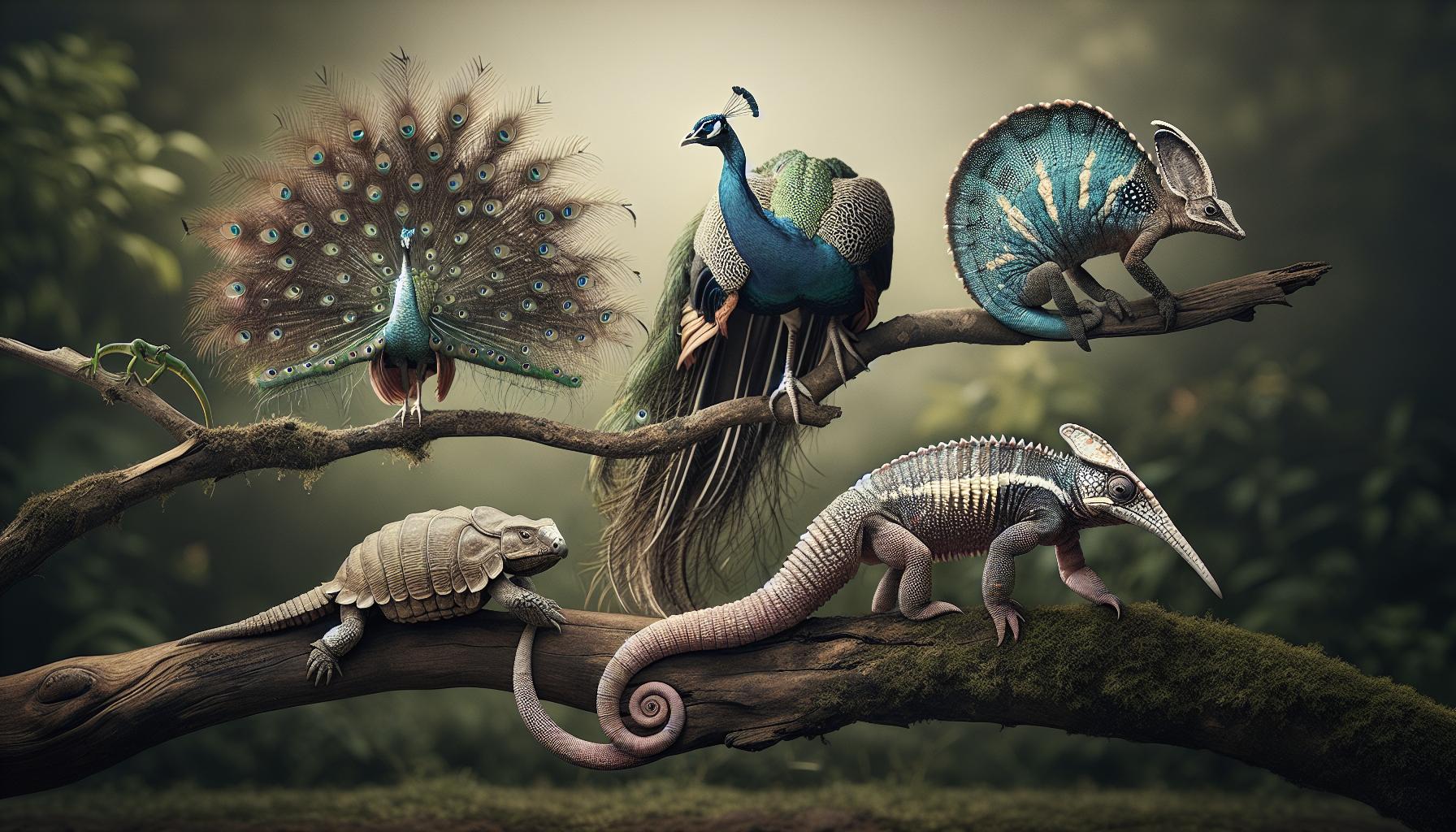
Emotional Connections: Bonding with Exotic Companions
Many people experience profound emotional connections with their pets, but with exotic animals, these bonds can be particularly unique and rewarding. For instance, the intriguing behaviors of animals like sugar gliders and hedgehogs invite pet owners to engage more intimately with their companions. When you interact with an exotic pet that displays quirky, endearing habits-like a hedgehog curling into a ball when startled or a sugar glider gliding from your shoulder to a nearby perch-you form a partnership steeped in shared experiences and understanding.
Unique Social Interactions
Exotic pets often exhibit social behaviors that can enhance the bond between owner and animal. Birds such as parrots are known for their playful and sometimes mischievous antics, which not only entertain but demand active participation from their owners. Engaging in playtime or training routines not only strengthens this relationship but can also provide mental stimulation for both parties. Exotic pets often require more hands-on care and interaction compared to traditional pets, which fosters a deeper connection through shared activities, enriching your emotional landscape as a pet owner.
Understanding and Empathy
Caring for an exotic pet requires you to learn about their specific needs, behaviors, and quirks. This heightened level of understanding fosters a sense of empathy; you become attuned to their emotions and stresses, which can create a profound relationship. For example, watching a bearded dragon bask in the warmth of a sun lamp or observing a tortoise slowly explore its environment can lead to moments of connection that are both calming and grounding. Recognizing the subtleties of their moods and behaviors enables you to respond appropriately, further bonding you to these unique creatures.
Therapeutic Benefits
The emotional benefits of bonding with exotic pets can extend into the realm of mental health. Interaction with pets has been shown to reduce stress and anxiety levels. The mere presence of a soothing creature like a rat or a tarantula can be a calming influence, helping you to unwind after a long day. Moreover, caring for an exotic pet provides routine and responsibility, which can be particularly grounding for individuals who may struggle with anxiety or depression.
Exotic companions, with their distinct behaviors and needs, invite us not just to care but to connect on deeper levels. These bonds can reveal a newfound appreciation for the complex emotional lives of animals and empower owners to become more compassionate and responsible caregivers.
Enriching Experiences: The Adventure of Care
Caring for exotic pets transforms daily routines into colorful adventures filled with unique experiences. When you choose to welcome an unusual creature like a chameleon or a capybara into your home, you embark on a journey that extends far beyond mere companionship. Each day presents new opportunities for learning and interaction, deepening your bond with these fascinating animals. You might find yourself captivated by a hedgehog’s nocturnal antics or the majestic way an iguana lounges under the warmth of its basking lamp, offering endless moments of wonder.
One of the most enriching aspects of exotic pet ownership is the distinct care each species requires. For example, preparing a balanced diet for a bearded dragon involves selecting just the right combination of insects and vegetables to ensure their health, which also fosters a deeper connection as you learn about their dietary needs. Not only does this process educate you about the species, but it also fosters responsibility and a sense of accomplishment as you see your pet thrive under your care.
Moreover, the care routines for exotic pets can indeed be an adventure in themselves. Setting up an elaborate habitat for a tropical dart frog, complete with live plants and proper humidity levels, can be akin to creating a small ecosystem. This engagement not only benefits the animal but also kindles a sense of creativity and design in the owner. You’re not just providing a home; you are mimicking their natural habitat, which can be fulfilling as you witness your pet flourish in an environment that closely mirrors the wild.
Ultimately, the adventure of caring for an exotic pet is wrapped in a tapestry of discovery-each interaction enriches your understanding of nature’s intricacies. Whether it’s enjoying the playful splashes of a pet axolotl during feeding time or observing how a sugar glider glides with grace, these experiences provide a profound appreciation for the diversity of life. By opening your heart and home to an exotic animal, you engage in a rewarding journey that not only enriches your life but also champions the importance of respecting and preserving wildlife.
Cultural Significance of Exotic Animals as Pets
Caring for exotic pets offers a fascinating glimpse into the diverse relationships humans can forge with animals that are often far removed from the familiar cats and dogs. Historically, different cultures have valued exotic animals for their unique traits and symbolism. From the ancient Egyptians, who revered cats and kept other creatures as companions, to the modern-day fascination with reptiles or birds, the cultural significance of these animals continues to evolve. Exotic animals can symbolize status, mystery, and an adventurous spirit, captivating the hearts of their owners and fostering a deeper appreciation for the natural world.
Exotic pets can also serve as unique cultural connectors. For instance, keeping a parrot, with its vibrant plumage and ability to mimic human speech, often reflects a person’s interest in the rich biodiversity of tropical regions. Similarly, an emperor tamarin might appeal to someone drawn to the lush rainforests of South America. These animals can lead to lively conversations that educate others about their native habitats and ecological importance, sparking interest in conservation efforts. By sharing experiences with these animals, owners can raise awareness about wildlife preservation and promote respect for animals and their ecosystems.
Additionally, many cultures have specific traditions and practices surrounding the care of exotic animals, contributing to their cultural significance. For example, the Japanese practice of keeping koi fish in ornamental ponds celebrates tranquility and beauty while teaching principles of care and responsibility. Understanding these cultural contexts not only enriches the ownership experience but also helps to foster a greater connection between people and wildlife.
As you embark on the journey of owning an exotic pet, consider how you can honor its cultural background while also sharing its story with others. Integrating elements of its native culture into your care practices-like creating a habitat that mimics its natural environment-can lead to a more rewarding experience for both you and your pet. Engaging with local communities or online groups can further enhance this journey, providing support, cultural insights, and shared excitement that complements the unique attributes of your exotic companion.
Educational Opportunities: Learning from Exotic Species
Did you know that owning an exotic pet can be a gateway to a wealth of knowledge about wildlife conservation, biology, and ecology? Each unique species brings its own set of behaviors, habits, and care requirements, offering pet owners an enriching educational experience that goes beyond mere companionship. As you learn to cater to the needs of these fascinating creatures, you also gain insights into their natural environments and the challenges they face in the wild.
Understanding Behaviors and Needs
Caring for an exotic animal allows you to observe behaviors that are often quite different from those seen in traditional pets. For example, reptiles like bearded dragons have specific temperature and humidity requirements that directly affect their health and activity levels. Understanding these needs helps you create a suitable habitat and fosters a deeper appreciation for the complexities of their care. Furthermore, as you educate yourself about their natural diets and habitats, you become an advocate for their conservation, learning about the ecosystems they originate from and the threats they face, such as habitat loss and illegal pet trade.
Fostering a Conservation Mindset
Having an exotic pet often instills a sense of responsibility toward wildlife protection. By sharing your knowledge and experiences with others, you can spark interest in animal welfare and conservation efforts. For instance, many exotic pet owners participate in online forums or local clubs where they discuss care techniques, share resources, and promote conservation initiatives. This community engagement not only enhances your learning experience but also connects you with like-minded individuals who are passionate about protecting biodiversity.
Interactive Learning Opportunities
An exotic pet can also serve as a platform for educational activities. Consider creating educational displays at local schools or community centers that showcase your pet and its natural history. This can lead to discussions about the importance of biodiversity and conservation. Many owners also take part in workshops and seminars, not only to improve their care practices but to educate others about responsible pet ownership, species-specific needs, and ethical considerations. Through these interactions, owners become ambassadors for their pets, spreading awareness about the fascinating lives of these animals and the critical need for their conservation.
By embracing the journey of caring for exotic pets, you’re not just gaining an animal companion; you’re also diving into an adventure of knowledge, responsibility, and advocacy, all while enjoying the wonder that these unique species bring to your life.
Comparing Exotic Pets to Traditional Pets
While many people are familiar with traditional pets like dogs and cats, the growing interest in exotic pets reveals a fascinating world that offers unique experiences and benefits. For instance, exotic animals such as reptiles, birds, and small mammals often present distinct physical traits and behaviors that are not typically associated with more conventional pets. These traits can enhance the pet ownership experience by providing pet lovers with an opportunity to engage with animals that display a variety of colors, patterns, and adaptations. A leopard gecko’s ability to change its color based on temperature or mood, for example, is a captivating manifestation of nature’s diversity.
When we consider the behavioral aspects of exotic pets compared to traditional ones, the differences become even more intriguing. Traditional pets often rely on social interaction with humans for stimulation and companionship, while many exotic animals thrive in environments that mimic their natural habitats. This leads to a different type of engagement; for example, observing the subtle movements of a tarantula or the intricate flight patterns of a budgerigar offers an immersive experience where owners learn patience and observation skills. Unlike a border collie that needs regular walks and playtime, many exotic pets, such as snakes or certain lizards, may require less hands-on interaction but still offer a rewarding bond through routine care and habitat maintenance.
Additionally, emotional connections with exotic animals can manifest in unique ways. While a dog may show affection through physical closeness or playfulness, an exotic pet might develop a bond through different behaviors, such as a parrot mimicking sounds or a tortoise recognizing its owner at feeding time. This can lead to rewarding moments of discovery and surprise as owners learn to interpret their pets’ individual personalities and quirks.
Moreover, the appeal of exotic pets often lies in their educational value, providing insights into biology, conservation, and ecosystem dynamics. By owning these unique creatures, pet owners become informal ambassadors for wildlife conservation, fostering a deeper understanding of the natural world. The knowledge gained not only enriches the owner’s life but can also be shared within their communities, promoting a broader awareness of environmental issues.
Ultimately, whether one chooses a traditional pet or an exotic companion, each pet enriches life in different, rewarding ways. The choice may depend on lifestyle, interests, or the desire for an animal that offers both companionship and an avenue for ongoing learning. Exploring the nuances of exotic and traditional pets helps potential owners make informed decisions that align with their values and preferences.
Risks and Responsibilities of Exotic Pet Ownership
Exotic pets, while fascinating and rewarding companions, come with their own set of risks and responsibilities that prospective owners must diligently consider. One of the primary challenges of owning an exotic animal is understanding its specific care requirements, which often differ significantly from those of traditional pets. For example, reptiles like snakes and lizards require carefully controlled environments that mimic their natural habitats, including specific temperature, humidity, and nutritional needs. Mismanagement in these areas can lead to serious health issues, making regular veterinary check-ups by a veterinarian experienced with exotic pets essential.
Legal and Ethical Considerations
In addition to the practical care aspects, potential owners must also navigate the legal landscape of exotic pet ownership. Many regions have strict regulations governing the ownership of certain species, ranging from permits to outright bans. Understanding local laws not only helps in compliance but also fosters responsible ownership. Furthermore, ethical considerations come into play; it is vital to source pets from reputable breeders or sanctuaries rather than taking from the wild or acquiring them from questionable sources. This stance not only promotes conservation efforts but also diminishes the likelihood of supporting the illegal wildlife trade.
Health Risks and Safety Precautions
Health risks associated with exotic pets should not be overlooked. Some species can transmit diseases to humans, such as salmonella from reptiles or leptospirosis from certain rodents. Maintaining hygienic living conditions, using proper protective equipment during care, and educating oneself on zoonotic diseases can mitigate these risks. Additionally, many exotic animals may have specific handling needs or require particular interactions to feel secure. Ensuring that both the owner and the pet are safe during interactions requires knowledge and vigilance.
In conclusion, while exotic pets can offer unique joys and educational experiences, they also demand thorough preparation and responsible practices. From understanding their specialized care needs and complying with legal requirements to prioritizing health and safety, prospective owners must approach exotic pet ownership with the seriousness it deserves. By doing so, they not only enhance their own experience but also contribute positively to animal welfare and conservation efforts.
Best Practices for Caring for Exotic Animals
Caring for exotic pets can be an incredibly rewarding experience, but it requires a deep understanding of their specific needs to ensure they thrive in a home environment. Just like any family member, exotic animals deserve attention, proper habitat, and nutrition tailored to their species. For example, if you have a bearded dragon, providing a basking area with the right UV light is crucial for their health, as it helps them synthesize vitamin D3. Similarly, tree frogs need humidity and vegetation to mimic their natural surroundings, making attention to habitat a top priority.
To establish a successful care routine, familiarize yourself with the unique characteristics of your pet. Research their dietary requirements – some may thrive on fresh fruits and vegetables, while others may need a protein-rich diet consisting of insects or specialized pellets. For instance, chinchillas require hay as a staple, while sugar gliders benefit from a balanced diet that includes nectar and insects. It’s essential to consult with a veterinarian who specializes in exotic pets for tailored dietary advice and regular health check-ups.
Another vital aspect of caring for exotic animals is enrichment. These creatures often require stimulation to mimic their natural behaviors and prevent boredom. Providing climbing structures for reptiles, tunnels for small mammals, or even interactive toys can significantly enhance their quality of life. For instance, a ferret enjoys a variety of toys that promote exploration and play, while a parrot benefits from puzzle toys that challenge their intellect.
When it comes to handling, patience is key. Exotic pets can be more delicate or defensive than dogs and cats; therefore, it’s crucial to approach them calmly and with knowledge of their body language. Always allow them to acclimate to your presence before attempting to interact. With respect and understanding, you can cultivate a trusting relationship that enriches both your lives, leading to those rewarding moments that make exotic pet ownership so special.
Finding Your Perfect Exotic Pet Match
Finding the right exotic pet can be an exciting yet daunting experience, as these unique animals come with a variety of needs and personalities. Consider this: some species can live for decades and become integral to your family, not just passing curiosities. When choosing an exotic pet, it’s essential to align their specific requirements with your lifestyle and commitment level, ensuring a happy and healthy companionship.
Know Yourself First
Before diving into the world of exotic pets, reflect on your daily routines and environment. Think about the amount of space you have, your activity level, and your readiness for long-term care. For example, large reptiles, like iguanas, require significant space and specialized habitat setups. If you live in a smaller home or apartment, smaller species, such as a hamster or an exotic fish, might be more suitable. However, even small pets can have complex care needs that require time and effort.
Research Specific Species
Arm yourself with knowledge about various exotic animals. Each species has distinct behavioral traits and care requirements. Here are a few examples to consider:
- Bearded Dragons: Friendly and social, they enjoy interacting with their owners. However, they need a warm environment and a diet rich in vegetables and insects.
- Cockatoos: Highly intelligent and social, they thrive on interaction but can also be noisy and require mental stimulation.
- Chinchillas: Soft and playful, they demand a dust bath for grooming and a habitat that mimics their natural high-altitude environment.
Understanding these needs can help you select a pet that matches your abilities and living situation.
Evaluate Commitment Level
Exotic pets can require more dedication than traditional pets. Familiarize yourself with the lifespan and care requirements of your potential companion. For instance, some tortoises can live over 50 years! Additionally, the financial aspect should not be overlooked-costs can include special diets, habitat setups, and vet care specific to exotic species.
Transitioning into your new role as an exotic pet owner means being prepared for the unexpected. Connecting with local exotic animal communities or forums can provide valuable insights and firsthand experiences from current owners. It’s all about creating a perfect match that brings joy to both you and your pet, ensuring a fulfilling and nurturing relationship.
Q&A
Q: What are the benefits of owning exotic pets?
A: Owning exotic pets can lead to unique emotional connections and enriching experiences. They often require specialized care, which can enhance your knowledge and skills. Exotic animals also provide an opportunity to advocate for conservation efforts, making a positive impact on their natural habitats.
Q: How do exotic animals affect mental health?
A: Exotic animals can significantly improve mental health by reducing stress and anxiety levels. Their unique behaviors and personalities provide companionship that can enhance feelings of joy and satisfaction. Engaging in their care can also encourage a sense of responsibility and purpose.
Q: What makes exotic pets different from traditional pets?
A: Exotic pets differ from traditional pets in terms of care requirements, habitat needs, and social behaviors. They often require specialized environments and diets, leading to a deeper commitment from owners. This unique care can foster a greater sense of connection and understanding between the owner and the animal.
Q: Are exotic animals good for family settings?
A: Exotic animals can benefit family settings by providing educational opportunities for children to learn about wildlife and ecology. Families can bond through shared care responsibilities, promoting teamwork and empathy. However, it’s essential to choose species that are safe and suitable for family dynamics.
Q: What should beginners know before getting an exotic pet?
A: Beginners should research the specific care needs, legal regulations, and commitment required for any exotic pet. Understanding their habitat, diet, and social behavior is crucial. Engaging with a community of exotic pet owners can provide valuable insights and support as you begin your journey.
Q: How can owning an exotic pet contribute to conservation?
A: Owning an exotic pet can contribute to conservation by raising awareness about endangered species and their habitats. Many owners feel motivated to support conservation projects or educate others on the importance of protecting wildlife. This advocacy can lead to positive changes in conservation policies.
Q: What legal considerations should I be aware of with exotic pets?
A: It’s important to check local laws and regulations regarding exotic pet ownership, as many jurisdictions require permits or have restrictions on certain species. Understanding these legal requirements ensures responsible ownership and can help prevent penalties or the need to rehome the animal.
Q: Can exotic pets provide educational benefits?
A: Yes, exotic pets offer significant educational benefits. They allow owners, especially children, to learn about animal behavior, ecology, and responsible pet ownership. This hands-on experience fosters a deeper understanding of biodiversity and the importance of wildlife conservation.
In Conclusion
In conclusion, adopting an exotic animal can provide unique companionship, endless fascination, and unexpected benefits that enhance your life. From their captivating behaviors to their ability to create a deeper appreciation for wildlife, these pets offer experiences that traditional pets might not. However, it’s crucial to consider their specific care needs and your readiness for the responsibility.
Ready to explore more? Check out our articles on “Choosing the Right Exotic Pet for You” and “Understanding the Care Needs of Exotic Animals” for valuable insights. Don’t forget to subscribe to our newsletter for expert tips and the latest updates in the world of exotic pet care. Your journey into exotic pet ownership begins here – share your thoughts in the comments and let’s keep the conversation going!
Get our latest guides, news, and insights highlighted in your Google Search & AI Overviews.










