Did you know that just like humans, exotic animals have very specific dietary needs to thrive? Understanding what these fascinating creatures eat is crucial for their health and well-being, whether you’re a pet owner, a wildlife enthusiast, or simply curious. From the vibrant colors of a parrot’s diet to the unique nutritional requirements of reptiles, each species comes with its own set of appetites and preferences. By diving into the diets of popular exotic animals, you’ll not only learn how to nurture their needs responsibly but also appreciate the intricate balance of their ecosystems. Join us as we explore the varied and sometimes surprising diets of your favorite exotic species, ensuring you’re equipped with the knowledge to make informed decisions and contribute to their conservation.
Top Feeding Habits of Popular Exotic Species
Many exotic animals have unique feeding habits that cater to their natural instincts and dietary needs. Understanding these habits is crucial for those considering exotic pets or simply wanting to appreciate these fascinating creatures. Whether they’re vibrant reptiles, colorful birds, or playful mammals, each species exhibits distinct behaviors when it comes to obtaining food.
H3: Reptiles: The Specialists in Eating
Reptiles, such as snakes and lizards, have evolved to excel in their feeding strategies. Snakes are often carnivorous, with many species preying on rodents, insects, and sometimes even other reptiles. Their ability to consume prey much larger than their heads is facilitated by their flexible jaws. For instance, the ball python constricts its prey before swallowing it whole. Lizards, on the other hand, display varied diets depending on their species. Some, like iguanas, thrive on leafy greens, while others, such as the insectivorous gecko, feast on a diet rich in insects.
H3: Birds: From Seeds to Succulent Fruits
When it comes to exotic birds, their diets can be as diverse as their colors. Many parrots are omnivorous, loving a mix of seeds, fruits, and nuts. A well-balanced diet is crucial for their health, and owners should provide a variety of foods to mimic their natural foraging behaviors. For example, cockatoos enjoy a blend of seeds, fresh vegetables, and fruit to meet their nutritional requirements. It’s essential for bird owners to avoid diets too high in fat or sugar, like those found in some commercial seed mixes.
H3: Exotic Mammals: The Omnivorous Consumers
In the realm of exotic mammals, diets can range widely from herbivorous to omnivorous. For instance, the popular sugar glider primarily feeds on nectar and fruits but also requires a protein source, such as insects or commercial pellets, to thrive. Similarly, capuchin monkeys are known for their diverse diet that includes fruits, seeds, and small animals, reflecting their adaptability in the wild. Owners must replicate these varied diets at home to ensure the health and happiness of their exotic pets.
Understanding the dietary needs of these exotic animals not only informs responsible pet ownership but also enriches the appreciation of their role in ecosystems. By mimicking their natural diets, pet owners contribute to the well-being of their companions, allowing them to express their natural behaviors and thrive in captivity. Always remember, a well-fed pet is a happy pet!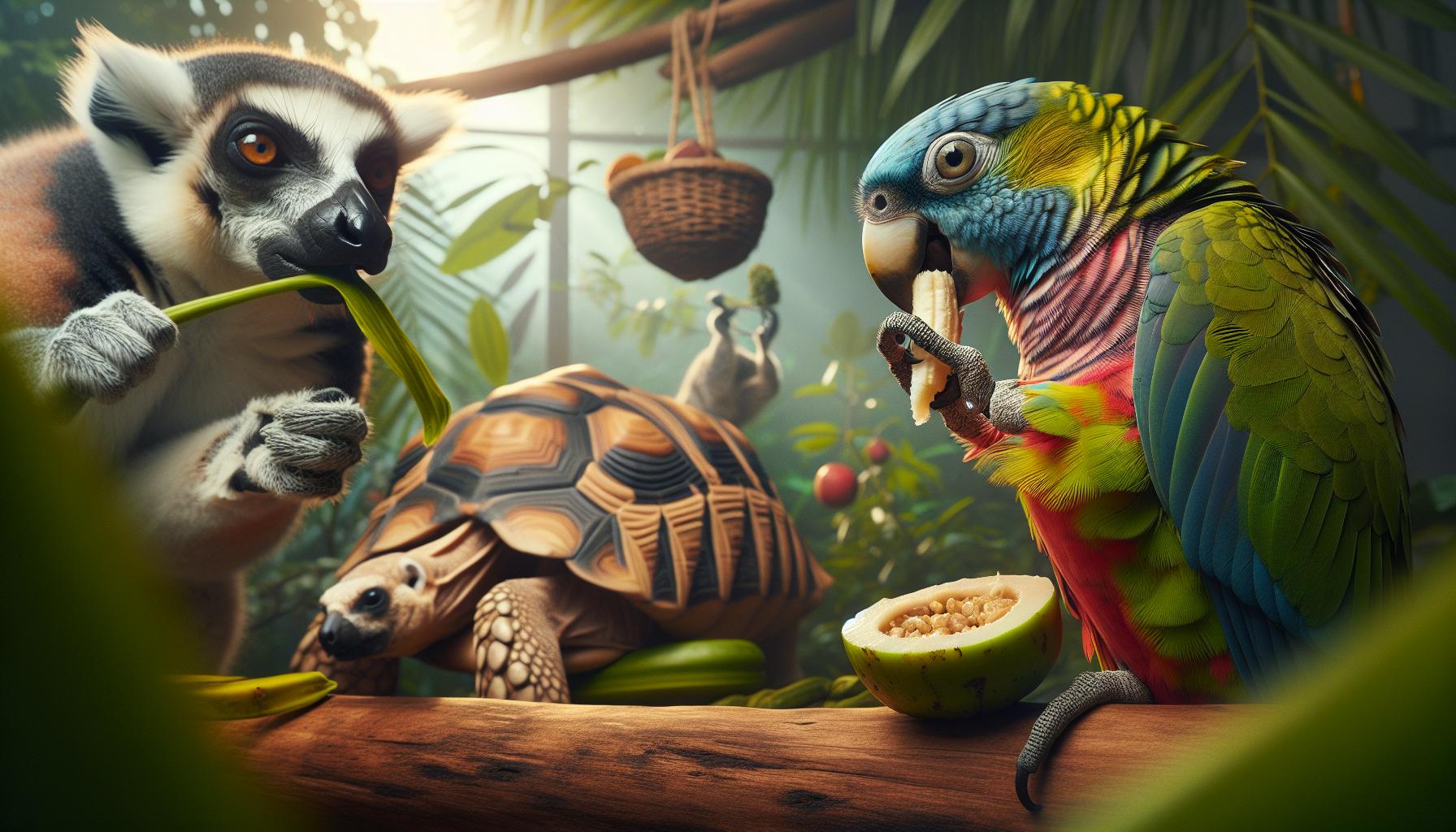
Tasty Treats: Feeding Exotic Birds and Their Needs
Exotic birds are not just a pretty sight; they come with a variety of dietary needs that reflect their diverse natural habitats. With species ranging from colorful parrots to majestic macaws, understanding their eating habits is crucial for their health and happiness. In the wild, many exotic birds thrive on a mixed diet that mimics their natural foraging behaviors, taking advantage of the abundance of seeds, fruits, nuts, and sometimes even insects.
To meet the nutritional needs of these delightful creatures, it’s essential to provide a well-balanced diet. A common dietary staple for many species includes a mix of high-quality pellets, which are specially formulated to provide essential vitamins and minerals. Supplementing this with fresh fruits and vegetables can introduce variety and excitement to their meals. Parrots, for example, enjoy treats such as carrots, apples, and leafy greens, which can be hung in their cages to encourage foraging-a behavior crucial for their mental stimulation.
What to Avoid
While it’s vital to provide a range of healthy foods, it’s equally important to know what to avoid. Some foods can be detrimental to a bird’s health, such as:
- Avocado: This fruit contains a toxin that can be fatal to birds.
- Chocolate: A no-go for any pet bird; it can lead to serious health issues.
- Caffeine: Found in coffee and tea, it’s dangerous for your feathered friends.
- High-fat seeds: While seeds can be part of their diet, those high in fat can lead to obesity and health complications if fed in excess.
Using a variety of foods not only delights exotic birds but also ensures they are receiving all essential nutrients. Parrots and cockatoos particularly thrive on diversity, as they require different food sources to meet their varied nutritional needs. Furthermore, understanding an exotic bird’s natural diet can inspire creative ways to serve their meals, such as using puzzle feeders that promote foraging and exercise.
Providing the right diet for exotic birds fosters good health and behavior and deepens the bond between pet and owner. By being informed about their nutritional requirements and being careful with food choices, you contribute to their overall well-being, making for a happier, healthier companion in your home.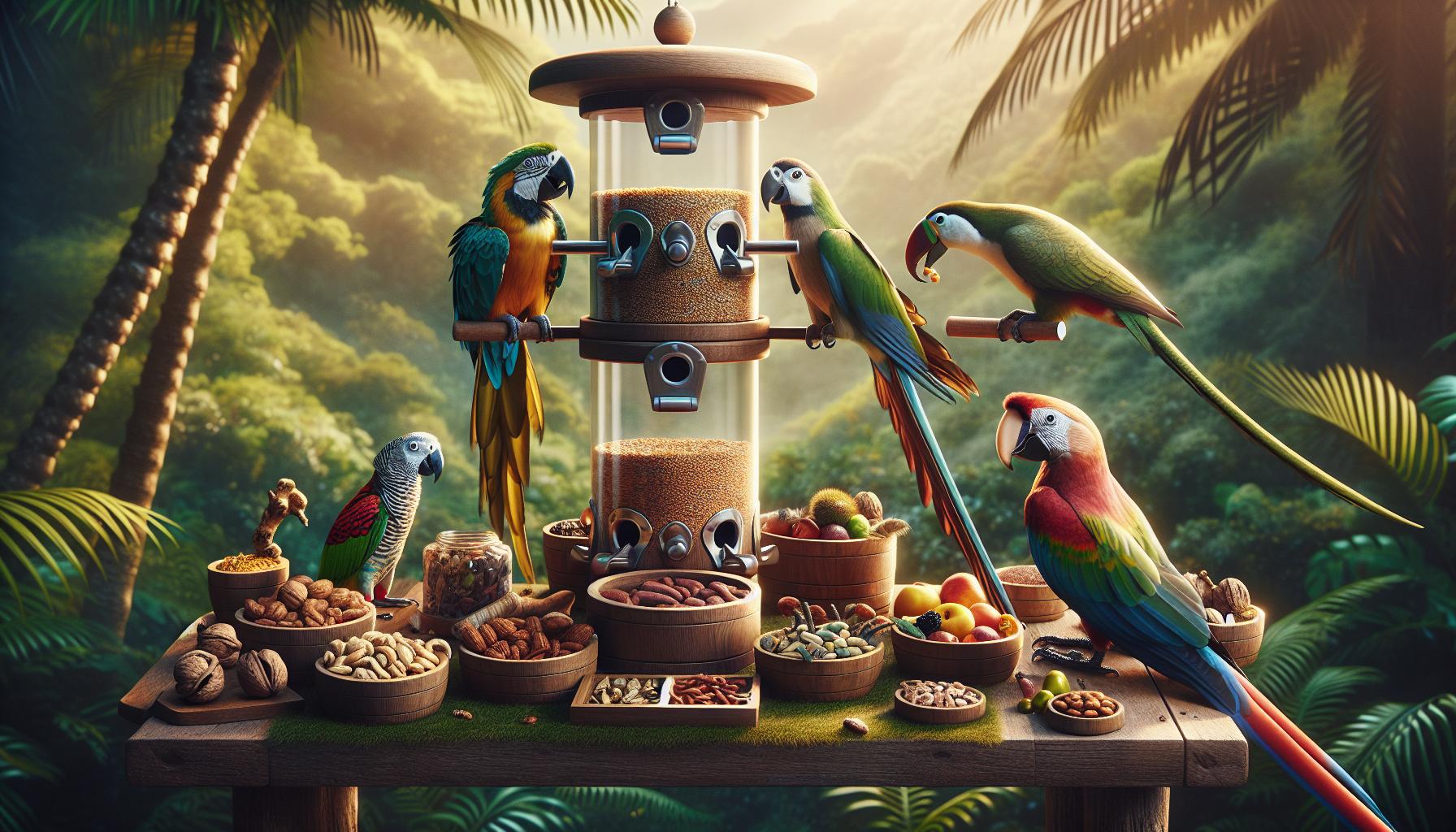
Mammals Uncovered: Diets of Exotic Pets
Exotic mammals can be captivating companions, but their dietary needs often differ significantly from traditional pets. Many exotic mammals, such as hedgehogs, sugar gliders, and capuchin monkeys, have unique requirements that reflect their wild diets. For instance, while our household cats and dogs thrive primarily on meat, these exotic creatures may benefit from more varied diets that mimic what they would eat in their natural habitats.
Hedgehogs are insectivores at heart, meaning their diets should consist mainly of protein-rich foods. Owners can provide commercially prepared hedgehog food, supplemented with insects like mealworms and crickets. Fruits and vegetables can also be included, but they should only form a small part of their diet. To keep their meals interesting, consider rotating in new protein sources or occasional treats, always ensuring that they remain suitable for their digestive systems.
Sugar gliders, tiny marsupials from Australia, have a diet rich in fruits, nectar, and insects. A primary part of their diet should include a balanced mix of protein and complex carbohydrates. You can offer them fruits like apples, melons, and blueberries, but be cautious with sugary fruits and always remove seeds and pits. In the wild, they’d also eat tree sap, which can be replicated with commercial nectar and sap-based products. It’s important to note that sugar gliders thrive on variety, so switching up their food sources regularly can promote better health and happiness.
Capuchin monkeys, often seen as playful and intelligent, require a more sophisticated diet. A balanced meal for these energetic primates typically includes fresh fruits, vegetables, nuts, and a small portion of protein. They enjoy foods such as bananas, berries, carrots, and commercially available primate pellets. However, due to their curious nature, ensure that foods are appropriately presented-monkeys love to engage with their meals and often enjoy foraging for food hidden within toys or foliage.
When considering an exotic mammal as a pet, it’s crucial to educate yourself about their specific nutritional needs. Each species comes with its own set of requirements that mimic its natural diet. Providing a balanced and varied diet not only supports their health but also enhances the bond between you and your exotic friend, reflecting the wonders of the animal kingdom right in your home.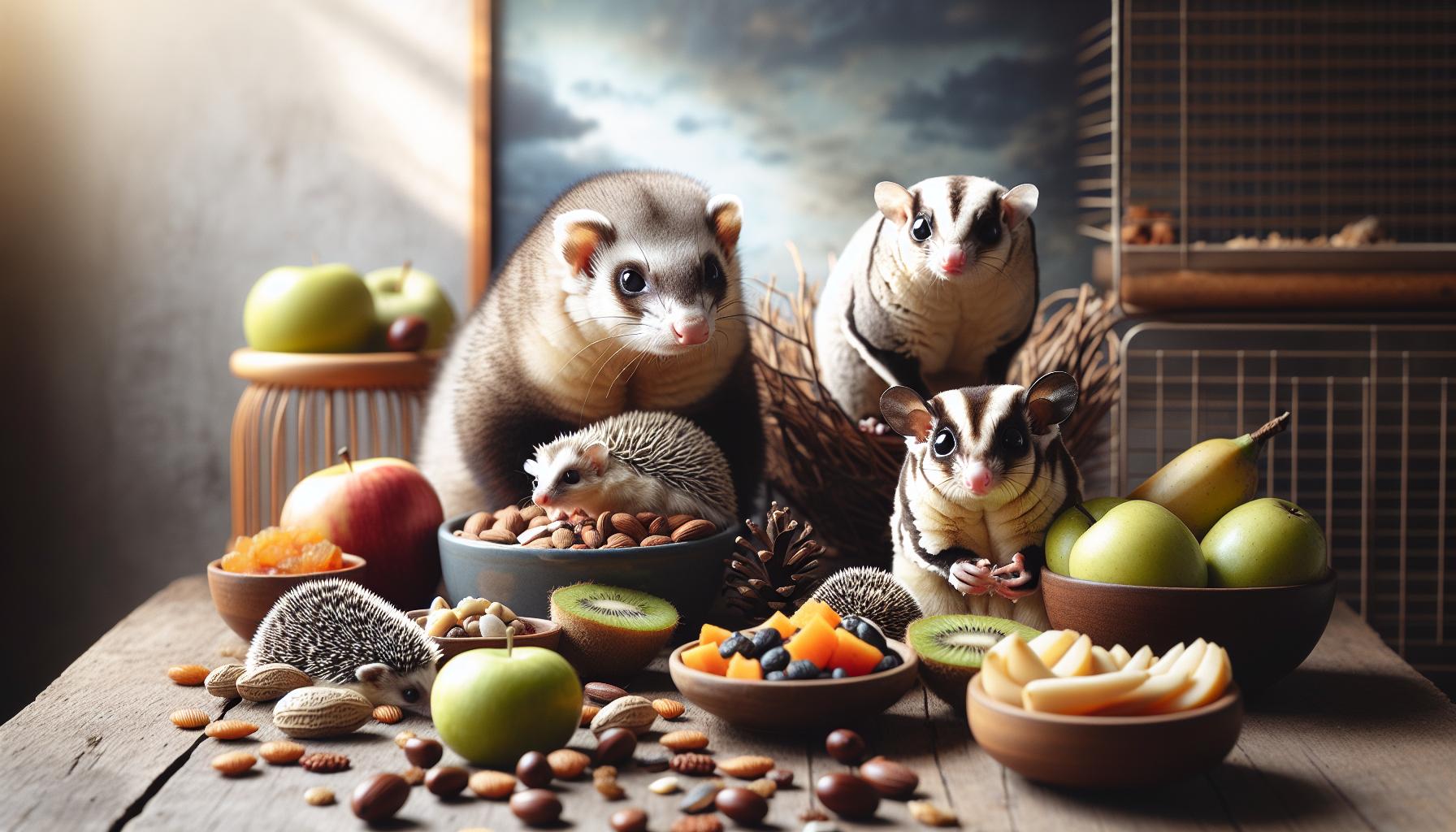
Aquatic Wonders: What Do Exotic Fish Consume?
Aquatic habitats house a mesmerizing array of exotic fish, and understanding their dietary needs is essential for keeping them healthy and happy. Did you know there are around 30,000 species of fish in the world, each adapted to unique environments and food sources? From the colorful clownfish to the majestic angelfish, these aquatic dwellers require diets that closely mimic what they would find in their natural habitats.
Different fish species have distinct dietary preferences, generally categorized into three main types: carnivorous, herbivorous, and omnivorous. Carnivorous fish, such as piranhas and groupers, thrive on diets rich in protein. They predominantly consume smaller fish, crustaceans, and insects. Conversely, herbivorous fish, including parrotfish and surgeonfish, primarily feed on algae, plants, and plankton, which provide the necessary nutrients and energy for their active lifestyles. Meanwhile, omnivorous fish, like goldfish or bettas, enjoy a balanced diet that includes both plant and animal matter, allowing for greater flexibility in their feeding habits.
To properly care for your exotic fish, it’s essential to provide a varied diet that meets their specific nutritional needs. A stable diet should include high-quality flake or pellet food, specifically formulated for the species you are keeping. Frozen or live foods, such as brine shrimp, bloodworms, and daphnia, can also be introduced as protein-rich treats. Additionally, incorporating fresh vegetables or algae-based foods can cater to those herbivorous species, ensuring they receive vital vitamins and minerals.
Maintaining good dietary practices helps prevent common health issues. Overfeeding is a significant concern, as uneaten food can lead to poor water quality. A general rule of thumb is to only feed fish what they can consume in a few minutes, once or twice a day. This approach keeps your aquatic residents both happy and healthy, allowing them to showcase their vibrant colors and lively behaviors. By respecting their dietary needs and providing diverse food options, you’ll enhance both your fish’s wellbeing and your own enjoyment of these fascinating aquatic wonders.
Popular Exotic Pets: Common Diet Mistakes
Many exotic pet owners inadvertently make critical mistakes when it comes to their pets’ diets, often leading to health issues that could be easily avoided. A fascinating fact to consider is that a significant number of these pets, whether reptiles, birds, or mammals, have specific dietary needs that differ greatly from traditional pets like cats and dogs. Understanding these nuances is essential to keeping your exotic companion healthy and thriving.
One common mistake is assuming that all animals can eat similar types of food. For instance, many owners mistakenly feed their herbivorous reptiles, like iguanas, diets high in protein, often intended for carnivores. This can lead to serious health problems, such as kidney damage. Similarly, feeding seed-based diets to parrots, which require a more balanced diet including fruits, vegetables, and pellets, can result in nutritional deficiencies and obesity. It’s crucial to research what specific dietary requirements your pet species has to ensure their nutritional needs are met effectively.
Another prevalent error is over-reliance on commercial foods without supplementing them with fresh produce. While high-quality commercially prepared diets are convenient, they may not provide all the necessary nutrients on their own. For example, many small mammals like rabbits and guinea pigs need a constant supply of fresh hay alongside their pellets to maintain dental health and promote proper digestion. Providing a variety of foods not only supports their health but also keeps them mentally stimulated.
Lastly, many pet owners overlook the importance of monitoring portion sizes. Overfeeding can lead to obesity, especially in smaller exotic pets such as sugar gliders or hedgehogs, which require very specific amounts of food. A simple rule to follow is to offer smaller portions and observe your pet’s behavior and body condition to adjust accordingly.
By paying close attention to the specific dietary needs of your exotic pets, you can significantly enhance their quality of life and prevent a myriad of health issues. More than just great caretaking, it’s about fostering a healthy relationship with these incredible creatures!
Caring for Your Exotic Animal’s Nutritional Needs
Caring for exotic animals requires a nuanced understanding of their unique dietary needs. Each species comes with its own set of nutritional requirements, often reflecting the specific habitats and diets they have evolved to make use of in the wild. For instance, many reptiles, such as iguanas, thrive on a diet primarily consisting of leafy greens. In contrast, obligate carnivores like some snake species may require whole prey items to receive the necessary nutrients for health and vitality.
One crucial aspect of providing for your exotic pet’s dietary needs is ensuring variety. A balanced diet should mimic what they would consume in the wild. For birds, this includes a mix of seeds, nuts, fruits, and vegetables to ensure they receive the full spectrum of vitamins and minerals. Domestic small mammals, such as guinea pigs, also require a constant supply of fresh hay, which is crucial not just for nutrition but for their digestive health and to avoid dental problems. Rotating food items and introducing new textures can also keep the animal mentally stimulated, reducing the risk of boredom-related behaviors.
Monitoring Portion Sizes
Portion control is another significant factor in exotic animal care. Overfeeding can lead to obesity, which is a growing concern among exotic pets like sugar gliders and hedgehogs. These animals have specific caloric needs, and providing small, measured portions helps maintain a healthy weight. Observing your pet’s body condition score and adjusting food quantities accordingly is essential. For example, if you notice your pet seems less active or is gaining weight, it may be time to reassess their diet and reduce portion sizes.
Using fresh produce and high-quality pelleted diets can enhance the nutritional quality of your pet’s meals, but it’s vital to research to avoid any harmful foods. Some common household items, such as avocado and chocolate, are toxic to pets. Consulting with a veterinarian who specializes in exotic animals can provide tailored dietary advice to ensure your companion lives a long and healthy life. Through attentive care and proper nutrition, the bond between you and your exotic pet can flourish, offering mutual enjoyment and companionship.
Balancing Nutrition: Supplements and Diet Variety
Providing a balanced diet for your exotic animal is essential for its overall health and well-being. Just as with humans, variety is key, as it prevents nutritional deficiencies and keeps your pet engaged with its meals. For example, many reptiles benefit from a mix of leafy greens and occasional protein sources, while exotic birds thrive on a diverse diet that includes fruits, seeds, and nuts. Understanding the specific needs of your pet can help you create a meal plan that reflects what they would naturally consume in the wild.
Supplementing your exotic pet’s diet can be beneficial, especially if they are not getting certain nutrients through their primary food sources. For instance, many reptiles require additional calcium and vitamin D3 to support their bone health, particularly if they are kept indoors away from natural sunlight. High-quality supplements can help fill these gaps and are often available in powder or gel form. When choosing supplements, always consult with a veterinarian to ensure that they meet the specific needs of your pet’s species and age, as over-supplementation can lead to toxicity.
Diet variety also plays a significant role in supporting mental stimulation and preventing boredom. Rotating different types of food not only provides the necessary nutrients but can also encourage natural foraging behaviors. For instance, birds enjoy searching for hidden treats among their food, while small mammals benefit from the challenge of navigating their meals tucked away in hay or bedding. Encouraging these behaviors enhances their quality of life and deepens the bond you share.
In summary, balancing nutrition with variety and supplements is critical when caring for exotic pets. Paying close attention to their dietary needs and being proactive about supplementation will promote a healthier, happier companion. Always remember that each species has unique requirements, so tailor your approach accordingly, and don’t hesitate to reach out to a veterinarian specializing in exotic animals for guidance. By prioritizing their nutritional needs, you can ensure your exotic pet thrives in your care.
Ethics and Conservation: Responsible Feeding Practices
Feeding exotic animals isn’t merely a matter of filling a bowl; it’s a commitment to ethical practices that respect their natural diets and conservation needs. For many pet owners, understanding the intricate relationship between their pets and their diets is crucial. In the wild, animals develop unique adaptations based on their food sources, habitats, and ecological roles. Replicating these conditions in captivity is essential for the health and well-being of these fascinating creatures.
When selecting food for exotic pets, it’s important to prioritize species-appropriate diets informed by their natural histories. For example, many reptiles are insectivores or herbivores in the wild, consuming a variety of insects and plant materials that provide essential nutrients. Feeding a diet high in processed foods or lacking in variety can lead to serious health issues, including metabolic bone disease and obesity. Owners should educate themselves about the specific dietary requirements of their exotic pets, which often differ significantly from more traditional companion animals like dogs and cats.
Additionally, sourcing food responsibly plays a substantial role in conservation efforts. Many owners opt for sustainable choices, such as purchasing prey insects raised in captivity or choosing produce that is organic and free from pesticides. Supporting suppliers who prioritize ethical and sustainable practices not only benefits your pet but also contributes to wider conservation goals. It’s also worth noting that some exotic species might face pressure from illegal wildlife trade; thus, wild-caught foods should be avoided to reduce demand and protect these species.
Moreover, it is beneficial to engage with local communities and conservation projects, promoting ethical ownership practices. By doing so, pet owners can learn more about the ecosystems their pets come from and the challenges those environments face. This knowledge fosters a deeper appreciation for wildlife and encourages responsible pet ownership that reverberates positively on conservation efforts globally.
In conclusion, adopting a holistic approach to feeding exotic animals not only supports their health but also aligns with ethical standards that advocate for the preservation of their species and habitats. By staying informed and making conscious choices about what to offer your exotic pets, you become a steward of both their well-being and the broader ecological impact your actions create.
FAQ
Q: What do exotic animals typically eat?
A: Exotic animals have diverse diets depending on their species. Many eat fruits, vegetables, insects, or specialized pellets. For instance, reptiles like iguanas thrive on leafy greens, while exotic birds often require fruits and seeds to stay healthy. Always research specific dietary needs tailored to each animal.
Q: How can I ensure my exotic pet gets a balanced diet?
A: To provide a balanced diet for your exotic pet, combine a variety of fresh foods relevant to their species, such as fruits, vegetables, and protein sources. Also, consider specific brands of pellets designed for exotic pets, which can help meet nutritional requirements. Consult a veterinarian for personalized feeding guidelines.
Q: Are there specific feeding schedules for exotic animals?
A: Yes, feeding schedules vary by species. Most exotic pets benefit from regular feeding times, typically once or twice a day. Young or growing animals may need more frequent meals. Refer to the “Caring for Your Exotic Animal’s Nutritional Needs” section in the article for detailed guidance.
Q: Can exotic animals eat human food?
A: Some exotic animals can safely consume certain human foods, but it’s critical to avoid processed foods high in sugar or salt. Foods like plain cooked chicken or vegetables can be beneficial, while others may be harmful. Always check safe food lists specific to your pet’s species for the best choices.
Q: Why is it important to avoid common diet mistakes with exotic pets?
A: Avoiding common diet mistakes is vital because improper nutrition can lead to serious health issues, including obesity and malnutrition. Specific species have unique dietary requirements that, if unmet, can result in deficiencies. Consult the “Popular Exotic Pets: Common Diet Mistakes” section for insights into what to avoid.
Q: How do I know if my exotic animal is eating enough?
A: To ensure your exotic animal is eating enough, monitor their weight and behavior. Signs of inadequate food intake include weight loss, lethargy, or gastrointestinal issues. Regularly evaluate their food consumption and consult with a vet if you’re unsure about their nutritional status.
Q: What are some natural supplements for exotic animals’ diets?
A: Natural supplements for exotic animals include fish oil for omega fatty acids, spirulina for a nutrient boost, and calcium powder, especially for reptiles. These supplements can enhance overall health and well-being. Always verify the need for supplements with your veterinarian to tailor the best options for your pet.
Q: What role do cultural practices play in the diets of exotic animals?
A: Cultural practices can influence the diets of exotic animals through traditional feeding methods and ingredient use. Some cultures utilize specific locally sourced foods, enriching the animal’s diet with variety. Explore the “Cultural Perspectives: Exotic Animals in Traditional Diets” section for more on this topic.
The Way Forward
Understanding the diets of exotic animals not only enriches your knowledge but also highlights the importance of their care in captivity and in the wild. Remember that each species has unique dietary needs that reflect its natural habitat, which is crucial for their health and well-being.
If you found this exploration enlightening, don’t stop here! Check out our related articles on “Caring for Exotic Pets” and “The Importance of Wildlife Conservation” for more insights. Subscribe to our newsletter for the latest in exotic animal care tips and fascinating species facts straight to your inbox.
Join the conversation! Share your thoughts or questions in the comments below. Your involvement enriches our community of wildlife enthusiasts. Let’s continue this journey of discovery together!
Get our latest guides, news, and insights highlighted in your Google Search & AI Overviews.