
Did you know that certain types of grass can pose health risks to our furry friends? As pet owners, we want to create a safe environment for our dogs while enjoying the beauty of our lawns. One such plant, monkey grass, has raised concerns among pet lovers. This guide delves into whether monkey grass is indeed poisonous to dogs, ensuring you have the knowledge to protect your beloved pets. Understanding the potential hazards of landscaping choices is crucial for any dog owner, as even seemingly harmless plants can lead to health issues. Join us as we explore this important topic, shedding light on how to keep your dogs safe while enjoying your garden’s vibrant greenery.
Is Monkey Grass Safe for Dogs? Understanding the Risks
While many pet owners may be unaware, it’s essential to recognize that not all plants are safe for our canine companions. Among those often questioned is monkey grass, also known as Liriope, which can frequently be found in gardens and landscapes. Understanding whether monkey grass poses a risk to dogs hinges on several factors, including the plant’s composition and how dogs interact with it.
Monkey grass is generally considered non-toxic to dogs. However, some dogs may experience mild gastrointestinal upset if they consume large quantities, leading to symptoms such as vomiting or diarrhea. This is not uncommon with many types of grass or ornamental plants, as dogs tend to munch on foliage out of curiosity or to induce vomiting. Therefore, while the risks associated with monkey grass are not severe, pet owners should be cautious and monitor their dogs for any adverse reactions should they nibble on this plant.
When engaging with your dog in the yard, keep in mind their natural behaviors and tendencies. If your dog is prone to chewing on plants, even non-toxic varieties, it may be wise to establish some guidelines to prevent any potential discomfort. A watchful eye can help ensure that your furry friend enjoys their outdoor time safely, keeping their health and happiness in mind. Together, a harmonious relationship between your gardening habits and pet care can flourish, creating a safe and enjoyable outdoor environment for both.
Common Symptoms of Monkey Grass Poisoning in Dogs

Consumption of monkey grass, or Liriope, is generally not harmful to dogs, but it can lead to some gastrointestinal discomfort if ingested in significant amounts. If your dog decides to sample this plant, here are some common symptoms to be aware of:
- Vomiting: One of the first signs that your dog may have overindulged in monkey grass is vomiting. This can occur as the stomach reacts to the plant material.
- Diarrhea: Consumption may also lead to diarrhea, which is a common response when dogs chew on non-toxic plants. This can indicate that their digestive system is upset.
- Lethargy: While not always the case, some dogs may exhibit signs of lethargy if they have ingested too much of the plant. This can be due to discomfort or the body’s response to the ingestion.
- Abdominal Discomfort: Dogs might show signs of discomfort, such as whining or pacing, as their stomachs react to the foreign material.
It’s essential for pet owners to monitor their dogs for any of these symptoms after they have been outside, particularly if they have access to your garden. Most reactions are typically mild. However, keeping a watchful eye can be crucial in ensuring their wellbeing. If any of these symptoms persist or worsen, consulting your veterinarian is always a wise course of action. They can provide guidance and help assess the situation to ensure your furry friend stays happy and healthy.
How to Identify Monkey Grass in Your Garden

Identifying monkey grass in your garden can be straightforward once you know what to look for. This popular ornamental plant, scientifically known as Liriope, features lush, green foliage that resembles grass but is actually a member of the lily family. A captivating fact about monkey grass is that it thrives in various conditions, making it a versatile choice for landscaping. It can tolerate shade, sun, drought, and even occasional flooding, which adds to its appeal for home gardeners.
To recognize monkey grass, observe its distinctive traits. Typically, it grows to about 12 to 18 inches tall, with long, arching leaves that can be up to 1 inch wide. The foliage is a vibrant green, although some varieties have a variegated appearance with white or yellow stripes along the edges. In the fall, small, lavender or white flower spikes emerge above the foliage, adding a lovely aesthetic to your garden. If you notice these characteristics, those clumps of greenery are likely monkey grass.
It’s also helpful to consider the growth pattern. Monkey grass tends to spread horizontally through underground rhizomes, forming dense mats over time. This growth habit can help you determine if you have a mature plant or if it’s just starting out. If your garden has an area that remains perpetually green and lush-even in the heat of summer or under a canopy of trees-it’s a strong candidate for monkey grass.
Lastly, be mindful of its surroundings. Monkey grass is often used in borders or as ground cover in shaded areas, making it a common sight in residential landscapes. By familiarizing yourself with these visual cues, you can confidently identify monkey grass and ensure that your garden remains a safe space for your pets.
What Makes Monkey Grass Dangerous to Pets?
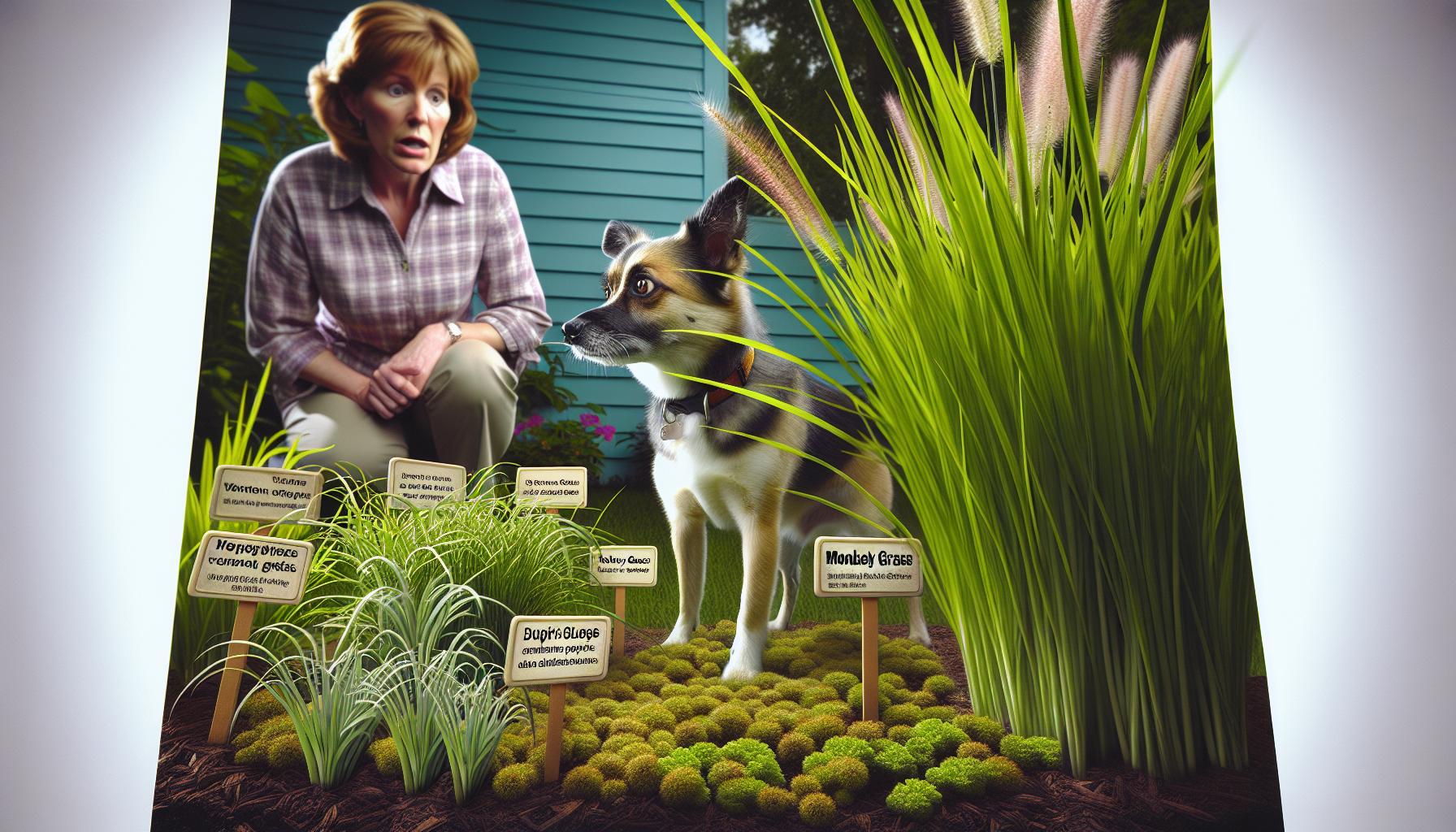
The lush greenery of monkey grass can bring a vibrant touch to your garden, but it’s important to recognize the potential risks it poses to your furry friends. Known scientifically as Liriope, this popular ornamental plant is not toxic in the traditional sense, as it doesn’t contain harmful compounds that can cause severe health issues in dogs. However, ingestion can still lead to a range of unpleasant symptoms that pet owners should be aware of.
When dogs chew on monkey grass, they may experience gastrointestinal upset. This can manifest as vomiting, diarrhea, or general lethargy. Though these symptoms might seem mild compared to more toxic plants, they can still cause discomfort for your pet and may lead to dehydration if the diarrhea persists. Additionally, if large amounts are consumed, it can cause blockages in the digestive tract, which may necessitate veterinary intervention. Thus, keeping an eye on your dog’s behavior around garden plants is crucial.
Moreover, the physical structure of monkey grass can increase the risk of oral harm. The sharp edges of the leaves can irritate your dog’s mouth or throat, leading to discomfort or even cuts. Dogs that are overly curious might not distinguish between safe and hazardous plants in your garden, making it essential to manage their access. Regularly observing your pet’s interactions with plants can help you intervene if they start munching on Liriope or other ornamental foliage.
Keeping your garden free of potentially problematic plants is key to maintaining a safe environment for your dogs. If you want to keep your yard looking beautiful while protecting your pets, consider exploring pet-safe landscaping alternatives. There are numerous delightful options that can flourish alongside your canine companions without the worry of side effects from ingestion, allowing both nature and your pets to thrive harmoniously.
Pet-Safe Alternatives to Monkey Grass for Your Yard

Creating a dog-friendly garden doesn’t mean sacrificing beauty for safety. In fact, there are many stunning and pet-safe alternatives to monkey grass that can keep your yard vibrant and welcoming without the risk of harming your canine companions. One option is Blue Fescue. This ornamental grass not only adds a pleasing blue hue to your landscape but is also non-toxic to dogs. Its fine texture and clumping habit make it a lovely fit alongside other plants, creating an inviting and lush space.
Another fantastic choice is Lavender. Known for its aromatic blooms and calming scent, lavender is a delight not just for humans but also for dogs. Its soothing properties can help reduce anxiety in pets, and it thrives in a sunny spot with well-drained soil. Moreover, while some plants can irritate dogs, lavender is generally considered safe, allowing your garden to flourish and your pet to roam freely.
For a splash of color, consider Marigolds. These cheerful flowers come in vivid yellows and oranges, and they deter many garden pests-making them a practical addition. Marigolds are safe for pets and can add a vibrant touch next to your landscape beds. Similarly, Snapdragons are both aesthetically pleasing and non-toxic to dogs, offering a playful shape and a variety of colors that can brighten any outdoor space.
When planning your garden, remember to also include ground covers like Creeping Thyme. This hardy plant is not only edible but also can withstand the wear and tear of playful paws. It releases a delightful scent when stepped on and forms a dense mat that eliminates weeds around your garden, making it both a pet-friendly and low-maintenance option.
By choosing these alternatives, you can cultivate a garden that both you and your canine friend can love. You’ll enjoy the visual appeal, while your dog can explore without the worry of ingesting something harmful. Always remember to double-check any new plants to ensure they are pet-safe, but with these selections, you’re well on your way to a beautiful, dog-friendly oasis!
Emergency Steps if Your Dog Eats Monkey Grass
If your dog has ingested monkey grass, it’s crucial to act swiftly to ensure their safety. While the plant is not classified as highly toxic, it can still cause gastrointestinal upset and other discomforts. The first step is to remain calm and assess the situation. Check how much your dog has eaten and any symptoms they may be exhibiting.
Initial Steps to Take
- Stay Calm: Your dog can sense your stress. Keeping a level head will help you make better decisions.
- Remove Access: If your dog is still near the monkey grass, lead them away to prevent further eating.
- Monitor Symptoms: Watch for signs like vomiting, diarrhea, lethargy, or any unusual behavior, as these may indicate an adverse reaction.
- Call Your Veterinarian: Reach out to your vet or a pet poison control hotline immediately. Describe the situation, including what your dog consumed and their current health status.
What to Expect
Your veterinarian may recommend keeping an eye on your dog at home or may suggest bringing them in for an examination, depending on the severity of potential symptoms. It’s essential to provide your vet with as much information as possible, including:
- Your dog’s size and breed
- The amount of monkey grass ingested
- The time of ingestion
In many cases, especially if symptoms are mild, your dog might recover quickly with appropriate care. However, a veterinarian’s guidance can help ensure that no complications arise.
Emergency Care
If symptoms are severe, such as persistent vomiting or excessive drooling, be prepared to take your dog to an emergency clinic. Sometimes, induced vomiting or other medical interventions may be necessary to prevent severe reactions.
Taking proactive measures can significantly improve your dog’s chances of a swift recovery. It also reinforces the importance of keeping potentially harmful plants out of reach and knowing what to do in an emergency.
Preventing Monkey Grass Access for Your Dog
Keeping curious pups away from monkey grass doesn’t have to be a daunting task; it just requires a bit of planning and creativity. Since this plant can cause gastrointestinal issues if ingested, addressing access is a crucial step for any dog owner. One effective strategy is to create a clear boundary by utilizing physical barriers. Fencing off areas of your garden where monkey grass is planted can be an excellent solution. Not only does this keep your dog from nibbling on potentially harmful plants, but it also allows you to establish a designated play area where they can safely roam.
Enhancing your garden’s layout can also discourage your dog from eyeing monkey grass as a snack. Consider planting dog-friendly alternatives around the monkey grass. Plants like lavender, rosemary, or marigolds are not just safe for dogs but also can deter them from venturing too close to the more dangerous plants. Additionally, laying down a mulch or decorative stones can alter the environment of your garden, making it less appealing for a curious canine to explore.
Regular supervision is key, especially during outdoor playtime. If you have a dog that loves to dig or explore, teaching commands like “leave it” can be beneficial. Training sessions that reinforce these commands will create good habits and reinforce your dog’s understanding of boundaries. For added safety, consider using leashes or long lines when your dog is outside, giving you control over their movements while still allowing them some freedom.
Lastly, the importance of proper waste disposal cannot be overlooked. Ensure that any trimmed pieces of monkey grass or other potentially harmful plant materials are collected promptly, reducing the chances your dog will find and sample them. By employing these strategies, you can create a secure garden that invites both safety and enjoyment for your furry friend.
Expert Tips for Maintaining a Dog-Friendly Garden
Creating a dog-friendly garden not only enhances your outdoor space but also ensures your furry companion can explore safely. One captivating aspect is understanding the various plants in your garden-especially those that may pose a risk, like monkey grass. This hardy plant is often favored for its lush appearance, but it can cause gastrointestinal upset in dogs if ingested. Therefore, careful attention to your garden’s layout and plant selection is crucial.
To maintain a dog-friendly environment, consider incorporating a variety of safe plants that can thrive alongside or replace potentially dangerous ones. For instance, plants like snapdragons, sunflowers, or basil not only beautify your garden but are also non-toxic to pets. It’s essential to regularly monitor your garden for any new growth or invasive species that could harm your pet. Regular plant audits help ensure your garden remains a safe haven for your dog.
Another effective strategy is to establish designated play areas away from harmful plants like monkey grass. Use fencing or garden barriers to create clear boundaries where your dog can run and play without the risk of encountering potentially dangerous foliage. Additionally, relaxing seating areas for you, combined with pet-safe zones, encourage a harmonious outdoor space where you can supervise your dog’s activities.
Lastly, training and engagement are key. Encourage your dog to play with safe toys and stay away from restricted areas through commands like “stay” and “leave it.” Providing ample mental stimulation and interactive play can reduce their desire to explore potentially hazardous plants. By combining thoughtful garden design with proactive training, you’ll cultivate a vibrant garden environment that caters to both human enjoyment and pet safety.
Understanding the Toxicity Levels of Monkey Grass
In the world of garden plants, monkey grass (Liriope muscari) often stands out for its lush green foliage and low maintenance needs. However, pet owners should be aware of its potential toxicity, particularly for our curious canine companions. When ingested, even small amounts of monkey grass can lead to gastrointestinal upset in dogs. This can manifest in various ways, including vomiting, diarrhea, or a general sense of unwellness. While it’s not classified among the most dangerous plants, understanding the specific toxicity levels is essential for keeping our pets safe.
Most importantly, the toxicity levels of monkey grass are generally low; however, sensitivity can vary between individual dogs. Some dogs might experience mild symptoms, while others could have a more pronounced reaction. It’s crucial for pet owners to observe their dogs closely, particularly if they have a tendency to nibble on plants during their outdoor adventures. If your dog seems to have eaten monkey grass, monitoring for any signs of distress is vital.
To mitigate potential risks, consider the following measures:
- Regularly inspect your garden to identify and remove monkey grass if necessary.
- Educate yourself and family members about the signs of plant ingestion.
- Create designated play areas within your yard where monkey grass and other harmful plants are not present.
- Encourage your dog to engage with pet-safe plants instead.
In summary, while monkey grass isn’t the most toxic plant, vigilance is key. By understanding its effects and implementing preventive strategies, you can ensure a safer environment for your furry friends.
Frequently Asked Questions About Monkey Grass and Dogs
Curious about how monkey grass can affect your furry friends? Many pet owners have questions about the safety of Liriope muscari, commonly known as monkey grass. While this ornamental plant is popular for its attractive foliage, it’s important to understand its potential effects on dogs and how to keep your four-legged companions safe.
Is monkey grass toxic to dogs?
Generally, monkey grass is considered to have low toxicity levels. However, when ingested, it can cause gastrointestinal upset in dogs, leading to symptoms such as vomiting or diarrhea. Individual dogs may react differently; some could show mild discomfort, while others might experience more pronounced reactions. If you suspect that your dog has ingested monkey grass, monitoring them for any unusual symptoms is key.
What should I do if my dog eats monkey grass?
If you catch your dog snacking on monkey grass, there are a few immediate steps to take. First, remove any remaining plant material from your dog’s reach to prevent further ingestion. Next, observe your dog closely for signs of distress, such as excessive drooling, lethargy, vomiting, or diarrhea. If symptoms occur, or if a significant amount was consumed, it’s prudent to contact your veterinarian for advice.
Are there safe alternatives to monkey grass?
Absolutely! There are plenty of pet-safe plants that can enhance your garden without putting your dogs at risk. Consider options like petunias, marigolds, or certain types of ferns. These plants provide beautiful foliage and blooms without the worry of toxicity. Gardens can be both beautiful and safe for pets with careful planning and selection.
How can I prevent my dog from accessing monkey grass?
Creating a dog-friendly garden starts with setting clear boundaries. Use physical barriers like fences or decorative rocks to restrict access to areas where monkey grass grows. Additionally, train your dog to avoid certain plants by redirecting them to designated play areas. Consistent training and positive reinforcement can help keep your dog safe and your garden intact.
By understanding the nuances of monkey grass and being proactive, pet owners can ensure their garden remains a safe haven for their furry companions. Being aware of potential risks and maintaining open communication with your veterinarian can go a long way in keeping your pets happy and healthy.
Real Stories: Dog Owners Share Their Experiences
Pet owners often find themselves in a whirlwind of concerns when it comes to their furry friends exploring the great outdoors-or, in this case, the backyard garden. Many have experienced moments of panic related to monkey grass, or Liriope muscari, when their curious canines decide to take a nibble. These stories range widely but commonly share a theme of vigilance and learning that others can benefit from.
One dog owner, Jess, remembers a particular afternoon when her golden retriever, Max, discovered the joys of monkey grass. “I thought he was just sniffing around like usual,” she recalls, “until I noticed him chewing on it. I immediately worried because I’d heard it could upset their stomach.” After checking online, Jess learned that while monkey grass generally has low toxicity, ingestion could still lead to some discomfort. Luckily, Max only experienced mild gastrointestinal upset, which helped Jess realize the importance of keeping a close eye on her pets in the garden.
Similarly, Tom, an experienced dog owner, shared his proactive approach after his beagle, Lucy, had a bout of vomiting following her adventurous munching session on monkey grass. “It was a learning experience,” he explains. “Now, I’ve set up small fencing around the areas where the monkey grass grows. Plus, I’ve started training Lucy to stay away from specific plants.” Tom emphasizes that consistent training, along with positive reinforcement, has not only helped protect Lucy but also provided her with a clear understanding of the garden’s boundaries.
From these experiences, it’s clear that awareness and preparation are crucial when it comes to gardening with dogs. Many owners agree that understanding what plants are safe and which ones to avoid is key to creating a pet-friendly sanctuary. This involves not just removing potentially harmful plants but also educating ourselves on safe alternatives. For instance, several owners have replaced monkey grass with pet-safe options like marigolds or decorative rocks that deter their furry friends without compromising the beauty of their yards.
In sharing these stories, pet owners foster a sense of community and support, ensuring that others are informed and prepared for similar situations. Whether it’s establishing pet-friendly zones in the garden or simply keeping a watchful eye, these experiences remind us that our pets’ safety is always worth the effort.
FAQ
Q: Is Monkey Grass toxic to dogs?
A: Monkey Grass, also known as Liriope, is generally considered non-toxic to dogs. However, ingestion in large amounts can cause mild gastrointestinal upset. Always consult your veterinarian if your dog has eaten any plant material to ensure their health and safety.
Q: What should I do if my dog eats Monkey Grass?
A: If your dog eats Monkey Grass, monitor them for symptoms such as vomiting or diarrhea. Contact your veterinarian for guidance. It’s essential to keep any plant materials out of your pet’s reach to prevent accidental ingestion.
Q: How can I tell if my dog has a reaction to Monkey Grass?
A: Signs of a reaction to Monkey Grass may include vomiting, diarrhea, or lethargy. If your dog exhibits any concerning symptoms after consuming the grass, seek veterinary attention immediately for professional evaluation.
Q: Are there any plants similar to Monkey Grass that are toxic to dogs?
A: Yes, some ornamental grasses may be toxic to dogs, like foxtail grass, which can cause irritation or injury if ingested. Always research specific plants before introducing them to your garden, especially if you have pets.
Q: Can Monkey Grass harm other pets, like cats?
A: Monkey Grass is considered non-toxic to cats as well, similar to dogs. Nonetheless, ingestion in large amounts could lead to mild digestive issues. Monitor your pet for any unusual behavior after plant ingestion and consult a veterinarian as needed.
Q: What are some pet-safe landscaping alternatives to Monkey Grass?
A: Consider using pet-safe ground covers such as clover, chamomile, or creeping thyme. These options provide a green space for your yard without posing risks to your pets. Check our section on pet-safe alternatives for more details.
Q: How to create a dog-friendly garden?
A: To create a dog-friendly garden, choose non-toxic plants, use barriers to keep pups away from potentially harmful species, and ensure there are no chemicals or pesticides present. For more expert tips, visit the Maintaining a Dog-Friendly Garden section of our guide.
Q: Is it safe to plant Monkey Grass indoors with dogs around?
A: Planting Monkey Grass indoors is generally safe for dogs, as it is non-toxic. However, ensure it is placed out of reach to prevent curiosity-induced chewing. For more guidance, refer to our Pet Safety Guide.
Insights and Conclusions
As we wrap up our guide on whether monkey grass is poisonous to dogs, remember that keeping your furry friend safe is a top priority. While the grass itself poses minimal risk, always monitor your pet’s behavior and consult with a veterinarian if you notice any unusual reactions. Don’t stop here-explore our articles on pet-friendly landscaping and alternative ground covers to further ensure your garden is a safe haven for your dog.
Ready to dive deeper into pet safety? Check out our related guides on common garden plants that can be harmful to pets, and sign up for our newsletter to stay informed about the latest in pet care and safety tips. Share your thoughts in the comments below or let us know if you have more questions. Your dog’s wellbeing is our mission-let’s keep them happy and healthy together!
Get our latest guides, news, and insights highlighted in your Google Search & AI Overviews.