Did you know that some parrots can live for over 60 years, making them not just captivating pets but lifelong companions? As vibrant symbols of the tropics, these birds capture our imagination with their incredible intelligence, ability to mimic human sounds, and stunning plumage. But are they truly exotic animals? Exploring this question reveals not only the unique traits of parrots but also the responsibilities of caring for them. This guide delves into their behaviors, habitats, and specific needs, ensuring you have a comprehensive understanding of what it means to welcome a parrot into your life. Whether you’re considering adopting a feathered friend or simply fascinated by these remarkable creatures, join us on this journey to uncover everything you need to know about these enchanting avian companions!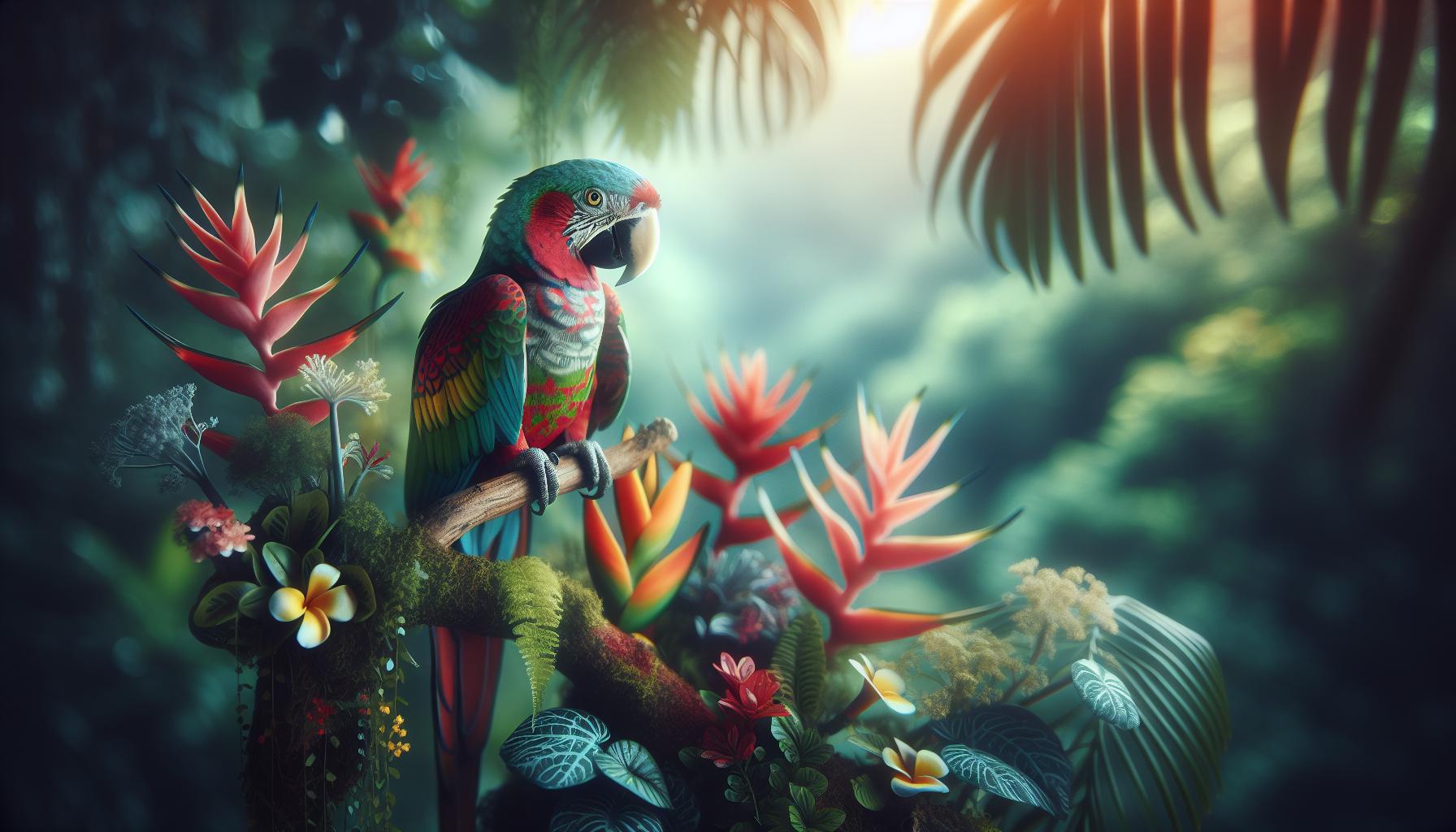
Are Parrots Exotic Animals? Understanding Their Status
Parrots are often regarded as exotic animals, and for good reason! With their vibrant colors, unique vocal abilities, and captivating behaviors, they stand out in the animal kingdom. Exotic animals are typically species that are not native to the region where they are kept, and many parrots, such as macaws and African greys, fit this definition well. They hail from tropical and subtropical regions, primarily in Central and South America, Africa, and Southeast Asia. Owning a parrot can be a rewarding experience, but it also comes with responsibilities that extend beyond merely providing shelter and food.
One of the fascinating aspects of parrots is their social nature. In the wild, they live in flocks that help them bond and communicate. This social behavior necessitates that pet parrots also receive significant interaction, both from their human owners and, if possible, other parrots. Their intelligence allows them to learn and mimic human speech, which enhances their appeal but also requires owners to engage with them regularly to support their emotional and mental well-being. As a potential parrot owner, it’s vital to understand that these birds thrive on companionship and mental stimulation.
From a legal perspective, the status of parrots as exotic pets varies widely by region. In some places, ownership regulations are strict, requiring permits or licenses, while in others, certain species may be banned altogether. It’s essential for prospective owners to research local laws regarding exotic pets. Additionally, echoing a sense of responsibility, enthusiasts should consider adopting from rescues or shelters, as many parrots face abandonment or neglect due to owners underestimating their care needs.
In summary, understanding that parrots are indeed exotic animals not only highlights their enchanting qualities but also emphasizes the commitment and awareness required for responsible ownership. With the right knowledge, anyone can appreciate the joy of bringing a parrot into their home while ensuring that their needs are met both socially and nutritionally.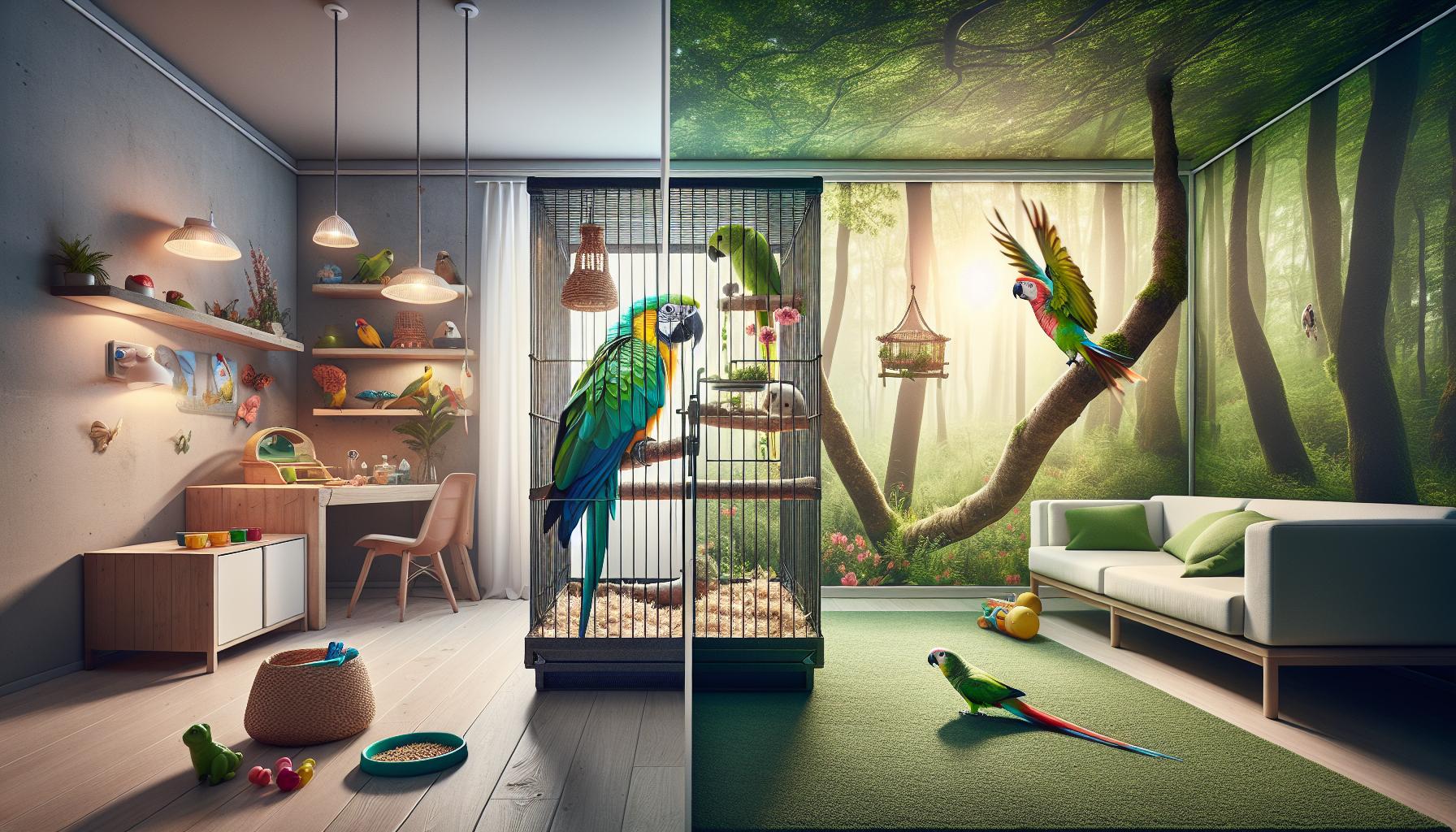
Exploring Parrot Species: Domestic vs. Wild
Parrots are a vibrant and captivating addition to the animal kingdom, boasting a stunning array of species that vary widely between domestic and wild settings. From the beloved African Grey, known for its remarkable ability to mimic human speech, to the dazzling macaws flaunting their stunning plumage, each parrot species brings unique qualities, behaviors, and care requirements that potential owners should be aware of.
Domestic Parrots
Domestic parrots primarily include species that have been bred for companionship and are often found in homes around the world. These include popular types like cockatiels, parakeets, and conures. Domestic parrots are known for their friendly demeanor and social nature, often forming strong bonds with their human families. They thrive in a nurturing environment where they receive regular interaction and stimulation. For example, the budgerigar, or budgie, is one of the most widely kept pet birds. These small, lively parrots are not only easy to care for but also exhibit playful and affectionate behaviors, making them ideal companions for both households and novice owners.
Despite their smaller size, domestic parrots can have significant needs when it comes to mental and physical stimulation. They require an environment that mimics their natural habitat, including toys to chew on, perches for climbing, and opportunities for social interaction. Pet owners should consider engaging in daily playtime and training sessions to keep their feathered friends happy and healthy.
Wild Parrots
Wild parrots, on the other hand, live in diverse habitats ranging from tropical rainforests to arid woodlands across Central and South America, Africa, and parts of Asia. These magnificent birds are known for their intricate social structures, often forming large flocks that communicate through a complex system of sounds. Species like the Blue-and-yellow Macaw or the Scarlet Macaw are not only striking to behold but also play crucial roles in their ecosystems, contributing to seed dispersion and forest regeneration.
In the wild, parrots engage in behaviors that reflect their intelligence-such as using tools or working together to find food. Unlike their domestic counterparts, wild parrots have less direct interaction with humans and live more independently. This highlights the stark differences in care needs between domesticated pets and their wild relatives. Conservation efforts are critical to protecting wild parrot populations, as habitat loss and the exotic pet trade threaten many species.
Ultimately, whether you’re drawn to the vivacious nature of domestic parrots or the awe-inspiring behaviors of those in the wild, understanding the distinctive characteristics of each type helps in appreciating their beauty while reinforcing the responsibility we hold in their care and conservation.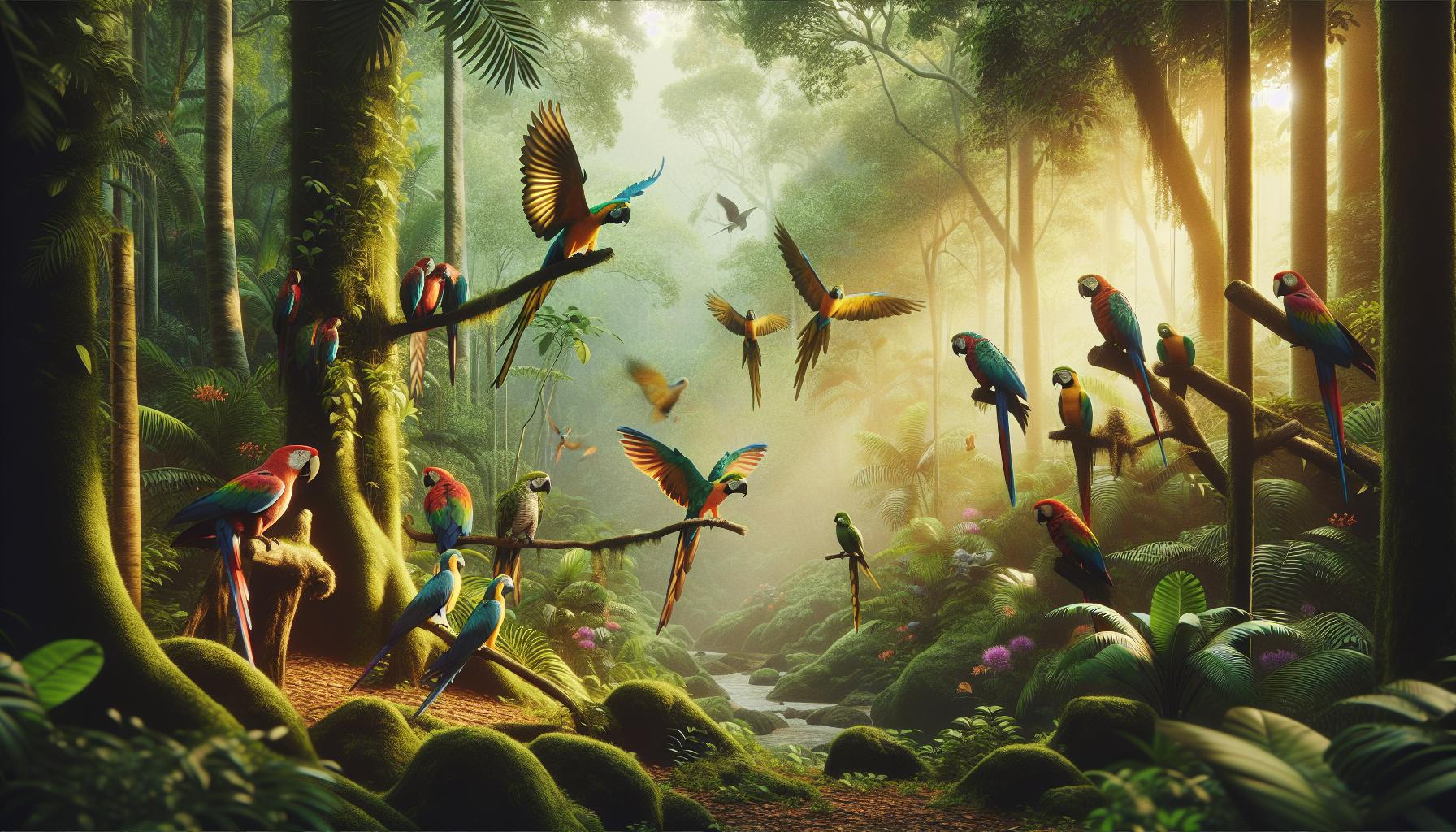
Parrot Habitats: Where Do They Thrive?
Parrots thrive in a variety of habitats that showcase their adaptability and unique ecological roles. They primarily inhabit tropical and subtropical regions, where dense forests, woodlands, savannas, and even some arid regions can be found. Many parrot species prefer the lush environments of rainforests, where they can find abundant food sources such as fruits, seeds, nuts, and flowers. For instance, the Amazon rainforest is home to an incredible diversity of parrots, including the majestic macaws and the colorful Amazon parrots, all of which play essential roles in seed dispersal-a critical function for maintaining the health of their ecosystems.
Beyond rainforests, parrots can also be spotted in less densely wooded environments. Tree hollows in savanna grasslands or acacia-dotted scrublands serve as vital nesting sites. The iconic African Grey Parrot, for example, flourishes in the moist lowland forests and cultivated regions of Central and West Africa, often nesting in tall trees and foraging on the ground for seeds. These diverse habitats not only support the different feeding habits and nesting preferences of parrots but also highlight their intelligence, as they are known to exploit a variety of resources within their environment.
In urban areas, some parrot species are increasingly adapting to human presence, with certain populations of Rose-ringed Parakeets and Monk Parakeets successfully thriving in cities. These adaptable birds have found new food sources and nesting sites in parks, gardens, and even building facades, challenging the notion of their strict dependence on wild habitats. However, this adaptation comes with risks, including exposure to pollutants and threats from domestic animals.
For parrot enthusiasts, understanding these habitats is crucial when considering care and companionship. Many domesticated parrot species require enriched environments that mimic their natural settings. Keeping aspects like climbing structures, chewing toys, and opportunities for foraging can help fulfill their behavioral needs. Additionally, fostering an understanding of their wild counterparts emphasizes the importance of conservation efforts to protect their natural habitats from deforestation and climate change, ensuring future generations can marvel at these extraordinary birds in their native environments.
Unique Characteristics of Parrots: What Sets Them Apart
Parrots are truly remarkable creatures, renowned not only for their vibrant plumage but also for their complex behaviors and unique adaptations. One of the most striking characteristics that sets parrots apart from other bird species is their exceptional intelligence. Many parrot species showcase advanced problem-solving skills, the ability to mimic human speech, and even the capacity to understand concepts like counting and color identification. For instance, the African Grey parrot is celebrated for its impressive vocal mimicry and cognitive abilities, often ranking among the most intelligent bird species in the world.
Another fascinating aspect of parrots is their social nature. These birds thrive in flocks, which plays a significant role in their development and behavioral expressions. Social interactions are crucial for their well-being; they communicate through a variety of vocalizations and physical displays. This communal lifestyle fosters bonding, which is critical when parrots are kept as pets, as they require interaction and mental stimulation to prevent boredom and stress. They often develop strong attachments to their human companions, seeking out social engagement and affection.
Physical Adaptations
Parrots possess a range of physical traits that contribute to their adaptability. Their strong, curved beaks are perfectly designed for cracking open nuts and seeds, while their zygodactyl feet, which have two toes facing forward and two backward, allow for a strong grip on branches and food items alike. This unique foot structure is particularly helpful for climbing and maneuvering through their arboreal environments, making them agile foragers in the wild.
Coloration and Its Importance
The vibrant colors of parrots are not just for show; they play a crucial role in their survival. Bright plumage can serve as camouflage among the colorful fruits and flowers of their tropical habitats, while also facilitating social interactions through visual displays amongst flock members. Each species has its own color patterns that can signal status, health, and even readiness to mate, making coloration a vital aspect of their communication and existence in the wild.
Understanding these unique characteristics of parrots enhances the appreciation of these exotic animals and underscores the importance of providing a stimulating environment for them, both in the wild and in captivity. For potential and current parrot owners, acknowledging the intelligence, social needs, and physical adaptations of parrots is critical for ensuring their health and happiness in domestic settings. This knowledge also reinforces the responsibility of owners to create enriching experiences that mirror their natural behaviors.
The Care Needs of Parrots: A Guide for Owners
Parrots, with their vibrant plumage and remarkable intelligence, demand a level of care that matches their exotic status. Unlike more traditional pets, these birds thrive on interaction, stimulation, and a carefully designed environment. Whether you’re considering adding a parrot to your family or already have one, understanding their specific care needs is crucial for ensuring their happiness and well-being.
First and foremost, socialization is key. Parrots are naturally flock animals; they flourish with regular interaction, whether with their human companions or other birds. If left alone for long periods, they may become bored or develop behavioral issues. It’s vital to spend quality time with your parrot daily, engaging in activities like play, training, or simply talking. For instance, teaching them tricks can be a fun way to build your bond while providing mental stimulation.
Dietary Needs
A balanced diet is another cornerstone of parrot care. These birds require a varied diet that includes fresh fruits, vegetables, seeds, and high-quality pellets. Foods like spinach, sweet potatoes, apples, and berries can provide essential nutrients. It’s essential to avoid toxic foods, such as avocados and chocolate, which can be dangerous to their health. Regularly changing up their food can keep mealtime interesting and appealing.
Housing Considerations
When it comes to housing, the size and layout of the cage play a significant role in a parrot’s well-being. A spacious cage allows for movement and activity, reducing stress. Birds also need various perches, toys, and even places to hide to mimic their natural environment. Regular cleaning of the cage is important to maintain a healthy habitat, as parrots can be prone to respiratory problems if their living area is not kept tidy.
Providing enrichment through toys and foraging activities can prevent boredom. Consider rotating toys frequently and introducing new ones to keep your parrot engaged. Foraging toys that require the bird to work for their treats can stimulate their natural instincts and keep their minds sharp.
In summary, owning a parrot is a rewarding experience, but it requires thoughtful consideration and commitment. By understanding their social needs, dietary requirements, and the importance of an enriching environment, you can ensure that your exotic pet thrives and enjoys a fulfilling life. These majestic creatures are more than just pets; they are companions that can bring joy, laughter, and companionship to your home.
Legal Considerations: Owning an Exotic Parrot
Owning an exotic parrot can be an exhilarating experience, but it’s important to be aware of the legal landscape that governs these remarkable birds. Many parrot species are protected under various laws due to their declining populations and the illegal wildlife trade. Understanding these regulations not only helps you avoid legal pitfalls but also supports conservation efforts aimed at preserving these vibrant creatures for future generations.
Before acquiring a parrot, check local, state, and federal laws to determine which species are legal to own. The U.S. Fish and Wildlife Service (USFWS) regulates many parrot species under the Migratory Bird Treaty Act, and some may require permits. Additionally, certain species like the blue-and-yellow macaw or green-winged macaw might be classified under the Convention on International Trade in Endangered Species of Wild Fauna and Flora (CITES), which restricts their trade. Always verify that any parrot you plan to buy comes from a reputable source that adheres to legal standards, such as licensed breeders or sanctuaries.
Moreover, many municipalities impose specific restrictions or require permits for exotic animal ownership. It’s crucial to research these local regulations, as violating them can lead to hefty fines or even the seizure of your pet. For instance, some areas might have limits on the number of birds you can own or specific housing requirements to ensure the well-being of the animals and the community.
Finally, consider the ethical implications of owning an exotic parrot. By adhering to legal requirements and sourcing your bird responsibly, you contribute to the welfare of these animals and their habitats. When you choose to adopt or buy from rescues and certified breeders, you’re not only following the law but also playing a part in the larger effort to combat illegal poaching and habitat destruction. Ultimately, informed and responsible ownership means you can enjoy the companionship of a parrot while ensuring that your feathered friend has a bright and secure future.
Parrots in Pop Culture: Representation and Awareness
Parrots have long captured our imagination, their vibrant plumage and lively personalities making them stars in various forms of media. From animated films to live-action adventures, these exotic birds have become synonymous with adventure, freedom, and sometimes mischief. For instance, characters like Rio’s Blu and the famous pirate companion, Captain Flint’s parrot in Treasure Island, not only entertain but also raise awareness about the unique qualities of parrots. This representation in pop culture has significantly influenced how people perceive these stunning creatures and their place in our world.
While many portrayals celebrate parrots’ intelligence and colorful appearances, they often gloss over the complexities of their care and conservation needs. For potential parrot owners, it’s essential to recognize that the real-life needs of these birds extend far beyond the screen. Parrots are not just charming companions-they require a significant commitment, including appropriate social interaction, specialized diets, and mental stimulation to thrive. Understanding this can transform a fleeting fascination into a responsible and enriching relationship.
Moreover, pop culture has also played a critical role in highlighting conservation issues. Documentaries and wildlife features often showcase the plight of parrot species facing habitat destruction and illegal trade. These narratives can inspire proactive engagement-encouraging audiences to support conservation initiatives and responsible ownership practices. By following the journeys of these birds in media, viewers can be motivated to participate in real-world efforts that protect the environments these incredible animals depend on.
In summary, depictions of parrots in movies and literature provide both entertainment and valuable lessons. They invite us to marvel at the beauty and intelligence of these creatures, while also reminding us of our responsibility to protect them. As we enjoy the vibrant stories surrounding parrots, let’s carry that passion into advocacy and education, ensuring that parrots and their habitats are preserved for future generations.
Conservation Status: Protecting Exotic Parrots
The population of exotic parrots is under serious threat, largely due to habitat destruction and the illegal pet trade, making their conservation a critical issue for wildlife enthusiasts and the global community alike. Parrots play essential roles in their ecosystems, such as aiding in seed dispersal, which helps maintain the health of their habitats. However, many species are declining rapidly. For example, the Spix’s Macaw, once thought to be extinct in the wild, has seen ongoing conservation efforts aimed at reintroducing it back into its natural environment. Global attention to such initiatives highlights the passionate efforts toward saving these beautiful creatures and their habitats.
Conservation Efforts and Challenges
Recognizing the plight of parrots, organizations like Parrots International focus on conservation projects in regions where these birds inhabit. For instance, their projects in Guatemala, Nicaragua, and Honduras aim to support populations of the Scarlet Macaw and Yellow-naped Amazon. These efforts include habitat restoration, community education on sustainable practices, and combating illegal trade. By connecting local communities with conservation, these programs not only protect wildlife but also foster a sense of pride and responsibility among residents.
People interested in joining the conservation movement can participate in several impactful ways:
- Educate Yourself and Others: Knowledge is power. Learn about the issues facing parrots and share that knowledge to raise awareness.
- Support Conservation Organizations: Donate to, or volunteer with, groups dedicated to parrot conservation efforts.
- Advocate for Sustainable Practices: Encourage responsible pet ownership and support legislation that protects wild parrot populations.
What Can You Do?
The bond between parrot enthusiasts and their feathered friends often starts with a captivating glance or a memorable character in film, but it’s essential to nurture that affection responsibly. Potential parrot owners should consider adopting from responsible sources, rather than purchasing from pet stores where illegal trade may occur. Ethical ownership not only contributes to conservation but also ensures that the parrot and its owner have a fulfilling relationship. By understanding the unique challenges faced by exotic parrots, we can all play a part in their protection, ensuring that these magnificent birds continue to thrive in the wild for generations to come.
The Fascinating Behavior of Parrots: Social and Intelligent
Parrots are renowned for their remarkable intelligence and vibrant social behaviors, making them some of the most captivating creatures in the avian world. Did you know that many parrot species have the cognitive abilities comparable to that of a young child? They can solve complex puzzles and even use tools! Their keen intelligence is matched by their sociable nature, as they thrive in lively flocks of their peers, where they communicate not just through vocalizations but also through body language. This sociability is essential for their well-being, and it drives many of their behaviors, from preening each other to engaging in playful activities.
Understanding their social structures can be enlightening. In the wild, parrots often form strong bonds with their mates and family members. African Grey Parrots, for example, are known for their complex social interactions and exceptional communication skills. These birds can mimic human speech and even respond to questions, showcasing their ability to comprehend and engage with their environment. To ensure a parrot’s happiness in captivity, potential owners must recognize that these birds require not just physical stimulation but also social interaction-both with their human caregivers and, ideally, with other birds.
Caring for a parrot involves creating an enriching environment that fosters their intelligent and social nature. This could include offering a variety of toys that stimulate their minds, such as puzzle feeders or interactive games. Regular social interaction is crucial; spending time with your parrot, whether through play or training exercises, can help strengthen your bond. Moreover, consider introducing them to safe, supervised interactions with other birds, as this can simulate their natural flocking behavior, contributing to their emotional health.
By appreciating and catering to these fascinating behaviors, parrot owners can foster a deeper connection with their feathered friends while also enhancing their well-being. The more we understand about parrots’ social and intelligent lives, the better equipped we are to provide them with the love and care they deserve.
How to Safely Interact with Exotic Parrots
Interacting with exotic parrots can be a thrilling experience, filled with joyful moments and meaningful connections. These remarkable birds are not just colorful companions; they are also highly intelligent and social creatures that require careful handling and respect. One vital aspect of safely engaging with parrots is understanding their body language. Parrots communicate through various gestures, tail movements, and vocalizations, and recognizing these signals can help prevent misunderstandings and potential bites. For instance, a parrot with ruffled feathers or a beak that makes a snapping sound might be feeling threatened or defensive.
Creating a comfortable environment is key to positive interactions. When approaching a parrot, it’s best to do so calmly and slowly. Let the bird come to you, rather than reaching out abruptly. Offer your hand-flat and at a distance-so the parrot can investigate at its own pace. If you’re introducing a new bird into your home, provide it with a safe space where it can acclimate and feel secure. This is particularly crucial for birds that might be transitioning from a different environment or have had negative experiences in the past.
To build trust, regular positive reinforcement is paramount. Use treats or toys to reward your parrot for engaging with you. Communicating in a soft, soothing voice can also help. Singing or mimicking their sounds may even pique their interest. Remember, patience is essential. Each bird has its unique personality, and while some may warm up quickly, others might need more time to feel comfortable with human interaction.
Finally, always prioritize safety. Ensure that the environment is free of hazards such as toxic plants, open windows, or other pets that could harm your parrot. If at any point your parrot appears stressed or agitated, it’s important to give them space and time to calm down. With a little knowledge and a lot of respect for their nature, you can enjoy rich and rewarding interactions with your exotic feathered friends.
Myths and Misconceptions About Parrots
Many people harbor misconceptions about parrots that can lead to misunderstandings about their care and behavior. One common myth is that all parrots are loud and disruptive pets. While many parrot species, such as macaws, are known for their vocal abilities, others like Bourke Parakeets are relatively quiet. Bourkes have a gentle and sweet chirping sound, making them excellent companions for individuals living in apartments or shared spaces [[1]].
Another misconception revolves around their diet; some believe that all fruits and vegetables are safe for parrots. However, certain foods are toxic to them. For instance, garlic and onion, often thought to be healthy additions to meals, can actually be harmful to birds. It’s essential for owners to educate themselves on safe dietary practices tailored specifically for parrots to ensure their health and well-being [[2]].
People may also think that parrots don’t require much interaction and can thrive in solitary environments. In reality, parrots are highly social creatures that need regular interaction with their owners to flourish. Left alone for extended periods, they can develop behavioral issues or become depressed. Thus, prospective owners should be prepared to engage with their feathered friends daily and provide enriching activities to keep them mentally stimulated.
Many also underestimate the intelligence of parrots, believing they can’t learn beyond basic tricks. In fact, parrots are incredibly clever and can mimic speech, solve puzzles, and even learn how to use tools! This intelligence requires an owner to commit to ongoing training and mental challenges, creating not just a pet but a dynamic and interactive relationship. Understanding these nuances helps break down common myths and fosters a more enriching environment for both the owner and the parrot.
Why Choose a Parrot: Benefits of Exotic Pets
Welcoming a parrot into your home can bring immense joy and companionship, akin to nurturing a vibrant, feathered family member. These captivating creatures are not just pets; they often become integral parts of our lives, bridging the gap between human and wildlife. One of the most compelling reasons to choose a parrot is their remarkable ability to bond with their owners. Parrots are social beings, thriving on interaction, and many can even mimic human speech and sounds, creating a unique and engaging communication loop with their caretakers.
Another significant benefit of having a parrot as a pet is their relatively long lifespan compared to other small animals. Many parrot species can live 15 to 50 years or more with proper care, meaning they can be lifelong companions. This longevity allows for deep relationships to develop over time, making each moment with your parrot all the more meaningful. Beyond companionship, parrots are also incredibly intelligent and require mental stimulation. Providing them with puzzles, toys, and training can challenge their minds and enhance your bond. This engagement not only entertains your parrot but can lead to a satisfying and interactive lifestyle for both of you.
When considering a parrot, it’s important to recognize the diverse species available. From the playful Budgerigar to the majestic Macaw, each species offers unique characteristics and charm. Some, like the quieter Bourke Parakeets, are well-suited for apartment living due to their gentle nature, while others may require more space and stimulation to thrive. This variety allows potential pet owners to select a bird that fits their lifestyle and living situation perfectly.
Moreover, choosing to adopt a parrot promotes the important cause of avian conservation. Many parrots in the wild face habitat loss and threats from illegal trade. By adopting a parrot or supporting responsible breeders, pet owners contribute to the protection and preservation of these beautiful species. This not only enhances personal joy but also helps foster awareness about the critical state of wildlife conservation, creating a ripple effect in fostering respect and appreciation for all avian life. Thus, welcoming a parrot into your life not only enriches your day-to-day experience but also supports broader conservation efforts.
Faq
Q: Are all parrots considered exotic animals?
A: Not all parrots are classified as exotic animals. While many species are considered exotic due to their wild nature and unique characteristics, some domesticated breeds, such as the budgerigar, are common pets. Understanding the distinction can help potential owners make informed decisions regarding care and legality.
Q: What are the legal requirements for owning a parrot?
A: Legal requirements for owning a parrot vary by location. In many places, specific permits may be necessary, especially for exotic species. Always check local regulations and consider reaching out to wildlife authorities to ensure you comply with all legal guidelines before acquiring a parrot.
Q: How can I assess if a parrot is being marketed as exotic?
A: To determine if a parrot is marketed as exotic, check the descriptions used in advertisements. Terms like “rare,” “wild,” or “endangered” often indicate an exotic classification. Additionally, research the species to confirm its typical habitat and care requirements for better understanding.
Q: What are the habitat needs of exotic parrots?
A: Exotic parrots require enriching habitats that mimic their natural environments, including suitable space, perching options, and sensory stimulation. Providing toys, other animals, and climbing opportunities is crucial to meet these needs and promote a healthy, active lifestyle.
Q: How does ownership of an exotic parrot differ from a domestic one?
A: Owning an exotic parrot differs mainly in care needs and regulatory requirements. Exotic parrots often require more specialized diets and environments, while domestic parrots may need less complex setups. Additionally, exotic parrots may have stricter legal ownership restrictions.
Q: What specific care considerations should I have for exotic parrots?
A: Caring for exotic parrots involves unique dietary, social, and environmental needs. These birds require a varied diet rich in fruits, vegetables, and nuts, along with regular social interaction to thrive. Researching individual species will help ensure their health and happiness.
Q: Are there specific conservation efforts for exotic parrots?
A: Yes, several conservation efforts focus on protecting exotic parrots. These programs often involve habitat restoration, legal protection, and breeding initiatives to support populations facing threats from habitat loss and illegal trade. Supporting these efforts can help sustain parrot populations.
Q: How can I safely interact with exotic parrots?
A: To safely interact with exotic parrots, always approach calmly and understand their body language. Use gentle movements and allow them to initiate contact. Providing healthy treats can build trust, and it’s important to respect their space to create a safe environment for both you and the bird.
Insights and Conclusions
Thank you for joining us on this journey to explore whether parrots are truly exotic animals! As we’ve seen, their vibrant behaviors, varied habitats, and specific care needs make them captivating companions for dedicated owners. If you’re considering adding a parrot to your home, be sure to check out our guides on parrot care essentials and parrot behavior to equip yourself with the knowledge needed for responsible ownership.
Before you fly away, don’t miss our article on “Common Misconceptions About Exotic Pets” to further widen your understanding of these amazing creatures. And if you found this information helpful, subscribe to our newsletter for the latest updates and tips on exotic pet care! Your adventure into the world of parrots starts here-embrace the knowledge and connect with your feathered friend today!
Get our latest guides, news, and insights highlighted in your Google Search & AI Overviews.