
Have you ever wondered where the exotic animals we see today come from? The journey of exotic pets is not just a tale of mere ownership; it’s a rich narrative that intertwines history, culture, and conservation. From their historical roles as companions and guardians to their present-day status in our homes, exotic animals like parrots and pythons have fascinating origins that reflect our complex relationship with wildlife. Understanding these origins helps us appreciate the responsibilities of pet ownership and the ethical considerations of keeping these amazing creatures. In this exploration, we will uncover the historical roots of exotic animals, revealing not only how they became intertwined with human lives, but also how this relationship continues to evolve in the modern world. Join us as we delve into the captivating world of exotic animals, fostering a deeper connection to the incredible diversity of life on our planet.
The Fascinating Origins of Exotic Animals
The mesmerizing world of exotic animals is steeped in history, filled with stories of human fascination and the natural wonders they embody. Many exotic pets, such as parrots and reptiles, trace their roots back to specific regions around the globe, where they evolved in unique habitats. For instance, the vibrant Macaw originates from the lush rainforests of Central and South America, showcasing its brilliant plumage amid a backdrop of expansive greenery. On the other hand, the regal Ball Python hails from the savannas and open forests of West Africa, adapting to a life of stealth and skill in hunting its prey.
The journey of these species into our homes is not just a modern phenomenon; it reflects centuries of human engagement with wildlife. Historical records reveal that as early as 4000 BC, ancient civilizations in Egypt kept birds in captivity, not merely for food but for companionship and beauty [1]. Fast forward to the Age of Exploration, when the advent of oceanic voyages allowed for the translocation of a plethora of animals. This period saw a surge in the popularity of exotic pets among the affluent classes in Europe, with species like the African Grey Parrot and various reptiles becoming symbols of status.
Today, we continue to see a complex interplay of factors influencing the exotic pet trade, including conservation efforts, ethical considerations, and the push for responsible ownership. For many, owning an exotic pet means becoming a steward of their health and wellbeing, which can be an incredibly rewarding experience. However, this also comes with the responsibility to understand the origins of these creatures and their specific needs, ensuring that their life in captivity is as rich and fulfilling as it would be in the wild. By learning about their fascinating origins, we not only deepen our connection to these magnificent animals but also enhance our capacity to care for them properly.
As we explore the origins of exotic animals, a key takeaway remains clear: informed ownership is crucial to ensure these animals thrive. Embracing our role in their continued existence and well-being is an ongoing journey filled with discovery and delight, much like the diverse landscapes that birthed these extraordinary creatures.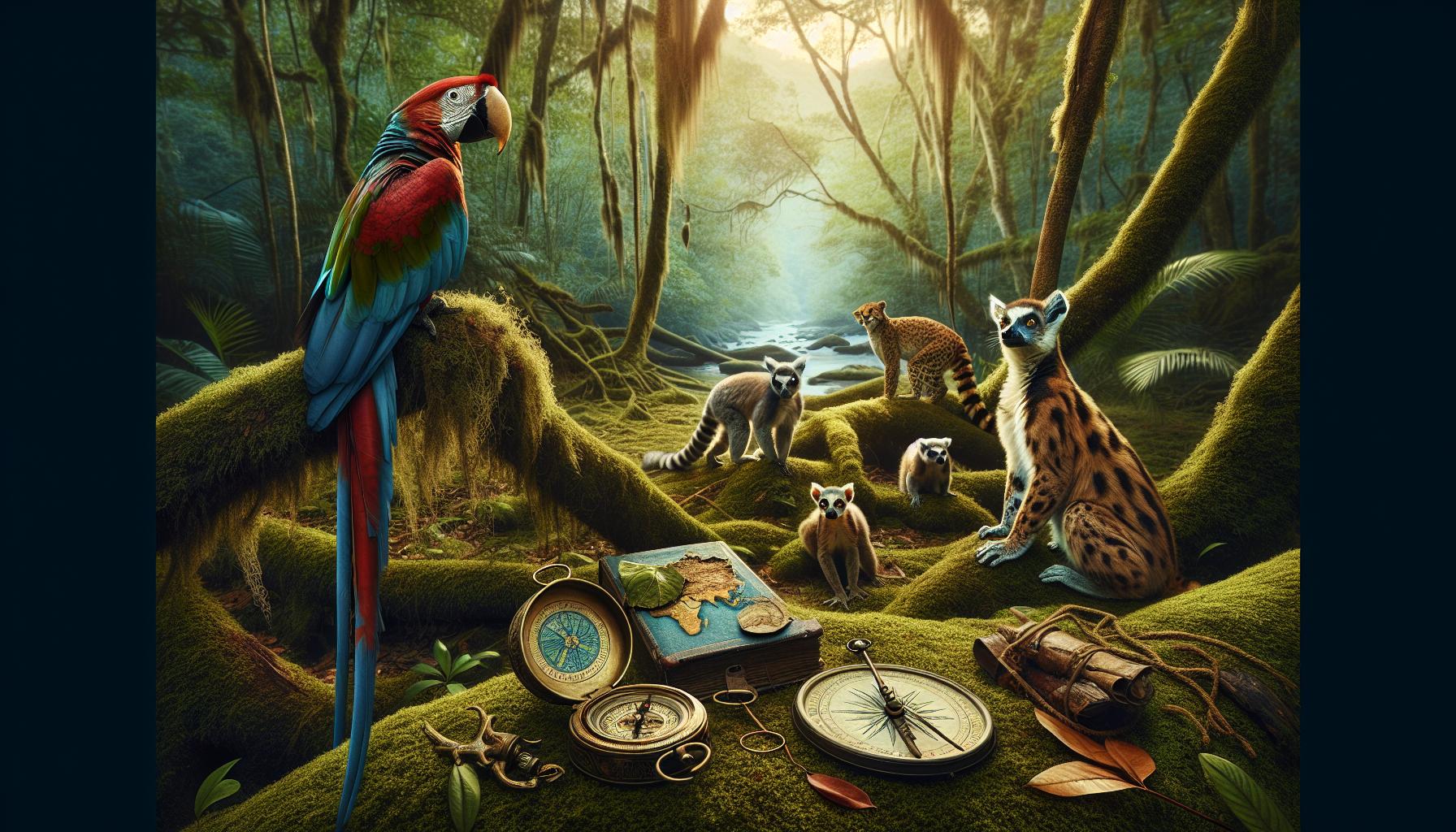
Key Species and Their Native Habitats
Many exotic animals captivate us with their unique behaviors and striking appearances, yet each of these species carries a rich story rooted in their native habitats. For instance, the Green Iguana, originally from the rainforests of Central and South America, thrives in warm, humid environments where it can easily find foliage to nibble and branches to sunbathe on. Their diet primarily consists of leaves, flowers, and fruits, which aligns beautifully with their natural lifestyle as herbivorous tree-dwellers.
Feathered Friends: Parrots
When you think of exotic pets, it’s hard not to picture parrots, particularly the enchanting Macaw. These vibrantly colored birds are native to the tropical rainforests of Central and South America. Renowned for their intelligence and social nature, macaws not only require a spacious cage but also plenty of time for interaction and play. Their natural diet consists of nuts, seeds, fruits, and some vegetation, so providing a varied diet at home is essential for their health and happiness.
Reptilian Residents: Snakes
Another fascinating group is snakes, particularly the Ball Python, which originates from the savannas and forests of sub-Saharan Africa. Known for their docile temperament and beautiful patterns, these snakes have become popular pets. In their natural habitat, they hunt rodents and other small animals, adapting their diet based on availability. Owners should ensure that their housing mimics their natural environment-dark, warm, and secure-with ample places to hide.
Uncommon Companions: Exotic Mammals
Among exotic mammals, the Fennec Fox stands out, native to the sandy deserts of North Africa. With oversized ears that help dissipate heat and excellent night vision, they are adapted for survival in extreme climates, foraging for insects, rodents, and plants. Though adorable, fennec foxes require specialized care, space for digging, and a diet that mimics their wild intake to flourish in a home setting.
Understanding the natural habitats of these key species not only enriches our appreciation of them but also guides us toward better care practices. By recognizing their needs and behaviors in the wild, we can create an appropriate and fulfilling environment for our exotic pets, ensuring their welfare and longevity in captivity. Whether you’re a newcomer or have experience with exotic animals, the joy of caring for these extraordinary creatures is both a responsibility and a privilege.
Historical Significance of Exotic Animals
The allure of exotic animals has shaped human culture for centuries, transitioning from symbols of status and power to beloved pets in homes around the world. Historically, exotic animals were often owned by royalty and the wealthy as a testament to their prestige. For example, in ancient Egypt, the lion was a symbol of nobility and strength, frequently depicted in art alongside pharaohs. This deep-rooted connection illustrates how these creatures have always held significant cultural and emotional value.
As time progressed, the role of exotic animals evolved, particularly during the Roman Empire when animals such as elephants and exotic birds became central attractions in public spectacles and games. The spectacle of exotic beasts served not only as entertainment but also as a demonstration of a nation’s wealth and reach. In fact, records indicate that exotic pets have been kept since as early as 350 BC, when various species were tamed and brought into the homes of influential figures, marking the beginning of a complex relationship between humans and these extraordinary creatures [[2]].
In the modern era, the exotic pet trade has further transformed our interactions with these animals. The commercial demand has led to the importation of countless species, with significant numbers cited-for instance, over half a million green iguanas and nearly a hundred thousand ball pythons were imported in just one year alone [[3]]. This shift has sparked discussions about conservation and ethical considerations, as many species face threats from habitat loss and over-exploitation due to the pet trade.
Today, exotic animals are more than just pets; they carry a legacy that challenges us to reflect on our responsibilities as caregivers. This includes understanding their natural habitats, dietary needs, and social behaviors, which are crucial in fostering a proper environment for their health and wellbeing. Engaging with these species not only provides joy and companionship but also deepens our respect for wildlife and the ecosystems they inhabit. By acknowledging their historical significance, we can promote a culture of responsible ownership and enriched appreciation for these remarkable animals.
How the Pet Trade Shapes Animal Origins
The global demand for exotic animals has profoundly influenced their origins and populations across the world. As pet ownership trends shift from traditional breeds to more unique and exotic species, the pet trade not only impacts animal availability but also shapes the ecological and genetic landscape of these creatures. For instance, many exotic pets, such as capuchin monkeys and macaws, are sourced from their natural habitats in the rainforests of South America, leading to extraction practices that can jeopardize biodiversity in those areas.
Due to the lucrative nature of the exotic pet trade, many animals are bred in captivity to meet this growing demand. However, this practice can have unforeseen consequences, particularly concerning genetic diversity. Breeding individuals in captivity often results in a limited gene pool, which can increase the prevalence of genetic disorders and reduce resilience against diseases. For example, captive-bred ball pythons may exhibit variations that are appealing to collectors, but this selective breeding can lead to health issues that wouldn’t occur in their wild counterparts, illustrating the delicate balance between breeding for aesthetic traits and maintaining species integrity.
The rise of online marketplaces and social media platforms has further catalyzed the pet trade’s impact on animal origins. With just a few clicks, potential owners can access a wide array of exotic species, often with little understanding of their needs or the conditions from which they come. This ease of access can obscure the reality of the animal’s origin story, as many exotic pets are removed from their environments, leaving behind disrupted ecosystems. A striking example came to light when it was reported that over half a million green iguanas were imported into the United States in a single year, highlighting the overwhelming scale of this industry.
Ultimately, while the allure of exotic pets is strong, it is imperative that prospective owners approach the decision with responsibility and awareness. Understanding the origins and needs of these animals can lead to more informed, humane choices, helping to ensure that these incredible creatures thrive both in captivity and in the wild. For anyone considering an exotic pet, recognizing the importance of their natural habitats and the challenges they face in the pet trade is crucial for fostering a more ethical and sustainable approach to animal companionship.
Conservation Challenges of Exotic Species
When we think of exotic animals, it’s easy to be captivated by their beauty and uniqueness. However, behind their alluring exteriors lies a multitude of conservation challenges that threaten both the animals and their ecosystems. A staggering number of species, from vibrant parrots to majestic turtles, are caught in the crosshairs of the exotic pet trade, which can devastate wild populations and their habitats.
The demand for exotic pets often leads to poaching and illegal wildlife trafficking. For example, the exportation of certain reptiles, like ball pythons, can deplete local populations as these animals are removed from their natural environments. This not only disrupts the local ecosystem but also places immense pressure on species that are already vulnerable. As these species face habitat loss and overexploitation, biodiversity suffers-leading to a decline in the health of their ecosystems and the services they provide, such as pollination and pest control.
Impact on Conservation Efforts
The very act of removing exotic species from their habitats poses significant conservation challenges. Many animals are not suited for life in captivity, and those that survive may not thrive due to lack of proper care or stress from confinement. Even well-meaning individuals can inadvertently contribute to the decline of species-by choosing to purchase exotic pets, they create demand that fuels more harvesting from the wild. A key issue is that this often leads to a lack of genetic diversity, as captive breeding programs are typically far removed from the natural conditions that keep a population robust.
To tackle these challenges, it’s essential for potential pet owners to research thoroughly and understand the implications of their choices. Supporting reputable sanctuaries and conservation organizations can help mitigate some of the destruction caused by the pet trade. For instance, accredited sanctuaries provide refuge for abused and harvested animals while also educating the public about these issues. They may also collaborate on habitat restoration projects that directly contribute to the conservation of the species’ natural environments.
Ways to Make a Difference
Being a responsible pet owner goes beyond just caring for an animal; it encompasses awareness and action. Here are some ways you can contribute positively to the conservation of exotic species:
- Educate Yourself: Understand the ecological role of exotic species and their specific needs.
- Choose Wisely: If you’re considering an exotic pet, ensure it has been bred ethically or consider adopting from a sanctuary.
- Advocate for Change: Support legislation that protects wildlife and combats illegal trafficking.
- Volunteer: Engage with local wildlife organizations that work towards conservation efforts.
Through mindful choices and shared awareness, we can all play a part in alleviating the pressing conservation challenges faced by exotic species. Embracing a responsible approach to the exotic pet trade will not only benefit these incredible animals but also the rich biodiversity of our planet.
Cultural Symbolism of Exotic Animals
The allure of exotic animals goes far beyond their striking appearances; throughout history, many cultures have woven these magnificent creatures into their stories and symbols. From the regal tiger to the enchanting peacock, exotic animals often embody qualities that resonate deeply within human societies. For instance, the tiger is frequently seen as a symbol of power and courage, while the peacock represents beauty and pride. This strong connection arises not only from their physical traits but also from the characteristics we project onto them, reflecting hopes, fears, and cultural values.
In various cultures, these animals serve as totems or spiritual guides, representing specific attributes. The elephant, revered in many Asian cultures, symbolizes wisdom, strength, and loyalty, often associated with the divine in Hindu iconography. Meanwhile, the jaguar, central to Mesoamerican mythology, is seen as a powerful protector and a guardian of the underworld. These associations are not mere coincidence; they arise from centuries of observation, storytelling, and the vital roles these animals play in their native ecosystems.
Exotic Animals in Mythology and Rituals
Many exotic species are rooted in mythology, further enhancing their symbolic significance. For example, in ancient Egypt, the sacred ibis was connected to Thoth, the god of wisdom, and was believed to safeguard knowledge. In contrast, cultures that revered snakes often viewed them as symbols of transformation or resurrection. This duality is evident in the way that the snake can represent both danger and renewal, an insight into humanity’s complex relationship with nature.
Cultural symbolism surrounding exotic animals can also influence modern perspectives. As the popularity of exotic pets rises, the challenge remains: how to appreciate these creatures without commodifying them. Understanding their historical significance can guide responsible ownership, encouraging potential pet owners to respect and care for species that carry rich legacies and ecological importance.
As we delve deeper into the cultural tapestry woven around exotic animals, we not only acknowledge their beauty but also recognize our responsibility to ensure their survival. By promoting education about their natural habitats and the threats they face, we can foster a greater appreciation that transcends mere fascination, allowing us to engage meaningfully with the wondrous wildlife that captivates us so.
The Impact of Climate on Animal Distribution
Climate change is reshaping the distribution of animal species across the globe, and the effects are particularly pronounced for exotic animals whose native habitats are dwindling or shifting. Wildlife has evolved alongside specific climate conditions, and any changes in temperature or precipitation can disrupt the delicate balance of ecosystems. For many exotic species, these changes not only threaten their survival but also affect their ability to thrive in new environments.
Take the wood thrush, for example, a songbird native to North America. As climate change alters the landscapes where wood thrushes nest and forage, their populations face significant declines. Rising temperatures can lead to changes in food availability and disrupt migration patterns, which are critical for their life cycle. Similar patterns can be observed in other exotic wildlife species; as their preferred habitats become unsuitable, they may be forced to move to new areas, often leading to increased competition with local species and potential declines in biodiversity.
Key Factors Influencing Animal Distribution
Several key factors shaped by climate change influence how and where exotic animals thrive:
- Temperature Changes: Many species have specific temperature ranges necessary for their survival. As average temperatures rise, animals might find themselves outside their optimal living conditions.
- Habitat Loss: Deforestation, desertification, and urban sprawl, exacerbated by climate change, can eliminate the natural habitats of many exotic animals, forcing them into fragmented environments.
- Food Source Availability: Changes in climate can affect plant growth cycles and other food sources upon which exotic animals depend, making it difficult for them to find sufficient sustenance.
- Migration Patterns: Some species rely on migratory routes that could be disrupted by changing climates, leading to misalignment between breeding grounds and food availability.
Clear examples underscore these impacts. As the range of the African elephant shifts due to changing savanna ecosystems, their ancient migratory routes are being blocked by human habitation, leading to increased human-wildlife conflict. Similarly, the jaguar is seeing alterations in its distribution in response to changing rainfall patterns, impacting its hunting grounds.
The confluence of climate change and ecosystem disruption poses a profound challenge for exotic animals and raises critical questions about their futures. As wildlife enthusiasts and responsible pet owners, it’s essential to support conservation efforts and raise awareness about these changes. Educating ourselves and others about the implications of climate on animal distribution can help foster a more sustainable relationship between humans and the exotic creatures we admire. Ultimately, understanding these dynamics allows us to advocate for responsible ownership and care practices, ensuring that both exotic animals and their habitats receive the respect and protection they need.
Exotic Animals in Pop Culture and Media
In a world where exotic animals frequently steal the spotlight, their portrayal in pop culture and media has a profound impact on public perception and understanding. From blockbuster movies featuring charismatic creatures to the rise of social media sensations showcasing the beauty of unconventional pets, the narrative around these species has evolved dramatically. For instance, movies like Madagascar and Rio not only entertain but also introduce young audiences to a variety of exotic species, sparking curiosity about their natural habitats and behaviors. However, this fascination often blurs the lines between reality and fantasy, which can lead to misconceptions about the needs and care of these animals.
As celebrities and influencers frequently share their experiences with exotic pets, they inadvertently contribute to a broader dialogue about responsible ownership and welfare. Take, for example, Mike Tyson’s pet tiger or Paris Hilton’s infamous kinkajou, Baby Luv. While such stories capture media attention, they also serve as a reminder of the complex needs of these animals, which often go unfulfilled in private ownership. The glitzy portrayal of owning exotic animals can overshadow the real challenges and responsibilities that come with their care. Therefore, it’s crucial for prospective owners to conduct thorough research and understand the specific behavioral and environmental needs of their chosen pets.
Furthermore, the way these animals are depicted in media can have significant conservation implications. The allure of exotic animals can drive both conservation efforts and illegal trade. Programs that centrally feature endangered species, like the BBC’s Planet Earth, raise awareness about habitat loss and the urgent need for conservancy efforts. Conversely, when they are sensationalized in inappropriate settings, it may inadvertently encourage their exploitation. Engaging with content critically and ensuring it aligns with sustainable practices can help mitigate this risk. By emphasizing responsible stewardship and ethical treatment, we can turn the fascination with exotic animals into a force for good, promoting both education and conservation initiatives.
In summary, while the influence of pop culture on exotic animals is undoubtedly powerful, it’s essential for fans and potential pet owners alike to approach this interest with knowledge and respect. Understanding the origins of these animals and their ecological roles not only enhances our appreciation but also aids in fostering a culture of responsibility and conservation. As we navigate this exciting world, let’s be advocates for the wilderness and care for these remarkable creatures ethically and thoughtfully.
Ethics Behind Keeping Exotic Pets
Keeping exotic pets can seem glamorous and exciting, but the reality often involves significant ethical considerations. The allure of owning a creature from a distant land can quickly overshadow the profound responsibilities and challenges involved. For many, the dream of having a unique pet leads to a lack of understanding about the animal’s complex needs, which can result in inadequate care that may compromise the animal’s well-being.
Understanding the Needs of Exotic Pets
Exotic pets come from varied environments that dictate their behaviors, diets, and habitat requirements. For instance, a macaw’s social nature requires ample interaction and space-far more than a small apartment can provide. These animals often do not thrive in captivity if their environmental and social needs remain unmet. Owners must be prepared to recreate elements of their natural habitat, which can be both challenging and expensive.
- Dietary Needs: Many exotic pets have specific dietary requirements that are difficult to fulfill with standard pet foods.
- Social Behavior: Animals like ferrets and parrots require social interaction, which means they often shouldn’t be kept alone.
- Space Requirements: Animals such as large snakes or jungle cats require extensive space to move and behave naturally.
Legal and Ethical Implications
The exotic pet trade raises serious ethical and legal questions. Many species are endangered or threatened in the wild, and their removal for the pet trade exacerbates conservation challenges. Responsible ownership means understanding local laws regarding animal ownership, as well as the impact of the exotic pet trade on global biodiversity. Even a well-meaning owner can unwittingly contribute to the decline of a species simply by opting to keep a pet that should remain in its natural habitat.
Moreover, the gap between public perception and the reality of exotic pet care is alarming. Media portrayals often simplify or romanticize the experience of having exotic pets, creating an unrealistic expectation that downplays the potential dangers involved for both the owner and the animal. Animals like tigers or certain reptiles may seem captivating on screen, but they have complex behavioral needs that are difficult to meet in captivity.
Ethical Choices as Pet Owners
Before deciding to keep an exotic pet, prospective owners should ask themselves critical questions: Is this animal suitable for captivity? Can I provide an environment that mimics its natural habitat? What are the long-term commitments involved in caring for this animal? More importantly, will my choice support or hinder conservation efforts?
In light of these factors, some animal welfare advocates suggest considering alternatives, like adopting domesticated animals or supporting wildlife conservation initiatives that allow these fascinating creatures to thrive in their natural environments. By making informed decisions, we can ensure that our fascination with exotic animals translates into advocacy for responsible ownership and the preservation of wildlife, rather than contributing to their decline.
Understanding Genetic Diversity in Exotic Species
The genetic diversity of exotic species is a captivating topic that holds significant implications for conservation and pet ownership alike. Genetic variation within a species is essential for its survival and adaptability. For exotic animals, the complexity of their genetic makeup can influence not just their physical traits, but also their behavior, health, and resilience to environmental changes. For instance, in captive breeding programs for endangered species, maintaining genetic diversity is crucial to prevent inbreeding depression, which can lead to reduced fertility and higher susceptibility to disease.
An exciting example of genetic diversity in exotic species can be found in bird populations. The more than 10,000 bird species show a remarkable variety of behaviors and adaptations due to their unique genetic backgrounds. For instance, DNA testing can reveal distinct genetic markers within different populations of the same species, helping conservationists understand breeding patterns and devise strategies to enhance genetic diversity. This is particularly relevant for species like the California condor, which is being carefully managed to ensure its genetic health.
As potential exotic pet owners consider bringing an animal into their homes, understanding that these creatures come with unique genetic backgrounds can alter their approach to care. Each species has its own set of genetics that dictate dietary needs, behavioral traits, and environmental preferences. For instance, African grey parrots exhibit high intelligence and social behavior driven by their genetic code, necessitating environments rich in stimulation and social interaction to keep them happy and healthy.
Finally, recognizing the role of genetic diversity can empower owners and enthusiasts to advocate for better practices within the exotic pet trade. By prioritizing the adoption of animals from reputable breeders committed to genetic health rather than those driven by profit, we can contribute positively to the welfare of these incredible creatures and the preservation of their wild counterparts. The beauty and complexity of genetic diversity in exotic species not only enrich our lives but also remind us of our responsibility to protect and preserve the natural world they come from.
Future Trends in Exotic Animal Populations
As we look towards the future of exotic animal populations, one compelling trend is the increasing recognition of the importance of genetic diversity. This awareness stems from a growing understanding that maintaining a healthy genetic pool is crucial for the survival of not just individual species but entire ecosystems. The upcoming decades will likely see a shift towards more robust conservation strategies that prioritize not just population numbers but also the genetic health of these animals.
With habitat destruction and climate change putting immense pressure on wildlife, many species are facing dramatic shifts in their native habitats. The exotic pet trade also continues to influence animal populations, often leading to more inbreeding and less genetic variation. Organizations focused on conservation are beginning to implement thoughtful breeding programs that utilize genetic testing to ensure that new pairings enhance genetic diversity. For example, the California condor recovery program has successfully bred individuals with diverse genetic backgrounds, helping to bolster the population’s health and resilience.
Moreover, advancements in technology are opening doors for more effective monitoring of both wild and captive exotic animals. Use of DNA sequencing technologies allows researchers to understand the genetic makeup of various populations and identify potential risks from inbreeding. This approach not only aids in species survival but also encourages responsible ownership within the exotic pet community. Pet owners and breeders who understand the genetic background of their animals are better equipped to provide care that matches their unique needs, leading to healthier and happier pets.
Finally, incorporating citizen science in conservation efforts will play a pivotal role in future trends. Engaging the public in monitoring local wildlife and participating in breeding programs can foster deeper connections to these species. Understanding that each exotic animal, whether a pet or a wild inhabitant, has a rich genetic story urges us all to be more mindful about our choices. By valuing genetic diversity and advocating for informed care practices, we can ensure a more sustainable future for exotic animals.
Responsible Ownership and Care Practices
Responsible ownership of exotic pets is not just a choice; it’s a commitment to understanding and meeting the unique needs of these fascinating creatures. Exotic animals, though captivating, often come with a set of care requirements that differ significantly from traditional pets like dogs and cats. For instance, many reptiles need specific temperature gradients in their habitat, while birds require ample social interaction and space to fly. Neglecting these needs can lead to health issues and behavioral problems, making it essential for potential owners to educate themselves thoroughly before diving into exotic pet ownership.
The journey begins with research. Prospective owners should look into the specific species they are interested in and understand their natural habitats, dietary needs, and social behaviors. For example, a macaw demands not only a rich diet but also mental stimulation and companionship; whereas an African grey parrot thrives on social interaction and can be quite vocal-factors that prospective owners need to consider. Additionally, understanding the legalities surrounding the ownership of certain exotic species is crucial, as some animals may be restricted due to conservation concerns or invasive species regulations.
Creating a safe and enriching environment is another cornerstone of responsible ownership. This means not only providing adequate space and appropriate substrates or bedding but also incorporating enrichment activities that mimic an animal’s natural behaviors. For instance, providing climbing structures and foraging opportunities can do wonders for a reptile’s and bird’s well-being. Regular veterinary check-ups are equally important, as many exotic pets are prone to specific health issues that can be easily managed with routine care.
Lastly, being part of the exotic pet community can enhance the experience of ownership. Engaging with local groups, attending workshops, or following reputable breeders and rescue organizations can provide invaluable insights. By connecting with others who share a passion for these unique animals, owners can learn about responsible practices and conservation efforts. The commitment to ethical ownership not only enriches the lives of exotic pets but also plays a pivotal role in the broader goal of wildlife conservation. Enabling a sustainable future for exotic species begins with responsible practices in our homes.
Frequently Asked Questions
Q: Where are exotic animals primarily found in the wild?
A: *Exotic animals* are primarily found in regions with diverse ecosystems, such as rainforests, savannas, and coral reefs. For instance, the Amazon rainforest is home to species like poison dart frogs, while the savannas of Africa host animals like ostriches and giraffes. Understanding their habitats is crucial for effective conservation.
Q: How did exotic animals become popular in the pet trade?
A: Exotic animals gained popularity in the *pet trade* due to their unique appearances and perceived status. The rise of social media and celebrity endorsements has further fueled interest, leading to increased demand. However, this trend raises concerns about ethical sourcing and animal welfare. Explore the ethics of pet ownership further in our section on responsible care.
Q: Why are exotic animals considered endangered?
A: Many *exotic animals* are considered endangered due to habitat loss, poaching, and climate change. Destruction of natural habitats for agriculture and urban development dramatically impacts their populations. Conservation efforts are essential to protect these species from extinction. Learn more about conservation challenges in our dedicated section.
Q: What role does climate play in the distribution of exotic animals?
A: *Climate* significantly affects the distribution of exotic animals by influencing their habitats and food sources. Changes in climate can lead to shifts in animal ranges, forcing some species to migrate or adapt to new environments. Such adaptations are crucial for their survival. For deeper insights, check out our section on climate impacts.
Q: How can exotic animals contribute to local ecosystems?
A: Exotic animals play vital roles in local ecosystems by maintaining biodiversity, pollinating plants, and controlling pest populations. For example, *birds and bats* are essential pollinators, supporting the growth of various plant species. Understanding these connections helps in appreciating the need for conservation.
Q: What are the biggest threats to exotic animal populations?
A: The biggest threats to *exotic animal* populations include poaching, habitat destruction, climate change, and the exotic pet trade. Each of these factors not only endangers individual species but also disrupts entire ecosystems. Awareness and conservation actions are necessary to mitigate these threats.
Q: When did the trend of keeping exotic animals as pets begin?
A: The trend of keeping *exotic animals* as pets began in the late 20th century, growing significantly in the 1990s with increased travel and exposure to various species worldwide. This shift has led to both fascination and controversy surrounding responsible ownership. Delve more into the historical significance of exotic animals in our article section.
Q: What measures can be taken to protect exotic animals?
A: Protecting *exotic animals* involves supporting conservation initiatives, advocating for stricter regulations on the pet trade, and promoting habitat restoration. Individuals can also contribute by choosing to adopt pets from shelters instead of purchasing exotic species, enhancing both animal welfare and environmental protection.
If you have more questions about the origins and care of exotic animals, feel free to explore our comprehensive article sections!
To Wrap It Up
Thank you for joining us on this fascinating journey exploring the origins of exotic animals! We’ve uncovered the remarkable stories behind their habitats, behaviors, and unique adaptations. If you’re captivated by these intriguing creatures, don’t miss our articles on “The Role of Exotic Pets in Conservation” and “Understanding Exotic Animal Care”-they’re essential reads that dive deeper into the responsibilities of ownership and the conservation efforts needed to protect their wild counterparts.
Before you go, consider signing up for our newsletter for exciting updates on wildlife insights and exclusive content. Your curiosity matters, and we’re here to satisfy it-join our community of fellow nature enthusiasts! We welcome your thoughts and questions in the comments below. Together, let’s continue to explore the wonders of the animal kingdom and nurture our passion for these extraordinary species.
Get our latest guides, news, and insights highlighted in your Google Search & AI Overviews.