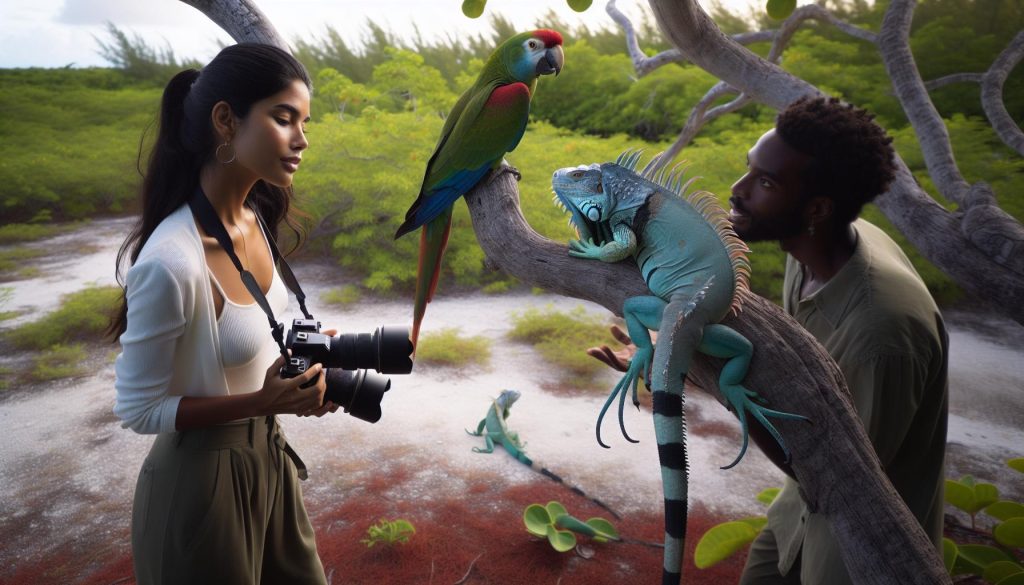
The Cayman Islands, known for their stunning beaches and vibrant coral reefs, are also a hidden gem for exotic wildlife enthusiasts. This tropical paradise is home to a diverse array of fascinating creatures, from the elusive blue iguana to the colorful endemic birds that flit between the islands’ lush landscapes. Understanding these unique species is not only essential for conservation but also enriches your experience of the islands. Whether you’re a curious traveler or a seasoned wildlife lover, exploring the exotic animals of the Cayman Islands offers a thrilling adventure into the heart of nature. Join us as we delve into this captivating ecosystem, uncovering what makes each species special and how you can appreciate them responsibly during your visit.
What Exotic Animals Can You Find in the Cayman Islands?
The Cayman Islands are a vivid tapestry of tropical flora and fauna, boasting a variety of exotic animals that captivate all who visit. From the lush mangroves and coral reefs to the sandy beaches and limestone caves, these islands provide habitats for a plethora of unique species. The vibrant ecosystems support both terrestrial and aquatic life, making it an explorer’s paradise.
Among the most notable inhabitants are the Cayman Blue Iguana, found only on Grand Cayman. This striking lizard can grow up to five feet long and boasts a vibrant blue hue. Efforts to breed and conserve this endangered species are being made through various conservation programs. Another fascinating creature is the Green Sea Turtle, which can be observed gliding gracefully through the warm Caribbean waters. These turtles often nest on local beaches, contributing to the islands’ rich biodiversity.
But don’t overlook the avian wonders! The Cayman Parrot is a rare sight, with vibrant green feathers and a loud, distinctive call. This species, native to the islands, is a symbol of the local culture and is often spotted in the lush forests that cover the islands. Additionally, the waters surrounding the Caymans are teeming with life. Snorkelers and divers can encounter colorful fish like the Parrotfish and Lionfish, as well as captivating invertebrates, including various species of coral and sponges, enriching the underwater experience.
Most importantly, it’s essential to approach wildlife encounters with respect and care. The rich biodiversity of the Cayman Islands is both a treasure and a responsibility for visitors. Engaging with these animals through sustainable tourism practices helps ensure their survival and the health of their habitats for generations to come. Whether you’re an avid birdwatcher or a curious snorkeler, the exotic wildlife of the Cayman Islands is sure to leave a lasting impression.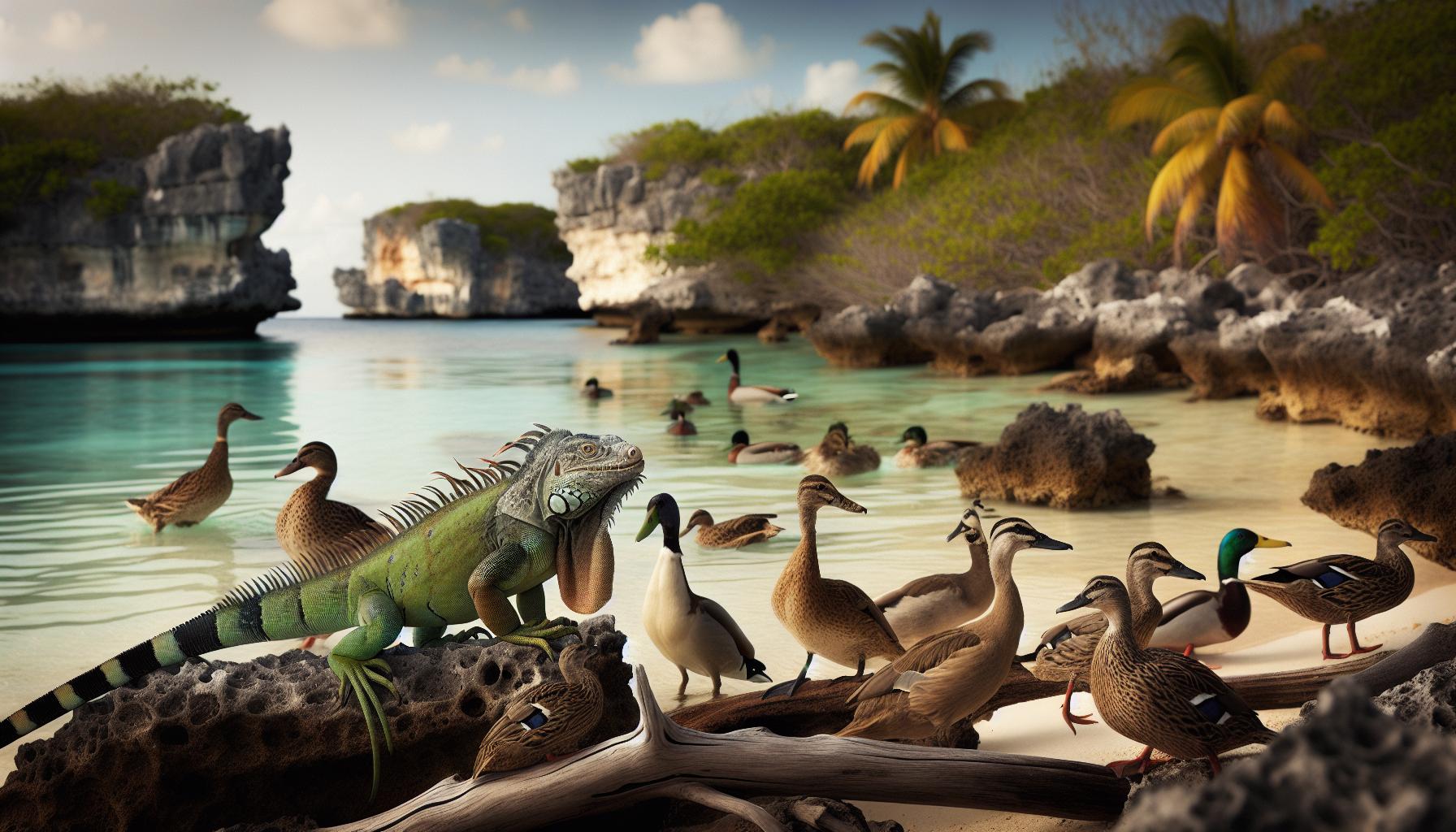
The Unique Habitats of the Cayman Islands
The Cayman Islands possess a stunning variety of habitats, each fostering a unique ecosystem that supports an incredible array of exotic wildlife. From lush mangroves that serve as nurseries for fish and other marine creatures to vibrant coral reefs showcasing colorful marine life, these diverse environments draw nature enthusiasts from around the globe and provide a home to species found nowhere else on Earth.
One of the most captivating habitats is the mangrove forest, where salt-tolerant trees thrive along the shorelines. These forests are essential to the health of coastal ecosystems, offering shelter and breeding grounds for wildlife such as the Cayman Blue Iguana. Their intricate root systems help stabilize coastlines and filter pollutants, making them invaluable for both the environment and the exotic animals that rely on them.
Another prominent habitat is the coral reef, which attracts snorkelers and divers eager to witness its vibrant underwater life. These reefs are teeming with species like the Green Sea Turtle, Parrotfish, and Lionfish. Healthy coral reefs not only provide food and shelter but also support fishing and tourism, contributing to the local economy. However, it’s vital for visitors to practice conservation methods such as avoiding touching the coral and using reef-safe sunscreen to protect these delicate ecosystems.
Additionally, the grasslands and forests of the islands are home to various bird species, including the rare Cayman Parrot. These birds thrive in the dense, mixed forests, feeding on fruits and seeds while they provide a lively backdrop to the serene environment with their colorful plumage and distinct calls. By exploring different habitats, you can witness the beautiful relationships between the flora and fauna that make the Cayman Islands a true paradise for wildlife enthusiasts.
Ultimately, understanding and respecting these unique habitats not only enhances your experience but also plays a critical role in their conservation. Engaging with the local wildlife and their environments responsibly ensures these exotic animals continue to thrive for future generations.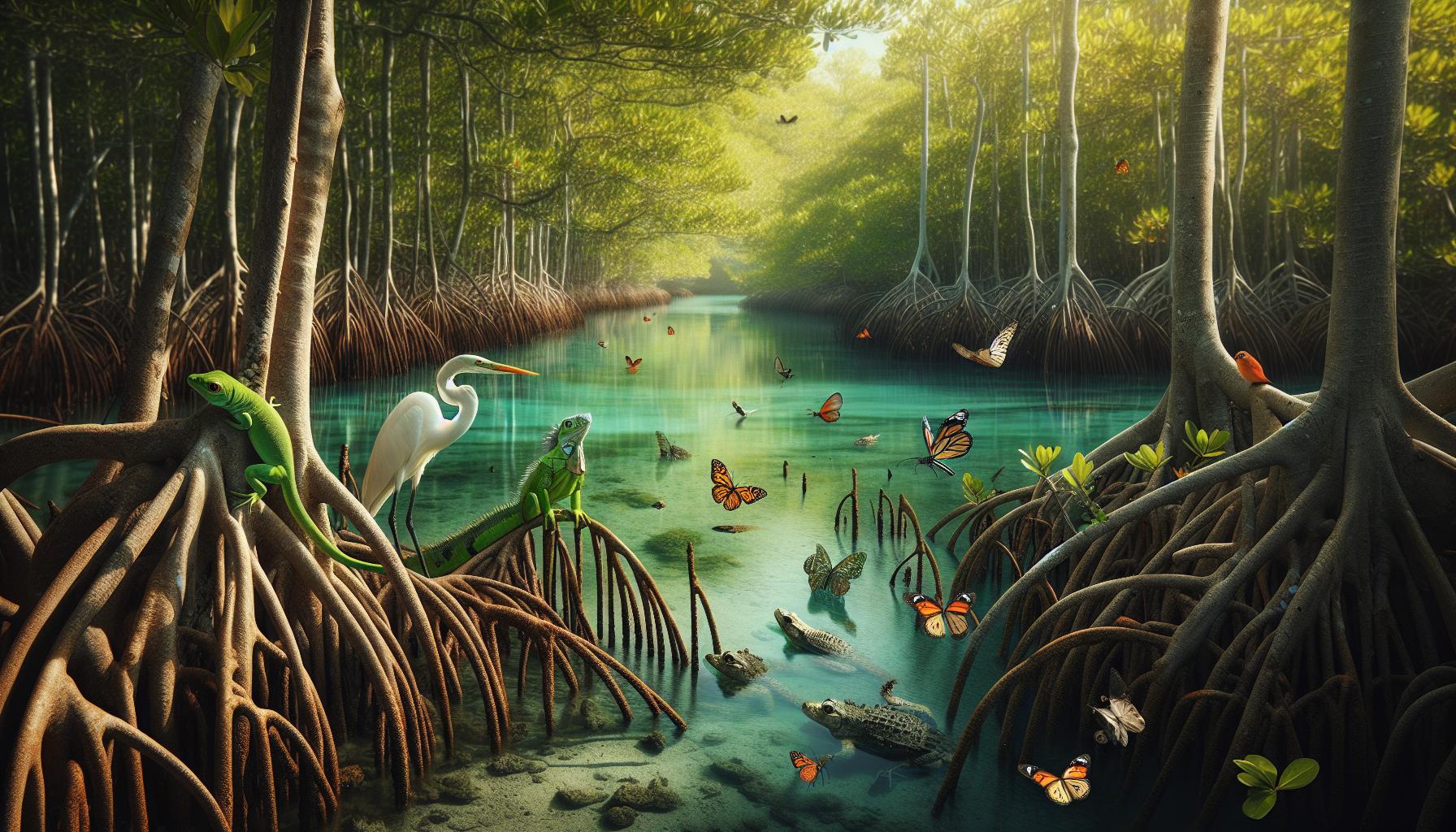
Top 10 Exotics: Must-See Species in the Caymans
The Cayman Islands are a treasure trove of exotic wildlife, attracting nature enthusiasts from near and far. Home to numerous unique species, this tropical paradise offers unforgettable encounters with animals that are sure to leave a lasting impression. Here’s a look at the top ten must-see species you can find in the Caymans, guaranteeing an adventure full of delightful discoveries.
Cayman Blue Iguana
These stunning reptiles are a symbol of the islands and are an iconic sight for visitors. Cayman Blue Iguanas are known for their vibrant blue-grey coloration and can be spotted basking in the sun along the rocky shores and scrubland. They are endemic to Grand Cayman and were once critically endangered, but conservation efforts have helped their numbers rebound. Observing these gentle giants is a real treat, especially at the Blue Iguana Recovery Program, where you can learn about their rehabilitation.
Green Sea Turtle
Gliding gracefully through the crystal-clear waters, the Green Sea Turtle is a beloved marine creature in the Caymans. These turtles can often be seen munching on seagrass in shallow waters or cruising by reefs. Snorkelers and divers frequently encounter them during their underwater excursions, making them a must-see for marine life enthusiasts. Remember to maintain a respectful distance and avoid touching them to ensure their safety and comfort.
Cayman Parrot
No trip to the islands would be complete without the vibrant calls of the Cayman Parrot. This striking bird is endemic to the Cayman Islands, with bright green plumage and a distinctive beak. Found primarily in the forests of Grand Cayman, they are often seen and heard as they forage for fruits and seeds. Birdwatchers will enjoy spotting these parrots, especially in nature reserves such as the Barkers National Park.
Lionfish
While not native to the Caymans, the Lionfish has become a common sight in the region’s waters. This beautifully ornate fish is known for its venomous spines and striking appearance, making it a fascinating subject for divers and snorkelers. However, due to their invasive nature, local initiatives promote harvesting lionfish for culinary purposes, helping to control their population while also providing a unique culinary experience.
Silver Bluff Crabs
On the sandy shores and mangrove wetlands, you might spot the Silver Bluff Crab. Known for their shimmering shells, these crabs contribute to the coastal ecosystem by helping to aerate the sand and breakdown organic matter. Their unique behaviors, such as their captivating mating dances, can be a delight to observe-best done during a quiet stroll along the beach at sunset.
Loggerhead Turtle
Another sea turtle to watch for is the Loggerhead Turtle, recognized by its large head and strong jaw, which it uses to feed on hard-shelled prey like conchs and crabs. Sightings of these turtles can occur near nesting beaches during their breeding season. Tours are available that provide insights into their nesting habits and conservation efforts to protect these majestic creatures.
Spiny Lobster
If you’re exploring the underwater world, look out for the Spiny Lobster. This crustacean is an important part of the marine ecosystem and is a popular choice for culinary dishes in the islands. Snorkelers can often see them hiding among rocks and coral during dives, making it an exciting find!
Cayman Islands Bat
The Cayman Islands Bat, a small fruit-eating bat, adds to the ecological diversity of the islands. These nocturnal creatures play a vital role as pollinators and seed dispersers in the local ecosystem. While they may be harder to spot, listening for their chirping sounds at dusk can enhance your wildlife adventure.
Queen Conch
The Queen Conch is both a beautiful marine gastropod and a delicacy in Caribbean cuisine. Their large, spiraled shells can be found in the sandy seabed. Observing conchs in their natural habitat is a memorable experience, but it’s essential to respect local regulations regarding their harvesting to ensure sustainability of this species.
Cayman’s Marine Invertebrates
Last but not least, the waters surrounding the Cayman Islands teem with an astonishing variety of marine invertebrates. From colorful sea stars and sponges to the graceful jellyfish, each contributes to the vibrant underwater landscape. Exploring coral reefs reveals these small wonders, perfect for any nature lover eager to witness the beauty of marine life beneath the waves.
With such a diverse array of exotic species, the Cayman Islands offer plenty of opportunities for wildlife enthusiasts to connect with nature. Whether you’re admiring the charm of the Cayman Blue Iguana or exploring the underwater world, every encounter adds to the enchantment of this island paradise. Remember to engage respectfully and responsibly to help protect these extraordinary creatures for generations to come.
Birdwatching Paradise: Avian Wonders of the Cayman Islands
The Cayman Islands are a true haven for birdwatchers, with a rich tapestry of avian life that can delight both seasoned birders and curious newcomers alike. As you wander through the lush landscapes, you may encounter colorful resident species that call the islands home. Among them, the mesmerizing calls of the Cayman Parrot, a unique species endemic to the region, will certainly catch your attention. With its vivid green plumage and playful demeanor, this bird is often spotted amidst the forests of Grand Cayman, particularly in protected areas like Barkers National Park, where they forage for fruits and seeds.
Visitors to the Cayman Islands should also keep an eye out for the American Flamingo, another spectacular sight. These iconic birds, with their striking pink feathers and long, slender legs, can sometimes be seen wading in shallow waters, showcasing their elegant feeding behavior as they sift through mud for crustaceans. Their presence is a testament to the islands’ commitment to conservation and habitat protection, making their occasional sightings even more special.
In addition to residents, the Cayman Islands serve as a migratory stopover for various species, including the beautiful Black-throated Blue Warbler and the vibrant Yellow Warbler. Birdwatching enthusiasts will find that both coastal and inland areas provide excellent vantage points for spotting these seasonal visitors. Birding in the early morning or late afternoon often yields the best results, as many species are more active during these cooler parts of the day.
To maximize your birdwatching experience, consider joining a guided tour led by local experts. They can provide unique insights into the behaviors and habitats of these remarkable birds, enhancing your appreciation of the Cayman Islands’ avian wonders. Remember to bring binoculars and a camera to capture the unforgettable sights, while also respecting the natural environment to ensure these extraordinary species continue to thrive.
Under the Sea: Marine Life of the Caymans
The crystal-clear waters surrounding the Cayman Islands are a treasure trove of vibrant marine life, making it a paradise for snorkelers, divers, and ocean enthusiasts alike. Home to more than 500 species of fish and a dazzling array of coral reefs, the underwater ecosystems are as diverse as they are enchanting. One of the most remarkable sights is the colorful Caribbean reef fish, including the majestic parrotfish and the elusive lionfish. These fish help maintain the reef’s health by grazing on algae and providing balance in this delicate environment.
Explore the Coral Reefs
Diving into the depths, visitors can marvel at the unique coral formations that house a plethora of marine creatures. The Cayman Islands are known for their spectacular wall dives, where sheer drop-offs reveal stunning coral gardens teeming with life. Don’t miss the opportunity to see the famous inverted walls of the Bloody Bay Wall or the mesmerizing formations in the North Wall. Each reef supports a rich assemblage of animals, including vibrant sponges, colorful corals, and the shy, strikingly patterned octopus, often found hiding among the rocks.
Uncover Underwater Wonders
In addition to diverse fish species, the waters around the Caymans host a variety of intriguing invertebrates. Sea turtles, including the endangered green and loggerhead species, can often be spotted gliding gracefully through the water. The area is also home to the gentle nurse shark, which can often be seen lounging on the seabed or cruising the reefs, harmlessly feeding on small prey. For the more adventurous, night snorkeling offers a magical experience, revealing nocturnal marine life, including fascinating bioluminescent creatures that light up the ocean.
Engagement and Conservation
As you explore this underwater wonderland, it’s essential to engage responsibly with the marine life. Respect the delicate ecosystems by avoiding touching or stepping on corals and maintaining a safe distance from all animals. There are numerous guided tours available led by local experts who not only enhance your experience but also provide insight into conservation efforts aimed at protecting these vital habitats. By choosing eco-friendly tours and practices, visitors can help ensure the future of the Cayman Islands’ spectacular marine biodiversity. Embrace this underwater adventure with care, and you’ll contribute to keeping this paradise pristine for generations to come.
Reptiles of the Cayman Islands: Fascinating Facts
The Cayman Islands are home to a fascinating array of reptiles that showcase the unique biodiversity of this Caribbean paradise. Among the most notable is the Cayman blue iguana, a critically endangered species that has become a symbol of the islands’ commitment to conservation. With its vibrant blue hue, this large lizard primarily feeds on flowers, fruits, and leaves found in its coastal habitat. Efforts to protect and restore its population include breeding programs and habitat protection, which have seen the blue iguana make a remarkable recovery in recent years.
Sea Turtles
The waters surrounding the Caymans also serve as vital nesting grounds for sea turtles, notably the green turtle and the hawksbill turtle. These majestic creatures can often be seen swimming gracefully through the coral reefs. Nesting season occurs between May and October, when females come ashore to lay eggs. Conservation initiatives are in place to monitor nesting sites and protect hatchlings from predators, giving visitors the chance to witness this remarkable natural event in its raw form.
Snakes of the Islands
Among the reptiles, the islands are also host to a few snake species, such as the Cayman Islands boa and the fer-de-lance. The Cayman Islands boa is non-venomous and tends to remain elusive, preferring the dense shrubs and trees in which it resides. It’s a nocturnal predator, feeding on small mammals and birds. The fer-de-lance, however, is venomous and should be treated with caution. Understanding these creatures is vital, as they play essential roles in the local ecosystem.
Conservation Efforts
With the introduction of non-native species, the balance of the local ecosystem has been challenged. Effective conservation strategies are vital to protecting these unique reptiles. Local wildlife organizations work tirelessly to educate the public about responsible interactions with these animals, urging visitors and residents alike to avoid releasing pets into the wild and to support habitats through eco-friendly practices.
Whether you’re hiking through the lush landscapes or exploring the coast, the reptiles of the Cayman Islands are a testament to the islands’ rich natural heritage and the ongoing efforts to preserve it. Engaging with these species, while respecting their natural behaviors and habitats, enhances the experience of this beautiful locale and contributes to their continued survival.
The Colorful World of Cayman’s Marine Invertebrates
The underwater world surrounding the Cayman Islands is a kaleidoscope of colors and life, home to an impressive diversity of marine invertebrates that play crucial roles in the island’s ecosystems. From vibrant corals to fascinating sea stars, these creatures are integral to maintaining the health of marine environments. For anyone eager to explore this colorful realm, understanding a few key species can enhance your appreciation of the subtleties of life beneath the waves.
Coral: The Architects of the Reef
Coral reefs are often referred to as the rainforests of the sea, and for good reason. Composed of tiny animals called polyps, corals build massive structures over time, providing habitat and shelter for countless marine species. The Cayman Islands are particularly renowned for their stony corals, which create intricate formations that support diverse marine life. Keep an eye out for the stunning elkhorn and staghorn corals-both listed as threatened species. Protecting these corals is essential, as they are sensitive to changes in water temperature and quality.
Sea Urchins: Spiky Surprises
Sea urchins, with their spiky shells, may seem intimidating, but they play a vital role in the health of coral reefs. The long-spined black urchin, for example, helps control algae growth on the reef, allowing corals to thrive. However, the population of these urchins has declined significantly due to disease, which raises concerns about the balance of the ecosystem. Observing these creatures in their natural habitat can provide insights into the complex relationships that sustain marine life.
Jellyfish: Graceful Drifters
Jellyfish might lack the hard shells of other invertebrates, but their unique beauty and ethereal movement make them a captivating sight. Varieties like the moon jelly and the lion’s mane jellyfish can be seen in the warm waters around the Caymans. While some jellyfish stings can be painful, they are generally harmless when admired from a distance, adding a touch of wonder to an underwater experience.
Responsible Wildlife Interaction
When exploring marine environments, it’s crucial to engage with these invertebrates respectfully. Snorkelers and divers should take care not to touch corals or disturb the delicate balance of life. Consider using biodegradable sunscreen to protect the reefs from harmful chemicals, and always practice “leave no trace” principles during your explorations. By being mindful of how you interact with marine life, you can help ensure that future generations will also be able to enjoy the vibrant world of Cayman marine invertebrates.
This remarkable biodiversity not only captivates the eye but also contributes to the ecological health of the region, reminding us of the importance of preserving these underwater treasures. Whether you’re a seasoned diver or a curious beginner, the unique marine invertebrates of the Cayman Islands offer a fascinating glimpse into a world that thrives just beneath the surface.
Mammals in the Cayman Islands: The Unexpected Guests
Did you know that the Cayman Islands are home to a surprising variety of mammals, most of which are not native but have found their way to these beautiful shores? These “unexpected guests” add another layer of intrigue to the island’s biodiversity. While the islands are typically associated with stunning marine life and vibrant bird species, mammals play a less conspicuous but equally fascinating role in the ecosystem.
Among the most notable mammals in the Caymans are the bat species, particularly the Jamaican Fruit Bat and the Cuban Brown Bat. These bats are essential for pollination and seed dispersal, contributing to the regeneration of native plants. Their nocturnal habits make observing them a unique experience, often spotted fluttering near fruit trees at dusk. Additionally, the Caymans have some populations of introduced mammals, such as goats and pigs, which are sometimes seen roaming the islands. Although they can impact the local flora, they also tell the story of human influence on the islands’ ecology.
The marine environment also invites unique mammalian guests. Dolphins and manatees are often spotted off the coast, offering thrilling experiences for boaters and divers alike. Visiting the famous Stingray City, for instance, allows you to see bottlenose dolphins gracefully swimming in their natural habitat, providing a beautiful, interactive encounter. It’s crucial, however, to respect these animals by maintaining a safe distance and not feeding them, as this can alter their natural behaviors and diet.
Mammals on the islands also engage in various conservation challenges, similar to many regions within the Caribbean. Habitat destruction, climate change, and the introduction of non-native species all pose threats to their survival. To contribute to the conservation efforts, visitors can take part in responsible tourism practices, such as participating in guided ecological tours that emphasize the importance of native wildlife. Being mindful of interactions with all species, including our furry friends, can help maintain the delicate balance of the Cayman Islands’ ecosystem for generations to come.
Conservation Challenges: Protecting Exotic Wildlife
As you explore the stunning biodiversity of the Cayman Islands, it’s essential to recognize the conservation challenges that threaten the very existence of its exotic wildlife. The islands boast a unique blend of ecosystems, from lush forests to vibrant coral reefs, but these delicate habitats are under constant stress from human activities. Deforestation, pollution, and the overexploration of natural resources are just a few factors that jeopardize the survival of native species.
One of the most pressing concerns is the introduction of non-native animals that disrupt the local ecosystem. For instance, feral cats can significantly impact bird populations, especially vulnerable nesting species. Similarly, invasive plant species can choke out native plants, leading to habitat loss for many animals. The Cayman Islands have enacted laws to protect certain species and regulate the import of exotic pets, but the challenge persists.
Local organizations and government bodies are actively working on conservation efforts. Initiatives include creating protected areas, such as the Cayman Islands National Trust, which manages marine parks and nature reserves that serve as safe havens for wildlife. Participating in these conservation programs or ecotourism can directly contribute to preserving the islands’ biodiversity. Tourists can engage in responsible wildlife viewing, ensuring to stay on marked paths, maintaining a safe distance from animals, and never feeding them. This helps to protect their natural behaviors and habitats.
For those living in or visiting the Cayman Islands, becoming advocates for conservation is more important than ever. Support local conservation efforts, whether through donations, volunteer work, or spreading awareness. By prioritizing the health of the ecosystems, we can help ensure that future generations will continue to enjoy the rich tapestry of life that the Cayman Islands offer, from the unique bats fluttering in the trees to the vibrant marine life beneath the waves.
How to Experience Exotic Animals Responsibly
Exploring the rich natural biodiversity of the Cayman Islands is an exhilarating adventure, but it’s crucial to approach it with a sense of responsibility and respect for the unique ecosystems you encounter. One of the best ways to experience the diverse exotic animals the islands have to offer-including colorful birds, vibrant marine life, and fascinating reptiles-is to engage in wildlife viewing with a conservation mindset.
To start your journey, consider joining guided ecotours led by knowledgeable local experts. These tours not only enhance your experience but also prioritize sustainable practices. Guides can provide valuable insights into the species you’ll encounter, explain their habitats, and share the conservation challenges they face. On these excursions, remember to keep a safe distance from animals. Close encounters can stress wildlife and disrupt their natural behaviors. Opt for binoculars if you’re birdwatching or a zoom lens for photography, allowing you to appreciate these creatures without intruding on their space.
Practicing Responsible Wildlife Viewing
When enjoying the magnificent marine life in the crystal-clear waters surrounding the islands, snorkeling or diving with respect is key. Ensure you do not touch or disturb corals, as they are delicate ecosystems that take years to form. In addition, refrain from feeding fish or other marine animals. Feeding wildlife can lead to dependency on human food sources and disrupt local food chains. Instead, observe these remarkable creatures in their natural habitats-it’s more rewarding and won’t harm their health or behavior.
- Follow local guidelines: Always adhere to rules set by parks and nature reserves to minimize your environmental impact.
- Educate yourself: Before your trip, research the specific animals you might encounter. Knowing their behavior can enhance your appreciation and understanding.
- Support conservation efforts: Consider contributing to local organizations focused on wildlife protection and habitat restoration. Your support aids their critical work in maintaining ecological balance.
By incorporating these practices into your explorations, you help ensure that the exotic charm of the Cayman Islands remains vibrant for future generations to enjoy. Whether you’re observing the playful dolphins or marveling at the rich birdlife overhead, remember that your choices matter in the broader picture of wildlife conservation. Let your adventures be not just about observation, but also about stewardship of these stunning natural treasures.
A Guide to Responsible Pet Ownership in the Caymans
Imagine stepping into a vibrant world where exotic animals roam, but this time, you’re the caretaker. Responsible pet ownership in the Cayman Islands is not just about having a unique companion; it’s about understanding the responsibility that comes with it. With a rich biodiversity including fascinating reptiles, birds, and even marine species, potential pet owners should think carefully about how their choices impact local ecosystems.
One of the first steps to becoming a responsible pet owner is choosing the right species for your environment. Certain animals, like iguanas or parrots, may thrive in the Cayman climate, but they also require specific care and attention. For instance, green iguanas need ample space to roam and a diet rich in leafy greens, while native birds appreciate a well-planned habitat that mimics their natural surroundings. Research your chosen pet’s needs thoroughly: consider their habitat, diet, and potential health issues. This ensures they not only survive but flourish under your care.
Legal Considerations
Before bringing an exotic pet home, it’s essential to familiarize yourself with local laws regarding pet ownership. The Cayman Islands have regulations in place designed to protect native wildlife. For example, certain species may be restricted or require permits due to their potential impact on local ecosystems. Always consult with the Department of Environment or local authorities to ensure you comply with the laws, which helps prevent the introduction of non-native species that may threaten the delicate balance of local habitats.
Creating a Healthy Environment
Setting up a proper living environment is crucial for your pet’s well-being. Here’s how to create a safe and engaging space:
- Space and Enrichment: Ensure your pet has enough room to move freely. Use natural materials to create enrichments-think branches for climbing or plants that provide shade.
- Diet and Nutrition: Consult a veterinarian for advice on appropriate diets. A balance of fresh food and high-quality pellets can keep your pets healthy.
- Regular Vet Check-ups: Schedule routine health check-ups to catch any potential issues early. Your vet can also provide vaccinations and parasite control.
Caring for exotic animals in the Cayman Islands takes serious dedication. However, with the right knowledge and respect for local wildlife, your experience can be both enriching and responsible. Remember, every pet is a unique individual with its own needs, and understanding these can make a world of difference in ensuring their happiness and health. Choose wisely, and you’ll not only enhance your life but also contribute to the preservation of the incredible wildlife that makes the Caribbean so special.
Engaging with Local Wildlife: Best Practices and Etiquette
Exploring the amazing wildlife of the Cayman Islands is an exhilarating experience, but being a responsible adventurer means interacting with these incredible creatures in a thoughtful way. Whether you’re snorkeling with colorful fish, birdwatching in lush forests, or simply enjoying the sight of the native blue iguana sunning itself on a rock, understanding the etiquette of engaging with local wildlife is essential. By doing so, you not only enrich your experience but also contribute to the conservation of these vulnerable species.
Before heading out, it’s vital to understand the habitats of the animals you might encounter. Always respect their space-observe from a distance without disturbing their natural behaviors. For instance, if you come across nesting seabirds, maintaining a respectful distance is crucial to avoid causing them stress or abandoning their nests. Remember that many birds, such as the endangered Cayman Brac parrot, are sensitive to human presence, and observing quietly can provide a rewarding view while protecting their well-being.
When it comes to engaging with marine life, such as the dazzling coral reefs, the same principle applies. Snorkelers and divers should avoid touching or stepping on the coral, as even a light touch can damage these delicate ecosystems. Instead, consider using a buoyancy control device to remain afloat and appreciate the vibrant marine life without the risk of harm. Also, refrain from feeding the fish; while it may seem harmless, feeding can disrupt their natural foraging behavior and lead to health issues for the fish and imbalances in the ecosystem.
Be mindful of littering and pollution, especially plastic waste, which poses a significant threat to wildlife. Always carry out what you bring in, and participate in local cleanup efforts when possible. Not only does this help preserve the pristine beauty of the islands, but it also ensures that the creatures living there-like the iconic stingrays or sea turtles-remain safe in their environment.
In summary, knowing how to engage responsibly with local wildlife in the Cayman Islands enhances your experience while protecting the unique ecosystems. From respectful observation practices to keeping the environment clean, every small action counts in conserving the beauty of these islands for future generations. Embrace the spirit of exploration with a heart for conservation, and you’ll contribute positively to the natural wonders that the Cayman Islands offer.
Faq
“`markdown
Q: What types of exotic birds can be found in the Cayman Islands?
A: The Cayman Islands are home to various *exotic bird species* such as the *Grand Cayman Parrot* and the *Cayman Islands’ endangered West Indian Whistling Duck*. Birdwatchers can enjoy observing these unique avian wonders in their natural habitats, particularly in protected areas like the *North Side and West Bay.*
Q: Are there any endangered species in the Cayman Islands?
A: Yes, there are several *endangered species* in the Cayman Islands, including the *Cayman Blue Iguana* and the *Cayman Brac Parrot*. Conservation efforts are ongoing to protect these remarkable animals from habitat loss and other threats. Visitors can support these initiatives by participating in local eco-tourism activities.
Q: How can I responsibly interact with exotic animals in the Caymans?
A: To interact responsibly, always maintain a safe distance from wildlife, avoid feeding them, and follow local guidelines. Engage in activities that promote conservation, like guided nature tours or volunteering at wildlife sanctuaries. This not only enhances your experience but also supports the preservation of *Cayman’s unique ecosystems*.
Q: What marine animals are notable in the waters surrounding the Cayman Islands?
A: The waters of the Cayman Islands are rich in *marine life*, featuring *stingrays, sea turtles, and various species of tropical fish*. Snorkeling and diving in areas like *Stingray City* or *the Bloody Bay Marine Park* provides unforgettable encounters with these fascinating underwater creatures.
Q: When is the best time to see exotic animals in the Cayman Islands?
A: The ideal time to observe exotic wildlife in the Cayman Islands is during the *dry season*, which runs from December to April. This period offers milder weather and increased animal activity, making it easier to spot both terrestrial and marine species.
Q: What reptiles can be seen in the Cayman Islands?
A: Notable reptiles in the Cayman Islands include the *Cayman Green Iguana* and various species of *sea turtles*. The region’s diverse habitats provide ideal environments for these species, making it a fantastic destination for reptile enthusiasts seeking natural encounters.
Q: Why are conservation efforts important for Cayman Islands’ wildlife?
A: Conservation efforts are crucial to protect the *Cayman Islands’ unique biodiversity* and mitigate the impact of human activities like habitat destruction and climate change. Supporting local conservation initiatives helps ensure the survival of vulnerable species and promotes ecological balance.
Q: How can I best enjoy birdwatching in the Cayman Islands?
A: To maximize your birdwatching experience, visit protected areas such as *Cayman Kai* or *Mastic Trail*, and consider guided tours led by local experts. Early mornings are the best time for sightings, as many species are most active and visible during this time.
“`
To Conclude
As we wrap up our exploration of the exotic animals that call the Cayman Islands home, remember that each species offers a unique glimpse into the incredible biodiversity of these islands. From the vibrant blue iguanas basking in the sun to the playful dolphins dancing through the waves, every creature plays a vital role in the ecosystem. If you found this guide helpful, consider diving deeper into our related articles on “Protecting Cayman’s Wildlife” and “Top Marine Species to Discover in the Caribbean.”
Now’s the perfect time to join our community-sign up for our newsletter to stay updated on the latest wildlife insights and conservation efforts. Have questions or want to share your own experiences in the Caribbean? We’d love to hear from you in the comments below! Continue your journey by exploring more fascinating wildlife topics and support us in our mission to educate and inspire-your engagement is crucial to spreading awareness and fostering a love for these incredible animals.
Get our latest guides, news, and insights highlighted in your Google Search & AI Overviews.