Texas is home to an astonishing variety of exotic animals, both native and introduced, making it one of the most biodiverse states in the U.S. Did you know that species like the ring-tailed cat and the greater roadrunner are thriving in this vast landscape alongside non-native creatures like African goats? Whether you’re a curious onlooker or a potential exotic pet owner, understanding these animals, their habitats, and the implications of their presence in Texas is crucial. Dive into this captivating world as we explore the diverse species that inhabit the Lone Star State. From the playful antics of exotic birds to the serene beauty of native reptiles, each species has its own story. Learn how responsible ownership and conservation efforts play a vital role in preserving these incredible creatures and their ecosystems. Let’s embark on this journey to uncover the fascinating wildlife that Texas has to offer!
What Are Native Exotic Animals in Texas?
Texas is home to a stunning array of native exotic animals that paint a lively portrait of the state’s diverse ecosystems. Among the most captivating are the various species of reptiles, mammals, and birds that have adapted to the unique climatic and geographical conditions of the Lone Star State. For instance, the Armadillo is a curious sight, known for its protective shell and burrowing habits. Its presence reflects adaptability and resilience, thriving in both urban and rural environments.
Another remarkable creature is the Javelina, or collared peccary, which roams the brushy areas of South Texas. With its distinctive appearance and social nature, the javelina plays a significant role in local wildlife. These animals are known for their keen sense of smell and can often be found in groups foraging for fruits and roots. Observing them in their natural habitat can be a real treat for wildlife enthusiasts.
Beyond mammals, Texas is also a hotspot for exotic birds, such as the Golden-cheeked Warbler. Found exclusively in the central hill country, this tiny bird is a testament to the state’s rich biodiversity and the conservation efforts underway to protect its habitats. As you explore Texas’ ecological landscapes, be on the lookout for these and other exotic natives that contribute to the state’s unique wildlife tapestry.
Understanding the behaviors and habitats of these native exotic species allows for better appreciation and protection of Texas’ natural heritage. Whether encountering these animals in the wild or simply learning about them, each offers a glimpse into the ecological richness that defines Texas.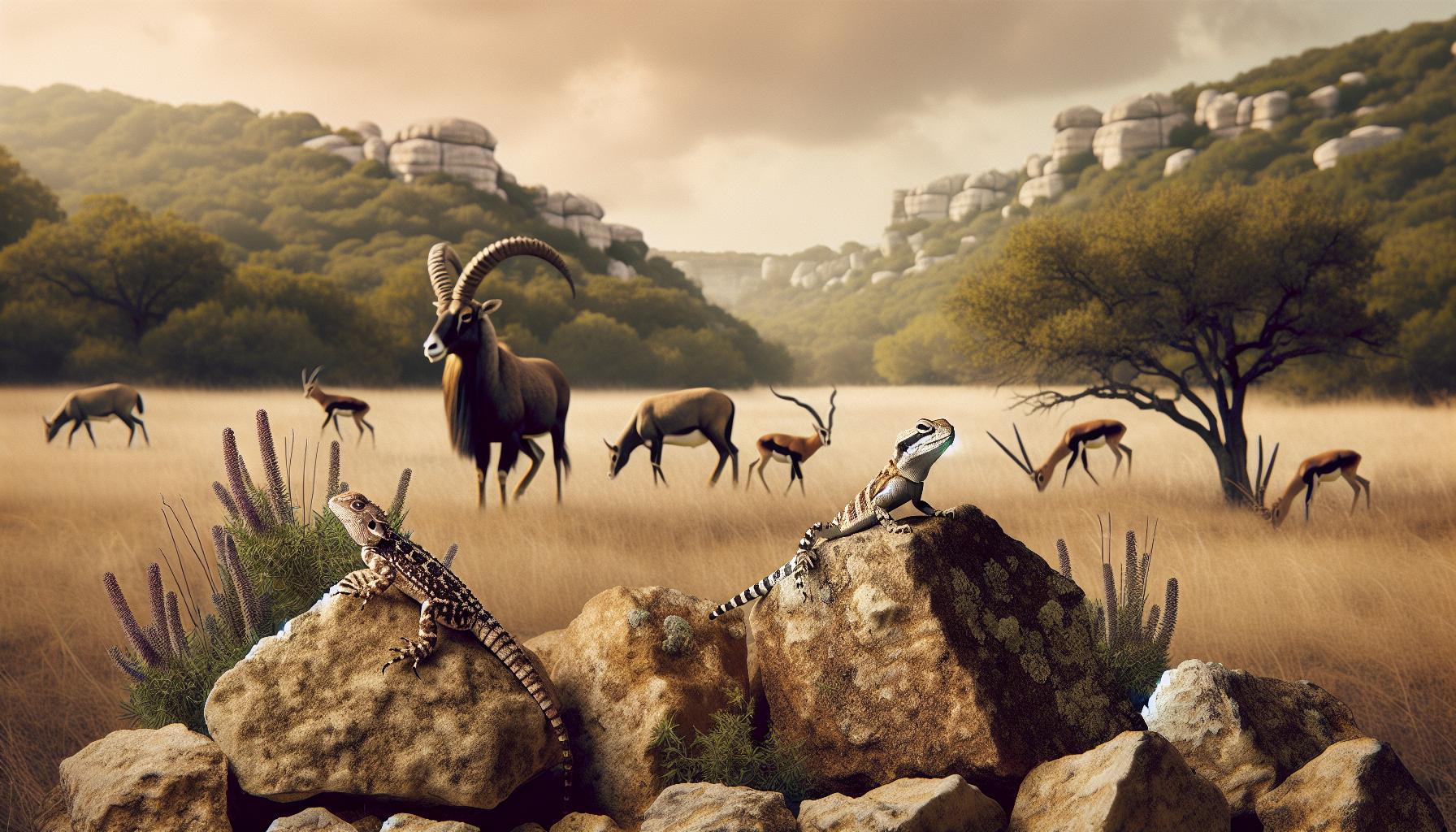
Fascinating Introduced Species in the Lone Star State
In Texas, the tapestry of wildlife extends well beyond its native species, particularly with the introduction of various non-native animals that either enhance the ecological landscape or present challenges. Notably, many of these introduced species have become part of the state’s vibrant character, often adapted to the unique Texan environment. Among these, the Aoudad, or Barbary sheep, stands out as a fascinating inhabitant. Originally from North Africa, Aoudads have thrived in the rocky terrains of West Texas, where their agile climbing skills enable them to navigate steep landscapes with ease.
Another intriguing example is the Nile crocodile, which has established itself in some Texas waterways, much to the surprise of local anglers. These crocodiles are not just ordinary reptiles; their adaptability to diverse aquatic environments allows them to coexist in habitats that are often not suitable for other species. While they are generally elusive and prefer remote areas, their presence has sparked curiosity among wildlife enthusiasts and brought attention to the need for careful management of such introduced species.
The European starling is another fascinating species that has made its mark in Texas. Brought over in the late 1800s, these birds have since proliferated and now inhabit urban areas, parks, and farmlands. Known for their iridescent plumage and varying social behaviors, starlings can form massive flocks that captivate observers. Their ability to thrive in a variety of environments has made them a common sight across the state, but they do compete with native bird species for resources.
Understanding these introduced species is essential for appreciating Texas’s complex ecosystem, as they interact with local wildlife in significant ways. Each species brings unique behaviors and characteristics that enrich the Texan landscape, yet they also pose challenges for conservation efforts. For those interested in learning more, observing these animals in their natural habitats can be an exhilarating experience, offering insights into how life from different parts of the world adapts to the Texas climate. By engaging with these introduced species, we gain a broader perspective on the interactions that shape our natural world and the importance of balanced coexistence.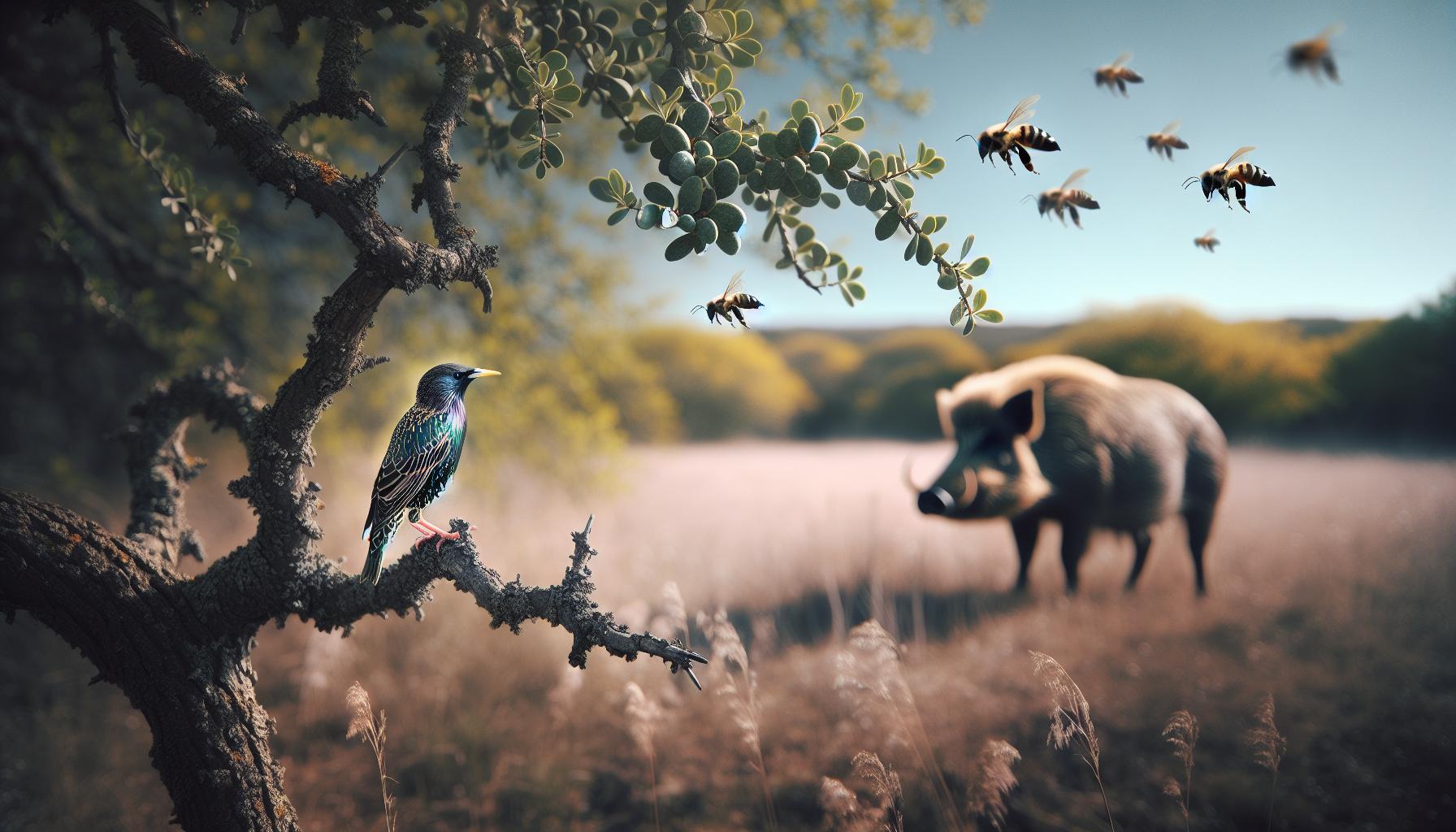
Uncovering Texas’ Most Unusual Exotic Pets
Exotic pets can bring a splash of the unusual into our lives, and in Texas, the variety is nothing short of astounding. From brightly colored birds to agile mammals, the Lone Star State is home to a plethora of non-native animals that have captured the hearts of pet enthusiasts. For those considering welcoming an exotic friend into their home, there are several captivating species to explore.
Fascinating Exotic Choices
Many Texans are drawn to the charm of a sugar glider. These small, nocturnal marsupials are known for their playful nature and unique gliding ability, which allows them to soar between trees in their natural habitat. They require a spacious cage, social interaction, and a diet rich in fruits and insects to thrive in captivity.
Another popular exotic pet is the African grey parrot, lauded for its remarkable intelligence and ability to mimic human speech. These birds are social creatures that demand a lot of mental stimulation and interaction; therefore, prospective owners should prepare for an engaging companionship that can last for decades.
For reptile enthusiasts, the Ball python stands out as a friendly and manageable snake, perfect for beginners. With proper care, including a controlled habitat and a diet of rodents, these snakes can live well over 20 years, making them commitments that are both rewarding and fascinating.
Considerations for Potential Owners
It’s essential to recognize the responsibility that comes with owning exotic pets. Unlike well-known domestic animals, these creatures often have specialized care needs. Consult with experienced breeders or educators to understand their habits, habitats, and dietary requirements fully.
Additionally, potential pet owners should be mindful of local regulations regarding exotic pet ownership, as some species may require permits or have restrictions. Engaging with local wildlife organizations can provide valuable information and support for responsible exotic pet ownership.
In summary, Texas offers a wondrous variety of exotic pets that can enrich lives with their unique behaviors and characteristics. Whether it’s a cuddly marsupial, a talkative bird, or an enchanting snake, the joy of caring for these animals comes with the duty to provide a nurturing and informed environment.
The Impact of Invasive Exotic Animals on Local Ecosystems
The introduction of non-native species into Texas has led to significant changes in local ecosystems, with many introduced animals disrupting the natural balance. For instance, the feral hog, which has proliferated across the state, poses a major threat to native flora and fauna. These wild pigs root through the ground, damaging crops and native plants, and they compete with local wildlife for food resources, all while providing a fertile ground for disease transmission.
Another example is the Burmese python, which, while more common in the Florida Everglades, illustrates a broader issue of invasive reptiles affecting local health. In Texas, certain lizard species and snakes, which are popular in the exotic pet trade, can be released or escape into the wild, where they lack natural predators and can reproduce rapidly. This can lead to consequences such as declining populations of native birds and small mammals.
It’s important to understand that these invasions can result not only in the loss of biodiversity but also in substantial economic impacts. For instance, pest species like the nutria damage wetlands and can alter water levels, affecting agriculture and local fisheries. Similarly, the introduction of species like the Asian tiger mosquito brings about health concerns, particularly related to diseases like West Nile Virus and Zika, further complicating conservation efforts.
- Feral Hogs: Compete with wildlife, damage crops.
- Burmese Pythons: Disrupt native predator-prey dynamics.
- Nutria: Affect wetland ecosystems and agriculture.
- Asian Tiger Mosquito: Health risks and spread of disease.
Awareness and proactive management are key to mitigating these impacts. Residents are encouraged to report sightings of invasive species and avoid releasing exotic pets into the wild. Engaging with local conservation groups can also help in tracking these species and understanding their effects on Texas’s beloved natural heritage. Keeping Texas wild means taking steps to protect it from species that don’t belong, ensuring a balanced ecosystem for generations to come.
How to Care for Exotic Animals in Texas
Caring for exotic animals in Texas can be a rewarding yet challenging endeavor, requiring an understanding of their specific needs and behaviors. For instance, reptiles like *ball pythons* thrive in warm environments with controlled humidity levels, while mammals such as *capuchin monkeys* require enrichment to keep their active minds engaged. Before diving into ownership, it’s crucial to research the individual species, as their diets, habitat requirements, and social behaviors can vary widely.
Basic Care Needs
When it comes to feeding, many exotic pets require specialized diets; for instance, *ferrets* thrive on high-protein diets rich in animal fats, while *herbivorous reptiles* like iguanas need a leafy green-rich diet with occasional fruits. Furthermore, proper housing is essential: larger animals, such as *kangaroos* or *Wallabies*, need plenty of space to roam, while smaller pets may require enclosures that simulate their natural habitats. Regular veterinary check-ups with a vet experienced in exotic care are vital, as often these animals have unique health challenges.
- Space Needs: Ensure adequate space for larger species to prevent stress.
- Dietary Requirements: Tailor diets to species-specific needs.
- Socialization: Many exotic pets are social and require interaction.
Legal and Ethical Considerations
It’s also important to be aware of the legal regulations regarding exotic animal ownership in Texas. Some species may require permits or may even be illegal to own. Always consult local laws and regulations before acquiring an exotic pet. Moreover, consider adopting from shelters or sanctuaries dedicated to exotic animals rather than purchasing from pet stores. This practice not only helps reduce the number of animals waiting for homes but often provides a more informed background on the animal’s care needs.
With responsible ownership, you can provide a wonderful life for your exotic animals while contributing to conservation efforts. Engage with local exotic pet communities for shared experiences and support, and stay informed about best practices for animal care.
Legal Guidelines for Owning Exotic Animals
In Texas, the excitement of owning an exotic animal comes with an essential layer of legal responsibilities. The state has specific regulations that vary considerably depending on the species you wish to keep. Understanding these laws not only helps you stay compliant but also ensures the well-being of these unique creatures. For instance, some species are classified as “regulated” or “prohibited” which means you may need special permits or may not be allowed to keep them at all. Failing to adhere to these regulations could lead to hefty fines or even the confiscation of the animals.
To navigate the legal landscape effectively, it’s crucial to start by researching the particular species you’re interested in. The Texas Parks and Wildlife Department (TPWD) provides comprehensive guidelines that can help you determine what animals require licenses. Commonly kept exotic pets like macaws, hedgehogs, or even python snakes may be straightforward to own, while larger species such as tigers or crazier critters like sloths typically involve more stringent regulations. In most cases, the ownership of large carnivores requires special permits, and there are zoning laws that may limit your ability to keep such animals within city limits.
Moreover, ethical considerations are just as important as legal ones. It’s advisable to consider adopting animals from rescues or sanctuaries rather than purchasing them from breeders or pet stores. This not only helps in reducing the population of homeless exotic animals but often ensures you are adopting a pet with a clear background and established care needs. Joining local exotic pet communities can also provide you with invaluable resources and support from experienced owners who are familiar with the nuances of keeping exotic pets.
Maintaining legal and ethical standards in owning exotic animals cultivates a more responsible and educated ownership culture-ultimately benefiting not just the animals but the entire ecosystem in Texas. By taking the time to educate yourself on these guidelines, you can become a steward of the wildlife that makes Texas so uniquely vibrant.
Where to See Exotic Animals in Texas
To experience the rich diversity of exotic animals in Texas, visitors need not look far. From impressive wildlife parks to specialty zoos and aquariums, there are various locations across the state where you can see both native and introduced species up close. These attractions not only offer a glimpse into the exotic world but also emphasize the importance of conservation and responsible animal care.
One of the premier destinations for exotic animal enthusiasts is the San Antonio Zoo, which houses an extensive collection of non-native species, including sloths, capybaras, and various species of exotic birds. The zoo focuses on educational programs that underscore conservation efforts and the ecological footprint of wildlife in their habitats. Similarly, the Houston Zoo offers encounters with animals like lemurs, kangaroos, and other fascinating species, alongside opportunities to learn about their global habitats and the impacts of human activity.
Wildlife Parks and Sanctuaries
For those interested in larger mammals, Natural Bridge Wildlife Ranch provides a unique experience where you can drive through the property and observe animals such as zebras, giraffes, and ostriches roaming freely. This safari-style adventure immerses visitors in the animal’s natural behaviors while highlighting the importance of conserving wild habitats.
Educational Experiences
Aquariums like the Dallas World Aquarium bring an underwater twist to the exotic animal experience, showcasing exotic marine life such as sharks, rays, and tropical fish. Here, educational talks and interactive exhibits educate attendees on marine conservation and the delicate balance of aquatic ecosystems.
These locations are not just about seeing animals; they are platforms for fostering a greater understanding of wildlife preservation. Activities often include guided tours, animal feedings, and opportunities to meet the caretakers who share stories about the unique needs and characteristics of the species they nourish.
Conservation and Community Engagement
Many facilities in Texas also support conservation projects and adopt sustainable practices that inspire guests to consider their role in preserving wildlife. Engaging with these institutions helps raise awareness about the challenges faced both by exotic pets and wildlife in their natural environments.
In Texas, discovering exotic animals is a journey that combines wonder and responsibility. By visiting these attractions, attendees not only enjoy a day of exploration but also take away valuable lessons in wildlife conservation that they can apply in their everyday lives.
Top Exotic Animal Sanctuaries and Rescues
In the vast and vibrant landscape of Texas, exotic animal sanctuaries and rescues play a crucial role in protecting diverse species while educating the public on wildlife conservation. These organizations not only provide safe havens for animals in need but also create opportunities for visitors to learn about exotic species and the importance of preserving their natural habitats. Supporting these sanctuaries can be a fulfilling way to contribute to the welfare of wildlife and enjoy a unique experience.
Many sanctuaries offer interactive experiences and educational programs that engage visitors in understanding the needs and behaviors of various species. For instance, at Black Beauty Ranch in Murchison, Texas, a sanctuary that caters to a variety of exotic animals from big cats to birds, visitors can witness the rehabilitative efforts for these creatures while learning about their behaviors and natural histories. Engaging tours give guests a firsthand look at how dedicated staff work passionately to rehabilitate animals that have suffered from neglect or abuse.
Another notable example is the Exotic Wildlife Ranch located in Johnson City, where guests can drive through the sprawling grounds to observe animals like zebras, antelope, and buffalo in an environment designed to mimic their natural habitats. The ranch emphasizes conservation efforts and the importance of sustainable interactions between humans and wild animals. By fostering a connection with these exotic species, the ranch reinforces the value of protecting both local and global wildlife.
Many of these sanctuaries also work tirelessly to raise awareness about the consequences of wildlife trafficking and the care required for exotic pets. By participating in workshops and outreach programs, visitors can gain insight into responsible ownership and the ecological impact of releasing non-native species into the wild. This education is vital, as it equips the community with the knowledge necessary to advocate for wildlife protection and engage in conservation efforts.
Supporting Texas’s exotic animal sanctuaries and rescues can be an adventurous and educational journey. By visiting these locations, you’re not just observing incredible animals; you’re also contributing to their mission of care and conservation, making a positive impact on wildlife in the Lone Star State.
Understanding the Habitat Needs of Exotic Animals
Understanding the unique habitat needs of exotic animals is crucial for their well-being, especially in a diverse environment like Texas. Many exotic species, from capybaras to kangaroos, require specific conditions that mimic their natural habitats to thrive in captivity. This is essential not just for their health but also for their mental well-being. Did you know that just like a cozy hideaway is vital for a cat, many exotic animals need spaces where they can feel secure and express natural behaviors?
Each species has particular preferences. For instance, binturongs, which are often misunderstood, thrive in environments that provide vertical space for climbing, as they are arboreal animals. Creating a habitat with tall structures, plenty of foliage, and soft bedding helps replicate their natural jungle environment, promoting exercise and reducing stress. In contrast, larger mammals like zebras require expansive areas to roam, which can be difficult to provide in non-commercial private ownership.
Equally important is the climate. Texas’s varying temperatures can be a challenge for many exotic pets. For instance, reptiles typically need heat lamps and humidity control, as their natural habitats range from deserts to rainforests. Animals like Wallabies benefit from outdoor enclosures that allow them to move freely in warmer weather while still having access to shelter during cold snaps. Understanding these specific needs helps potential owners create environments that are not only functional but also enriching for the animals.
Lastly, the diet of exotic animals can often be quite different from domestic pets. Species like capybaras are herbivores that need a carefully balanced diet of grasses, fruits, and vegetables to stay healthy, and their habitats should include areas for foraging. When researching exotic pets, it’s crucial to consider how to source the appropriate food. Local suppliers can offer insights on feeding practices and dietary needs, ensuring that owners can provide a diet that closely mirrors what these animals would consume in the wild. By paying attention to habitat needs, owners can create safe and thriving environments for their exotic pets, striking a balance between human convenience and animal welfare.
Tips for Responsible Exotic Animal Ownership
Owning exotic animals is an adventure filled with wonder, but it also comes with considerable responsibility. In Texas, where diverse species ranging from capybaras to kinkajous can be found, understanding how to provide the best care for these unique pets is essential. Before diving into ownership, it’s crucial to recognize the importance of research. Each species has its own set of needs-some may require specific diets, while others demand environmental conditions closely mimicking their natural habitats.
One vital aspect is to invest ample time in educating yourself about the species you are interested in. For instance, did you know that African servals are not just beautiful but also highly active and need large, enriched environments to flourish? If you’re considering adopting one, ensure you have a space that accommodates their need to run and explore. Additionally, it’s important to foster a connection with local veterinarians experienced in treating exotic animals, as their healthcare needs often differ significantly from traditional pets.
Moreover, ensuring that all housing facilities are secure and suited for the species is paramount. Exotic animals can have unique escape tendencies; for example, sugar gliders need tall enclosures with plenty of climbing opportunities. Before bringing an exotic pet home, conduct a thorough review of your facilities and potential risks. You might find it helpful to create a checklist of essential features, such as sturdy fencing and enrichment items like logs or climbing toys, to provide stimulation and promote well-being.
Finally, consider the ethical implications of your ownership. Many exotic animals are bred in captivity, yet others may be sourced from the wild. Understand the impact of your choices on local ecosystems and conservation efforts. If possible, support reputable sanctuaries and rescues that promote responsible ownership and rehabilitation of exotic animals. By becoming an informed and responsible owner, you contribute to the preservation of these fascinating creatures and their habitats while also ensuring a fulfilling life for your animal companion.
The Role of Exotic Animals in Texas Culture
In Texas, exotic animals are woven into the vibrant fabric of cultural life, reflecting the state’s wide-ranging landscapes and diverse ecosystems. From the famous Texas Longhorns to the lesser-known wallabies and capybaras, these animals are not just pets but also symbols of Texas’s rich heritage and adventurous spirit. Whether they appear in festivals, zoos, or private ownership, exotic animals serve as a bridge connecting residents to unique aspects of the natural world.
The phenomenon of exotic animal ownership has seen a rise in popularity, often featured at local events showcasing the uniqueness of species that flourish in Texas. Festivals such as the Texas Exotic Pet Expo highlight diverse species and educate attendees on responsible ownership and care practices. Such gatherings not only celebrate these animals but also foster discussions about conservation and the ethical implications of keeping exotic pets. For many Texans, owning exotic animals is more than a hobby; it’s a lifestyle that encourages a deep appreciation for wildlife and the environment.
In art and media, exotic animals often symbolize freedom and adventure. Local artists and filmmakers draw inspiration from these creatures, creating works that celebrate the wild spirit of Texas. For example, the alligator, a native species found in East Texas, frequently appears in folklore and stories, showcasing the state’s connection to its natural inhabitants. This cultural representation encourages a sense of stewardship among the community, highlighting the importance of preserving both native and exotic wildlife.
Responsible ownership plays a crucial role in how exotic animals are integrated into Texas culture. Aspiring owners are encouraged to learn about the species’ needs and their impact on local ecosystems. Educational initiatives and resources help foster a responsible ownership mindset, allowing enthusiasts to enjoy these animals while ensuring their welfare and sustainability. By prioritizing informed decision-making, Texans can live harmoniously with their exotic companions, continuing a legacy of appreciation for the extraordinary diversity of life that the state has to offer.
Frequently asked questions
Q: What are some common exotic animals found in Texas?
A: Texas is home to various exotic animals, including zebras, camels, kangaroos, and cervids like fallow and axis deer. These species thrive in the state’s diverse habitats and are often found in private ranches and wildlife parks. For detailed insights into native and introduced species, check the section on exotic pets.
Q: Are there invasive exotic species in Texas and what are their impacts?
A: Yes, invasive species like feral hogs and nutria disrupt local ecosystems by outcompeting native wildlife for food and resources. Their presence can lead to ecological imbalances, damaging native habitats. Explore the impact of invasive animals further in the relevant article section.
Q: How can I legally own an exotic animal in Texas?
A: In Texas, owning exotic animals requires specific permits depending on the species. It’s essential to consult local regulations and ensure compliance with state wildlife laws. For more information on legal guidelines, see the related section of the main article.
Q: What types of exotic pets are popular among Texans?
A: Popular exotic pets in Texas include capuchin monkeys, hedgehogs, and various reptiles like snakes and lizards. These animals often require specialized care and environments. Refer to the section on unusual exotic pets to learn more about their specific needs.
Q: Where can I see exotic animals in Texas?
A: You can observe exotic animals at various wildlife parks, zoos, and sanctuaries throughout Texas, such as the San Antonio Zoo or Natural Bridge Wildlife Ranch. Each location offers unique encounters with different species. Find detailed information in the section about seeing exotic animals.
Q: What should I know about caring for exotic animals?
A: Caring for exotic animals involves understanding their specific habitat requirements, dietary needs, and behavioral traits. Proper care ensures their health and well-being. For comprehensive care tips, refer to the “How to Care for Exotic Animals” section.
Q: What are some conservation efforts for exotic wildlife in Texas?
A: Conservation efforts in Texas focus on protecting habitats and regulating invasive species to support native wildlife. Organizations often collaborate on programs aimed at educating the public and promoting sustainable practices. Dive deeper into conservation efforts in the relevant article section.
Q: How do exotic animals influence Texas culture?
A: Exotic animals play a significant role in Texas culture through festivals, fairs, and wildlife education programs, fostering appreciation and awareness of biodiversity. Their presence also sparks conversations about conservation and responsible ownership. Learn more about their cultural role in the main article.
Future Outlook
Discovering the rich tapestry of exotic animals in Texas, both native and introduced, opens a fascinating window into the state’s biodiversity. From the striking armadillo to the impressive wild boar, each species contributes uniquely to Texas’s ecosystem. But don’t let your journey stop here! Explore our insights on responsible exotic animal ownership and their habitats to deepen your understanding and connection to these remarkable creatures.
Join the conversation-share your thoughts or experiences in the comments below! For more engaging content, check out our guides on the best exotic pets and tips for wildlife conservation. Remember, every action counts in supporting wildlife, so take a moment to consider how you can make a difference today. Your adventure into the wild world of Texas’s exotic animals continues-let’s explore it together!
Get our latest guides, news, and insights highlighted in your Google Search & AI Overviews.