
Did you know that owning an exotic animal can offer a unique glimpse into the wonders of the natural world? From the striking beauty of a macaw to the mysterious charm of a hedgehog, exotic animals come in all shapes and sizes, captivating animal lovers and curious minds alike. In this article, we’ll explore over 20 fascinating species, delving into their behaviors, habitats, and care needs. This exploration not only satisfies your curiosity but also emphasizes the importance of responsible ownership and conservation efforts. Whether you’re considering an exotic pet or simply seeking to learn more about these incredible creatures, get ready to embark on a journey into the vibrant world of exotic animals that goes beyond mere fascination-it’s about understanding and respecting their place in our ecosystem.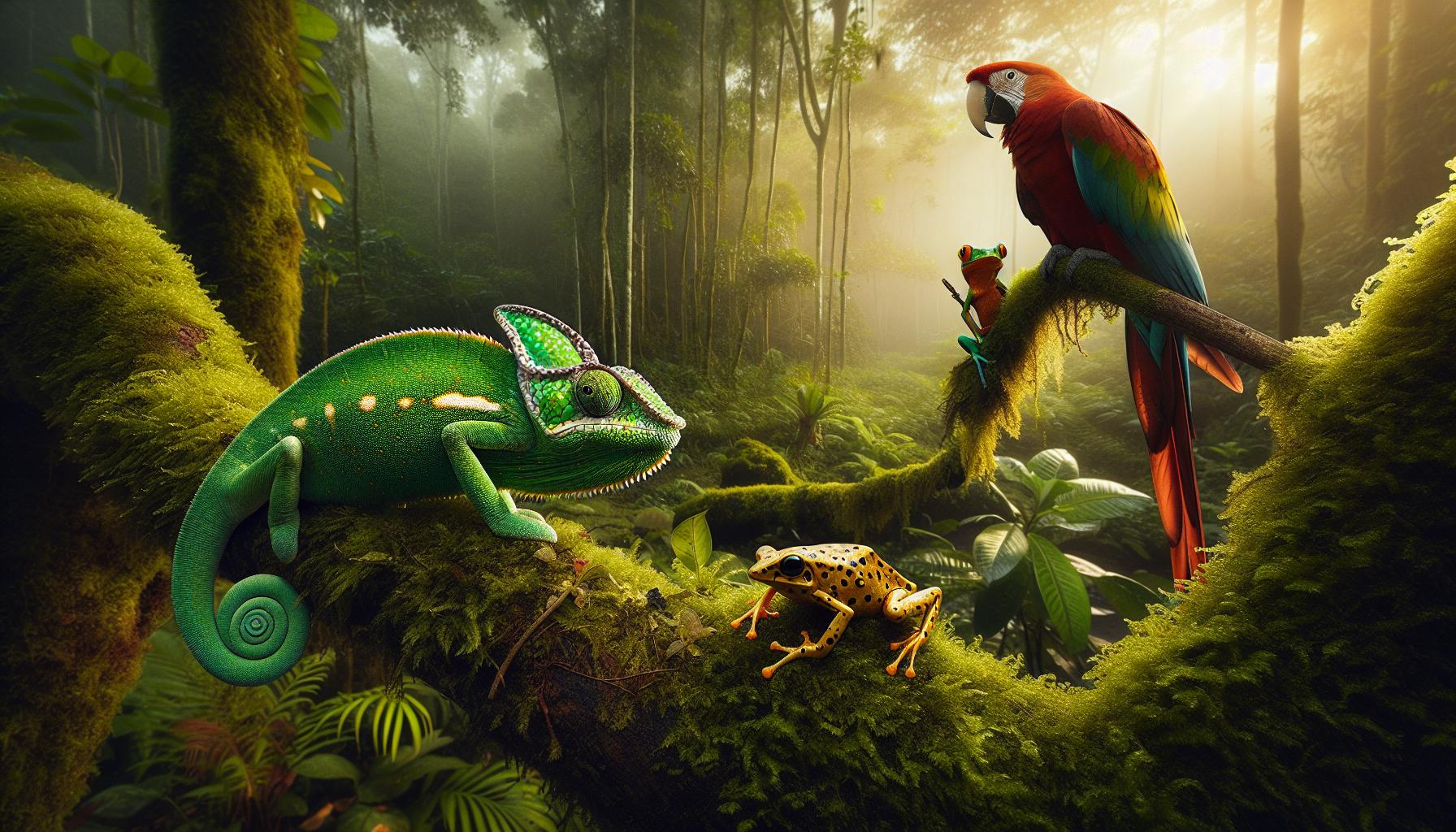
Exotic Animals: An Introduction to the Fascinating World
Did you know that some exotic animals, like the capybara, can weigh more than a large dog, reaching up to 150 pounds? Exotic animals encompass a wide range of species that intrigue and inspire, from colorful birds to unique reptiles and majestic mammals. These animals, often found in remote habitats across different continents, contribute to the biodiversity of our planet and play vital roles in their ecosystems. While their striking appearances and fascinating behaviors captivate wildlife enthusiasts, it’s essential to understand what makes an animal ‘exotic’ and the responsibilities that come with owning or interacting with them.
Exotic animals can be defined as species that are not native to a particular region or country. This includes animals like the sugar glider, which is native to Australia but has gained popularity as a pet in many other parts of the world. These creatures often have specialized care needs that differ significantly from more common pets. For instance, a snake may require specific humidity levels and temperature regulation, while a parrot thrives in an environment that mimics its natural habitat, complete with social interaction and enrichment activities.
Caring for exotic animals requires commitment and an understanding of their natural behaviors and habitats. Many people are drawn to these animals for their beauty and uniqueness, but potential owners must consider whether they can provide the appropriate environment and care. For example, reptiles like bearded dragons need UVB lighting and a diet rich in calcium, while exotic birds often require large cages and social time outside their enclosures. Moreover, knowledge about the legalities and ethical considerations surrounding exotic animal ownership is crucial, as many species are protected by law or are subject to strict regulations to prevent harm to wild populations and their ecosystems.
By fostering a deeper understanding of these remarkable creatures, we can appreciate their beauty while also advocating for their conservation and responsible ownership. Whether you’re a seasoned exotic pet owner or just curious about these magnificent animals, entering the world of exotic species is an opportunity to engage with nature and contribute to the well-being of the planet’s most fascinating inhabitants.
Top 20+ Exotic Animal Species You Should Know
Did you know that the world is home to a trove of exotic animals, many of which are rarely seen outside their natural habitats? From the vibrant plumage of exotic birds to the unique adaptations of reptiles, these species exemplify the wonders of the animal kingdom. Here’s a closer look at over 20 exotic animal species that you should know about, showcasing their extraordinary characteristics and habitat needs.
### Fascinating Exotic Species
- Capybara: The world’s largest rodent can grow up to 150 pounds. They thrive in social groups and require access to water to swim and cool off.
- Fennec Fox: With its large ears and playful demeanor, this nocturnal fox hails from the Sahara Desert, requiring a warm climate and ample space to dig.
- Macaw: Known for their bright colors and intelligence, macaws are social birds that need companionship and a spacious environment to fly and explore.
- Axolotl: This aquatic salamander, famous for its regenerative abilities, lives in freshwater lakes of Mexico and requires a carefully controlled aquatic environment.
- Red-footed Tortoise: This gentle creature from South America enjoys a diet rich in fruits and vegetables and requires a warm environment with access to sunlight.
- Ball Python: A popular exotic pet, this non-venomous snake is known for its docile nature and requires a warm, secure habitat with the right humidity levels.
- Sugar Glider: Originally from Australia and New Guinea, these small marsupials thrive in pairs or groups and need a large cage with plenty of climbing space.
- Savannah Cat: A hybrid of a domestic cat and a serval, this exotic feline is energetic and playful, requiring lots of exercise and interactive playtime.
- Spotted Genet: This elusive African mammal resembles a small cat and needs a habitat rich in climbing opportunities and stimulation.
- Tasmanian Devil: Known for its fierce demeanor, this marsupial from Tasmania requires a spacious enclosure with lots of hiding places.
- Kinkajou: A nocturnal rainforest animal with a sweet tooth, kinkajous love to climb and require a warm, spacious habitat with plenty of toys.
- Wallaby: Similar to kangaroos but smaller, wallabies are social animals that need a large, grassy area to hop around and graze.
- Pygmy Goat: These small, friendly goats are popular for their playful nature and need a secure, outdoor space to roam and graze.
- Chinchilla: Native to the Andes, these small rodents have incredibly soft fur and require a cool, dust-free environment and plenty of room to leap and play.
- Green Tree Frog: Known for their vibrant color and vocalizations, these amphibians need a humid environment with live plants to thrive.
- Serval: A wild cat from Africa, servals require plenty of space to roam and a diet high in proteins found in their natural hunting grounds.
- Hedgehog: These small, spiny mammals are nocturnal and require a safe, warm environment with plenty of places to hide and explore.
- Balloon Frog: With its distinctive bloated body, this frog inhabits rainforests and requires high humidity and a varied diet of insects.
- Emperor Tamarin: These small monkeys from the Amazon rainforest are social creatures that thrive in a lush environment with plenty of climbing structures.
- Moroccan Tortoise: This species needs a warm habitat with access to sunlight and a diet primarily composed of fibrous plants.
Each of these species has unique requirements and characteristics, making them intriguing but often challenging pets. Understanding their behaviors, habitat needs, and the commitment necessary for their care is essential for anyone considering an exotic animal as a companion. By highlighting these species, we can appreciate the amazing diversity of life on our planet while recognizing the importance of responsible ownership and conservation efforts.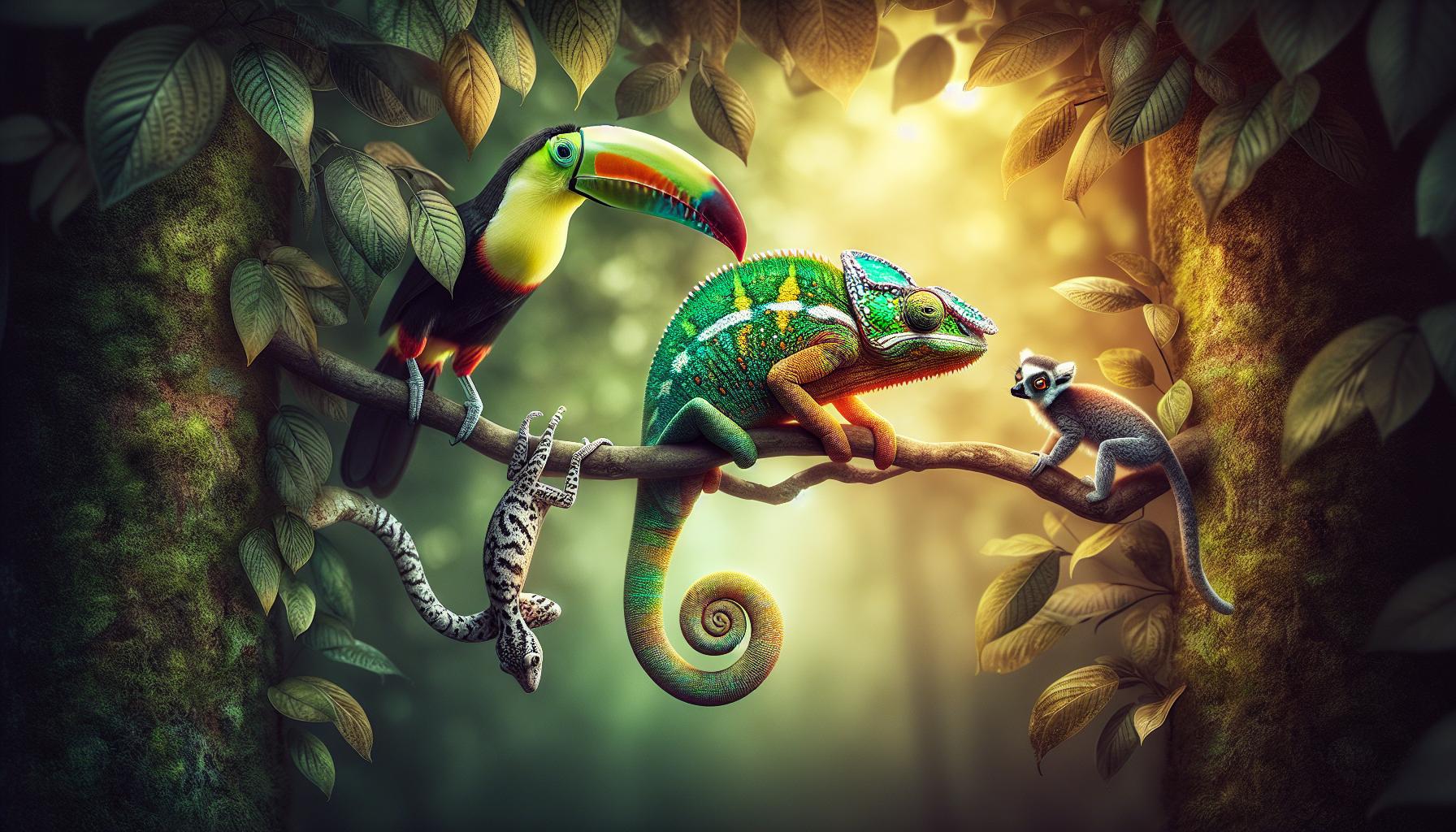
Captivating Characteristics of Unique Exotic Animals
Many exotic animals exhibit captivating characteristics that make them not only fascinating pets but also reminders of the incredible diversity of life on Earth. For instance, the Capybara, the largest rodent, can weigh up to 150 pounds and is known for its sociable nature, often living in groups near bodies of water. They thrive in semi-aquatic environments, making them unique companions that require special care, including access to water for swimming. Similarly, the Fennec Fox delights with its oversized ears, which not only help with hearing but also in regulating body temperature in the Sahara’s heat. This nocturnal creature needs a warm and engaging space where it can dig and explore.
The rich colors and intelligence of Macaws capture attention, as they are not just beautiful but also highly social birds requiring companionship and ample flying space to thrive. On the other hand, the Axolotl, an unusual aquatic salamander, intrigues with its regenerative abilities and is a unique pet requiring specific water conditions to keep it healthy. Each species presents a distinct array of needs and behaviors that make them interesting, yet they often demand a level of commitment that potential owners should be prepared for.
A unique example of adaptability is seen in the Sugar Glider, a small marsupial that glides through the trees of its native Australia. These creatures thrive in pairs, fostering social interactions that are essential to their well-being. Understanding their environment and social needs helps owners create a nurturing habitat. Moreover, Red-footed Tortoises provide a window into the gentle side of exotic pets; these slow-paced animals enjoy basking in sunlight and eating fresh fruits and vegetables, making them a fascinating yet low-maintenance choice.
From vibrant personalities to extensive care requirements, the captivating characteristics of these exotic animals reveal much about their roles in nature and as pets. Each interaction with these creatures fosters not only companionship but a deeper appreciation for wildlife conservation, urging owners to make informed choices that benefit both the animals and their ecosystems.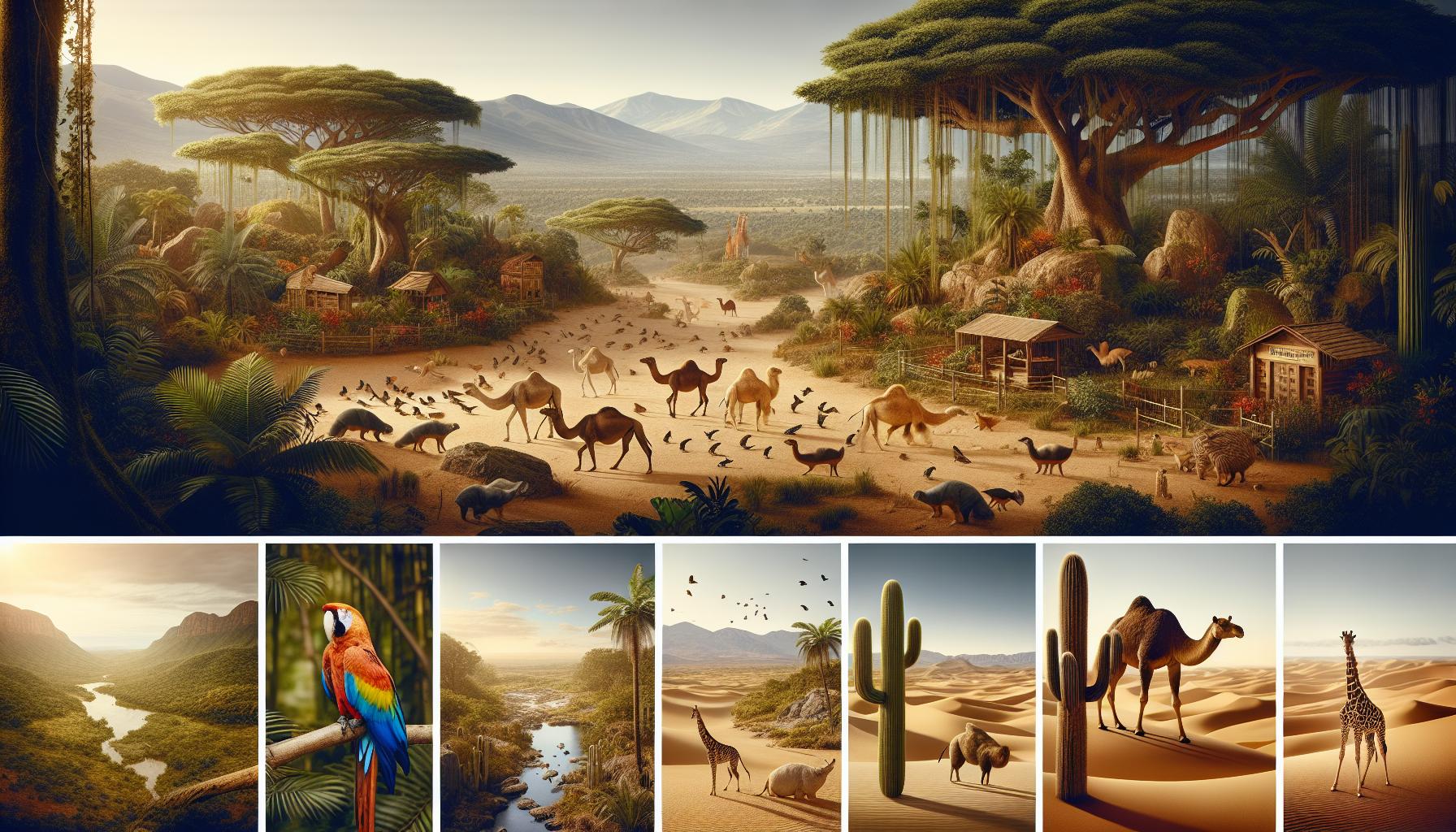
Where Do Exotic Animals Live? Exploring Their Habitats
Exotic animals inhabit some of the most diverse and intriguing environments on the planet. From dense rainforests to arid deserts, each species has adapted to its specific habitat in fascinating ways. Take the Capybara, for instance, which thrives in the wet, marshy areas of South America. These gentle giants are often found near rivers and lakes, reflecting their semi-aquatic nature, and they require access to water for swimming and socializing.
In contrast, the Fennec Fox, native to the Sahara Desert, exhibits remarkable adaptations for survival in an arid environment. Its large ears not only make it adorable-they also help regulate body temperature, allowing it to stay cool during the sweltering days. These nocturnal creatures prefer sandy burrows, which provide shelter from extreme temperatures and a safe space for their playful demeanor.
Moving to the skies, Macaws are vibrant birds from Central and South America that thrive in tropical rainforests. They rely on tall trees for nesting and foraging, primarily eating fruits, nuts, and seeds. Because they are social creatures, their habitats need to accommodate their need for companionship and space to fly. Creating a home for a macaw requires replicating such environmental needs, making aviaries a popular choice among pet owners.
Then there’s the Axolotl, an aquatic marvel originally found in the lake complex of Xochimilco in Mexico. Unlike many other amphibians, axolotls retain their larval features throughout life, needing specific water quality and depth to thrive. Their unique habitat exemplifies the delicate balance of ecosystems, reminding us that proper care involves understanding these environmental specifics, even when domesticated.
By learning about the natural habitats of these extraordinary creatures, potential owners can better appreciate their needs and the responsibilities that come with providing a suitable environment, ensuring both the animals and their humans live harmoniously together.
Common Misconceptions About Exotic Animal Ownership
Many people are drawn to the idea of owning exotic animals due to their unique beauty and intriguing behaviors. However, misconceptions abound about what it truly means to keep these animals in captivity. One of the most prevalent myths is that exotic pets are just like traditional pets, such as cats or dogs. In reality, many exotic species have complex needs that differ vastly from common pets. For instance, the Fennec Fox, with its high energy and social behavior, requires ample space to roam, engage, and explore, much more than what a regular household might adequately accommodate.
Another common misconception is the belief that all exotic animals can thrive on minimal care. Take the Macaw, for example. These vibrant birds not only need appropriate diets rich in fruits and nuts but also require significant social interaction and mental stimulation. Neglecting these aspects can lead to behavioral issues and even health problems. It’s crucial for potential owners to recognize that the lifelong commitment to care for these animals is substantial and often requires specialized knowledge.
Many might think that exotic animals are inherently dangerous or wild, but this isn’t always the case. Species like the Capybara are known for their gentle nature and can adapt well to living alongside humans if socialized properly from a young age. Education is key in dispelling the fear surrounding these animals. Understanding their behaviors, habitats, and social needs can transform the perception of exotic animals from dangerous creatures to fascinating companions.
Lastly, there’s a widespread belief that owning an exotic pet can contribute to conservation efforts. While some individuals can responsibly care for and house these animals, the reality is that many exotic pets are captured from the wild, impacting their populations negatively. So, before considering an exotic animal as a pet, it’s vital to reflect on the ethical implications and explore options that support conservation, such as adopting from reputable shelters or organizations focused on animal welfare. Embracing knowledge about exotic animal ownership can lead to healthier, happier animals and more responsible guardians.
Adapting Exotic Animals to Captivity: What Works?
Wild animals, when brought into captivity, face unique challenges that can affect their well-being and lifespan. Understanding how to adapt exotic animals to a captive environment is crucial for their health and happiness. From housing to diet and social interaction, every aspect of care plays a pivotal role in facilitating a successful transition from the wild to a more controlled setting.
To cater to their natural instincts and behaviors, creating an enriching environment is essential. For instance, large enclosures that mimic their natural habitat can help. Species like the Green Iguana thrive in environments that allow climbing and basking under ultraviolet light, while African Grey Parrots require interactive toys and opportunities to forage as they would in the wild. Providing spaces that reflect these animals’ native conditions leads to reduced stress and healthier behaviors.
Diet also plays a fundamental role in adjusting exotic pets to captivity. Many exotic animals have specific dietary needs that need to be met with precision. Take the Ball Python, for example; its diet consists primarily of rodents, and owners must ensure they are provided with appropriate prey sizes and nutrients. In contrast, Tortoises require calcium-rich vegetables and a specific balance of greens to thrive. Proper nutrition not only promotes health but also simulates the diverse diets these animals would experience in the wild.
Socialization and companionship are equally important in adapting exotic animals to captivity. Certain species, like Capybaras, are inherently social and thrive when housed with conspecifics. Other animals, such as Bengal Cats, may have more solitary tendencies but still benefit from varied interaction with owners and stimulating environments. Recognizing the social needs of each species and encouraging positive interactions can significantly enhance their quality of life.
In summary, adapting exotic animals to captivity requires a tailored approach that considers their behavioral traits, dietary needs, and social interactions. By fostering an environment that mirrors their natural habitat, providing a well-balanced diet, and ensuring appropriate social opportunities, we can promote healthier, happier lives for these captivating creatures. This mindful preparation not only supports the animals but also enriches the lives of their human caretakers, creating a rewarding companionship built on understanding and respect.
Exotic Animals in Pop Culture: Representation and Impact
As you watch a nature documentary or a blockbuster movie featuring exotic animals, have you ever stopped to think about how these portrayals shape our understanding and attitudes towards them? Exotic creatures, from the majestic Bengal tiger to the enchanting macaw, have not only captivated audiences but have also played significant roles in various cultural narratives. Their appearances often spark both fascination and controversy, influencing public perceptions about wildlife and conservation efforts.
The representation of exotic animals in pop culture can take many forms. For instance, films like “The Jungle Book” introduce animals such as the noble panther and playful monkeys, creating characters that resonate with viewers on an emotional level. These portrayals can foster a love for wildlife, motivating audiences to support conservation initiatives. However, there’s a flip side. Some representations can perpetuate myths or set unrealistic expectations about the care and behavior of exotic pets. For example, reptiles often depicted as friendly and cuddly in cartoons can lead to misunderstandings about their needs and temperament, which can ultimately impact their treatment in captivity.
Moreover, the impact of exotic animals in pop culture extends to how they are viewed as pets. With the rise of social media platforms like Instagram and TikTok, influencers showcasing exotic pets, such as sugar gliders and servals, have sparked a trend in pet ownership that can be both positive and negative. While these platforms can highlight the unique beauty and care needs of such animals, they can also glamorize impulse purchases and the challenges of responsible ownership.
In balancing the entertainment value of exotic animals with the realities of their care and conservation, it’s essential for viewers-and potential owners-to approach these topics with informed awareness. Engaging with content that champions responsible ownership and awareness of wild animal welfare can help steer the narrative toward a more ethical and conservation-minded dialogue. The portrayal of exotic animals in our culture is not just about showcasing their beauty; it’s about nurturing a deeper understanding and respect for the incredible biodiversity that our planet holds.
Meet the Rarest Exotic Animals on the Planet
In the world of exotic animals, rarity often highlights not only the beauty and uniqueness of a species but also the urgent need for conservation efforts to protect them. Among the rarest exotic animals on the planet, several species capture the imagination with their striking characteristics and the challenges they face in the wild. For instance, the Vaquita, a small porpoise found only in the northern part of the Gulf of California, is on the brink of extinction, with fewer than 30 individuals remaining. This diminutive creature is known for its dark rings around the eyes and a shy demeanor, making sightings remarkable yet increasingly rare.
Another fascinating example is the Amur Leopard, native to the Russian Far East and northeast China. With an estimated population of only around 100 individuals, the Amur leopard is one of the world’s rarest big cats. This snow-leopard-like feline is celebrated for its stunning, thick coat that varies with the seasons, showcasing adaptations to its cold habitat. These leopards are solitary hunters, primarily feeding on roe deer and hares, and their survival is threatened by habitat loss and poaching.
Meet the Pygmy Three-Toed Sloth
One of the most endearing rare species is the Pygmy Three-Toed Sloth, which resides exclusively on Escudo de Veraguas, a tiny island off the coast of Panama. This sloth, about half the size of its more common relatives, has adapted uniquely to its mangrove forest habitat. While it may appear sluggish, this remarkable creature has a diet that consists mainly of leaves, and it can spend up to 20 hours a day resting in trees. With fewer than 500 remaining in the wild, it faces severe threats due to habitat destruction and the effects of climate change.
The Narrative of the Kakapo
The Kakapo, a flightless parrot from New Zealand, tells a captivating tale of conservation. Once thought to be extinct, dedicated efforts have helped increase their numbers from just 50 birds in the 1990s to over 250 today. This nocturnal parrot is distinguished by its vibrant green feathers and a charming owl-like face. Kakapos are also known for their unique breeding ritual known as “lekking,” where males gather to display and compete for the attention of females. Conservationists have worked tirelessly to protect their habitats and establish predator-free islands for Kakapo rehabilitation, representing a significant success story in wildlife conservation.
Exploring the world of these extraordinary and rare creatures encourages not only fascination but also a responsibility towards their preservation. Understanding their behaviors, habitats, and the challenges they face inspires commitment to conservation initiatives that help protect these magnificent species and the delicate ecosystems they inhabit. By advocating for responsible ownership and raising awareness about the plight of rare exotic animals, we can all contribute to the ongoing efforts to ensure their survival for generations to come.
Ethical Considerations in Exotic Animal Trade
The exotic animal trade is a complex landscape where the allure of unique species often collides with ethical dilemmas surrounding their conservation and welfare. It’s important to understand that every plush or colorful creature you see advertised may come with a hidden price, affecting not only the animal’s life but also the ecosystems from which they are sourced. Crushingly, the demand for exotic pets contributes to the decline of wild populations, as animals are captured in their natural habitats, often in ways that are harmful to both their species and the environment.
When considering the adoption of exotic animals as pets, one must reflect on the long-term responsibilities that accompany such a decision. Many exotic species-like the vibrant Blue and Gold Macaw or the fragile Pygmy Three-Toed Sloth-require specialized diets, environmental enrichment, and healthcare that exceeds the capabilities of the average pet owner. Misunderstanding these needs can lead to health problems for the animals and can even result in abandonment once the novelty wears off. Instead of owning exotic pets, potential owners should aim to support reputable sanctuaries or conservation programs dedicated to preserving these species in their natural habitats.
Additionally, the illegal wildlife trade poses a dire threat, fostering poaching and habitat destruction. For instance, the Amur Leopard, one of the most endangered big cats, suffers from reduced numbers due in part to poaching driven by black market demand for their stunning pelts. Ethical consumers can make a difference by educating themselves about the implications of their purchases and choosing to engage in activities that prioritize animal welfare and conservation efforts. This includes supporting zoos and organizations that focus on proper care, rehabilitation, and education about the significance of biodiversity.
Ultimately, by embracing a more conscientious approach to the exotic animal trade, we can help shift the narrative from one of exploitation to one of stewardship and guardianship. Understanding the implications of our choices fosters a culture of respect towards wildlife, encouraging efforts to save vibrant species from the brink of extinction while allowing future generations to experience the wonders of our planet’s diverse fauna.
Q&A
Q: What are some common exotic animals kept as pets?
A: Common exotic pets include species like ferrets, hedgehogs, and sugar gliders. These animals require specialized care and habitats, so research is essential before considering one. For more on caring for exotic animals, check our section on pet requirements.
Q: Why do people choose exotic animals as pets?
A: People often choose exotic animals for their unique appearances and behaviors. They may find them more fascinating than traditional pets. However, it’s crucial to evaluate the commitment and resources needed to care for these animals responsibly.
Q: How can exotic animals impact local ecosystems?
A: Introducing exotic animals into local ecosystems can disrupt the native species, outcompete them for resources, and introduce diseases. It’s vital to understand these effects if considering exotic animal ownership, as discussed in our conservation efforts section.
Q: Are exotic animals suitable for children?
A: Some exotic animals can be safe and enjoyable for children, but it depends on the species and their temperament. Always supervise interactions and educate children on proper handling techniques. For more insights, refer to our section on caring for exotic animals.
Q: What are the legal considerations for owning exotic animals?
A: Legal regulations for owning exotic animals vary by location. Always check local laws and regulations, as some species may require permits or be prohibited. For responsible pet ownership, see our section on misconceptions about ownership.
Q: How do physical characteristics of exotic animals influence their care?
A: The physical characteristics of exotic animals, such as size and habitat needs, significantly influence their care requirements. For example, larger animals often need more space and specific diets. Our section on captivating characteristics offers detailed insights.
Q: What role do exotic animals play in conservation?
A: Exotic animals contribute to biodiversity and conservation efforts by serving as ambassadors for their species. Educating the public about exotic animals can lead to increased support for conservation initiatives. Explore this further in our conservation efforts section.
Q: What is the most unique exotic animal?
A: The axolotl, an aquatic salamander known for its ability to regenerate limbs, is often considered one of the most unique exotic animals. Its fascinating biology makes it a favorite among enthusiasts. For more examples, check our top 20+ exotic animal species section.
In Conclusion
As we conclude our journey through the fascinating world of exotic animals, we hope you’ve discovered the unique behaviors, habitats, and care needs of over 20 impressive species. Whether you’re considering owning an exotic pet or simply enjoying the wonders of wildlife, understanding these animals is essential. Don’t miss out on exploring our related articles, like “Care Tips for Exotic Pets” and “The Importance of Wildlife Conservation,” to deepen your knowledge and support responsible ownership.
Now is the perfect time to engage further-join our newsletter for exclusive tips and resources, or dive into our other wildlife topics to feed your curiosity. If you have questions or experiences to share about exotic animals, we’d love to hear from you in the comments below! Remember, every small step you take can contribute to a greater understanding and appreciation of these incredible creatures. Thank you for being part of our community, and we look forward to your next visit!
Get our latest guides, news, and insights highlighted in your Google Search & AI Overviews.