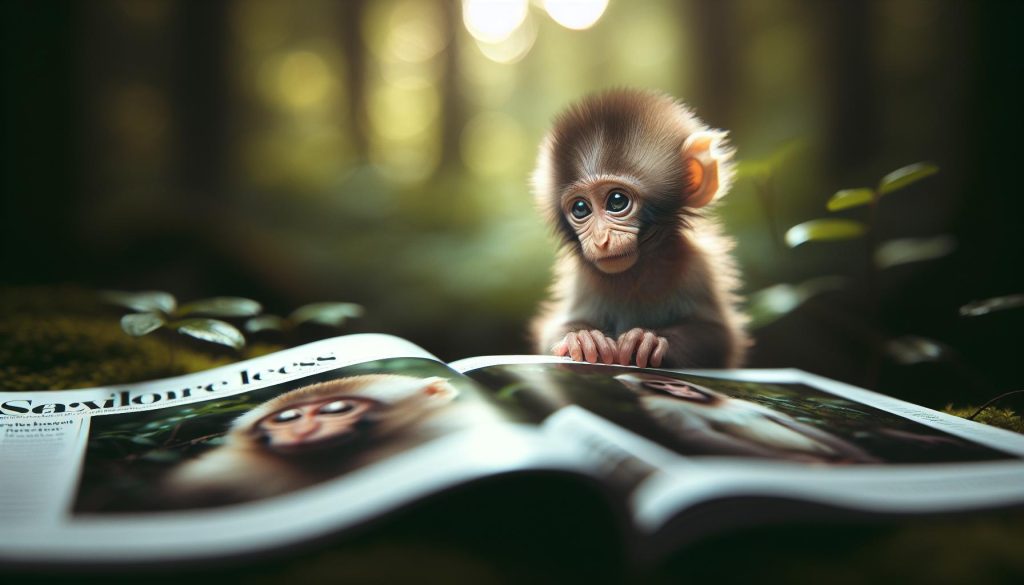
When you think of baby animals, the adorable sight of a baby monkey might spring to mind. But did you know that baby monkeys are called “infants,” just like human babies? Understanding these young primates is not only fascinating but also essential for appreciating the diversity of life around us. Baby monkeys display a wide range of behaviors and social interactions that can teach us about their roles in the ecosystem and their family dynamics. From their playful antics to their nurturing bonds with parents and other troop members, there’s so much to explore. Curious to learn more about what makes these little ones unique? Join us as we dive into the world of baby monkeys, the various species, and the remarkable facts that highlight their importance in the animal kingdom and our shared environment.
What Do You Call a Baby Monkey?
Baby monkeys are often referred to as “infants,” which is a term commonly used across many species, including those that belong to the primate family. Just like human babies, these little creatures are highly dependent on their mothers and their social groups for nourishment and protection during their early stages of life. Interestingly, the bonding period between a baby monkey and its mother is crucial and can vary widely among species, depending on their social structures and environmental conditions.
In the wild, baby monkeys rely on their mothers for food, warmth, and safety. This nurturing extends beyond infancy; many species exhibit strong maternal care well into the juvenile stages. For instance, capuchin monkeys are known to stay close to their mothers for several years, learning essential life skills as they grow. This period is vital for their survival as they learn how to navigate their environments, recognize potential threats, and develop social skills necessary for living in groups.
As they mature, baby monkeys start to display playful behaviors and curiosity. This playfulness helps to strengthen their physical abilities and social bonds with peers. Watching a troop of young monkeys engage in play can be endearing and also serves as a reminder of the importance of social interactions in their development. Overall, while the term “infant” encapsulates the essence of a baby monkey, their growth and the unique social structures within their groups play a significant role in shaping their identities as they transition from infancy to adulthood.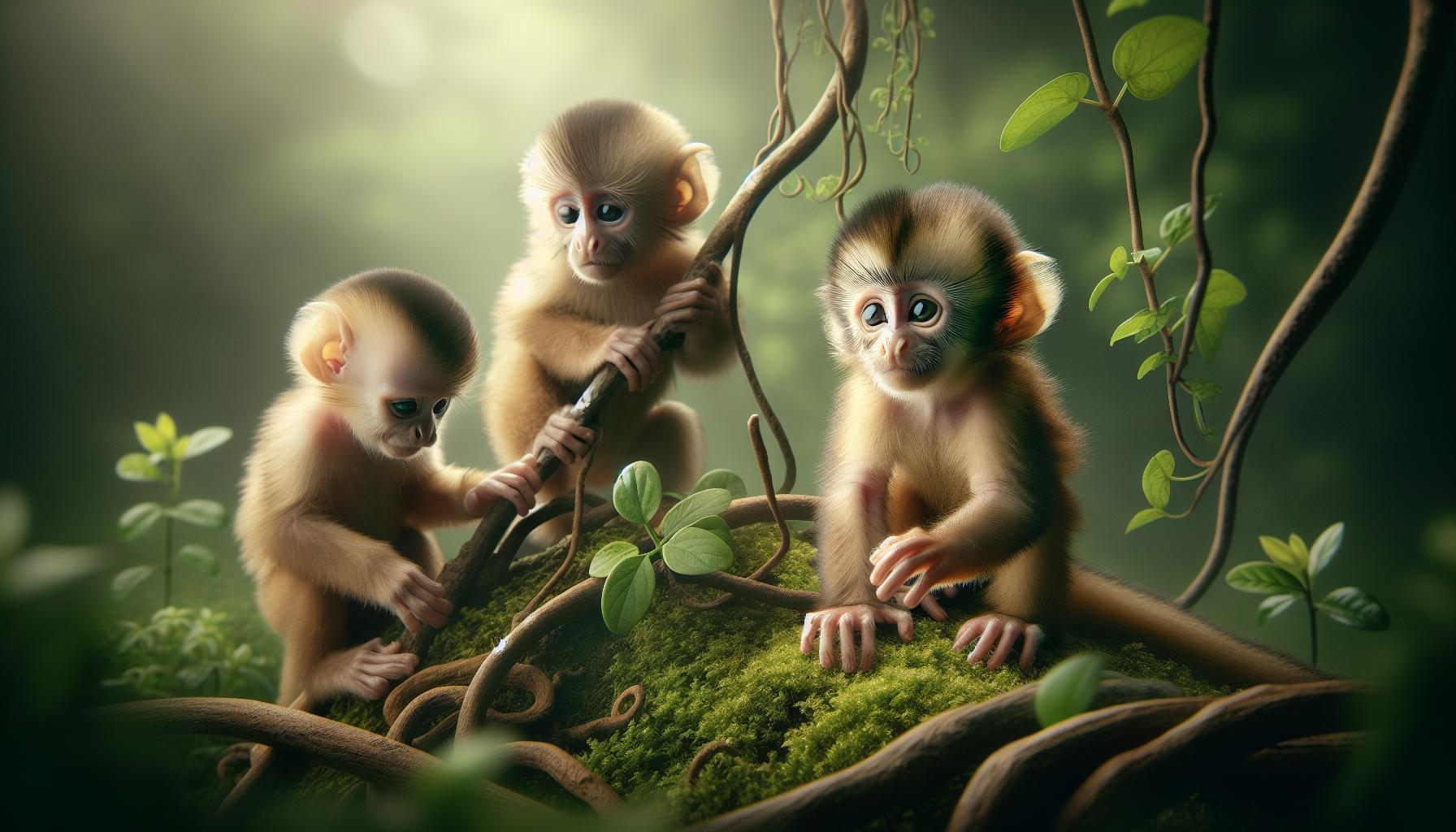
Common Names for Baby Monkeys
The world of baby monkeys is as charming as it is diverse! While many enthusiasts often refer to these young primates as “infants,” the naming can vary depending on the specific species. In the broader context of wildlife, these names help distinguish the unique characteristics and traits of different monkey species. Here are some commonly used names and terms associated with baby monkeys:
- Infant: This is the most universal term used to describe a baby monkey across various species, emphasizing their early stage of life and dependence on caregivers.
- Kid: Some species, particularly those in the Capuchin family, may refer to their young ones as “kids,” mirroring the terminology used for young goats.
- Baby: A casual and affectionate term that resonates with many, reflecting the adorable features and behaviors of these young primates.
- Juvenile: As baby monkeys grow, transitioning to the juvenile stage, they start to exhibit more independence while still being classified within this developmental phase.
In addition to these names, the specific species of the monkey also plays a significant role in how we refer to them. For example, baby macaques may be referred to simply as “macaque infants,” while young spider monkeys might be called “spider monkey babies.” This specificity can provide insight into their habitat, behaviors, and even conservation status, showcasing the rich variety within the primate world.
Understanding these terms not only enriches your vocabulary but also deepens your appreciation for these fascinating creatures as they start their journey in their social structures, learning the ropes from their mothers and peers. Each name carries with it a glimpse into their lives and the intricate dynamics of their species.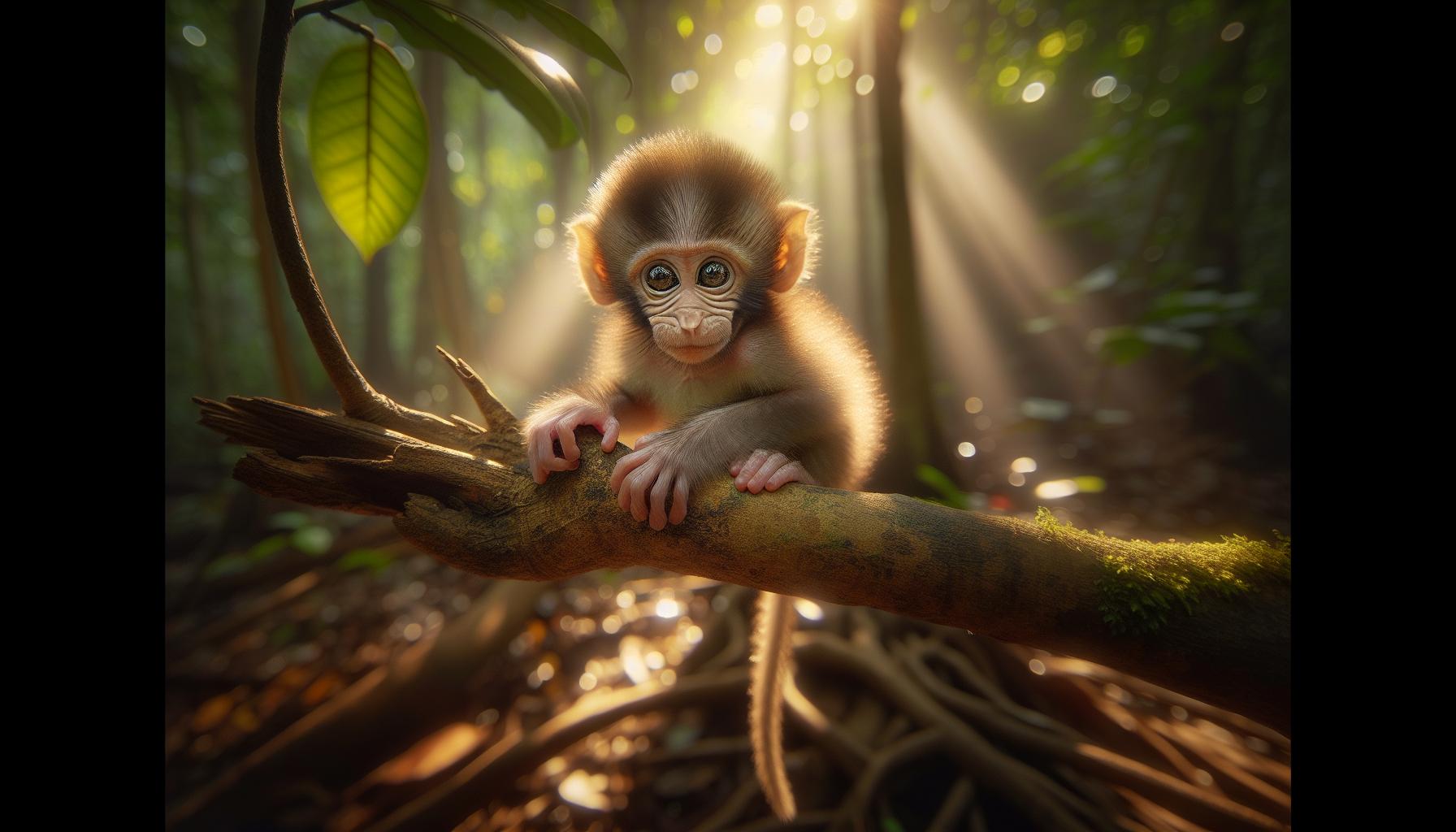
Fascinating Facts About Baby Monkeys
Did you know that baby monkeys are not just adorable but also incredibly fascinating in their development and behavior? Unlike many mammals, baby monkeys are often very sociable from a young age, forming close bonds with their mothers and other troop members. For instance, a baby macaque will cling to its mother for warmth and security, using her as a stable base from which to explore their surroundings. This dependence is crucial in their early months, as it aids in their learning about social dynamics and foraging behaviors.
Baby monkeys exhibit a remarkable range of vocalizations and expressions, each serving different purposes. They communicate through soft chirps or whimpers to signal distress or require attention. Interestingly, these sounds can vary between species, providing insight into their social structures. As they grow, they begin to refine these calls, learning the specific nuances of communication within their troop.
In the wild, baby monkeys play a critical role in their social environment. They engage in play, which is essential for developing social skills and physical coordination. For example, young spider monkeys are known to engage in acrobatic antics, swinging from branch to branch, which fosters both strength and agility. This playful behavior not only keeps them physically fit but also strengthens bonds with peers, reinforcing the troop’s social structure.
As charming as they are, baby monkeys come with important conservation considerations. Many species face threats from habitat loss and the illegal pet trade. The care needs of these primates are also significant; they require specific diets, social interaction, and environmental enrichment to thrive in captivity. Understanding these needs is integral for anyone interested in wildlife conservation and the responsible ownership of exotic animals.
Thus, baby monkeys, with their endearing antics and complex social lives, offer an intriguing glimpse into the primate world. Whether through their playful interactions or their critical role in troop dynamics, these young creatures remind us of the delicate balance of nature and the importance of protecting their habitats.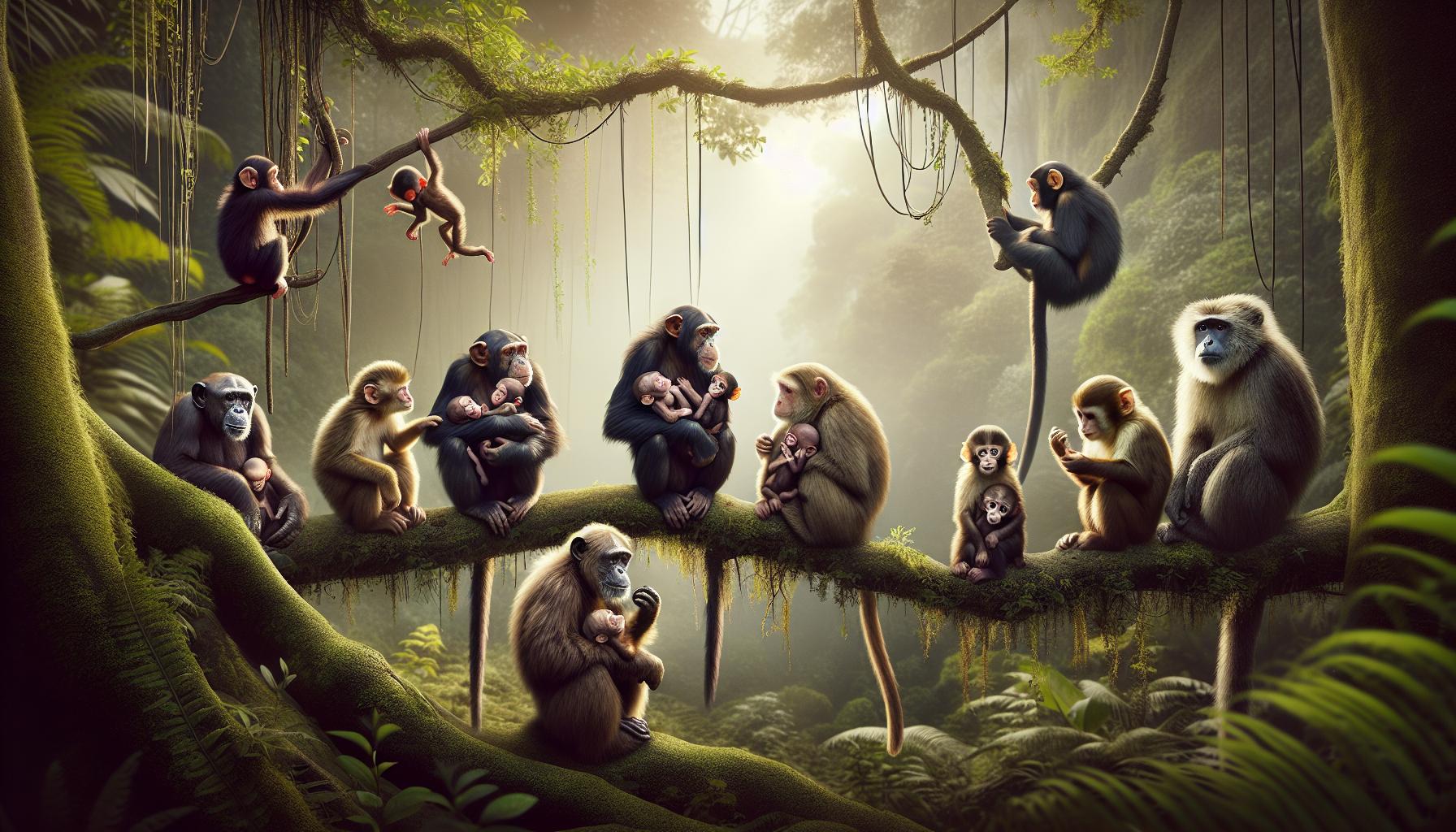
Different Monkey Species and Their Babies
From the moment they are born, baby monkeys-often called infants-are a delight to observe, showcasing an extraordinary range of behaviors that reflect the diversity of monkey species. Different species have their unique characteristics and ways of nurturing their young. For instance, macaques, prevalent in Asia, tend to have a strong maternal bond, with mothers fiercely protective of their infants. Macaque babies are often seen riding on their mothers’ backs, learning through observation and imitation how to navigate their complex world.
Capuchin monkeys are another fascinating example. These small, intelligent monkeys are known for their problem-solving skills. Baby capuchins, equipped with their natural curiosity, begin exploring their environment early, often with their mothers close by to guide them. These monkeys exhibit intricate social structures and the young ones learn a lot about group dynamics from observing older troop members.
Physical Development and Behavior
As they grow, baby monkeys develop physical skills that are vital for their survival. Spider monkeys, known for their long limbs and prehensile tails, exemplify this development. Their young are born with limited mobility but rapidly learn to swing and climb effectively. This acrobatic play not only helps them build strength and coordination but also establishes social bonds with their peers.
Adaptations in baby monkeys can be quite specific to their habitats. For example, howler monkeys, recognized for their loud calls, have developed distinct vocalizations that begin as whimpers and grow in complexity as they mature. Baby howlers are often found close to their mothers, learning the nuances of their troop’s communication style. These vocal abilities are essential for maintaining social cohesion and addressing potential threats from predators.
Feeding and Developmental Needs
When it comes to nutritional needs, the babies of fruit-eating species like squirrel monkeys rely on the mother’s diet. These infants often start with a milk-based diet but gradually transition to solid foods as they grow. The introduction of fruits and leaves is crucial as it not only provides the necessary nutrients but also helps them develop foraging skills.
In conclusion, the early life stages of baby monkeys are rich with learning opportunities that set the foundation for their survival. Whether through play, exploration, or learning social cues, each species of baby monkey exhibits behaviors and adaptations that reflect their unique ecological niches. Understanding these differences not only enhances our appreciation for these charming creatures but also underscores the importance of conservation efforts to protect their habitats and ensure their future.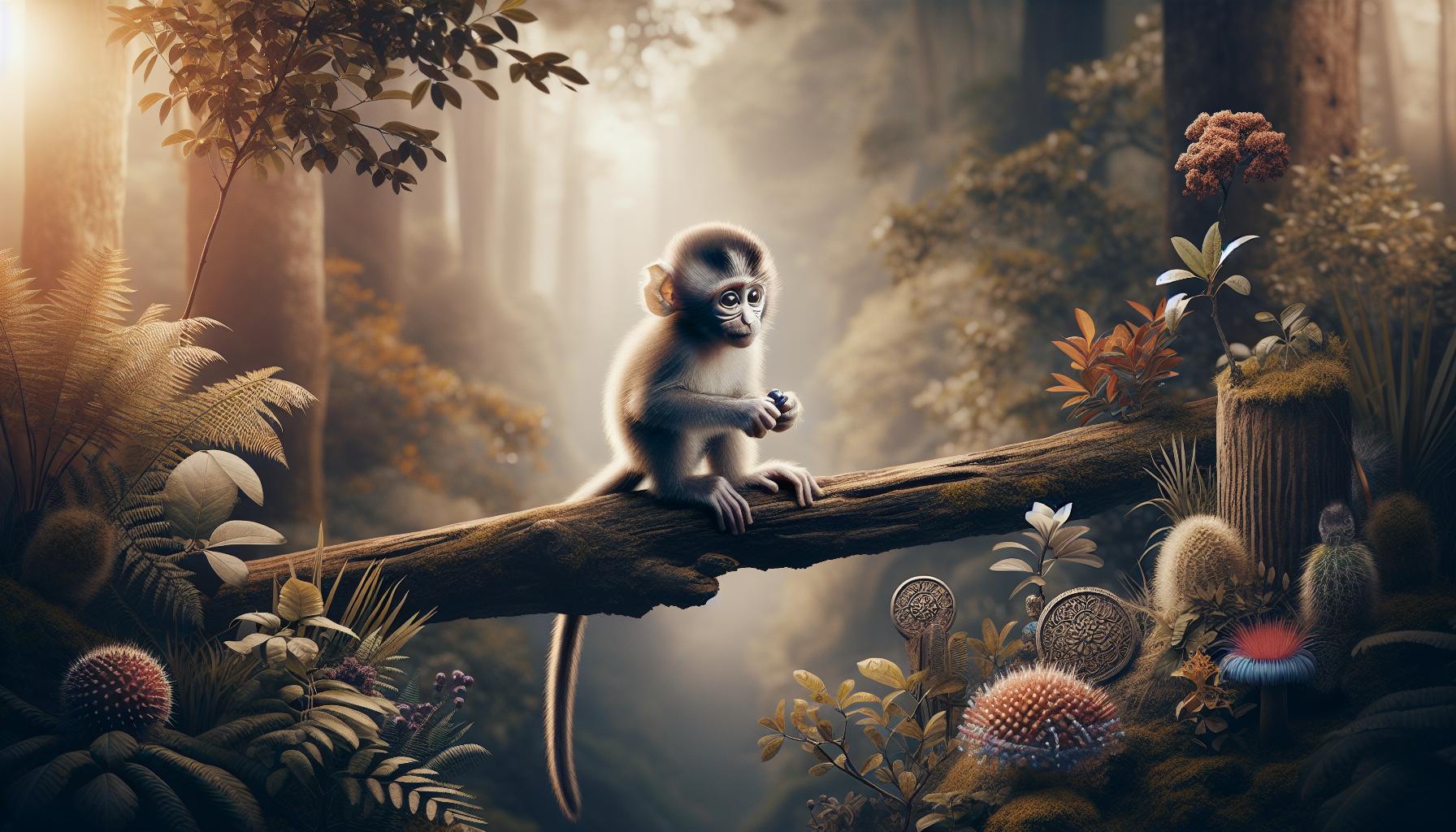
Understanding Baby Monkey Behavior
From the moment they are born, baby monkeys display a fascinating array of behaviors that are not only adorable but also crucial for their survival and development. These young primates, often referred to as infants, engage in a variety of interactions that provide insights into their biology and social structures. For example, baby monkeys are known to communicate with their mothers through a series of vocalizations and gestures right from infancy. This early communication helps strengthen the bond between mother and infant, ensuring that the baby feels safe and learns essential cues.
As they grow, their behavior evolves significantly. Baby monkeys often imitate their mothers and other troop members, which is vital for learning behaviors such as foraging and social interactions. This mimicry is an essential part of their development; for instance, young capuchin monkeys can be seen exploring their environment while closely observing how older monkeys interact with different elements of their habitat. Their social learning extends to forming relationships with their peers, which is crucial for establishing the intricate social hierarchies that characterize monkey troops.
It’s also interesting to note how playtime is a fundamental aspect of baby monkey behavior. Play serves multiple purposes: it helps develop physical abilities, encourages social skills, and even assists in conflict resolution among peers. Whether they are swinging from branches or engaging in playful scuffles, these activities enhance their coordination and strength while allowing them to establish bonds with their fellow infants. Play is not just fun; it’s a serious part of becoming a well-adapted adult monkey.
Understanding the behavior of baby monkeys is not only captivating; it also plays a significant role in conservation efforts. As we learn more about these fascinating creatures and their needs, we can better protect their habitats and the social structures that are critical for their survival. By supporting conservation initiatives and raising awareness about their behaviors, we can ensure that future generations will continue to enjoy the delightful antics of baby monkeys in the wild.
How Baby Monkeys Grow and Develop
From the moment a baby monkey, often called an infant, enters the world, its development unlocks a fascinating journey filled with milestones that mirror both human experiences and the unique challenges of the wild. Newborn monkeys rely entirely on their mothers for survival, showcasing an adorable vulnerability. In their early weeks, they cling to their mother’s fur and learn to navigate their environment through senses like touch, taste, and smell. The bond they form during this time is not just crucial for emotional growth; it sets the foundation for essential survival skills.
As they enter the weaning phase, typically around six months, these little primates start to explore their surroundings with increasing confidence. During this period, they begin to exhibit playful behaviors-chasing, swinging, and engaging in mock-fights-which are vital for developing physical strength and social skills. For instance, young spider monkeys are noted for their incredible agility and curiosity, often mimicking older monkeys as they learn how to feed themselves and interact within their troop. Playtime is not merely recreational; it’s a crucial component of their learning process, enhancing agility and establishing social hierarchies.
The transition from infant to juvenile brings even more transformations, as baby monkeys grow more independent. By around two to three years old, many species start to assert themselves within their troop. They participate in foraging, grooming rituals, and learning complex social behaviors that will aid them in adulthood. It’s during this stage that baby monkeys express their unique personalities, which contributes to the dynamic social structure of their groups. Interestingly, just like human children, young monkeys may have specific playmates they bond with during this stage, reflecting the same complexities of friendship found in our species.
Moreover, understanding sheds light on the broader implications for their conservation. The enrichment of their habitats and social structures plays a crucial role in allowing these young monkeys to thrive into healthy adults. By supporting conservation initiatives focused on preserving their natural environments, we can ensure that the next generation of baby monkeys will have the same opportunities for growth and development that their predecessors enjoyed. Through this symbiotic relationship of learning and survival, we gain a deeper appreciation for these charming creatures and the intricate worlds they inhabit.
Caring for Baby Monkeys: What You Need to Know
Caring for a baby monkey, often referred to as an infant, is a delightful yet challenging endeavor that requires a deep understanding of their needs and behaviors. These adorable little primates are not just pets; they’re complex beings with social, emotional, and physical requirements that mimic those of both their mother and their troop. If you find yourself fortunate enough to care for a baby monkey, knowing the right approaches can make all the difference in fostering a happy, healthy environment.
One of the essential aspects of caring for a baby monkey is ensuring they receive proper nutrition. In their early months, these infants depend exclusively on their mother’s milk. If the mother is absent, a suitable milk replacement is critical; however, commercial infant formulas should be avoided due to nutritional differences. Instead, specialized primate formulas are available that cater to their specific needs. As they transition to solid foods, include a variety of fresh fruits, vegetables, and high-quality primate chow to meet their evolving dietary requirements.
Another vital element in their care is socialization. Baby monkeys are inherently social creatures, thriving on interaction with their caregivers and other monkeys. If raising a single infant, consider the importance of regular playtimes and opportunities for interaction to prevent behavioral issues like aggression or anxiety. Always keep in mind that baby monkeys can develop bonds with both humans and other monkeys, resembling the pack mentality they experience in the wild. Implementing supervised playdates with other monkeys when they are old enough can enhance their social skills immensely.
Health care for baby monkeys cannot be overlooked. Regular vet check-ups are essential to monitor their growth, check for any health issues, and ensure they are up-to-date on vaccinations and parasite control. Moreover, creating a stimulating environment with toys to climb on, puzzles to solve, and safe objects to investigate is crucial for their mental health. Such activities not only prevent boredom but also encourage natural behaviors like climbing and foraging.
Finally, consider the legal and ethical implications of raising a baby monkey. Ownership laws vary widely depending on your location, and it’s essential to understand the responsibilities and challenges that come with such a commitment. If you’re serious about becoming a caregiver for a baby monkey, prioritize education on their care, natural habitats, and conservation efforts.
By prioritizing proper nutrition, socialization, health care, and ethical considerations, you’ll be well-equipped to provide a nurturing home for your baby monkey, allowing them to flourish into well-adjusted, healthy adults. Always remember, their needs extend beyond basic care-they require love and understanding, much like any other member of the animal kingdom.
The Role of Baby Monkeys in Their Troops
Baby monkeys play a vital role in their troops, serving not only as adorable companions but also as essential members of their social structures. The presence of infants in a troop can strengthen social bonds, foster cooperation, and maintain the cohesion necessary for survival. In fact, the behaviors displayed by baby monkeys can significantly influence the dynamics and stability of their groups.
During their early weeks, baby monkeys exhibit behaviors that are crucial for learning social norms. They engage in exploratory play, which helps them develop essential skills like climbing and foraging, vital for their survival as they grow. Additionally, they learn from adult monkeys through observation and interaction. For instance, when playing, they mimic the grooming behaviors of older troop members, establishing the foundations of social bonding and hierarchies.
As they mature, baby monkeys often take on roles that extend beyond mere playfulness. They might help care for younger siblings, which not only aids the mothers but also ingrains nurturing behaviors in the youngsters. This practice is crucial for fostering a sense of community and preparing future generations to contribute to the troop’s welfare. In species such as macaques and howler monkeys, older siblings often assist in watch duties or play, demonstrating their developing social responsibility.
Overall, embodies a fascinating cycle of learning, bonding, and social responsibility. The nurturing environments provided by troop members ensure that these little primates not only grow up to be competent adults but also contribute to the collective strength and survival of their group. Watching this process unfold can be as enchanting as it is educational, showcasing the intricate relationships that form in the animal kingdom.
Adorable Baby Monkey Videos and Memes
There’s something irresistibly charming about baby monkeys that captures our hearts and fills our social media feeds. From their playful antics to their heart-melting expressions, these young primates have inspired a treasure trove of adorable videos and memes that bring joy to animal lovers across the globe. Imagine a baby macaque clumsily trying to catch its own tail or a tiny howler monkey perched precariously in a tree while its siblings play around it-these moments are not only amusing but also incredibly insightful into their behavior and development.
Baby monkeys, often referred to as infants or simply “babies,” engage in behaviors that are both entertaining and critical to their growth. In countless viral videos, you can witness them mimicking adult behaviors, such as grooming or playful roughhousing, which are essential for learning social skills. These clips often feature their uncoordinated movements and unmistakable curiosity, making them the stars of the show. Viewing these videos can deepen your understanding of the nurturing environment of a troop, highlighting how these young ones learn through imitation and the bonds they form with their caregivers.
Memes featuring baby monkeys also serve a dual purpose: they entertain while subtly educating the public about the importance of conservation. Many popular viral images showcase these adorable creatures with humorous captions that resonate with people, driving attention to their natural habitats and the challenges they face. By sharing such content, audiences can develop a greater appreciation for the complexities of primate life and the need to protect their environments.
So next time you find yourself scrolling through your feed, take a moment to enjoy those baby monkey videos and memes. They are more than just moments of cuteness; they reflect the intricate social structures of their species and remind us of the delightful joy that nature can bring.
Conservation Status of Baby Monkeys
The plight of baby monkeys is often overshadowed by their adorable appearances, but behind those charming faces lies a critical conservation status that demands attention. Many species of monkeys and their young are increasingly threatened by habitat loss, poaching, and the illegal pet trade. In fact, according to the International Union for Conservation of Nature (IUCN), several monkey species are classified as vulnerable or endangered, making their future uncertain.
Habitat destruction, primarily driven by deforestation for agriculture and urban development, is a leading cause of concern for many baby monkey species. As their natural environments shrink, these young primates are left with fewer resources and safe spaces to thrive. For example, the Squirrel Monkey and Howler Monkey, both beloved for their playful nature and vocalizations, have seen significant declines in their populations due to encroachment on their habitats. This loss not only affects adults but also hampers the survival and development of infants, who rely heavily on their mothers and social structures for learning essential survival skills.
Similarly, the illegal wildlife trade presents another significant threat. Baby monkeys are often taken from their mothers at a young age to be sold as exotic pets. This practice not only endangers the animal’s well-being and social development but also disrupts the overall population dynamics. As cute as they are, baby monkeys do not make appropriate pets. Their needs for social interaction, a natural habitat, and proper care far exceed what most owners can provide.
To support the conservation of these adorable beings, public awareness and education are crucial. Engaging with conservation organizations, advocating for sustainable practices, and supporting wildlife reserves can help protect baby monkeys and their habitats. By appreciating them in their natural settings-through responsible wildlife tourism or simply enjoying videos and documentaries-we can foster a culture that values their preservation. Whether it’s through supporting local conservation efforts or sharing information, every action counts towards safeguarding their future.
Myths and Misconceptions About Baby Monkeys
Baby monkeys are undeniably adorable, and this often leads to a variety of myths and misconceptions about them. One of the most common misbeliefs is that baby monkeys can make good pets. While it’s tempting to envision a small, cuddly companion swinging from your shoulder, the reality is far more complex. Baby monkeys, like many wild animals, have specific social, physical, and psychological needs that are challenging to meet in a home environment. They require a natural setting where they can interact with their own kind, climb, and explore – something that a human household simply cannot replicate.
Another frequent myth is that all baby monkeys behave like the playful and mischievous characters often portrayed in movies or TV shows. In fact, their behavior can vary significantly between species. For instance, while some species are known for their playful nature, others might be more reserved or even aggressive if they feel threatened. Understanding these behavioral differences is crucial, as misidentifying a monkey’s temperament could lead to dangerous situations for both pets and owners.
Many people also believe that a baby monkey will stay small and cute forever. Unfortunately, this is far from true. Monkeys grow quickly and can reach substantial sizes depending on their species. The capuchin monkey may start as a tiny, adorable infant, but it can weigh up to 20 pounds as an adult. This growth requires owners to consider not only the initial cuteness but also the long-term commitments, including space, socialization, and dietary needs.
Finally, there’s a misconception that baby monkeys are simply miniaturized versions of their adult counterparts. In reality, they undergo significant physiological and social changes as they mature. A baby monkey relies heavily on its mother for care and learning during the early months of its life. This relationship is crucial for developing social skills that are essential for survival in the wild. The loss of their mother during this critical time can lead to an inability to integrate into social groups later on, which is an aspect that is often overlooked when considering the care of baby monkeys.
Understanding these myths can help foster a better appreciation for baby monkeys and contribute to their conservation. By recognizing their true needs and challenges, we can support efforts to protect them in the wild rather than perpetuating misconceptions that could put their welfare in jeopardy.
Exploring Baby Monkeys in Popular Culture
In the realm of popular culture, baby monkeys often capture our hearts and imaginations, becoming symbols of innocence and playfulness. From animated films to viral internet memes, these charming creatures have been delighting audiences worldwide. Whether they are depicted as mischievous sidekicks or as the stars of heartwarming family stories, baby monkeys embody a blend of curiosity, energy, and a bit of mischief that resonates deeply with many of us.
Entertainment and Media
Many animated films feature baby monkeys as endearing characters. For instance, Disney’s classic “The Jungle Book” introduces us to the lively character of King Louie, who, while not a baby, represents the playful spirit of primates. In modern settings, movies like “Rio” showcase not just baby monkeys but also the vibrant environments they inhabit, reflecting their natural beauty and social behaviors. These portrayals, while entertaining, often gloss over the complexities of monkey behavior and needs, reminding us of the importance of conservation.
Online Sensation
The internet has propelled baby monkeys into the spotlight, with countless videos showcasing their adorable antics. Platforms like YouTube host a treasure trove of “baby monkey” compilations, featuring everything from them learning to climb to playful interactions with their caregivers. These videos not only provide entertainment but also highlight the care these animals require, inadvertently educating viewers about their social structures and habitats. Memes also proliferate on social media, often depicting baby monkeys in humorous situations that capitalize on their expressive faces and playful behaviors.
The Balance of Awareness
Despite their popularity, it’s crucial to approach the portrayal of baby monkeys in culture with a discerning eye. While they may appear cute and cuddly, understanding their needs is essential to dispelling the myths that sometimes arise from these depictions. Many people may be tempted to see them as ideal pets due to their popularity, but the reality is that they require specialized care and social environments to thrive. By appreciating these animals in their cultural representations while also advocating for their well-being in the wild, we can enjoy their charm and help protect their future.
Baby monkeys not only bring joy through their appearances in entertainment but also remind us of the responsibilities that come with admiring wildlife. Balancing appreciation with knowledge empowers us to support conservation efforts and ensure that future generations will also have the opportunity to admire these enchanting creatures.
Q&A
Q: What is the scientific name for baby monkeys?
A: The scientific name for baby monkeys varies depending on the species. Generally, baby monkeys are referred to as infants. For example, the scientific name for the common macaque is Macaca mulatta, while the capuchin monkey is known as Cebus apella. Understanding these distinctions can enhance your knowledge about different types of monkeys.
Q: At what age do baby monkeys become independent?
A: Baby monkeys typically become independent around 1 to 3 years of age, depending on the species. For instance, macaques may start foraging and exploring on their own by 1 year, while some larger species may take up to 3 years. Understanding their developmental stages is crucial for proper care and behavior.
Q: How do baby monkeys communicate with their mothers?
A: Baby monkeys use a variety of vocalizations, body language, and facial expressions to communicate with their mothers. They often emit high-pitched calls to signal distress or hunger. Observing these interactions can provide insights into social behaviors in monkeys, especially in troops.
Q: What do baby monkeys eat?
A: Baby monkeys generally consume their mother’s milk during the first several months. As they grow, they begin to eat solid foods, such as fruits, leaves, and insects. Providing a balanced diet is essential for their growth. To learn more about their nutritional needs, check our section on caring for baby monkeys.
Q: Are baby monkeys born with fur?
A: No, baby monkeys are not born with fur. They are typically born hairless or with very little fur and gradually develop a coat as they grow. This process varies by species, with some gaining fur within weeks. Understanding these physical changes can enhance your appreciation for their development.
Q: What role do baby monkeys play in their social groups?
A: Baby monkeys play a crucial role in their social groups by fostering bonds within the troop. They often engage in play with other infants and adults, which helps them learn social cues and hierarchies. This bonding is essential for their emotional well-being and integration into the group.
Q: Can baby monkeys be kept as pets?
A: While some may consider it, keeping a baby monkey as a pet is generally discouraged due to their complex social needs and regulations regarding exotic pets. Proper care requires significant time and resources, which can be overwhelming for pet owners. For a better understanding of baby monkey care, see our caring for baby monkeys section.
Q: What dangers do baby monkeys face in the wild?
A: Baby monkeys face numerous dangers in the wild, including predation from larger animals, habitat loss, and human encroachment. They rely on their mothers and social groups for protection. Awareness of these threats is critical for conservation efforts and understanding monkeys’ natural habitats.
In Conclusion
Now that you know what a baby monkey is called and some fascinating facts about these playful creatures, why not dive even deeper into the captivating world of primates? Explore our related articles on the unique behaviors of different monkey species and tips on monkey care for potential pet owners. If you have questions or want to share your experiences, we invite you to leave a comment below-your insights could inspire others!
Don’t miss out on keeping updated with our latest wildlife content; sign up for our newsletter for exclusive tips and trivia delivered straight to your inbox. Every moment spent learning about baby monkeys not only enriches your knowledge but also supports conservation efforts to protect these wonderful animals in the wild. Let’s keep the curiosity alive and continue this adventure together!
Get our latest guides, news, and insights highlighted in your Google Search & AI Overviews.