
Did you know that monkeys have a surprising array of natural predators? In their diverse habitats, these clever primates face threats from large snakes, birds of prey, and even big cats. Understanding what eats a monkey is crucial not only for wildlife enthusiasts but also for anyone concerned about the balance of ecosystems. As part of our interconnected world, learning about these predators sheds light on the challenges monkeys face and the vital role they play in biodiversity. By exploring the natural threats to monkeys, we can appreciate the complex survival strategies these incredible creatures employ. Join us as we delve into the fascinating world of monkey predators and discover what impacts their populations and habitats. Your curiosity will deepen, and your appreciation for wildlife will grow!
What Are the Natural Predators of Monkeys?

In the wild, monkeys must navigate a range of threats, and among these, natural predators play a crucial role in shaping their behavior and survival strategies. While monkeys are agile and clever, they are far from the top of the food chain and fall prey to various carnivores, birds of prey, and even larger reptiles. Notably, big cats like jaguars and leopards are formidable hunters that utilize their stealth and strength to capture monkeys when they venture too close to the ground or into open areas. For instance, the elusive jaguar is known to silently stalk their prey in the dense underbrush of a rainforest before launching a surprise attack.
Key Predators of Monkeys
Monkeys are often targeted by a variety of apex predators, including:
- Big Cats: Jaguars and leopards are two of the most effective hunters, capable of climbing trees to pursue monkeys.
- Birds of Prey: Eagles and hawks can be seen soaring high above forest canopies, on the lookout for smaller monkeys and their young.
- Reptiles: Large snakes, such as anacondas and pythons, can pose a danger, especially to smaller monkey species.
In addition to these predators, primates also face threats from medium-sized mammals. For instance, wild dogs and coyotes can attack young or vulnerable monkeys if they stray too far from their protective groups. The presence of these predators influences monkeys’ habitat choices, often leading them to prefer higher altitudes or denser foliage where they can avoid detection.
Another interesting aspect is how social structure within monkey troops can play a role in their safety. Troops often have sentinels who watch for predators, allowing the rest of the group to forage more freely while maintaining vigilance. This cooperative behavior exemplifies the intricate relationship between survival and social dynamics in monkey species, showcasing their adaptability in facing natural threats.
Understanding the Role of Apex Predators
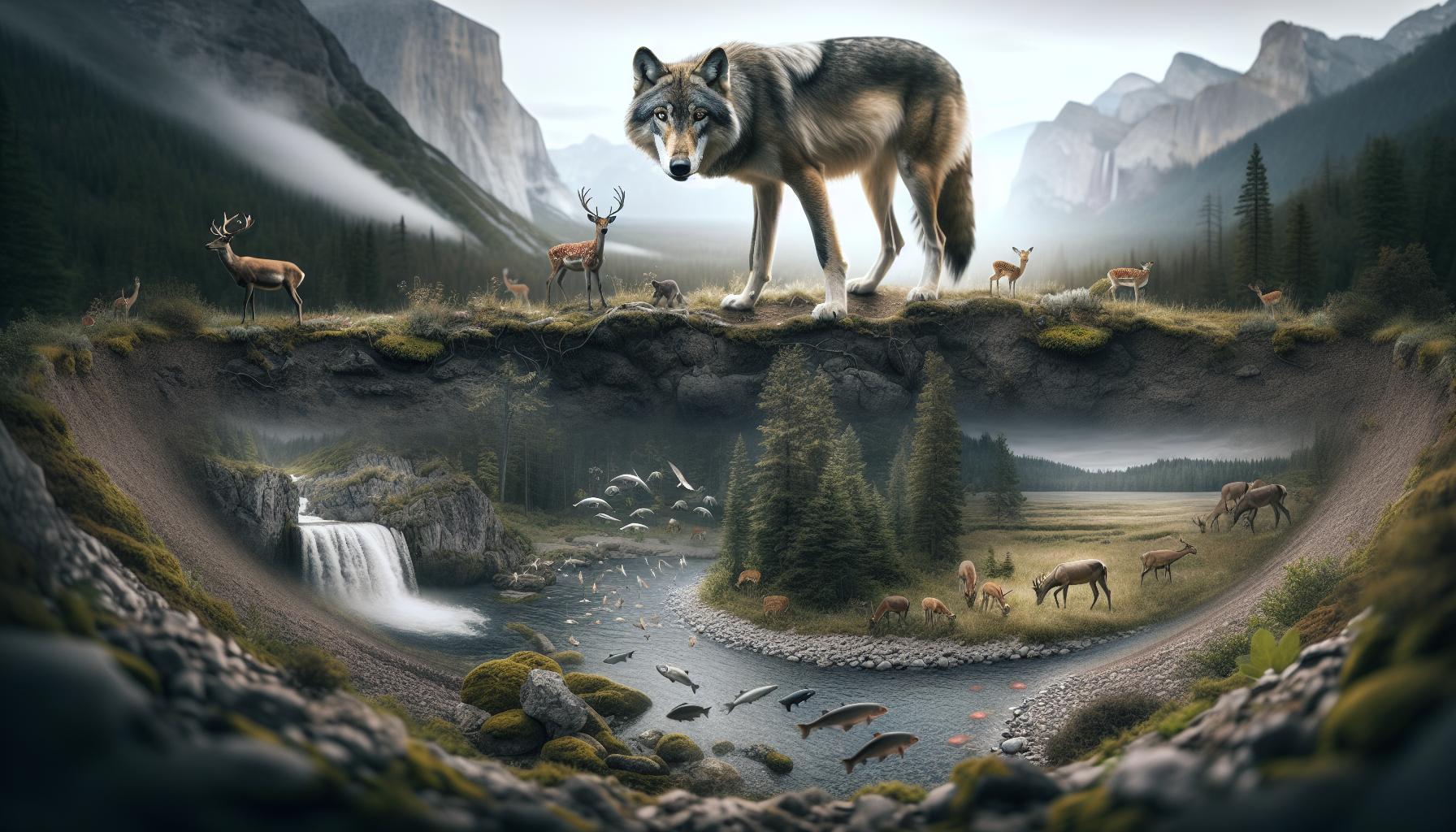
In the intricate web of nature, apex predators play a pivotal role in maintaining the balance of ecosystems, and monkeys are no exception to this dynamic. These skilled hunters, whether they leap through trees or soar overhead, are crucial in regulating monkey populations, thus ensuring a healthy balance among species. By preying on monkeys, these predators not only shape their behavior but also influence their habitat choices and social structures.
Apex predators, such as jaguars and leopards, demonstrate incredible adaptability that allows them to be effective hunters in varying environments. Their ability to climb and stalk means that monkeys must remain vigilant, often favoring denser foliage and higher altitudes to avoid detection. This constant threat of predation encourages monkeys to develop complex social structures, including the establishment of sentinel behaviors where certain troop members keep watch for danger, allowing others to forage more safely.
Birds of prey, like hawks and eagles, also contribute significantly to the predation of juvenile monkeys. Their sharp eyesight allows them to spot the slightest movement from above, making young or unwary monkeys vulnerable when they venture out of the protective cover of trees. The presence of these bird species can dictate the timing and area in which monkeys choose to feed and socialize, showcasing the direct impact that apex predators have on their daily lives.
Ultimately, the relationship between monkeys and their natural predators is a compelling example of survival, adaptation, and the delicate balance of nature. By understanding this relationship, we gain insights into the importance of preserving these apex predators, which are essential not just for controlling prey populations but also for maintaining the biodiversity and health of their habitats overall.
How Habitat Affects Monkey Predation

In the vast tapestry of the jungle, the habitat where monkeys live plays a crucial role in shaping their interactions with predators. For monkeys, their habitats are not just homes; they are arenas of survival filled with complex dynamics that influence the frequency and types of predators they encounter. Dense forests rich in foliage offer safety, allowing monkeys to navigate through trees where larger ground-based predators like jaguars are less able to reach. Conversely, open areas or habitats with sparse trees increase their vulnerability to a variety of predators, including birds of prey and ground mammals.
Monkeys typically thrive in tropical and subtropical environments, where lush canopies provide ample cover. For example, species like the howler monkey are often found in areas with thick foliage that allows them to reside high above ground, out of sight from climbing threats. In contrast, in regions where deforestation occurs, monkeys may be forced into smaller, fragmented habitats, making them more accessible to predators. The loss of tree cover not only removes their protective blanket but also disrupts their social structures, which are critical for alerting the troop to dangers.
The availability of food also directly affects how monkeys adapt to their predators. In areas with abundant food sources, monkeys may become more visible as they venture out to forage, drawing the attention of predators. In contrast, when food is limited, they may adopt more cautious behaviors, such as foraging closer to their sleeping sites or remaining in denser parts of trees to reduce their risk of predation. Understanding how habitat intricacies affect predator-prey relationships in monkey populations illuminates the delicate balance of ecosystems and emphasizes the need for habitat conservation to ensure these dynamic interactions remain intact.
Common Threats to Monkeys in the Wild
In the wild, monkeys face numerous threats that can significantly impact their survival and populations. One of the primary dangers comes from natural predators. Various big cats, such as jaguars and leopards, are adept at hunting monkeys, especially in dense forest habitats where they can stalk their prey. Birds of prey, like hawks and eagles, are also formidable adversaries, swooping down to snatch unsuspecting monkeys, particularly young ones, if they stray too far from the safety of the trees. Moreover, snakes, including constrictors and venomous species, pose another threat, often ambushing monkeys that come down to the ground.
Social structure plays a vital role in how monkeys defend themselves against these threats. Troops of monkeys communicate effectively; alarm calls can warn the entire group of an approaching predator. This cooperative behavior enhances their chances of escaping danger. For instance, species like the vervet monkey are particularly well-known for their sophisticated alarm calls, each tailored to a specific predator, allowing other troop members to react accordingly-be it to take cover from aerial threats or to flee from land predators.
However, the threats to monkeys extend beyond natural predation. Human activities are increasingly leading to habitat destruction, which not only reduces their safe spaces but also limits their access to food. Deforestation for agriculture or urban development means that monkeys may have to venture into less protected areas, making them more vulnerable to both natural predators and human-related threats, such as poaching or illegal wildlife trade. Furthermore, the encroachment of humans into their habitats can lead to direct confrontations, where monkeys sometimes become victims of retaliatory actions when they venture too close to human settlements in search of food.
Ultimately, understanding both the natural and human-induced threats that monkeys face is crucial for their conservation. Each monkey species exhibits behaviors adapted to mitigate these risks, yet the increasing pressures from habitat loss and human interaction highlight the need for effective conservation strategies to ensure their survival in the wild. By fostering awareness about these threats, we can help promote actions that protect these remarkable creatures and their ecosystems.
Behavioral Adaptations: How Monkeys Survive Predators
In the wild, survival is all about staying one step ahead of danger, and monkeys have evolved an impressive array of behavioral adaptations to evade their predators. One of the most fascinating aspects of their survival strategy lies in their complex social structures. For many species, like the vervet monkey, troops function as a cohesive unit that communicates through a sophisticated system of alarm calls. Each call serves a distinct purpose, alerting fellow monkeys to specific threats, such as an aerial predator like an eagle or a stealthy land predator like a leopard. This quick, collective response can mean the difference between life and death.
Vigilance and Habitat Use
Another key survival tactic is vigilant behavior. Monkeys spend significant parts of their day foraging for food, but they do so with acute awareness of their surroundings. For instance, while feeding, monkeys will often take turns watching for predators, ensuring that at least one member of the troop is on alert. This vigilance is heightened in risky areas, especially near water sources or in dense forest where ambush predators may lurk. Their preference for living in the trees also plays a critical role; by staying elevated, monkeys not only avoid many ground-based threats but also have the advantage of jumping to safety if danger approaches.
Camouflage and Physical Adaptations
Camouflage is another cunning strategy employed by monkeys. Their fur often blends seamlessly into the foliage, making it challenging for predators to spot them while they rest or move through the trees. Young monkeys are particularly adept at hiding, as their smaller size allows them to navigate through the thick branches where larger predators may struggle. Additionally, some monkeys exhibit agility and quick reflexes that enable them to escape swiftly, dodging and weaving through branches that might hinder a slower predator.
Group Defense and Escape Mechanisms
When faced with a direct threat, monkeys have developed defensive tactics as a group. They may band together to confront a predator aggressively or create diversions to lead threats away from vulnerable members. For example, some species may feign injury to distract larger predators, allowing the rest of the troop to escape. These high-stakes maneuvers showcase the remarkable collective intelligence of these animals and their instinctual drive to protect one another.
In the dynamic world of survival, these behavioral adaptations and social strategies exemplify how monkeys navigate the constant challenges posed by their predators. Understanding these intricate behaviors not only highlights the intelligence of these animals but also emphasizes the importance of preserving their habitats, where they can thrive and continue their fascinating evolutionary journey.
The Impact of Human Activity on Monkey Safety
The survival of monkeys is increasingly jeopardized by human activity, which has a profound impact on their safety and overall populations. As forests are cleared for agriculture, urbanization, and industrial development, monkeys lose their natural habitats and the complex ecosystems that sustain them. Deforestation not only reduces the space where monkeys can thrive but also fragments their habitats, making it difficult for them to migrate, find food, and form stable social groups. The pressures of habitat destruction and fragmentation are dire; species such as the critically endangered Sumatran orangutan and the howler monkey are prime examples of primate species facing significant threats due to human encroachment.
Pollution and climate change, driven by human actions, compound these challenges. For instance, monkeys often rely on clean water sources found in their natural environments. When rivers and streams become polluted from agricultural runoff or waste, the quality of life for nearby primate populations diminishes. Additionally, the effects of climate change can alter the landscapes in which these monkeys live, forcing them to adapt to new environmental stresses that they may not be equipped to handle.
Human-Wildlife Conflict
As human populations expand, conflicts between people and monkeys are becoming more common. Monkeys are often seen as pests, particularly in agricultural areas where they raid crops. This can lead to retaliatory actions from farmers, such as poisoning or culling, which further threatens monkey populations. Collaborative approaches, like educating farmers about coexistence strategies and promoting sustainable farming practices, can be effective in fostering a more harmonious relationship between humans and monkeys.
Conservation Efforts
Fortunately, various conservation efforts are underway to protect monkeys from the adverse effects of human activity. Organizations are working to establish protected areas and wildlife corridors that allow monkeys and other wildlife to safely navigate their landscapes. These initiatives not only help to safeguard monkeys from predators and human harm but also preserve the rich biodiversity of their habitats. Engaging local communities in conservation efforts, such as ecotourism, helps to create economic incentives for preserving wildlife rather than exploiting it.
In conclusion, while human activities pose significant risks to monkey safety, proactive measures focused on habitat protection, reducing conflict, and fostering community involvement in conservation can mitigate these threats. Understanding the interplay between human actions and monkey survival is critical for ensuring their future in the wild.
Monkeys vs. Other Species: Who Eats What?
In the wild, monkeys find themselves at the intersection of a complex food web, where they are both predators and prey. Despite their agility and intelligence, various species pose significant threats to monkey populations. Predators typically include large birds of prey, snakes, and carnivorous mammals, all of which have adapted hunting strategies to catch these nimble primates.
Many primates, especially smaller species, fall victim to birds such as eagles and hawks. These aerial hunters can swoop down with astonishing speed, employing acute eyesight to spot monkeys from great distances. Snakes, particularly large constrictors and venomous varieties, also pose a danger; they can ambush monkeys in trees or on the ground, using their stealth to launch a surprise attack. In addition to these avian and reptilian threats, carnivorous mammals, including leopards, jaguars, and even larger monkeys from different species, will target monkeys as a source of food.
Predation Patterns
Understanding how different species interact with monkeys can provide insights into survival tactics within their ecosystems. For instance, troop formations and vigilant behavior among monkey species serve as critical defenses against predation. Monkeys often take turns keeping watch, allowing the rest of the group to feed or rest. This cooperative vigilance strengthens their chances of escaping an ambush, showcasing their remarkable social structures that enhance survival.
- Birds of Prey: Eagles and hawks target smaller monkeys and infants.
- Snakes: Large constrictors can outmaneuver monkeys in trees.
- Carnivorous Mammals: Leopards and jaguars sometimes prey on juvenile and smaller monkeys.
Through these interactions, monkeys play a pivotal role in their ecosystems, contributing to the biodiversity of their habitats. Their presence influences the populations of both the plants they consume and the predators that pursue them. This equilibrium highlights the intricate relationships between species, where each one has adapted to not only survive but thrive within their ecological niches.
With the added pressures from human activity-such as habitat destruction and climate change-these predatory relationships become increasingly critical to monitor. Conservation efforts that aim to preserve both monkey habitats and the larger ecosystems they inhabit are vital to maintaining these natural balances. By raising awareness and taking action, we can help sustain the delicate interplay of life that allows monkeys, and many other species, to flourish.
Exploring the Relationship Between Monkeys and Their Ecosystem
In the intricate tapestry of the jungle, monkeys play a crucial role that extends far beyond simply being the prey of larger animals. These agile primates are not just victims of their environment; they are integral participants in their ecosystems, influencing a variety of natural processes. For instance, monkeys help control fruit and seed populations, ensuring a balance that allows flora to thrive, which in turn supports various species, including their natural predators.
When considering the relationship between monkeys and their ecosystem, it’s important to highlight their role as both prey and social creatures. Their behavior reflects a fascinating adaptation to predation pressures. Many monkey species live in troops, providing collective vigilance against threats from eagles soaring above and leopards lurking below. This cooperative living arrangement not only enhances their chances of survival but also fosters social bonds that are essential for raising young and maintaining group cohesion. By notifying each other of potential dangers, monkeys increase the likelihood of escape, showcasing an intelligent response to predation.
Additionally, the plant consumption habits of monkeys have a ripple effect on the environment. By dispersing seeds through their droppings, they assist in the regeneration of forests, which benefits their habitat and the countless other species that inhabit it. This ecological function underscores the symbiotic relationships in nature-monkeys rely on trees for food and shelter, while those very trees depend on monkeys for their propagation.
Yet, this delicate balance is threatened by human activities. Deforestation and habitat fragmentation not only reduce the available space for monkeys but also alter the dynamics between them and their predators. Conservation efforts aimed at protecting monkey habitats are crucial for maintaining the overall health of ecosystems. By understanding the multifaceted relationships between monkeys, their predators, and their environment, we can appreciate the importance of preserving these irreplaceable species and the roles they play in the natural world.
How Climate Change Influences Monkey Predators
As the climate shifts, so too do the relationships between monkeys and their natural predators. Changes in temperature, rainfall patterns, and extreme weather events can have profound effects on the delicate balance of ecosystems where these primates reside. For instance, warmer temperatures can lead to the migration of apex predators, such as big cats and birds of prey, into areas previously occupied by monkeys, putting additional pressure on their populations.
When habitats become fragmented due to climate change, monkeys may find themselves more exposed to predators. For example, as forests thin out or shift due to changing climates, monkeys must traverse open areas where they are vulnerable to hunting by both natural predators and humans. Increased competition for resources-like food and shelter-can also arise, as both monkeys and their predators are forced into closer proximity due to a shrinking habitat.
Moreover, climate change can disrupt the food supply for both monkeys and their predators. If fruit trees bloom earlier or later than usual due to climatic shifts, the timing of food availability may not align for all the species in the ecosystem. This misalignment can lead to starvation for some predators, which may increase their aggression or force them to seek new prey, including monkeys.
In the broader picture, climate change has the potential to alter the entire landscape of monkey predation. Conservation efforts that address climate resilience-protecting forests, restoring habitats, and maintaining biodiversity-are essential to ensure that monkeys can adapt to these changes while minimizing their exposure to predators. By understanding how climate influences these interactions, we can advocate for and implement strategies that safeguard both monkeys and their ecosystems.
Conservation Efforts to Protect Monkeys from Threats
To ensure the survival of monkeys amidst growing threats, various conservation efforts are actively being implemented around the globe. These initiatives not only aim to protect these fascinating primates from natural predators but also address human-induced dangers that compromise their habitats and safety. With many monkey species facing population declines, concerted action is essential for their future.
One of the foremost strategies is habitat conservation. Preserving and restoring forests where monkeys thrive helps reduce their exposure to both natural predators and human encroachment. For instance, organizations like the World Wildlife Fund (WWF) work tirelessly on reforestation projects that create safe corridors for monkeys, allowing them to move freely and access resources without the looming threat of predators. These corridors play a crucial role in maintaining genetic diversity, which strengthens overall population resilience.
Additionally, community-based conservation programs involve local populations in the efforts to protect monkey habitats. By engaging with indigenous communities, conservationists can foster a sense of stewardship over natural resources, encouraging sustainable practices that benefit both people and wildlife. Educational programs that emphasize the ecological importance of monkeys help shift public perception, turning potential threats into allies. For example, eco-tourism initiatives not only provide economic benefits to local communities but also promote the protection of monkey populations by raising awareness about their plight.
Legislation and Protection are also vital components of conservation efforts. Many governments have established protected areas where hunting and habitat destruction are restricted. Laws aimed at reducing bushmeat hunting, which is a significant threat to monkey populations, have been enacted in various countries. Enforcement of these laws, combined with anti-poaching patrols, is crucial for the success of these protective measures.
In summary, the conservation landscape for monkeys combines habitat restoration, community involvement, and robust legal frameworks to mitigate threats. By implementing proactive strategies and promoting awareness, we pave the way for a future where monkeys can thrive in harmony with their ecosystems, free from the pressures of predation and human activity. Each of us can contribute to these efforts, whether through supporting conservation organizations, engaging in responsible tourism, or simply spreading the word about the importance of protecting our primate relatives. Together, we can help ensure that these incredible creatures continue to swing through the trees for generations to come.
The Role of Zoos and Sanctuaries in Monkey Safety
When it comes to ensuring the safety of monkeys, zoos and sanctuaries play a crucial role as both havens and advocates for these remarkable creatures. While natural predators present a significant threat in the wild, the structured environments of zoos and sanctuaries help mitigate these dangers, providing monkeys with a safe space to thrive. These facilities are designed to replicate natural habitats, allowing monkeys to engage in instinctual behaviors while being sheltered from external threats.
Zoos often participate in breeding programs aimed at increasing the populations of endangered monkey species. Such programs, coupled with stringent regulations on animal care, help ensure that monkeys in captivity not only survive but also flourish. For instance, facilities may focus on the care of specific species like the critically endangered Sumatran orangutan or the playful lion-tailed macaque by providing enrichment activities that stimulate their natural instincts. In doing so, zoos effectively contribute to biodiversity conservation efforts by acting as genetic repositories for these species.
Sanctuaries, on the other hand, specialize in taking in monkeys that have been rescued from unfavorable conditions such as illegal pet trades or laboratory testing. These facilities prioritize rehabilitation and provide a permanent, safe environment where monkeys are free to form natural social structures. The focus is on the monkeys’ psychological well-being, often incorporating enriched habitats that mimic their natural surroundings, which helps reduce stress and encourages natural behaviors. This not only enhances their quality of life but also educates visitors about these primates’ needs and the challenges they face in the wild.
Engagement and education are also significant components of zoos and sanctuaries’ mission. By offering educational programs, partnerships with schools, and informative exhibits, these institutions raise awareness about the threats monkeys face-from habitat destruction to hunting by apex predators. Through these efforts, they empower visitors to contribute to conservation goals and foster a sense of responsibility for the protection of wildlife. With every ticket sold, donations made, and story shared, zoos and sanctuaries are championing the cause of monkey safety, advocating for more humane treatment, and inspiring actions that extend far beyond their walls.
Debunking Myths: What You Didn’t Know About Monkey Predators
From the treetops to the forest floor, monkeys face a variety of natural predators that can surprise many. While we often picture large cats or birds of prey as the main threats, the reality is more complex. Various animals, including snakes, crocodiles, and even other primates, may feast on monkeys depending on the environment and species. Understanding these predators can help debunk some common myths surrounding monkey predation.
One prevalent myth is that monkeys are solely preyed upon by large carnivores. In truth, monkeys have a range of natural enemies. For instance, smaller snakes like the bushmaster or even larger constrictors are adept at ambushing young monkeys. Birds of prey, such as eagles or hawks, can swoop down on unsuspecting individuals resting in trees. Additionally, in some regions, certain primate species may prey on smaller monkeys, showcasing the intricate food webs within ecosystems.
Another misconception is that all monkeys are equally at risk from predators. The fact is, many monkey species have developed unique adaptations that enhance their survival. For example, howler monkeys are known for their loud calls that can deter certain predators from approaching. Other species might rely on agility and group dynamics for protection, using looks-outs to warn of approaching threats.
The impact of human activity adds another layer to the predator-prey dynamic. Deforestation reduces habitat, pushing monkeys closer to human settlements where domestic animals might pose additional threats. Moreover, illegal hunting significantly increases the risk for certain monkey populations. As conservation efforts continue, recognizing these threats is crucial for understanding and improving monkey safety in the wild.
Embracing a broader perspective on monkey predation not only enriches our knowledge of wildlife but also highlights the importance of preserving their habitats. By acknowledging the various threats faced by monkeys, we can better contribute to their conservation and welfare initiatives.
FAQ
Q: What are the main predators of monkeys?
A: Monkeys face threats from various natural predators, including large birds of prey like hawks and eagles, carnivorous mammals such as jaguars and leopards, and reptiles like snakes. Each predator targets different monkey species depending on size and habitat, highlighting the complex food chain in their ecosystem.
Q: How do monkeys avoid becoming prey?
A: To evade predators, monkeys have developed several behavioral adaptations. These include living in groups for safety, using alarm calls to warn others of dangers, and exhibiting camouflage in their habitats. Understanding these behaviors can provide insight into monkey survival strategies.
Q: Are humans considered predators of monkeys?
A: Yes, humans pose significant threats to monkeys, often acting as predators through hunting, habitat destruction, and the illegal wildlife trade. Conservation efforts are crucial to counteract these human impacts and protect monkey populations.
Q: What impact does habitat loss have on monkey predators?
A: Habitat loss affects not only monkeys but also their predators. As natural habitats are destroyed, predator populations may decline due to lack of food, which can lead to altered predator-prey dynamics, adversely affecting both species’ survival.
Q: How does climate change affect monkey predators?
A: Climate change can lead to shifts in habitat and food availability for both monkeys and their predators. Changes in weather patterns can alter predator behaviors and increase competition for resources, posing new threats to monkey populations.
Q: What other species prey on monkeys?
A: Besides natural predators, some larger animals, like crocodiles and certain big cats, will opportunistically prey on monkeys. This diverse array of predators reflects the variety of ecological niches monkeys occupy.
Q: How do young monkeys protect themselves from predators?
A: Young monkeys often rely on their mothers for protection and learn to observe and respond to danger through imitation. They may hide in trees or stay close to adults to minimize the risk of predation.
Q: What role do zoos play in protecting monkeys from predators?
A: Zoos provide a safe environment for monkeys, protecting them from natural predators and human threats. They also engage in conservation breeding programs aimed at preserving endangered species and educating the public about monkey safety and preservation.
To Wrap It Up
As we’ve explored, monkeys face a variety of natural predators and threats that play a crucial role in their ecosystems. Understanding these challenges not only highlights the resilience of these fascinating creatures but also underscores the importance of conservation efforts to protect them. Ready to dive deeper? Discover more about their habitat and the intriguing behaviors that help them survive in the wild by visiting our articles on monkey habitats and their social structures.
Don’t forget to subscribe to our newsletter for the latest updates on wildlife conservation and to learn more about the incredible species sharing our planet. Your engagement matters! Share your thoughts in the comments below or check out our related content on wild animal threats to further your knowledge. Together, we can ensure a brighter future for monkeys and other extraordinary wildlife!
Get our latest guides, news, and insights highlighted in your Google Search & AI Overviews.