
If you’ve ever dreamed of having a pet monkey, you’re not alone! These intelligent and playful creatures can seem like the perfect companion. However, before you take the plunge, it’s crucial to understand the legal landscape surrounding pet monkeys in California. The state has specific laws regulating the ownership of exotic animals, including primates, which can impact your ability to care for these fascinating companions. In this article, we’ll explore the legality of owning a monkey in California, discuss the reasons behind these regulations, and help you navigate the responsibilities that come with such extraordinary pets. Dive in to find out if a pet monkey is a dream within reach or a fantasy best left behind!
Is It Legal to Own a Pet Monkey in California?
In California, owning a pet monkey is largely illegal, a stance rooted in the state’s strict laws governing exotic animals. The California Fish and Game Code prohibits the possession of wild animals that are not typically domesticated, including monkeys. This legal framework aims to protect both the welfare of these complex creatures and the safety of animal owners and the public. If you’re fascinated by primates, it’s important to understand that monkeys require specialized care, substantial socialization, and proper environments that mimic their native habitats, which can be difficult to replicate in a typical home setting.
Certain species, such as the capuchin and macaque, are noted for their intelligence and social nature, making them desirable as pets. However, their behavioral needs are demanding; without proper stimulation or companionship, monkeys can develop destructive habits and exhibit stress-induced behaviors. This typically leads to challenges for owners, and many find they are unable to meet the social and environmental needs of their pet over time. Instead of attempting to own a monkey, consider supporting conservation efforts or visiting sanctuaries where these animals are cared for in environments that cater to their needs.
If you’re an enthusiast, take some time to research and respect local laws about exotic pets. Responsible ownership in this context means advocating for the well-being of wildlife and understanding the implications of exotic animal care. For alternatives that offer a similar connection to nature, consider volunteering at wildlife rescue organizations or engaging with educational programs focused on conservation, which can offer enriching experiences without the challenges that come with owning an exotic pet.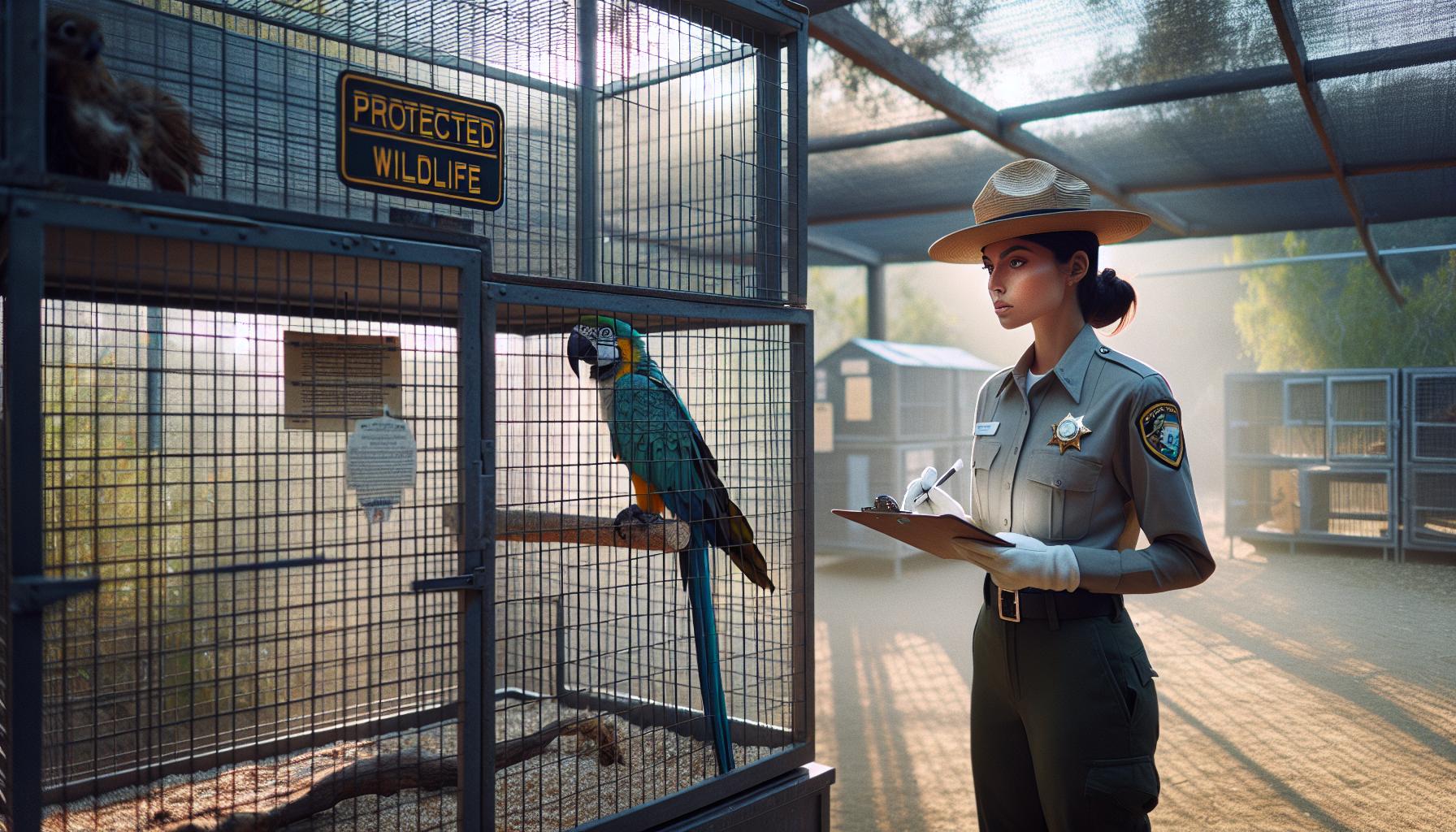
Understanding California’s Exotic Animal Laws
In the Golden State, the allure of having a pet monkey may spark curiosity, but the reality is that California’s laws strictly prohibit such ownership. The California Fish and Game Code is clear-any wild animal that is not classified as domesticated, including monkeys, is generally illegal to own. This legal framework is designed not only to safeguard the complex welfare needs of these intelligent creatures but also to protect public safety and preserve ecological integrity.
California’s regulations reflect a broader commitment to responsible pet ownership and conservation. For those considering the appeal of a monkey as a pet, understanding the care requirements is crucial. Monkeys, such as capuchins and macaques, are social beings that thrive in environments rich with interaction and stimulation. They possess behaviors and needs that are challenging to meet in captivity, leading to issues like anxiety and frustration if they’re not provided with sufficient socialization and space. These considerations underscore why the state has put such rigorous laws in place.
Moreover, violating these laws can lead to significant legal complications, including fines and potential confiscation of the animal. Instead of attempting to navigate the challenges of keeping a monkey, many enthusiasts find fulfillment by engaging with wildlife through responsible avenues, such as supporting rehabilitation centers or learning more about conservation efforts. This way, individuals can appreciate these amazing animals while respecting their natural behaviors and habitats-creating a win-win for both humans and wildlife.
Common Types of Pet Monkeys and Their Behaviors
In the world of exotic pets, monkeys hold a unique appeal. These highly intelligent and social animals, like capuchins, macaques, and squirrel monkeys, can seem like delightful companions. However, potential owners should be aware of their specific behaviors and needs, which often make them unsuitable for domestic life. Understanding these characteristics is crucial in recognizing why California has strict laws regarding monkey ownership.
Capuchin monkeys, for instance, are known for their playful and curious nature. They are highly social and require interaction with both their environment and other beings. These monkeys thrive in groups and can become distressed if kept alone. Their intelligence is remarkable; they can learn tricks and even use tools. Yet, without proper socialization and stimulation, they may develop behavioral issues, such as excessive vocalization or aggression.
Macaques, on the other hand, are larger and exhibit more complex social hierarchies. They are often more prone to aggressive behaviors, especially when they feel threatened or if their social structures are disrupted. Living with a macaque requires extensive experience and commitment, as they need constant mental and physical engagement. Squirrel monkeys, though smaller and sometimes viewed as more manageable, still possess robust social needs and require an enriching environment to prevent boredom and stress.
When considering the prospect of sharing your life with a monkey, it’s vital to reflect on the extensive care required to meet their needs. Providing for a monkey’s emotional health involves understanding their social behaviors and ensuring they are not isolated. Engaging with wildlife or supporting conservation efforts can be a fulfilling alternative, allowing you to appreciate these fascinating animals while respecting their complex behaviors and natural habitats. By doing so, we not only protect the animals but also contribute to a broader understanding of their roles in ecosystems.
Legal Consequences of Owning a Monkey in California
In California, the allure of owning a pet monkey is often overshadowed by stringent laws and regulations designed to protect both the public and the animals themselves. While the notion of having such an exotic pet might seem exciting, potential owners face serious legal consequences if they fail to comply with local and state regulations. In essence, owning a monkey in California is not straightforward and can lead to significant penalties.
The state classifies monkeys as “restricted species” under the California Code of Regulations. As a result, owning a monkey without the appropriate permits is illegal. Violators can face hefty fines, confiscation of the animal, and potentially even criminal charges. Actions like keeping a primate without a license can result in fines ranging from hundreds to thousands of dollars, plus potential legal costs associated with animal rescue operations.
If you’re considering diving into the world of primate ownership, having the proper permits and licenses is crucial. The California Department of Fish and Wildlife oversees these permits, which can be quite challenging to obtain. Applicants must demonstrate considerable knowledge of the specific species they wish to keep, along with plans for their care and habitat. Meetings various requirements isn’t just bureaucratic red tape; it’s a measure designed to ensure that both animals and owners can thrive in a safe environment.
Given these legal hurdles, many prospective monkey owners are advised to explore alternatives to keeping a monkey as a pet. Local wildlife sanctuaries or volunteering opportunities can provide fulfilling ways to interact with these fascinating creatures, without the legal risks or ethical dilemmas involved in private ownership. Additionally, advocating for conservation causes and learning about primate behavior in their natural habitats can offer rewarding experiences that enrich your connection to wildlife while respecting their complex social structures.
Permits and Licensing Requirements for Pet Monkeys
In California, the dream of having a pet monkey can quickly become a daunting challenge, largely due to the complex web of permits and licensing requirements set forth by state regulations. Monkeys are classified as “restricted species,” meaning individuals must navigate specific legal pathways before considering ownership. One might think that with enough determination, anyone could own a monkey, but in reality, the permits required serve as a protective measure for both the animal and the community.
To begin the process of obtaining a permit, you’ll need to contact the California Department of Fish and Wildlife (CDFW), which manages the applications for exotic animal ownership. Prospective owners must demonstrate a comprehensive understanding of the species they intend to keep. This involves not only showcasing knowledge about the monkey’s diet, habitat, and social needs but also providing a detailed plan for their care. It’s not just about fulfilling a checklist; the CDFW is keen on ensuring that the animal will have a suitable environment and that the owner is prepared for the long-term commitment.
The hurdles don’t stop at knowledge. Financial investment is substantial. The costs can vary widely based on the species of monkey, potential veterinary needs, and the appropriate habitat setup, often requiring thousands of dollars. Moreover, there are strict requirements regarding the enclosure, dietary necessities, and social companionship for these social animals. As part of the licensing process, you may also need to comply with inspections or renew permits periodically to maintain compliance with state laws.
Ultimately, obtaining these permits isn’t merely a bureaucratic procedure; it’s a vital step intended to promote responsible ownership and prevent the potential negative consequences of keeping such intelligent and complex creatures. If the challenges of permits seem overwhelming, consider focusing on community education or supporting wildlife organizations that protect primates in their natural habitats. Engaging in responsible wildlife appreciation is a rewarding alternative that can also enrich your understanding of these remarkable animals.
Alternatives to Keeping a Monkey as a Pet
The complexities of owning a monkey as a pet in California often lead many potential owners to seek out other fulfilling alternatives. Instead of navigating the legal labyrinth and the immense responsibilities that come with keeping a primate, consider exploring animals that require less stringent regulations and provide plenty of companionship.
Companion Animals: One wonderful alternative is adopting a dog or cat. These pets are not only social and loving, but they also have well-established care practices, making it easier for first-time pet owners. Dogs, for instance, offer loyalty and an active play companion, while cats provide affectionate companionship with lower maintenance needs. Engaging in animal rescue can also be a rewarding experience, allowing you to give a home to pets in need.
Involvement with Wildlife Conservation
If you’re passionate about primates, another way to connect with these fascinating creatures is to engage with wildlife conservation programs. Many organizations focus on primate rescue and rehabilitation, offering opportunities to volunteer or support their efforts through donations. By participating in these initiatives, you can contribute to their well-being and preservation without the complexities of pet ownership.
Educational Experiences: Additionally, attending educational programs at local zoos or wildlife centers can satisfy your curiosity about monkeys and other exotic animals. These programs often provide insights into their behaviors, habitats, and conservation needs while allowing you to learn from experts in the field. You may even consider becoming a member of conservation societies that focus on protecting primate habitats, giving you a chance to make an impact.
Ultimately, while the idea of having a monkey may be alluring, there are countless ways to appreciate and engage with the animal kingdom responsibly. By opting for alternatives that promote conservation and responsible pet ownership, you can enjoy the companionship of animals or support their habitats without the significant legal and ethical burdens associated with private ownership of exotic pets.
Expert Opinions: The Ethics of Monkey Ownership
Owning a pet monkey may seem like an exciting and unique choice, but the ethical implications often weigh heavily on the minds of animal experts and enthusiasts alike. Monkeys, as highly intelligent and social creatures, have complex needs that are often difficult to meet in a home environment. Responsible ownership requires understanding their natural behaviors and habitats, and replicating these conditions is a significant challenge. Unlike domesticated pets, monkeys are not bred to thrive in human homes; rather, they are wild animals with intricate social structures and specific environmental requirements.
Many animal welfare advocates contend that keeping a monkey as a pet can lead to a range of ethical dilemmas. Primates are prone to stress and behavioral issues when their social and environmental needs are not met, potentially resulting in aggression or anxiety. Such challenges are compounded by the reality that most individuals lack the expertise and resources necessary to care for a monkey properly. In fact, some species are known to become destructive if they become bored or stressed, which can lead to situations where the animal might be rehomed or, worse, abandoned. The psychological well-being of these animals is paramount, and the consensus among many experts is that they often fare better in sanctuaries or habitats designed to closely mimic their natural environments.
Moreover, the impact of private ownership on wild populations cannot be overlooked. The demand for pet monkeys can contribute to illegal wildlife trade and habitat destruction, threatening their populations in the wild. Ethical ownership should consider not only the needs of the pet but also the broader implications for species conservation. Many experts advocate instead for supporting conservation efforts and rescue organizations that work tirelessly to protect wild primate habitats while providing care for those in need.
Ultimately, while the allure of exotic pets like monkeys may be strong, the ethical considerations highlight the importance of informed, compassionate choices. Engaging with primates through responsible means-like visiting sanctuaries, participating in conservation efforts, or simply enjoying documentaries about them-can foster a deeper understanding and appreciation of these incredible animals without compromising their well-being. By choosing to respect their needs and habitats, pet enthusiasts can contribute positively to the lives of primates rather than navigating the complex, often fraught landscape of ownership.
Care Needs and Habitat for Pet Monkeys
For anyone considering the challenges of caring for a pet monkey, it’s crucial to understand their unique needs and the environments in which they thrive. Monkeys, like the capuchin or macaque, are distinctly social animals that require a lifestyle that mimics their natural habitats to ensure their mental and physical well-being. These are not animals that can simply adapt to a standard home environment; rather, they need expansive areas to move, explore, and interact with others of their kind.
Monkeys require substantial physical space-ideally, an outdoor enclosure that includes climbing structures, branches, and foliage to simulate their natural climbing and foraging behavior. A spacious indoor area is also essential for bad weather, equipped with safe toys and enrichment artifacts that encourage natural behaviors. It’s worth noting that confinement can lead to stress and behavioral issues such as aggression or self-destructive habits. The social structure of monkey groups is intricate; they thrive in a social setting where they can engage and communicate, so it’s often recommended to keep them in pairs or groups, although this introduces additional complexities to their care.
Furthermore, their dietary needs are quite specialized. Monkeys require a balanced nutrition that could include fruits, vegetables, and specially formulated primate diets to ensure they receive the necessary vitamins and minerals. Regular veterinary care is vital, given their susceptibility to various health issues, which can arise from improper diet, lack of social interaction, or inadequate stimulation.
The responsibility extends well beyond feeding and housing; potential owners should also consider the long-term commitment. Monkeys can live for 20 years or more in captivity, meaning their care requirements will evolve over time as they age. Understanding these fundamental care needs is essential for anyone contemplating bringing a monkey into their home. With these insights, it’s clear that the decision to own a monkey should not be taken lightly, recognizing both the incredible joys and responsibilities it entails.
Impact of Pet Monkeys on Wild Populations
The exotic pet trade has profound implications for wild monkey populations around the globe. As demand grows for pet monkeys, this vibrant but increasingly threatened group of animals faces significant challenges. In their natural habitats, monkeys play vital roles in maintaining the ecological balance, such as seed dispersal and forest regeneration. However, removing them from the wild disrupts these systems and threatens their survival.
When monkeys are captured for the pet trade, it often leads to devastating consequences for their populations. Many species face habitat destruction and fragmentation, making it difficult for their natural populations to recover. For instance, a study from the World Wildlife Fund indicated that in regions where monkeys are commonly poached for pets, there is a notable decline in local populations, pushing some species closer to extinction. Captive breeding is rarely a solution; it does not adequately replicate the natural conditions needed for healthy reproduction and can result in behavioral changes that make reintroduction to the wild difficult.
In California, where the laws regarding pet ownership are particularly stringent, the implications of wildlife trade extend beyond state lines. The illegal sale of monkeys not only undermines local laws but also contributes to a global problem. Animals in captivity often suffer from stress and health issues, further exacerbating the impact on wild counterparts when demand rises. Responsible ownership is crucial, which means acknowledging that keeping a monkey as a pet is not just a personal choice; it’s a decision that echoes in the wider community of wildlife conservation.
Understanding the impact of domestic pet monkeys on wild populations calls for informed choices. Instead of adding a monkey to your family, consider adopting local pets or supporting conservation efforts that protect monkeys in their natural environments. Awareness is key, and fostering an appreciation for these animals in the wild can lead to more significant support for their preservation. Remember, caring for wild animals in a non-native habitat is not only challenging but also contributes to the broader ecological crisis affecting these species.
Cultural Perspectives: Monkeys in Popular Media
Monkeys have captivated human imagination for centuries, featuring prominently in films, television shows, and literature. This fascination often leads to unrealistic expectations about what it means to have a monkey as a pet. Cultural representations frequently portray them as amusing, playful companions that embody human traits, which can be misleading. Iconic examples include characters like Abu from Disney’s Aladdin and the mischievous monkey from Night at the Museum. These portrayals gloss over the complex needs and behaviors of real monkeys, contributing to a romanticized view of pet ownership that fails to consider the animal’s natural behavior and welfare.
In reality, monkeys are highly social and intelligent animals that thrive in environments that mimic their natural habitats, which can be challenging to recreate at home. Their needs for extensive social interaction, mental stimulation, and specialized diets are often overlooked in popular media. Viewers or readers may be left with the impression that owning a monkey is a whimsical endeavor rather than one that requires serious consideration and commitment. This gap in understanding reflects the broader issue of exotic pet ownership and its implications.
The excitement surrounding monkeys in popular culture can lead to increased demand for them as pets, particularly among those who may not be fully informed about the legal and ethical complexities of monkey ownership. In California, the stringent regulations surrounding the ownership of exotic pets stem from concerns over animal welfare, public safety, and conservation. Media portrayals that bring monkeys into the limelight may inadvertently encourage people to overlook these realities. It’s crucial to balance the enjoyment of these captivating characters with an understanding of their true nature and the responsibilities associated with their care.
For those considering adding any type of exotic pet to their lives, including monkeys, it’s essential to seek factual information and reflect on the ethical implications. Engaging in discussions about responsible ownership and conservation can help shift the narrative from mere entertainment to a deeper respect for wildlife. By promoting awareness through education, we can foster a culture that appreciates monkeys in their natural environments, ensuring they remain where they belong: in the wild.
Resources for Responsible Exotic Pet Ownership
To truly appreciate the complexities of exotic pet ownership, particularly regarding monkeys in California, it’s essential to equip yourself with the right resources and knowledge. Monkeys are not your average pets; they are social, intelligent creatures that require a significant commitment. Before considering ownership, understanding your responsibilities as an owner is crucial.
Key Resources for Responsible Ownership:
- State Regulations: Familiarize yourself with California’s Department of Fish and Wildlife regulations concerning exotic animals. These laws are designed to protect both the animals and the public. Specific guidelines regarding permits, ownership restrictions, and consequences for illegal ownership can be found on their official website.
- Animal Welfare Organizations: Reach out to organizations such as the American Society for the Prevention of Cruelty to Animals (ASPCA) or the Humane Society. They often provide educational materials about the care needs and ethical considerations of owning exotic pets.
- Veterinary Experts: Consulting with a veterinarian who specializes in exotic pets is vital. They can guide you on diet, health care, and the specific needs of monkeys to ensure their well-being.
- Community Support: Look for local networking groups or online forums dedicated to exotic pet ownership. Engaging with experienced owners can offer valuable insights and support as you navigate the complexities of responsible pet care.
Additionally, consider educating yourself on ethical wildlife conservation practices. As you research, think about how your ownership can impact wild populations. By fostering a respectful understanding of animals in their natural habitats, you contribute to their preservation rather than their exploitation.
Take the time to reflect on whether pet ownership aligns with your lifestyle and capabilities. Monkeys thrive in environments that promote their social and physical well-being. If you find that you cannot meet these demands, consider supporting wildlife sanctuaries or rehabilitation centers instead. These organizations often rely on donations and volunteers to care for animals in need, allowing you to make a positive impact without the complexities of ownership.
Faq
Q: Is it legal to own a monkey in California?
A: No, it is illegal to own a monkey as a pet in California. The state has strict laws regulating the possession of exotic animals, including primates, which are classified as non-domestic animals. For more details, refer to the section on California’s Exotic Animal Laws in our article.
Q: What permits are needed to own a monkey in California?
A: California does not issue permits for owning monkeys, as they are prohibited. Therefore, no licenses or permits are necessary or available for pet monkeys. Understanding the legal framework is essential, as highlighted in our segment on Permits and Licensing Requirements for Pet Monkeys.
Q: What are the penalties for illegally owning a monkey in California?
A: Penalties for owning a monkey can include hefty fines, confiscation of the animal, and even criminal charges. The seriousness of the violation can lead to legal repercussions. For more on this, check the section covering Legal Consequences of Owning a Monkey in California.
Q: Are there exceptions to the laws regulating pet monkeys in California?
A: No, there are no exceptions in California law that allow for the private ownership of monkeys. Special permits are not granted under any circumstances for personal pet ownership. Detailed insights can be found in our article’s Understanding California’s Exotic Animal Laws section.
Q: Can I adopt a monkey from a sanctuary in California?
A: No, you cannot adopt a monkey from a sanctuary in California for private ownership. Sanctuaries are intended for rehabilitation and protection of the animals, not for adoption. Learn more about ethical considerations in our Expert Opinions: The Ethics of Monkey Ownership section.
Q: What types of primates are commonly kept as pets outside California?
A: Common pet primates include capuchins, macaques, and tamarins, but ownership varies significantly by state. Each has unique care needs and behavioral traits. If you’re exploring alternatives to monkeys, visit our section on Alternatives to Keeping a Monkey as a Pet.
Q: Why are monkeys considered dangerous as pets?
A: Monkeys are considered dangerous due to unpredictable behaviors, bonding challenges, and potential aggression. They require specialized care that many owners cannot provide. For more on their care needs and behaviors, see the Common Types of Pet Monkeys and Their Behaviors section in our article.
Q: What are responsible alternatives to keeping monkeys as pets?
A: Responsible alternatives include adopting domesticated animals like dogs or cats, or supporting wildlife sanctuaries. These options provide companionship without the complexities of exotic pet ownership. Explore more about responsible ownership in our Resources for Responsible Exotic Pet Ownership section.
The Conclusion
Thanks for diving into our exploration of the laws surrounding pet monkeys in California! As we’ve seen, owning an exotic pet like a monkey comes with significant responsibilities and legal considerations. If you’re still pondering whether this is the right choice for you, check out our articles on “What You Need to Know About Exotic Pet Care” and “Understanding California’s Animal Laws” for more vital insights.
Don’t miss out on staying updated! Sign up for our newsletter for tips and expert advice on pet ownership and wildlife conservation. Have questions or experiences to share? We’d love to hear from you in the comments! Continue your journey with us in the fascinating world of wildlife, and remember-responsible ownership begins with informed decisions. Join our community today!
Get our latest guides, news, and insights highlighted in your Google Search & AI Overviews.