Marmosets are not just adorable pocket-sized primates; they are also captivating pets that require special care and commitment. So, how much does owning a marmoset monkey really cost? Beyond the initial purchase price, you’ll need to consider ongoing expenses for proper care, including diet, habitat, and veterinary visits. Understanding these factors is crucial for anyone thinking about bringing one of these charming creatures into their home.
In this article, we’ll explore the average costs associated with marmosets, how their unique needs affect your budget, and essential tips for responsible ownership. Join us as we dive into what it takes to keep these lively little monkeys happy and healthy-because even small pets can have big demands!
Cost of Buying a Marmoset Monkey: Initial Investment
When considering a marmoset monkey as a pet, one of the first things to contemplate is the financial commitment. The initial investment for a marmoset can range substantially, typically between $1,500 to $3,000. This price can vary based on factors such as the monkey’s age, breed, and lineage. For instance, exotic types like the common marmoset or the finger monkey might command higher prices due to their popularity among pet owners.
Beyond the purchase price, potential owners should also factor in the setup costs for a proper habitat. Marmosets require spacious cages with climbing opportunities, which can cost anywhere from $300 to $1,000. Additionally, you’ll need to invest in essential supplies such as bedding, food dishes, toys, and enrichment items to keep your new companion mentally stimulated. It’s wise to budget around $100 to $200 for initial supplies.
Don’t forget about the potential costs for legal compliance as well. Some states require permits for marmoset ownership, which can come with application fees. It’s essential to do your research based on your location to avoid any unexpected legal expenses. Ultimately, while the initial investment in a marmoset monkey can be significant, understanding these costs upfront can help prospective owners prepare for the responsibilities that come with these vibrant and affectionate creatures.
Ongoing Care Costs for Marmoset Monkeys
Owning a marmoset monkey can be an incredibly rewarding experience, but it comes with ongoing care costs that potential owners should be fully aware of. Every year, you can expect to allocate a budget for food, enrichment, health care, and habitat maintenance. These costs not only ensure your marmoset thrives but also enrich their quality of life, keeping them happy and healthy.
Food and Nutrition
A proper diet is fundamental for your marmoset’s health. These little primates have specific dietary needs, primarily consisting of fresh fruits, vegetables, and specially formulated marmoset pellets. On average, food expenses can range from $30 to $60 per month. Including additional treats like insects, nuts, and fortified powdered foods can further ensure a balanced diet, potentially increasing costs in the long run.
Health Care
Veterinary care is another critical aspect of marmoset ownership. Regular check-ups, vaccinations, and potential emergency visits should be factored into the budget. You might find yourself spending about $200 to $400 annually on routine veterinary care. Additionally, due to their delicate health, marmosets can be prone to certain conditions, which may escalate medical bills if treatment is needed. This makes pet health insurance a worthy consideration for many owners.
Enrichment and Supplies
Marmosets are social animals that thrive on physical and mental stimulation. Regularly updating their toys, climbing structures, and enrichment items can cost anywhere from $10 to $50 monthly. Items should be rotated frequently to maintain their interest and encourage natural behaviors. Moreover, keep in mind the importance of bedding and cleaning supplies, which can add another $10 to $20 to your monthly expenses.
In summary, being prepared for the ongoing care costs of a marmoset monkey means not just accounting for the basic essentials but also planning for their health and happiness over the years. By budgeting effectively, you ensure that your marmoset has a stimulating and healthy environment, allowing you both to enjoy a fulfilling companionship.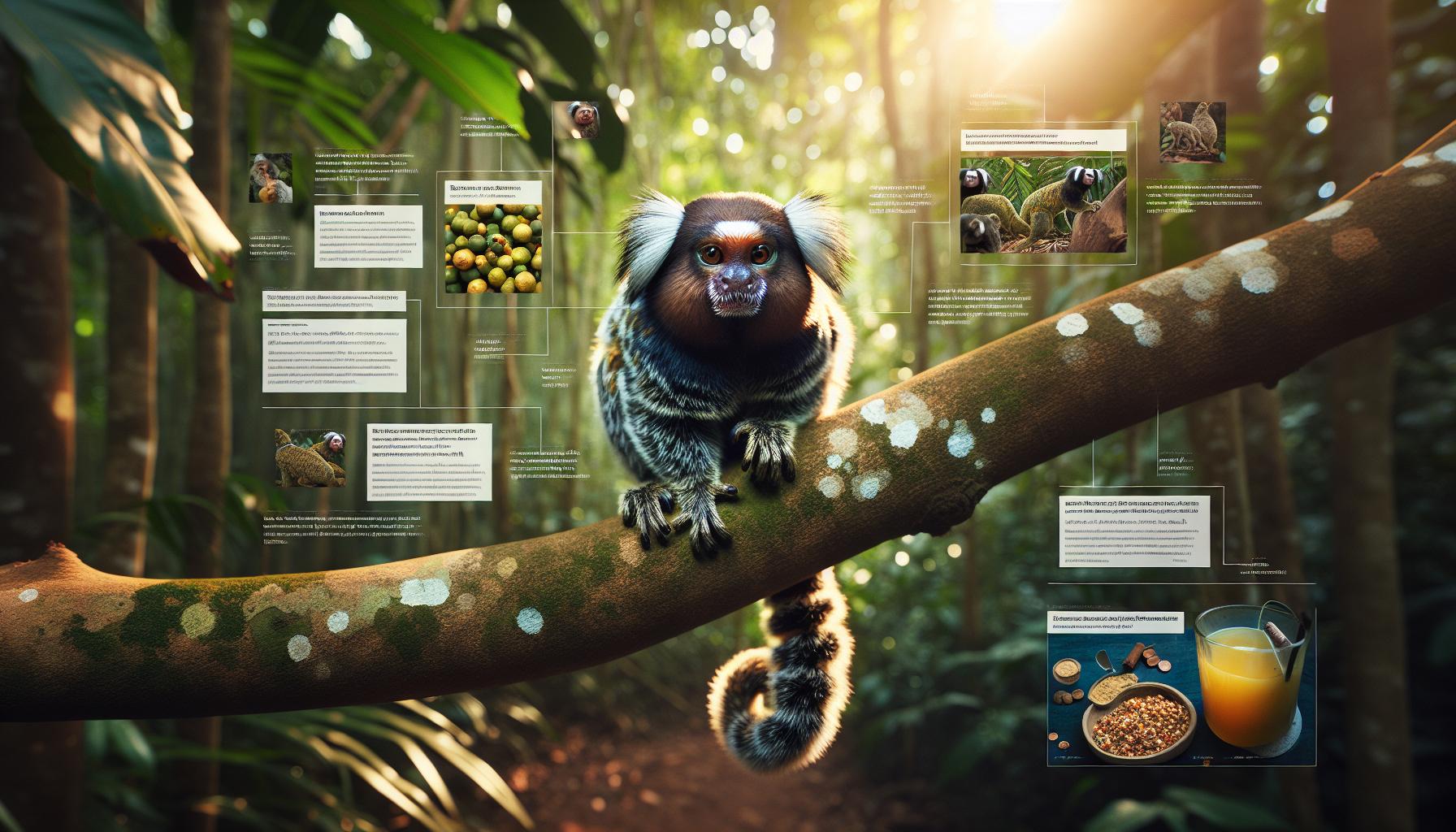
Factors Influencing Marmoset Prices
The price of a marmoset monkey can fluctuate significantly based on various factors, making it essential for prospective owners to do their homework. One of the most notable influences on price is the marmoset’s age and breed. For instance, younger marmosets, particularly those that are hand-raised, tend to be more expensive due to their desirability and the level of care and attention they require from infancy. Similarly, certain breeds, like the common marmoset or the tamarin, may command higher prices based on their rarity or popularity among exotic pet enthusiasts.
Another key factor impacting marmoset prices is the source from which the monkey is obtained. Purchasing from a reputable breeder often entails higher costs than adopting from a rescue organization or a shelter. While reputable breeders may provide health guarantees and essential documentation, it’s crucial to be aware of the ethical considerations involved in breeding exotic pets. If budget constraints are an issue, considering adoption can be a compassionate and economical choice.
Location also plays a significant role in pricing. In areas where exotic pets are more common, you might find more competitive pricing. Conversely, in regions where marmosets are rare, prices can skyrocket due to increased demand and limited availability. This geographical disparity means that the same marmoset could cost significantly more in one state compared to another.
Lastly, additional costs such as initial setup for habitat and ongoing care must be factored into the total investment. Prices for cages, toys, food, and veterinary care should also be considered, as these accumulate to create a comprehensive financial picture of marmoset ownership. By understanding these influencing factors, potential owners can make informed choices and better prepare for the responsibilities associated with caring for these delightful little primates.
Marmoset Monkey Adoption vs. Purchase
Adopting a marmoset monkey can be a fulfilling experience, bringing joy and companionship into your life. However, potential owners often grapple with the decision of whether to purchase from a breeder or adopt from a rescue organization. Each route offers unique advantages and considerations that can significantly impact not only your finances but also the well-being of the marmoset.
When purchasing a marmoset from a breeder, one might expect to pay a premium. This investment typically includes not just the monkey itself but also a promise of health and genetics that reputable breeders provide. They often offer documentation like health guarantees and lineage information, which can assure buyers of the animal’s background. However, the ethics of breeding must also be considered; many breeders prioritize profit over the well-being of the animals, which raises questions about responsible ownership. It’s essential to research breeders thoroughly to ensure you are supporting ethical practices.
On the other hand, adopting a marmoset from a shelter or rescue organization can be a more compassionate choice. Many marmosets in rescues are in need of loving homes due to situations where their previous owners could no longer care for them. Adoption fees are generally lower than purchasing from a breeder, allowing you to allocate funds towards necessary supplies and long-term care. Furthermore, adopting helps combat the issue of overbreeding and underscores a commitment to animal welfare. Rescued monkeys often come with a history and may even be trained or socialized, easing the transition into your home.
Regardless of the route you choose, it’s crucial to understand that marmosets are incredibly social creatures that thrive on companionship. If you decide to adopt, consider bringing home a pair of marmosets to ensure they have a friend and playmate. This consideration can greatly influence their overall happiness and health, as marmosets in the wild live in family groups and rely on each other for social interaction. Ultimately, whether you buy or adopt, placing the needs of the animal first will lead to a rewarding experience for both you and your new furry friend.
Essential Supplies for Marmoset Care
Caring for a marmoset monkey can be an incredibly rewarding experience, but it requires thorough preparation and the right supplies to ensure they thrive in your home. These tiny primates have specific needs that go beyond just love and attention. From habitat essentials to nutritional needs, gathering the proper supplies is critical to their well-being.
To start, you’ll need a spacious and safe cage that mimics their natural environment. Marmosets are active creatures that love to climb and explore, so a tall cage with multiple levels is ideal. Choose a sturdy, escape-proof model lined with soft bedding material, and don’t forget to include enrichment items like climbing branches, hammocks, and toys to keep them engaged. These items support their natural behaviors and help reduce boredom, which can lead to destructive habits.
Next, consider their dietary requirements. Marmosets thrive on a varied diet, primarily consisting of fresh fruits, vegetables, and specially formulated primate pellets. Setting up a separate feeding area with small bowls will help manage their portions. You may also want to invest in a hydration system, like a water bottle with a sipper tube, to ensure they always have access to clean water. Regularly introduce different fruits and treat them with small protein sources, such as insect larvae, to maintain their interest and nutritional balance.
Additionally, grooming supplies should be part of your toolkit. Marmosets have delicate skin and grooming is essential not only for hygiene but also for bonding. A soft brush and nail clippers will help keep their fur clean and nails manageable. Finally, don’t overlook the need for veterinary supplies like topical ointments, medications, and first aid kits in case of minor injuries. Regular check-ups with an exotic animal veterinarian will ensure that your marmoset remains healthy, preventing potential issues before they arise.
In summary, equipping yourself with quality supplies tailored to a marmoset’s unique lifestyle will go a long way in providing a loving and supportive environment for your new companion. By prioritizing their needs-from habitat and nutrition to health care-you’ll set the foundation for a happy and healthy life together.
Understanding Marmoset Diet: Nutrition Essentials
Marmosets, with their lively personalities and inquisitive nature, demand a diet that mirrors their wild counterparts to flourish in a home environment. These small primates are omnivores-this means they thrive on a diverse array of foods. In the wild, marmosets forage for fruits, insects, and occasionally small animals, which means creating a similar culinary experience can transform your marmoset’s health and happiness.
A successful diet for a marmoset typically includes a mix of fresh fruits and vegetables alongside specially formulated primate pellets that meet their nutritional requirements. Fruits like bananas, kiwi, grapes, and papaya are usually favorites, providing essential sugars and nutrients. Meanwhile, vegetables such as sweet potatoes, carrots, and leafy greens contribute vital vitamins and minerals. To keep your marmoset interested and ensure a balanced diet, consider rotating their fruits and veggies regularly, introducing seasonal varieties, and perhaps even incorporating small amounts of tree gum or sap, which marmosets naturally consume in the wild.
It’s also crucial to integrate protein sources into their diet. Marmosets benefit from small treats of mealworms, crickets, or other insect larvae. This not only fulfills their nutritional needs but also engages their natural foraging instincts. Hydration is equally paramount; providing clean, fresh water daily using a sipper bottle can prevent contamination and ensure they stay hydrated.
Furthermore, it’s essential to monitor portion sizes to avoid obesity-a common problem in captive marmosets due to a lack of exercise compared to their wild peers. Setting a structured feeding schedule can help maintain a healthy weight and promote a more stable behavior pattern. With this varied and thoughtful approach to their diet, you’ll not only support your marmoset’s physical health but also enrich their quality of life, turning meal times into enjoyable bonding experiences.
Creating a Suitable Habitat for Your Marmoset
To thrive in captivity, your marmoset monkey will need a habitat that closely resembles its natural environment, which is often found in the treetops of tropical rainforests. Create a diverse and stimulating enclosure that offers plenty of vertical space for climbing, exploring, and playing. A multi-level cage made from safe, durable materials can provide the right environment. Ensure it is roomy enough-at least 4 feet tall and 2 feet wide for one marmoset-allowing plenty of opportunities to climb and jump.
Furnish the habitat with various elements to engage your marmoset’s curious mind. Use branches, ropes, and platforms at different heights for climbing exercises. Hanging hammocks and enclosed nests can offer cozy resting spots. Incorporate natural materials like untreated wood and safe plants to mimic the wild, ensuring they can safely chew or climb without risk. Avoid toxic plants and sharp objects that could harm them.
Maintaining a clean environment is also crucial for your marmoset’s health. The cage should be easy to clean, with bedding made from non-toxic materials like paper or aspen shavings that can be changed regularly. Setting up a designated area for food and water will help manage messes and keep their living space hygienic. Additionally, consider creating a small play area outside the cage, where supervised playtime can nurture their social needs and stimulate exercise.
Lastly, don’t forget the importance of enrichment. Marmosets are highly intelligent animals that flourish with varied activities. You can rotate toys, introduce new climbing structures, or provide foraging opportunities with hidden treats. A well-thought-out habitat not only supports their physical health but also enhances their emotional well-being, making your home a happier place for both you and your furry companion.
Social Needs of Marmosets: Companionship Matters
Marmosets are social creatures that thrive on companionship, both with their own kind and, to some extent, with their human caregivers. If you’ve ever seen a group of marmosets in the wild, you might have noticed how they interact-grooming each other and engaging in playful antics, all of which are essential for their well-being. This deep-seated need for social connection means that owning a marmoset requires careful consideration of how to meet their social needs effectively.
One of the most meaningful choices you can make is whether to adopt a single marmoset or a pair. While some owners may think they can offer sufficient companionship, marmosets often exhibit best behavior when they have another marmoset as a companion. Having a buddy helps to prevent loneliness and boredom, allowing them to engage in natural behaviors such as play and grooming. If you opt for a single marmoset, you’ll need to invest significantly more time and effort into social interaction, as these little monkeys can become depressed or stressed without sufficient stimulation.
It’s not just about having a playmate; the quality of interactions matters as well. Marmosets are incredibly intelligent and require mental stimulation to stay happy and healthy. Providing them with toys, puzzles, and opportunities to explore can enrich their lives tremendously. Regular interaction with family members is also key; they’ll enjoy climbing on shoulders or playing games. Ensure that your household is equipped to handle their constant need for social engagement and mental stimulation. Setting aside dedicated playtime will help nurture your bond with your marmoset and fulfill its social needs.
Additionally, understanding the dynamics of marmoset society can guide you in creating a nurturing environment. Marmosets often have established hierarchies and social roles within their groups. Observing and mimicking aspects of these social structures can help you provide a supportive and engaging habitat for your pets. For instance, if you already have one marmoset, introducing another should be done with care, allowing time for them to acclimate and establish their relationship.
In summary, addressing the social needs of marmosets is not just beneficial; it’s essential for their overall health and happiness. Owning one of these delightful primates means embracing their need for companionship-whether that’s by providing another marmoset or dedicating plenty of time to your furry friend. Be prepared for a lively and ever-changing social dynamic that can bring joy and fulfillment, both for you and your marmoset companion.
Legal Considerations for Owning a Marmoset
Before embarking on the journey of marmoset ownership, it’s crucial to understand the legal landscape surrounding these adorable primates. Interestingly, the regulations can vary widely not just from country to country, but also within states and municipalities. In some places, keeping marmosets may be entirely legal, while in others, it could be subject to strict restrictions or outright bans. This means prospective marmoset owners must do their homework, checking local laws to ensure they can legally own one.
Many regions require specific permits for the ownership of exotic pets, including marmosets. Delving into the specifics of these regulations is essential. Some jurisdictions may mandate a wildlife permit or an exotic animal license, which often involves demonstrating that you can provide proper care and a suitable environment for the animal. Furthermore, failing to comply with local laws can lead to fines, confiscation of the animal, or even criminal charges. Always confirm with local animal control or a wildlife agency before bringing a marmoset into your home.
In considerations of wildlife conservation, owning marmosets can also intersect with ethical concerns. Responsible ownership means being aware of the impact one’s pet ownership can have on wild populations. Individuals interested in adopting a marmoset should consider adopting from reputable breeders or rescue organizations that prioritize the health and sustainability of these fascinating creatures. It’s a small but important step toward being a conscientious pet owner and supporting ethical practices in exotic pet ownership.
Finally, understanding the legal context will empower would-be owners to create a nurturing environment not only compliant with the law but also conducive to the well-being of their new pet. By exploring both the joys and legal responsibilities that come with owning a marmoset, potential owners can better prepare for the rewarding experience of sharing their lives with these engaging primates.
Health Care and Veterinary Costs for Marmosets
Marmosets, with their playful personalities and charming antics, can be delightful companions, but owning one comes with significant health care responsibilities. Just like any cherished pet, these small primates require regular veterinary care to ensure their wellbeing. Unlike cats or dogs, not all veterinarians are equipped or willing to treat exotic pets, making it essential to find a veterinarian with experience in treating marmosets or similar primate species. Expect to budget for annual check-ups, vaccinations, and possibly even specialized tests, which can collectively sum up to several hundred dollars each year.
When it comes to health care costs, it’s crucial to consider the potential for unexpected medical expenses. Marmosets are prone to specific health conditions, including dental issues, metabolic disorders, and viral infections, which may require specialized treatments. Emergency vet visits can be particularly costly, often ranging from $200 to over $1,000, depending on the complexity of the treatment needed. Establishing a health care fund or considering pet insurance tailored for exotic animals can provide a financial safety net to cover such unforeseen expenses.
Another aspect of health care is ensuring a proper diet and nutrition, which directly impacts your marmoset’s health. A balanced diet is not just a matter of preference but a necessity. This might include fruits, vegetables, and specially formulated primate pellets, with costs varying based on quality and your location. Investing in high-quality food and supplements can prevent diet-related health issues down the line, ultimately saving you money on veterinary bills.
Finally, preventive care is key to a healthy marmoset. This includes regularly scheduled veterinary visits, parasite control, and proper dental care. Taking proactive steps can significantly enhance your marmoset’s quality of life and longevity. By fostering a supportive health care routine and being financially prepared for any potential costs, you can ensure that your marmoset lives a happy and healthy life in your care.
Tips for Responsible Marmoset Ownership
Owning a marmoset is a unique and rewarding experience, but it comes with a set of responsibilities that should never be taken lightly. These lively little primates are not just pets; they are social creatures that require time, attention, and care tailored to their specific needs. One of the first steps towards responsible ownership is understanding that marmosets are highly intelligent and curious animals. They thrive on interaction and stimulation, so investing in your relationship with them is crucial. Regular playtime, training sessions, and opportunities to explore a safe environment will keep your marmoset happy and engaged.
Research and Education
Before bringing a marmoset into your home, thorough research is essential. Each marmoset species has its own unique traits, temperament, and care requirements. For example, common marmosets tend to be more social and easier to train than others. Familiarizing yourself with their diet, habitat needs, and social behaviors will equip you with the knowledge necessary to provide a nurturing environment. Consider joining online forums or local exotic pet groups, where you can share experiences and gather advice from current marmoset owners.
Financial Preparedness
Being financially prepared for a marmoset’s needs is a significant aspect of responsible ownership. Beyond the initial purchase cost, consider ongoing expenses such as high-quality food, habitat supplies, routine vet visits, and emergency medical care. Setting up a dedicated fund for unexpected health issues is wise, as these little ones can face unique medical challenges, requiring specialized veterinary care. Budgeting proactively will ensure that you can provide for them throughout their lives.
Social Needs
Marmosets are inherently social animals that thrive in pairs or small groups. If you’re considering owning one, think about adopting a bonded pair to meet their social needs. If that’s not feasible, dedicate extra time to interact with your marmoset on a daily basis. They can easily become bored or anxious when left alone for long periods. Additionally, provide them with a varied environment and enrichment activities, such as toys that challenge their intellect and promote natural behaviors, to keep them mentally stimulated.
Commitment to Care
Lastly, remain committed to a long-term care routine that includes regular health check-ups, proper nutrition, and mental stimulation. Create a safe and enriching habitat where your marmoset can thrive. This includes climbing structures, safe toys, and a clean living space. Remember, the joy of having a marmoset comes with the responsibility of ensuring their health and happiness every day. By fostering a strong bond with your marmoset and being proactive in their care, you’ll build a loving and fulfilling companionship that lasts a lifetime.
Common Challenges in Marmoset Care and How to Overcome Them
Caring for marmosets can be an exhilarating yet challenging venture, as these tiny primates possess unique needs and behaviors that require attention and understanding. One common challenge is their sensitive nature; marmosets can become stressed easily, which might lead to health issues or behavioral problems. To mitigate this, provide a predictable routine and a safe, enriched environment that allows them to express their natural behaviors. Regular interaction is crucial-these social creatures thrive on companionship, whether it’s from their human caregivers or, ideally, from other marmosets.
Another notable concern is managing their dietary requirements. Marmosets have specialized nutritional needs, including fresh fruits, vegetables, and protein sources like insects. A diet lacking in variety can lead to health complications, so it’s essential to research and prepare balanced meals for them. Planning their meals can be fun-try engaging in ‘foraging’ games where you hide their food around their enclosure, encouraging them to explore and search for their treats, much like they’d do in the wild.
Hygiene and health monitoring are also critical aspects of marmoset care. Their enclosures must be kept clean to prevent diseases, and regular vet check-ups are non-negotiable for their well-being. Keep an eye out for subtle signs of health issues, such as changes in appetite or behavior, which could indicate underlying problems. Establishing a good relationship with an exotic vet who understands the needs of marmosets can ensure timely intervention should any health concerns arise.
Lastly, owner commitment is paramount. Marmosets can live for over a decade, and during that time, their needs will evolve. Engaging in ongoing education about their care is essential to adapt to their changing behaviors and health requirements. Consider following marmoset interest groups or online forums to stay connected with other owners and share experiences; this support can be invaluable in overcoming the challenges of marmoset ownership. With the right knowledge and preparation, these challenges can transform into rewarding experiences, deepening the bond between you and your marmoset.
Frequently asked questions
Q: What is the initial price range for a marmoset monkey?
A: The initial price for a marmoset monkey typically ranges from $1,500 to $3,000. Prices can vary based on factors like the monkey’s age, breed, and breeder reputation. Researching reputable sources before purchasing is crucial for ensuring a healthy pet.
Q: What are the ongoing care costs for a marmoset monkey?
A: Ongoing care costs for a marmoset monkey can average $50 to $100 per month. This includes expenses for food, bedding, toys, and veterinary care. Regular check-ups are essential for maintaining their health and well-being.
Q: Do marmosets need a companion?
A: Yes, marmosets are highly social animals and thrive on companionship. It’s generally recommended to keep them in pairs or groups to prevent loneliness and promote happiness. Consider this when planning for their care needs.
Q: Are there legal restrictions on owning a marmoset monkey?
A: Yes, ownership laws for marmosets vary by location. Some states require permits or may prohibit ownership altogether. Always check local regulations to ensure compliance before acquiring a marmoset.
Q: What is the best diet for a marmoset monkey?
A: A balanced diet for marmosets includes fresh fruits, vegetables, and specialized primate pellets. It’s important to provide a variety of foods to meet their nutritional needs. Consulting a veterinarian for dietary recommendations is advisable.
Q: How much space does a marmoset monkey need?
A: Marmosets require a spacious cage, ideally at least 4 feet tall and 2-3 feet wide, with climbing structures to accommodate their natural behavior. An enriched environment is vital for their physical and mental health.
Q: Can marmosets live alone?
A: While marmosets can live alone, it is not ideal. Solitary marmosets may develop behavioral issues and stress. Providing a companion is recommended for their emotional health and social needs.
Q: What common health issues do marmosets face?
A: Common health issues in marmosets include dental problems, obesity, and metabolic disorders. Regular veterinary check-ups and a proper diet can help prevent many of these problems. Familiarizing yourself with their health needs is essential for responsible ownership.
To Wrap It Up
In summary, marmoset monkeys can be incredibly engaging companions, but their care comes with specific costs and responsibilities. From understanding their behavior to ensuring they thrive in a suitable habitat, the commitment is significant. If you’re considering adding a marmoset to your family, it’s crucial to weigh the financial implications and the emotional investment required. Don’t hesitate-ensure you’re well-prepared to meet their unique needs!
For more insights, check out our guides on related topics like “Marmoset Monkey Behavior” and “Essential Care Tips for Exotic Pets.” Have questions or experiences to share? We encourage you to leave a comment below! And if you’re eager to learn more, subscribe to our newsletter for the latest updates and resources on exotic animal care. Your journey towards marmoset ownership starts here-take action today!
Get our latest guides, news, and insights highlighted in your Google Search & AI Overviews.