Did you know that the gestation periods for monkeys can vary significantly among different species? For many wildlife enthusiasts and pet owners alike, understanding these details is crucial for fostering respect and awareness about these incredible creatures. The average gestation period for monkeys ranges from around five months for smaller species to up to nine months for larger ones, similar to humans. This fascinating aspect of primate biology not only reveals insights into their reproductive health but also informs conservation efforts and the responsibilities of caring for them in captivity. As we delve deeper into the gestation periods of various monkey species, you’ll find practical knowledge that enhances your appreciation and understanding of these remarkable animals. Join us as we explore the nuances of monkey pregnancies and what it means for their young and their habitats.
How Long Do Monkeys Stay Pregnant?
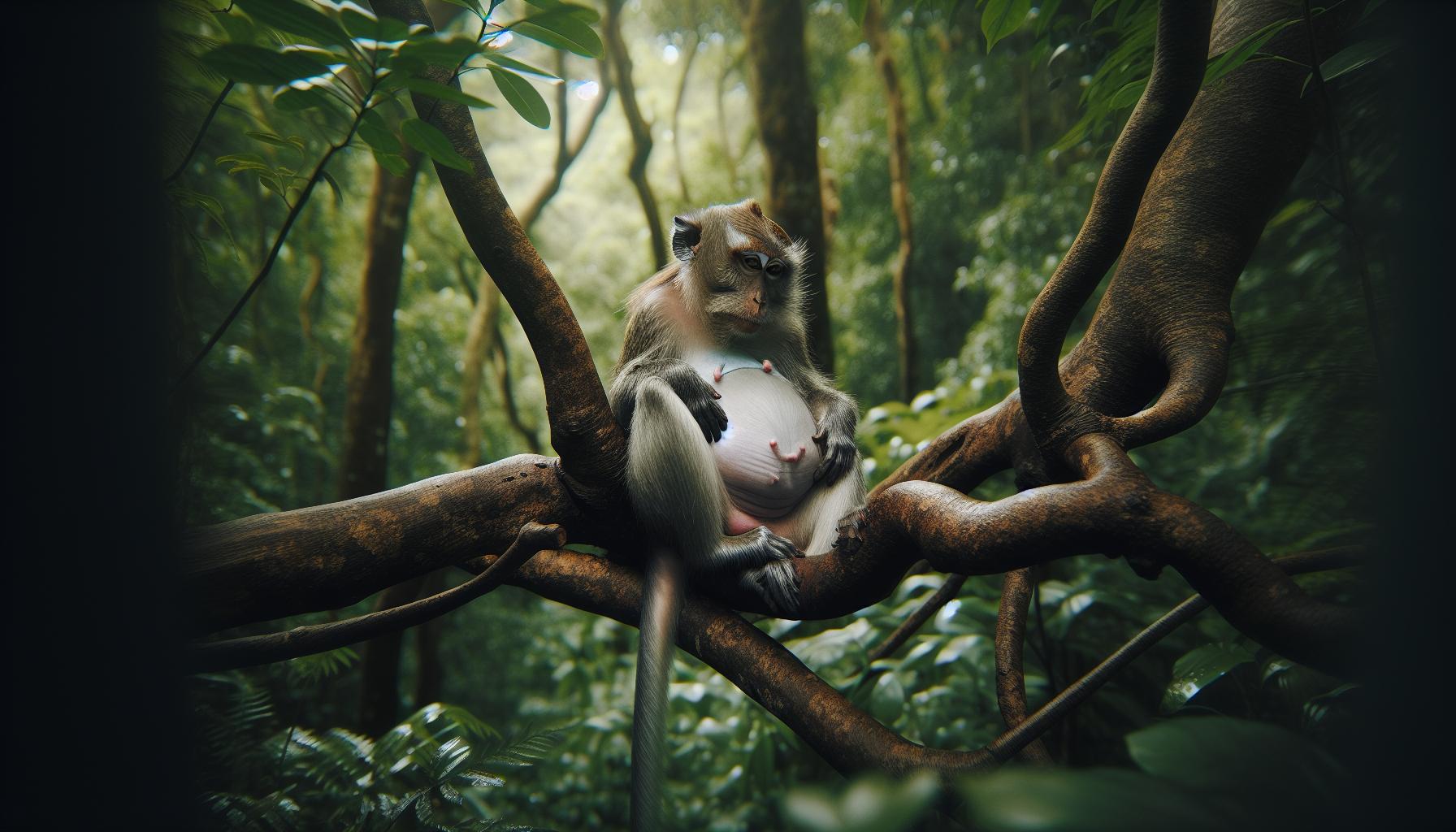
The gestation period for monkeys varies significantly among different species, making it an intriguing aspect of their biology. Generally, monkey pregnancies range from about 5 months to 8 months, depending on the species. For example, smaller monkey species like the common marmoset typically experience a shorter gestation period of around 145 days, while larger species such as the rhesus macaque are pregnant for approximately 164 days. This diversity highlights the adaptability of primates to their respective environments and lifestyles.
Factors influencing gestation length include the monkey’s size, reproductive strategies, and environmental factors. Smaller primates often have shorter pregnancies, which helps them quickly increase their populations. In contrast, larger primates invest more time in gestation to ensure their offspring are more developed at birth, enhancing their survival chances. Additionally, environmental stability and access to resources can affect gestation length; for instance, stress caused by habitat loss or changes in diet may lead to variations in pregnancy duration.
During pregnancy, female monkeys may exhibit specific behavioral changes, such as increased nurturing tendencies or seeking solitude. It’s crucial for caretakers, whether in the wild or in captivity, to monitor these changes closely. Understanding these patterns aids in promoting the health and well-being of both the expectant mothers and their future offspring.
Understanding Monkey Gestation Periods by Species
The gestation period of monkeys is as diverse as the species themselves, each uniquely adapted to their environments and lifestyles. For instance, the common marmoset, a small primate, has a notably short gestation period of about 145 days, allowing it to reproduce rapidly and maintain its population. In contrast, larger species like the rhesus macaque experience a longer pregnancy, lasting around 164 days. This longer gestation allows offspring to develop more fully before birth, enhancing their chances of survival in the wild.
Different primate families showcase a range of gestation lengths. For instance, the capuchin monkey typically has a gestation period of around 160 days, which supports its social and ecological needs. This adaptation is crucial for a species that relies on complex social structures and environmental resources to thrive. Similarly, the spider monkey’s gestation lasts about 230 days, reflecting its large size and the necessity for well-developed young, who will rely on their mothers for guidance in navigating their lush, arboreal habitats.
These variations in gestation can also be influenced by environmental factors, such as resource availability and habitat stability. For example, in areas where food is plentiful, monkeys may have healthier pregnancies with optimal gestation lengths, while in stressed environments, pregnancy duration might slightly alter due to nutritional deficiencies or other disruptions. In essence, understanding the gestation periods of monkeys not only highlights their biological diversity but also unveils the intricate connections between species, their habitats, and their survival strategies.
Comparing Gestation Periods Across Primate Families

The gestation periods among various primate families reveal a fascinating spread of evolutionary adaptations. For example, large monkeys like the spider monkey experience a notably long gestation period-about 230 days. This extended duration allows the developing offspring to grow larger and more capable at birth, crucial for surviving in their dense forest habitats where they will heavily rely on their mother’s guidance for years. In contrast, the common marmoset, one of the smallest primates, has a significantly shorter gestation of roughly 145 days, enabling it to quickly produce new offspring in a dynamic environment where rapid population turnover is beneficial.
This diversity continues with the rhesus macaque, which carries its young for about 164 days. Their relatively longer gestation supports the development of young that must adapt to complex social structures and harsher environments. Likewise, the capuchin monkey, known for its intelligence, has a gestation period of approximately 160 days, balancing the needs for social interaction and environmental adaptability with the physical demands of pregnancy.
By examining these differences, we can appreciate how each species has tailored its reproductive strategy to meet its ecological needs. Variability in gestation reflects not just biological factors, but also lifestyle and dietary influences. In resource-rich environments, longer pregnancies may lead to healthier outcomes, while in harsher conditions, gestation lengths may shorten, impacting offspring viability. This intricate relationship underscores the adaptability of monkeys and their resilience in the face of environmental challenges.
Factors Influencing Monkey Pregnancy Duration
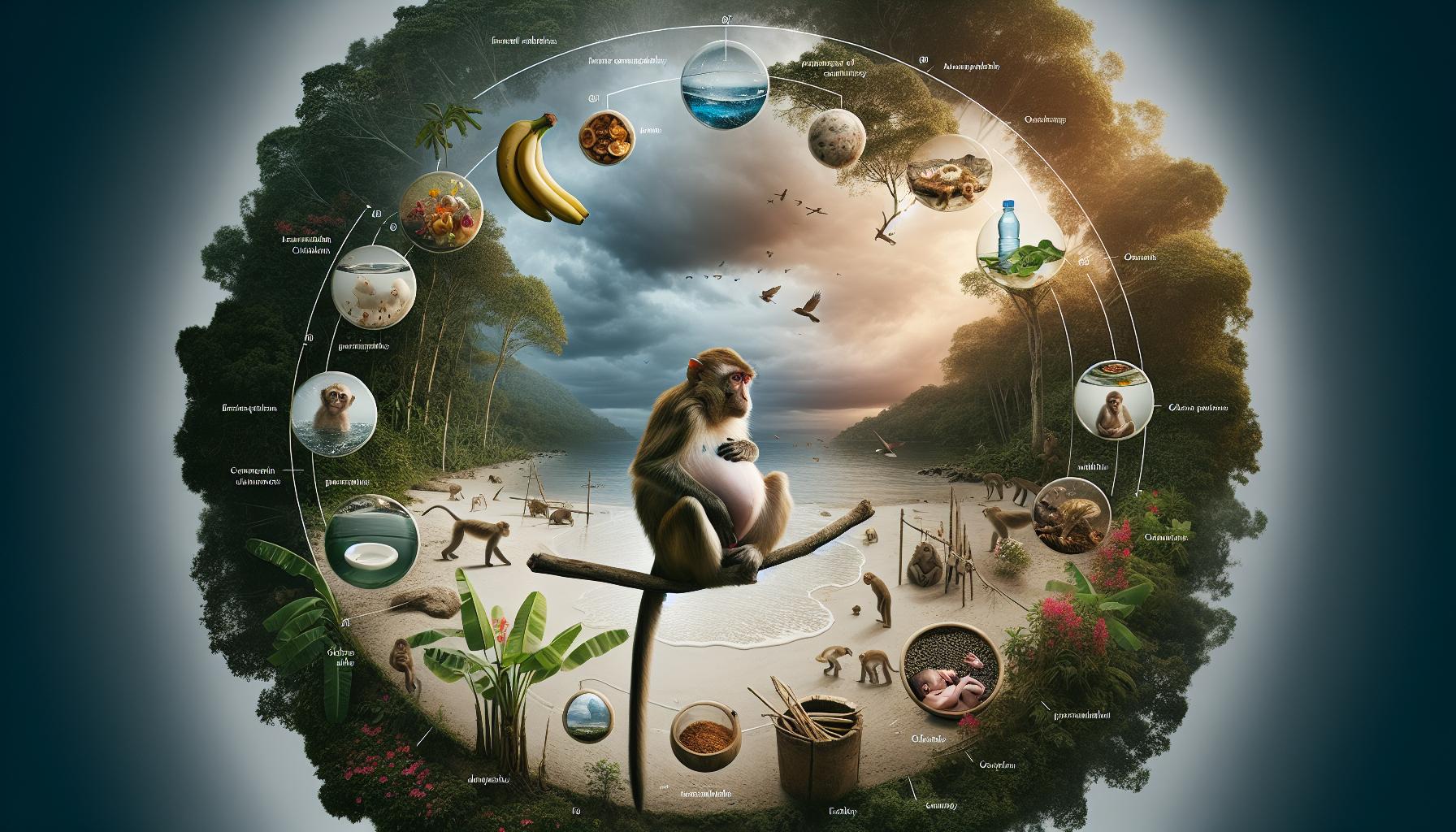
The duration of pregnancy in monkeys is influenced by a fascinating interplay of biological, environmental, and social factors. Much like in humans, gestation in monkeys is a complex process that can vary significantly depending on the species and their specific adaptations. For instance, larger species tend to have longer gestation periods, which allows their young to develop more fully before birth. This is particularly true for creatures like spider monkeys, whose pregnancies last about 230 days. This time frame ensures that the offspring are adequately prepared for the challenges of their arboreal lifestyle.
Conversely, smaller monkeys, such as common marmosets, have much shorter gestation periods-approximately 145 days. Their quicker reproductive cycles are adapted to their environments, where the rapid production of offspring can be advantageous for population sustainability. Factors such as the availability of food resources can greatly affect how long a pregnant monkey will carry its young. In environments rich in food, longer gestation allows for healthier, more robust infants, while in harsher climates, shorter gestation may become necessary to ensure that populations can sustain themselves.
Social structures also play a crucial role. Species like rhesus macaques, with gestation periods of around 164 days, exhibit complex social dynamics that influence maternal care and offspring survival strategies. In these communities, the presence of supportive social networks can lead to better maternal health and, consequently, longer pregnancies that promote the healthy development of the young. It’s fascinating to note that the interactions between pregnancy duration, species size, environmental conditions, and social structures contribute to each species’ evolution and adaptation, shaping not just their reproductive strategies but also their overall behavior in the wild.
Ultimately, understanding these factors offers a clearer picture of monkey gestation and highlights the intricate balance of life in the animal kingdom. For wildlife enthusiasts, this knowledge fosters a greater appreciation for the diverse strategies primates utilize in raising their young, further enhancing our admiration for these remarkable creatures.
Signs of Pregnancy in Different Monkey Species
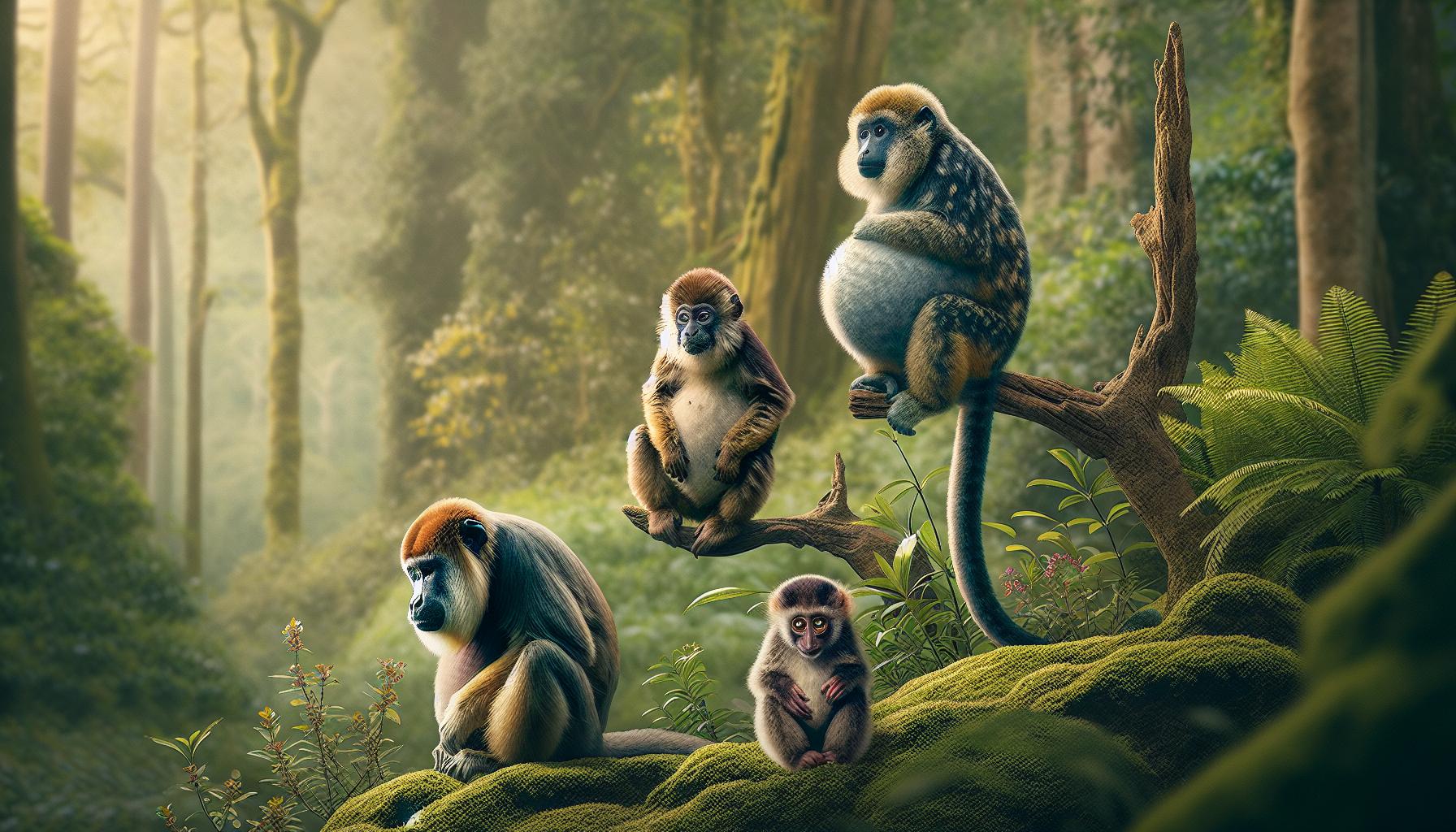
The journey of a pregnant monkey is an intriguing spectacle, marked by a series of subtle changes that signal the impending arrival of new life. While not every monkey species displays the same signs of pregnancy, certain indicators are common across different types, allowing us to better understand the nuances of primate reproduction. For instance, as the pregnancy progresses, female monkeys may exhibit changes in behavior, physical appearance, and social dynamics that are fascinating to observe.
One notable sign of pregnancy is the change in appetite. Pregnant monkeys, like the woolly monkey, often show increased hunger, seeking out more nutritious food sources to support their developing young. Alongside this behavioral shift, physical changes become apparent; pregnant females may display a noticeable swelling of the abdomen, especially in species with longer gestation periods, such as the spider monkey. This roundness is usually accompanied by a more noticeable weight increase, as the mother’s body prepares for nurturing the infant.
Social dynamics also shift as a monkey approaches labor. For example, female baboons may withdraw from dominant individuals during pregnancy, opting to form close-knit social bonds with peers or other expectant mothers. This behavior not only provides emotional support but may also enhance survival chances for the offspring by fostering a protective environment. Additionally, changes in grooming habits can be observed; pregnant females often engage in less grooming of others, focusing more on their own grooming as they instinctively prepare for the challenges of motherhood.
To summarize, while the signs of pregnancy can vary widely between monkey species, key indicators such as behavioral shifts, physical changes, and alterations in social interactions provide essential insights into this remarkable period. Understanding these signs not only enhances our appreciation of these incredible animals but also nurtures a sense of responsibility towards their care and conservation in the wild.
Impact of Environment on Gestation Length
The environment plays a crucial role in the gestation length of monkeys, influencing everything from food availability to stress levels. Monkeys thrive in diverse habitats, including dense rainforests, savannas, and mountainous regions, and each environment presents different challenges and resources that can affect the duration of pregnancy. For instance, species living in resource-rich areas, such as tropical rainforests, may experience shorter gestation periods. The abundance of food allows mothers to gather the necessary nutrients more efficiently, supporting quicker fetal development.
In contrast, monkeys that inhabit harsher environments with limited resources may have longer gestation periods. For example, cold climates or areas with food scarcity necessitate longer pregnancies to ensure that offspring are born at a time when resources are more plentiful. This strategy helps improve the survival rates of the young, as mothers can time births to coincide with favorable conditions. Furthermore, environmental stressors, such as habitat destruction or social strife within troops, can lead to significant biological stress, possibly lengthening gestation as the body adapts to protect the developing young.
Social dynamics also play a pivotal role, depending on the environment. In stable social groups where resources are plentiful, pregnant monkeys may receive better care and protection from threats, potentially leading to shorter gestation periods. Conversely, in groups where competition for resources is fierce, mothers may face increased stress, which could extend the length of their pregnancies. Thus, understanding how the environment influences gestation periods can reveal fascinating insights into the adaptive strategies monkeys employ to ensure the survival of their species.
Ultimately, the intersection of environmental factors and gestation practices highlights the resilience of monkeys in adapting to their habitats. Whether it’s through optimizing birth timing or adjusting nutrient intake, these primates have evolved strategies that reflect the intricate balance of life in the wild, ensuring their young have the best possible start.
Caring for Pregnant Monkeys: Tips and Guidelines
Caring for pregnant monkeys is a vital aspect of ensuring not only the health of the mother but also the successful development of the offspring. These primates require specific attention to their physical and emotional needs throughout the gestation period, which can range significantly depending on the species-typically from about five months for smaller monkeys to nearly eight months for larger species. Here are some essential tips to help manage this critical time effectively.
First and foremost, providing a balanced and nutritious diet is crucial. Pregnant monkeys need more nutrients to support their developing young, so increasing the variety and quantity of food is essential. A diet rich in fruits, vegetables, and high-quality protein sources can help meet their heightened nutritional requirements. Additionally, access to fresh water must be consistent, as hydration plays a key role in overall health and fetal development.
Creating a Safe and Comfortable Environment
It’s also important to ensure that the environment is calm and stress-free. Monkeys are sensitive to their surroundings, and high-stress situations can adversely affect pregnancy outcomes. Thus, facilitating a quiet space where the pregnant monkey can feel safe and secure is beneficial. This may involve minimizing disturbances and providing a comfortable nesting area with substrates like soft bedding or plenty of foliage.
Social interactions are equally significant; maternal bonding starts even before birth. Pregnant monkeys should be allowed to interact with other group members, especially those that can provide support or comfort. Observing healthy social dynamics can help predict the mother’s stress levels and overall well-being.
Monitoring Health and Behavior
Regular health check-ups are necessary to catch any potential issues early. Monitoring weight gain and behavioral changes can provide insights into the mother’s health. If you notice any signs of excessive stress, lethargy, or changes in appetite, consulting with a veterinarian experienced in primate care is advisable.
Caring for pregnant monkeys involves a blend of proper nutrition, environmental management, social support, and consistent health monitoring. By prioritizing these aspects, caretakers can greatly enhance the quality of life for both the mother and her young, fostering a successful birthing process and future development.
The Role of Fathers in Monkey Gestation
In the world of monkeys, the father’s role during gestation is often overlooked, yet it’s profoundly impactful. Male monkeys, while not directly carrying their offspring, contribute significantly to the pregnancy period through their behaviors and social roles. For instance, many species exhibit strong bonds with pregnant females, offering both physical protection and emotional support. These fathers-to-be can often be seen staying close to their mates, engaging in grooming behaviors, and even helping to retrieve food, which ensures that the mother is well-nourished during this critical time.
Furthermore, the dynamics of monkey social structures can influence the well-being of pregnant females. In species with strong family groups, such as macaques and baboons, males can take on a protective role, warding off potential threats from predators or rival males. This not only helps to reduce stress for the pregnant female but also allows her to focus on the nurturing side of pregnancy.
Moreover, the father’s involvement doesn’t just end with birth; many species show a surprising level of paternal care. In some cases, the male will actively assist in caring for the newborn, contributing to its survival and development. For example, in spider monkeys, males often participate in rearing offspring, further cementing family bonds. This interplay of roles showcases the importance of both parents in ensuring a healthy gestation and the successful upbringing of the young, reflecting a complex social structure that highlights the significance of fatherhood in the monkey kingdom.
In essence, while males may not carry the young, their active participation before and after birth plays a crucial role in the health and survival of both the mother and the offspring. So, the next time you observe monkey behavior, consider the often underappreciated contributions of the fathers in this intricate dance of life.
Interesting Facts About Monkey Birthing Practices
Did you know that the birthing practices among monkey species can be as diverse as their habitats? Each species has its own unique way of preparing for and delivering offspring, often influenced by environmental factors and social structures. Some monkeys, like macaques, tend to give birth in social groups, where other members can assist and protect the mother during labor and immediately after. This support network is crucial for the new mother, allowing her to focus on her newborn while surrounded by caring companions.
Interestingly, the timing and conditions of birth can vary significantly. For instance, certain species like the rhesus macaque give birth at night, possibly to avoid predators and ensure more privacy. On the other hand, some tree-dwelling species, like spider monkeys, might prefer giving birth while perched in their tree canopies, where they feel secure from ground threats. This behavior highlights a fascinating aspect of adaptability in their reproductive strategies.
The role of the mother during and after birth is equally noteworthy. Many monkey mothers will engage in extensive grooming of their newborn, strengthening the bond and ensuring that the infant feels secure. It’s common for the first few hours after birth to see the mother meticulously cleaning the baby, a behavior that not only helps in social bonding but also stimulates the infant to start breastfeeding.
In terms of numbers, most monkeys typically give birth to a single infant, though twins can occur, particularly in species like marmosets and tamarins. The survival of the young is heavily reliant on the social structure of their group; infants raised in cooperative breeding systems often enjoy better survival rates due to shared responsibilities among adults in the troop. Ultimately, understanding these practices reveals not just the complexities of monkey biology but also the intricate social systems and relationships that contribute to the survival of the species.
How Many Babies Do Monkeys Typically Have?
Most monkey species typically give birth to a single infant, although exceptions exist in the animal kingdom. For instance, marmosets and tamarins, which are part of the callitrichid family, are known to have twins more frequently than other monkeys. This fascinating trait can be attributed to their social structure, where multiple adults often help raise young. Such cooperative breeding significantly boosts the chances of survival for the infants by ensuring that they have enough resources and adult protection during their vulnerable early days.
The size of the group and environmental factors can also influence birth rates. Some larger, more social monkey species, like baboons or macaques, generally have longer intervals between births due to their social dynamics and the extensive care required for each infant. A female baboon, for example, may nurse her baby for up to two years, using this time to strengthen social bonds within her troop, which is crucial for the young one’s survival and upbringing.
Moreover, the gestation period itself plays a significant role in how many babies a monkey can have throughout her life. With gestation periods ranging from about 150 days in smaller species, like the squirrel monkey, to nearly 230 days in larger species, such as the macaque, it affects reproductive frequency. Mothers that experience longer gestation times naturally have fewer births, shaping their overall reproductive strategies.
In essence, while the norm is to have one offspring at a time, the wide variety of adaptations in monkey reproductive behavior reflects their individual challenges and environmental pressures. Understanding these nuances highlights the incredible diversity in how these intelligent creatures bring their young into the world and raise them.
FAQ
Q: What is the average gestation period for monkeys?
A: The average gestation period for monkeys varies by species, typically ranging from five to eight months. For example, macaques average about 165 days, while more extensive species like howler monkeys can gestate for up to 180 days. Understanding these differences is crucial for proper care and breeding.
Q: How do gestation periods compare between monkey species?
A: Gestation periods differ significantly among monkey species. For instance, while capuchin monkeys may have a gestation of about 150 days, larger primates like baboons can take approximately 180 days. This variation is influenced by factors such as species size and environmental adaptations.
Q: What factors influence monkey gestation periods?
A: Several factors impact monkey gestation periods, including species size, individual health, and environmental conditions. Additionally, stress levels and nutritional status can affect pregnancy duration. Proper care is essential to support healthy gestation and neonatal outcomes.
Q: At what age do monkeys typically become pregnant?
A: Most monkey species reach sexual maturity between 3 to 5 years old, depending on the species. For example, female rhesus macaques usually become pregnant by around 4 years of age, while some larger species may take longer to mature.
Q: What are the signs of pregnancy in monkeys?
A: Signs of pregnancy in monkeys can include increased appetite, behavioral changes, and a noticeable change in body shape. Observing these signs can help caregivers prepare for the upcoming birth and ensure the health of both mother and infant.
Q: How many babies do monkeys usually have at a time?
A: Monkeys typically give birth to one baby, but twins can occur in some species, such as marmosets and tamarins. Understanding the common litter size helps in providing appropriate care and resources during and after gestation.
Q: What is the impact of the environment on monkey pregnancy?
A: The environment can significantly influence monkey pregnancy duration and outcomes. Factors such as habitat conditions, availability of food, and social structures can either support or hinder reproductive success, underscoring the need for suitable living conditions.
Q: How do fathers contribute to monkey gestation?
A: While male monkeys do not play a role in pregnancy, they can influence behavioral aspects of the mother. Strong social bonds and support from the father can help reduce stress levels in pregnant females, potentially leading to better outcomes for the mother and infant.
In Conclusion
Understanding the gestation periods of monkeys can deepen your appreciation for these fascinating creatures and their complex reproductive behaviors. Now that you know how long different species carry their young, why not explore more about monkey care and behavior? Check out our articles on “The Unique Family Structures of Monkeys” and “How to Properly Care for Pet Monkeys” to enhance your knowledge even further.
Don’t miss out on our latest insights-sign up for our newsletter! It’s packed with tips and engaging content that supports your journey into the world of wildlife. And remember, if you have any questions or thoughts about monkey pregnancies, we’d love to hear from you in the comments below. Join the conversation and share your passion for wildlife with our community! Your next adventure in learning about these incredible animals awaits!
Get our latest guides, news, and insights highlighted in your Google Search & AI Overviews.