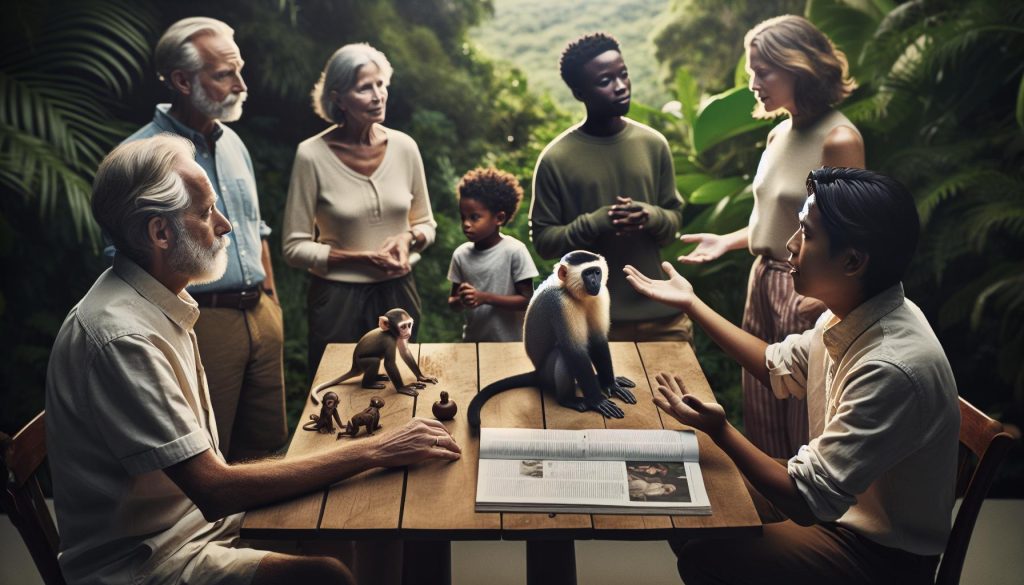
Have you ever dreamed of having a monkey as a pet, perhaps inspired by the playful antics seen in viral videos? While the idea might sound adorable, owning a monkey in the United States involves navigating a complex web of laws and regulations that vary greatly by state. This guide will shed light on the legal landscape, helping you understand whether it’s even possible to welcome a monkey into your home. Beyond legalities, we’ll explore the unique needs and behaviors of these fascinating creatures to ensure potential owners are fully aware of the responsibility that comes with pet ownership. Join us as we unravel the truth behind monkey ownership-balancing your curiosity with the essential considerations for both you and these intelligent primates.
Understanding U.S. Monkey Ownership Laws
In the United States, the legality of owning a monkey varies widely, reflecting a patchwork of state laws that can be both confusing and strict. Monkeys are often seen as exotic pets, and while the idea of having one as a companion may sound appealing, potential owners must navigate a complex legal landscape. Many states have tightened regulations over the years due to concerns about public safety and animal welfare.
Key Considerations
When considering whether you can legally own a monkey in the U.S., it’s essential to check the laws in your specific state. Some states, like California and New York, outright ban the private ownership of primates. Others may allow ownership but require permits or licenses, emphasizing the need for responsible ownership. This requirement often includes demonstrating that you can provide the proper care, environment, and socialization that primates need.
Additionally, it’s not just state laws that come into play. Federal regulations, such as the U.S. Department of Agriculture’s Animal Welfare Act, place restrictions on certain species of monkeys and their care, highlighting a commitment to ensuring they are treated humanely. Because of these intricate layers of legislation, prospective monkey owners must do their homework thoroughly before making any commitments. The risk of legal repercussions or, more importantly, the welfare of the animal itself, should always be a priority for anyone considering this unique aspect of pet ownership.
State-by-State Legal Variations on Monkey Ownership
In the diverse landscape of the United States, the legality of monkey ownership can feel like navigating a labyrinth, with each turn presenting different rules and regulations. Some states have embraced stricter guidelines, while others maintain a more lenient approach, reflecting not only regional attitudes towards exotic pets but also concerns about safety and animal welfare. For example, in states like California and New York, ownership is generally prohibited, underscoring a proactive stance towards public health and safety. Alternatively, states such as Texas and Florida offer more flexibility, allowing individuals to keep monkeys under specific conditions-this can include obtaining permits and adhering to particular care standards.
State-Specific Guidelines
The spectrum of laws across states creates a patchwork of rules that potential monkey owners must carefully consider. Here are some notable variations:
- California: Prohibits ownership of most primates.
- Florida: Permits ownership but requires a license.
- Texas: Allows ownership, though certain species may need a permit.
- New York: Generally bans primate ownership.
- Ohio: Has recently changed regulations, now requiring permits.
Understanding these local laws is crucial before even thinking about bringing a monkey into your home. Always check your state and local regulations, as legal definitions and requirements can change rapidly.
Why the Differences?
The variation in laws often stems from the balance between animal rights and public safety. Lawmakers regularly reassess the implications of private monkey ownership, particularly regarding the potential for zoonotic diseases and the challenges of providing the necessary environment for such complex creatures. For instance, primates are highly social animals that often suffer in isolation-living alone can lead to serious behavioral issues, raising ethical concerns about ownership in places with strict regulations.
For those considering monkey ownership, it’s vital to weigh these legal variances against the responsibilities of caring for such a unique pet. Engaging with local organizations or networks of exotic animal enthusiasts can provide insight and support, leading to informed and responsible pet ownership choices.
Species of Monkeys Generally Allowed as Pets
When considering the idea of monkey ownership, it’s crucial to know not just if monkeys can be kept as pets legally, but which species are typically allowed under varying state laws. Different species of monkeys possess distinct needs and characteristics, impacting their viability as pets. Generally, the smaller species of monkeys tend to be more commonly permitted.
Marmosets and tamarins are among the species often found in the pet trade, particularly the common marmoset and the golden lion tamarin. These tiny primates, weighing merely a few pounds, are sociable and curious, making them appealing to individuals looking for engaging companions. However, their social nature means they thrive in pairs or small groups, highlighting the importance of considering potential companion animals. Additionally, capuchin monkeys can also be found in some private collections. Known for their intelligence and playful behavior, capuchins can form strong bonds with their owners, yet they require substantial mental and physical stimulation to prevent boredom and destructive behaviors.
When thinking about which monkey to choose, it’s essential to recognize that even species that are more frequently considered pets can be demanding. Many states require permits for specific species, and even where regulations are more lenient, there are often strict guidelines about care. Potential owners need to check local regulations beforehand and be prepared to provide an environment that is not only safe but also enriching for their new pet.
Considerations for Potential Owners
Here are some important aspects to consider before welcoming a monkey into your life:
- Social Needs: Monkeys are highly social animals. Isolating them can lead to aggression and behavioral issues.
- Space Requirements: They require significant space to roam and play to ensure their physical well-being.
- Dietary Needs: A proper diet tailored to their species is crucial for health; this often includes fruits, vegetables, and specialized primate diets.
- Long Commitment: Monkeys can live for decades, requiring a long-term commitment similar to that of a dog or cat.
In conclusion, while some species of monkeys may be permitted as pets in certain states, the responsibilities that come with monkey ownership are significant. It is always best to do thorough research and consider not just the legality but also the ethical implications of keeping such intelligent beings in a domestic environment.
Permits and Licensing: What You Need to Know
When it comes to owning a monkey in the United States, understanding the regulations surrounding permits and licensing is crucial. Each state has its own set of rules, often influenced by local wildlife conservation laws, public safety concerns, and the well-being of the animals themselves. For potential owners, navigating this legal landscape can be daunting, but a comprehensive grasp of what’s required can ensure you proceed responsibly.
In many states, owning a monkey is not as simple as making a purchase. Permits are often mandatory, particularly for specific species deemed more exotic or potentially dangerous. These permits typically require potential owners to demonstrate knowledge about monkey care, provide a suitable habitat, and often submit to inspections by wildlife officials. For instance, states like Florida and Texas have specific regulations that can include hefty fees for permits or bonding requirements to ensure the owner is financially capable of caring for an exotic animal.
Besides state-level permits, individual counties or municipalities may impose additional restrictions that are even stricter than state laws. For example, a town might completely ban the private ownership of monkeys, while neighboring communities allow specific species with a permit. Therefore, it’s essential for prospective owners to conduct thorough research on both state and local regulations before bringing a monkey home.
Moreover, keep in mind that obtaining a permit is just the beginning. Continuous compliance with the regulations is necessary, meaning owners might need to keep detailed records of their monkey’s health, vaccinations, and housing conditions. In many cases, ongoing education about proper monkey care might also be a stipulation of the permit.
In summary, if you’re considering welcoming a monkey into your home, prepare for a journey that involves not only acquiring the appropriate licenses but also a commitment to continuous education and ethical care. Whether you’re a seasoned pet owner or a first-time exotic animal enthusiast, familiarizing yourself with these requirements promotes responsible ownership and helps protect these incredible animals.
Common Restrictions for Monkey Ownership
In many U.S. states, the idea of owning a monkey can spark excitement, but the reality is far more complex. Numerous restrictions govern monkey ownership, shaped by concerns for public safety, animal welfare, and ecological responsibility. Before deciding to welcome a primate into your life, it’s crucial to understand these limitations to ensure both your well-being and that of the animal.
Certain species of monkeys simply aren’t permissible as pets. For example, many states outlaw the ownership of larger or more aggressive monkeys, which are deemed unsafe for private ownership due to their strong social and physical needs. Furthermore, many local laws specify restrictions on particular breeds, often influenced by their potential harm to humans or the environment. For instance, some jurisdictions may allow the ownership of smaller species like capuchins, while prohibiting macaques entirely due to their known behaviors and habitat requirements.
Licensing and stringent permitting requirements also play a significant role in regulating ownership. Even if a species is legal to own, prospective monkey owners often must demonstrate their capability to provide proper care and environment for the animal. This can include passing inspections of housing facilities and ensuring suitable social conditions, as monkeys are highly social animals and suffer when isolated. Regular inspections and detailed health records may be required to maintain compliance with local laws, adding another layer of responsibility for the owner.
Additionally, zoning laws at the municipal level can further complicate ownership. Some towns might have flat prohibitions against any primate ownership, regardless of state law, or impose conditions that only allow ownership in specific residential zones. Individuals interested in exotic pets should always check with local government authorities, as failure to comply with these regulations can lead to hefty fines or confiscation of the animal.
Understanding these restrictions is vital for anyone contemplating the responsibilities of monkey ownership. Ensure to stay informed and conduct thorough research to foster a safe, ethical environment for both you and your potential pet.
The Responsibilities of Monkey Care
Owning a monkey is not just about having a fun, exotic pet; it requires a deep commitment to the animal’s complex needs. Monkeys are highly social creatures, similar to young children in their emotional and social requirements. For instance, a capuchin monkey-one of the more popular choices for pet owners-thrives when given attention, stimulation, and companionship. Without adequate social interaction, these intelligent animals can develop behavioral problems, including aggression and depression.
Essentially, monkey care begins with understanding their diet, habitat, and health needs. Monkeys require a varied diet that mimics their natural intake of fruits, vegetables, and proteins. This diet is crucial for maintaining their health, as many commercial monkey foods lack essential nutrients. Additionally, you’ll need to set up a secure and stimulating environment. Monkeys are incredibly agile and curious, so your home will need to be monkey-proofed-think child-proofing but at a much more advanced level. Enclosures must be spacious and enriched with toys, climbing structures, and social interactions to keep them entertained.
Regular veterinary care is another pillar of ownership. Monkeys require routine check-ups, vaccinations, and sometimes specialized medical attention. Keeping detailed health records is essential, not just for their well-being but often for regulatory compliance. Furthermore, owners must invest time in socialization; exposing your monkey to new experiences and people is crucial for a well-rounded demeanor. This means dedicating hours each week to simply interact with your pet in a safe, controlled manner.
Lastly, the responsibility of caring for a monkey extends beyond everyday needs; it also encompasses ethical considerations. Consider your ability to provide lifelong care, as many monkeys can live into their 30s or longer. Before embarking on this journey, reflect on whether you can commit to these responsibilities and create an environment that truly caters to a monkey’s physical and emotional needs. The joy of owning a monkey can be profound, but it comes with significant responsibilities that shouldn’t be underestimated.
The Cost of Owning a Monkey: Budgeting Tips
Owning a monkey is not just an adventure; it’s a significant financial commitment that requires careful budgeting. The initial purchase price of a monkey can range dramatically depending on the species, from a few hundred dollars for smaller monkeys like tamarins to several thousand for exotic breeds like capuchins or macaques. However, the costs don’t stop at the purchase price.
Regular expenses include food, which should be fresh and nutritious, tailored to the specific needs of your monkey. This may involve specialized diets that can cost between $50 to $150 monthly. Enrichment supplies-toys, climbing structures, and other forms of stimulation-are vital for your monkey’s mental health and can easily add another $100 to your monthly budget. Then, there’s veterinary care: routine check-ups, vaccinations, and potential emergency treatments can accumulate to an annual expense of $500 to $1,500 or more.
Here are some common financial considerations for future monkey owners:
- Initial Purchase Price: $500 – $8,000 (depending on species)
- Monthly Food Costs: $50 – $150
- Enrichment Supplies: $100 (initial setup), plus ongoing costs
- Veterinary Care: $500 – $1,500 annually
These costs highlight the necessity for thorough budgeting before bringing a monkey into your life. Furthermore, potential owners should consider unforeseen costs, such as additional training or socialization fees, which may arise due to behavioral issues if the monkey does not receive proper attention.
In addition to financial readiness, it’s essential to evaluate whether you can commit the time needed daily to care for a monkey. These are social animals that require engagement and interaction. Budgeting for their time might mean re-evaluating work or personal commitments to ensure you can offer the companionship they thrive on. Ownership should be a conscious decision that balances your financial and emotional resources and the monkey’s well-being.
Ethical Considerations: Is Monkey Ownership Right?
Consider this: monkeys are intelligent, social creatures that thrive in complex social structures and wild environments. Bringing one into a domestic setting can significantly affect their well-being and raise ethical concerns that potential owners must carefully weigh. While the appeal of owning a monkey can be strong-many people are drawn to their playful nature and the allure of having a unique pet-it’s crucial to consider whether your home can truly meet the needs of these complex beings.
To start, think about the social requirements of a monkey. These animals often live in multi-generational family groups in the wild, forming strong bonds and requiring constant interaction with their companions. When kept alone, a monkey can become bored, anxious, or even aggressive. Without proper socialization, the psychological stress can lead to problematic behaviors that put both the animal and the owner at risk. If you can’t provide plenty of social interaction, enrichment opportunities, and an environment that mimics their natural habitat, the ethical choice may be to consider alternatives rather than bringing a monkey into your life.
Moreover, the impact of captivity on their health is another significant concern. Monkeys can live for decades, and their needs evolve over time. They require a specialized diet, ample exercise space, and veterinary care tailored to their species. Many owners underestimate the long-term commitment involved, both financially and emotionally. Ethical ownership means being prepared for the reality of caring for a long-lived and intelligent animal whose needs may require more than you initially anticipated.
Lastly, it’s essential to contemplate the broader issues surrounding monkey ownership, including conservation and the welfare of wild populations. Many monkeys in the pet trade are taken from their natural habitats, contributing to declining populations in the wild. Choosing to own a monkey affects not just the individual animal but also the species as a whole. If you’re passionate about primates, consider supporting conservation efforts or adopting a monkey from a sanctuary instead of purchasing one. This way, you can engage in a meaningful way that respects their wildness and contributes positively to their species rather than taking an animal out of its natural context.
In summary, while the idea of having a monkey as a pet may seem enchanting, the ethical implications are profound. It requires serious reflection on your ability to provide a suitable home, on the animal’s long-term welfare, and on the impact of your decision on wildlife conservation. Make your choice wisely; after all, their lives depend on it.
Alternatives to Monkey Ownership: Other Exotic Pets
If you’re drawn to the idea of owning an exotic pet but are starting to reconsider the challenges and ethical implications of monkey ownership, you’re not alone. Many prospective pet owners are finding that alternative animals can be just as rewarding, often with fewer complex needs. In fact, there are various fascinating exotic pets that can bring joy to your home without the social and ethical burdens that come with keeping a monkey.
Small Mammals
Consider kawaii creatures like capybaras or sugar gliders. Capybaras are social and gentle, and while they do require ample space and the company of their own kind, they can thrive in a home with the right setup. Sugar gliders, on the other hand, are small, nocturnal marsupials that love to glide and bond with their owners. They require interaction and a spacious cage, along with a varied diet, but are typically easier to accommodate than monkeys.
Birds
Birds like parrots or cockatoos can be fantastic alternatives. They are intelligent, social, and capable of forming strong bonds with their human families. They communicate through vocalizations and playfulness. Notably, parrots need social interaction and mental stimulation, so it’s important to invest time with them daily. With a range of species from budgerigars (budgies) to larger macaws, there’s likely a perfect fit for your lifestyle and space.
Reptiles
For those intrigued by reptiles, consider anole lizards or bearded dragons. Bearded dragons are charismatic, requiring a carefully controlled habitat and a diet rich in fruits, vegetables, and insects. They’re relatively easy to handle and can even develop a friendly rapport with their owners. Anoles, small and available in vibrant colors, require less space and are fascinating to watch as they move around their enclosures.
Consider Your Motivation
When choosing an exotic pet, reflect on your motivations. Do you want a creature that engages with you socially, or would you prefer an animal that can be enjoyed more passively? Remember, even with exotic pets, you’ll need to commit to proper care, habitat setup, and financial considerations, such as veterinary care and specialized diets. By choosing a pet that aligns with your ability to provide for its needs, you can ensure a fulfilling and ethical companionship that respects both the animal and its natural behaviors.
Ultimately, while monkeys can evoke intrigue and excitement as potential pets, branching out into the world of exotic pets offers a wealth of fulfilling alternatives that can fit more harmoniously into the average home environment. Always research and choose wisely, keeping in mind the welfare of the animals and the responsibilities that come with caring for them.
Wildlife Conservation and Monkey Ownership Awareness
While the idea of owning a monkey can be enticing, it’s vital to consider the impact of this decision on wildlife conservation. Many monkey species face serious threats in their natural habitats, such as deforestation, illegal poaching, and the exotic pet trade. When individuals choose to keep monkeys as pets, it can inadvertently contribute to these issues. For instance, a high demand for exotic pets often leads to increased poaching of wild animals, disturbing ecosystems and pushing rare species closer to extinction.
Moreover, monkeys are incredibly social and intelligent creatures that thrive in complex social structures within their natural environments. When removed from those environments, they can suffer from severe behavioral and health issues. This has led to many former pet monkeys ending up in sanctuaries or unsuitable conditions when their owners are unable to meet their needs. A true appreciation for these animals involves recognizing that they belong in the wild, not as companions in a household.
In light of these challenges, it’s crucial for prospective monkey owners to educate themselves on the realities of keeping such animals. Opting to support wildlife conservation efforts-like donations to reputable organizations or volunteering-can be a more meaningful way to engage with primates without contributing to their exploitation. Educating others about the importance of protecting natural habitats and advocating for policies that curb wildlife trafficking can help build a future where monkeys and their environments are preserved.
Understanding the broader implications of monkey ownership isn’t just beneficial for the animals themselves; it can foster a deeper connection and respect for wildlife as a whole. By exploring alternative pets or getting involved in conservation actions, individuals can enjoy the wonders of animal companionship while also playing a role in the protection of nature.
Real-Life Stories: Experiences from Monkey Owners
When considering the prospect of owning a monkey, it’s crucial to explore the real experiences of those who have taken on this challenge. One of the most compelling stories comes from a family in Florida who adopted a capuchin monkey named Coco. Initially thrilled by Coco’s playful antics and intelligence, they found that his needs far surpassed their expectations. Monkeys, especially capuchins, are known for their high energy and social nature. Coco, with his boundless curiosity, required both mental stimulation and companionship that went well beyond what the family anticipated. As a result, they had to hire a daily caretaker to keep him entertained when the family was busy, highlighting the necessity of careful planning and commitment when considering such a pet.
In another account from a couple in Texas, they shared their journey with a macaque named Max. While they loved their pet, they quickly realized that the local regulations surrounding exotic pets imposed strict conditions. They needed to secure permits, and the couple became active in local advocacy groups to promote better understanding of monkey ownership laws. This experience not only deepened their awareness of ethical responsibility but also exposed them to a community of fellow owners and enthusiasts who shared tips and advice. They emphasized the importance of connecting with local wildlife organizations to understand both the legalities and moral responsibilities tied to exotic pet ownership.
Real-life monkey owners often emphasize the sheer intelligence and emotional depth of these creatures. Many report instances where their monkeys demonstrated remarkable problem-solving skills or the ability to show affection, forging unique bonds with their human families. However, the owners also speak candidly about the difficulties. Establishing boundaries can be arduous, as monkeys can exhibit challenging behaviors, especially if they feel neglected or bored. Consequently, potential owners should prepare for a commitment that extends well beyond initial excitement.
Ultimately, the stories of these monkey owners serve as vital reminders of the responsibilities inherent in caring for intelligent and social animals. They advocate for thorough research and realistic assessments of one’s ability to provide for a monkey’s complex needs. While the allure of having such a unique pet can be strong, integrating the stories of those who have lived the reality helps illuminate the joys and challenges of monkey ownership, contributing to a more informed public perspective on this topic.
Frequently Asked Questions
Q: What states allow monkey ownership in the United States?
A: Monkey ownership laws vary significantly across states. Some states, like Texas and Florida, permit ownership with permits, while others, like California and New York, have strict bans. Always check local regulations to ensure compliance before considering ownership. For an in-depth look at state-specific rules, refer to the section on State-by-State Legal Variations.
Q: What are the most common types of monkeys kept as pets?
A: Capuchin monkeys and macaques are among the most commonly kept species in the U.S. due to their social nature and smaller size. However, each species has unique care requirements, so research thoroughly before deciding on a type. For details, check our section on Species of Monkeys Generally Allowed as Pets.
Q: Do I need a special license to own a monkey in the U.S.?
A: Yes, owning a monkey often requires a permit or special license depending on state regulations. Some states may also require a veterinary health certificate. Contact local wildlife agencies for specific guidelines and applications related to monkey ownership.
Q: How much does it cost to own a monkey?
A: The cost of owning a monkey can range from $1,500 to over $10,000, depending on the species, and can include food, housing, veterinary care, and permits. It’s essential to budget for ongoing expenses, as these can add up quickly. Explore more in our section on The Cost of Owning a Monkey: Budgeting Tips.
Q: What legal penalties exist for owning a monkey without a permit?
A: Penalties for illegal monkey ownership can include fines, confiscation of the animal, and potential criminal charges. The severity of the consequences varies by state, so it’s critical to adhere to local laws. For comprehensive laws, see our article on Understanding U.S. Monkey Ownership Laws.
Q: What are the ethical considerations of owning a monkey as a pet?
A: Owning a monkey raises various ethical concerns, including the animal’s social needs and behavioral issues when kept in captivity. Consider if you can provide an environment that meets their psychological and physical needs. Ethical discussions are explored in our section on Ethical Considerations: Is Monkey Ownership Right?.
Q: What alternatives to owning a monkey are available?
A: If you’re considering alternatives to monkey ownership, varieties of exotic pets like small reptiles, birds, and even domesticated animals can be good options. These alternatives often require less specialized care and can be more suitable for families. Learn more in the section on Alternatives to Monkey Ownership: Other Exotic Pets.
Q: Can I legally travel with my pet monkey?
A: Traveling with a pet monkey can be complex, as many states and airlines have stringent regulations. You may need health certificates and permits. Ensure you check both departure and destination requirements to avoid legal issues. Details can be found in the section discussing Permits and Licensing: What You Need to Know.
To Wrap It Up
Owning a monkey in the United States comes with a unique blend of excitement and responsibility. As we’ve explored, legality varies widely by state, emphasizing the importance of understanding local laws to ensure you’re making informed decisions. If you’re captivated by the idea of exotic pets, don’t miss our guide on “Essential Tips for Caring for Exotic Animals” for further insights into responsible ownership.
Ready to dive deeper? Subscribe to our newsletter for expert articles and updates on exotic pet legislation and care. Join our community of wildlife enthusiasts in the comments below-share your thoughts or experiences with exotic pets! Remember, a well-informed owner is a responsible one, and staying educated is your best path to a fulfilling relationship with your future pet. Continue your journey with us today!
Get our latest guides, news, and insights highlighted in your Google Search & AI Overviews.