Have you ever watched a spider monkey swing through the trees and wondered if they could be your pet? These intelligent and playful creatures, native to Central and South America, are captivating but come with unique care requirements. Owning a spider monkey isn’t just about their charming antics; it’s a serious commitment that involves understanding their social needs, diet, and habitat. Responsible ownership is key, as these animals thrive in environments that mimic their natural habitats and require plenty of mental stimulation. If you’re considering welcoming a spider monkey into your home, it’s crucial to uncover the realities of their care and behavior. Dive in to learn about what it takes to properly care for these fascinating primates, and explore whether you’re ready for the challenges and joys of having a spider monkey as part of your family.
Can You Really Keep a Spider Monkey as a Pet?
While the idea of having a spider monkey as a pet can be alluring, especially given their playful nature and striking appearance, the reality is much more complex. Spider monkeys are not typical household pets; they are wild animals with specific social and environmental needs that can be challenging to meet in a domestic setting. In their natural habitat, they live in social groups in tropical forests, swinging through the trees with a freedom that is essential to their well-being. Keeping a spider monkey in captivity often leads to significant stress and behavioral issues, as their intelligence and natural instincts drive them to engage in activities not conducive to life in a confined environment.
In many places, owning a spider monkey is governed by strict laws and regulations, particularly due to concerns about their welfare and the impact on wild populations. Before considering one as a pet, it’s crucial to research local laws regarding exotic pet ownership, as many jurisdictions require permits or outright prohibit keeping these primates. Additionally, the ethical implications of removing a wild animal from its habitat must be considered. The illegal pet trade poses a severe threat to spider monkey populations, contributing to their status as threatened or endangered species in various areas.
For those who are still intrigued by the idea, it is essential to understand the extensive care requirements of spider monkeys. They require spacious, secure enclosures to roam, a diet that mimics their natural food sources, and social interaction-not just with humans, but ideally with other monkeys. This socialization is vital, as spider monkeys are highly social creatures that thrive on companionship. Furthermore, potential owners should be prepared for the long-term commitment, as these primates can live for over 20 years in captivity.
Ultimately, while it may be possible to keep a spider monkey as a pet under specific conditions, it is a choice that comes with significant responsibilities and challenges. For many, the best option might be to admire these incredible animals in their natural surroundings or support conservation efforts aimed at preserving their habitats.
Understanding Spider Monkeys: Behavior and Habitat

Spider monkeys are fascinating creatures, renowned for their agility and playful nature. With their long limbs and prehensile tails, they are perfectly adapted for life in the treetops of Central and South America’s tropical forests. These social primates travel in groups, typically consisting of 15 to 20 individuals, where they engage in complex social behaviors. Their communication skills are impressive, involving vocalizations, facial expressions, and body language, all of which are essential for maintaining their social bonds.
In the wild, spider monkeys play a crucial role in their ecosystem as seed dispersers, helping to maintain the health of forest areas. Unfortunately, their natural habitat is under threat from deforestation and illegal pet trade, leading to declining populations. Understanding these dynamics is vital for anyone considering the challenges of keeping a spider monkey as a pet.
These monkeys thrive in environments that mimic their natural habitat. They require ample space to move, climb, and explore, which is often difficult to replicate in a domestic setting. A simple cage or small yard will not suffice; they need a secure, enriched environment that encourages their natural instincts. This includes climbing structures, swings, and access to other monkeys for social interaction. Without proper stimulation and companionship, spider monkeys can become stressed, leading to behavioral issues.
Furthermore, their lifespan can exceed 20 years in captivity, meaning that potential owners must be ready for a long-term commitment. Embracing their complexity and acknowledging their needs is crucial for ensuring a healthy and happy life. Keeping a spider monkey is not merely about having an exotic pet; it involves a profound responsibility to understand and respect their wild nature and the ecosystems they inhabit.
Legal Considerations for Owning a Spider Monkey

Owning a spider monkey may sound like an exotic dream, yet it’s essential to consider the legal framework surrounding their ownership. In many regions, these captivating primates are classified as exotic animals, which means specific laws and regulations apply to potential owners. For instance, in the United States, laws can vary dramatically from one state to another-and even between counties within a state. Some places prohibit private ownership of spider monkeys altogether, while others allow it with certain permits and conditions.
Understanding and navigating these legalities is crucial. Owners are often required to obtain permits that may stipulate the conditions under which they can keep the animal. Additionally, there may be zoning laws that restrict exotic pets in residential areas. Failing to comply with these regulations can result in fines, confiscation of the animal, or other legal repercussions. Thus, contacting local wildlife authorities or a legal expert in exotic animal laws can provide clarity.
Moreover, laws are often influenced by conservation efforts aimed at protecting the species and their habitats. Spider monkeys are considered vulnerable or endangered in the wild due to deforestation and the illegal pet trade, which means potential owners should be well-informed about the ethical implications of their choice. Countries may have international agreements, such as the Convention on International Trade in Endangered Species (CITES), that govern the trade of these animals. Being aware of such regulations can not only ensure legality but also promote responsible ownership.
In conclusion, the road to owning a spider monkey is paved with legal considerations that require careful navigation. Would-be owners should research local laws, understand permit requirements, and reflect on the ethical implications of keeping such a remarkable creature. By doing so, they can ensure they are not only compliant with the law but also contributing to the preservation and well-being of spider monkeys in their natural habitats.
Essential Care Requirements for Spider Monkeys
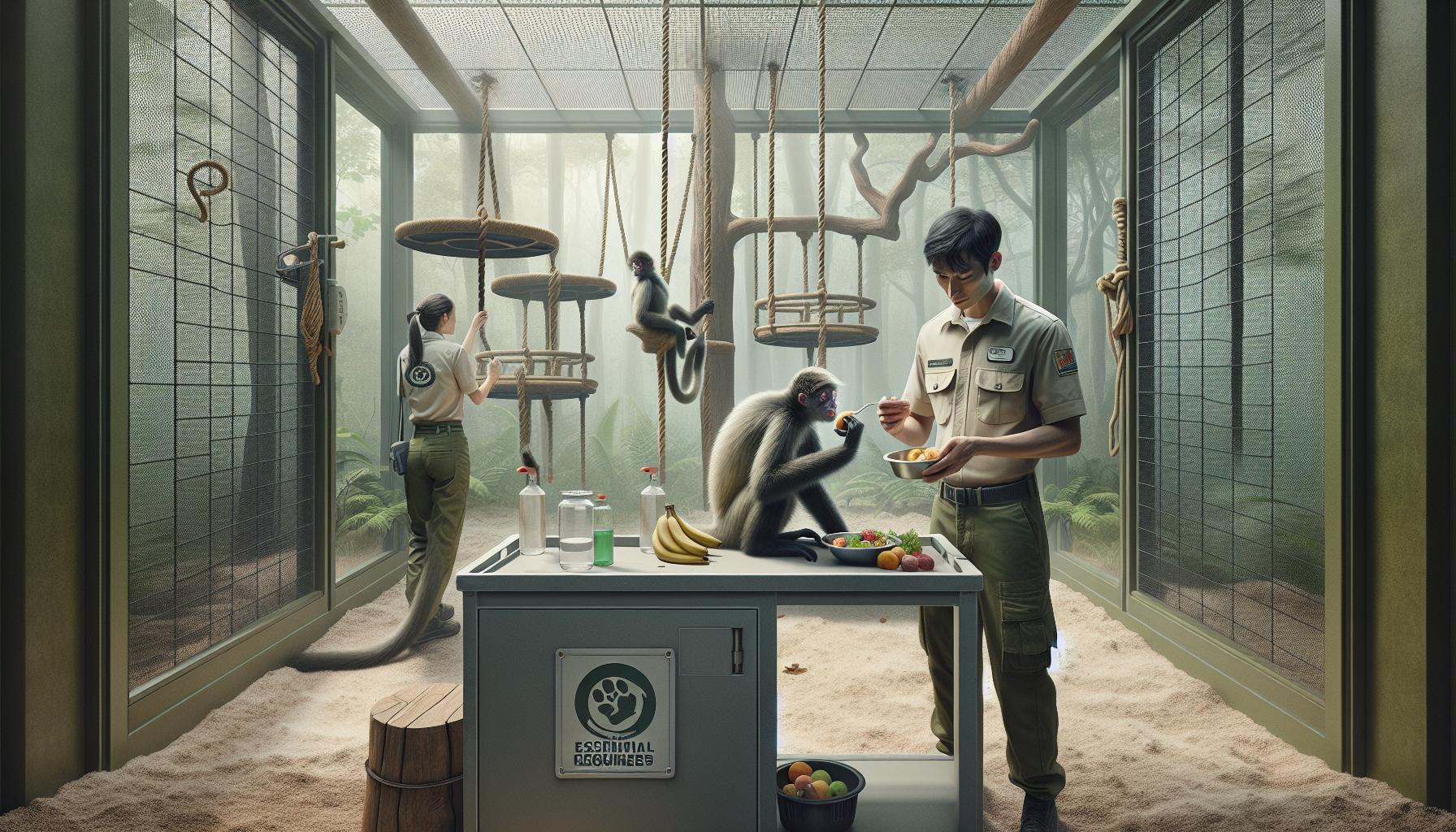
Spider monkeys are fascinating creatures, known for their intelligence and playful nature. However, they have complex care requirements that potential owners must carefully consider. These primates are naturally social animals that thrive in dynamic environments, so replicating their natural habitat as closely as possible is essential for their well-being.
To start, it’s crucial to provide an adequate living space. A large, secure enclosure is a must-think of it as a mini rainforest! Spider monkeys are naturally arboreal, meaning they spend most of their time in trees. Therefore, your enclosure should have vertical space with perches, ropes, and branches that encourage climbing and swinging. In addition to size, the environment should include various hiding spots and enrichment items to prevent boredom and promote natural behaviors, such as foraging.
Socialization is another key aspect of care. Spider monkeys are highly social animals and do not do well in isolation. Ideally, they should be housed with at least one companion to ensure they can engage in social play and bonding activities. Regular interaction with their human caregivers is also necessary to build trust and ensure appropriate socialization to people.
Diet is equally vital for the health of a spider monkey. In the wild, they eat a diverse diet of fruits, nuts, leaves, and flowers. A balanced diet should reflect this variety, consisting of high-quality fruits and vegetables, supplemented with protein sources like nuts or specially formulated primate pellets. Always avoid processed human foods, which can be harmful to their digestive systems. Consultation with a veterinarian specialized in exotic animals can help design an optimal diet plan.
Furthermore, health care and regular veterinary check-ups are essential. Spider monkeys can be susceptible to various health issues, including obesity and dental problems. Preventative measures such as routine vaccinations, parasite control, and, importantly, regular physical examinations are necessary to maintain their health over time.
In summary, owning a spider monkey is a significant commitment that requires extensive knowledge and preparation. From creating a suitable habitat to providing diet, socialization, and healthcare, understanding their needs is vital for ensuring these wonderful animals flourish in a domestic setting. Should you decide to bring a spider monkey into your life, be prepared to offer them the care, attention, and understanding they deserve.
Creating an Enriching Environment for Your Spider Monkey
Creating an enriching environment for a spider monkey involves much more than just a spacious enclosure; it’s about replicating their natural habitat to stimulate their physical and mental well-being. These agile and intelligent primates thrive in environments that challenge their curiosity and playfulness. A diverse habitat, rich with climbing structures and foraging opportunities, can help mimic their natural rainforest home while keeping them engaged and happy.
To start, focus on vertical space. Spider monkeys are natural climbers, adept at navigating the treetops. Your enclosure should include:
- Multiple levels: Incorporate shelves, ropes, and branches at various heights to invite climbing.
- Swings and hanging nets: These not only provide a fun way to move but also mimic their natural behaviors in the wild.
- Hiding spots: Enclosed spaces made with tunnels or foliage can give them a sense of security and an opportunity for exploration.
In addition to physical structures, incorporating natural elements enhances the environment significantly. Use live plants (non-toxic to monkeys) to simulate their rainforest surroundings, providing natural enrichment and stimulation. Adding foraging opportunities is critical-scatter their food throughout the enclosure or hide it within puzzle feeders. This encourages them to engage in problem-solving and mimics their natural hunting instincts.
Finally, consider their social needs. Spider monkeys are highly social creatures that thrive in the company of others, whether it’s fellow monkeys or their human caregivers. Providing regular interaction and opportunities for social play is essential. You might even consider housing them with another spider monkey to further enrich their social lives.
By focusing on an engaging and dynamic environment, you not only promote their physical health through exercise but also support their mental well-being. With the right setup, you’re paving the way for a fulfilling life for your spider monkey, one that’s filled with adventure, learning, and companionship.
Diet and Nutrition Needs of Spider Monkeys
Spider monkeys have a rich and varied diet that mirrors their natural foraging behavior in the wild. These fascinating primates are primarily frugivorous, meaning that fruits make up a significant portion of their diet. However, their nutritional needs go beyond just fruit; they require a balanced intake of vegetables, nuts, seeds, and occasionally protein sources to thrive. Understanding their dietary requirements is essential for anyone considering a spider monkey as a pet.
To provide a well-rounded diet, you should aim to replicate the diversity of foods they would encounter in their natural environment. Here’s a breakdown of what to include:
- Fruits: Offer a variety of fresh fruits like bananas, mangoes, apples, and berries. These should be organic whenever possible to avoid pesticide residues.
- Vegetables: Leafy greens such as kale, spinach, and broccoli are great additions. Other vegetables like carrots, bell peppers, and sweet potatoes can provide essential nutrients.
- Nuts and Seeds: These are fantastic sources of healthy fats and proteins. Almonds, walnuts, and sunflower seeds can be offered in moderation, as they are high in calories.
- Protein sources: Occasionally include cooked legumes (like lentils and chickpeas) or scrambled eggs to meet their protein needs, especially if your spider monkey is particularly active.
It’s crucial to provide fresh, clean water daily and to avoid processed foods that can harm their health. Spider monkeys have sensitive digestive systems, so introducing new foods should be done gradually to avoid gastrointestinal upset.
Another important aspect of their nutrition involves foraging. You can stimulate their natural instincts by scattering food around their enclosure or using puzzle feeders. This not only enriches their environment but also encourages them to engage in activities that mimic their wild behavior.
Ultimately, ensuring a varied and nutritious diet for a spider monkey involves commitment and knowledge. By understanding their dietary preferences and needs, you can promote their health and well-being while also enhancing your bond with these incredible animals.
Health Care and Veterinary Considerations
Getting a spider monkey may sound exciting, but it comes with the responsibility of ensuring their health and well-being. These lively and intelligent creatures require specialized veterinary care, which is quite different from the care offered to more common pets like dogs or cats. For prospective owners, establishing a relationship with a veterinarian experienced in exotic animals is crucial. Regular health check-ups are essential, as spider monkeys are susceptible to both physical and psychological conditions.
Routine veterinary visits should include vaccinations, dental checks, and screenings for parasites, as these can significantly impact their overall health. A skilled vet will be familiar with the common diseases that affect spider monkeys, such as leptospirosis and various gastrointestinal issues. Early detection is key; thus, knowing how to recognize signs of illness-like changes in appetite, lethargy, or unusual behavior-is vital. Providing detailed information about their diet, habitat, and behavior to the veterinarian will help in diagnosing potential problems.
Preventative Care
Preventative care is an investment in your spider monkey’s long-term health. This includes spaying or neutering to prevent unwanted breeding and reduce territorial behavior. Additionally, maintaining a clean living environment will minimize health risks. Regularly cleaning their habitat and providing enrichment through toys and climbing structures won’t just keep your monkey physically healthy; it will also help prevent behavioral issues born out of boredom.
Emergency Preparedness
Having a plan in place for emergencies is another crucial aspect of responsible ownership. This means not only knowing where the nearest exotic animal vet is located but also having a first aid kit specifically for your spider monkey. Items to include are antiseptic wipes, bandages, and any medications recommended by your vet. It’s also wise to have an emergency contact list-this could be a trusted vet, an exotic animal rescue organization, or a wildlife rehabilitator.
In conclusion, taking on the responsibility of a spider monkey means committing to their comprehensive health care needs. Through regular veterinary check-ups, preventative measures, and a well-thought-out emergency plan, you can help ensure your spider monkey leads a happy and healthy life in your home.
Common Misconceptions About Pet Spider Monkeys
Despite their playful demeanor and striking appearance, spider monkeys are often misunderstood as simple pets. One common misconception is that these primates can thrive in a typical home environment like a dog or cat. However, spider monkeys are complex creatures with intricate social structures and specific environmental needs. They require vast space to swing and play-much more than most homes can accommodate. Without adequate room for physical and mental stimulation, spider monkeys can develop severe behavioral issues, making their care far more demanding than that of conventional pets.
Another prevalent myth is that spider monkeys are low-maintenance animals. In reality, they demand a high level of commitment in terms of time, resources, and expertise. A common belief is that once you establish a bond with a spider monkey, they will behave well and require little training. This is misleading; spider monkeys require ongoing social interaction, training, and mental enrichment. Without proper and continual engagement, they can become bored and frustrated, leading to destructive behaviors or health issues.
Many people also underestimate the dietary needs of spider monkeys. It’s a common error to think they can eat just any fruits or vegetables. In actuality, their diet should mimic what they would naturally consume in the wild, which includes a variety of fruits, leaves, and nuts. Providing a balanced and species-appropriate diet is crucial for their health, and failing to do so can lead to nutritional deficiencies.
Lastly, there is a significant misconception about the legality of owning a spider monkey. Many assume that because they are sometimes available through breeders or pet stores, they are legal to own in all areas. However, laws regarding exotic pets vary widely by location, and in many places, it is illegal to own a spider monkey without the proper permits or licenses. This legal landscape underlines the importance of thorough research and responsible ownership before considering a spider monkey as a potential pet.
In essence, while spider monkeys are captivating animals, potential owners should understand that their care involves significant responsibility, a deep understanding of their needs, and a commitment to providing a suitable environment for these social and intelligent creatures.
Socialization Needs: Living with a Spider Monkey
Living with a spider monkey offers a fascinating glimpse into the behavior of these intelligent and social creatures. Spider monkeys, known for their acrobatic skills and high-energy antics, have communication needs that can often surprise first-time owners. They are naturally social animals, relying heavily on bonds and interactions with their family groups in the wild. This means that as a pet, a spider monkey requires not just companionship but also a relationship filled with meaningful engagement and stimulation.
To foster these socialization needs at home, it’s crucial to spend significant time interacting with your spider monkey daily. Regular activities such as play, training, and simple companionship help deepen your bond. Spider monkeys are adept at learning and thrive in environments where they can use their curiosity to explore new things. Establishing routines-including playtime with puzzles or toys designed for primates-will keep them mentally stimulated and emotionally fulfilled.
### Creating a Social Environment
Creating an optimal social environment includes:
- Regular Interaction: Engage your spider monkey in daily activities involving climbing, swinging, and playful games.
- Training Sessions: Use positive reinforcement methods to teach commands or tricks, enhancing the social bond while providing mental enrichment.
- Companionship: If possible, consider another spider monkey or another compatible species, as they benefit from social structures similar to their natural habitat.
Maintaining their social and emotional health goes beyond physical play. Spider monkeys enjoy vocalizing, which includes a range of sounds-from hoots to howls. Mimicking these calls can intrigue them and be a fun bonding experience. However, it’s essential to remain attentive to their mood and comfort levels, recognizing that every interaction should be pleasant and stress-free for your monkey.
In essence, living with a spider monkey is a commitment to nurturing a deeply social creature that, when understood and cared for properly, can bring immense joy and companionship. By creating a rich, engaging environment and ensuring regular social interactions, you can help your spider monkey flourish in a home setting, reflecting the unique charm and playful spirit that makes them so captivating.
Cost of Ownership: Are Spider Monkeys Affordable Pets?
Owning a spider monkey can be a dream for many exotic pet enthusiasts, but it’s important to consider the financial implications before making such a significant commitment. The initial purchase price for a spider monkey can range from $5,000 to $10,000, depending on factors like age, breeder reputation, and legality in your area. While this substantial upfront cost may catch some potential owners off guard, it’s just the beginning of a long-term financial responsibility.
The recurring costs associated with keeping a spider monkey can be even more daunting. Monthly expenses can include habitat setup and maintenance, which might involve investing in a large, secure enclosure that meets their needs for space and climbing. This can easily cost several hundred dollars initially, with ongoing expenses for upgrades and repairs. Additionally, spider monkeys require a specialized diet that mimics their natural food sources, such as fruits, vegetables, and specific nuts. This can add up to $100 or more monthly, depending on the quantity and quality of food you purchase.
Veterinary Care and Other Considerations
Responsibly owning a spider monkey also includes regular veterinary check-ups, which are crucial for monitoring their health and preventing common ailments seen in primates. Routine veterinary visits can range from $100 to $300 depending on your location and the care they require. Furthermore, emergencies can present unexpected costs that can reach thousands of dollars. It’s essential to have a financial plan that accommodates both regular care and potential emergencies.
Beyond the monetary aspect, owning a spider monkey entails considerable time investment and commitment. These intelligent creatures thrive on social interaction and mental stimulation, which means you may need to dedicate daily hours for play, training, and social bonding. Thus, while the initial and ongoing costs might initially seem manageable, the true lifestyle investment required to keep a spider monkey happy and healthy can be significant. It’s crucial for prospective owners to weigh these considerations carefully before jumping into ownership, ensuring they are prepared both financially and emotionally for the journey ahead.
Alternatives to Keeping a Spider Monkey as a Pet
While the allure of owning a spider monkey can be tempting, especially with their expressive faces and playful antics, they are not suitable pets for most people. Instead, consider some engaging alternatives that can fulfill your desire for companionship while respecting wildlife needs and conservation efforts.
Many animal lovers find joy in adopting small mammals or birds that offer unique personalities without the extensive commitments that come with exotic animals. Consider these options:
- Capuchin Monkeys: Slightly smaller than spider monkeys, capuchins are social and require interaction but are often less demanding regarding space and care.
- Ferrets: Known for their playful and curious nature, ferrets are entertaining companions that thrive in social environments.
- Parrots: With their vibrant colors and ability to mimic human speech, parrots can provide stimulation and companionship without the extensive needs of a primate.
- Small Breeds of Dogs: Many small dog breeds are affectionate, require less space, and can be trained to engage in activities similar to playing with a monkey.
For those passionate about wildlife, volunteering at a local animal sanctuary or wildlife rehabilitation center can be incredibly rewarding. This offers a chance to connect with animals, including primates, without the challenges of private ownership. These organizations often welcome help with care, fostering a deeper understanding of animal behavior and the ecological needs that spider monkeys, and other exotic animals, require.
Additionally, supporting wildlife conservation efforts can create a positive impact on species in their natural habitats. Adopting an animal from a distance through various wildlife funds allows you to contribute to the protection of spider monkeys and their ecosystems without the ethical and logistical complications of ownership.
By exploring these alternatives, you’ll not only satisfy your love for animals but also contribute positively to their welfare and conservation. Embracing pets that fit into your lifestyle while respecting wildlife will lead to a more fulfilling and responsible experience.
Responsible Ownership: The Ethics of Exotic Pets
While the idea of having a spider monkey as a companion might seem whimsical and enticing-after all, they are social, intelligent, and incredibly entertaining-it’s vital to pause and explore the ethical considerations surrounding the ownership of exotic pets. Spider monkeys are complex creatures with specific needs that far exceed what most people can provide. They are highly social animals, living in large family groups in the wild, and their behavioral and emotional health can suffer significantly when isolated from their peers.
Owning a spider monkey often requires a commitment that spans decades, as these animals can live for 20-40 years in captivity. Many potential owners may underestimate the time, effort, and financial resources needed for proper care. For instance, they require an environment that simulates their natural habitat, including ample vertical space for climbing and exploring, as well as enrichment activities to keep their minds engaged. A lack of appropriate stimulation can lead to behavioral issues, such as self-mutilation and aggression, which are both distressing to witness and challenging to manage.
Moreover, the legality and ethics of owning a spider monkey cannot be overlooked. In many places, keeping a spider monkey as a pet may be illegal or heavily regulated. These laws exist for a reason: they aim to protect both the animals and the ecosystems from which they come. The capture and trade of wild monkeys for the exotic pet market contribute to the decline of their populations in the wild and threaten their long-term survival. Responsible ownership means considering the implications of supporting such practices, and it often involves familiarizing oneself with the necessary permits and regulations.
For those still drawn to the idea of exotic companionship, alternatives abound that can provide joy without the heavy responsibility that comes with a spider monkey. Animals like capuchin monkeys, which are smaller and often more adaptable, or even pet birds and small mammals, can offer engaging companionship that aligns more closely with typical pet care. Additionally, fostering a connection with wildlife through volunteering or supporting conservation efforts can enrich your love for animals without the ethical dilemmas tied to ownership. Embracing responsible stewardship towards all creatures fosters a deeper understanding of their needs and contributes positively to their wellbeing.
Faq
Q: What are the challenges of keeping a spider monkey as a pet?
A: Keeping a spider monkey as a pet presents significant challenges, including their social nature, which requires plenty of companionship and interaction. They also have complex dietary needs and require a large, enriching environment to thrive. Additionally, they may exhibit destructive behaviors if not properly stimulated.
Q: How long can a spider monkey live in captivity?
A: In captivity, spider monkeys can live up to 30 years or more with proper care. This long lifespan requires a serious commitment from pet owners, considering veterinary care and the need for a stable environment throughout their lives.
Q: What legal permits are required for owning a spider monkey?
A: The requirements for legal permits to own a spider monkey vary by region. Many places require specific licenses or permits due to their status as exotic animals. Always check local regulations and ensure compliance to avoid legal issues and support ethical ownership.
Q: Can spider monkeys become aggressive as pets?
A: Yes, spider monkeys can display aggressive behaviors, particularly if they’re not socialized properly or if they feel threatened. Regular handling and social interaction are crucial to minimize aggression and promote well-adjusted behavior.
Q: What type of space do spider monkeys need?
A: Spider monkeys require ample space to roam, climb, and play. A large, secure outdoor enclosure is ideal, supplemented by a spacious indoor area filled with enrichment items like toys and climbing structures to mimic their natural habitat.
Q: How can owners meet the social needs of a spider monkey?
A: Owners can meet a spider monkey’s social needs by spending significant time with them daily and, if possible, considering getting a second monkey for companionship. Engaging in interactive play and training sessions can also help fulfill their social behavior requirements.
Q: Are spider monkeys suitable for first-time exotic pet owners?
A: No, spider monkeys are not suitable for first-time exotic pet owners. Their complex care requirements, need for social interaction, and potential for behavioral issues make them better suited for experienced owners who can commit to their long-term needs.
Q: What veterinary care do spider monkeys require?
A: Spider monkeys need regular veterinary check-ups with a vet experienced in exotic animal care. This includes vaccinations, dental care, and monitoring for common issues like obesity and parasites. Consistent health assessments help ensure a long, healthy life.
Encourage your audience to explore more on the essential care requirements for exotic pets, especially spider monkeys, to ensure responsible ownership!
Wrapping Up
In conclusion, while the idea of having a spider monkey as a pet can be enticing, it’s crucial to understand their complex needs and behaviors. Adequate space, social interaction, and proper nutrition are vital to their well-being. If you’re seriously considering pet ownership, take the time to explore our detailed guide on “Understanding Exotic Animals” and our practical tips on “Creating the Perfect Habitat for Your Exotic Pets.” These resources will empower you with essential knowledge to make informed decisions.
Feeling inspired? Don’t forget to subscribe to our newsletter for the latest updates and insights into exotic pet care, and join our community of wildlife enthusiasts in the comments section below! Whether you’re a curious newcomer or a seasoned exotic pet owner, we’d love to hear your thoughts and experiences. Let’s continue this conversation and ensure responsible ownership while enjoying the fascinating world of unique pets!
Get our latest guides, news, and insights highlighted in your Google Search & AI Overviews.