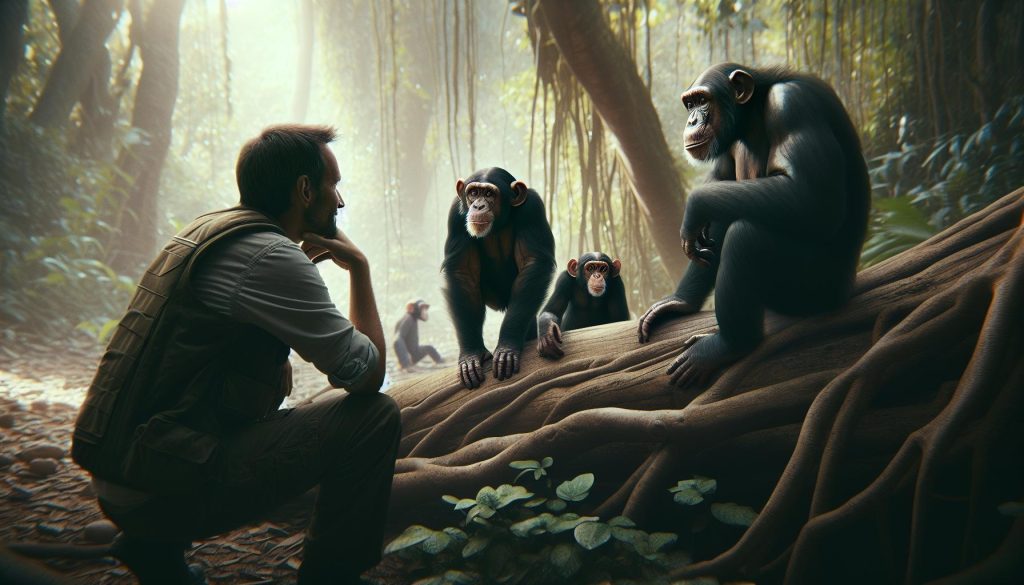
Did you know that chimpanzees share a remarkable 98.7% of their DNA with humans? This fascinating fact raises a common question: Are chimpanzees monkeys? While both belong to the primate family, understanding the classification of chimpanzees is essential for appreciating their unique traits and behaviors. In this article, we’ll explore the intricate distinctions between monkeys and chimpanzees, unraveling the science behind their classifications. This knowledge not only enhances our understanding of these incredible creatures but also informs conservation efforts to protect their habitats as they face increasing threats. Whether you’re a curious newcomer or a seasoned wildlife enthusiast, join us on this journey as we dive into the captivating world of chimpanzees and their place within the primate family.
Is a Chimpanzee a Monkey? Understanding the Classification
Chimpanzees often find themselves caught in a common misconception: many people mistakenly refer to them as monkeys. However, this classification misspells the fundamental differences between these two fascinating groups of primates. To clarify, chimpanzees are part of the family Hominidae, which includes great apes like gorillas and orangutans. Monkeys, on the other hand, belong to separate groups, primarily categorized into New World monkeys (found in the Americas) and Old World monkeys (found in Africa and Asia). The distinction between these groups goes beyond mere naming; it encompasses significant anatomical and behavioral differences.
One of the most striking differences is the presence of a tail. Most monkeys have tails, which are often used for balance and communication, while chimpanzees do not possess tails. This lack of a tail is just one indicator of their evolutionary path, which emphasizes bipedalism and greater dexterity. Chimpanzees are also generally larger and more robust than most monkeys, with a higher degree of intelligence that allows for complex problem-solving and social interactions.
Beyond physical attributes, there are key behavioral distinctions. Chimpanzees exhibit advanced social structures and tool-use behavior rarely seen among monkeys. They are known to use sticks to fish for termites, a sign of their cognitive abilities. This level of intelligence is closely related to their social dynamics, which involve deep emotional bonds and cooperative behaviors not typically observed in many monkey species. By understanding these classifications, we can better appreciate the unique role chimpanzees play in the animal kingdom and the complexities that differentiate them from their monkey relatives.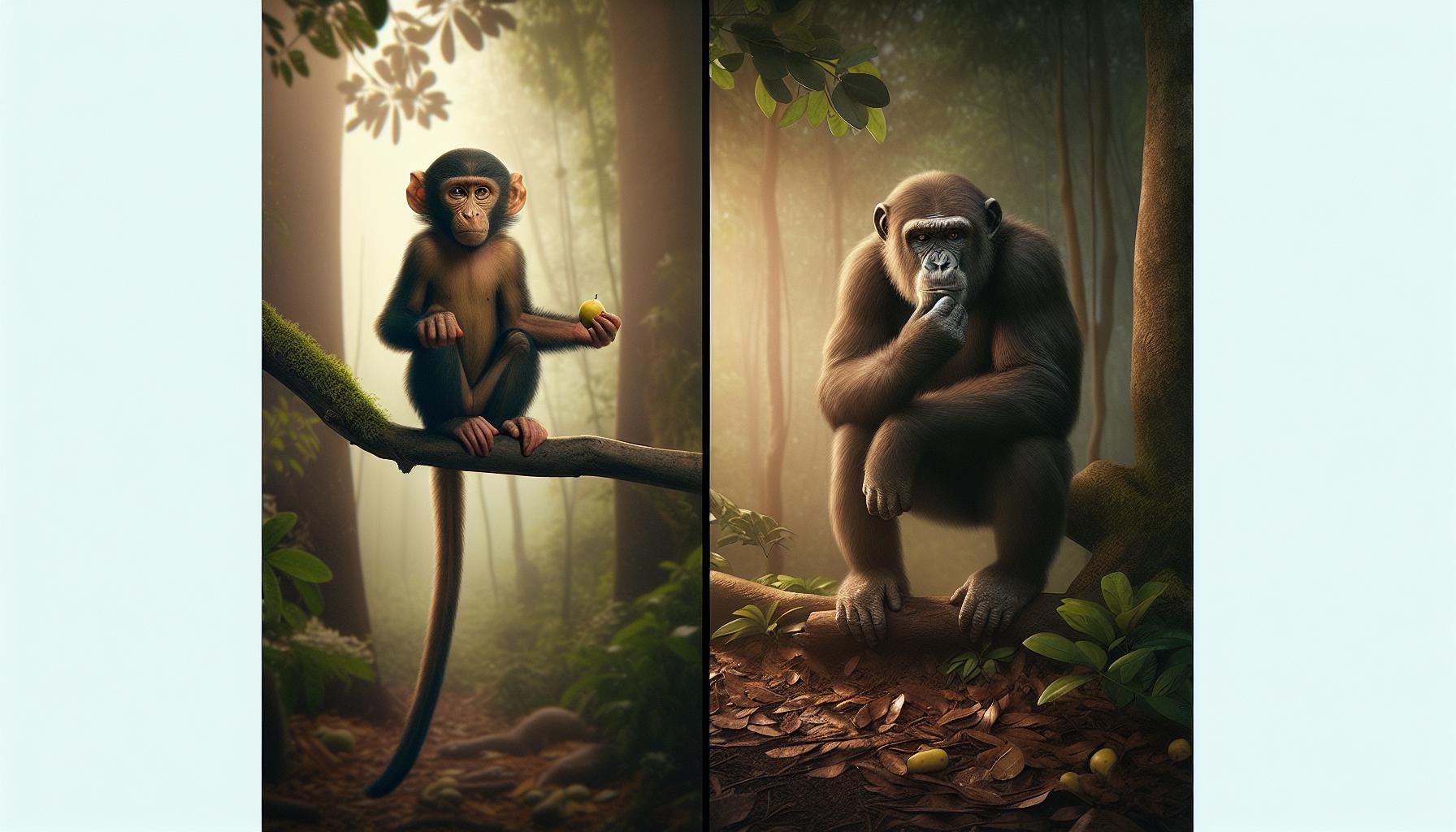
The Distinct Differences Between Monkeys and Apes
Many people are surprised to learn that chimpanzees are not monkeys. This distinction is crucial as it reflects fundamental differences in anatomy, behavior, and genetics. While both chimpanzees and monkeys belong to the primate order, they fall into different families, with chimpanzees classified under Hominidae-often referred to as great apes-alongside gorillas and orangutans. Understanding these differences gives us insight into why chimpanzees exhibit traits and behaviors that set them apart from their monkey cousins.
To begin with, one of the most obvious physical differences is the tail-or rather, the lack of one in apes. Most monkeys possess tails that assist with balance and communication. In stark contrast, chimpanzees have evolved without tails, which is indicative of their adaptation for life both on the ground and in the trees. This anatomical shift correlates with greater mobility and strength, allowing them to navigate their environments with agility. Furthermore, chimpanzees usually have larger body sizes and more pronounced facial features than many monkey species, which underlines their distinct biological classification.
Behaviorally, chimpanzees are renowned for their complex social structures and highly intelligent problem-solving skills. Unlike many monkeys, chimpanzees have been observed using tools in elaborate ways, such as crafting sticks to extract termites from mounds-a behavior that showcases not only their intelligence but also their ability to learn from one another. They demonstrate deep social bonds, often forming intricate relationships that involve cooperation, affection, and even conflict resolution. While monkeys may also have social hierarchies, the emotional depth and cognitive abilities displayed by chimpanzees reflect an advanced level of social interaction that is less prevalent in monkeys.
Ultimately, recognizing the distinct differences between these groups enhances our appreciation for chimpanzees and underscores the importance of their conservation. Understanding their unique behaviors and social structures not only fosters a greater respect for these incredible creatures but also highlights the urgent need to protect their habitats and ensure their survival in the wild. By bridging the gap between scientific understanding and public knowledge, we can work together to safeguard these remarkable animals for future generations.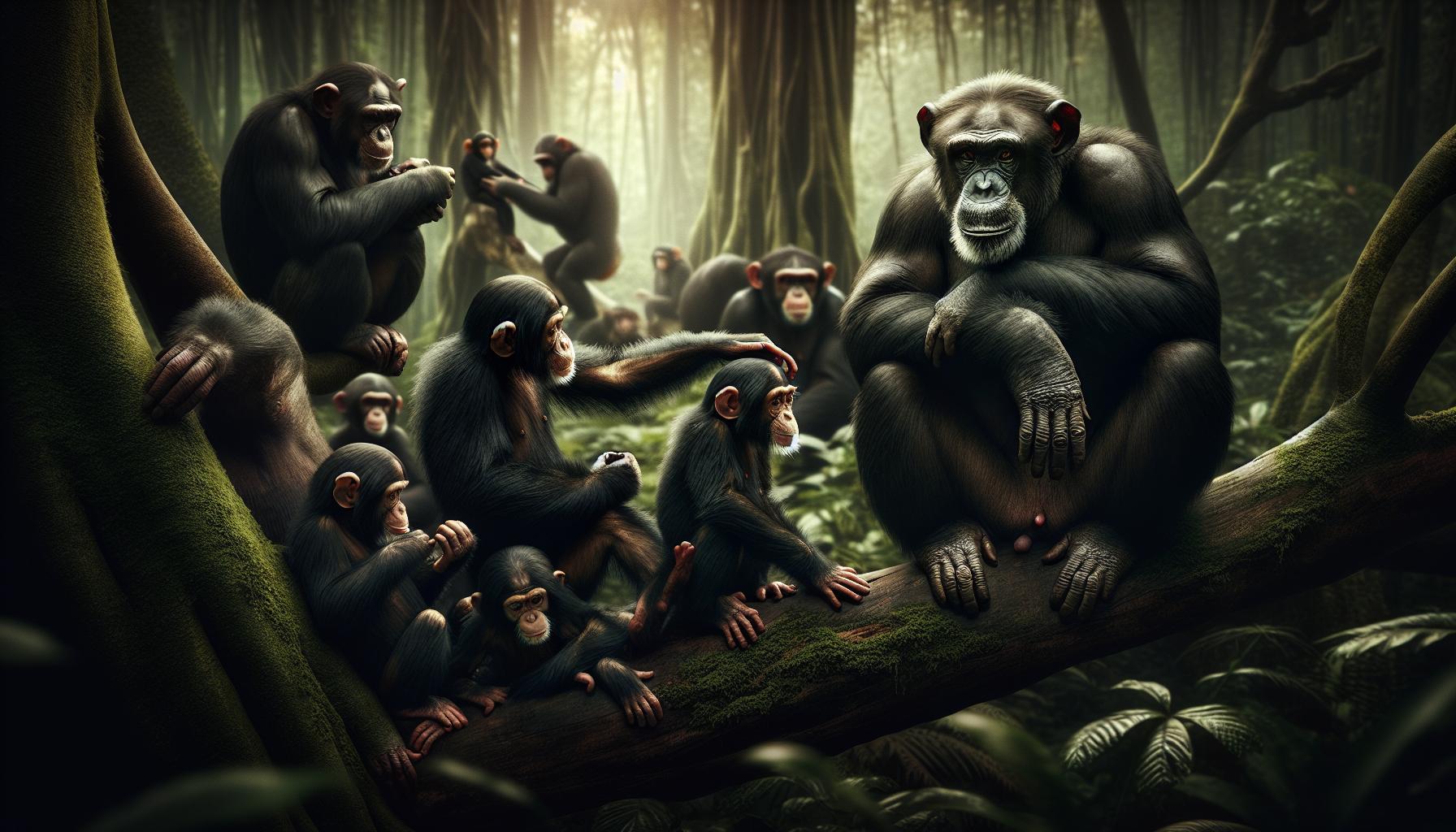
Exploring Chimpanzee Behavior and Social Structures
Chimpanzees are known for their rich social lives and complex behaviors, which often amaze researchers and animal lovers alike. These great apes live in dynamic social groups known as communities, which can range from a few dozen to over a hundred individuals. Remarkably, these communities have intricate social hierarchies, where relationships are maintained through grooming, sharing food, and various forms of communication. Grooming, in particular, plays a vital role in reinforcing social bonds and establishing alliances among members of the group.
One of the standout features of chimpanzee behavior is their ability to use and even create tools. For example, they have been observed using sticks to extract termites from their mounds, a skill that requires both knowledge and dexterity. This tool use is not just about survival; it’s a cultural tradition passed down through generations, showcasing their impressive cognitive abilities. Chimpanzees also display emotions similar to humans, such as joy, sadness, and empathy. They are known to comfort each other in times of distress, which speaks volumes about their emotional depth.
Moreover, chimpanzees exhibit fascinating communication skills. They use a variety of vocalizations, facial expressions, and gestures to convey messages. From pant-hoots that can travel over long distances to subtle physical cues, these signals help maintain group cohesion and coordinate activities like foraging or social encounters. This rich tapestry of communication highlights not only their intelligence but also their adaptability in navigating complex social landscapes.
In the context of conservation, understanding chimpanzee behavior and social structures is crucial. Their sophisticated social systems make them susceptible to the challenges posed by habitat destruction and poaching. By recognizing their needs for social interaction and emotional fulfillment, conservationists can promote strategies that support their well-being in both wild and captive settings. Engaging with these incredible beings deepens our appreciation for their roles in our planet’s ecosystems and underscores the importance of preserving their natural habitats for future generations.
The Evolutionary Journey of Chimpanzees
Chimpanzees share a profound evolutionary history that fascinates both scientists and nature enthusiasts alike. As part of the Hominidae family, which includes gorillas, orangutans, and humans, chimpanzees are our closest living relatives-they share about 98% of our DNA! This shared ancestry highlights the intriguing trajectory of primate evolution that has shaped their behaviors, social structures, and adaptations.
began around six to seven million years ago when our last common ancestor (LCA) with chimpanzees and bonobos diverged from the ancestral line that would eventually lead to modern humans. From this divergence, local environmental changes influenced the evolution of various primate traits. For instance, as some populations adapted to tree-dwelling lifestyles, they developed more agile limbs and enhanced social behaviors that were beneficial for survival in dynamic forest ecosystems.
Over time, chimpanzees evolved to thrive in their distinct habitats, leading them to become remarkably adaptable creatures. Their intelligence is evident in their tool-making abilities, which are not just innate traits but cultural practices learned within social groups. This capacity for learning and adaptation has allowed them to manipulate their environment effectively, showcasing behaviors such as using stones to crack nuts or employing sticks to fetch termites from mounds. This tool usage reflects both cognitive complexity and the transmission of knowledge across generations-key components of their evolutionary success.
Moreover, studying chimpanzee evolution offers insights into the origins of human behaviors. Understanding their social structure, communication patterns, and innovative capabilities sheds light on the evolutionary roots of our own social interactions and cognitive functions. As we delve into the shared evolutionary paths of humans and chimpanzees, we realize just how interconnected we are, emphasizing the importance of conservation efforts to protect these remarkable beings and their natural habitats for future generations.
Chimpanzee Habitats: Where They Live in the Wild
Chimpanzees inhabit the lush, verdant forests of Central and West Africa, where they have evolved remarkable adaptability to their surroundings. Unlike monkeys, who often thrive in a variety of environments, including savannas and mountains, chimpanzees are predominantly forest dwellers, preferring the canopy where they spend most of their lives. This arboreal lifestyle enables them to seek food, build nests, and avoid ground predators. They are social creatures, often found in communities ranging from 20 to over 100 individuals, which support their survival in these complex ecosystems.
Preferred Habitats
Chimpanzees thrive in several types of forests, including:
- Tropical Rainforests: These dense, diverse ecosystems provide ample fruits and nuts, which constitute a major part of their diet.
- Secondary Forests: Areas recovering from logging or agriculture can also be home to chimpanzees, though these habitats may not have the same rich biodiversity as untouched forests.
- Wooded Savannas: Some populations have adapted to live in savanna environments, where they rely on the availability of trees for nesting and food sources.
Chimpanzees’ habitats are not just crucial for their physical well-being; they also shape their social structures and behaviors. Their living environments encourage complex social interactions, as they often gather in large groups to forage for food. This communal living fosters relationships that are vital for their survival and reproduction, with individuals often displaying emotional ties that deepen their social bonds.
Environmental Threats
Sadly, chimpanzee habitats are increasingly threatened by human activities. Deforestation for agriculture, logging, and urban development reduces the areas available for these remarkable creatures. As their natural habitats shrink, chimpanzees are forced into smaller territories, making it difficult for them to find food and mates. Conservation efforts aim to protect these vital habitats, focusing not only on the survival of chimpanzees but also on maintaining the ecological balance of the regions they inhabit.
By understanding where chimpanzees live and the importance of their environments, we can appreciate the intricate balance of these ecosystems and advocate for effective conservation strategies to protect them. This wondrous connection between the land and its wildlife serves as a reminder that preserving chimpanzee habitats is essential for their survival-and ultimately, for our own understanding of primate evolution and human ancestry.
Diet and Nutrition: What Do Chimpanzees Eat?
Chimpanzees are fascinating creatures known for their intelligence and complex social behaviors, but when it comes to their diet, they are equally impressive. In the wild, they have a varied diet that reflects their adaptable nature and their role as omnivores. They consume a wide range of foods, with fruit being a significant component. In fact, about 60% of their diet consists of fruits, particularly those that come from trees in their forest habitats. This includes bananas, figs, and various berries, which provide essential nutrients and energy.
Beyond fruit, chimpanzees are also known for their love of plants and seeds. They forage for leaves, flowers, and bark, ensuring they get a well-rounded diet. In addition to vegetation, they actively hunt and gather other types of food such as insects and occasionally small mammals. This omnivorous diet is a key reason why chimpanzees are able to thrive in diverse environments, from dense tropical rainforests to more open wooded savannas. Their ability to utilize different food sources showcases their intelligence and adaptability in the face of changing habitats.
It’s interesting to note that chimpanzees have unique feeding behaviors, often working together in groups to crack open nuts or hunt for meat. These social foraging behaviors not only reflect their intelligence but also their strong social bonds, as they often share food with one another. This communal aspect of feeding is as much about nutrition as it is about strengthening relationships within their communities.
However, the availability of food and the quality of their diet are increasingly threatened by habitat loss due to deforestation and human encroachment. Conservation efforts focus on preserving their natural habitats to ensure that chimpanzees continue to have access to the rich and diverse diet that supports their health and social structures. Understanding what chimpanzees eat not only enlightens us about their biology but also underscores the importance of conservation for their survival and well-being in the wild.
The Role of Chimpanzees in Ecosystem and Conservation
Chimpanzees play a pivotal role in their ecosystems, significantly influencing both their surroundings and the health of their habitats. As keystone species, they contribute to the processes that maintain the ecological balance in the forests of Central Africa where they reside. Their behavior as foragers and seed dispersers shapes the structure of their environment, facilitating the growth of diverse plant species and encouraging a robust ecosystem. This plant diversity, in turn, supports a multitude of other organisms, showcasing the interconnectedness of life within these habitats.
In addition to their ecological impact, chimpanzees are essential for conservation efforts. Their social structures and intelligence make them fascinating subjects for research, leading to insights that can be applied to broader conservation strategies. For instance, understanding their communal behavior, such as sharing food and collaborating during foraging, highlights the importance of social bonds in wildlife. This knowledge can inform conservation practices, emphasizing the preservation of social structures within populations to ensure their long-term survival.
However, chimpanzees face significant threats due to habitat loss and poaching, which not only endanger their species but also disrupt the ecosystems they help sustain. Preservation of their natural habitats is crucial. Conservation efforts often include protecting forest areas and implementing sustainable land-use practices, which benefit not only chimpanzees but also the wider range of species that depend on these ecosystems. Engaging local communities in conservation initiatives helps foster a shared responsibility for wildlife protection, which is key to effective environmental stewardship.
To maximize the effectiveness of conservation efforts, it is essential to educate the public about the importance of chimpanzees in ecosystems. For example, showcasing their roles in seed dispersal can highlight their contribution to forest regeneration, making them champions of biodiversity. Encouraging sustainable tourism can also provide financial incentives for local communities to protect these incredible creatures. By valuing the role of chimpanzees not just as wildlife, but as integral components of a healthy ecosystem, we can foster a deeper appreciation that drives meaningful action towards their conservation.
How Chimpanzees Communicate: Language and Signals
Chimpanzees are remarkable creatures not just for their close relation to humans but also for their sophisticated ways of communication. Did you know that chimpanzees can use a variety of vocalizations, facial expressions, and gestures to convey messages? Their communication methods are as rich and complex as those found in human interactions, showcasing their intelligence and social nature.
One of the most fascinating aspects of chimpanzee communication is their use of vocalizations. They produce a range of sounds, including pant-hoots, grunts, screams, and more. Each sound can serve a different purpose, whether it’s to alert others to danger, signal the availability of food, or even call out to a friend. For instance, a pant-hoop is often used during social gatherings, while a specific grunt might indicate a need for assistance or food sharing. Facial expressions also play a crucial role; a smile or relaxed posture can signify comfort and friendship, while a furrowed brow might communicate aggression or concern.
Gestures and Sign Language
Chimpanzees are not limited to vocal sounds. They often use gestures, including pointing, waving, or hand-clapping, to communicate intentions or desires. For example, a chimp might point to an object to indicate a desire to play or share. Some researchers have even taught chimpanzees basic sign language, demonstrating their capacity for symbolic communication. In studies, chimpanzees have shown they can use symbols to request items or express emotional states, further blurring the lines between animal and human communication.
Social Context and Emotional Connection
The social context of chimpanzee communication is profound. Their interactions often revolve around establishing and maintaining relationships within their communities. Communication isn’t just about exchanging information; it’s a critical tool for nurturing bonds, reducing tension, and coordinating activities. For example, when a mother comforts her distressed offspring with gentle vocalizations and soothing gestures, it strengthens their emotional connection, indicating a depth of understanding and empathy.
In a world where habitat loss and poaching threaten their existence, understanding chimpanzee communication can enrich our efforts in conservation. By recognizing the complexity of their social structures and emotional needs, we can develop more effective strategies that foster their survival in the wild. Whether through community engagement or research, appreciating how these remarkable beings interact and express themselves emphasizes their significance in our ecosystem and underscores the need for their protection.
Caring for Chimpanzees: Captivity vs. Wild Life
Chimpanzees are incredible animals that thrive in their natural habitats, characterized by complex social structures and behaviors. However, the debate around their care in captivity versus the wild reveals significant differences in their needs and well-being. In the wild, chimpanzees inhabit tropical forests and savannas across equatorial Africa, where they interact in large communities, forage for food, and engage in social grooming and play. This rich environment provides not just sustenance but also mental stimulation, essential for their development and happiness.
When it comes to caring for chimpanzees, it’s crucial to recognize that these great apes are not well-suited for life in captivity like many other domestic animals. In confinement, they may suffer from stress and behavioral issues, as their social needs are often unmet. According to research, chimpanzees require daily social interaction and opportunities to engage in natural behaviors. In sanctuaries or zoos, it is vital to replicate their natural environments as much as possible, providing spaces that allow for climbing and exploration, along with social groups that reflect their wild counterparts.
Captivity Challenges
Captivity presents unique challenges for chimpanzees. Among these are limited space, lack of foraging opportunities, and inadequate social interactions. Animals in captivity can develop stereotypic behaviors-repetitive actions with no apparent purpose, such as pacing or self-soothing-that signify distress. Proper care in these settings involves creating enrichment activities that stimulate natural foraging, encourage social bonds, and allow for physical exercise.
Additionally, ethical considerations arise when discussing the breeding and housing of chimpanzees in captivity. Unlike domestic pets, chimpanzees can live for over 50 years and require a long-term commitment that can strain resources in many facilities. Thus, educating audiences about the complexities of chimpanzee care fosters a greater appreciation for their needs, whether in sanctuaries or the wild.
The Role of Conservation
Conservation efforts are pivotal for the future of chimpanzees. As wild populations face habitat destruction, poaching, and disease, protecting these animals in their natural environment becomes increasingly important. Initiatives that promote habitat preservation directly correlate to the success of chimpanzee welfare in the wild. Furthermore, supporting responsible eco-tourism helps raise awareness and funds for conservation, reminding us that preserving habitats is essential not only for chimpanzees but for the entire ecosystem they inhabit.
Balancing the interests of captive apes with the preservation of wild populations is not just an ethical responsibility-it’s crucial for safeguarding these remarkable creatures for future generations. Understanding how to care for chimpanzees involves recognizing their intrinsic ties to the wild, ultimately leading to better practices and a heartfelt commitment to their conservation.
Chimpanzees in Popular Culture: Myths vs. Reality
The portrayal of chimpanzees in popular culture often blurs the lines between reality and myth, leading to a host of misconceptions surrounding these fascinating creatures. Commonly referred to as “monkeys” in movies and television, chimpanzees are actually classified as apes, sharing closer genetic ties with humans than with monkeys. This misunderstanding contributes to their depiction as simple-minded or overly entertaining beings, neglecting their complex cognition and rich social behaviors. In reality, chimpanzees exhibit advanced intelligence, capable of using tools, communicating with intricate vocalizations, and even demonstrating emotional depth akin to humans.
Many films and shows, while entertaining, can perpetuate stereotypes that diminish our understanding of chimpanzees and their true nature. For example, shows that feature chimpanzees performing tricks often ignore the importance of a natural environment that supports their well-being. While it’s entertaining to see a chimpanzee dress in human clothing or engage in playful antics on screen, it is vital to remember that these practices can lead to ethical concerns regarding their treatment in captivity and the portrayal of their abilities. This dramatization can overshadow the genuinely impressive aspects of their lives-like their intricate social structures and problem-solving skills.
Real vs. Fiction
Chimpanzees do not live in the whimsical worlds often depicted in animation or family films. Instead, they thrive in complex societies that rely on cooperation and social bonds. Examples like the famous Jane Goodall’s studies reveal their use of tools and ability to form lasting relationships. Unlike how they are often shown in media, real chimpanzees exhibit a range of emotions, including empathy, grief, and joy, which underscores the need for a more nuanced portrayal in popular media.
In the realm of conservation, it is crucial to leverage their popular appeal to advocate for their protection. Documentaries and public campaigns that showcase their intelligence and social complexity can help educate audiences on the threats they face in the wild, such as habitat loss and poaching. By fostering a deeper understanding of chimpanzees through accurate representation, we can encourage more responsible behavior toward wildlife conservation efforts and promote a commitment to preserving their natural habitats.
Ultimately, celebrating the true nature of chimpanzees-intelligent, emotional beings with intricate social lives-requires a shift in how they are represented in popular culture. As we challenge these myths, we can build a more informed and compassionate perspective on not only chimpanzees but all wildlife, encouraging actions that support their welfare and conservation in the natural world.
Conservation Efforts for Chimpanzees and Their Habitats
Chimpanzees are not just captivating creatures; they are also vital players in their ecosystems. Unfortunately, they face significant threats that endanger their survival and habitats. Conservation efforts are crucial for protecting these intelligent apes and the rich biodiversity of the environments they inhabit. Engaging in conservation doesn’t just benefit chimpanzees; it also supports myriad other species that share their habitat, showcasing the intricate connections within ecosystems.
Various organizations and grassroots movements work tirelessly to protect chimpanzees and their environments. These initiatives often focus on key areas such as habitat preservation, anti-poaching measures, and community education. For example, reforestation projects are essential in restoring habitats that have been degraded by logging or agriculture. By engaging local communities, these projects provide sustainable alternatives to deforestation, helping people see the value of preserving natural resources.
Efforts to combat illegal poaching are equally vital. Many conservation groups implement patrols and surveillance in key areas to deter poachers and disrupt trafficking networks that exploit chimpanzees for the illegal pet trade or bushmeat market. Stronger law enforcement, combined with community advocacy, can create safer environments for chimpanzees to thrive.
Public awareness is another crucial element of conservation. Educational campaigns can help reshape perceptions of chimpanzees, encouraging people to support wildlife-friendly policies. Documentaries and social media campaigns highlight not just the plight of these wonderful apes but also the importance of preserving their habitats. By understanding the incredible complexity of chimpanzee societies and their ecological roles, the public can become more engaged in conservation efforts.
Ultimately, conserving chimpanzees requires a multifaceted approach that combines habitat protection, community involvement, and public education. By addressing these areas collectively, we can ensure a future where chimpanzees, and the breathtaking ecosystems they inhabit, can continue to thrive.
Q&A
Q: Why are chimpanzees not classified as monkeys?
A: Chimpanzees are not classified as monkeys because they belong to the family Hominidae, known as great apes, while monkeys are part of different families. Key differences include the absence of tails in apes and their more complex social behaviors. Understanding this classification helps clarify common misconceptions about these fascinating animals.
Q: What is the difference between monkeys and chimpanzees?
A: Monkeys and chimpanzees differ significantly; chimpanzees are apes with larger brains, more advanced social structures, and no tails. Monkeys typically have tails and are usually smaller. For more on their distinct behaviors, refer to the section on The Distinct Differences Between Monkeys and Apes in the article.
Q: How are chimpanzees related to humans?
A: Chimpanzees share about 98% of their DNA with humans, making them our closest living relatives. This genetic similarity contributes to shared behaviors and social structures. For an in-depth exploration of their evolutionary background, check the Evolutionary Journey of Chimpanzees section.
Q: Can chimpanzees and monkeys interbreed?
A: Chimpanzees and monkeys cannot interbreed due to significant genetic and evolutionary differences. They belong to separate families, which prevents hybridization. Understanding these classifications is essential for appreciating primate diversity.
Q: What are the main types of chimpanzees?
A: The two main types of chimpanzees are the common chimpanzee and the bonobo. Each has unique social structures and behaviors, with bonobos known for their matriarchal societies. For detailed characteristics of these types, see the section on 4 Types of Chimpanzees.
Q: Are chimpanzees as intelligent as humans?
A: While not as intelligent as humans, chimpanzees are highly intelligent, displaying problem-solving skills, use of tools, and complex social interactions. Their cognitive abilities highlight the importance of primate conservation, which can be explored further in Conservation Efforts for Chimpanzees and Their Habitats.
Q: How do chimpanzees communicate?
A: Chimpanzees communicate through vocalizations, gestures, and facial expressions. They have a sophisticated communication system that includes over 30 different vocal calls. To learn more about their communication methods, refer to the section on How Chimpanzees Communicate: Language and Signals.
Q: Why are chimpanzees important for their ecosystems?
A: Chimpanzees are critical for their ecosystems as they help in seed dispersal and maintaining forest biodiversity. Their behaviors have significant impacts on their habitat. For additional insights into their role, see The Role of Chimpanzees in Ecosystem and Conservation in the main article.
To Wrap It Up
Now that you understand the fascinating classification of chimpanzees and how they differ from monkeys, why not dive deeper? Explore our articles on the behavior of chimpanzees in the wild or check out the surprising similarities between humans and these incredible primates. Remember, staying curious is key to appreciating the wonders of wildlife!
If you’re passionate about animals like we are, consider subscribing to our newsletter for the latest insights and tips on animal care. Have questions or thoughts? We’d love to hear from you in the comments below-your engagement fuels our community!
Let’s embark on this journey together, unraveling more mysteries of the animal kingdom. For even more captivating content, explore our section on endangered species or discover ways to support wildlife conservation efforts. Keep learning, and don’t miss out on your chance to become an informed advocate for these amazing creatures!
Get our latest guides, news, and insights highlighted in your Google Search & AI Overviews.