Have you ever watched a flying squirrel gracefully glide from tree to tree and wondered what it would be like to have one as a pet? These charming and nocturnal creatures, known for their soft fur and playful demeanor, can make delightful companions, but adopting one legally requires careful planning and understanding of local regulations. Knowing the legal steps is crucial to ensure not only your new pet’s well-being but also compliance with wildlife laws. This guide will provide you with essential information on how to navigate the adoption process, including important considerations about their habitat, dietary needs, and social behavior. Whether you’re a seasoned exotic animal enthusiast or a curious newcomer, let’s explore the delightful journey of bringing a flying squirrel into your home, responsibly and legally!
How to Legally Own a Flying Squirrel
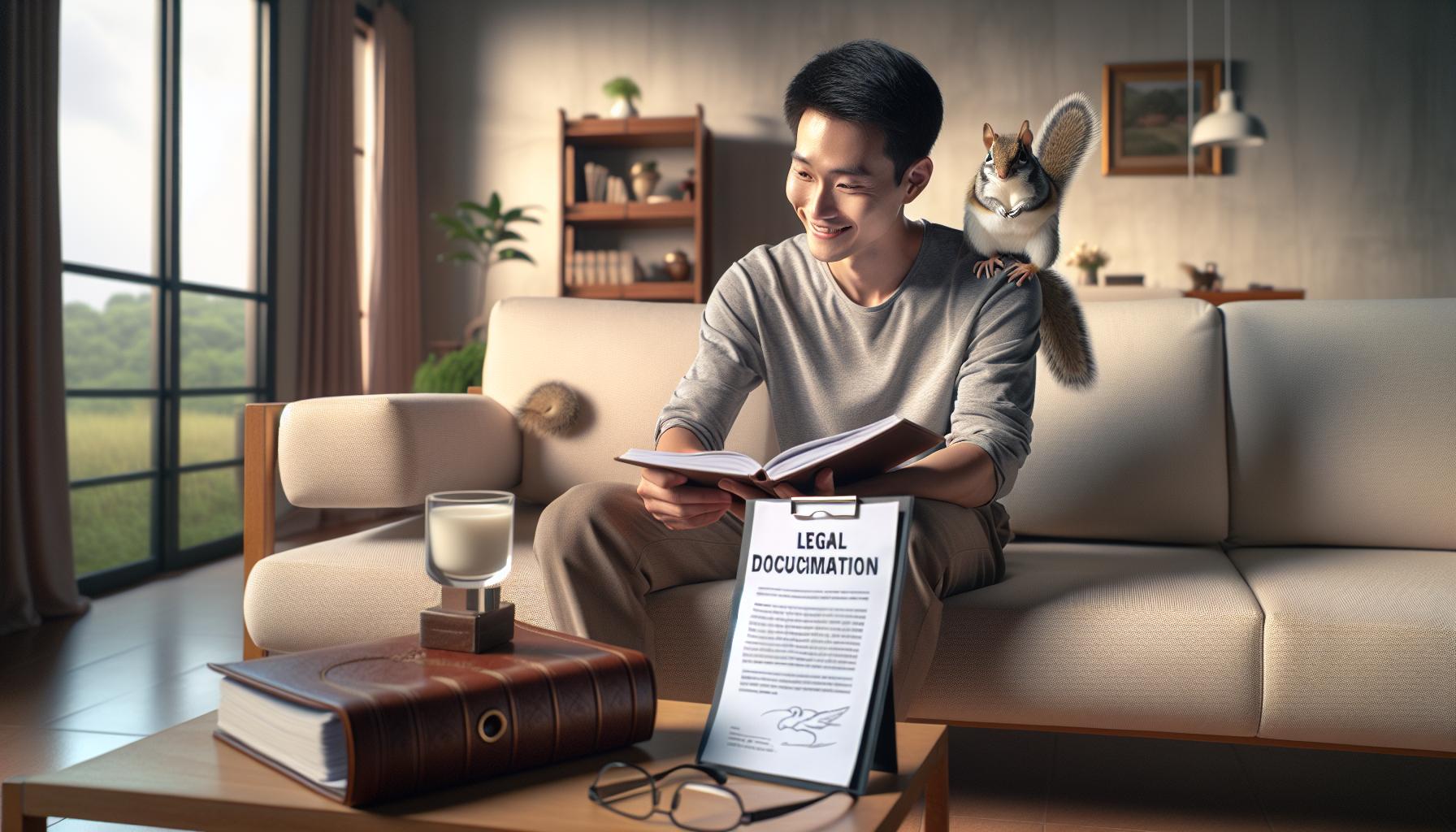
Understanding the nuances of pet ownership laws is essential when considering adopting a flying squirrel. These adorable critters, known for their nighttime acrobatics, can be legal companions in some regions but not in others. Before embarking on your journey into flying squirrel ownership, it’s crucial to research your local and state regulations. Some areas require permits or have restrictions on certain species, while others may ban them entirely. Ensure you also check for any specific requirements for diet, habitat, and general care outlined by authorities that govern exotic pet ownership.
The process typically begins by contacting local wildlife agencies or your state’s department of natural resources. They can provide you with up-to-date information about the legality of owning flying squirrels in your area. In addition to government sources, local veterinarians or wildlife conservation groups can also offer valuable insights into the legal and ethical considerations of bringing a flying squirrel into your home. Getting involved in community forums or groups dedicated to exotic pets can further enhance your knowledge and help connect you with other flying squirrel enthusiasts.
Once you’ve confirmed that it’s legal to own a flying squirrel in your area, the next step is ensuring that you aim for ethical sourcing. Adoption from a rescue or reputable breeder not only supports animal welfare but can also ease the transition for both you and your new pet. Be sure to ask potential breeders about their practices and the health of their animals, as well as their breeding ethics. Knowledgeable and responsible breeders can provide a wealth of information about care needs, behavior, and any legal documentation required for ownership.
Remember, responsible ownership extends beyond just legal considerations; it encompasses a commitment to providing a fulfilling and enriching life for your flying squirrel. As you prepare to welcome your new furry friend, consider building a habitat that closely resembles their natural environment, which will foster their physical and mental well-being. Always be prepared to stay informed and adapt as needed, ensuring that your flying squirrel remains happy and thriving within your home.
Understanding the Legal Framework for Pet Ownership
Adopting a flying squirrel can be a thrilling adventure, but before you bring one home, it’s essential to navigate through the complex legal landscape surrounding their ownership. The rules differ significantly depending on your location, making it crucial to inform yourself about local and state laws concerning exotic pet ownership. In some areas, flying squirrels are perfectly legal, while in others, they may require special permits, or be outright banned. For instance, many states have specific regulations aimed at protecting native wildlife and ensuring that exotic pets don’t disrupt local ecosystems.
To embark on this journey, start by contacting local wildlife agencies or your state’s department of natural resources. These bodies have the latest information regarding the legal status of flying squirrels in your area. Additionally, reputable veterinarians and wildlife conservation organizations can serve as valuable resources, providing insights into the legalities and ethical implications of owning these charming creatures. Engaging with community forums or social media groups dedicated to exotic pets can also provide a wealth of information from experienced owners.
When you find that flying squirrels are legal to own in your area, it’s vital to ensure your chosen source for adoption is both responsible and ethical. Opting for a reputable breeder or a rescue organization not only supports animal welfare but also helps prevent potential legal issues down the road. Always inquire about breeding practices, health assurances, and any legal documentation that may be required for ownership. This conscientious approach benefits not just you and your pet but the broader community and ecosystem as well.
Ultimately, responsible ownership of a flying squirrel involves more than adhering to legal stipulations; it includes a commitment to providing a loving, enriched environment for your new companion. Be prepared for continual learning about their needs and behaviors, and remember that being well-informed is a crucial step toward ensuring a happy and healthy life for your flying squirrel.
Choosing the Right Species of Flying Squirrel
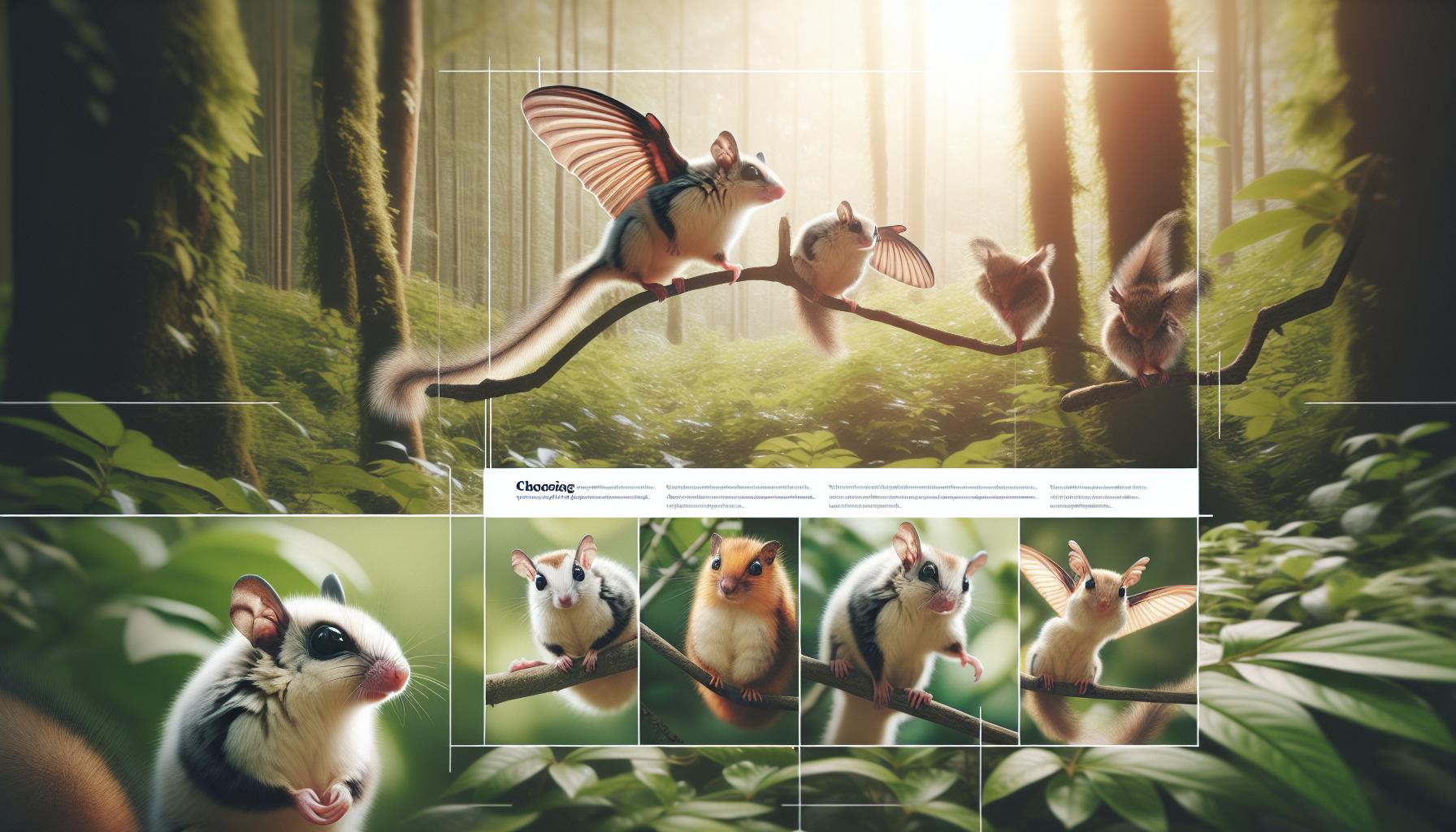
When considering adding a flying squirrel to your family, it’s important to explore the variety of species available to ensure you choose one that best fits your lifestyle and expectations. The two most common species of flying squirrels kept as pets are the Southern Flying Squirrel and the Northern Flying Squirrel, both of which offer unique traits and care needs that can influence your decision.
Understanding the Species
Southern Flying Squirrels (Glaucomys volans) are the more popular choice among pet owners, often lauded for their friendly and social nature. Typically weighing around 4-6 ounces, these pint-sized fluffballs are full of personality and love to interact with their human companions. They are nocturnal animals, so be prepared for playtime during the evening hours. Southern Flying Squirrels tend to form strong bonds with their owners, and their playful antics can be endlessly entertaining. Their gentle demeanor makes them suitable for families, provided that children are taught to handle them with respect.
In contrast, Northern Flying Squirrels (Glaucomys sabrinus), while equally adorable, are less commonly found in the pet trade. They can be a bit more shy and stress-prone compared to their Southern cousins. Northern Flying Squirrels are a larger species, usually weighing between 6-8 ounces. They also require more space and enrichment due to their higher energy and more explorative nature. If you choose to welcome a Northern Flying Squirrel into your home, patience and gentle socialization efforts will be key to helping them feel comfortable.
Facts to Consider
When selecting the right species for your lifestyle, consider these factors:
- Activity Level: Consider when you’ll have time to interact with your squirrel, as their active hours may not align with your own.
- Socialization Needs: Be mindful of how much attention each species requires to thrive.
- Space Requirements: Ensure you have a suitable habitat that encourages climbing and gliding, as flying squirrels are natural athletes.
- Compatibility with Other Pets: Evaluate how a flying squirrel will fit into your existing pet family, as not all animals will mix well.
Each species comes with its own set of requirements, quirks, and rewards. By choosing wisely, you can ensure that you foster a loving and vibrant environment for your new pet while creating a bond that enriches both your lives. Always remember that whether you choose a Southern or Northern Flying Squirrel, you are committing to a responsibility that involves providing a nurturing and enriching home, promoting conservation, and supporting ethical ownership.
Finding a Reputable Breeder or Rescue
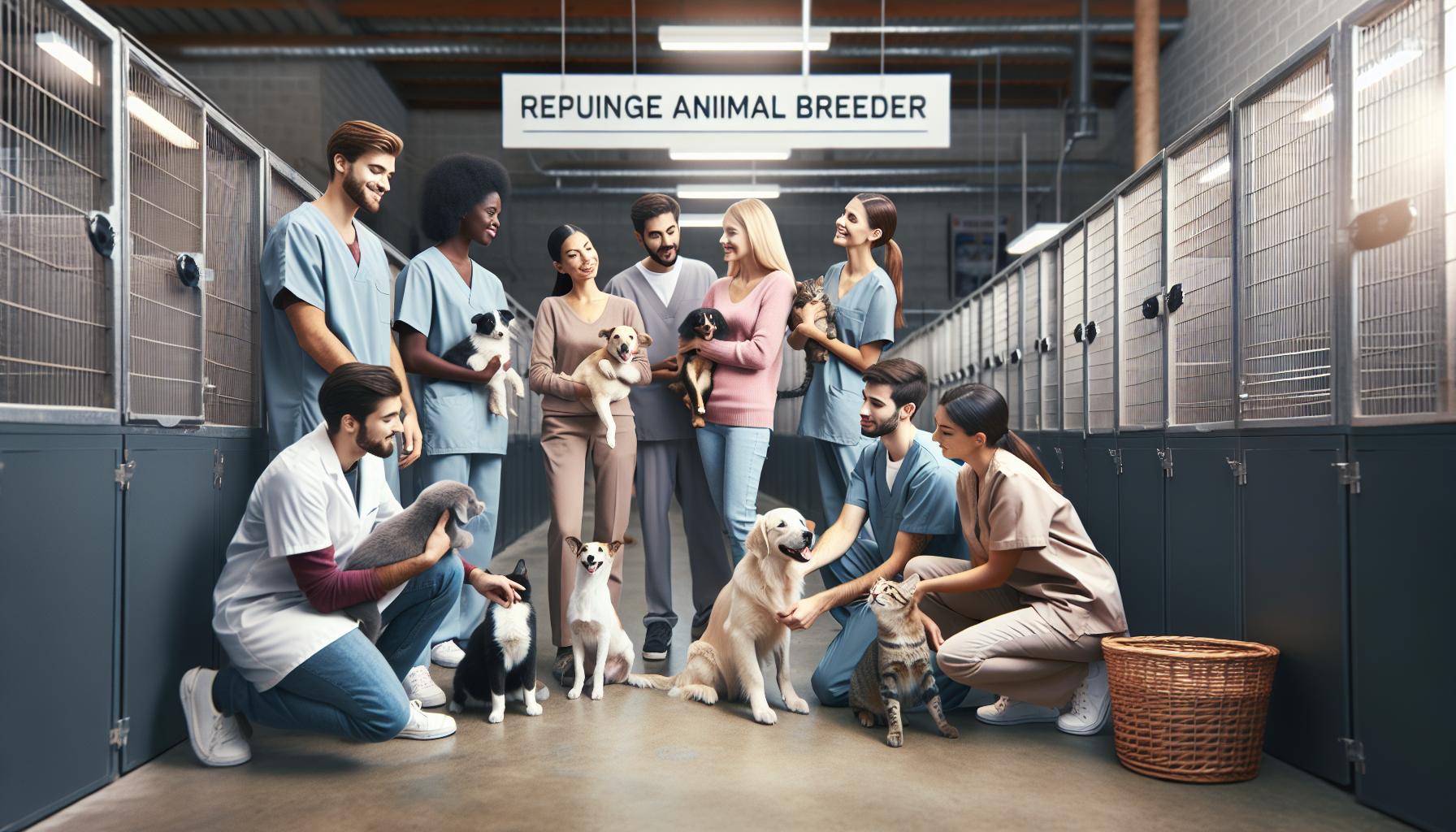
Finding the right source for a flying squirrel can be just as crucial as choosing the species itself. Whether you’re looking to adopt from a breeder or rescue organization, ensuring that your future furry friend comes from a reputable source guarantees their health and wellbeing, setting the stage for a successful and happy relationship. A good place to start is by connecting with local pet shelters and rescue organizations focused on exotic animals. Many of these groups rescue flying squirrels and can provide valuable information about their care needs and socialization.
When seeking out breeders, look for those who are transparent about their breeding practices. A reputable breeder should be willing to show you their facility, discuss the nutritional regimen of the squirrels, and ensure that you meet the legal requirements for ownership in your area. It’s vital to ask questions about the health and genetic backgrounds of the squirrels, as responsible breeders often prioritize genetic diversity to reduce health risks. Always ask to see the parents of the baby squirrels, as this gives insight into their temperament and health.
Utilize online platforms to research reviews and feedback from previous customers. Social media groups and forums dedicated to flying squirrels can also be immensely helpful; they often share personal experiences and recommendations for trusted breeders and rescues. You might even stumble upon stories of squirrels in need of a loving home!
Lastly, always prioritize ethical considerations. Responsible ownership goes hand-in-hand with conservation efforts. By choosing to adopt from shelters or reputable breeders, you contribute to the preservation of wildlife and support ethical breeding practices. Engaging with your local community about proper flying squirrel care can foster greater awareness and encourage others to consider responsible practices in pet ownership.
Preparing Your Home for a Flying Squirrel

Creating a welcoming environment for your new flying squirrel is not just about safety; it’s about fostering a space where they can thrive and exhibit their natural behaviors. Did you know that flying squirrels are highly social and curious creatures? They require an enriching habitat that allows them to explore, glide, and engage in activities that mimic their wild counterparts. Start by designating a comfortable area within your home, ensuring it’s both safe and stimulating.
To begin with, select a spacious enclosure that is tall rather than wide, as flying squirrels love to climb. A large multi-level cage made from sturdy materials will provide them with various perches, tunnels, and hiding spots. Make sure the bars are close enough together to prevent escapes-flying squirrels are surprisingly adept at squeezing through small openings! Inside the cage, include natural branches, hammocks, and platforms at different heights. These structures will encourage climbing and gliding, essential for their physical and mental health.
Safety First
Consider potential hazards in your home. Ensure that the area where their cage is located is free from drafts, extreme temperatures, and any harmful household items. Secure any loose wires or small objects that they might chew on, and keep windows and doors securely closed when letting them explore outside their enclosure. It’s important to take these precautions to protect their curious nature, as flying squirrels will investigate everything!
Creating a Cozy Habitat
Next, enhance their living space with soft bedding materials like fleece or cotton to keep them warm and comfy. Flying squirrels enjoy burrowing, so including soft nesting areas will give them a sense of security. Additionally, consider adding suitable toys-such as chew toys, tunnels, and climbing structures made from natural materials-to keep them entertained and engaged.
Don’t forget to create a stimulating environment outside their cage during playtime. A designated “play area” where they can roam freely under supervision, complete with climbing opportunities and safe objects to explore, can enhance their wellbeing. This will not only help keep them active but will also nurture the bond between you and your flying squirrel. Regular interactive play sessions will build trust and enrich their daily lives.
In summary, involves more than just setting up a cage. By providing a safe, spacious, and stimulating environment, you will set the foundation for a happy and healthy relationship with your new furry companion. Remember, the goal is not only to care for them but to create an enriching habitat that mirrors their natural instincts-ensuring that both you and your flying squirrel thrive together!
Essential Care Requirements for a Happy Squirrel
Owning a flying squirrel can be an exciting and rewarding experience. These charming creatures are not only adorable but also highly social and inquisitive. However, to ensure that your flying squirrel thrives, it is essential to provide appropriate care and attention. From habitat setup to health management, there are various aspects to consider to keep your furry friend happy and healthy.
A crucial component of care involves understanding their social nature. Flying squirrels are social animals that thrive on companionship. It’s often recommended to adopt a pair to keep each other company, especially if you’ll be gone during the day. Providing enrichment is also vital; they need various toys and activities to stimulate their minds.
Diet and Nutrition
Feeding your flying squirrel a balanced diet is fundamental for their health. In the wild, they enjoy a mix of fruits, nuts, and trees’ bark. Replicating this diet at home can involve offering a variety of fruits (like apples and berries), high-quality rodent blocks, and occasional nuts as treats. Always make sure fresh water is available, and avoid sugary foods which can lead to health issues.
Hygiene and Health
Maintaining a clean environment is essential for preventing illnesses. Regularly clean their enclosure and remove uneaten food to avoid mold and pests. Pay attention to their grooming needs; while flying squirrels are generally good at self-grooming, occasional help through brushing can keep their fur healthy. Be aware of common health problems like obesity or dental issues; regular vet check-ups are necessary to catch any potential issues early.
By understanding these essential care requirements and providing a loving and engaging atmosphere, you will create a fulfilling life for your flying squirrel. They can become wonderful companions, but ensuring their needs are met will require dedication and a bit of creativity. Always strive to keep their environment stimulating and safe to foster a deep bond and ensure their quality of life.
Socializing with Your New Flying Squirrel
Socializing your new flying squirrel is one of the most rewarding aspects of pet ownership, as these creatures are naturally social and love interaction. Understanding their behavior is key-flying squirrels often display a range of fun, playful antics that can easily endear them to you. Just imagine a curious little critter gliding across the room, exploring their environment with boundless energy. To foster a strong bond with your new companion, it’s essential to start the socialization process early, creating a safe and nurturing atmosphere.
One effective method is to gradually acclimate your flying squirrel to your presence and voice. Spend time near their habitat, talking softly to them. As they grow more comfortable with you, try offering treats, like small pieces of fruit or nuts, through the enclosure bars. This not only builds trust but also helps them associate you with positive experiences. Avoid sudden movements or loud noises, as these can startle your squirrel and hinder the socialization process. Patience is crucial-like many animals, they need time to adjust to their new environment and human companions.
Once your flying squirrel seems comfortable, you can begin short, supervised interactions outside of their cage. Start by letting them explore a smaller, safe space where you can monitor their movements. Engaging them with toys or climbing structures can stimulate their natural instincts and help reinforce your bond. Remember, every flying squirrel has its personality-some may be more social than others. Be attentive to their body language; if they seem anxious or defensive, take a step back and allow them more time to acclimate before trying again.
Creating a routine can also aid in building a strong relationship with your flying squirrel. Consistent feeding times, play sessions, and interaction can give them a sense of security and stability. Over time, you’ll likely find that your flying squirrel will seek you out for play and affection, rewarding your patience with affection and companionship that enriches both your lives. By fostering this bond through gentle, positive experiences, you not only promote a happy and healthy pet but also get to enjoy the unique personality of your new furry friend.
Common Health Issues and Their Solutions
Flying squirrels are charming and lively little creatures, but like all pets, they can experience health issues that require your attention. Being proactive about their health care can help prevent many common problems and ensure a long, happy life for your furry companion.
One significant health concern in flying squirrels is obesity. These adorable gliders can easily become overweight if their diet is not properly managed or if they don’t get enough exercise. A balanced diet is crucial-provide a variety of fresh fruits, vegetables, and specially formulated pellets. Monitor their weight regularly, and if you notice that your flying squirrel is gaining too much weight, consult with an exotic vet to adjust their diet and increase their playtime to promote a more active lifestyle.
Another health issue to be aware of is dental problems. Flying squirrels’ teeth grow continuously, and they need to gnaw on appropriate materials to keep their teeth trimmed and healthy. Providing chew toys made from safe wood can help prevent overgrown teeth, which can lead to pain and eating difficulties. Additionally, be on the lookout for signs of tooth decay or misalignment, such as changes in eating behavior, drooling, or difficulty chewing.
Finally, flying squirrels are susceptible to various parasitic infections, notably mites and worms. These pests can cause significant discomfort and lead to more severe health issues if not treated promptly. Regular health check-ups with a veterinarian experienced in exotic pets are vital to catch these health concerns early. Keeping their living environment clean and regularly checking your squirrel for signs of irritation or unusual behavior can also help in early detection.
By staying vigilant about these common health issues and ensuring a well-balanced diet, ample exercise, and regular vet visits, you’ll create a nurturing environment for your flying squirrel to thrive. Remember, knowledge is key to responsible pet ownership, and providing your flying squirrel with the best care available will reward you with their vivacious spirit and companionship for many years to come.
Feeding Your Flying Squirrel: Diet Essentials
Feeding your flying squirrel is an essential part of ensuring its health and happiness. These adorable creatures are omnivores, meaning they thrive on a wide variety of foods, including fruits, vegetables, nuts, seeds, and even insects! Providing a balanced diet that mimics their natural foraging behavior is key to keeping your squirrel healthy and active.
A thriving diet for your flying squirrel should primarily consist of the following components:
- Fruits: Fresh fruits are a fantastic treat, offering natural sugars and vitamins. Favorites include apples, bananas, and berries. Offer these in moderation, as too much sugar can lead to obesity.
- Vegetables: Leafy greens (like kale and spinach) and root vegetables (such as carrots and sweet potatoes) should be staples in their diet, providing essential nutrients.
- Nuts and Seeds: Unsalted nuts and seeds, such as almonds, walnuts, and pumpkin seeds, are excellent protein sources. They should be given in moderation to prevent weight gain.
- Insects: Insects like mealworms or crickets can be an exciting protein boost and mimic their natural diet, especially if you have a more adventurous eater.
- Commercial Diets: High-quality rodent or flying squirrel pellets are available to ensure your pet receives balanced nutrients. These should complement fresh foods rather than replace them.
It’s crucial to monitor portion sizes and rotate foods to prevent your flying squirrel from developing dietary deficiencies or obesity. Regularly observing your pet’s body condition and adjusting food types and amounts accordingly can foster good health and longevity. Always consult an exotic veterinarian if you notice any signs of health issues related to diet, such as lethargy or any unusual behaviors.
Remember, creating a varied menu not only keeps your flying squirrel healthy but also stimulates their natural instincts and adds joy to mealtime.
Creating an Enriching Environment for Play
Creating an engaging and stimulating environment for your flying squirrel is essential to its overall well-being and happiness. These lively little creatures are natural explorers, and boredom can lead to stress and behavioral issues. By incorporating various elements into their living space, you can replicate their natural habitat and encourage healthy play and exercise.
Start by providing a spacious, multi-level cage that offers plenty of climbing opportunities. Flying squirrels are arboreal by nature, so vertical space is as important as horizontal space. Add branches, wood platforms, and hammocks to create a rich climbing landscape. Make sure to use safe wood types, such as untreated pine or cedar, avoiding any materials that could be harmful to them. Additionally, consider the layout: creating different zones within the cage can inspire exploration and discovery.
Interactive Toys and Accessories
Incorporating toys into your flying squirrel’s habitat can provide both mental and physical stimulation. Here are a few ideas to get you started:
- Jungle Gym: Create a DIY jungle gym using branches, ropes, and perches. Squirrels love to climb and jump, and a well-designed gym can mimic their natural playground.
- Foraging Toys: Offer toys that require your squirrel to work for their food, such as puzzle feeders or toys that dispense treats. This promotes natural foraging behaviors.
- Tunnels and Hideouts: Provide cardboard tubes or small boxes for them to explore and hide in. This not only satisfies their curiosity but also allows them to feel secure.
- Shreddable Materials: Squirrels enjoy chewing, which helps keep their teeth healthy. Safe materials like untreated cardboard or wooden chew sticks can satisfy this urge.
Creating an enriching environment isn’t just about physical space; it’s also vital to rotate toys and accessories regularly. This keeps the environment fresh and exciting, much like how various elements in the wild provide continuous stimulation. A change of scenery can reignite your squirrel’s curiosity and encourage active play.
Finally, ensure they have opportunities for supervised out-of-cage playtime in a safe, squirrel-proofed area. This time can be spent exploring new textures, climbing various surfaces, and interacting with family members, which helps to build a strong bond between you and your furry friend. With the right environment and plenty of play, your flying squirrel can thrive and live a happy, enriched life.
Building a Strong Bond with Your Flying Squirrel
Building a close relationship with your flying squirrel can be one of the most rewarding aspects of pet ownership. These creatures are naturally social and intelligent, thriving in environments where they feel safe and connected to their human companions. One of the first steps to forging this bond is through gentle interaction. It’s advisable to spend time near your squirrel’s cage, speaking softly and letting them get used to your presence. Gradually, you can begin to offer treats by hand-nuts, fruits, or specially formulated squirrel snacks are perfect choices. This not only helps them associate you with positive experiences but also builds trust over time.
Interactive Playtime
Out-of-cage interaction is crucial. Flying squirrels are playful and curious, very much akin to tiny acrobats. Creating a safe space where they can explore under your supervision encourages their adventurous spirit. You can use items like tunnels and climbing structures or provide cardboard boxes for them to hide and play in. Each play session can be an opportunity not just for exercise, but also for bonding. Observing their unique personalities may delight you; some squirrels may be daring jumpers while others prefer sedate exploration.
It’s also important to recognize their body language. When your squirrel approaches you willingly, it’s signaling comfort and trust. Conversely, if they exhibit signs of stress, such as hiding or excessive vocalization, give them space and try again later. This responsiveness fosters a relationship built on understanding and respect.
Routine and Consistency
Establishing a daily routine can also reinforce your bond. Flying squirrels tend to thrive on consistency, so feedings, playtimes, and even quiet moments together should occur at regular intervals. This predictability helps them feel secure and nurtured. Try incorporating a short part of your daily routine-like watching TV or reading-while they are out, as it provides comfort and reassurance that you can share the same space harmoniously.
Through patience, interaction, and understanding of their behaviors, you’ll create a trusting, loving bond with your flying squirrel. As you nurture this relationship, you’ll find that your squirrel not only becomes a delightful companion but also enriches your life with their playful antics and charming character. With every nibble and leap, you’ll discover the joy of having one of nature’s most enchanting creatures as part of your family.
The Importance of Conservation and Ethical Ownership
When it comes to owning a flying squirrel, passion should be accompanied by responsibility and awareness of the bigger picture-conservation and ethical ownership. Many potential owners are captivated by these charming creatures, but it’s essential to remember that they are wild animals at heart. By understanding their needs and the impact of our choices on their species, we can cultivate a responsible pet ownership environment that aligns with conservation goals.
While flying squirrels can make delightful pets, it’s crucial to ensure they are sourced ethically. Wild populations are often threatened by habitat destruction and illegal capture. By adopting from reputable rescues or breeders who prioritize animal welfare, you not only support the well-being of individual squirrels but also contribute to the conservation of their species. Reputable sources often engage in humane practices, including educating prospective owners about proper care and the specific needs of these animals.
This commitment to ethical ownership goes beyond just where you obtain your pet; it extends to how you care for them. A well-cared-for flying squirrel is happier and healthier, reducing the likelihood that it will end up in a rescue due to neglect or improper handling. Create an enriching environment that mimics their natural habitat. This includes providing ample space, climbing opportunities, and mental stimulation through toys and social interaction. By doing so, you ensure your pet thrives and set a positive example for other potential flying squirrel owners.
Lastly, consider the broader implications of keeping exotic pets. Educate yourself and others about the natural behaviors of flying squirrels and advocate for wildlife conservation efforts. Every small action contributes to the larger goal of preserving their natural habitats and ensuring that these enchanting animals continue to exist in the wild. Together, through responsible pet ownership, we can enjoy the companionship of flying squirrels while supporting their conservation.
Frequently asked questions
Q: What are the legal requirements to adopt a flying squirrel?
A: To legally adopt a flying squirrel, you must check local laws and regulations, as they vary by state. Generally, you may need a special permit or license, and some areas may have restrictions on exotic pets. Always contact your local wildlife agency for specific requirements.
Q: Where can I find a legal source to adopt a flying squirrel?
A: You can find a legal source for adopting a flying squirrel through reputable breeders or licensed wildlife rescues. Ensure they comply with local regulations and offer healthy animals. Consider visiting sections on “Finding a Reputable Breeder or Rescue” for tips.
Q: How much does it cost to adopt a flying squirrel?
A: The cost to adopt a flying squirrel varies widely and typically ranges from $100 to $500, depending on the source. Additionally, consider ongoing expenses for care, habitat setup, and veterinary visits. For budgeting, refer to the “Essential Care Requirements for a Happy Squirrel.”
Q: Are there restrictions on adopting flying squirrels in certain states?
A: Yes, many states have specific restrictions or outright bans on owning flying squirrels as pets. Always check your state’s wildlife regulations to ensure compliance. Consult the “Understanding the Legal Framework for Pet Ownership” section for comprehensive guidance.
Q: What preparations should I make before adopting a flying squirrel?
A: Before adopting a flying squirrel, ensure your home is safe and secure. Prepare an appropriate habitat with climbing structures, a nesting box, and a balanced diet ready. See “Preparing Your Home for a Flying Squirrel” for detailed preparation tips.
Q: How can I socialize my newly adopted flying squirrel?
A: Socializing your flying squirrel involves gentle handling and gradual exposure to your environment. Spend time daily to build trust, using treats to encourage interaction. Check the “Socializing with Your New Flying Squirrel” section for effective techniques.
Q: What to do if my flying squirrel shows signs of illness?
A: If your flying squirrel shows signs of illness like lethargy or loss of appetite, consult a veterinarian experienced with exotic pets immediately. Early intervention is key to recovery. Refer to “Common Health Issues and Their Solutions” for more information on health care.
Q: Can flying squirrels be kept with other pets?
A: It’s not generally recommended to keep flying squirrels with other pets due to their delicate nature and potential for stress. Gradual introductions may be necessary, but always monitor interactions closely. Review the section on “Building a Strong Bond with Your Flying Squirrel” for insights on companionship.
Concluding Remarks
Adopting a flying squirrel is an exciting journey that requires thoughtful preparation and understanding of the legal process involved. Remember, these fascinating nocturnal creatures thrive in environments that mimic their natural habitat-complete with vertical space for gliding and plenty of enrichment. As you embark on this adventure, don’t hesitate to explore our detailed guides on choosing the right habitat and the essentials of flying squirrel care to set you up for success.
Feeling overwhelmed? You’re not alone! Many prospective owners find navigating legalities challenging, but our resources can simplify your next steps. Sign up for our newsletter to stay updated on laws, care tips, and community support for flying squirrel enthusiasts. Join our community by sharing your thoughts or experiences in the comments; we love hearing from you! Dive deeper into the world of exotic pets and unlock even more valuable insights on responsible ownership today. Your flying squirrel companion is just around the corner!
Get our latest guides, news, and insights highlighted in your Google Search & AI Overviews.