
Did you know that more than 1,000 people visit emergency rooms each year due to injuries from exotic animals? From curious pet owners to wildlife enthusiasts, many people are drawn to these fascinating creatures. However, the thrill of owning or interacting with exotic animals can come with serious risks. Understanding the annual data on injuries related to exotic animals is crucial for making informed decisions about ownership and interaction. In this article, we’ll delve into the statistics, explore the types of injuries, and discuss the importance of responsible ownership. Whether you’re a seasoned exotic animal enthusiast or just curious, this information is vital to ensuring safety while fostering a deeper appreciation for these amazing animals. Join us as we uncover the facts behind the numbers and gain insight into how to coexist with the wild safely!
Understanding Exotic Animal Injuries: Key Statistics
Did you know that thousands of people are injured by exotic animals each year? Understanding the scope of these injuries is essential for both wildlife enthusiasts and potential exotic animal owners. According to various studies and reports, injuries involving exotic animals, such as big cats, reptiles, and primates, often result in significant medical care and can lead to long-term consequences for those involved.
The statistics surrounding exotic animal injuries reveal some striking trends. For instance, a report by the Centers for Disease Control and Prevention (CDC) indicated that from 1990 to 1994, there were over 4,700 treated injuries related to exotic pets in the United States. More recent analyses suggest that this number has likely increased, with various factors contributing to the rise, including the growing popularity of keeping exotic pets.
Injuries can range from bites and scratches to more severe incidents, such as fractures or infections caused by zoonotic diseases. Common species involved in these injuries include snakes, monkeys, and big cats. Interestingly, a notable component of these statistics is that the majority of injuries are sustained by the owners or caregivers rather than the general public, highlighting the risks faced by those who choose to keep exotic animals as pets.
As the fascination with exotic pets continues to grow, so does the importance of education around their care and the inherent risks associated with owning them. Responsible ownership includes understanding species-specific behaviors, environmental needs, and the potential dangers involved in interaction, all aimed at minimizing the risk of injury for both the animals and their caretakers.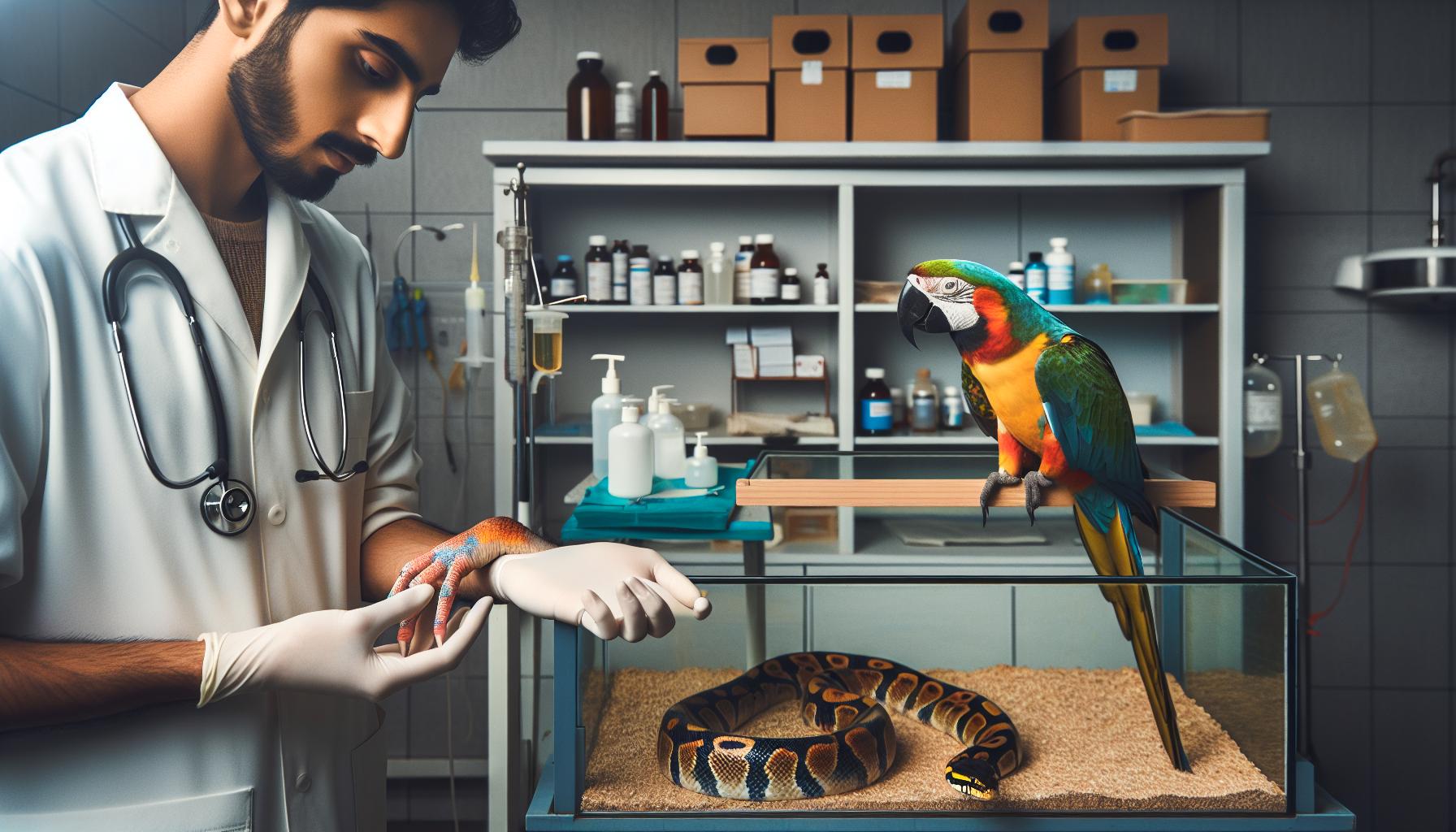
Types of Exotic Animals Involved in Injuries
Exploring the types of exotic animals that often lead to human injuries reveals a fascinating-and sometimes alarming-intersection of wildlife and human interaction. Pet owners and wildlife enthusiasts should be acutely aware of the specific characteristics and behaviors of these animals to minimize risks.
One prominent group involved in injuries includes big cats, such as tigers and lions. These majestic creatures, often kept in private collections or as exotic pets, can inflict serious injuries with a single swipe of their powerful paws or a bite. Big cats are instinctively territorial and can become aggressive if they feel threatened or challenged, which can lead to dangerous encounters, especially for their caregivers.
Another significant category is primates, including monkeys and apes. These animals, known for their intelligence and dexterity, can exhibit unpredictable behavior. Injuries often occur when they feel stressed or provoked, leading to bites or scratches that can be surprisingly severe. For example, capuchin monkeys, though small, have strong jaws and sharp teeth that can break the skin and transmit infectious diseases.
Reptiles, especially snakes and lizards, also pose risks. Some owners underestimate the potential of venomous snakes, which can deliver fatal bites if not handled with care. Even non-venomous species, like certain large constrictors, have been known to inflict injuries while being handled or fed. Additionally, their quick and unpredictable movements can lead to bites during stressful situations.
Lastly, large birds, such as parrots and macaws, can also be hazardous. While they may seem friendly, their beaks are powerful enough to cause serious injuries. They often react defensively when they feel threatened, leading to painful bites.
Understanding the behavior and needs of these exotic animals is crucial. Responsible ownership combined with proper education can significantly reduce the chances of injury, fostering a safe environment for both animals and their human companions.
Common Causes of Injuries from Exotic Animals
In the world of exotic animal ownership, understanding the common causes of injuries is essential for both safety and welfare. Many injuries stem from misunderstandings of animal behavior and improper handling techniques. For instance, big cats such as tigers and lions, while captivating, are powerful predators with instinctual behaviors that can turn dangerous. When they feel threatened or territorial, even the most well-meaning owner may be at risk if proper caution isn’t practiced. The sheer strength of these animals means that a swipe or bite can result in severe injuries.
Primates add another layer of complexity to potential injuries. These intelligent creatures, like capuchin monkeys, can be unpredictable, with behaviors that fluctuate based on their environment and interactions. Stress or perceived provocation can lead to defensive biting, resulting in serious wounds or even the transmission of zoonotic diseases. When engaging with primates, owners must recognize that these animals require not just physical care but also mental stimulation and social interaction to ensure their well-being.
Reptiles, particularly snakes and lizards, can also pose significant risks. Many owners may overestimate their skill in handling these creatures. Venomous snakes have the obvious potential for lethal bites, but even non-venomous snakes can deliver painful bites during feeding, or when they are startled. Reptiles often thrive in environments that mimic their natural habitat, so changes in their surroundings can lead to stress-induced aggression.
Lastly, birds like parrots and macaws, while often viewed as friendly companions, also have a capacity for injury. Their strong beaks can cause painful bites if they feel threatened or are mishandled. Bird injuries typically result from a lack of understanding about their body language and social needs.
To minimize injuries, it’s crucial for exotic animal owners to invest time in education and training related to their specific species. Each animal has unique behavioral cues and needs that, when respected, can lead to safer and more enjoyable relationships. By prioritizing responsible ownership and understanding the complexities of these fascinating creatures, we can significantly reduce the risk of injury to both the animals and their human companions.
Demographic Breakdown: Who Gets Injured?
Understanding who is most at risk of injury from exotic animals can shed light on the necessary precautions needed to improve safety for both humans and these fascinating creatures. According to recent data, individuals in specific demographic categories are more likely to sustain injuries from interacting with exotic animals.
Children, particularly those aged between 5 and 14, represent a significant proportion of the reported injuries. This age group often lacks the experience and understanding needed to respect the boundaries of these animals, making them vulnerable during encounters, especially in settings where adults may underestimate the animals’ capabilities. Furthermore, children’s curiosity can lead them to provoke reactions from animals that are not inherently aggressive but will react defensively if threatened.
Adolescents and young adults aged 15 to 24 are also notable in injury statistics. This demographic may engage in more adventurous activities involving exotic pets or attend attractions such as petting zoos and animal parks. These environments can lead to unintentional injuries from bites or scratches, particularly given that young people may have a greater tendency to take risks or exhibit less caution around these animals.
Equally, veterinarians and animal handlers face a higher risk of injury due to their regular interactions with exotic animals. Their professional environment often involves managing animals that are inherently more unpredictable and may react instinctively. Injuries in this group are frequently serious, often resulting from bites, kicks, or unexpected movements. Training and experience are crucial for reducing such risks, emphasizing the importance of understanding animal behavior and practicing safety protocols.
Lastly, demographics associated with exotic animal ownership, like individuals aged 30 to 50, who may have the resources and interest in keeping exotic pets, must also be aware of the risks. Many injuries in this group stem from mishandling or not recognizing behavioral cues that suggest a need for caution. It’s vital for prospective owners to educate themselves and prepare adequately before welcoming such animals into their homes.
By recognizing these demographics, we can better tailor safety education and prevention strategies to reduce the risk of injury from exotic animals. Whether it’s through responsible ownership, increased public awareness, or specific training for professionals, understanding who gets injured is a critical component in promoting a safer experience for both humans and exotic animals alike.
Regional Variances in Exotic Animal Injury Rates
When it comes to injuries related to exotic animals, geographical factors play a significant role in shaping the statistics. For example, regions with higher concentrations of exotic animal ownership, such as certain states in the U.S., may report more injuries than areas where these animals are less commonly kept. This correlation is often due to the varying popularity of exotic pets, different legal regulations, and local environmental conditions that either facilitate or hinder exotic animal ownership.
In the southeastern U.S., for instance, states like Florida and Georgia are known for having a vibrant exotic pet community. Here, injuries can spike due to the high number of reptiles, such as snakes and alligators, commonly kept as pets. Florida, specifically, has a unique challenge with non-native species being released into the wild, leading to the emergence of dangerous encounters with both pets and wildlife. Local fauna, such as large snakes, can cause injuries when residents attempt to interact with or capture them, misunderstanding their behavior.
Conversely, regions that impose stricter laws regarding exotic animal ownership often see lower injury rates. In states like California, which has stringent regulations on the types of exotic animals that can be owned, injuries may be less frequent. The preventative measures put in place not only protect people but also create a framework for responsible ownership. Animal rescue organizations in these areas often provide resources and education to potential owners, emphasizing safety and proper care.
Environmental factors also influence injury reports. In areas with dense populations and fewer open spaces, the likelihood of exotic animal escapes or encounters may increase. Urban settings can lead to unique situations where exotic pets escape from homes and interact unexpectedly with the public, resulting in bites or injuries.
Additionally, the education level and public awareness about exotic animal behaviors can vary regionally, affecting safety practices. Areas with robust wildlife programs and education initiatives typically see more responsible ownership and fewer injuries, as owners are often better informed about the animals’ specific needs and potential dangers.
Overall, understanding these regional variances helps to identify risk factors and promote safer interactions between humans and exotic animals. Recognizing the interplay of laws, educational resources, and cultural attitudes toward exotic pets is crucial for reducing injuries and fostering a respectful coexistence with nature.
Legal Implications of Exotic Animal Injuries
Understanding the legal landscape surrounding exotic animal injuries is crucial for both owners and the general public. When an exotic animal causes injury, the legal implications can be complex and often depend on factors such as ownership laws, the animal’s behavior, and the circumstances of the incident. Owners may face significant liability, especially if they fail to uphold safety regulations or permit their animals to escape and cause harm.
In many states, there are specific laws governing the ownership of exotic animals. These regulations can dictate what types of animals can be kept as pets, require permits for ownership, and establish guidelines for their care. For instance, if an owner fails to comply with these regulations, they might be held legally responsible if their animal injures someone. Additionally, the legal concept of “strict liability” often applies to cases involving exotic animals. This means that owners can be held liable for injuries caused by their animals, regardless of whether they acted negligently or if the animal had a history of aggressive behavior.
The Role of Negligence
Negligence is another key factor in legal disputes over exotic animal injuries. If an owner does not adequately secure their animal or fails to provide the necessary care, they may be deemed negligent. For example, if a snake escapes due to a poorly secured enclosure and bites a neighbor, the owner could be liable for medical costs and damages. Courts will often examine whether the owner took reasonable precautions to prevent such incidents, evaluating everything from fencing to handling practices.
Insurance and Liability Coverage
For exotic animal owners, understanding the importance of insurance cannot be overstated. Many standard homeowner’s insurance policies may not cover injuries caused by exotic pets, potentially leaving owners exposed to significant financial liability. Obtaining specialized insurance that specifically covers exotic animals and their potential behavior is a wise move. Such coverage can help mitigate the risks and provide peace of mind for owners while encouraging responsible pet ownership.
In summary, the encompass a range of responsibilities and potential liabilities for owners. By staying informed about local laws, understanding the importance of proper care and secure housing, and investing in appropriate insurance, individuals can foster safer interactions and help protect both their animals and the public.
Case Studies: Notable Incidents and Insights
While exotic animals can offer unique companionship, they can also lead to serious injuries if not handled properly. One striking incident occurred in 2019, when a pet tarantula was responsible for a catastrophic accident during a family gathering. A child, curious about the spider, reached into its enclosure, triggering a reflexive bite. The child required medical attention, highlighting how even the most seemingly innocuous creatures can pose risks when safety measures aren’t in place. It’s crucial for exotic animal owners to create secure environments and educate others-especially children-about the proper handling of these animals.
In another notable case, a woman in Florida faced severe injuries from a capuchin monkey she owned. While these monkeys can be endearing, they possess strong bites and unpredictable behaviors. In this instance, the monkey became agitated during play, resulting in multiple bites that required stitches. Such incidents emphasize the necessity of understanding animal behavior and knowing when to intervene or remove oneself from potentially dangerous situations. Owners should prioritize training and socialization for their pets, ensuring that both animal and human interactions are safe.
The legal landscape surrounding these cases is complex. For example, in states with strict liability laws, an owner may be held accountable for injuries caused by their exotic pet, regardless of whether they were negligent. This unpredictability not only affects the owner’s insurance coverage but also underscores the importance of responsible ownership. To prevent similar incidents, insurance tailored for exotic pets can provide essential financial protection.
In conclusion, becoming a responsible exotic animal owner involves thorough preparation and ongoing education. Understanding the species’ needs and behaviors, coupled with robust safety measures and insurance, can greatly reduce the risk of injury for both the animals and their human companions. Events and trends in exotic animal injuries illustrate the critical balance between passion for wildlife and the necessity for safety and responsibility in their care.
Resources for Treating Injuries from Exotic Animals
Injuries from exotic animals can be unexpected and sometimes severe, but having the right resources for treatment can make all the difference. Whether you’re a responsible owner who’s faced an incident or someone who enjoys close encounters with these unique species, knowing how to respond to an injury is essential for safety and recovery. First Aid Kits should be the cornerstone of your preparedness. A quality kit for exotic animal-related accidents should include:
- Antiseptic wipes and ointment for cleaning wounds.
- Adhesive bandages in various sizes.
- Gauze pads and medical tape for larger injuries.
- Cold packs to reduce swelling.
- Gloves to maintain hygiene and prevent infection.
Understanding animal behavior is just as important as knowing how to treat an injury. Many exotic pets, like reptiles or primates, can react unpredictably when scared or threatened. For instance, a snake may bite if it feels cornered; therefore, attempts to treat a wound should be made with caution. Assess the situation-if the injury is serious, wait for professional help. Veterinary care is your best bet for injuries from exotic animals. Always have the contact information for an emergency veterinary clinic that specializes in exotic pets. They can provide tailored care, as these injuries require specific treatment based on the type of animal involved.
Additionally, awareness and education about exotic animal care cannot be overstated. Many organizations, such as the Association of Zoos and Aquariums (AZA), offer resources and workshops for pet owners. Engaging in community forums, such as local wildlife clubs, can also provide invaluable practical advice and first-hand experiences from seasoned owners facing similar challenges. For detailed information on specific animal species or injuries, resources like veterinary journals and pet care websites can offer insights into prevention and treatment adapted for various exotic animals.
Ultimately, the key to mitigating the risk of injury is through responsible ownership, including proper training and understanding of the animal’s natural behaviors and habitats. With the right resources and support, you can foster a safer environment for both yourself and your exotic companions, allowing you to enjoy your unique relationship with these magnificent creatures.
The Importance of Responsible Exotic Animal Ownership
Owning exotic animals can be a thrilling experience, but it carries significant responsibilities that all potential and current owners must recognize. Did you know that certain exotic animals, despite their appealing appearances, can exhibit unpredictable behaviors that lead to injuries? Just as you wouldn’t dive into deep waters without knowing how to swim, becoming an exotic animal owner requires a thorough understanding of the species you bring into your home. Each exotic animal has unique care needs, social behaviors, and potential risks that can impact both the owner and the animal itself.
Education is paramount for anyone considering the exotic pet journey. Begin by researching the specific dietary, housing, and social needs of the animal. For instance, sugar gliders require a spacious, enriched environment to thrive, while large snakes need secure, appropriately-sized enclosures. Potential owners should also consider their own lifestyle and ability to meet these needs. Skimping on care can lead to stress for the animal and potentially dangerous situations for the owner. By gaining knowledge through reputable resources, veterinary consultations, and local exotic pet communities, owners can avoid common pitfalls.
Furthermore, understanding animal behavior is critical for any exotic pet owner. For example, many reptiles can be startled easily and react defensively. If a young child is present, it’s essential to teach them how to interact appropriately with these animals to minimize risk. Establish organized handling protocols and create a safe environment to prevent accidents. Owners should also consistently observe their pets to become attuned to any behavioral changes that could indicate stress or illness.
Ultimately, responsible ownership means not just caring for the physical needs of the animal, but also creating a safe, enriching environment. This translates into fewer incidents and a deeper bond with your pets. As you consider sharing your life with an exotic creature, remember: with great excitement comes great responsibility. Engaged, informed, and compassionate owners can help prevent injuries and promote positive interactions, enriching the experience for both humans and animals alike.
FAQ
Q: How many people are injured by exotic animals each year?
A: Estimates indicate that thousands of people sustain injuries from exotic animals annually. Specific statistics vary by region and type of animal, but comprehensive data collection from wildlife protection agencies reveals notably high numbers. For detailed trends, refer to our section on Trends Over Time.
Q: What types of injuries do people suffer from exotic animals?
A: Common injuries include bites, scratches, and severe trauma, often requiring medical intervention. The severity of injuries generally depends on the species involved, with larger animals typically causing more serious harm. For more specifics, look at our Common Causes of Injuries section.
Q: Which demographic groups are most affected by exotic animal injuries?
A: Injuries from exotic animals predominantly affect adults, particularly those involved in handling or owning these animals. However, children can also be at risk, especially in residential settings with exotic pets. Check our Demographic Breakdown for a more detailed analysis.
Q: Are certain regions more prone to injuries from exotic animals?
A: Yes, areas with higher populations of exotic animal owners or wildlife sanctuaries report more injuries. Urban versus rural locations also show variances in injury reports. Refer to our Regional Variances section for a comprehensive overview.
Q: What are some preventive measures to avoid injuries from exotic animals?
A: Safe practices include proper handling techniques, using secure enclosures, and educating owners about species-specific care needs. Implementing strict safety measures is crucial. For a full guide, see our Preventive Measures for Exotic Animal Owners.
Q: Do exotic animal injuries lead to long-term health effects?
A: Injuries caused by exotic animals can result in long-lasting physical and psychological effects, with complications that may require ongoing treatment. Our section on Long-Term Effects of Exotic Animal Injuries provides a detailed exploration.
Q: How do exotic animal injuries impact public safety and legal regulations?
A: Injuries can lead to stricter regulations on ownership, increasing public concern regarding safety. Laws vary significantly by area and can impose heavier penalties for negligent ownership. For more insights, refer to our Legal Implications of Exotic Animal Injuries section.
Q: Are there educational resources available for exotic animal owners?
A: Yes, numerous resources, including veterinary guidelines and specialized care manuals, are available for prospective and current exotic animal owners. For links to these resources, visit our Resources for Treating Injuries section.
Concluding Remarks
As we wrap up our exploration into the world of exotic animals and the injuries they can cause, it’s clear that awareness is key to safety and responsible ownership. While the thrill of caring for unique species is undeniable, understanding their behavior and habitat is essential. If you’re considering bringing an exotic pet into your home, be sure to check out our articles on responsible ownership and safety tips for exotic animal care.
Don’t stop here! Dive deeper into related topics like the best exotic pets for beginners and how to create a safe environment for them. Your journey into the fascinating world of exotic animals should be both enjoyable and informative. Subscribe to our newsletter for more insights and updates, and feel free to share your thoughts or experiences in the comments below. Let’s keep the conversation going-your voice matters in this community!
Get our latest guides, news, and insights highlighted in your Google Search & AI Overviews.