Did you know that flying squirrels can glide for over 150 feet? Their remarkable adaptations not only allow for impressive aerial maneuvers but also spark curiosity about their speed records. In this article, we’ll explore how fast these charming creatures can travel when they take to the sky. Whether you’re a wildlife enthusiast or simply intrigued by nature’s wonders, understanding this unique ability is important. It sheds light on their survival strategies, behaviors, and the fascinating dynamics of their habitats. So, let’s dive into the world of flying squirrels and discover the impressive speeds they can achieve while soaring through the trees!
How Do Flying Squirrels Fly? Understanding Their Unique Adaptations
Did you know that flying squirrels can glide distances of up to 150 feet in a single leap? Their incredible ability to soar through the air is not just a spectacular sight, but it also highlights the unique adaptations that allow them to navigate their arboreal habitats efficiently. Unlike traditional fliers, flying squirrels don’t have wings; instead, they possess a specialized membrane called the patagium, which stretches from their wrists down to their ankles. This membrane acts like a parachute, enabling them to catch air and glide gracefully between trees.
The patagium is a remarkable adaptation that allows flying squirrels to control their descent and direction while gliding. When they leap from a height, they spread their limbs wide, expanding the surface area of the patagium, which provides lift. Additionally, their large, flexible tails play a crucial role in steering during flight, functioning like a rudder to help them navigate through dense forests. This aerodynamic structure allows them to efficiently search for food, escape predators, and move between different trees without the need to descend to the ground, where they are more vulnerable.
Moreover, flying squirrels are nocturnal creatures. Their large, expressive eyes are designed for low-light conditions, enhancing their vision during night flights. They also rely on a combination of keen hearing and spatial awareness to locate food and avoid obstacles in the dark. By understanding these fascinating adaptations, we can better appreciate how flying squirrels have evolved to thrive in their environments, showcasing a perfect blend of form and function that aids in their unique gliding prowess.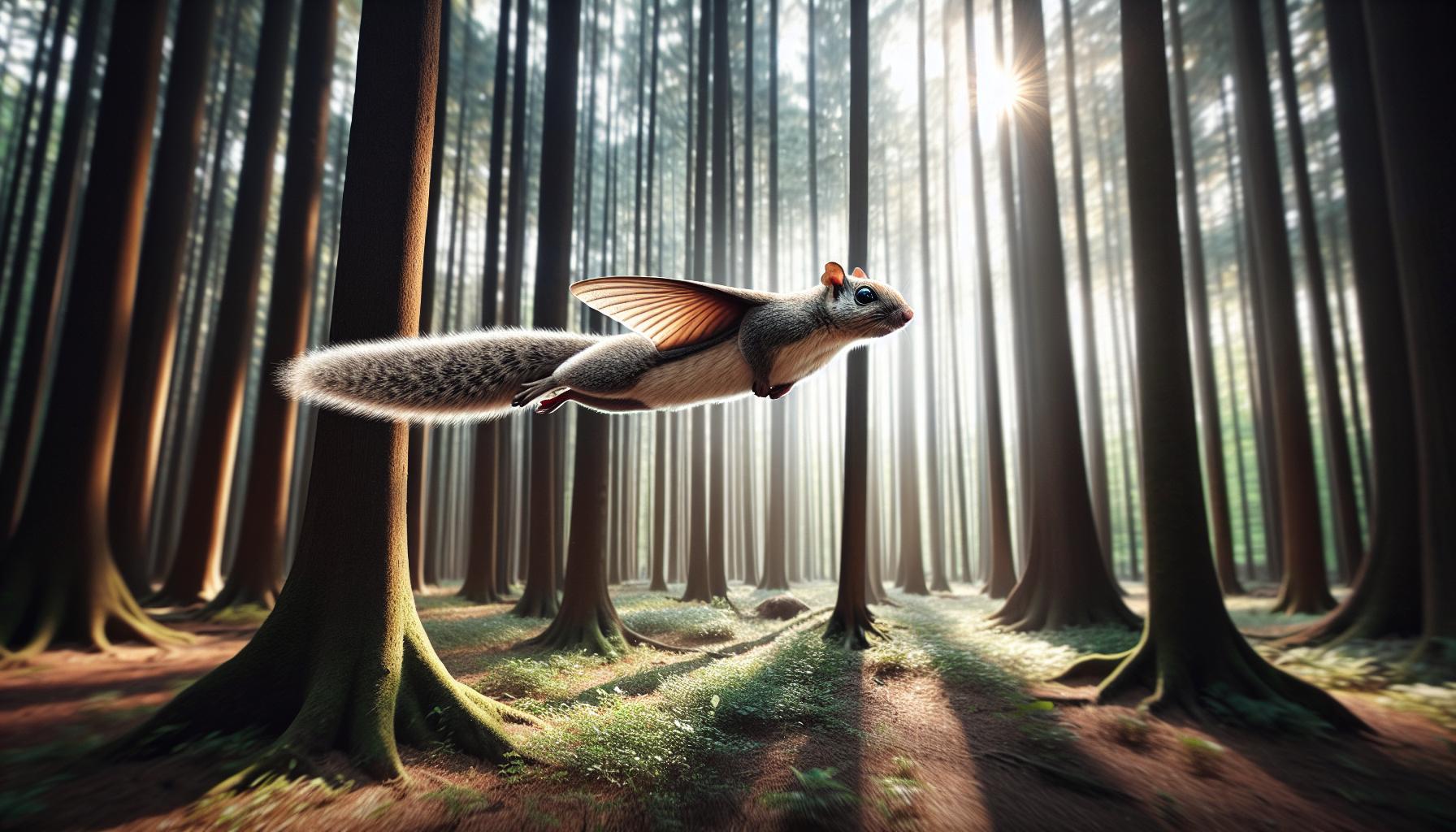
The Truth About Flying Squirrel Speeds: What the Research Says
Flying squirrels might just surprise you with their aerial prowess! While many people assume gliding mammals don’t reach high speeds, research has shown that these extraordinary creatures can glide at impressive speeds, sometimes exceeding 30 miles per hour during their leaps. This speed allows them to navigate their forested environments efficiently, avoiding predators and facilitating their search for food. Their unique adaptations play a pivotal role in achieving such velocities, notably their patagium, which acts like a parachute and provides lift during sustained glides.
Recent studies have shed light on how flying squirrels achieve their gliding speeds. Researchers utilize high-speed cameras and GPS technology to track and analyze the flight patterns and speeds of these creatures in their natural habitats. One fascinating finding is that the angle of their leap significantly influences their speed-steeper launches generally lead to faster glides because they can catch more air beneath their patagium.
Moreover, it’s essential to consider environmental factors when discussing flying squirrel speeds. Wind conditions, the height of trees, and the density of foliage all impact their gliding efficiency. For example, a squirrel launching from a tall tree during a breezy day might experience added lift and speed compared to a calm, low launch. Understanding these dynamics not only reveals the complexities of their gliding abilities but also provides insights into their adaptations for living in the treetops.
So, the next time you spot a flying squirrel gliding gracefully from branch to branch, remember that there’s a world of fascinating science behind their speed and agility. Tracking these speeds not only enlightens us about their daily lives but also underscores their crucial role within the ecosystem as skillful navigators of the trees.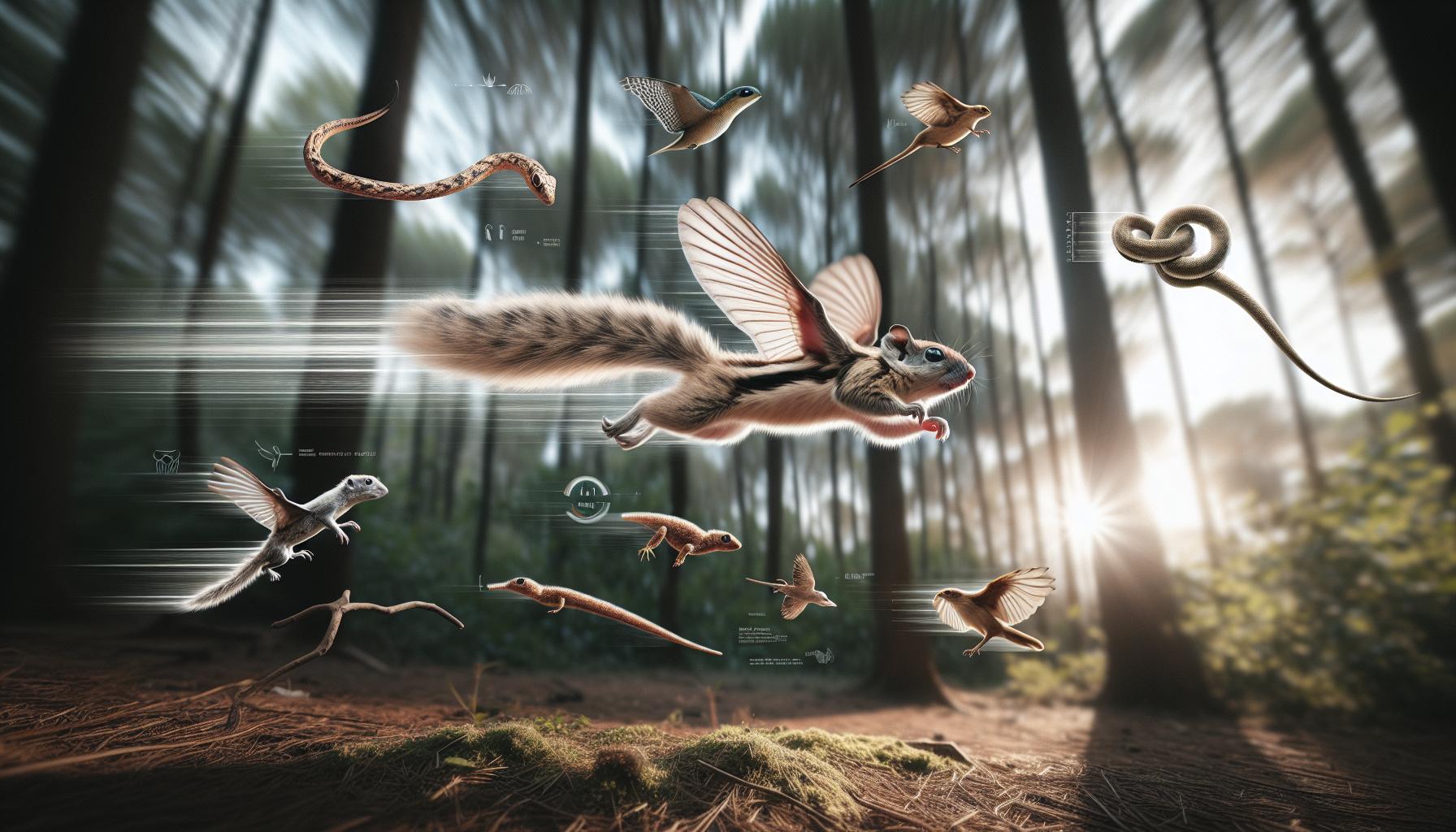
Comparing Flying Squirrel Speeds to Other Gliding Animals
Among the skyward gliders, flying squirrels stand out for their remarkable agility and speed. While many folks assume these charming mammals are limited to leisurely glides, research has shown they can reach impressive speeds that rival some of their fellow aerial acrobats. For instance, the common grey flying squirrel has been recorded gliding at speeds exceeding 30 miles per hour, which is quite impressive when compared to other gliding species.
When we consider other gliding animals, the comparison gets even more interesting. Take the Colugos, also known as flying lemurs, which are capable of gliding over distances of more than 300 feet thanks to their expansive patagium. Though their top speeds during glides aren’t extensively documented, it is believed they can glide over long distances, leveraging their larger wing-like membranes for extended flight. Similarly, the Sugar Glider, a type of small marsupial native to Australia and New Guinea, has adapted to glide with remarkable agility. These can reach speeds of about 22 miles per hour, giving the flying squirrel a run for its money in a speed contest, despite the squirrel’s edge in burst speed.
Unique Gliding Mechanisms
Comparing gliding techniques offers further insight into how flying squirrels utilize their environment. For instance, flying squirrels employ a unique capability to steer and adjust their trajectory mid-air. They can also rotate their bodies to land precisely where they intend. This adaptation is crucial for navigation through dense forests. In contrast, Flying Fish may leap out of the water to glide above the surface, achieving speeds around 40 miles per hour on short leaps but having a different context for speed due to their aquatic environment.
Implications for Survival
As fascinating as these comparisons are, the implications for survival are even more critical. The ability to glide quickly helps flying squirrels evade predators such as hawks and owls. Being able to maneuver quickly through trees gives them an advantage in not just escaping predators but also in securing food sources like fruits and nuts found in the canopy. Understanding these speeds and adaptations helps us appreciate the ecological role these animals play and their interactions within their habitats, reminding us of the remarkable complexities of nature.
Whether you’re an avid wildlife watcher or a casual observer, the world of flying squirrels-and their comparatives-offers a delightful glimpse into the wonders of aerial efficiency in the animal kingdom.
Record-Breaking Flying Squirrel Flights: The Data Behind the Numbers
Among the fascinating aspects of flying squirrels is their ability to glide impressive distances and at remarkable speeds, which can truly astonish wildlife enthusiasts and curious observers alike. These little acrobats of the forest have been recorded reaching gliding speeds that can exceed 30 miles per hour, showcasing not just their agility but also their incredible adaptations for survival in the wild.
One of the most exciting records comes from the studies conducted on the common grey flying squirrel. Observations in natural habitats have documented individual squirrels gliding as far as 150 feet in a single leap, demonstrating their aerodynamic efficiency. These distances are not only a testament to their natural design but also their ability to navigate the complex arboreal landscapes they inhabit. The data collected suggests that with optimal conditions, including wind and launch height, flying squirrels can achieve even longer glides, adding to the mystery of their capabilities.
Comparing them to other gliding animals, flying squirrels certainly hold their own. For instance, the Sugar Glider, another popular gliding animal, typically reaches lower speeds of about 22 miles per hour. The contrast between these two species highlights the efficiency of the flying squirrel’s gliding technique, which allows it to swiftly maneuver through the forest canopy, evading predators and scouting for food.
The role that speed plays in their survival cannot be overlooked. By gliding quickly, they can escape threats such as hawks and owls, while also reaching juicy fruits and nuts tucked away in high branches. Understanding these speed records not only adds to our knowledge of flying squirrel behavior but also emphasizes their ecological significance within their habitats-making these seemingly simple creatures a crucial part of the forest ecosystem.
In conclusion, the world of flying squirrels is not just about speed; it’s about adaptability and survival. Observing them in action provides a thrilling look into nature’s design and the delicate balance of predator and prey in the wild. Whether it’s the choreographed leaps between trees or their rapid glides to evade danger, flying squirrels remind us of the wonders of wildlife and the importance of conserving their natural habitats.
Factors Affecting Flying Squirrel Speed in the Wild
Among the remarkable abilities of flying squirrels is their capacity to glide efficiently, and this skill is influenced by a variety of factors in their environment. Understanding these influences can offer a peek into how these playful creatures navigate their arboreal homes with such agility. One of the primary factors affecting their speed is launch height. The greater the height from which a flying squirrel leaps, the more gravitational force they can utilize during their descent, allowing them to achieve faster speeds as they glide downward.
Another crucial element is air currents. Much like skilled surfers riding waves, flying squirrels can take advantage of updrafts and thermals. These rising currents of warm air can help them maintain speed while reducing the effort needed for gliding. For example, on sunny days when air is warmer and more buoyant, squirrels might find themselves soaring effortlessly between trees, reaching impressive speeds that might not be achievable on cooler, denser days.
Weight also plays an intriguing role. A flying squirrel’s body condition-whether it’s well-fed or possibly undernourished-can affect both its gliding capability and speed. Heavier squirrels may experience greater drag; however, those that are fit and agile may launch further and glide more efficiently. Terrain is yet another factor-squirrels gliding through dense foliage might have to navigate obstacles, which could slow them down compared to a more open environment where they can glide freely.
Lastly, the experience and age of the squirrel contribute to speed variations. Younger squirrels, still honing their gliding techniques, may not reach speeds as high as their more seasoned counterparts. Adult squirrels often develop a keen sense of their surroundings, which aids them in executing quick, precise movements as they navigate through their habitat.
By appreciating these different influences, wildlife enthusiasts can gain a deeper understanding of the fascinating dynamics that dictate how quickly and efficiently flying squirrels can take to the skies. Whether watching these creatures gracefully glide between trees or bounding off high branches, each flight is a testament to the beautifully complex interplay of nature that shapes their movements in the wild.
The Role of Environment in Flying Squirrel Gliding Skills
The remarkable gliding abilities of flying squirrels are deeply influenced by their environment, making it essential to appreciate how various factors impact their flight. For instance, one of the key environmental aspects is tree density. In habitats with plentiful tall trees, flying squirrels can effortlessly navigate through the canopy. These dense environments provide not only launch points but also strategic landing zones that help them maintain speed and change directions mid-flight. In contrast, open areas with fewer trees may force them to glide longer distances without the same opportunities for quick maneuvers, potentially affecting their average speed.
Another critical environmental factor is wind conditions. Flying squirrels utilize natural updrafts, which can occur when warm air rises, especially on sunny days. These wind patterns can significantly boost their gliding speed, akin to how hang gliders benefit from thermal lifts. When the air is still or cooler, the lack of buoyancy can mean that a flying squirrel needs to exert more energy to achieve the same flight path, potentially resulting in slower gliding speeds.
Additionally, the structural complexity of the squirrel’s habitat plays a vital role. Forests rich in various tree species can create a labyrinth of branches and leaves, presenting both challenges and advantages. Navigating through densely packed foliage can introduce obstacles that might slow down a squirrel’s descent, but it also offers them opportunities to practice sophisticated gliding techniques. For instance, terrain that allows for short, quick bursts of flight can enhance their agility, ultimately contributing to more effective movement through their environment.
In essence, the role of the environment in shaping the gliding skills of flying squirrels is paramount. By understanding these intricate relationships, wildlife enthusiasts gain insight into the incredible adaptations of these creatures. Whether they are taking advantage of the wind or expertly navigating their arboreal homes, flying squirrels exemplify the wonders of nature’s design, showcasing how the environment not only shapes but also enhances their remarkable capabilities.
Myths and Misconceptions About Flying Squirrel Speed
Flying squirrels often evoke images of daredevils soaring through the trees, but numerous myths surround their speeds. While it’s widely accepted that these charming creatures are adept gliders, some misconceptions can lead to exaggerated ideas about their velocity and capabilities. For instance, many believe that a flying squirrel can reach speeds equivalent to those of traditional flying animals, like birds. In reality, flying squirrels, gliding on a membrane called the patagium, achieve different speeds than their feathered counterparts. Studies suggest that their gliding speed veers more towards 10 to 20 miles per hour, depending on environmental conditions, rather than the high speeds commonly attributed to them.
Another common myth is that flying squirrels can effortlessly glide vast distances with absolute precision. While they are indeed skilled in maneuvering through their arboreal habitats, their gliding ability is significantly affected by factors such as wind conditions and tree density. For example, a flying squirrel can glide between 20 to 150 feet, but this distance can be shortened by strong winds or the presence of obstacles. Therefore, the idea that they can travel arbitrarily long distances without effort misrepresents their struggles in navigation and control.
Furthermore, the notion that flying squirrels are entirely graceful and do not experience falls or mishaps is a bit misleading. Like any gliding animal, they can misjudge distances or encounter airborne turbulence, leading to unexpected landings. Observations in the wild reveal that these adorable creatures sometimes land awkwardly or find themselves in unintentional tumbles, much like how a beginner might struggle with a skateboard. Thus, while they exhibit remarkable adaptations for gliding, they also face challenges that highlight their need for finesse and occasionally retrying their leaps.
Understanding these myths offers wildlife enthusiasts a more realistic view of the impressive yet relatable capabilities of flying squirrels. By appreciating their actual behaviors and adaptations, we can foster a deeper respect for these fascinating mammals, celebrating their unique place in the ecosystem while debunking misconceptions that can cloud our understanding.
How to Observe Flying Squirrels and Their Flying Techniques
Observing flying squirrels in action can be a magical experience, showcasing their remarkable gliding techniques and behaviors. These nocturnal creatures are most active at dusk and dawn, making these times the best for spotting them. Look for habitats rich in trees, as flying squirrels prefer mature forests with plenty of hardwood species, where they can find the food and shelter they need. When you venture out, be sure to bring a pair of binoculars and a good flashlight; that way, you can safely observe them from a distance without disturbing their natural behaviors.
To catch a glimpse of their aerial antics, find a quiet spot under their preferred trees and wait patiently. You might hear the soft rustle of leaves or even a gentle thud as they land. Remember, flying squirrels glide rather than fly, using their patagium – a thin membrane stretched between their limbs – to soar gracefully through the air. They adjust their gliding by spreading their limbs and tail, allowing them to steer and control their movement. Watching them twist and turn with surprising agility is a testament to their adaptation to arboreal life.
Consider setting up a night camera to capture their activity if you’re in an area where they are known to live. This not only allows you to see their gliding techniques but also contributes to citizen science efforts-the data collected can help researchers understand their behaviors and habitats better. You can engage with local wildlife organizations or online communities to share your findings, fostering a sense of connection and learning among fellow nature enthusiasts.
Being a responsible observer means respecting the flying squirrels’ space. They are sensitive creatures, and sudden movements or loud noises can startle them. If you have pets, keep them indoors during your viewing to minimize stress for the squirrels. As you enjoy this unique encounter with nature, appreciate not only their impressive gliding skills but their vital role in forest ecosystems, helping with seed dispersal and providing food for predators. Observing flying squirrels can be an insightful and enriching experience, deepening your understanding of wildlife and the complexity of nature’s design.
Tips for Safely Caring for and Rehabilitating Flying Squirrels
Caring for and rehabilitating flying squirrels can be a rewarding experience, providing you with a unique opportunity to understand these fascinating creatures up close. If you find a flying squirrel in distress, either from injury or being orphaned, it’s crucial to handle the situation with care. Their needs are specific, and mimicking their natural environment as closely as possible is key to their recovery.
Creating a Safe Habitat
First, establish a comfortable space for them. Use a spacious enclosure that simulates their natural tree-dwelling environment. A large birdcage or a custom-built habitat lined with soft bedding (like fleece or cotton) will do well. Include plenty of climbing opportunities such as branches, ropes, and small shelves. Remember, flying squirrels thrive in an environment that encourages activity and exploration, so enrichment is essential.
Diet and Nutrition
Feeding is another critical aspect of care. Their diet should consist of high-quality pellets, fresh fruits, vegetables, and occasional nuts. If you’re rehabilitating a young squirrel, remember that they may require a specialized formula suitable for their age. Research shows that being mindful of their nutritional needs not only supports physical recovery but also helps them regain their energy for gliding and climbing, behaviors fundamental to their survival.
Handling and Interacting
When handling flying squirrels, approach them gently and minimize stress. These nocturnal animals are quite sensitive and can easily become frightened. Avoid loud noises and sudden movements; instead, try to create a calm atmosphere. When it’s time for interaction, allow the squirrels to come to you, rather than reaching for them. Familiarity and patience will help build a trusting relationship.
Seeking Professional Help
Understanding when to involve professionals is equally important. If the squirrel exhibits unusual behaviors or if its injuries seem severe, contact a licensed wildlife rehabilitator or veterinarian with experience in treating wildlife. They can provide guidance and assistance, ensuring that your furry friend has the best chance of a full recovery.
Conservation Awareness
Working with flying squirrels not only helps the individual animals but also contributes to broader conservation efforts. By learning to care for them responsibly, you become an advocate for their species. Engaging in community wildlife programs can also provide valuable knowledge and insights, allowing you to share your experiences and foster a greater understanding of these incredible gliders within your community.
The Importance of Flying Squirrels in Ecosystems and Biodiversity
Flying squirrels play a crucial role in maintaining ecosystem health and biodiversity. With their unique gliding abilities, these nocturnal creatures are not just fascinating to observe; they also contribute significantly to their habitats. As they glide from tree to tree, they help with seed dispersal. This process is vital for forest regeneration, allowing various plant species to establish and thrive in new areas. Their foraging habits mean they inadvertently scatter seeds and nut remnants throughout their environment, which leads to increased plant diversity and healthier ecosystems.
Dietary Contributions
The diet of flying squirrels, primarily consisting of fruits, nuts, and tree sap, also supports the larger food web. By consuming and spreading these food sources, they become an integral part of the energy transfer within forest ecosystems. Their role as prey for larger predators, such as owls and hawks, further solidifies their importance. They are a vital food source for these birds of prey, showcasing a delicate balance in the food chain that is essential for ecological stability.
Indicator Species
Flying squirrels are also considered indicator species. Their health and population dynamics reflect the overall well-being of their forest habitats. When flying squirrel populations are thriving, it often indicates that the ecosystem is in good shape. Conversely, a decline in their numbers can signal environmental issues such as habitat loss due to urbanization or deforestation, prompting conservation efforts to address these underlying problems. Monitoring these adorable gliders can, therefore, provide critical insights into broader ecological needs.
By engaging with and protecting flying squirrels, we empower ourselves to promote conservation efforts that foster diverse and thriving ecosystems. Whether you’re a seasoned wildlife enthusiast or a curious newcomer, observing these enchanting creatures in their natural habitat can inspire a deeper appreciation for the interconnectedness of all living beings in our environment.
Frequently Asked Questions
Q: What is the maximum speed a flying squirrel can reach during a glide?
A: A flying squirrel can glide at speeds of up to 25 miles per hour (40 km/h). This speed allows them to efficiently maneuver through their forest habitats while escaping predators. For more on their unique flight adaptations, check out the section on “How Do Flying Squirrels Fly?”
Q: How far can flying squirrels glide?
A: Flying squirrels can glide impressive distances, often up to 150 feet (about 46 meters) in a single leap. This allows them to travel between trees and avoid ground predators. Explore more details on their gliding capabilities in the “Factors Affecting Flying Squirrel Speed in the Wild” section.
Q: Do flying squirrels use their tails when gliding?
A: Yes, flying squirrels utilize their tails as rudders during gliding, helping them steer and stabilize their flight. The tail’s surface area assists in controlling their descent and direction. Learn more about their adaptations in the article section titled “Understanding Their Unique Adaptations.”
Q: Are flying squirrels faster than other gliding animals?
A: While flying squirrels can reach speeds of up to 25 mph, they are generally slower than certain other gliding species, like the sugar glider, which can glide faster. Explore comparisons of their speeds in “Comparing Flying Squirrel Speeds to Other Gliding Animals.”
Q: How do weather conditions affect flying squirrel speeds?
A: Weather conditions, such as wind and rain, can significantly impact flying squirrels’ gliding speeds. Strong winds can aid their speed, while wet conditions may hinder their ability to control flight. Discover related insights in “The Role of Environment in Flying Squirrel Gliding Skills.”
Q: Can flying squirrels control their speed while gliding?
A: Flying squirrels have the ability to control their speed by adjusting their body position and wing membranes. By flattening their bodies, they can reduce resistance and slow their descent. Learn about their flying techniques in “How to Observe Flying Squirrels and Their Flying Techniques.”
Q: What factors influence the speed of a flying squirrel’s glide?
A: Several factors influence a flying squirrel’s glide speed, including age, health, and environmental conditions. Younger and healthier squirrels may glide faster. For a deeper dive into these aspects, see “Factors Affecting Flying Squirrel Speed in the Wild.”
Q: How can I help injured flying squirrels recover their gliding ability?
A: If you encounter an injured flying squirrel, providing a safe and calm environment for recovery is essential. Ensure they have access to proper nutrition and a space to regain strength. Refer to “Tips for Safely Caring for and Rehabilitating Flying Squirrels” for more guidance on rehabilitation.
In Retrospect
In conclusion, the incredible speed of flying squirrels at around 20 miles per hour showcases their unique adaptations and agility in the wild. If you’re fascinated by these remarkable creatures, dive deeper into their behavior and habitat in our articles on “The Top 5 Amazing Facts About Flying Squirrels” and “How to Care for Exotic Pets: A Guide for Beginners.” Don’t forget to subscribe to our newsletter for more captivating wildlife insights and tips!
We’d love to hear your thoughts-did this article inspire you to learn more about flying squirrels or perhaps to explore other fascinating animals? Join the conversation in the comments below. Keep your curiosity alive and explore related topics to understand our natural world better. Remember, every click opens a new doorway to wildlife wonder!
Get our latest guides, news, and insights highlighted in your Google Search & AI Overviews.