Did you know that prairie dogs, often seen as mere burrowing animals, play a surprisingly significant role in shaping their environment? These social rodents don’t just dig tunnels for shelter; their activities contribute to physical weathering processes that influence local geology. By persistently burrowing and expanding their colonies, prairie dogs aerate the soil, disrupt surface layers, and create new habitats-impacting everything from soil composition to water drainage patterns. Understanding how these charming creatures affect their surroundings can deepen our appreciation of ecosystems and highlight the intricate connections between wildlife and geology. So, let’s explore the fascinating ways prairie dogs can cause physical weathering and what it means for the landscapes they inhabit. Your curiosity about these small yet impactful animals will surely lead to surprising insights about our natural world!
How Prairie Dogs Contribute to Soil Structure
Prairie dogs are fascinating little creatures that play a significant role in shaping their environment, particularly when it comes to soil structure. As burrowing animals, they dig extensive tunnel systems that not only provide them with shelter but also have profound impacts on the surrounding ecosystem. One of the most remarkable effects of their burrowing habits is the alteration of soil composition and aeration. When prairie dogs excavate the ground, they displace various soil layers, effectively mixing them. This mixing helps break down dense soils and promotes a more heterogeneous soil structure, which is beneficial for plant growth.
Additionally, the tunnels created by prairie dogs enhance soil aeration and drainage. The passageways allow air and water to penetrate deeper into the soil, reducing compaction that can hinder root growth and water absorption. Improved aeration also means that soil microorganisms can thrive, which supports nutrient cycling and enhances soil fertility. The presence of these burrow systems can lead to better moisture retention in the soil, which is particularly valuable in arid environments where prairie dogs often reside.
Moreover, the area surrounding prairie dog colonies typically sees an increase in plant diversity. This is because the nutrient exchange facilitated by burrowing activities can create microhabitats that support different plant species. When prairie dogs graze on grasses and other plants, they also help to maintain a healthy balance of vegetative cover, which can further enhance soil structure by preventing erosion.
In summary, prairie dogs contribute significantly to soil structure through their burrowing habits, which promote aeration, improve water drainage, and encourage plant diversity. These activities not only benefit prairie dogs themselves but also enhance the overall health of their ecosystem. Understanding these contributions can help us appreciate their role as vital agents of change in the landscapes they inhabit.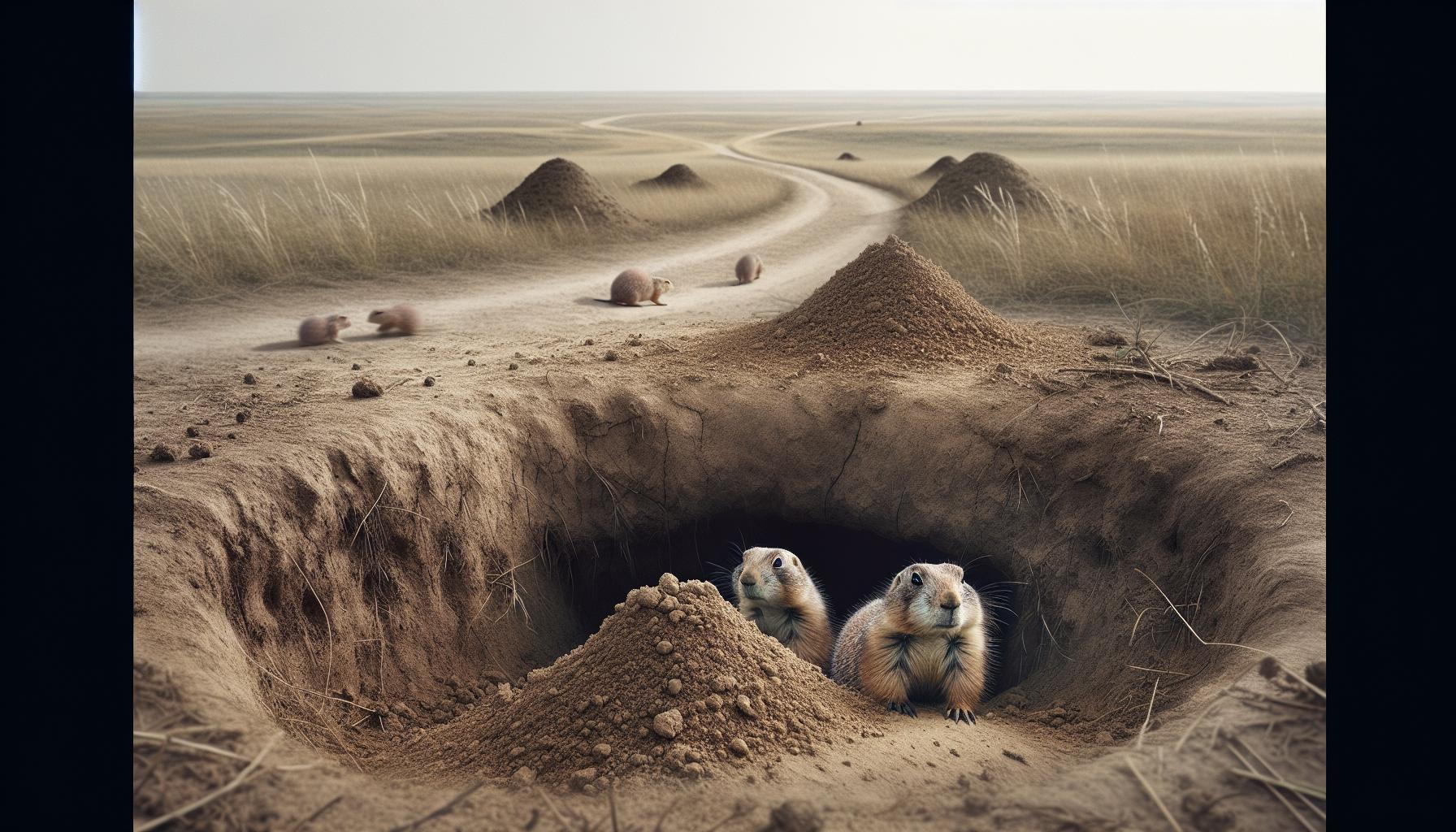
The Physical Effects of Prairie Dog Burrowing
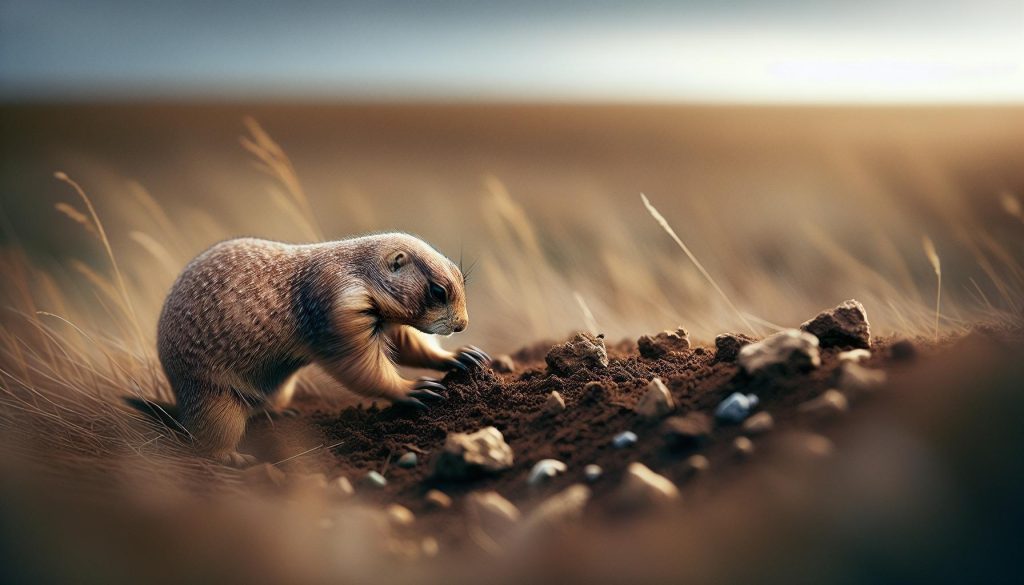
Prairie dogs are not just adorable inhabitants of the grasslands; they are also skilled architects whose burrowing activities significantly affect the physical landscape. When these little critters dig their extensive tunnel systems, they have a profound impact on the geology of their environment. Each burrow not only creates a home for the prairie dog but also initiates a process of physical weathering that transforms the soil structure and influences the surrounding ecosystem.
As prairie dogs excavate the ground, they displace soil and break apart hard-packed earth, effectively promoting physical weathering. This process can be compared to nature’s own tilling method. The constant digging leads to the mixing of various soil layers, which can change the composition and properties of the soil. For instance, when prairie dogs push up soil to create mounds around their burrows, they introduce different soil particles to the surface. This mixing helps to create a more diverse soil matrix that can improve drainage and aeration. Additionally, these open spaces allow water to penetrate more easily, reducing surface runoff and promoting deeper water infiltration-a crucial aspect in arid environments where moisture retention is key.
Beyond soil health, prairie dog burrows also play an integral role in creating habitats for other organisms. The tunnels provide refuge and nesting sites for a variety of species, such as insects, snakes, and even owls. By facilitating a complex web of life, prairie dogs contribute to the overall biodiversity of their habitats, which further enhances the resilience of these ecosystems. For example, the presence of burrows can create microclimates that support various plant species, leading to increased vegetative cover and further stabilizing the soil against erosion.
In essence, extend well beyond their immediate environment. By actively engaging in soil turnover and creating intricate burrow systems, prairie dogs not only contribute to physical weathering but also foster a dynamic and thriving ecosystem. Understanding the impacts of their burrowing behavior highlights the important role they play as ecosystem engineers, demonstrating how a species, often overlooked, can be a vital force in shaping our landscapes.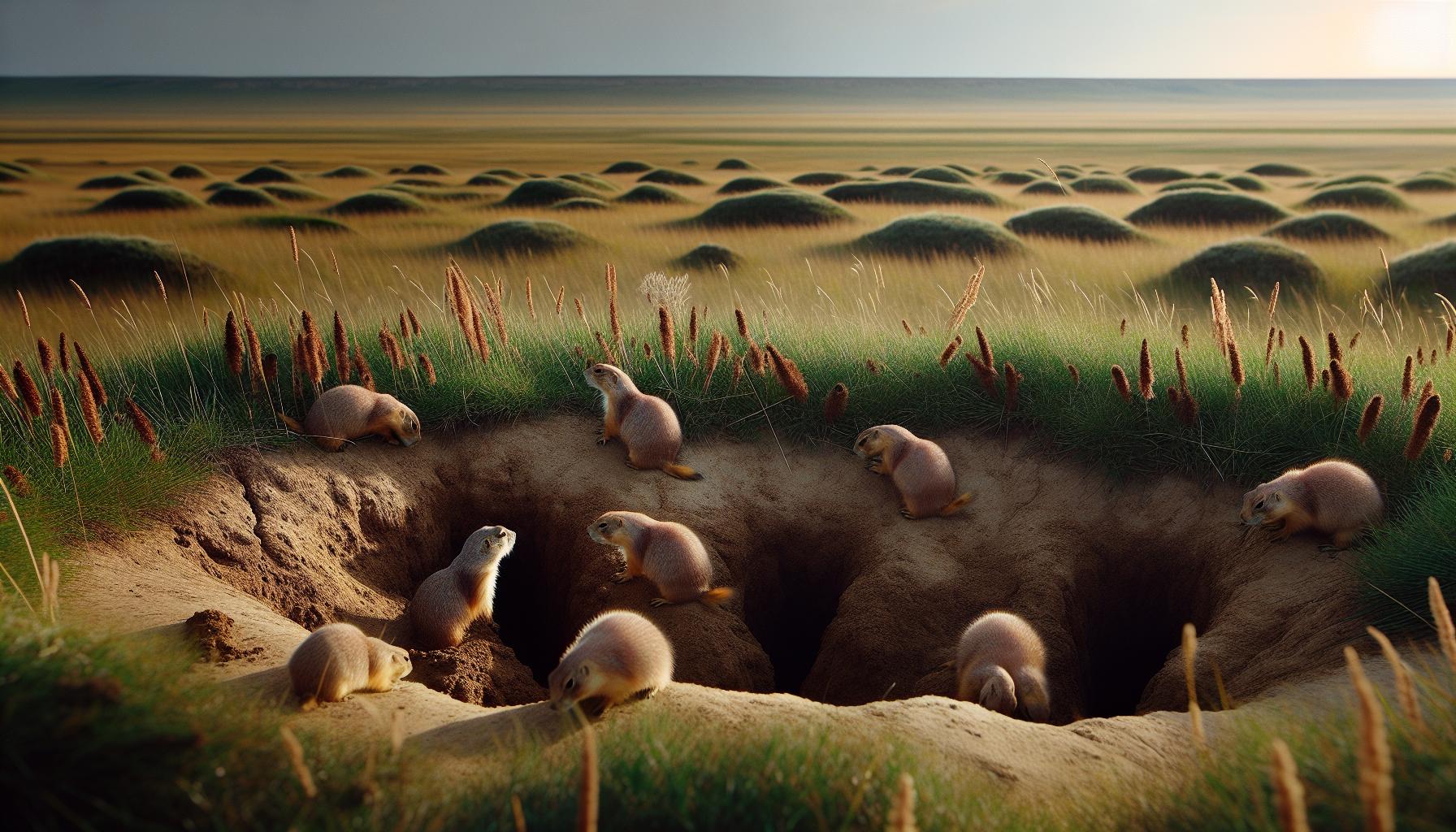
How Prairie Dogs Influence Water Drainage
Prairie dogs are not just amusing critters darting across the grasslands; they play a crucial role in influencing water drainage in their ecosystems. Their extensive burrowing activities create a complex network of tunnels and chambers that can significantly enhance soil porosity, allowing water to penetrate more deeply into the ground. This natural environmental change is vital for maintaining moisture levels, especially in arid conditions.
When prairie dogs dig their burrows, they effectively distribute nutrients throughout the soil. The displacement of soil and the creation of mounds help break up hard, compacted layers, enabling water to flow more freely. As a result, precipitation can be absorbed rather than running off the surface, which is particularly critical during rain events. In habitats where water retention is essential-such as in the mountainous regions or plains of the western United States-this feature can be a game-changer for plant life.
Another interesting aspect of these burrowing activities is the impact on local vegetation. With improved water drainage, plant roots can access moisture more efficiently, which supports lush grasslands and increases biodiversity. This, in turn, attracts a variety of other wildlife, creating a more balanced ecosystem. For example, studies have shown that areas with robust prairie dog colonies often see an uptick in plant species diversity and density, further supporting the complex web of life that thrives around them.
To sum up, prairie dogs contribute to better water drainage through their burrowing behavior, which promotes deeper infiltration and reduces surface runoff. By fostering an environment where moisture is retained and distributed, they not only support their own survival but also enhance the overall health of the ecosystem, making them unsung heroes of the grasslands.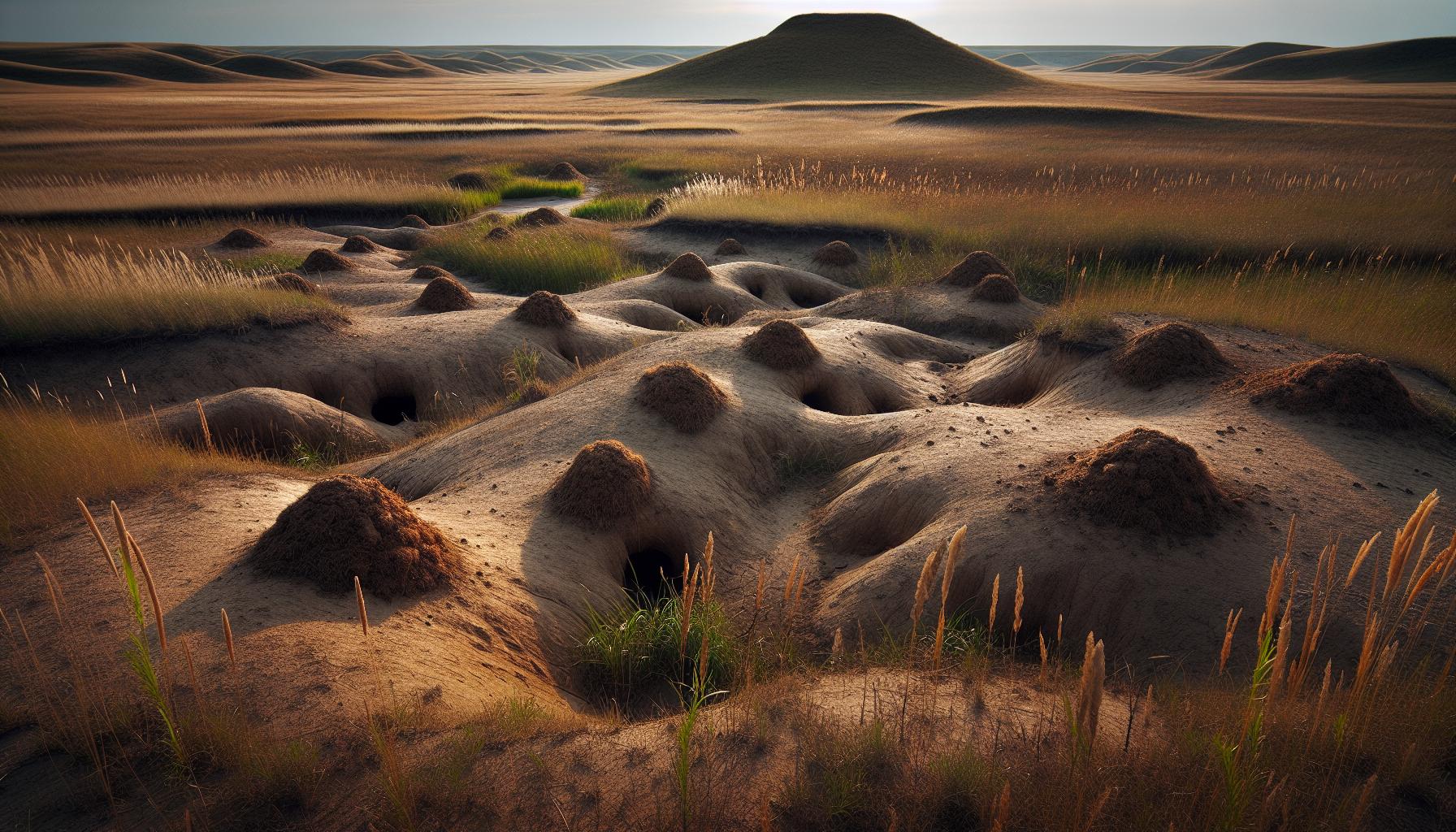
The Role of Prairie Dogs in Erosion Processes
The incessant digging of prairie dogs not only impacts their immediate environment but plays a crucial role in the broader processes of erosion and soil weathering. As these small yet industrious mammals burrow into the ground, they disturb and fracture the soil. This activity contributes directly to physical weathering-breaking down larger rock particles into smaller ones-by loosening the soil and exposing it to natural elements like wind, rain, and temperature fluctuations.
When a prairie dog’s burrow collapses or when they create extensive tunnel systems, the surrounding soil structure is affected. This disruption allows for increased movement of soil particles, which can be easily washed away by rain or blown away by wind. The burrowing process leaves behind not only tunnels but also mounds of displaced soil. These mounds are often comprised of nutrient-rich material mixed from various soil layers, which can lead to localized erosion as the nutrients are carried away during heavy rainfall, leading to a cycle of soil loss and degradation.
Moreover, the vegetation that typically holds soil in place can be affected by prairie dog activity. The areas around their colonies often see an increase in plant diversity, as new spaces are created for seeds to take root in the freshly disturbed soil. However, these same disturbances can lead to vulnerabilities in the soil structure. During heavy rains, without adequate plant cover, the soil can easily become dislodged, contributing to further erosion. Areas with dense prairie dog colonies can have more exposed soil compared to untouched grasslands, highlighting a critical balance in their ecosystem.
The role of prairie dogs goes beyond mere soil disturbance-they facilitate a dynamic environment where erosion is both a destructive force and a means of soil regeneration. As part of this process, they contribute to the natural cycle of erosion and weathering, making their burrowing behavior a key factor in shaping the landscapes of the grasslands. Understanding how these small animals influence erosion can help us appreciate their broader ecological role and importance in preserving sustainable grassland environments.
Interactions Between Prairie Dogs and Other Wildlife
The bustling life of a prairie dog colony creates a vibrant interplay with other wildlife, making these small mammals essential players in their ecosystem. Prairie dogs are known to transform their environment not just through their burrowing habits but also by enabling a diverse array of species to thrive. The intricate networks of tunnels they create serve multiple purposes-they provide shelter for various animals, improve soil structure, and influence the foraging patterns of many species.
One of the striking examples of interaction is the relationship between prairie dogs and their predators, such as hawks and coyotes. These hunters benefit from the exposed landscape created by prairie dog colonies. With fewer tall grasses or shrubs obstructing their view, they can effectively spot and capture prey. Moreover, prairie dog mounds often attract insects like grasshoppers and beetles, which can become food sources not just for birds but also for larger animals that may forage in the area.
Beyond direct relationships, prairie dog burrows also provide sanctuary for other species. For instance, the endangered black-footed ferret relies heavily on prairie dog colonies for shelter and food, as they prey primarily on these rodents. The presence of a healthy prairie dog population can therefore be a boon for ferret conservation efforts. Additionally, these burrows can house other small mammals like rabbits, as well as reptiles and amphibians, showcasing the prairie dog’s role in fostering a multi-species community.
The increase in soil aeration and nutrients due to prairie dog burrowing not only supports diverse plant growth but also creates a more resilient habitat for other wildlife. Native grass species that flourish in these areas attract pollinators, while the varied plant life offers food and cover for numerous herbivores, connecting the dots in a complex ecological web. Each interaction reinforces the importance of prairie dogs as ecosystem engineers-a title they rightfully earn by creating and maintaining a diverse community of life in the grasslands.
Prairie Dogs as Ecosystem Engineers
The energetic burrowing habits of prairie dogs not only shape their immediate environment but also play a significant role in geological processes, particularly physical weathering. As they dig extensive networks of tunnels and create mounds, they disturb the soil, effectively altering its structure and composition. This activity is much more than a simple displacement of dirt; it has lasting impacts on the landscape and the ecosystem.
When prairie dogs excavate their burrows, they break apart the soil and rock, which contributes to the process of weathering. Soil particles are loosened, allowing water to penetrate more easily during rains. This moisture can then facilitate further erosion and break down larger geological structures. Particularly in areas with clay-rich soils, the burrowing can create cracks and fissures that lead to increased surface area exposed to the elements, enhancing weathering processes. Over time, this can cause significant changes in the landscape, shaping the very geology of the prairie.
Moreover, prairie dog mounds, which are built from the soil they displace, can also influence the microhabitat. These mounds can raise organic matter above the surrounding ground, changing local drainage patterns and creating unique habitats. As rainfall seeps into these mounds, it not only affects the moisture content of the soil but also triggers biological activity, such as the growth of diverse plant species that thrive in enriched soils. This, in turn, contributes to a greater variety of life in the vicinity, as different organisms are attracted to the fertile conditions.
These fascinating rodents are often dubbed “ecosystem engineers” because they significantly shape their surroundings, enhancing biodiversity and promoting ecological health. The changes caused by their burrowing activities demonstrate a delicate balance between geology and ecology, highlighting how the physical actions of one species can lead to broader geological transformations. Engaging with these dynamic processes helps us appreciate the subtle yet powerful ways prairie dogs contribute to their environment, promoting both soil health and biodiversity.
The Impact of Prairie Dog Colonies on Plant Life
The presence of prairie dog colonies can significantly transform local plant life, creating a dynamic interplay between these burrowing animals and the surrounding vegetation. These sociable rodents excavate extensive neighborhoods, which alters the soil structure and composition in ways that profoundly affect plant growth. When prairie dogs dig, they not only aerate the soil but also bring nutrients to the surface, enriching the upper layers of soil. This action fosters the growth of a variety of plant species, as many types of vegetation thrive in the nutrient-rich mounds that result from their burrowing activities.
One of the most fascinating aspects of prairie dog colonies is their ability to create microhabitats. The mounds constructed from dislodged soil contain organic matter that retains moisture more effectively than surrounding areas. This enhancement promotes various plant species that are specifically adapted to flourish in these conditions. Research has shown that areas where prairie dogs are active often support a richer diversity of plant life compared to regions that lack these colonies. For instance, certain grasses and wildflowers become more abundant in prairie dog towns, thriving on the nutrients and moisture deposited onto the surface. Not only does this elevate plant diversity, but it also attracts other wildlife, creating a vibrant ecology that can depend on these rodents.
Moreover, the grazing habits of prairie dogs play a critical role in maintaining a balance among plant species. By feeding on specific grasses, they help prevent any single species from dominating the landscape. This selective grazing encourages a varied tapestry of vegetation, which supports various forms of life-from insects to larger animals that rely on the prairie ecosystem for survival. The interactions among prairie dogs, plants, and other wildlife exemplify the role of these creatures as keystone species, vital for maintaining healthy ecosystems.
In summary, prairie dogs are more than just adorable burrowers; they are essential players in shaping plant life and overall biodiversity in their habitats. Their burrowing and grazing practices modify the landscape, improve soil conditions, and enhance ecological health, illustrating the intricate connections present in nature. By understanding and appreciating these relationships, we can better recognize the importance of preserving prairie dog ecosystems.
Understanding Prairie Dog Behavior and Habitats
Did you know that prairie dogs are more than just cute little burrowers? Their behavior and habitat preferences play a significant role in shaping their environment, leading to fascinating geological processes such as weathering. These social creatures create extensive burrow systems that not only serve as their homes but also impact the soil and rock structures around them. Through their digging and movements, prairie dogs contribute to physical weathering by breaking down the earth and maintaining a dynamic landscape.
Prairie dogs live in colonies, which are often called towns. Within these towns, they create a complex network of tunnels that can stretch over vast areas. As they dig, they disrupt the soil and rock layers, causing fragmentation. This activity exposes fresh surfaces to the elements, such as wind and rain, which accelerate weathering processes. The loose material created by prairie dog burrowing is subject to erosion, making it more susceptible to physical weathering. In essence, their burrowing acts like nature’s own pair of hands, kneading the soil and rock, enhancing its breakdown.
Moreover, the burrows themselves provide habitats not only for prairie dogs but also for other species, creating valuable ecosystems. This symbiotic relationship illustrates how prairie dog behavior supports biodiversity. By aerating the soil and mixing different soil layers, they help maintain the ecology of their habitat. The impact of their behavior extends beyond their immediate environment; for instance, the soils enriched by their activities can lead to enhanced plant growth, further stabilizing the environment around them.
In conclusion, understanding prairie dog behavior enriches our appreciation of their role as natural engineers. They don’t just coexist in their habitats; they actively reshape them through physical weathering and soil modification. By preserving these dynamic ecosystems, we support the intricate web of life that thrives because of prairie dogs and their unique geological impact.
The Relationship Between Prairie Dogs and Weathering
The industrious prairie dog is a remarkable agent of change within its ecosystem, playing a critical role in weathering processes. As these small mammals dig their burrows, they are not just creating a home but are also actively breaking down the landscape surrounding them. The physical act of digging disrupts soil and rock, leading to fragmentation and the exposure of fresh surfaces to environmental elements. This is where the magic of weathering begins!
When prairie dogs dig, they churn and aerate the soil, making it more susceptible to various weathering processes. For example, cracks and crevices created by their burrowing allow rainwater to penetrate deeper into the ground, promoting chemical weathering as water interacts with minerals present in the soil and rock. Additionally, the loose earth and debris from their tunnels can be removed by wind or rain, further accelerating the breakdown of the landscape over time. In essence, each burrow becomes a mini-laboratory of geological change.
Furthermore, the burrow systems serve as important habitats for a myriad of other species. This biodiversity is vital as it enhances ecosystem resilience and promotes further geological actions. For instance, the roots of plants that take hold in these burrows benefit from the aerated soil, obtaining nutrients more efficiently while holding the soil together, which counters erosion. creates a cycle that not only fosters a dynamic ecosystem but also leads to enriched soil profiles, vital for plant growth.
Through their seemingly simple act of digging, prairie dogs initiate complex geological processes that shape the environment in profound ways. Their burrowing behavior exemplifies nature’s interconnectedness and emphasizes the importance of these animals as ecosystem engineers. Understanding this relationship enriches our appreciation for prairie dogs and highlights why their conservation is crucial for maintaining the health of their ecosystems.
Case Studies: Prairie Dogs Affecting Local Geology
One captivating aspect of prairie dog colonies is how they act as fundamental players in shaping local geology through their burrowing activities. A case study conducted in the western United States near the Rocky Mountains highlights this phenomenon vividly. Here, researchers observed that prairie dog burrows created expansive networks that significantly altered soil structure and composition. By digging, prairie dogs loosened compacted soil layers, allowing for increased infiltration of water and nutrients. This not only enhanced the fertility of the soil but also prompted a diverse range of plants and other organisms to thrive in the altered landscape.
In Arapaho National Wildlife Refuge, Colorado, the impact of prairie dog colonies on sediment erosion patterns was particularly striking. The burrowing activities of these small mammals facilitated soil disturbance, leading to localized weathering processes. The tunnels they create can divert water flow during rain events, causing sediments to be washed away in greater volumes than would typically occur in a healthy ecosystem. Consequently, this contributes to a unique erosion dynamic, where some areas see increased soil loss while others may become depositional zones due to the accumulation of transported materials.
Moreover, there’s an intriguing interaction between prairie dogs and the surrounding flora. A study in Wyoming documented how the species diversity of plants around prairie dog colonies changed over time, particularly in response to the altered soil properties. With the soil being more aerated and enriched due to prairie dogs’ activities, certain resilient grasses and wildflowers flourished, contributing to a unique ecological niche often referred to as “prairie dog ecosystems.” These areas become hotspots for biodiversity, as many species depend on the structural complexities of burrows for shelter.
As we explore these case studies, it becomes clear that prairie dogs are not just adorable creatures hopping around their colonies; they are pivotal agents of change that drive geological and ecological processes. Their burrowing behavior can inspire deeper reflections about our relationships with wildlife and the intricate balance of ecosystems we must strive to preserve. Understanding these dynamics not only fosters a sense of respect for these remarkable animals but also emphasizes the necessity for their conservation in maintaining healthy ecosystems.
Preserving Prairie Dog Ecosystems: A Conservation Perspective
The remarkable role of prairie dogs in their ecosystems is often overlooked, but these small mammals are nature’s very own geologists. Their burrowing behaviors contribute significantly to physical weathering and soil dynamics, making their conservation crucial for maintaining ecological balance. As prairie dogs excavate their colonies, they not only create complex tunnel systems but also disturb the soil structure in a way that facilitates both weathering processes and habitat diversity.
To understand their impact, it’s essential to recognize the physical changes they bring to the landscape. The burrows they create enhance aeration and drainage in the soil, allowing water to penetrate deeper and promoting the growth of various plants. This increased moisture level nurtures a higher biodiversity by allowing resilient species to thrive. Additionally, these burrows help in retaining moisture during dry spells, which is vital for the overall health of the prairie ecosystem. However, this also means that preserving these habitats is critical; without protection, habitat destruction can lead to significant declines in prairie dog populations, ultimately disrupting the entire ecological chain.
Conservation efforts can take many forms. Community engagement is vital; educating local populations about the ecological benefits of prairie dogs is key to fostering a culture of respect for these underrated animals. Initiatives can include:
- Organizing local wildlife tours to show people the benefits of prairie dog colonies.
- Implementing protective measures within local legislation to conserve prairie dog habitats.
- Encouraging sustainable land use practices that prevent habitat destruction.
Furthermore, collaborations with conservation organizations can amplify these efforts, enabling larger initiatives that protect and restore prairie dog ecosystems on a wider scale. By adopting these practices, we can ensure that these remarkable creatures continue to thrive, contributing to the natural processes that shape our landscapes and support biodiversity. Supporting prairie dog conservation ultimately leads to healthier ecosystems for all wildlife, preserving the intricate balance of life that connects us all.
Engaging Communities in Prairie Dog Conservation
Engaging with local communities about prairie dog conservation can transform these often-overlooked creatures into celebrated environmental allies. Start with education: hosting workshops and informational sessions can illuminate the essential role prairie dogs play in their ecosystems, particularly in physical weathering and soil health. Highlight how their burrowing activities aerate soil, improve water drainage, and promote plant diversity-facts that can amaze even the skeptics!
Community initiatives can thrive with hands-on experiences. Organizing wildlife tours allows people to witness prairie dog colonies firsthand, fostering a connection and appreciation for these fascinating animals. These tours can be complemented by nature trails that educate visitors on the flora and fauna that benefit from prairie dog habitats. Sharing engaging narratives of wildlife interactions-such as how predators rely on prairie dog colonies for sustenance-can enhance the storytelling aspect, making the experience educational yet entertaining.
Moreover, community action can advocate for protective legislation aimed at preserving prairie habitats. Partnering with local conservation groups can amplify efforts, providing resources and expertise to effectively promote sustainable land use practices that minimize habitat destruction. Whether it’s organizing clean-up days or establishing nature-friendly policies, enlisting community support is crucial for lasting change.
Ultimately, conveying the significance of prairie dogs as ecosystem engineers will resonate deeply when framed within the context of local pride and environmental stewardship. By making these small mammals the stars of the show, communities can unite in their conservation efforts, ensuring that both prairie dogs and the ecosystems they support continue to thrive for generations to come.
FAQ
Q: What role do prairie dogs play in soil weathering?
A: Prairie dogs significantly influence soil weathering through their burrowing activities. Their tunnels aerate the soil, promoting moisture retention and chemical weathering processes. As they dig, they expose minerals to weathering agents like air and water, enhancing soil development and nutrient cycling.
Q: How do prairie dog burrows affect erosion?
A: Prairie dog burrows can both exacerbate and mitigate erosion. Their extensive tunnel systems increase water infiltration, which may reduce surface runoff. However, the exposed soil around burrows may be more susceptible to wind and water erosion if vegetation is not sufficient to stabilize it.
Q: What physical weathering occurs around prairie dog colonies?
A: The physical weathering around prairie dog colonies is primarily caused by soil disturbance from burrowing. This activity breaks up soil aggregates, leading to increased surface area exposed to weathering forces like wind and rain, which can hasten the breakdown of rock and soil material.
Q: Why are prairie dogs considered ecosystem engineers?
A: Prairie dogs are considered ecosystem engineers because their burrowing habits alter soil structure and water dynamics. They create microhabitats that benefit various species and promote plant diversity, which supports overall ecosystem health. This dynamic interplay significantly contributes to physical weathering and landscape modification.
Q: How do prairie dogs impact the local geology?
A: Prairie dogs impact local geology by changing soil composition, structure, and drainage patterns with their burrows. This extensive alteration supports physical weathering processes and influences sediment transport, leading to gradual changes in the landscape over time.
Q: Can prairie dog activity improve soil health?
A: Yes, prairie dog activity can improve soil health. By aerating the soil and promoting moisture retention, their burrows facilitate nutrient exchange and enhance microbial activity. This leads to improved soil fertility and structure, benefiting surrounding vegetation and animal life.
Q: What are some long-term effects of prairie dog colonization on the environment?
A: Long-term effects of prairie dog colonization include enhanced biodiversity, changes in soil composition, and increased erosion in some areas. Their activities promote a diverse plant community, which can stabilize soil and support various wildlife, but may also lead to localized erosion if vegetation is disturbed.
Q: How can conservation efforts benefit from understanding prairie dog ecosystems?
A: Understanding prairie dog ecosystems can inform conservation efforts by highlighting their role in promoting biodiversity and soil health. Effective management strategies can preserve their habitats while mitigating potential negative impacts on erosion and local geology, benefiting both the environment and agriculture.
In Retrospect
As we’ve explored, prairie dogs play a surprisingly significant role in physical weathering, impacting their environment in fascinating ways. Their burrowing behaviors not only create complex underground networks but also influence soil composition and erosion patterns. If you’re intrigued by how wildlife interacts with geology, delve deeper into our articles on “The Impact of Animals on Ecosystems” and “Understanding Soil Erosion in the Wild.”
Don’t miss out on these insights-consider subscribing to our newsletter for more captivating topics about nature and geology. Your journey into the wonders of the natural world doesn’t have to end here! Share your thoughts or questions in the comments below; we love hearing from you. Explore more and discover how prairie dogs and other wildlife shape our planet-every visit enriches your understanding.
Get our latest guides, news, and insights highlighted in your Google Search & AI Overviews.