

Did you know that flying squirrels can glide over 150 feet from tree to tree? While these enchanting creatures are fascinating to observe in their natural habitat, having one take up residence in your home can be quite a different story! If you find yourself sharing your space with a flying squirrel, it’s crucial to act quickly and humanely. Their presence can lead to potential damage and even health risks. In this guide, we’ll explore effective and gentle strategies for coaxing these nocturnal adventurers out of your house, ensuring both your safety and the well-being of these unique animals. Read on to discover simple steps you can take to restore peace to your home while respecting wildlife.
How Flying Squirrels Enter Your Home
Flying squirrels are more agile than they seem, and they have a knack for finding their way into homes where they can create unexpected mayhem. These nocturnal creatures can enter your house through surprisingly small openings. A gap as small as 1.5 inches can be enough for a flying squirrel to squeeze through, whether it’s under roof eaves, through damaged siding, or around loose vent covers.
One common entry point for flying squirrels is the roof. They can easily scale trees, using branches as launching pads to leap onto roofs and then slip through openings. Another frequent entry path is through attics and crawl spaces, where soffits or vents may be compromised. If there’s a hole or crack in your home’s exterior, it won’t take long for these curious critters to explore it. Additionally, flying squirrels often seek warmth and shelter during colder months, making homes particularly appealing as they search for cozy nests.
To prevent these agile invaders from settling in, it’s crucial to inspect your home regularly. Look for signs of entry points like droppings, gnawed wood, or shredded materials, which may indicate nesting. Keeping trees trimmed away from your home can also minimize their access. By staying vigilant and addressing potential entryways, you can help keep your home flying squirrel-free.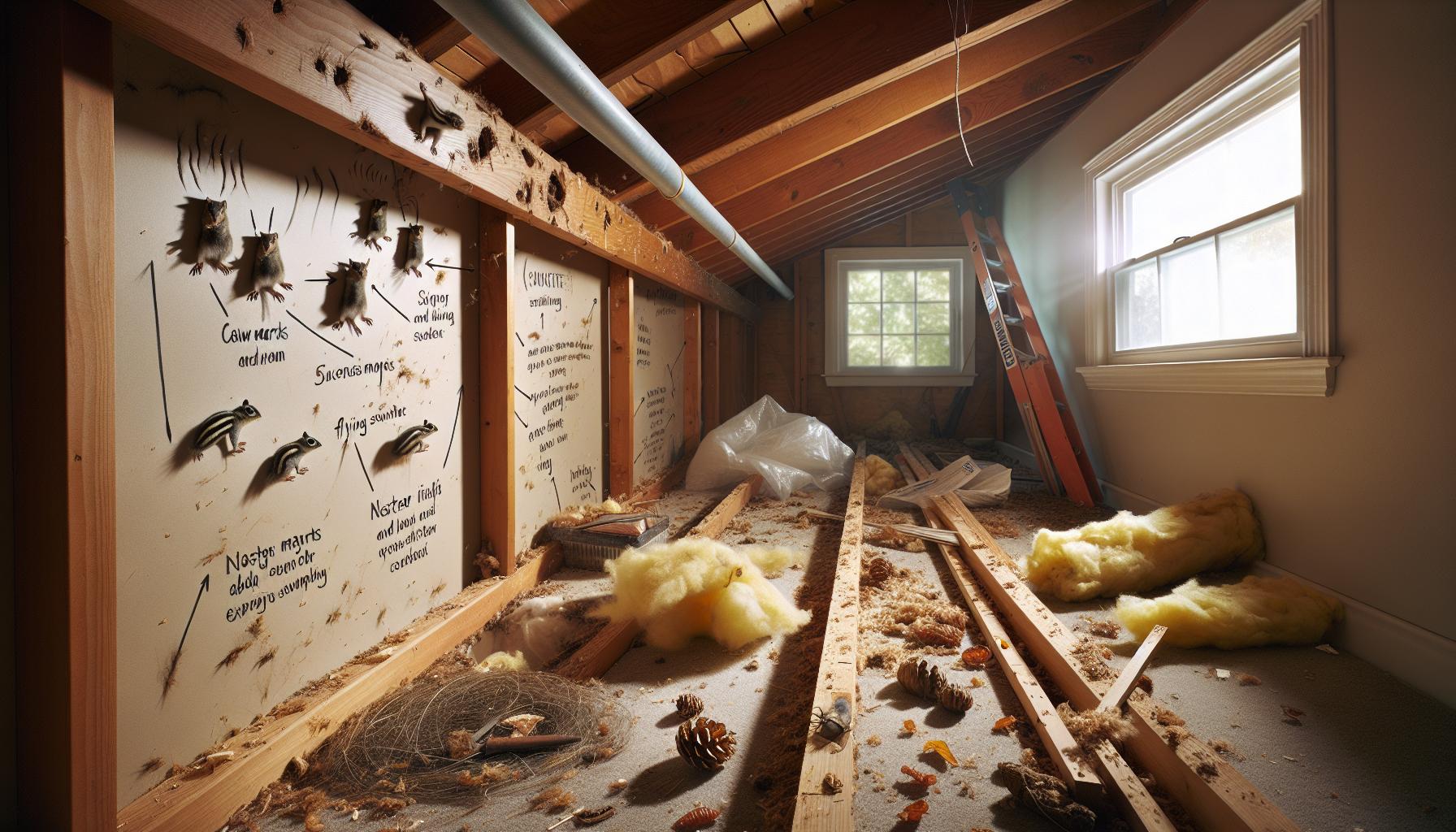
Signs of a Flying Squirrel Infestation
Flying squirrels, while cute and fascinating, can quickly transform from charming creatures into unwelcome guests. Recognizing the is crucial for homeowners who want to address the issue promptly. These nocturnal mammals exhibit a number of telltale indicators that can help you determine if they’ve made your home their own.
One of the primary is the presence of droppings. These small, black, and oval-shaped pellets are often found in areas where flying squirrels spend time, such as attics or near entry points. The droppings can be mistaken for those of other rodents, but their shape and size often distinguish them. Additionally, gnawed holes in wooden beams or insulation can indicate their nesting behavior, as these agile critters tend to chew on materials to create their living spaces.
As night falls, you might hear scratching or scurrying noises emanating from above your ceiling or within your walls. Flying squirrels are quite active at night, and their movements can be noisy, particularly when more than one is present. Check for other signs like shredded insulation or nesting materials scattered about; flying squirrels often collect bits of paper, leaves, and other soft substances to line their nests, which might lead you to their hideouts.
Lastly, look for oily marks along the walls or entry points. These marks are left behind as flying squirrels move in and out of your home. If you observe any combination of these signs, it’s crucial to take action. Early detection can help prevent a full-blown infestation, ensuring that both you and the squirrels can coexist peacefully-albeit separately.
Immediate Steps to Safely Remove Them
When a flying squirrel finds its way into your home, swift and considerate action can lead to a quick resolution. These nocturnal critters, with their fascinating gliding ability, are not inherently harmful but can cause mischief and introduce health risks if they settle in for the long haul. Here’s how to coax them back outside while ensuring their safety.
First, assess the situation calmly. Determine whether the squirrel is a single intruder or if there might be a larger nest nearby. Understanding their behavior is key; flying squirrels are most active at dusk and dawn. During the day, they might be hiding in secluded spots, making them less active and easier to manage. To entice them out, you can set up a small area with food like nuts or fruits-these gentle vegetarians may be tempted to venture out when they sense an easy snack.
Next, it’s crucial to seal off entry points to prevent further incursions. Inspect your home for holes or cracks, especially around eaves, vents, and chimneys. Use materials like steel wool to block smaller openings, and consider reinforcing potential access areas with metal mesh. This not only helps keep your current squirrel guest safe but also ensures that no new friends show up uninvited.
If you’ve identified where your flying squirrel is hiding but direct retrieval seems daunting, consider using a live trap. Place the trap near their entry point and bait it with appealing treats. Once the squirrel is safely captured, take care to relocate it at least several miles away to prevent it from finding its way back. Be sure to check local regulations regarding wildlife relocation to ensure compliance.
Lastly, maintain a chill environment; avoid making loud noises or using strong scents that can scare the squirrel into hiding further into your home. Gentle coaxing and creating a calm atmosphere will make it easier to gently usher your furry interloper back into the wild. Protecting and respecting their natural instincts is not just good for them-it’s good for you, too!
Best Traps for Capturing Flying Squirrels
When it comes to safely capturing flying squirrels, selecting the right traps can make all the difference. These small, nocturnal creatures are best approached with traps that facilitate a humane and stress-free capture experience. Live traps are the preferred choice, as they allow for the safe relocation of the squirrels without causing harm.
Live Traps are typically wire cages designed to entice the animal inside with food, then securely close the door upon entry. Here are some key characteristics to look for when choosing the best trap:
- Size: Ensure the trap is spacious enough to accommodate flying squirrels, which can be around 10 to 12 inches long, excluding the tail.
- Baiting: Use appealing baits such as nuts (like peanut butter or walnuts), fruits (like apple slices), or even sunflower seeds, as these are favorites of flying squirrels.
- Placement: Position the trap near areas where you have observed activity, ideally near entry points or nesting sites. This increases the likelihood of a quick capture.
Examples of Effective Traps include the Havahart Live Animal Trap and the Tomahawk Live Trap. Both brands have a good reputation for effectiveness and durability. Many models come equipped with features like a spring-loaded door and a sensitive trigger mechanism, ensuring a swift capture without causing distress.
Once you’ve successfully trapped a flying squirrel, it’s crucial to handle the situation with care. Relocate the trap to a suitable area, ideally a natural habitat several miles away from your home, to help the squirrel establish a new home without returning. Always check local wildlife regulations before relocating any animal to ensure compliance with local laws.
Utilizing the right traps not only enhances your chances of capturing these elusive critters but also demonstrates respect for their well-being. By being informed and prepared, you can effectively manage a flying squirrel situation while keeping their safety top of mind.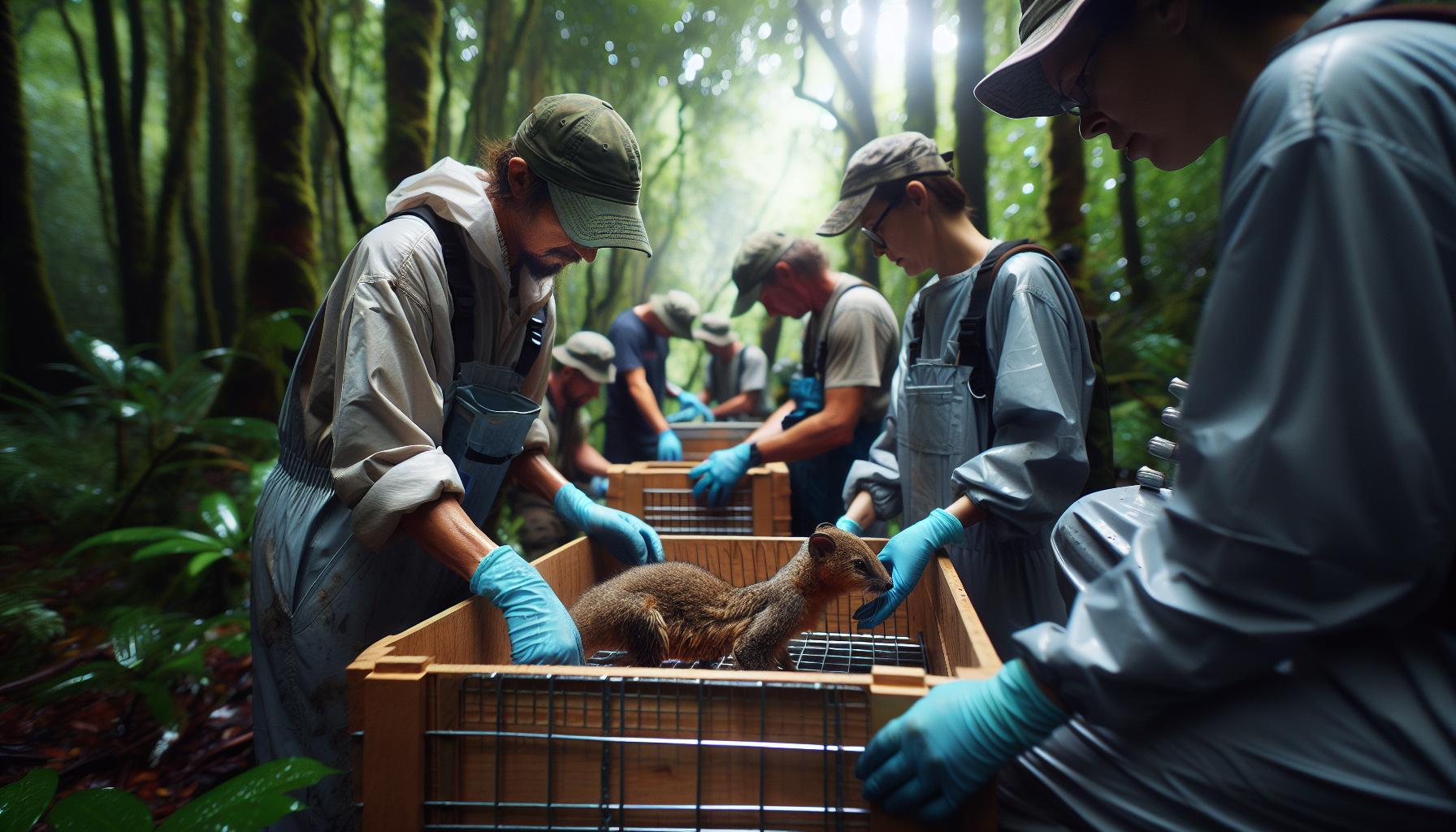
Humane Relocation Techniques for Wildlife
Successfully relocating flying squirrels after they’ve entered your home requires a mix of compassion and understanding of their behavior. These nocturnal, agile creatures are not only fascinating but also play an important role in our ecosystem as seed dispersers. When it comes to finding a new home for them, you can ensure a smooth transition by following a few simple steps.
To start, it’s essential to wait until the squirrels have been trapped and contained in a live trap. Once secured, consider the best location for their relocation. Look for wooded areas or parks that provide natural cover and a food source, away from urban environments. An ideal spot is at least several miles away from your home to prevent them from returning, as flying squirrels have an excellent homing ability.
When transporting the trapped squirrels, handle the live trap gently to minimize stress on the animals. Choose a calm time of day for relocation, ideally around dusk when they are naturally active. Upon arrival at the relocation site, carefully open the trap door and allow the squirrels to exit on their own. This approach helps them acclimate to their new surroundings.
In addition to physical relocation, it can be beneficial to create a welcoming environment in their new habitat. Scatter some natural food sources like nuts or fruits around to help them forage and settle in. Give them time and space to explore and become familiar with their new home without interference. Remember to check your local laws regarding wildlife relocation, as it differs by region and may require specific permits or guidelines to ensure compliance.
By following these humane relocation techniques, you demonstrate respect for flying squirrels, allowing them to thrive in their natural habitat while resolving the issue in your own home responsibly. Your efforts not only benefit these little creatures but also help maintain balance in your local ecosystem.
Preventing Future Flying Squirrel Intrusions
To keep flying squirrels from turning your home into their playground, it’s essential to understand their habits and take proactive measures. These agile critters are primarily nocturnal and are often attracted to homes that provide easy access to food, warmth, and shelter. A fascinating fact to note is that flying squirrels can glide up to 150 feet, which enables them to access rooftops and ledges effortlessly. Hence, ensuring your home is a less inviting environment for them requires strategic steps.
Seal Entry Points
The first line of defense against unwanted guests is often found in your home’s exterior. Conduct a thorough inspection of your building’s exterior for any gaps, holes, or cracks that might allow entry. Flying squirrels can squeeze through openings as small as 1.5 inches! Pay particular attention to:
- Gaps around vents and ducts
- Corners of eaves and roof lines
- Utility lines and pipes entering the home
- Missing or damaged siding and shingles
Once identified, seal these discrepancies with sturdy materials like steel wool, caulking, or metal flashing. This not only deters flying squirrels but also improves overall energy efficiency in your home.
Eliminate Food Sources
Flying squirrels are opportunistic feeders, and they can quickly become accustomed to the easy meals found in trash or bird feeders. To mitigate this risk:
- Secure trash can lids tightly and store bins away from the house.
- Opt for squirrel-proof bird feeders and regularly clean up spilled seeds.
- Keep pet food indoors and remove any uneaten portions promptly.
By denying access to food sources, you make your home less appealing to them, which can encourage them to seek more hospitable surroundings.
Create a Less Inviting Habitat
Another effective strategy involves modifying your landscaping to make your property inhospitable. Trim branches that are too close to your roof to limit access pathways. Removing any fallen trees, logs, or debris can also deter squirrels from creating nests nearby. Consider installing an aluminum barrier or a squirrel baffle around trees or deck supports to further restrict their climbing abilities.
With the right combination of preventative measures, you can create a squirrel-proof environment that protects your home while allowing these fascinating creatures to thrive in their natural habitat. Your efforts not only enhance your living space but also contribute to a balanced ecosystem, showing respect for wildlife and their role in it.
Understanding Flying Squirrel Behavior
Flying squirrels are incredibly fascinating creatures, known for their remarkable ability to glide through the air with their unique patagium, a membrane that stretches from their wrists to their ankles. This adaptation not only aids in their elegant flights but also helps them escape predators and navigate their arboreal habitats. Understanding their behavior is crucial for effective removal strategies, especially if they’ve made their way into your home.
These elusive critters are primarily nocturnal, becoming active at dusk when they emerge to forage for food. Their diet typically consists of fruits, nuts, and occasionally small insects or bird eggs. This foraging behavior explains why they may be drawn to your backyard, especially if food sources are readily available. Flying squirrels are also highly social and often live in family groups, which can lead to multiple individuals taking up residence in your home if access points are not sealed. Their natural tendency to seek warmth and shelter during colder months can make attics, basements, and even walls incredibly appealing.
In terms of habitat, flying squirrels prefer wooded areas and thrive in environments with sufficient tree coverage. However, they are adaptable and can live in suburban settings as long as there are safe nesting spots. They are adept climbers but rely heavily on their gliding skills to move between trees and navigate their surroundings. This ability allows them to cover large areas in search of food and safe nesting environments, which can increase their chances of infiltrating residential spaces.
To effectively address a flying squirrel problem, gaining insight into their behaviors is essential. Observing when they are most active can help you determine the best times to intervene. For example, if you hear them scurrying or see signs of nesting during the night, you may need to implement removal strategies at those times. Additionally, learning to recognize their communication signals, which include faint chirps and clicks, can indicate their presence before a full-blown infestation occurs.
Utilizing this knowledge not only enhances your approach to removal but also fosters a respectful attitude towards these intriguing creatures, recognizing their role in the local ecosystem while keeping your home safe and squirrel-free.
Creating a Squirrel-Proof Environment
Creating a peaceful coexistence with flying squirrels starts with understanding their habits and making your home less inviting for their unwelcome visits. These remarkable gliders may be charming to watch in the wild, but when it comes to them invading your living space, a proactive approach is essential.
To begin, inspect your home for potential entry points. Flying squirrels are small and flexible, capable of squeezing through openings as tiny as 1.5 inches. Pay special attention to areas such as:
- Cracks in walls and foundations
- Vents and chimneys
- Holes around utility connections
- Spaces between roof eaves and walls
Sealing these gaps with durable materials like steel mesh or caulk can effectively deter their entry. Be sure to check for any broken tiles or loose shingles that might offer a welcome mat to these agile critters.
Next, consider the landscape surrounding your home. Flying squirrels thrive in wooded areas but are often attracted to suburban settings due to abundant food sources. To create a less hospitable environment, trim tree branches that hang too close to your roof, as these serve as launch pads for their gliding antics. Additionally, removing bird feeders and fallen fruit can minimize food attractions that draw them near.
Lastly, ensure your attic or storage areas are devoid of easy nesting materials. Storing items in sealed bins and keeping clutter to a minimum not only helps to prevent flying squirrels but can also reduce other pests.
By actively transforming your home into a squirrel-proof sanctuary-detecting entry points, managing your outdoor space, and securing nesting materials-you lay the groundwork for a harmonious coexistence with your wild neighbors, all while keeping your living space squirrel-free. Remember, it’s not just about keeping flying squirrels out; it’s about preserving the delicate balance of nature that allows us to share our environment with such enchanting wildlife.
When to Call a Wildlife Control Expert
The charming presence of flying squirrels can quickly become an unwelcome intrusion when they decide to make your attic or walls their new home. While a few gentle gliders might seem harmless, knowing when to call in a wildlife control expert can be crucial for both your peace of mind and the well-being of the squirrels themselves. If you’ve spotted signs of flying squirrel activity-like nocturnal noises in the walls or droppings in attics-it’s a sign that these agile creatures have made themselves comfortable. However, before you consider DIY removal methods, there are several factors to keep in mind.
If the situation feels overwhelming, or if you have health concerns due to potential diseases that squirrels can carry, a wildlife control expert should be your first call. Experienced professionals are equipped to handle these animals humanely and safely. They’ll have the knowledge to identify the extent of the infestation, assess potential entry points, and determine the best methods for removal and exclusion. For instance, if you hear scratching sounds at night or see nesting materials collected in corners, it’s often best to enlist a pro who understands the subtle signs of a greater problem.
Moreover, if you find yourself at a standstill with do-it-yourself traps or removal techniques failing, this is a clear indicator that a wildlife control specialist can help turn the tide. Not only can they provide effective removal, but they can also help with preventative measures to ensure the furry intruders don’t return. Wildlife professionals often have access to specialized traps that are both humane and compliant with local regulations, ensuring that any captured squirrels are relocated safely.
Ultimately, protecting your home while ensuring the humane treatment of flying squirrels strikes a delicate balance. By knowing when to reach out for help, you contribute positively to both wildlife conservation efforts and your own home environment. Remember, it’s not just about getting rid of the squirrels; it’s about crafting a solution that respects nature while restoring peace to your living space. If you’re ever unsure, the advice from a wildlife control expert can be invaluable, turning a potentially stressful situation into a manageable one.
Health Risks Associated with Squirrel Infestations
Flying squirrels might look adorable as they glide effortlessly through trees, but when they infiltrate your home, they bring more than just their charming antics. One major concern is the health risks associated with their presence. These little critters can be vectors for various diseases that could pose significant risks to you, your family, and even your pets. Understanding these risks is crucial to maintaining a safe living environment.
One of the primary health concerns involves the droppings of flying squirrels, which can carry a range of pathogens. For instance, they can harbor parasites such as roundworms and giardia, which can lead to serious health issues in humans if ingested or inhaled. It’s imperative to avoid direct contact with any droppings, as they can also transmit diseases such as leptospirosis and salmonella. Keeping an eye out for signs of droppings or nesting materials in your attic can be the first line of defense in preventing potential health hazards.
In addition, flying squirrels can chew through wiring and insulation, leading to fire hazards and structural damage. Their constant gnawing may expose you to electrical risks, as damaged wiring can create sparks, significantly increasing the chance of a fire. Moreover, the nesting materials that accumulate in hidden corners of your home can create a perfect environment for mold and mildew, contributing to respiratory problems for occupants.
To safeguard your home, immediate action is vital if you suspect a flying squirrel intrusion. Here are a few essential steps:
- Seal potential entry points to prevent further access.
- Clean areas where droppings or nesting material are found using gloves and a mask to minimize exposure.
- Consider using traps and ensure they’re safe for both the squirrels and your household.
If the situation seems unmanageable, contacting a wildlife control expert is not just wise; it may be the best way to protect your health. They possess the knowledge and tools necessary to safely handle the situation, reducing risks for you and the wildlife involved. Remember, while these furry aviators might be entertaining to watch from a distance, keeping them out of your home is essential for both sanitation and peace of mind.
Do-It-Yourself vs. Professional Removal: Pros and Cons
Deciding whether to tackle a flying squirrel problem yourself or to call in a professional can feel daunting. On one hand, DIY approaches can be appealing for their cost-effectiveness and immediacy. They allow you to take action right away, regenerating that sense of control as you seal entry points and set traps. However, this route often requires knowledge of squirrel behavior, proper trap placement, and the skills for observing signs of presence-tasks that might not come intuitively to everyone.
Working on your own can be quite the adventure! With the right tools and a little determination, you can effectively manage smaller invasions. For example, sealing entry points should be your first move. Flying squirrels can squeeze through openings as small as a quarter, so meticulous inspection of your attic and eaves is necessary. Traps are another layer of the DIY approach, but it’s essential to research humane options; consider live traps that can safely capture squirrels for relocation. Yet, there are inherent risks, such as the potential for injury to both you and the squirrels, or even the danger of not addressing a larger infestation if you’re unfamiliar with effective identifying practices.
On the flip side, bringing in professional wildlife control can save you a lot of headaches. Experts come equipped with specialized knowledge about local squirrel populations and their behaviors, ensuring that removal processes are not only effective but also ethically sound. They can identify entry points that you may have missed and provide long-term solutions, like recommending structural changes that can make your home less inviting to these furry visitors. While this option might be heavier on the wallet, it can save you time and stress, particularly if you’re dealing with larger infestations or if safety concerns arise.
Ultimately, the choice hinges on your comfort level, the severity of the problem, and your willingness to learn about these fascinating yet disruptive creatures. Whether you opt for a do-it-yourself strategy or hire professionals, understanding the balance between your efforts and their expertise is key to navigating your flying squirrel challenge effectively.
Caring for an Injured or Trapped Flying Squirrel
When encountering an injured or trapped flying squirrel, your first instinct may be to help. These adorable creatures can appear both helpless and distressed, especially when they’re out of their natural habitat. Taking the right steps can make a significant difference in their recovery and overall well-being.
To approach the situation safely, give the squirrel space. An injured or frightened flying squirrel can bite if provoked, so it’s wise to remain calm. If the squirrel is trapped, assess the environment first. Is it in a live trap? Or has it gotten stuck somewhere? If it’s in a trap, check for any immediate injuries. Make sure to wear gloves to protect yourself and the animal when handling the trap to avoid any bites or scratches.
Basic Care Steps for Injured Squirrels
If you find the squirrel injured, follow these basic steps to provide proper care:
- Keep it warm: Injured squirrels can quickly become hypothermic. Use a soft towel or blanket to keep it snug.
- Do not feed it: Until you know the extent of the injuries, avoid feeding the squirrel. It’s best to wait for a wildlife rehabilitator’s advice.
- Contact a professional: Reach out to a local wildlife rehabilitation center or animal control. They have the expertise and resources to care for the squirrel properly.
Handling Trapped Squirrels
For squirrels trapped outside of their habitat, it’s crucial to ensure they are released safely. If using a live trap, check it often to minimize stress for the animal. When you are ready to release, choose a wooded area far from residential zones. Open the trap and back away quietly to allow the squirrel to exit calmly. It’s essential not to force it out, as this can cause panic and injury.
In cases where the squirrel seems injured upon release, it’s best to recapture it and seek veterinary assistance. Remember, helping wildlife isn’t just about instinct-it’s also about ensuring their safety and care, which often requires the expertise of those who specialize in wild animal rehabilitation.
Providing care for an injured or trapped flying squirrel not only helps the individual animal but also contributes to the wellbeing of wildlife as a whole. By being knowledgeable and respectful of their needs, you’re not just an observer; you’re a key player in their recovery and conservation.
Q&A
Q: How can I safely coax a flying squirrel out of my attic?
A: To coax a flying squirrel out of your attic, create a dark, quiet exit point, such as an open window or door. Place a few food items, like nuts or fruits, near the exit to entice the squirrel out. Ensure all other entry points are closed to prevent it from returning.
Q: What are the signs that a flying squirrel is trapped inside my house?
A: Signs of a trapped flying squirrel include unusual sounds, such as rustling, scratching, or chirping, especially at night. You may also notice droppings in your attic or around entry points, as well as gnaw marks on wood and insulation.
Q: How can I prevent flying squirrels from entering my home?
A: To prevent flying squirrels from entering, seal gaps and holes in your home’s exterior with materials like steel mesh or caulk. Trim overhanging tree branches away from your roof, and remove food sources, such as pet food or birdseed, around your property.
Q: What is the best time of year to deal with flying squirrels?
A: The best time to deal with flying squirrels is in early spring or late fall when they are most active in seeking shelter. This timing allows you to address any potential issues before they settle in for the season, ensuring a better chance of effective removal.
Q: Can flying squirrels carry diseases?
A: Yes, flying squirrels can carry diseases such as leptospirosis and salmonella. It’s important to handle any clean-up with care, using gloves and masks. When in doubt, consult a wildlife control expert for safe removal and sanitation.
Q: What should I do if I find an injured flying squirrel in my house?
A: If you find an injured flying squirrel, *do not attempt* to handle it without protection. Instead, contact a local wildlife rehabilitation center for assistance. They can provide advice on how to safely contain the situation and care for the animal.
Q: Are flying squirrels nocturnal, and does that affect their activity in homes?
A: Yes, flying squirrels are nocturnal, meaning they are most active at night. This behavior can increase the likelihood of encounters with homeowners during late hours, as they search for food and shelter, often leading to noise disturbances.
Q: How effective are traps for removing flying squirrels from my home?
A: Traps can be effective for removing flying squirrels, especially when placed in areas where they are most active. Use humane traps, baited with nuts or fruits, and monitor them regularly to ensure any captured squirrels can be released safely away from your property.
In Retrospect
Now that you know how to effectively get a flying squirrel out of your house, it’s important to act quickly to prevent further issues. Remember, using humane methods is key for the well-being of these fascinating creatures. Did you know that flying squirrels are more than just cute? They play a significant role in forest ecosystems! If you’re curious about their habitats or care needs, check out our articles on “Understanding Your Local Wildlife” and “Humane Animal Control Tips.”
Don’t hesitate to reach out for expert advice or share your own experiences in the comments below. If you found this guide helpful, subscribe to our newsletter for more insights on wildlife solutions right in your inbox. Also, explore our resource page for tools that can aid in safe animal removal. Every little action counts – help protect wildlife while ensuring your home is safe and secure!
Get our latest guides, news, and insights highlighted in your Google Search & AI Overviews.










