Did you know that the flying squirrel is not the only animal that can glide silently through the trees? Many fascinating creatures resemble these charming nocturnal gliders, each with unique adaptations for survival. Understanding these lookalikes not only enriches your wildlife knowledge but also highlights the amazing diversity of nature.
In this article, we’ll explore some of the most intriguing animals that share characteristics with flying squirrels, examining their behaviors, habitats, and the roles they play in their ecosystems. Whether you’re a budding wildlife enthusiast or simply curious about our planet’s incredible creatures, you’ll discover how these gliders navigate their worlds and why recognizing them matters for conservation efforts. So, let’s delve into the enchanting realm of animal lookalikes and unravel the secrets they hold!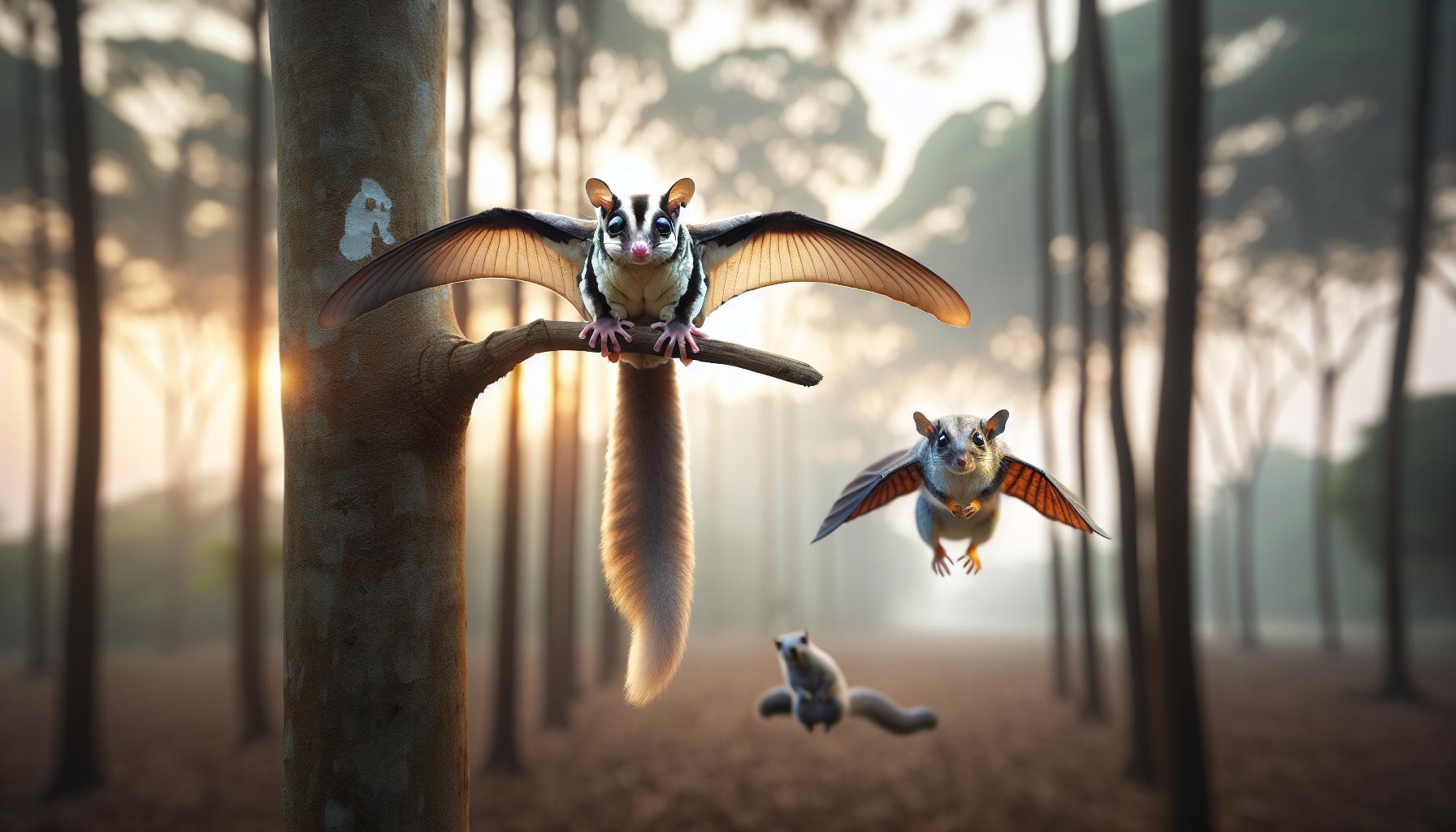
What Are the Features of a Flying Squirrel?
Did you know that flying squirrels are not capable of true flight like birds or bats? Instead, they are remarkable gliders, thanks to a unique adaptation called the patagium-a membrane of skin that stretches from their forelimbs to their hind limbs. When they leap from a height, they spread this membrane, allowing them to glide gracefully through the air for considerable distances, often reaching up to 150 feet! This incredible adaptation not only aids in travel but also helps them escape from predators and reach food sources in the trees.
Flying squirrels possess several distinctive features that set them apart. Their large, expressive eyes are designed for nocturnal living, providing excellent night vision as they forage for fruits, nuts, and fungi after sunset. They typically have soft, thick fur that helps keep them warm in colder climates, and their coloration can range from grayish to reddish-brown, blending them perfectly with the tree trunks and branches they inhabit. Another fascinating aspect is their social structure; many species are known to be quite social, often living in family groups, which enhances their ability to care for young and share food resources.
When caring for lookalike pets like sugar gliders, it’s essential to understand their needs. These little marsupials require a suitable enclosure that mimics their natural habitat, with plenty of vertical space for climbing and gliding. A well-balanced diet rich in fruits, vegetables, and specially formulated pellets is crucial for their health. Additionally, social interaction is vital, as these animals thrive in pairs or groups, making them more content and less prone to stress.
In understanding these fascinating creatures, it’s clear that flying squirrels and their lookalikes are not only extraordinary in their adaptations but also play vital roles in their ecosystems, acting as seed dispersers and contributing to the health of their forest habitats. Their ability to glide and interact socially enriches our appreciation for the diversity of wildlife in our world.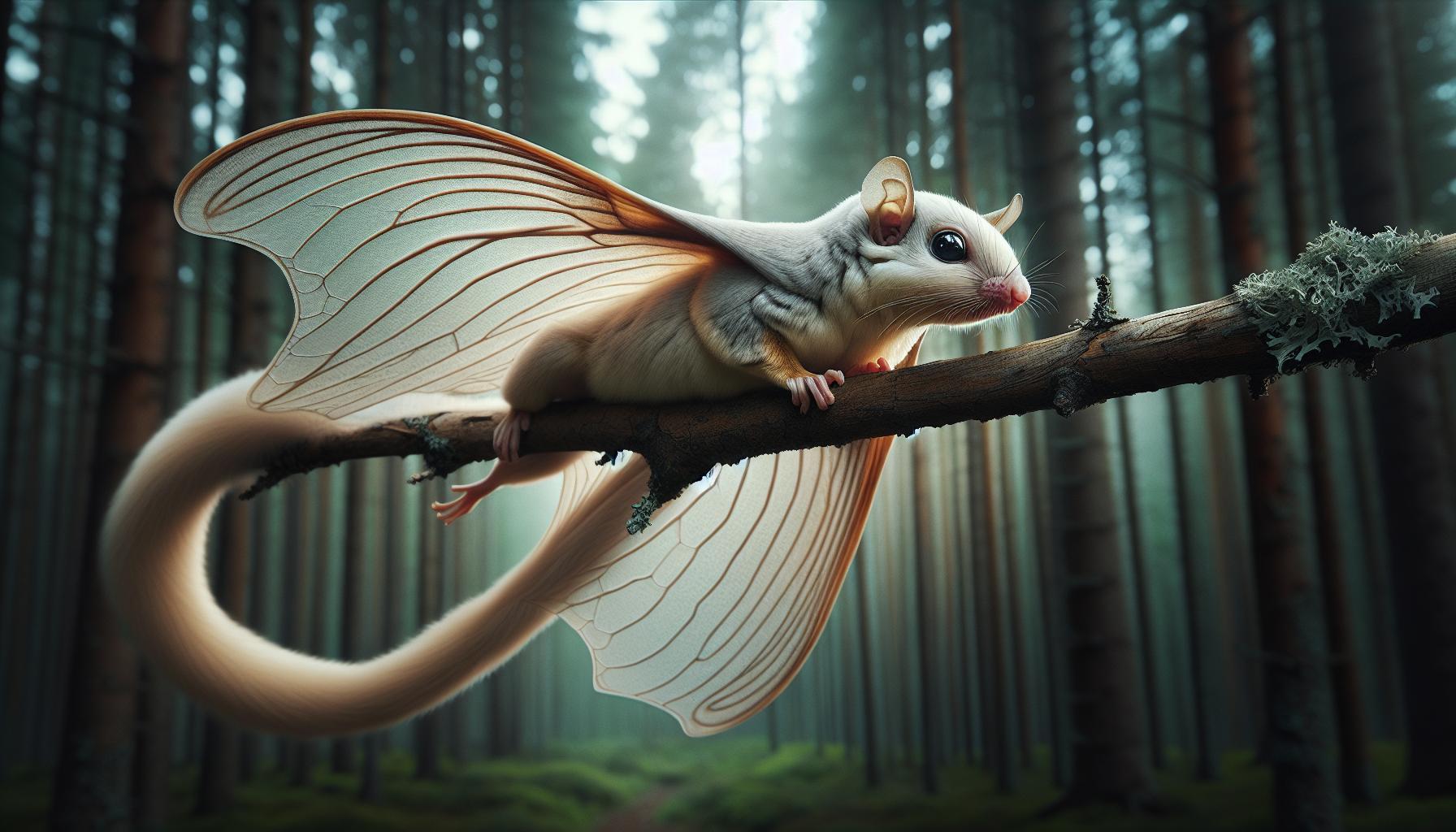
Similar Animals: Meet the Sugar Glider
The sugar glider, a charming little marsupial, is often grouped with flying squirrels due to their similar gliding abilities and appearance. These nocturnal creatures, native to Australia, New Guinea, and surrounding islands, are surprisingly sociable and make affectionate pets for those willing to invest the time to understand their needs. They weigh typically around 5 to 6 ounces and sport a soft, grey coat with white underbellies, blending seamlessly into their forest habitats.
One of the defining features of sugar gliders is their patagium, much like that of flying squirrels, which allows them to glide through the air with grace. This membrane extends from their wrists to their ankles, enabling them to leap distances of over 150 feet between trees. In the wild, they thrive in groups, often seen sharing food and grooming each other, emphasizing their strong social nature. This means if you’re considering bringing home a sugar glider, it’s best to adopt them in pairs to ensure their emotional well-being.
When it comes to care, sugar gliders demand a lifestyle that mimics their natural environment. They require spacious cages that allow for climbing and gliding, as well as an enriching array of toys for mental stimulation. Their diet should be varied and may include fruits, vegetables, and high-quality pellets specifically formulated for sugar gliders. Keeping their living conditions clean and providing them with regular veterinary check-ups ensures these little gliders remain healthy and happy.
Understanding the similarities and differences between sugar gliders and flying squirrels is essential for animal enthusiasts. Both species are vital to their ecosystems, playing roles in seed dispersal and forest regeneration. Their unique adaptations not only highlight the wonders of evolution but also inspire conservation efforts for these incredible creatures. So, whether you’re interested in flying squirrels or sugar gliders, you’re sure to appreciate the fascinating lives they lead and the care they deserve.
Exploring the Unique Traits of the Colugo
With a unique appearance reminiscent of both flying squirrels and lemurs, the colugo, also known as the flying lemur (though it is not a true lemur), captivates the imagination of wildlife enthusiasts. Found predominantly in the forests of Southeast Asia, these gliding mammals possess an extraordinary membrane that extends from their wrists to their ankles, enabling them to soar gracefully from tree to tree. This remarkable adaptation allows colugos to glide distances of up to 150 meters (about 490 feet), which is longer than many of their gliding cousins can manage.
Colugos are known for their distinctively flat bodies and large eyes, which provide them with excellent night vision-an essential trait for their nocturnal lifestyle. Their dietary preferences also set them apart; colugos primarily feed on leaves, flowers, and fruits, showcasing their specialization among gliders. Unlike the more social sugar gliders, colugos tend to be solitary, often retreating into the canopy of trees during the day to avoid predators. When caring for a colugo in captivity, which is quite rare due to their specific habitat and dietary needs, it is crucial to provide a spacious enclosure that mimics their natural environment and offers plenty of climbing opportunities.
If you’re intrigued by the colugo’s unique traits, consider their ecological role. As they consume large amounts of foliage, colugos assist in the health of forests, promoting new growth through their selective feeding habits. This feeding behavior helps to maintain the balance in their ecosystems, much like their flying squirrel cousins who aid in seed dispersal. Learning about these fascinating animals not only enriches our understanding of biodiversity but also emphasizes the importance of conserving their forest habitats, which are increasingly threatened by deforestation and habitat loss.
Comparative Look: Flying Squirrels vs. Other Gliders
Flying squirrels are fascinating creatures, but they are not the only gliders in the animal kingdom. When comparing flying squirrels to other gliding animals, such as sugar gliders, colugos, and certain species of marsupials, it’s clear that each has unique adaptations suited to their habitats.
While flying squirrels belong to the family Sciuridae and are primarily found in North America and Asia, sugar gliders are marsupials native to Australia and New Guinea. Both species share a remarkable ability to glide, thanks to the patagium, a membrane that stretches from their wrists to their ankles, allowing them to soar between trees in search of food or escape from predators. However, there are significant differences in their behavior and social structures. Sugar gliders are social animals, often found in groups, which helps them thrive in their environments, whereas flying squirrels tend to be more solitary, coming together mainly during mating season.
Colugos, also known as flying lemurs, add another layer to this comparison. They are not lemurs at all but belong to a distinct order known as Dermoptera. Colugos are experts at gliding, capable of traveling considerable distances-up to 150 meters-thanks to their extensive webbing between limbs and bodies. This adaptation not only allows them to navigate the forest canopy with ease but also aids in their largely herbivorous diet, as they feed on leaves and fruits. Unlike the nocturnal habits of flying squirrels, colugos possess exceptional night vision and are primarily active at night, showcasing the diversity in adaptations across these gliding species.
In caring for these incredible animals, whether in the wild or in captivity, understanding their specific needs is essential. Flying squirrels require spacious enclosures with plenty of climbing opportunities and enrichment, such as branches and hiding places, to mimic their natural habitat. Sugar gliders, meanwhile, often thrive best in groups and need a varied diet that includes fruits, vegetables, and specialized pellets. Ensuring that each species’ particular needs are met fosters their well-being, whether they’re gliding through the trees or housed in a sanctuary. By appreciating the unique traits and habitats of these gliders, we gain insight into the importance of conservation efforts to protect their environments for future generations.
The Amazing Adaptations of the Petauridae Family
When you think of gliders in the animal kingdom, it’s hard not to marvel at the remarkable adaptations found within the Petauridae family, which includes the sugar glider and various species of flying phalangers. These enchanting creatures have evolved to thrive in their arboreal habitats, showcasing unique characteristics that set them apart from their ground-dwelling relatives and even their aerial cousins like the flying squirrel.
One of the standout adaptations is the patagium, a stretchy membrane of skin that extends from their wrists to their ankles. This pronounced feature allows sugar gliders to glide effortlessly through the treetops, covering distances of up to 150 meters when they leap from branch to branch. Unlike flying squirrels, which have a more restricted glide, the Petauridae members can control their descent and direction with great finesse, making their movements graceful and efficient. Their large, rounded eyes aid in nocturnal navigation, a trait shared across most gliding species, enabling them to forage for fruits, nectar, and insects during the night.
Moreover, the social structure of these gliders plays a significant role in their survival and adaptation. Sugar gliders are inherently social creatures, often found in small family groups. This social behavior facilitates not only the sharing of food resources but also enhances protection from predators, as they can watch each other’s backs while foraging or playing. In contrast, while flying squirrels may display social behaviors during breeding, they largely maintain a solitary lifestyle, demonstrating how adaptations vary even among related species.
To ensure the wellbeing of these beautiful creatures, whether in the wild or in a home environment, potential owners should be aware of their specific care needs. Sugar gliders, for instance, thrive best when kept in pairs or small groups to satisfy their social instincts. They require spacious enclosures filled with climbing opportunities, toys, and safe nesting areas that mimic their natural habitat. A balanced diet rich in fruits, vegetables, and proteins is essential for their health, highlighting the responsibility that comes with caring for such extraordinary animals. By understanding these adaptations and how crucial they are to the life and survival of the Petauridae family, we can appreciate the complexity and beauty of life among gliding creatures, ensuring they continue to soar through our forests for generations to come.
Unveiling the Mystery of the Flying Lemur
Considered a distant cousin to both flying squirrels and sugar gliders, the flying lemur, or colugo, offers a fascinating glimpse into the world of gliding mammals. Despite its name, it is not a lemur at all but belongs to its own unique order, Dermoptera. With its broad, flattened body and extensive membrane that stretches from its neck to its fingertips and toes, the flying lemur is a remarkable example of evolution’s creativity. This adaptation allows it to glide gracefully between trees in its Southeast Asian rainforest habitat, sometimes covering distances of up to 150 meters.
One of the most striking features of the flying lemur is its large, forward-facing eyes, which provide excellent night vision. This nocturnal creature primarily feeds on leaves, fruits, and flowers, displaying an ability to digest tough plant materials thanks to its specialized gut. Their diet places them in a critical role within their ecosystem, where they aid in seed dispersal and contribute to the health of their habitat. Notably, unlike other gliding mammals, flying lemurs possess a unique ability to control their direction while gliding, utilizing variations in their body posture to maneuver effectively through the dense canopy.
Caring for a flying lemur is a significant commitment and not typically recommended for the average pet owner due to their specialized needs and social structures. In the wild, they live solitary or sometimes in small family groups, making social interaction crucial during their development. These animals require spacious enclosures that mimic their natural environment, filled with foliage for climbing and gliding. A balanced diet rich in leafy greens, fruits, and occasional insects is vital to their health, emphasizing the importance of understanding their dietary requirements.
Conservation efforts are essential for the flying lemur, as habitat destruction poses a significant threat to their populations. As urban areas expand and forests are cleared, these gentle gliders lose their homes and food sources. Raising awareness about their unique traits and critical role in their ecosystem can help garner support for their protection, ensuring that future generations can marvel at the beauty of these extraordinary gliders in their natural habitats.
How to Care for Lookalike Pets: Sugar Gliders
Sugar gliders, often mistaken for their flying squirrel relatives due to their similar appearance and gliding abilities, are charming little marsupials that require specific care to thrive in captivity. Known for their big, expressive eyes and the distinctive membrane that stretches along their sides, enabling them to glide from tree to tree, these pets bring joy to their owners but also come with important responsibilities.
To ensure a healthy and happy sugar glider, a proper diet is essential. Their meals should consist of a mix of fruits, vegetables, and protein sources to replicate their natural diet in the wild. This can include offerings like apples, blueberries, spinach, and insects such as crickets. It’s vital to avoid feeding them a diet high in sugars or processed foods to prevent health issues. Additionally, setting up a comfortable habitat is key; sugar gliders thrive in spacious, multi-level enclosures that allow them to climb and glide. Providing them with plenty of natural branches, enrichment toys, and a sleeping pouch mimics their natural environment and promotes their well-being.
Socialization is another crucial element of sugar glider care. These social animals should ideally be kept in pairs or small groups to prevent loneliness, which can lead to stress-related behaviors. Interactive playtime with their owners can build strong bonds and keep them mentally stimulated. However, new owners should be prepared for their nocturnal nature, as sugar gliders are most active during the night. Creating a quiet, dark space during their sleeping hours can help them feel secure.
In terms of health care, regular veterinary check-ups are recommended to monitor for common health issues like obesity and dental problems. Owners should also be on the lookout for signs of stress, such as excessive barking or tearing of their fur, and consult a vet if they notice any concerning behaviors. By understanding these requirements and providing the right environment and care, sugar gliders can flourish as delightful companions, bridging the gap between wildlife and domestic pets.
Understanding the Habitats of Flying Lookalikes
Flying lookalikes, such as sugar gliders and colugos, inhabit diverse environments that reflect their unique lifestyles and adaptations. These small, gliding mammals are well adapted to a life in the trees, showcasing a remarkable ability to soar from one branch to another, which is essential for evading predators and foraging for food. Understanding these animals’ habitats can shed light on their behaviors, conservation needs, and the ecosystems they inhabit.
Sugar gliders thrive in dense forests and wooded areas where they can access a variety of fruits and tree sap, their main sources of nutrition. Their gliding membrane, stretching from wrist to ankle, enables them to glide between trees in search of food while minimizing energy expenditure. Urban and suburban environments can also support sugar gliders, provided there are ample trees and vegetation for their needs. However, habitat fragmentation poses a significant threat, as it isolates populations and limits their resources.
Colugos, on the other hand, primarily inhabit tropical and subtropical forests. These creatures are often found in the canopy, where their fur blends seamlessly with the leaves and branches, providing excellent camouflage against predators. Their unique skin flaps enable them to glide efficiently through dense foliage, navigating their forested homes with grace. Like sugar gliders, colugos face pressures from habitat loss due to logging and land development, underscoring the necessity for conservation efforts to protect their natural habitats.
Both sugar gliders and colugos highlight the importance of healthy ecosystems. They contribute to seed dispersal and help maintain the balance of their environments. When cultivating your own backyard or garden, consider planting native trees and shrubs that provide food and shelter not just for these enchanting gliders, but for a diverse array of wildlife. Promoting biodiversity within habitats can create a supportive environment for these remarkable animals, ensuring they continue to thrive in the wild.
Conservation Status: Protecting Gliding Species
Gliding mammals are not just fascinating because of their aerial abilities; they play vital roles in their ecosystems, contributing to biodiversity and environmental health. However, many species like the sugar glider and colugo face significant conservation challenges. Understanding these animals’ conservation statuses can empower enthusiasts and casual observers alike to make informed decisions that help protect these remarkable creatures.
Threats to these gliders often originate from habitat loss due to urbanization, deforestation, and agricultural expansion. Sugar gliders, for instance, are particularly vulnerable in areas where trees are removed for development. Without trees, they not only lose their homes but also their primary food sources, making survival difficult. Conservation initiatives often focus on preserving forest habitats and restoring areas that have been degraded. This can involve planting native trees that provide the essential food and shelter these animals need to thrive.
In contrast, colugos have their unique set of challenges. Their dependence on specific forest types means that any degradation or fragmentation can have severe implications for their survival. Conservation efforts typically aim to protect intact forest ecosystems, emphasizing the importance of maintaining large, contiguous forested areas. Local engagement and awareness are crucial; educating communities about the significance of these animals and their habitats can foster a shared responsibility in conservation efforts.
For those interested in helping protect these gliding species, consider supporting organizations dedicated to conservation efforts. Volunteering for habitat restoration projects or promoting native plant gardening can also create environments conducive to the thriving of these animals. Every little effort makes a difference in ensuring that future generations can marvel at the beauty and agility of gliding mammals in the wild.
Cultural Significance of Flying Squirrel Lookalikes
Flying squirrels and their lookalikes captivate not only wildlife enthusiasts but also play a significant role in various cultures around the world. For instance, the sugar glider, often mistaken for a flying squirrel due to its similar gliding abilities and large eyes, has gained a dedicated following as a popular pet. These adorable creatures have become symbols of cuteness and playfulness, celebrated in pet communities and social media as beloved exotic companions. Their gentle nature and interactive behaviors make them endearing to many, highlighting the growing interest in caring for unique pets.
In many cultures, flying squirrels are considered omens or symbols of good luck. Native American tribes often revered these animals for their agility and ability to glide through the trees, viewing them as symbols of resourcefulness and adaptability. They have been woven into folklore and stories, teaching values about the importance of community and adapting to one’s environment. Similarly, in Asian cultures, various species of flying squirrels hold significance in traditional beliefs, where their presence can symbolize prosperity and harmony.
The care and ownership of flying squirrel lookalikes, such as sugar gliders, also raise important considerations. Pet owners need to understand their specific dietary needs, social behaviors, and habitat requirements to ensure a happy and healthy life. These animals thrive in pairs or small groups, reflecting the social structures of their wild counterparts. By promoting responsible ownership and education about their care, enthusiasts can help raise awareness about their cultural significance and the necessity of protecting their natural habitats.
Furthermore, gliding animals inspire conservation efforts that celebrate their roles in ecosystems. They contribute to seed dispersion and act as indicators of forest health. As communities become more aware of these animals’ ecological importance, initiatives can emerge to protect their habitats, ensuring future generations can appreciate their cultural and ecological roles. By embracing both the fascination and responsibility tied to these gliding wonders, individuals can foster a deeper respect for wildlife and help preserve the enchanting diversity of our planet.
Engaging Facts About Gliding Animals
The world of gliding animals is full of surprises and fantastic adaptations. Did you know that gliding is not limited to flying squirrels? These amazing creatures are part of a broader family that showcases remarkable abilities to soar gracefully through the treetops. Among their well-known lookalikes is the sugar glider, which has charmed many as a popular pet due to its endearing eyes and playful demeanor. Both flying squirrels and sugar gliders have a special membrane called a patagium that stretches from their forelimbs to their hind limbs, allowing them to glide distances up to 150 feet!
Gliders exhibit fascinating social behaviors. For instance, sugar gliders thrive in small groups and are known for their vocalizations and bonding rituals. They create strong social ties, often grooming each other and sharing food. This social nature means that if you’re considering bringing one into your home, it’s best to adopt them in pairs to avoid loneliness. In contrast, flying squirrels are generally solitary, though they may share nesting sites during breeding season. Understanding these behaviors not only enhances our appreciation of these wonderful animals but also informs responsible pet ownership.
Another mesmerizing fact is how gliders navigate through their environments. While flying squirrels primarily rely on their exceptional vision and smell to find food, sugar gliders have a more diverse diet, indulging in nectar, fruits, and insects. This adaptability in feeding habits helps them thrive in different habitats, from the dense forests of Australia to the woodlands of North America. Each species has evolved to fill a unique niche, making their presence crucial for the ecosystems they inhabit.
The conservation status of these gliding mammals is something passionate wildlife enthusiasts should keep in mind. While sugar gliders are commonly found in the pet trade, their wild counterparts face habitat loss due to deforestation. Understanding their ecological roles, such as seed dispersers and indicators of forest health, can inspire individuals to engage in conservation efforts. By nurturing a sense of responsibility towards these enchanting creatures, we can help preserve their habitats and ensure that future generations can enjoy the beauty of gliding animals.
The Role of Gliders in Ecosystems
Gliding animals like flying squirrels and their lookalikes play a vital role in maintaining the health of their ecosystems. These creatures are not just fascinating to observe; they actively contribute to their environments in several significant ways. For example, flying squirrels serve as important seed dispersers. By consuming fruits and nuts, they help propagate various tree species, ensuring forest diversity and regeneration. As they glide from tree to tree, their droppings spread seeds that might otherwise remain localized, promoting a healthier woodland habitat.
In addition to their role in seed dispersal, gliders also serve as prey for various predators, which helps maintain the balance of the food chain. Their presence indicates a thriving ecosystem, as they require diverse habitats to survive. When they flourish, it often signals a healthy environment, rich in plant life and other animal species. Observing gliders can thus provide insights into the overall health of their ecosystems and highlight the interconnectedness of species within it.
For those interested in conservation and wildlife, understanding the ecological roles of gliders emphasizes the need to protect their habitats. Habitat destruction poses a significant threat to these animals; deforestation and urban development reduce their living spaces and food sources. Supporting conservation efforts, such as habitat restoration and responsible land management, can make a difference. Simple actions like volunteering for local wildlife organizations, spreading awareness about habitat conservation, or even planting native trees in your area can help preserve the delicate balance these creatures rely upon.
In a world where many species face extinction, fostering a deeper appreciation for gliders and their relatives is essential. They not only enchant us with their gliding abilities but also remind us of our responsibility to protect wildlife. By engaging in efforts to safeguard their environments, we contribute to a richer, more diverse planet where both gliders and humans can thrive alongside one another.
Q&A
Q: What animal is often mistaken for a flying squirrel?
A: The sugar glider is frequently mistaken for a flying squirrel due to their similar appearance and gliding abilities. Both animals have large eyes and furred membranes that allow them to glide between trees. For more details on sugar gliders, check out the section on Similar Animals: Meet the Sugar Glider.
Q: Are there any other gliding mammals besides flying squirrels and sugar gliders?
A: Yes, the colugo, also known as the “flying lemur,” is another gliding mammal that resembles flying squirrels. Colugos have a unique flappy membrane that extends from their neck to their fingertips, allowing for impressive gliding capabilities. Learn more about colugos in the article section titled Exploring the Unique Traits of the Colugo.
Q: How can I differentiate between a flying squirrel and a sugar glider?
A: To differentiate them, observe their size and tail. Flying squirrels are generally larger with broader tails, while sugar gliders are smaller and have a more slender tail. Their colors may also vary slightly, with sugar gliders often showing a cream or gray hue. Read further in Comparative Look: Flying Squirrels vs. Other Gliders for additional comparisons.
Q: What adaptations allow gliding animals to soar through the trees?
A: Gliding mammals possess special adaptations like skin membranes for streamlined movement through the air and a lightweight body structure. These traits help them evade predators and travel efficiently between trees. For more insights, refer to the section on The Amazing Adaptations of the Petauridae Family.
Q: Can flying squirrels and sugar gliders live in the same habitat?
A: While both can thrive in wooded areas, flying squirrels and sugar gliders typically inhabit different regions. Flying squirrels are mostly found in North America, while sugar gliders are native to Australia and New Guinea. Understanding their habitats can be explored in Understanding the Habitats of Flying Lookalikes.
Q: Are flying squirrels a threat to sugar gliders in the wild?
A: There is usually no direct competition as they inhabit different regions. However, where their habitats overlap due to environmental changes, resource competition may occur. For practical conservation measures, see Conservation Status: Protecting Gliding Species.
Q: What other animals might be confused with flying squirrels?
A: Animals such as the northern flying lemur and some rodents can also be mistaken for flying squirrels. Their similar body shapes and gliding methods can lead to confusion. Explore cultural significance in the article’s section on Cultural Significance of Flying Squirrel Lookalikes for more insights.
Q: Why are flying squirrels important for the ecosystem?
A: Flying squirrels play a crucial role in their ecosystems by aiding in seed dispersal, which promotes forest growth. Their presence indicates a healthy habitat. For a deeper dive, visit the segment on The Role of Gliders in Ecosystems.
To Wrap It Up
As we wrap up our exploration of animals that resemble flying squirrels, you’ve likely uncovered some fascinating lookalikes-from the agile sugar glider to the charming lesser flying fox. These creatures share more than just a passing resemblance; they each have unique behaviors and habitats that make them truly special! Don’t miss out on diving even deeper into the world of these remarkable animals. Explore our companion articles on caring for exotic pets or understanding the conservation efforts surrounding flying squirrels.
Want to stay updated on all things wildlife? Sign up for our newsletter to receive the latest insights and tips straight to your inbox! By engaging with our community, you can share your thoughts or even ask questions-your curiosity drives our content! So, let’s keep the conversation going. Which animal do you find most intriguing? Join the discussion and be part of our nature-loving family!
Get our latest guides, news, and insights highlighted in your Google Search & AI Overviews.