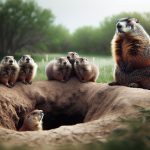
Did you know that the curious name “prairie dog” actually has nothing to do with canines? These fascinating rodents, native to North America’s grasslands, are named for their distinctive bark-like calls that resemble a dog’s yip. Understanding the origins of their unusual name opens a window into the world of prairie dogs and highlights their importance in the ecosystem. Living in complex colonies with intricate burrow systems, they play a crucial role in maintaining the health of their habitat. Moreover, they support a diverse array of wildlife, providing shelter and food for various species. As we delve deeper into the surprising reasons behind their name, you’ll discover just how significant these charming creatures are to their environment and why they deserve our attention and protection.
The Fascinating Origins of the Prairie Dog’s Name
The prairie dog’s name might conjure images of a small canine, but this delightful rodent is actually a member of the squirrel family. The etymology of “prairie dog” is quite intriguing and reflects a mix of geography and behavior. First documented by early European settlers and explorers in North America, the name arose from the animal’s habitat in the open grasslands or prairies, combined with its barking vocalizations, reminiscent of a dog’s bark. This mixture of sound and environment led to its whimsical name, highlighting how language can evolve from observations in nature.
As herbivorous burrowing rodents belonging to the genus Cynomys, prairie dogs are often spotted in expansive colonies. Their social behavior and complex tunnels are fascinating aspects that further distance them from their canine namesake. Unlike dogs, which are known for their loyalty and companionship, prairie dogs demonstrate a unique social structure within their colonies, often living in intricate networked burrows that can span hundreds of acres. This highly interactive lifestyle is vital for their survival, as their communal living helps them ward off predators.
Additionally, the prairie dog’s importance to its ecosystem cannot be overstated. They serve as a keystone species, meaning their presence and underground activities benefit numerous other species. Burrowing owls, black-footed ferrets, and various birds use their abandoned burrows for nesting and shelter. The original settlers likely recognized not only the animals’ unique sounds and behaviors but also the critical roles they play in their ecosystems, adding another layer of meaning to the prairie dog’s name.
In summary, reflect both the animal’s ecological niche and the perceptions of humans who first encountered these remarkable creatures in the grasslands of North America. The combination of geographical context and descriptive behavior has led to a name that, while misleading, embodies the spirit of these social rodents.
What Makes Prairie Dogs Unique?

Prairie dogs are not just charming little rodents; they are remarkable creatures with distinct behaviors and social structures that set them apart in the animal kingdom. Imagine an underground city bustling with activity-this is the life of a prairie dog! These social animals live in complex burrows that can extend dozens of feet deep and cover vast areas, sometimes spanning hundreds of acres. The intricate network of tunnels serves multiple purposes: it provides shelter from predators, protects them from extreme weather, and is a safe place for their young.
One of the most fascinating aspects of prairie dog life is their vibrant communication. Prairie dogs have a sophisticated vocal system that includes various barks and calls, each conveying different meanings. For example, they can alert their colony to the presence of predators, describe the type of threat, and even specify the direction from which it’s coming. This advanced communication system highlights their intelligence and tight-knit social bonds. Beyond their vocalizations, they engage in playful behaviors and social interactions that are crucial for maintaining the hierarchy within their colonies.
Moreover, prairie dogs play an essential role as a keystone species in their ecosystems. They aerate the soil through their burrowing activities, which promotes plant growth and supports various other species. Abandoned burrows become homes for many other animals, such as burrowing owls and black-footed ferrets, underscoring the interconnectedness of species in natural habitats. The health of prairie dog populations can indicate the overall well-being of the ecosystem they inhabit, making their conservation vital for ecological balance.
As curious wildlife enthusiasts, observing prairie dogs in their natural settings can be a rewarding experience. Finding a quiet spot near their colonies opens up a world of social dynamics and lively interactions. Always remember to respect their space and practice responsible wildlife observation-keep a safe distance and avoid disturbing their natural behaviors. With their complex social structures and vital ecological roles, prairie dogs truly are unique rodents worthy of admiration and protection.
Understanding Prairie Dog Behavior and Habitats
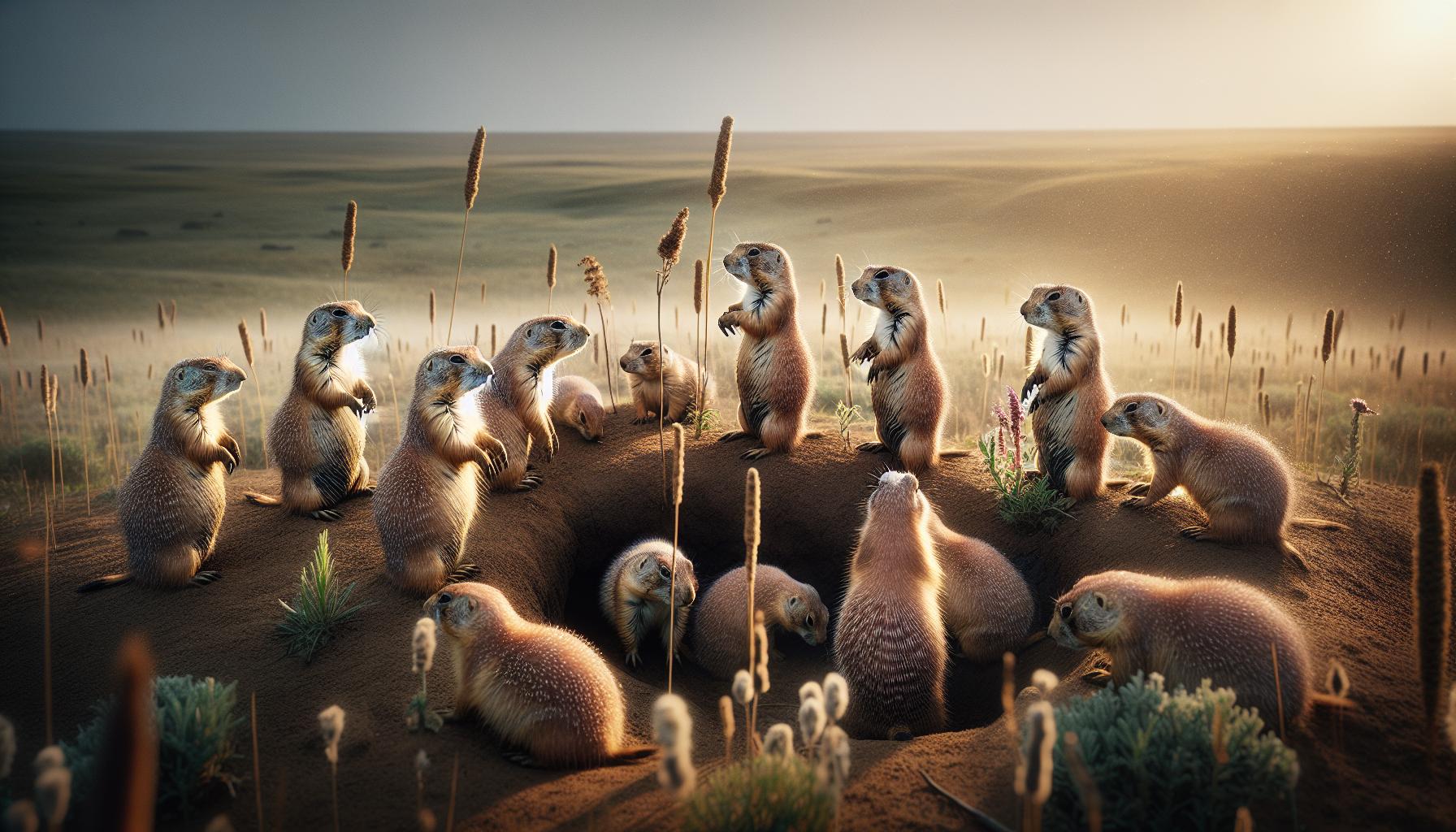
Prairie dogs are not just delightful little critters; they are known for their intricate behaviors and unique habitats that contribute greatly to their ecosystems. These social rodents live in extensive colonies that can span hundreds of acres, creating a network of tunnels and burrows that serve essential roles in their lifestyle. The name “prairie dog” actually stems from their distinctive barking sounds, reminiscent of a dog’s bark, which they use to communicate with one another. This vocalization plays a crucial role in their survival, signaling warnings about predators and coordinating activities within the colony.
Living in underground burrows provides prairie dogs shelter from harsh weather and predators. These structures can be quite complex, with multiple entrances and chambers designated for sleeping, raising young, and storing food. Each colony is divided into sub-groups called coteries, which consist of related individuals. This family-oriented structure fosters strong social bonds, allowing prairie dogs to maintain their colonies’ health and cooperation. Their behaviors are rich and varied, including grooming, play, and intricate social interactions that reinforce their community ties.
The burrowing activities of prairie dogs also have significant ecological impacts. As they dig, they aerate the soil, which enhances water infiltration and promotes plant growth, creating a healthier environment not just for themselves but for a range of other animals as well. Abandoned burrows provide homes for various species, including burrowing owls and black-footed ferrets, highlighting the importance of prairie dogs as a keystone species within their ecosystems. Understanding their behavior and habitats is essential for appreciating their role in biodiversity and the overall health of grassland ecosystems.
When observing these remarkable creatures, it’s important to do so responsibly. Watching prairie dogs from a distance allows you to appreciate their social dynamics without interfering with their natural behaviors. You might find them engaging in lively interactions, warning one another of approaching threats, or simply enjoying the warm sun. Respecting their space helps ensure that these unique rodents can thrive and continue to play their vital ecological roles.
The Prairie Dog’s Role in Ecosystems
Prairie dogs are much more than adorable rodents; they are vital players in the ecosystems of the grasslands they inhabit. One of the most intriguing aspects of their role is how their behavior enriches the environment. By digging extensive burrows, they inadvertently support a diverse array of flora and fauna. Their burrowing activity aerates the soil, allowing for greater water absorption, which helps to keep the land fertile and reduces erosion-a crucial function in maintaining healthy grassland ecosystems.
Additionally, prairie dogs create a bustling community that attracts other wildlife. The abandoned burrows of prairie dogs often become homes for many other species, including burrowing owls, black-footed ferrets, and various insects. This symbiotic relationship highlights their status as a keystone species-organisms that play a critical role in maintaining the structure of an ecological community. Without them, many other species would struggle to survive, emphasizing just how interconnected life is in these habitats.
Prairie dogs also act as a food source for predators, including hawks, coyotes, and badgers. Their vocalizations serve not only for communication but also as alarm signals, alerting their neighbors to impending danger. This social behavior enhances group survival and contributes to a complex social structure that, surprisingly, shares traits with some human communities, showcasing a natural system of cooperation and alertness.
In conservation discussions, protecting prairie dogs extends beyond saving just one species; it’s about preserving an entire ecosystem. Their presence fosters biodiversity, supporting a wide range of other species. Initiatives to safeguard prairie dog populations boost overall ecosystem health, making these little “doggers” invaluable to conservation efforts. So, by understanding and appreciating their unique role in the environment, we can better advocate for these charming creatures and the ecosystems they uphold.
Comparing Prairie Dogs to Other Rodent Species
reveals just how unique these creatures are. While they share some general characteristics with their rodent relatives, such as a herbivorous diet and burrowing behavior, prairie dogs stand out in both their physical features and social structures.
One of the most striking comparisons is with ground squirrels. These two species often inhabit similar environments but behave quite differently. Ground squirrels are more solitary and do not live in extensive colonies like prairie dogs. Prairie dogs are social animals that thrive in large communities known as “towns,” where they communicate with each other through a complex system of vocalizations. These “doggers” also exhibit remarkable social behavior, taking turns to watch for predators and sharing parenting duties, something less common among other rodents. For instance, while chipmunks live more independently and often forage alone, prairie dogs band together, providing safety in numbers.
In terms of physical attributes, prairie dogs are generally larger than many rodents. Their stout bodies and shorter legs differentiate them from the slender forms of chipmunks or mice, allowing them to dig effectively in their grassy habitats. A key distinguishing factor is their tail; prairie dogs have shorter tails compared to the bushy tails of many tree squirrels, which enhances their burrowing abilities.
Another interesting comparison can be made with gophers. Both species are burrowers, yet their lifestyles diverge significantly. Gophers tend to be more reclusive and spend most of their lives underground, rarely emerging. In contrast, prairie dogs are diurnal, often seen basking in the sun or playing above ground. Their communal living also attracts a variety of other wildlife, making their burrowing systems dynamic ecosystems that support many other species.
Such contrasts not only highlight the prairie dog’s distinctive adaptations but also underscore its essential role in the greater ecological picture. Prairie dogs serve as a vital food source for many predators and contribute to soil health through their burrowing. Understanding these comparisons enriches our appreciation for prairie dogs and their ecological niches, as they embody the intricate connections present in nature. By looking at prairie dogs alongside other rodents, we gain deeper insights into their behavior, community structures, and overall ecological importance.
Cultural Significance of Prairie Dogs in Popular Media
Prairie dogs have captured the public’s imagination, finding their way into various forms of popular media, from children’s books to animated movies. Their social structures, playful antics, and distinctive vocalizations have not only made them endearing characters but also symbols of the grassland ecosystems they inhabit. These furry creatures are often portrayed in light of their communal behavior, showcasing their ability to work together and communicate effectively. In films, prairie dogs frequently appear as comic relief or as central figures in tales of adventure, reflecting humanity’s fascination with animal societies.
The cultural significance of prairie dogs is also tied to their representation in art and literature. For instance, they have been depicted in numerous illustrations and nature documentaries as symbols of the American West. Their towns, busy with activity, are often likened to bustling cities, reinforcing themes of community and cooperation that resonate with audiences. A well-known example includes the beloved animated film “The Legend of the Lone Ranger,” where prairie dogs are featured to add humor and whimsy, effectively engaging younger audiences while promoting awareness of wildlife conservation.
In addition to their entertainment value, prairie dogs serve as a powerful metaphor in discussions surrounding environmental issues. They represent the delicate balance of ecosystems and highlight the impact of human activities on wildlife. Documentaries often focus on their role in promoting biodiversity, illustrating how their burrows provide shelter for a variety of other species. This broader narrative encourages the public to consider the importance of preserving their habitats, thus fostering a deeper connection between people and nature.
Through their portrayal across various media, prairie dogs not only entertain but also educate and inspire action for conservation. Whether featured as animated characters or subjects of serious documentaries, these furry rodents remind us of the vibrant and interconnected web of life present in our natural world. Their legacy in popular culture is a testament to the enduring appeal of wildlife and the ongoing need to protect it.
Conservation Status: Protecting Prairie Dogs and Their Habitats
Prairie dogs are not just charming little critters hopping around the grasslands; they play a vital role in the health of their ecosystems. These social rodents live in complex colonies, which act as bustling communities and support a diversity of wildlife. Unfortunately, their populations are dwindling due to a combination of habitat loss and disease. Protecting prairie dogs and their habitats is crucial, not just for their sake but for the entire ecosystem.
Efforts to conserve prairie dog colonies center around habitat protection and the management of threats. Effective strategies include habitat restoration projects aimed at reversing damage from development and agriculture. One notable initiative is the use of vaccination programs against the plague, which disproportionately affects prairie dog populations. This deadly disease, caused by the same bacterium that led to the Black Death in Europe, can wipe out entire colonies and, consequently, the myriad of species that rely on them for shelter and food[[1]](https://defenders.org/wildlife/prairie-dog) [[2]](https://www.prairiedoghoogland.com/conservation).
Organizations like The Prairie Dog Project advocate for these unique creatures by raising awareness and fostering community action. They emphasize the importance of planning for wildlife-friendly landscapes, where prairie dogs can thrive alongside agricultural practices. Moreover, conservationists educate landowners about the ecological benefits provided by prairie dog colonies, such as soil aeration and nutrient cycling, which enhance the health of the grasslands[[3]](https://warnercnr.source.colostate.edu/protecting-the-plains/).
By galvanizing support from local communities and policymakers, there’s hope on the horizon for prairie dogs. As more people recognize the intrinsic value of these animals and the roles they play in their environments, conservation initiatives can gain momentum. Together, with thoughtful engagement and innovative solutions, we can ensure that prairie dogs continue to thrive, keeping our grasslands vibrant and alive.
Interesting Facts About Prairie Dogs You Didn’t Know
Did you know that prairie dogs are not actually dogs at all? Their name is a bit of a misnomer that harks back to their habitat and some curious historical references. The term “prairie dog” was first used in the 1700s by European settlers who noted that these small rodents exhibited a remarkable resemblance to the barking of a small dog! Native to the great plains of North America, these chatty critters communicate with a series of vocalizations that indeed sound quite similar to a dog’s bark.
Beyond their name, prairie dogs boast some fascinating social behaviors. Unlike many rodent species, they live in complex colonies or ‘towns’ that can span hundreds of acres, housing thousands of individuals. Within these colonies, prairie dogs are deeply social and engage in intricate communication. Each call they make can convey different messages, including warnings of predators or alerts to potential threats from the air or ground. In fact, they are known to have specific alarm calls for various predators such as hawks, coyotes, and humans.
Regarding their role in the ecosystem, they are considered a keystone species. This means their existence is vital to the health of their habitat. By burrowing, they aerate the soil, which promotes grass growth; their tunnels also provide homes for other species, including the charming burrowing owl. Their colonies create a microhabitat where many other animals thrive, showcasing how interconnected wildlife can be.
It’s also interesting to highlight the unique social structure within a prairie dog town. Typically, a colony will consist of multiple family groups called coteries. Each coterie is made up of a few adult males, several females, and their offspring. This social organization ensures genetic diversity while creating strong community bonds, evident when they groom each other and share resources to raise their young.
With their unique name and crucial role in the ecological web, prairie dogs are truly fascinating creatures that deserve our attention and protection. Observing these lively animals in their natural settings can be a delightful reminder of the complexity and interdependence of all wildlife systems.
How to Safely Observe Prairie Dogs in Nature
Watching prairie dogs in their natural habitat can be a rewarding experience, allowing you to appreciate their unique behaviors and social structures. These lively little creatures are often called “dogs” not because they look like them, but due to their distinctive vocalizations, similar to barking. Being respectful and safe while observing prairie dogs can enhance the experience for both you and the animals.
Start your prairie dog watching adventure during the early morning or late afternoon when these furry creatures are most active. In open grasslands, observe from a distance using binoculars or a camera with a zoom lens, which allows you to study their interactions without disturbing their environment. It’s also beneficial to find a secluded spot where you can sit quietly; this minimizes your impact and allows prairie dogs to behave normally.
To ensure a respectful encounter, remember these key guidelines:
- Keep your distance: Stay at least 100 yards away from the burrows. This helps reduce stress on the animals and prevents disruption of their social structures.
- Avoid feeding: It might be tempting to provide snacks, but feeding wildlife can lead to dependency and alter their natural behaviors.
- Watch for signs of distress: If prairie dogs begin to display alarm calls or retreat to their burrows, it’s a sign that you’ve become too intrusive. Adjust your position accordingly.
Joining organized tours or visiting established parks, such as Greycliff Prairie Dog Town State Park in Montana, can also provide guided experiences while ensuring you follow best practices for wildlife observation. These areas are designed for viewing and often include designated observation points that promote safe, responsible wildlife watching. Enjoying the antics of prairie dogs can be a captivating window into their social worlds, but doing so with care helps ensure that these fascinating animals continue to thrive.
The Importance of Prairie Dog Colonies in Animal Communities
The interconnectedness of prairie dog colonies plays a vital role in maintaining the health of grassland ecosystems. These industrious creatures, with their extensive burrow systems, create complex habitats that provide homes not only for themselves but also for numerous other species. Prairie dog towns are bustling centers of life; many grassland animals depend on their unique environment for shelter and food. The burrows of prairie dogs offer a safe haven for species such as foxes, rabbits, and various bird species who utilize the abandoned burrows or the open spaces created by their digging activities.
In addition to providing shelter, prairie dogs significantly influence the composition of their ecosystem through their foraging habits. As they graze on grasses and other vegetation, they help to maintain the balance of plant life in the prairie. This grazing creates open spaces that encourage new plant growth, which benefits a variety of herbivores and pollinators. Additionally, the soil around their colonies becomes aerated and enriched, promoting healthier plant growth in adjacent areas. This phenomenon not only fosters biodiversity but also helps in carbon storage, a critical factor in combating climate change.
Prairie dogs are also considered keystone species due to the cascading effects their colonies have on other wildlife. Their towns create microhabitats that support a myriad of creatures, including insects, which in turn attract birds and other predators. For example, the black-footed ferret, a threatened species, relies almost exclusively on prairie dogs for food. Without the presence of these rodents, the food chain that supports various species would falter, ultimately destabilizing the ecosystem.
In summary, the colonies formed by prairie dogs serve as essential building blocks of the prairie ecosystem. Their role as habitat modifiers promotes biodiversity and sustains animal communities, showcasing how interconnected life is in these vibrant grasslands. Observing these colonies not only reveals the fascinating dynamics of prairie ecosystems but also underscores the importance of conserving these vital creatures and their habitats for future generations.
Frequently Asked Questions About Prairie Dogs and Their Care
Prairie dogs are fascinating creatures that spark curiosity not only for their unique behaviors and ecological roles but also for the intriguing reasons behind their name. While they might not resemble your average dog, their name originates from their bark-like calls that are reminiscent of a dog’s yip. This characteristic vocalization has led early settlers and explorers to liken these social rodents to our canine companions. Understanding prairie dog care is essential for those interested in these small, social animals, whether in a conservation context or as exotic pets.
When it comes to caring for prairie dogs, one of the most important factors to consider is their social nature. Prairie dogs thrive in groups, so having at least two individuals is recommended to ensure they remain socialized and happy. Since they are accustomed to forming large colonies in the wild, they’ll need plenty of space to roam, dig, and interact. A spacious habitat with appropriate enrichment, such as tunnels and toys, mimics their natural environment and promotes healthy behaviors.
In terms of diet, prairie dogs primarily consume grasses and other vegetation, which means their nutritional needs can often be met with high-quality hay and fresh vegetables. It’s vital to avoid high-fat treats that can lead to obesity, as prairie dogs are prone to metabolic issues if not properly cared for. Additionally, providing appropriate chew items helps to maintain their dental health, which is crucial for these gnawers.
Finally, it’s essential to keep in mind that prairie dogs can be susceptible to certain zoonotic diseases that could be transmitted to humans or other pets. Regular veterinary care is important, including vaccinations and check-ups, to ensure your prairie dogs are healthy and to discuss any potential concerns. Furthermore, understanding the legal aspects of keeping prairie dogs as pets is vital since they are subject to various regulations in different regions.
In summary, whether you’re intrigued by prairie dogs for their ecological significance or considering them as exotic pets, understanding their social needs, diet, and health care is crucial to their well-being. These charming animals offer a glimpse into the complexity of prairie ecosystems and the importance of conserving their natural habitats for future generations.
Frequently Asked Questions
Q: Why are prairie dogs called “dogs”?
A: Prairie dogs are called “dogs” due to their barking vocalizations, which resemble the sounds made by canines. These social rodents use a series of barks to communicate alarm and coordinate with their colonies, contributing to their unique name and giving insight into their social behavior.
Q: What is the origin of the name “prairie dog”?
A: The term “prairie dog” originated in the early 18th century when European settlers noted their dog-like barks while living in vast grasslands. The name reflects both their habitat and vocalizations, distinguishing them from other rodent species as a notable part of the North American prairie ecosystem.
Q: Are prairie dogs related to actual dogs?
A: No, prairie dogs are not biologically related to dogs. They are rodents belonging to the squirrel family, but their barking behavior has led to a common misconception due to the similarity in vocalizations. Understanding this distinction is critical in appreciating prairie dogs’ unique ecological role.
Q: How do prairie dogs communicate with each other?
A: Prairie dogs communicate through a complex system of barks and chirps, which vary in pitch and duration to convey different messages. This sophisticated vocalization helps them alert others to predators or establish territory, showcasing their advanced social structure and intelligence.
Q: Why are prairie dogs considered a keystone species?
A: Prairie dogs are considered a keystone species because their burrowing creates habitats that benefit various wildlife species. These burrows provide shelter for animals like foxes, and their foraging habits also promote plant growth, enhancing biodiversity in their environment.
Q: Where do prairie dogs typically live?
A: Prairie dogs typically inhabit open grasslands and prairies in North America, particularly in areas with deep, well-drained soil for burrowing. Their colonies, called “towns,” can cover extensive areas and are vital for their survival, offering protection and social interactions.
Q: How can I help conserve prairie dog populations?
A: You can help conserve prairie dogs by supporting local conservation organizations working to protect their habitats and advocating for policies that reduce habitat destruction. Additionally, educating others about their ecological importance can foster a greater appreciation for these unique animals.
Q: What do prairie dogs eat?
A: Prairie dogs are herbivores, primarily feeding on grasses, leaves, and seeds. They play an essential role in their ecosystems by influencing plant communities through their foraging, which also provides food for other animals in the prairie habitat.
For more fascinating details about prairie dogs, check out our section on their unique behaviors and habitats or explore how they contribute to their ecosystems!
To Conclude
Now that you know the intriguing reason behind why prairie dogs are called “dogs,” it’s time to dive deeper into the fascinating world of these social creatures. Their unique behaviors and social structures make them a captivating topic in wildlife studies. If you enjoyed this exploration, check out our related articles on prairie dog ecosystems and their role in habitat maintenance.
Don’t miss out! Join our newsletter to receive regular updates on wildlife facts and tips on responsible pet ownership. Have questions or want to share your thoughts? Leave a comment below! Your engagement helps us create more content that you love. Explore further, and let’s continue the conversation about our amazing animal kingdom together!
Get our latest guides, news, and insights highlighted in your Google Search & AI Overviews.