

Did you know that prairie dogs play a critical role in their ecosystems, acting as a keystone species? These charming little creatures are not just adorable; their burrowing activities create habitats for a variety of other wildlife, from burrowing owls to foxes. In many ways, the health of grassland ecosystems hinges on prairie dog populations. As they dig tunnels and create colonies, they aerate the soil and promote the growth of native plants, which are essential for the survival of countless other species. Understanding the significance of prairie dogs goes beyond mere curiosity; it sheds light on the interconnectedness of nature and emphasizes the importance of protecting these unique animals. Join us as we explore the fascinating world of prairie dogs and uncover the critical role they play in maintaining the balance of their environment. You’ll discover why conservation efforts aimed at protecting these small mammals are vital for the health of our grasslands and the myriad of species that depend on them.
Why Prairie Dogs Matter in Ecosystems
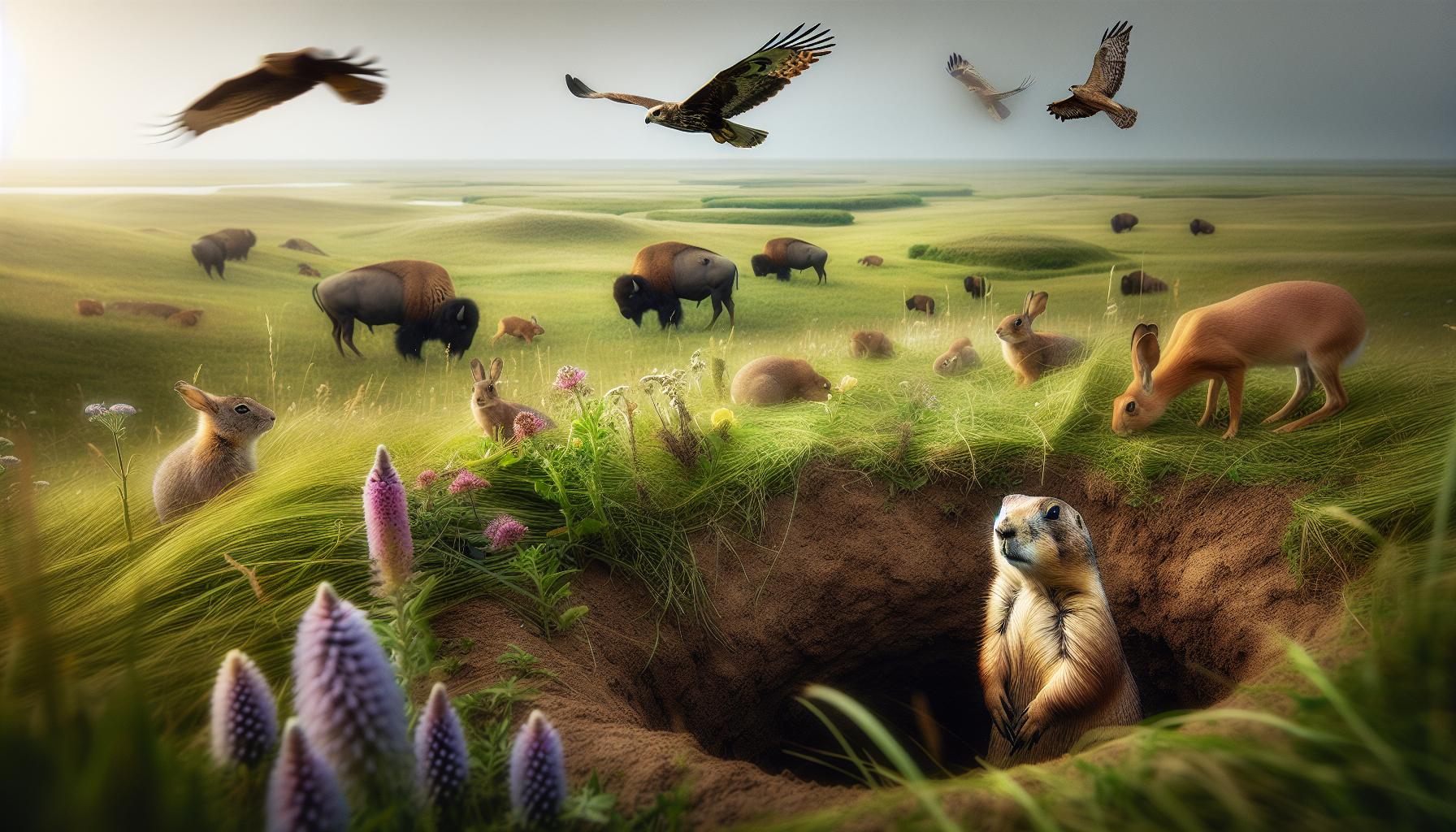
Prairie dogs are often referred to as a keystone species, and for good reason. Their presence in North American grasslands supports a complex web of life, influencing the ecosystem in numerous ways. When prairie dogs dig their expansive burrow systems, they not only provide themselves with shelter but also create habitats for countless other species. These burrows serve as homes for animals such as burrowing owls, black-footed ferrets, and several species of insects. The network of tunnels also helps maintain soil structure, which is vital for plant health.
The foraging behavior of prairie dogs is equally significant. As they graze on grasses and herbs, they keep plant growth in check, promoting a diversity of plant species. This, in turn, creates a more balanced ecosystem, allowing various other wildlife to thrive. The nutrient-rich waste produced by prairie dogs fertilizes the soil, enhancing its quality and promoting more robust plant growth. The relationship between prairie dogs and their environment exemplifies the interconnectedness of species and the vital role they play in maintaining ecological balance.
Moreover, these social creatures have a sophisticated communication system that helps alert their colonies to the presence of predators. Their chirps and barks are a fascinating aspect of prairie dog behavior that not only enhances their immediate survival but also contributes to the overall health of the grassland ecosystem by prompting other species to take cover. When prairie dog populations decline, the absence of their burrowing and grazing activities can lead to habitat degradation, which negatively impacts other species that rely on the grasslands for their survival.
In essence, prairie dogs are more than just a charismatic species; they are essential players in their ecosystems. By fostering biodiversity, enhancing soil health, and providing habitat for other organisms, they illustrate the crucial balance that supports the thriving grassland environments they inhabit. Understanding their role emphasizes the need for conservation efforts aimed at protecting these unique animals and the ecosystems they help sustain.
The Role of Prairie Dogs in Biodiversity
Prairie dogs are fascinating little creatures that play a pivotal role in the ecosystems they inhabit. As a keystone species, they help define the community structure around them, supporting a diverse range of life forms and maintaining the health of grassland habitats. Imagine a bustling neighborhood where every resident contributes to the community’s well-being; that’s what prairie dogs do for countless other species.
Their burrowing activity is crucial. The extensive tunnel systems they create serve as homes not just for themselves but also for a variety of other animals, including the charming burrowing owl and the endangered black-footed ferret. These burrows provide shelter, breeding grounds, and protection from predators. Additionally, prairie dogs’ foraging habits encourage plant diversity by grazing on specific grass species, allowing less dominant plants to flourish. This selective grazing behavior fosters a more balanced ecosystem, supporting a wider array of plant life that can, in turn, sustain various herbivores, insects, and birds.
Beyond their immediate neighborhoods, prairie dogs also impact the larger ecosystem. Their digging aerates the soil, increasing water infiltration and enhancing nutrient cycling, which benefits plants and other organisms alike. Their waste enriches the soil, making it more fertile and conducive to growth. In essence, prairie dogs are more than just a species of interest; they are essential builders and maintainers of the lush grasslands that many depend on for survival.
In summary, these social rodents are integral to promoting biodiversity within their ecosystems. By digging burrows, maintaining plant diversity, and enriching the soil, prairie dogs shape their environment in countless positive ways, supporting a rich tapestry of life in the grasslands. Their presence is not merely a charming aspect of the landscape but a crucial component of ecosystem resilience and health.
How Prairie Dogs Influence Soil Health
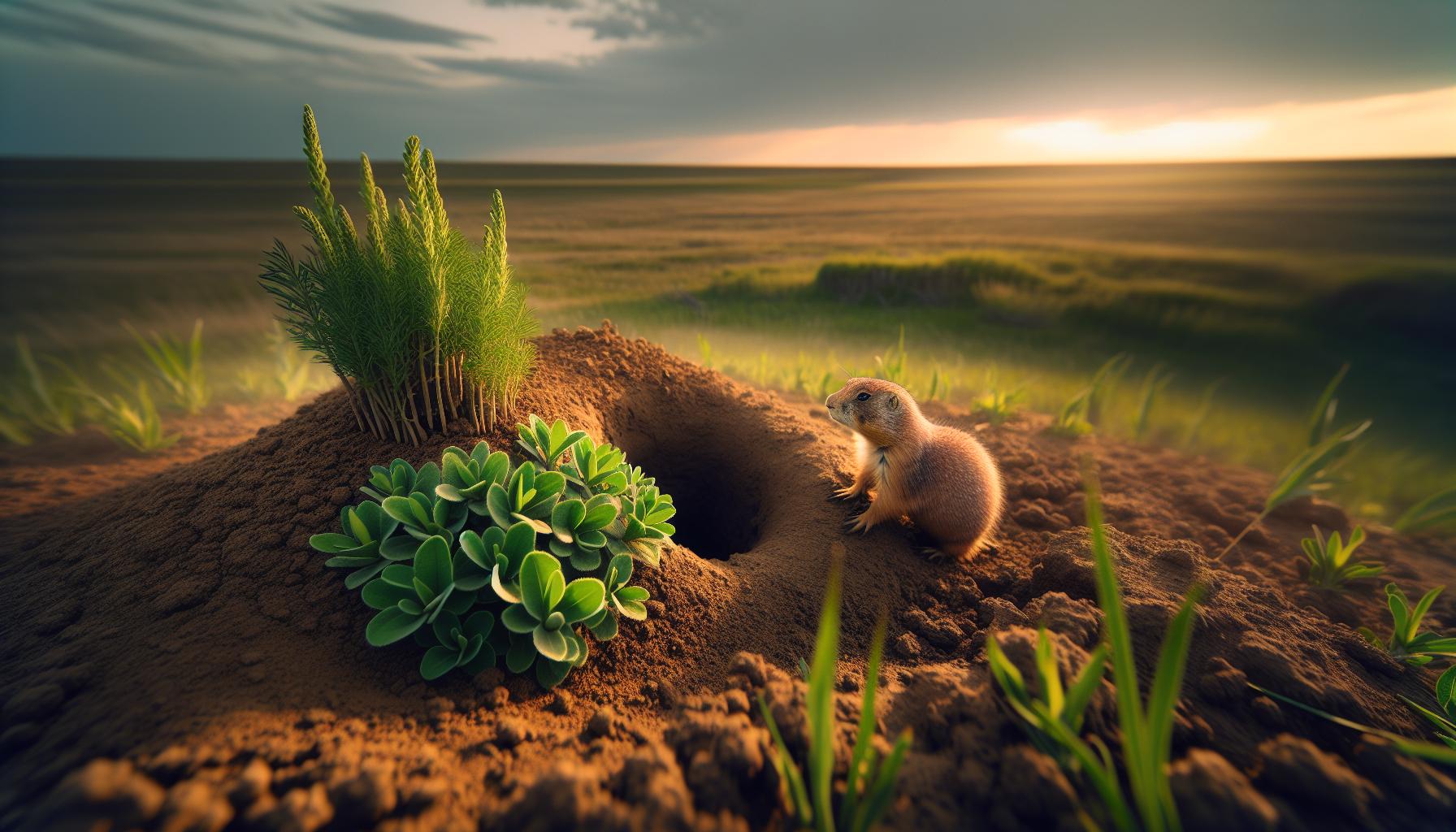
The remarkable ways in which prairie dogs influence soil health are akin to nature’s very own landscape architects at work. These small mammals create extensive burrow systems that not only serve as their homes but also play a pivotal role in enhancing the quality of the soil beneath our feet. As prairie dogs dig their intricate tunnels, they aerate the earth, which is essential for allowing air and water to penetrate deeper layers of soil. This aeration boosts soil infiltration, reduces runoff, and improves overall drainage, creating optimal conditions for plant growth.
The act of burrowing has an additional benefit-soil enrichment. Prairie dog waste acts as a natural fertilizer, contributing vital nutrients back into the soil. This organic matter enriches the soil and fosters a healthier ecosystem by promoting plant diversity. Plants are crucial for stabilizing soil, preventing erosion, and maintaining a balanced environment. In areas with dense prairie dog colonies, the variety of plant life tends to flourish, as the selective grazing of these rodents ensures that no single species dominates. This helps maintain a diverse plant community-a key factor in supporting various herbivores, insects, and birds.
Supporting the Ecosystem
- Aeration: Improved air and water penetration into the soil enhances plant root growth.
- Nutrient Cycling: Waste from prairie dogs enriches soil quality, making it fertile.
- Plant Diversity: Their selective grazing creates space for less dominating species to thrive, promoting biodiversity.
Additionally, prairie dogs’ burrowing activities lead to complex soil structures that facilitate root development. The tunnels they leave behind can protect plant roots from drought by providing a microclimate that retains moisture. This means not only are prairie dogs vital for themselves, but they also assist countless other species in thriving within this rich ecosystem. Through their daily activities, these charming creatures exemplify how one species can significantly enhance the health of their environment, highlighting their indispensable role as a keystone species in grassland ecosystems.
Interactions Between Prairie Dogs and Other Species
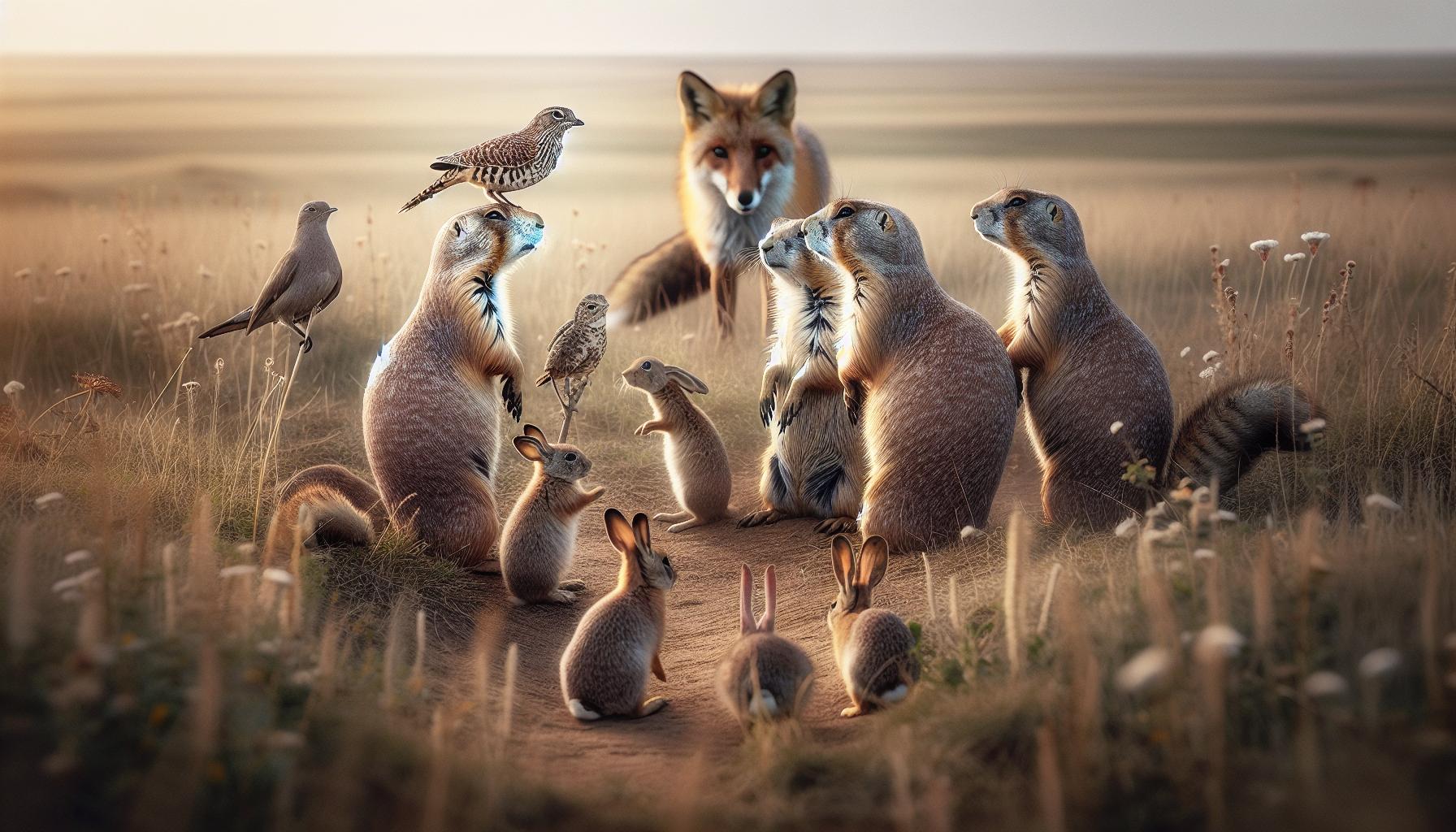
Prairie dogs are central figures in the grassland ecosystems they inhabit, fostering a range of interactions with other species that highlight their status as a keystone species. One of the most fascinating aspects of these interactions is the role prairie dogs play as a food source. Their active colonies provide habitat for various predators, including hawks, eagles, coyotes, and ferrets. For instance, the black-footed ferret, an endangered species, relies almost exclusively on prairie dogs for its diet. This predator-prey relationship underscores the importance of prairie dogs in supporting not just their own species but also others that depend on them for survival.
Beyond being prey, prairie dogs influence the ecosystem through their burrowing activities. The extensive tunnel systems they create not only provide shelter for themselves but also offer refuge for a host of other animals. Small mammals such as rabbits and various reptiles often utilize abandoned prairie dog burrows as safe havens from predators. Additionally, these burrows facilitate a unique microhabitat that supports numerous insects and plant species, which thrive in the enriched soil around these colonies. This symbiotic relationship enhances biodiversity in grassland regions, making prairie dog colonies hotbeds of ecological activity.
Furthermore, prairie dogs play a significant role in the cycling and distribution of nutrients throughout the ecosystem. Their grazing habits help maintain the balance of vegetation by preventing the overgrowth of certain plant species, thereby allowing a diverse array of plants to flourish. This, in turn, benefits a wide variety of herbivores, from insects to larger mammals, contributing to a complex food web that relies on the health and stability of the prairie dog population.
In summary, the embody a dynamic web of relationships that emphasizes the critical role these small mammals play in their ecosystems. By serving as a food source, providing habitat, and facilitating nutrient cycling, prairie dogs enhance biodiversity and ecosystem resilience, proving that their presence is not just beneficial but essential for the overall health of grassland environments.
The Impact of Prairie Dogs on Grasslands

Prairie dogs are not just cute, social rodents; they are also architects of the grasslands they inhabit, profoundly shaping their ecosystem. With their extensive burrowing activities, these fascinating animals create a complex network of tunnels that performs several vital functions for the environment. Their burrows provide shelter not only for themselves but also for a variety of other species, including rabbits, snakes, and numerous insects. This increases the overall biodiversity of the area, as many animals find refuge and nesting sites within the safety of abandoned burrows.
The impact of prairie dogs extends beyond their burrows. By grazing on vegetation, they help to keep grassland growth balanced and prevent any one species from dominating the landscape. This selective grazing encourages a mosaic of plant species to flourish, which in turn hosts various herbivores, from smaller critters like insects to larger wildlife such as deer and bison. This diverse plant life is essential for maintaining the vibrancy of prairie ecosystems, as it supports different levels of herbivory and provides food for an array of other animals.
Moreover, prairie dogs play a significant role in soil health. Their burrowing aerates the soil, allowing water to permeate more easily and enhancing nutrient cycling. The organic waste from prairie dogs contributes to soil fertility, promoting lush vegetation growth. This interaction highlights the prairie dog’s role as a nutrient distributor, which benefits the whole ecosystem and keeps grasslands thriving.
In essence, prairie dogs serve as a keystone species that maintains the health and resilience of grassland ecosystems. Their activities ensure that their habitats remain productive and capable of supporting a wide range of life forms, reinforcing the intricate connections within these vibrant environments. By understanding and appreciating the contributions of prairie dogs, we can better grasp the delicate balance of nature and the importance of conserving these remarkable creatures and their habitats.
Threats to Prairie Dog Colonies and Ecosystems
The prairie dog, often seen as a charming inhabitant of the grasslands, faces a multitude of threats that jeopardize not only their populations but also the ecosystems they support. Surprisingly, these small rodents are pivotal in creating a balance within their habitats through their burrowing and grazing activities. However, human activities and environmental changes pose serious risks to their colonies.
One of the most significant threats is habitat loss due to urban development, agriculture, and resource extraction. As towns expand and fields are cultivated, vast stretches of prairie dog colonies are destroyed, pushing these creatures and the numerous species that depend on them to the brink of extinction. Moreover, when prairie dogs are forced into smaller areas, it can lead to overpopulation in those remaining spaces, creating stress on food supplies and increasing the spread of disease among the population.
Predation and Disease
Alongside habitat destruction, prairie dogs are also subject to predation from a variety of animals, including coyotes, hawks, and foxes. While predation is a natural part of the ecosystem, a significant decline in prairie dog numbers can disrupt the food chain, affecting dependent species like the black-footed ferret, which relies heavily on prairie dogs as a primary food source. In addition to predation, prairie dogs are susceptible to diseases such as sylvatic plague, which can decimate populations in a very short period. The spread of this disease is often exacerbated by factors such as overcrowding and environmental stressors.
Human Interactions and Conservation Challenges
Intentional extermination efforts, often rooted in misunderstandings about prairie dogs’ role in the ecosystem, have also contributed to their decline. Farmers sometimes view them as pests, leading to widespread poisonings or culling. Such actions not only threaten prairie dog colonies but also disrupt the intricate web of life that they help maintain.
Efforts to conserve prairie dog populations include legal protections in some areas, rewilding initiatives, and educational campaigns to help the public understand their ecological importance. Engaging local communities in conservation efforts, promoting ecotourism, and restoring habitats can also have significant impacts on the health of prairie dog populations. Making strides to highlight their critical role in the ecosystem can help shift perceptions and foster a more harmonious coexistence between humans and these essential grassland dwellers.
In essence, addressing the threats to prairie dogs requires a multi-faceted approach that considers habitat conservation, public education, and responsible management practices. Recognizing these charming creatures as keystone species is vital for ensuring that the surrounding ecosystems remain vibrant and diverse.
Conservation Efforts for Prairie Dogs
Prairie dogs are not just adorable residents of North America’s grasslands; they play a crucial role as keystone species in their ecosystems. This means that their presence and behavior have a disproportionately large effect on their environment compared to other species. Consequently, conservation efforts aimed at protecting these small mammals are vital for maintaining healthy ecosystems. Various strategies are being employed across their range to ensure their survival and the well-being of the ecosystems they support.
One of the most impactful strategies involves educating the public about the ecological importance of prairie dogs. Many people misunderstand these creatures, viewing them merely as pests. By fostering a greater understanding of their role in promoting biodiversity-such as creating habitats for countless species and improving soil health through their burrowing activities-conservationists can help shift perceptions. Community workshops, school programs, and outreach campaigns are effective tools utilized to spread this knowledge. For instance, programs that involve local schools in prairie dog habitat restoration can create a new generation of stewards passionate about wildlife conservation.
Legal protections are also crucial in the fight for prairie dog survival. Some states have designated prairie dogs as a species of concern, which provides them with certain legal protections against indiscriminate culling. In areas where their populations thrive, collaborative management plans that include wildlife agencies, landowners, and conservation organizations help to balance agricultural needs and prairie dog conservation. For example, working with ranchers to create grazing strategies that reduce conflicts with prairie dogs can lead to healthier landscapes that benefit both livestock and the prairie dogs.
Another innovative approach is the establishment of protected areas or wildlife reserves where prairie dogs can live without the threats of urban encroachment or agricultural pressure. These safe havens not only preserve prairie dog populations but also create habitats for a wide range of other species, from the endangered black-footed ferret to various avian predators. Additionally, some conservation efforts focus on rewilding initiatives, which promote the restoration of ecosystems to their natural states, enabling prairie dogs and other wildlife to thrive.
The future of prairie dogs is intrinsically linked to the health of the grassland ecosystems they inhabit. By highlighting their keystone role and promoting effective conservation practices, we can help ensure that these charming creatures continue to thrive in their natural habitats. Engaging communities, advocating for protective legislation, and restoring habitats are not just critical actions for prairie dogs but pivotal for all species that rely on these vibrant ecosystems. Through collective efforts, we can safeguard the magnificent intertwining of life that prairie dogs support in the wild.
Fun Facts About Prairie Dogs That Surprise You
Did you know that prairie dogs are exceptional communicators? These small mammals possess a complex system of vocalizations that can signify different threats, from aerial predators like hawks to ground predators such as coyotes. Their calls are so sophisticated that some researchers suggest they can even convey details about the size and shape of the approaching danger. This level of communication highlights how critical they are not just for their species but for maintaining the pulse of the ecosystem they inhabit.
In terms of social structure, prairie dogs live in colonies called “coteries,” which can range from just a few individuals to hundreds. These social communities are highly organized and feature strong family bonds, with members engaging in grooming and play behaviors that strengthen their relationships. The well-being of these communities is vital because their collective burrowing activities create extensive networks of tunnels that serve as habitats for other animals, demonstrating their role as a habitat engineer.
Another surprising fact is that prairie dogs are herbivores and primarily feed on grasses, herbs, and seeds. Their grazing habits actually help maintain grassland health by promoting the growth of various plant species through selective feeding. Furthermore, their tunnels aerate the soil, allowing better water infiltration and root growth. This beneficial behavior exemplifies their role in sustaining the grassland ecosystem, ultimately supporting a diverse array of wildlife.
While often viewed as pests or just cute critters, prairie dogs’ ecological contributions are profound. They provide essential food sources for various predators, including the endangered black-footed ferret, and their colonies support numerous other species, including burrowing owls and swift foxes. Understanding these fun facts about prairie dogs can foster a greater appreciation for their role as keystone species and the importance of conserving their grassland habitats.
The Importance of Prairie Dogs in Cultural Context
Prairie dogs, with their charming antics and social behaviors, have woven themselves into the cultural fabric of many communities in North America. These lively rodents not only play a crucial ecological role but have also become symbols of the American Great Plains. Fascinatingly, they serve as a bridge between nature and culture, representing the intricate balance of life in grassland ecosystems.
In many Native American cultures, prairie dogs are regarded with respect and reverence. They are often viewed as teachers, embodying values such as community connection and environmental stewardship. Their intricate burrowing systems and social structures can serve as metaphors for family and cooperation, essential concepts in many Indigenous teachings. Celebrations and folklore surrounding these creatures highlight their significance in the broader ecosystem, showcasing their role in supporting not only their species but also a myriad of other wildlife.
Beyond traditional cultural contexts, prairie dogs have also found their place in modern eco-tourism and conservation narratives. They attract visitors to national parks and wildlife reserves, where people revel in observing their lively interactions and communal behaviors. This has spurred local economies while promoting awareness about the importance of conserving prairie habitats. Educational programs and workshops often leverage the appeal of prairie dogs to foster a deeper appreciation for wildlife conservation among new generations.
Furthermore, the charming image of prairie dogs has permeated popular culture. From cartoons to children’s books, they are often depicted as endearing characters that resonate with audiences. However, these representations can sometimes oversimplify their ecological importance. By recognizing prairie dogs as keystone species, we deepen our understanding of their vital role in maintaining the health of grassland ecosystems, thus enhancing both cultural appreciation and conservation efforts. Emphasizing the importance of prairie dogs in this cultural context encourages us to protect not just them, but the rich tapestry of life they support in their grassland homes.
Understanding Prairie Dog Behavior and Social Structure
Prairie dogs are not just adorable inhabitants of the grasslands; their complex behaviors and social structures reveal why they play such a vital role in their ecosystems. These small, burrowing mammals live in large colonies known as “towns,” which can range from a few dozen to several thousand individuals. Within these towns, prairie dogs exhibit a range of social interactions that foster community and survival, showcasing their key position as a keystone species.
One intriguing aspect of prairie dog behavior is their communication. Prairie dogs use a sophisticated system of vocalizations to convey information about potential threats, food sources, and even the specific characteristics of nearby predators. Researchers have noted that different calls can indicate the type of threat-be it a hawk or a coyote-allowing fellow prairie dogs to respond appropriately. These calls can sound like a mix of barks and chirps, and the nuances of their language are so advanced that they demonstrate an understanding of syntax, comparable to some human languages. This ability not only protects the colony but also strengthens social bonds.
In addition to their communication skills, prairie dogs exhibit a strong sense of social structure. They’re known for their cooperative breeding behaviors, where multiple individuals, often relatives, assist in raising the young. This helps ensure the survival of the offspring and enhances the reproductive success of the population. Social hierarchies within towns also play an essential role in maintaining order. Dominant individuals, typically matriarchs, have priority access to food and mates, which can influence the genetic diversity of the colony. Furthermore, prairie dogs engage in behaviors that reinforce group cohesion, such as grooming and playing together, which solidifies their community ties.
In conclusion, understanding the behavioral ecology of prairie dogs not only highlights their remarkable social structures but also underscores their critical role in the grassland ecosystem. By creating extensive burrowing systems, prairie dogs improve soil aeration and water infiltration, benefit plant communities, and provide habitats for numerous other species, such as burrowing owls and black-footed ferrets. Their vibrant social life is a perfect reflection of their ecological importance, making prairie dogs a fascinating subject for wildlife enthusiasts and researchers alike.
How Prairie Dogs Adapt to Environmental Changes
Prairie dogs are impressively resilient creatures that thrive in dynamic ecosystems, showcasing their remarkable adaptability. These small mammals have evolved various strategies to cope with environmental changes, whether it’s a drastic shift in climate, habitat disturbances, or even predation pressures. One of the most fascinating aspects of their adaptability lies in their social structure, which provides them with a safety net during challenging times.
In the face of environmental stressors, such as drought or habitat loss, prairie dogs demonstrate communal behavior that enhances their survival. They rely on their deep social bonds to regroup and protect the colony. When food is scarce, they may adjust their foraging habits, working together to scout for resources over larger areas. This collaborative approach not only ensures that individuals find sustenance but also strengthens community ties, as they rely on one another’s vigilance against predators.
Moreover, prairie dog towns play a crucial role in their ability to adapt. The extensive burrow systems they create help regulate the underground temperature, offering shelter from extreme weather conditions. Additionally, their burrows enhance soil health by aerating the ground, improving water retention, and promoting plant growth, which in turn provides them with a more reliable food source. This interplay between their habitat and behavior allows prairie dogs to withstand and adapt to fluctuations in their environment.
As keystone species, prairie dogs also influence the ecosystem around them, benefiting a multitude of other species. Their burrowing habits create habitats for various animals, including burrowing owls and black-footed ferrets, and transportation of nutrients through their systems contributes to robust grassland health. Such interactions exemplify how prairie dogs do not merely adapt to their environments but actively shape them, illustrating their critical role in maintaining biodiversity and ecosystem stability. By understanding these adaptive strategies, we gain deeper insights into the importance of protecting these charming yet vital inhabitants of the grasslands.
The Future of Prairie Dogs in North America
The prairie dog is more than just an adorable rodent; it’s a critical player in its ecosystem, often referred to as a keystone species. As we peer into the future of these remarkable creatures in North America, their role and the challenges they face become increasingly significant. Prairie dogs, living in extensive colonies known as towns, are ecological engineers whose burrowing activities have profound effects on their environment. However, their future is uncertain amidst growing pressures.
One of the biggest threats to prairie dogs is habitat loss due to urban development and agricultural expansion. As their native grasslands are converted into farms and cities, prairie dogs find themselves with shrinking homes. This loss not only affects their populations but also has cascading effects on the entire ecosystem. When prairie dog colonies diminish, it can lead to a rise in the populations of species that they would typically keep in check-like certain insects and herbivores-which can disrupt the balance of the grassland community.
Conservation efforts are critical for the survival of prairie dogs and the ecosystems they support. Organizations and wildlife enthusiasts are actively working to protect prairie dog habitats through land management practices that promote both agricultural production and wildlife preservation. Measures such as establishing protected areas where prairie dogs can thrive and creating corridors that connect fragmented habitats are vital. Public education campaigns also play an essential role, raising awareness about the importance of prairie dogs and the ecological services they provide, such as soil aeration and serving as a food source for predators.
In a more optimistic light, prairie dog populations can rebound with appropriate management and conservation efforts. As awareness grows, so too can the implementation of policies that favor ecological balance. Engaging communities in conservation work, like local monitoring of prairie dog towns or citizen science projects, fosters a sense of responsibility and connection to these critical animals. With continued support and proactive steps, the future of prairie dogs can be bright, ensuring that they remain integral to the health of North American grasslands for generations to come.
By celebrating the prairie dog and advocating for its protection, we don’t just preserve a species; we safeguard the vibrant tapestry of life that depends on it. The energetic barks and bustling of prairie dog towns remind us of nature’s interconnectedness, inspiring us to act in defense of these lively inhabitants of the plains.
FAQ
Q: What makes prairie dogs a keystone species?
A: Prairie dogs are considered a keystone species because they create extensive burrow systems that offer habitat and protection for many other species, including birds of prey and snakes. Their foraging habits help maintain grassland ecosystems, promoting plant diversity and supporting various wildlife.
Q: How do prairie dogs support grassland health?
A: By grazing on grasses, prairie dogs prevent overgrowth and encourage a mix of plant species. Their burrowing aerates the soil, enhances water retention, and promotes nutrient cycling-crucial for healthy grassland ecosystems. This dynamic supports a rich diversity of herbaceous plants and animals.
Q: What role do prairie dogs play in the food web?
A: Prairie dogs serve as a vital food source for numerous predators, including hawks, coyotes, and badgers. By providing sustenance for these animals, prairie dogs help maintain ecological balance within their habitats and contribute to a healthy predator-prey relationship.
Q: What threats do prairie dog colonies face?
A: Prairie dog colonies are threatened by habitat loss due to agriculture and urban development, disease, and human persecution. These threats can lead to population declines, negatively impacting the entire ecosystem that relies on prairie dogs for their keystone roles.
Q: How do prairie dogs affect soil health?
A: Prairie dogs positively influence soil health through their burrowing activities, which aerate the soil and enhance water infiltration. Their waste adds nutrients to the soil, fostering a more fertile environment for plant growth and supporting overall ecosystem functionality.
Q: Why are prairie dogs important for biodiversity?
A: Prairie dogs maintain biodiversity by creating habitats for various species, including insects, birds, and other mammals. Their burrowing not only provides shelter but also stimulates growth in plant communities, encouraging a diverse flora that supports a wide range of fauna.
Q: What conservation efforts are in place for prairie dogs?
A: Conservation efforts for prairie dogs include habitat protection, population monitoring, and restoration projects. Organizations work to establish protected areas and educate the public about the ecological importance of prairie dogs, aiming to safeguard their populations and ecosystems.
Q: How can I learn more about prairie dog behavior?
A: To learn more about prairie dog behavior, consider visiting wildlife reserves or participating in guided tours that focus on prairie ecosystems. Engaging with local wildlife organizations can also provide educational resources and opportunities to observe prairie dogs in their natural habitat.
Wrapping Up
Understanding the critical role of prairie dogs as a keystone species highlights their importance to the ecosystem and reinforces our responsibility to protect these fascinating creatures. Their burrowing behavior creates habitats for various wildlife, showcasing the interconnectedness of nature. As you ponder how to support prairie conservation, consider exploring our guide on prairie dog habitats and their ecological impact.
Don’t miss out on more riveting insights-subscribe to our newsletter for updates and tips on wildlife conservation. Share your thoughts in the comments below; we’d love to hear how you plan to engage with prairie conservation efforts! For those curious about how species like prairie dogs support biodiversity, check out our related articles on ecosystem dynamics and the role of other keystone species. Together, we can foster a deeper appreciation for wildlife and promote protective measures for these essential animals.
Get our latest guides, news, and insights highlighted in your Google Search & AI Overviews.










