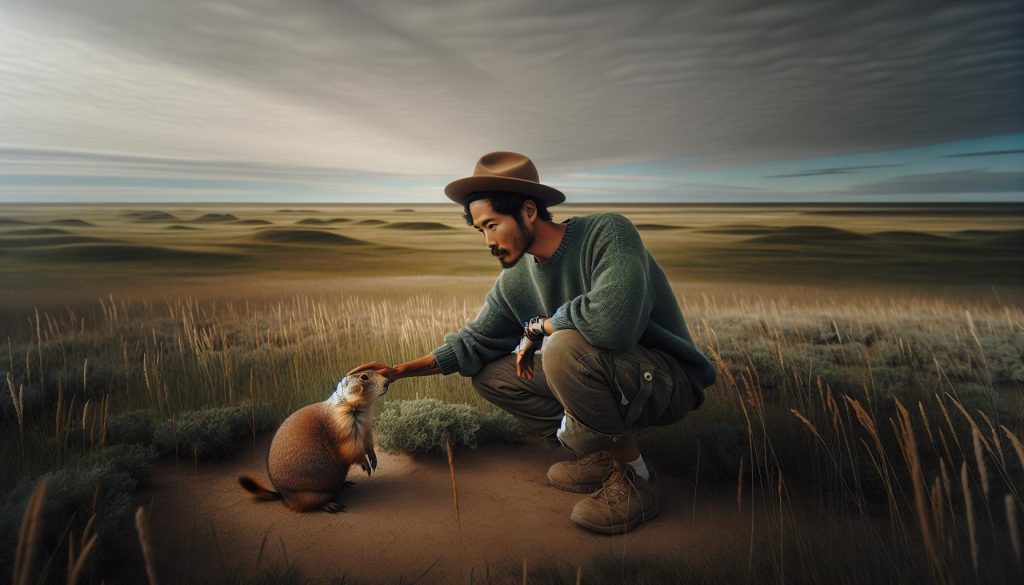
Have you ever wondered why prairie dogs, the lively and sociable residents of North America’s grasslands, are called “dogs”? This intriguing etymology traces back to the early American settlers, who were captivated by their bark-like calls reminiscent of dog barks. Understanding the name’s origin not only enriches our appreciation of these fascinating creatures but also highlights their vital role in the ecosystem. As you delve into the reasons behind the name, you’ll discover how prairie dogs contribute to both their environment and the anecdotes of wildlife enthusiasts everywhere. Join us on a journey to uncover the charming connections between these remarkable rodents and their canine namesakes, and see how this knowledge enhances your love for nature and wildlife conservation.
Origins of the Term “Prairie Dog” Explained
The name “prairie dog” might lead many to imagine a small canine darting across the grasslands, but the truth is both intriguing and a bit misleading. The term combines “prairie,” referring to the expansive grasslands of North America where these animals are predominantly found, and “dog,” a nod to their vocalizations that echo the barks of domestic dogs. This unique nomenclature reflects the convergence of nature and language, where the actions and sounds of creatures significantly influence their naming.
Historically, prairie dogs belong to the rodent family, specifically the genus Cynomys, which directly translates to “dog mouse” in Greek. Early European explorers and settlers noticed how these animals communicated with each other using a series of barks and whistles, reminiscent of canine calls. This auditory resemblance played a crucial role in their naming. Additionally, the social structures and behaviors displayed by prairie dogs, including their complex underground burrowing systems and communal living, further highlighted their unique characteristics, separating them from other rodents.
Interestingly, prairie dogs are often mistakenly associated with the term “dog” due to their social nature and alertness, qualities typically celebrated in canine companions. Their lively communities are intricately organized, showcasing a sophisticated social network that rivals the complexity found in some human societies. Such intricate social behaviors help reinforce their title as “dogs of the prairie,” serving as a delightful reminder of how language can evolve with context, blending observations of nature with human interpretation.
The Fascinating Etymology Behind “Dog
The charm of the name “prairie dog” captivates many, evoking images of both the vast grasslands of North America and the small, sociable creatures that inhabit them. The term intertwines “prairie,” indicating the open, treeless plains, and “dog,” a reference to the vocalizations of these intriguing rodents. Their barks, which closely resemble the sounds made by domestic dogs, captured the attention of early explorers and settlers, leading to this unique moniker.
Understanding the etymology further reveals fascinating insights into the characteristics of prairie dogs. The scientific name for prairie dogs is Cynomys, derived from Greek words that translate to “dog mouse.” This nomenclature illustrates the animals’ classification within the rodent family while highlighting their distinct behavioral traits. European settlers noted the animal’s communal lifestyle and alert nature, traits often celebrated in dogs, but expressed in a distinctly prairie environment.
The vocal communication of prairie dogs is particularly noteworthy. They engage in sophisticated patterns of barking and whistling, which signal various alerts and social interactions within their colonies. These complex communications resemble canine behavior, reinforcing their nickname. In a way, the term “dog” serves not just as a simple label but as a recognition of their intricate social systems and behavior patterns, which astonish wildlife enthusiasts and researchers alike.
Ultimately, the fascinating interplay of language and natural history results in the term “prairie dog,” reflecting not only their habitat and physiological traits but also their significant social dynamics. It beautifully encapsulates how our understanding of animals can evolve through interaction, observation, and the whims of language, revealing rich layers behind a name that, at first glance, seems straightforward.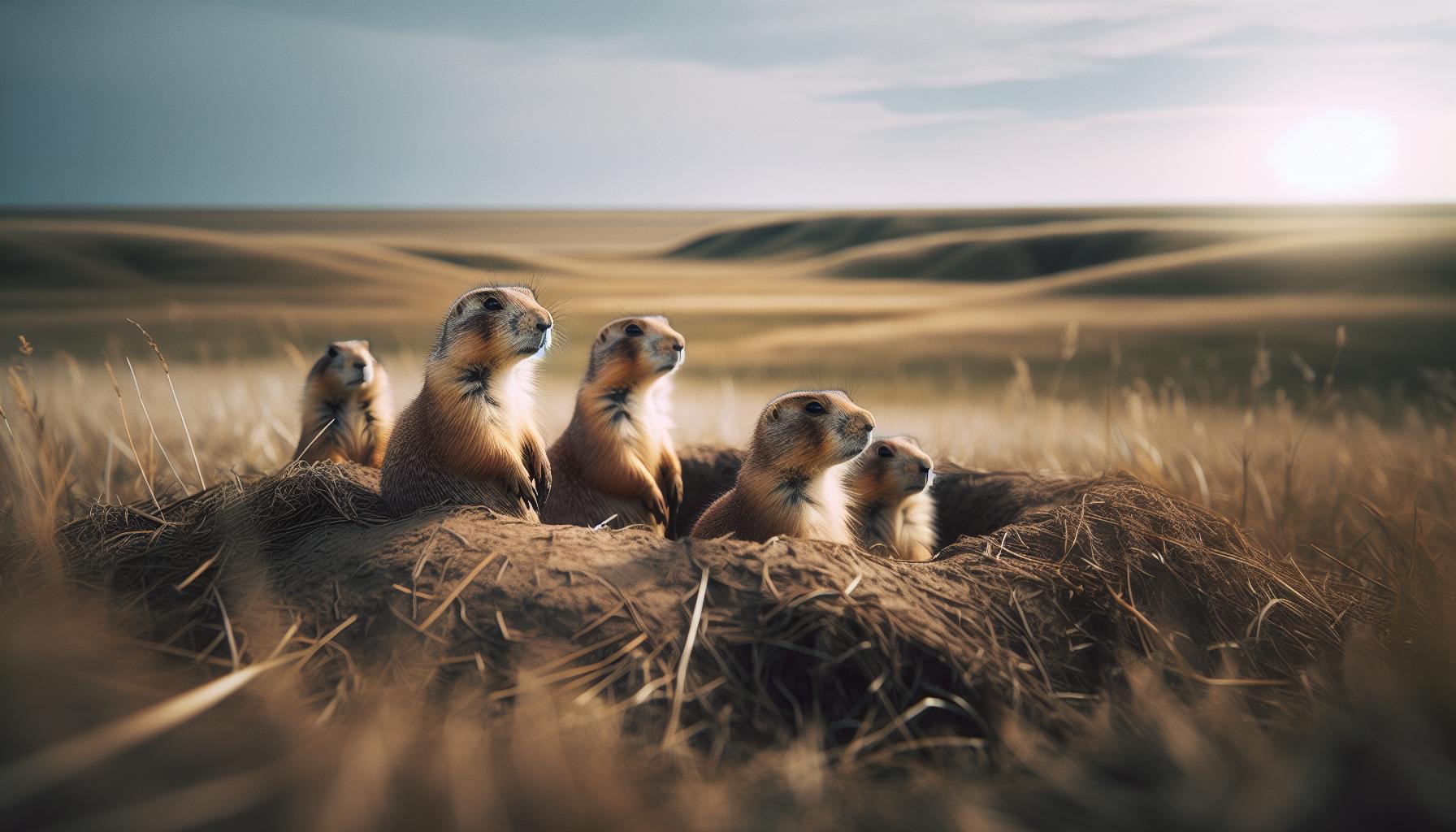
What Do Prairie Dogs Look Like?
Prairie dogs are undeniably charming with their compact size and vibrant personalities. Typically weighing between 1.5 to 3 pounds and measuring around 12 to 15 inches in length, these little creatures sport a stocky build perfectly suited for their burrowing lifestyle. Their short legs and small, rounded tails add to their endearing appearance, making them easily recognizable in their native habitats.
Their fur ranges from a sandy brown to a richer golden or grayish tone, providing excellent camouflage against the grasslands and prairies they inhabit. The color helps these small rodents blend into their surroundings, protecting them from various predators such as hawks and coyotes. In addition to their coloration, prairie dogs have distinct facial features, including a slightly flattened head and large, expressive eyes that convey their social nature.
A notable aspect of their anatomy is their strong front limbs, equipped with long claws designed for digging. These limbs enable prairie dogs to create extensive underground burrow systems that serve as homes and protection. These burrows not only house the prairie dogs but also provide safe spaces for raising pups, storing food, and avoiding harsh weather conditions.
Their social interactions are equally fascinating. Prairie dogs are known for their expressive body language and vocalizations, which include chirps, barks, and growls-sounds that helped inspire their “dog” nickname. These auditory signals facilitate communication within their large colonies, helping maintain group cohesion and alert others to potential dangers. Indeed, the blend of their physical attributes and social behaviors makes prairie dogs not only a vital part of their ecosystem but also an enduring subject of interest for wildlife enthusiasts and researchers alike.
Habitat and Lifestyle of Prairie Dogs
Prairie dogs are fascinating creatures that thrive in the vast grasslands of North America, showcasing a lifestyle as vibrant as their social structures. These small, burrowing rodents primarily inhabit prairies, plains, and open areas where they can easily dig their extensive underground networks, known as burrows. Their homes not only offer protection from predators like hawks and coyotes but also shield them from the elements, making these burrows crucial for their survival.
Living in family groups called “coteries,” prairie dogs exhibit remarkable social behaviors. They communicate through a complex system of vocalizations and body language, which is key to their community dynamics. Each coterie typically consists of several adults and their offspring, who work together to maintain their burrows and keep watch for dangers. For example, when a predator is nearby, a prairie dog might emit a specific call that alerts others, highlighting an impressive aspect of their social cooperation.
With their herbivorous diet primarily consisting of grasses, herbs, and seeds, prairie dogs play a significant role in their ecosystem as both grazers and foragers. This feeding behavior not only helps maintain the prairie environment but also benefits other species. The burrowing activities of prairie dogs aerate the soil, promote the growth of plants, and provide habitat for other animals, illustrating their importance to the ecological health of their surroundings.
In understanding why they are called “dogs,” it’s essential to note that the term originated from the unique vocalizations that resemble barking sounds, which are reminiscent of domestic dogs. Thus, these intriguing creatures have earned their canine-inspired name, blending their distinct lifestyle with a bit of linguistic whimsy. Through their burrowing, social behaviors, and unique habitat, prairie dogs continue to captivate wildlife enthusiasts and serve as a crucial part of the prairie ecosystem.
Behavioral Traits: Social Creatures of the Prairie
Prairie dogs are truly remarkable animals, celebrated not only for their charismatic presence but also for their intricate social structures. Living in organized family units known as “coteries,” these small rodents exhibit a level of social cooperation that’s both fascinating and vital to their survival. Each coterie typically comprises several adults, including both breeding and non-breeding individuals, as well as their young, all united by a common purpose: to protect and nurture their community.
Their communication skills are perhaps one of the most captivating aspects of their behavior. Prairie dogs utilize a complex system of vocalizations, which includes high-pitched barks and chirps that can convey detailed information about potential threats, food sources, or even the presence of rival groups. For example, when a prairie dog spots a predator, it will emit a specific alarm call that alerts other coterie members. This ability to convey nuanced messages is akin to having an advanced language system, highlighting their intelligence and the importance of community cohesion.
Living in such close-knit groups has its perks and challenges. Social structures offer protection against predators, as there are always watchful eyes on the lookout. The prairie dog’s burrows, which they dig together, serve both as homes and safe havens. These extensive underground networks also help in keeping the community connected, as they allow for easy movement and safe evacuation when danger is near. During daily activities like grooming and feeding, you’ll often observe these little ones sitting side by side, reinforcing their bonds and maintaining their social hierarchies.
In essence, prairie dogs embody the essence of cooperation. Their survival is a testament to the power of social dynamics in the animal kingdom, reminding us that community plays a critical role in the lives of many species. As such, understanding their behavior not only enriches our knowledge of these unique creatures but also enhances our appreciation for the delicate ecosystems they help sustain.
The Role of Prairie Dogs in Ecosystems
Prairie dogs play an essential role in their ecosystems, often referred to as “ecosystem engineers.” These fascinating creatures not only inhabit vast grasslands but also shape their environment significantly through their behaviors and interactions. By digging extensive burrow systems, prairie dogs create homes and habitats for numerous other species. Their underground networks provide refuge for animals like burrowing owls, foxes, and various insects, creating a bustling community beneath the surface.
The act of burrowing itself has profound effects on soil health. Prairie dog tunnels promote aeration and water infiltration, which benefits plant life and enhances the growth of grasses and other vegetation in the area. As they forage for food, prairie dogs also help in seed dispersion, which contributes to biodiversity. They primarily feed on grass, seeds, and roots, and their grazing habits can prevent overgrowth, promoting a healthier balance in the grassland ecosystem.
Moreover, prairie dogs serve as a vital food source for various predators, including coyotes, hawks, and eagles. This predator-prey relationship is crucial for maintaining population levels among these species. When prairie dog populations thrive, they support a healthy ecosystem by maintaining the balance of food webs. Conversely, a decline in prairie dog numbers can lead to disruptions in predator populations, showcasing their interconnectedness within the ecological framework.
Understanding the role of prairie dogs highlights how vital these small mammals are for their habitats. By conserving prairie dog colonies, we also protect the myriad of species that depend on them for survival. Regular awareness and conservation efforts can help ensure that prairie dogs continue their important work as keystones of their grassland communities, promoting biodiversity and ecological stability.
Common Misconceptions About Prairie Dogs
Many people are intrigued by prairie dogs and often have misconceptions about these fascinating creatures. One common myth is that prairie dogs are actually a type of dog due to their name. In truth, they are rodents, closely related to squirrels. The term “dog” in their name comes from the alarm calls they make, which resemble barking sounds. This leads to a mistaken belief that they share characteristics or lineage with actual canines.
Another misconception revolves around their behavior. Prairie dogs are social animals, living in colonies called towns that can encompass hundreds of individuals. While some may assume these creatures are solitary, their social structure is quite complex, characterized by a communication system that includes vocalizations and body language. Observing them in their natural habitat reveals an elaborate society where family members interact, groom each other, and even play.
Additionally, people often underestimate the ecological importance of prairie dogs. While some view them merely as pests due to their burrowing behaviors, they serve as essential components of their ecosystems. Their burrows provide homes for a variety of other species, such as burrowing owls and black-footed ferrets. This symbiotic relationship highlights their role in maintaining biodiversity within grassland habitats, contradicting the view of them as merely problematic rodents.
Lastly, there’s a misconception that prairie dogs pose no threats to agriculture or human activities. While their burrowing can lead to issues in pasture lands or near infrastructure, managing prairie dog populations in a sustainable manner can balance ecological benefits with agricultural practices. Recognizing the importance of these charming animals can foster conservation efforts that promote coexistence between human systems and natural habitats.
Prairie Dogs vs. Other Rodents: What’s the Difference?
Prairie dogs often spark curiosity not only because of their charming appearance and social behavior but also due to their classification among rodents. Unlike household pets such as dogs or cats, prairie dogs belong to a distinct group in the rodent family, specifically within the cynomys genus. This genus includes several species, the most common being the black-tailed prairie dog. Understanding what sets prairie dogs apart from other rodents requires a closer examination of their unique characteristics, habitat, and social structure.
Right off the bat, one significant difference lies in their social behavior. Unlike many solitary rodents, prairie dogs are highly social creatures that live in complex colonies known as “towns.” These towns can have hundreds of members, fostering a highly structured community where individuals interact closely. This social nature contrasts with other rodents like hamsters, which are typically solitary, or even squirrels that, while social, don’t form the same extensive, interconnected societies.
Another intriguing aspect is their communication system. Prairie dogs employ a sophisticated method of vocalizations, with distinct sounds serving to warn fellow colony members of potential dangers, such as predators. They exhibit varying tones and calls, which can convey information about the type of danger present. In this way, they stand out from other rodents, such as mice or rats, which tend to have more simplistic communication methods mainly focused on alarm calls without the nuanced meanings behind them.
Habitat and Ecology
Prairie dogs are superbly adapted to their grassland habitats. Their burrowing nature creates a network of tunnels that not only serves as their home but also impacts local ecosystems by aerating the soil and allowing water to penetrate deeper into the ground. These burrows are essential for other wildlife, providing shelter for species like the endangered black-footed ferret. In comparison, other rodents like voles or lemmings may dig burrows or create nests, but generally do not contribute as significantly to their ecosystem in terms of habitat modification and synergy with other animal species.
In summary, prairie dogs are fascinating rodents uniquely distinguished by their social behavior, complex communication, and ecological roles. Understanding these differences enhances our appreciation of prairie dogs and emphasizes their importance in the ecosystems they inhabit. So, next time you hear their barking alarms echoing across the prairie, remember that these are not just amusing creatures but critical players in the natural world, deserving of our respect and protection.
Cultural Significance of Prairie Dogs in Folklore
Across the Great Plains, prairie dogs not only contribute to their ecosystems but also hold a place in various cultural stories and folklore. Their peculiar name intriguingly derives from their distinctive barking, which resembles that of a dog. This audible alert system has fascinated many cultures, often leading to stories highlighting their role as both guardians of the prairie and symbols of community.
In Native American folklore, prairie dogs are often seen as messengers or creatures that bring good tidings. Some tribes view them as totems representing communication, social order, and diligence, reflecting their strong familial bonds and complex social structures. Tales tell of how prairie dog towns serve as places of safety, where community members watch over each other, reinforcing moral lessons about loyalty and cooperation. These stories are significant, promoting an understanding of the interconnectedness of life on the plains.
Even in popular culture, prairie dogs make appearances in literature and media, often depicted as whimsical or quirky animals. Their playful nature and social behaviors have inspired various characters in children’s books and cartoons, capturing the imaginations of young readers. These portrayals elevate the status of prairie dogs from mere wildlife to beloved characters, promoting interest in their conservation.
Moreover, the prairie dog’s role in ecosystems translates into broader cultural narratives about the balance of nature. They are seen as indicators of environmental health, prompting discussions on conservation and the importance of preserving diverse habitats. By engaging with their cultural significance, people can foster a greater appreciation for these creatures, prompting action to ensure their survival and the integrity of the ecosystems they support. Understanding the cultural backdrop of prairie dogs enriches the narrative around them, showcasing the blend of nature and human experience that defines our relationship with wildlife.
Conservation Challenges Facing Prairie Dogs
The rapid evolution of urban development and agricultural practices poses significant conservation challenges for prairie dogs. These social creatures rely on vast expanses of grassland to thrive, but as their habitats shrink, so do their populations. Urban sprawl, intensive farming, and the expansion of infrastructure disrupt their natural environments, leaving isolated colonies struggling to survive. Such fragmentation not only threatens the prairie dogs themselves but also risks destabilizing the ecosystems they help maintain.
In addition to habitat loss, prairie dogs face competition from non-native species and the encroachment of livestock. When cattle graze the land, they can degrade grasslands, further reducing the resources available for prairie dogs. Moreover, the public perception of prairie dogs as pests contributes to their decline; ranchers and farmers often perceive them as threats to crops and livestock, leading to lethal control measures that can decimate populations.
Despite these challenges, there are proactive steps that individuals and communities can take to support prairie dog conservation. Education is crucial; raising awareness about the ecological benefits of prairie dogs-such as their role in aerating soil and providing habitat for other species-can foster a more positive public image. Supporting local conservation initiatives and advocating for responsible land management practices can also help ensure these charismatic animals continue to thrive amidst mounting pressures.
Furthermore, engaging in habitat restoration efforts can make a substantial difference. Planting native grasses and reducing pesticide use can create healthier environments for prairie dogs. Collaborating with wildlife organizations can also provide essential resources and expertise to help mitigate these conservation challenges. By taking these collective actions, we can safeguard the future of prairie dogs and preserve the ecological balance of the Great Plains for generations to come.
How to Support Prairie Dog Conservation Efforts
The prairie dog, despite its name, is not a canine but rather a charmingly social rodent that significantly influences its grassland ecosystem. Supporting prairie dog conservation is crucial for maintaining biodiversity and the health of these habitats. Engaging in conservation efforts not only aids these remarkable animals but also enriches our connection to nature and encourages responsible stewardship of the environment.
One of the most impactful ways to help prairie dogs is by spreading awareness about their ecological roles. Prairie dogs are known as “ecosystem engineers,” as their burrowing activities aerate the soil, facilitate water absorption, and create habitats for many other species. You can start local initiatives or educational programs to inform your community about the benefits of prairie dogs. Hosting talks, sharing informative social media posts, or organizing school field trips can help reshape the perception of prairie dogs from pests to vital ecosystem contributors.
Additionally, supporting and volunteering with wildlife conservation organizations can further bolster these efforts. Many organizations focus specifically on prairie dog habitats and work on habitat restoration projects. You can participate in local clean-up days, assist in replanting native grasses, or advocate for policies that protect their environments. Your involvement can foster community spirit and attract more attention to prairie dog conservation needs.
Lastly, consider your personal impact. When out in nature, avoid disturbing prairie dog colonies and advocate for responsible land use among ranchers and farmers. Incorporating prairie-friendly practices, such as reducing pesticide use and promoting sustainable grazing methods, can create a harmonious balance between agriculture and wildlife. By choosing to support local, organic farms, you can encourage environmentally friendly practices that benefit not only prairie dogs but also the entire ecosystem. Together, these efforts can help ensure that prairie dogs continue to thrive in their natural habitats for generations to come.
Fun Facts About Prairie Dogs You Didn’t Know
Did you know that prairie dogs are not actually dogs at all? This charming nickname comes from their barking call, reminiscent of a dog’s bark. Prairie dogs are highly social rodents belonging to the ground squirrel family, and they live in vast underground colonies known as “towns.” Here are some fascinating facts about these unique creatures that might surprise you!
- Complex Communication: Prairie dogs have an elaborate system of vocalizations. They can convey specific information about predator type and distance through different sounds, acting almost like a language.
- Social Structure: These creatures live in close-knit family groups called “coteries.” Each coterie can consist of several females, a single male, and their young, displaying strong social behaviors and cooperation.
- Impressive Burrows: Prairie dog burrows can extend up to 30 feet deep and feature multiple entrances, chambers, and tunnels. These structures provide safety from predators and protection from harsh weather.
- Role in the Ecosystem: Known as “ecosystem engineers,” prairie dogs’ burrowing activities aerate the soil and promote nutrient cycling. Their towns also support a variety of other species, including burrowing owls, black-footed ferrets, and even prairie rattlesnakes.
- Short Lifespan: In the wild, prairie dogs typically live around 3-5 years, but they can live up to 8 years in protected environments. Their primary predators-such as hawks, eagles, and coyotes-pose significant threats to their lifespan.
By understanding these aspects of prairie dog life, we can appreciate their ecological importance and the behaviors that make them so special. Whether you’re an avid wildlife enthusiast or a casual observer, recognizing these fun facts can deepen your connection to the natural world and highlight the significance of prairie dog conservation efforts.
Frequently Asked Questions
Q: What is the origin of the name “prairie dog”?
A: The name “prairie dog” derives from the animal’s habitat and its barks, which sound similar to that of a dog. Native Americans partook in naming these creatures based on their behavior and social nature, likening their yips to the sounds made by dogs.
Q: Are prairie dogs actually related to dogs?
A: No, prairie dogs are not related to dogs. They belong to the squirrel family, Sciuridae, and share a closer relationship with ground squirrels than any canines. Their name stems from their bark-like calls, not from biological relations.
Q: Why are prairie dogs considered social animals?
A: Prairie dogs are highly social, living in colonies called “towns.” They communicate extensively through vocalizations, maintaining complex social structures and working cooperatively to ensure safety from predators. Their social behavior is integral to their survival.
Q: How does the etymology of “dog” develop in other animal names?
A: The term “dog” has been historically used in various animal names to describe behaviors or characteristics resembling those of dogs. For instance, “sea dog” refers to a seal, while “wild dog” can denote various canid species. This linguistic trend highlights observed similarities rather than direct relationships.
Q: What do prairie dog vocalizations signify?
A: Prairie dog vocalizations serve essential functions in communication, signaling different types of threats or coordinating group behavior. These sounds can indicate the presence of predators, alerting others in the colony to take cover.
Q: How do prairie dogs impact their ecosystems?
A: Prairie dogs play a crucial role in their ecosystems by aerating the soil through their burrowing activities, which enhances water absorption. Their colonies serve as habitats for various species, contributing to biodiversity in grassland ecosystems.
Q: What are common misconceptions about prairie dogs?
A: Many people mistakenly believe prairie dogs are pests or harmful to their environments. In reality, they are vital for the health of grasslands and support numerous other species through their activities, highlighting the importance of conserving their populations.
Q: Why is conservation important for prairie dogs?
A: Prairie dog populations are declining due to habitat loss and disease. Conservation is essential not just for their survival, but also for the myriad of other species that rely on them for food and habitat. Supporting prairie dog conservation helps maintain the balance of grassland ecosystems.
Insights and Conclusions
As we’ve explored, the name “prairie dog” has intriguing origins rooted in their social behavior and unique habitat. These fascinating creatures play a vital role in their ecosystem, often surprising us with their complex social structures. If you’re eager to learn more about wildlife behavior, don’t miss our articles on the social dynamics of other animals, like wolves or meerkats, which share similar community traits.
Join our newsletter for the latest insights on wildlife and conservation, and share your thoughts on prairie dogs in the comments below! Your engagement helps us bring amazing content to enthusiasts like you. If you want to see these adorable burrowers in their natural habitat, check out our guide on the best locations for prairie dog viewing. Together, let’s continue to discover and appreciate the wild wonders around us!
Get our latest guides, news, and insights highlighted in your Google Search & AI Overviews.