Did you know that prairie dogs are not just adorable burrowing rodents, but also play a crucial role in their ecosystems? Known as a keystone species, these social creatures help maintain the health of grassland habitats. Their burrowing activities aerate the soil and create homes for various other animals, promoting biodiversity. As you explore the fascinating world of prairie dogs, you’ll uncover how their presence impacts everything from soil health to predator-prey dynamics. Understanding these relationships not only deepens our appreciation for wildlife but also highlights the importance of conservation efforts for these unique animals. Join us as we delve into what truly makes prairie dogs essential players in their ecosystem and why protecting them matters to all of us.
What is a Keystone Species? Understanding the Concept
In the intricate web of ecosystems, some species play roles that extend far beyond their numbers, shaping their environment in profound ways. These species are called keystone species, a term coined by the ecologist Robert Paine in the 1960s. A keystone species has a disproportionately large impact on its ecosystem relative to its abundance. If removed, the effects can be dramatic, often leading to significant changes in the structure and function of the community. Think of a keystone as a single stone in an arch-remove it, and the entire structure may collapse.
One prime example of a keystone species is the prairie dog. These small, social mammals do more than just dig their burrows; they create complex underground networks that serve as homes for many other animals, such as burrowing owls and various insects. Their colonies, often referred to as towns, are vibrant ecosystems in themselves. The intricate interactions within these towns exemplify why prairie dogs are considered vital to maintaining biodiversity on the plains. They not only provide shelter but also modify the soil and vegetation around them, influencing the entire habitat.
Furthermore, the activities of prairie dogs affect the distribution of water and nutrients in their environment. Their digging aerates the soil, promoting the growth of plants and allowing rainwater to penetrate deeper. By feeding on grasses and other vegetation, they maintain a balance that prevents overgrowth, which can lead to habitat degradation. This dynamic role highlights the importance of prairie dogs not just as individual creatures but as essential contributors to the health and sustainability of their ecosystem. The loss of such a keystone species can trigger a chain reaction, negatively impacting a multitude of other species that rely on their habitats for survival.
Understanding the role of prairie dogs in their ecosystems reinforces the crucial idea that conservation efforts must focus not only on protecting these captivating creatures themselves but also on their habitats and the complex interactions that sustain biodiversity.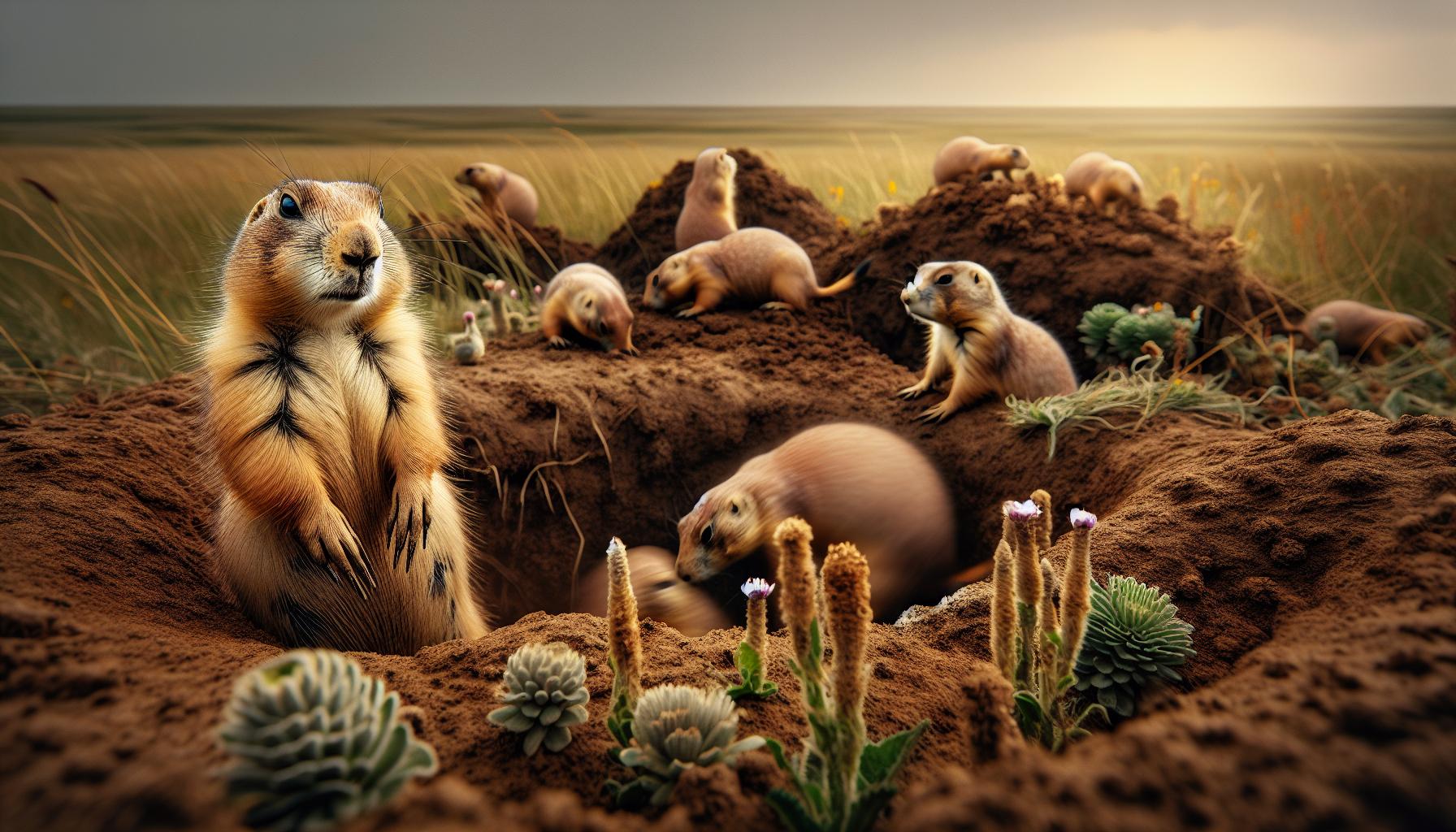
The Role of Prairie Dogs in Ecosystems
In the vast grasslands where prairie dogs thrive, these small, energetic mammals serve intricate roles that ripple through their ecosystem, making them quintessential keystone species. When you think of prairie dogs, imagine bustling towns filled with active residents, each contributing to a complex social structure and ecological balance. Their burrowing activities not only create intricate tunnel systems but also enhance the soil’s aeration and structure, allowing moisture and nutrients to penetrate deeper. This process aids in the growth of vegetation, which supports a variety of other wildlife.
Prairie dogs are more than just diggers; they act as landscape engineers. Their grazing habits help maintain the grassland ecosystem, preventing overgrowth and promoting biodiversity. By clipping vegetation, they create open spaces that allow different plant species to flourish, which in turn supports a diverse array of herbivores and predators. For instance, the presence of prairie dog colonies has been linked to thriving populations of burrowing owls and other ground-nesting birds, showcasing their crucial role in fostering various life forms.
Moreover, prairie dogs’ interactions with other species illustrate a finely tuned ecological dance. Their colonies serve as communal hubs for many animals, providing shelter and safety in numbers. In turn, other species like foxes and birds of prey rely on prairie dog towns for hunting opportunities. This interconnectedness shows how the health of prairie dog populations directly influences the overall health and stability of their ecosystems.
As they dig and create their towns, prairie dogs influence not just their immediate environment but also larger ecological processes. Their presence helps regulate soil health, water retention, and the availability of resources for a multitude of species. Protecting these remarkable animals and their habitats is essential, for their fate is intricately linked with the health of the entire prairie ecosystem-a true testament to the importance of keystone species in maintaining ecological balance.
How Prairie Dogs Support Biodiversity
In the heart of North America’s grasslands, prairie dogs stand out as remarkable contributors to biodiversity. These social rodents create a lively community that benefits a multitude of other species. When you think about prairie dogs, consider them as the architects of their ecosystem; their burrows provide not only shelter for themselves but also safe havens for numerous other animals. This intricate social structure supports various species, allowing for a diverse web of life to thrive.
One of the key ways prairie dogs support biodiversity is through their grazing habits. By clipping grasses and other vegetation, they prevent any single plant species from dominating the landscape. This maintenance of plant diversity creates ideal conditions for various herbivores, from insects to larger mammals, to thrive. For example, the presence of prairie dog colonies is often directly correlated with the abundance of species like black-tailed prairie dogs, which help sustain healthy populations of predators such as hawks and ferrets, all of which play critical roles in their ecosystems.
Additionally, prairie dog towns serve as a hub of activity, attracting a variety of species that benefit from the unique environment these colonies create. Ground-nesting birds, such as the burrowing owl, find excellent nesting sites among the burrows, while other predators, like coyotes and badgers, often hunt in these areas due to the high concentration of prey. The relationships formed here illustrate the interconnectedness of these species, showcasing the vital role prairie dogs play in maintaining the ecological balance.
Furthermore, prairie dog colonies enhance soil health through their digging and burrowing, which aerates the ground and contributes to water retention. This promotes the growth of vegetation that supports an entire community of organisms, from insects to larger herbivores and even carnivorous species. As the prairie dog interacts with its environment, it plays a vital part in fostering a vibrant ecosystem filled with life. Protecting these animals and their habitats is crucial not just for their survival but for the overall health of the prairie ecosystem itself.
Interactions with Other Species in Prairie Ecosystems
In the vibrant tapestry of prairie ecosystems, the interactions of prairie dogs with other species weave a complex yet fascinating narrative. These social rodents are not just inhabitants of the grasslands; they play a pivotal role in shaping the lives of numerous other creatures through their behaviors and habitat alterations. Imagine a bustling city underground, where prairie dogs dig extensive burrow systems that provide not only themselves but also various other animals with a place to thrive.
Their burrows are like apartments in a wildlife condominium. For example, ground-nesting birds, including the charming burrowing owl, often turn to prairie dog colonies as prime real estate for nesting. The open spaces maintained by prairie dogs help protect these birds from predators, creating a critical habitat for them to raise their young. Additionally, the presence of prairie dog towns increases prey availability for larger predators such as coyotes and badgers, who find hunting opportunities abundant thanks to the concentration of herbivores attracted to the now diverse vegetation these ecosystems boast.
Moreover, as prairie dogs graze on grasses, they maintain a delicate balance in the plant community. This grazing prevents certain plant species from becoming overly dominant, which in turn supports a variety of herbivores. For instance, insects such as grasshoppers thrive in these varied habitats, providing ample food for an array of birds and small mammals. The diversity of plant life nurtured by prairie dogs fosters a web of species interactions, illustrating the deep interconnectedness within these ecosystems.
The implications of these relationships extend beyond just survival; they have profound effects on the health of the prairie ecosystem. As the soil and vegetation flourish around prairie dog colonies, they not only support the immediate wildlife but also contribute to broader ecological processes like nutrient cycling and water retention. This, in turn, benefits countless other species-from insects to larger herbivores, creating a lively and dynamic environment teeming with life. In essence, prairie dogs exemplify the true essence of a keystone species, showcasing how one small animal can influence the fate of many within its habitat.
Impact of Prairie Dog Colonies on Soil Health
In the world of prairie ecosystems, prairie dog colonies do wonders beneath the surface-quite literally! These small, social rodents play a significant role in enhancing soil health, which in turn supports a diverse array of plant and animal life. When prairie dogs dig their extensive burrow systems, they not only create homes for themselves but also aerate the soil, which increases water infiltration and significantly improves the soil structure. This aeration is vital for root growth and the overall health of the grasslands, allowing various plants to thrive.
Moreover, the grazing habits of prairie dogs contribute to a healthy ecosystem by keeping vegetation in check. Their grazing prevents certain grasses from overtaking the habitat, maintaining a balance that supports a variety of plant species. This diversity of plants is crucial because different root systems contribute to soil stability and prevent erosion-essential for the integrity of prairie habitats. As various plants grow and decay, they add organic matter back to the soil, enhancing its nutrient content and creating a fertile environment for other organisms, from insects to larger herbivores.
The interaction between prairie dogs and their environment creates a ripple effect. As these rodents maintain their colonies, they help establish a rich microbial community in the soil. Microbes play a key role in breaking down organic material, recycling nutrients, and even aiding in nitrogen fixation, which is essential for plant growth. Healthy soil, enriched by the activities of prairie dogs, leads to vibrant plant growth, which can support an even greater diversity of wildlife.
In summary, the is profound. They not only support their immediate habitat through their burrowing and grazing behaviors, but they also contribute to nutrient cycling, water retention, and overall ecological balance. Prairie dogs are indeed the unsung heroes of the prairie, demonstrating how interconnected life is in maintaining the health of an ecosystem.
The Importance of Prairie Dog Behavior for Ecosystem Balance
Prairie dogs are social little creatures that have a big impact on their environment, and understanding their behavior reveals just how vital they are to maintaining ecological balance. These rodents don’t just occupy a niche-they’re part of a complex web of interactions that support a thriving prairie ecosystem. As they dig their extensive burrow systems, prairie dogs reshape the landscape in ways that benefit numerous other species, from insects to larger mammals. Their colonies serve as crucial habitats not only for themselves but also for a variety of other wildlife.
One of the most significant behaviors of prairie dogs is their communal living structure. By creating vast networks of tunnels and burrows, they provide shelter and protection, not just for their own species but also for predators and other small animals that may use these burrows for refuge. These active burrows keep the soil aerated, improving its health and structure, which supports a diverse range of plant life. Healthy vegetation, in turn, attracts herbivores and facilitates a balanced food web.
High population densities can lead to what ecologists call “ecosystem engineers,” where the presence of prairie dogs directly influences the distribution of other species. They graze on grasses, helping to modulate plant growth and prevent the overdominance of any single species. This grazing behavior keeps the grasslands vibrant and varied, allowing different plant species to flourish, which enhances habitat for pollinators and other animals.
Moreover, prairie dogs are remarkable diggers, and their burrowing activities significantly contribute to soil health by increasing nutrient cycling and moisture retention. These practices ultimately lead to a rich growing environment that benefits not just the prairie dogs but countless organisms in the ecosystem. Their role as a keystone species underscores how one animal can maintain the intricate balance of its habitat, demonstrating the delicate interconnections of nature that are essential for the survival of many species.
Threats to Prairie Dogs and Their Habitats
The plight of prairie dogs is a compelling narrative of resilience faced with adversity. As keystone species, their vibrant colonies support a myriad of life forms, yet they are under significant threat from various factors. Understanding these threats is crucial for both their survival and the health of the ecosystems they help nurture.
One of the primary challenges prairie dogs face is habitat loss due to agriculture and urban development. As fields are converted into cropland or sprawling cities, prairie dog colonies are often seen as nuisances and are consequently exterminated. This not only diminishes their numbers but also disrupts the intricate web of life that depends on them. Additionally, overgrazing by livestock in areas where prairie dogs reside can lead to soil degradation, significantly affecting the habitat quality they need to thrive.
Another critical issue is disease, particularly sylvatic plague, which can decimate prairie dog populations rapidly. Transmitted by fleas, this disease poses a severe risk, causing colonies to collapse and leaving behind barren patches of land that once bustled with life. Climate change further complicates this scenario by altering precipitation patterns and temperatures, which can impact the availability of vegetation and water resources essential for both prairie dogs and their associated wildlife.
Given these challenges, implementing conservation efforts is essential. Protecting large areas of prairie habitat and reintroducing prairie dogs into suitable environments can help rebuild their populations. Awareness and education about their ecological importance can also encourage local communities to adopt more prairie-friendly practices. By fostering a deeper understanding of prairie dogs as key players in their ecosystems, we can promote measures that safeguard their future, ensuring the prairie ecosystem remains a thriving tapestry of life.
Conservation Efforts for Prairie Dogs and Ecosystem Health
Maintaining healthy prairie dog populations is vital for preserving the intricate ecosystems they help support. These tiny architects of the prairie not only enhance soil health but also create habitats for numerous other species. However, the challenges they face are monumental, necessitating proactive conservation efforts that engage local communities and stakeholders.
One effective approach is to establish protected areas that ensure prairie dog colonies can thrive without the looming threat of urban sprawl or agricultural encroachment. Collaborations between conservation organizations and local governments can create designated reserves that safeguard these habitats. For instance, programs that incentivize landowners to implement prairie-friendly practices, such as excluding grazing livestock from certain areas, can help maintain the delicate balance of these ecosystems.
In addition to habitat protection, education campaigns are crucial. By elevating public awareness about the role of prairie dogs as keystone species, we can foster greater appreciation and support for their conservation. Schools, local wildlife organizations, and even social media platforms can serve as effective channels for spreading the word. Engaging storytelling-like sharing inspiring success stories of prairie dog conservation in action-not only captivates audiences but also motivates them to take part in preservation efforts.
Moreover, the integration of science and community-based initiatives can lead to impactful results. Citizen science projects, where residents monitor prairie dog populations and their habitats, allow individuals to contribute to conservation while gaining hands-on experience. Such initiatives can also provide valuable data that inform further conservation strategies. By empowering communities to take an active role, we’re not just protecting prairie dogs; we’re nurturing a broader commitment to wildlife and ecosystem health.
By implementing these multifaceted conservation strategies, we can ensure that prairie dogs continue to play their essential roles in maintaining the balance of their ecosystems. In a world where human activities increasingly disrupt natural habitats, these efforts remind us of the importance of preserving the delicate tapestry of life in our prairies.
Exploring the Human-Prairie Dog Relationship
Prairie dogs are often seen as mere nuisances by some, yet they play an integral role in the natural and socio-economic fabric of the prairies. Did you know that these social animals, with their complex burrowing systems, help aerate the soil while creating a haven for numerous other species? Their active presence not only enriches their own habitats but also invites a variety of wildlife to flourish. This unique relationship with their environment is mirrored in the interconnectedness they have with humans, making prairie dogs fascinating subjects of study for conservationists and wildlife enthusiasts alike.
One of the most notable aspects of the human-prairie dog relationship is the economic impact these creatures have on local ecosystems and agriculture. For instance, their burrowing behaviors create microhabitats that support various creatures, including insects and birds, contributing to biodiversity that can benefit local farmers. Healthy prairie dog colonies can indicate a thriving ecosystem, which can be an asset for ecotourism. Local communities are beginning to recognize the value of these animals not just for their ecological roles but also for the potential economic benefits stemming from education and wildlife viewing opportunities.
However, human activities pose significant threats to prairie dog populations. Urban expansion, agricultural practices, and misunderstanding of their role often lead to their indiscriminate extermination. This lack of awareness fuels conflicts between ranchers and prairie dog colonies, as some view them solely as competitors for grassland resources. To combat this, various educational initiatives focus on dispelling myths about prairie dogs and showcasing their ecological contributions. For example, outreach programs that involve local schools can foster a deeper understanding of these keystone species and highlight their roles as ecosystem engineers.
Despite the challenges, there are uplifting stories of communities coming together for prairie dog conservation. Collaborative projects between wildlife organizations and local stakeholders promote coexistence strategies that benefit both landowners and prairie dogs. By creating prairie dog-friendly policies and implementing habitat conservation techniques, communities can find ways to balance agricultural needs with ecological health. These efforts not only protect prairie dog populations but also strengthen the bond between humans and the delicate ecosystems we share.
Case Studies: Prairie Dog Ecosystems in Action
In the vast ecosystems of North America’s grasslands, prairie dogs emerge as remarkable architects, shaping not only their immediate environment but also supporting a complex web of life. One captivating case study is found in the grasslands of Colorado, where a thriving prairie dog colony has become a focal point for biodiversity. Here, the burrowing habits of prairie dogs create a unique habitat that benefits various species, from insects to larger mammals. For instance, their extensive tunnel systems offer shelter for predators like the ferret and provide nesting sites for birds such as the burrowing owl, showcasing the symbolic ‘canary in the coal mine’ role that these small creatures play in indicating ecosystem health.
Furthermore, studies in Montana highlight the role of prairie dogs in soil health and vegetation dynamics. The act of burrowing aerates the soil, allowing water and nutrients to penetrate deeper layers, thus promoting plant growth. This not only enhances the resilience of grasslands but also supports a diverse range of flora and fauna. Areas with healthy prairie dog colonies typically see a noticeable increase in plant variety-this biodiversity can provide crucial habitat for pollinators, whose populations are declining in many regions. The ripple effect of prairie dog activity creates a flourishing environment that ultimately sustains the health of the grasslands.
In south Dakota’s Black Hills region, conservation efforts for prairie dogs have shown positive outcomes for both ecosystems and local communities. By implementing protective measures and fostering understanding amongst ranchers and residents, stakeholders have witnessed not just the survival but the resurgence of prairie dog towns. As these communities thrive, so do a host of species that rely on prairie dogs for food and shelter. Eco-tourism has also emerged as a viable economic benefit, with wildlife enthusiasts drawn to observe the dynamic interactions within prairie dog towns.
This interconnectedness reveals that prairie dogs are not just a singular species but vital components of a larger community. Through various case studies, it becomes evident that their presence is a significant indicator of ecological stability and health, illustrating the essence of what it means to be a keystone species. As these little critters continue to thrive, they inspire a new generation of conservationists and wildlife enthusiasts to appreciate the richness of the ecosystems they help create.
Comparative Analysis: Keystone Species vs. Other Species
In the realm of ecosystems, keystone species like the prairie dog play a distinctive role that sets them apart from other species. Imagine a vibrant prairie landscape where the presence of prairie dogs creates a bustling community of life, influencing the very fabric of their environment. While many species contribute to their ecosystems, keystone species, such as prairie dogs, dramatically affect the structure and function of their habitats. Their unique behaviors and ecological contributions illustrate why they are so vital.
What Makes Keystone Species Unique?
A keystone species is one whose impact on its ecosystem is disproportionately large compared to its abundance. In contrast, many other species may have roles that, while important, do not catalyze broader ecological interactions. For instance, while a lion controls herbivore populations in the savannah, removing prairie dogs from the grasslands leads to significant changes in soil health and biodiversity. Through their burrowing activities, prairie dogs aerate the soil and create habitats not only for themselves but also for various animals and plants that rely on these burrows. This interconnectedness fosters a rich community of species that might otherwise struggle to survive.
The Ripple Effect of Prairie Dogs
Consider other species in the grassland ecosystem, such as bison or coyotes. While these animals can influence their surroundings – bison through grazing and coyotes as top predators – their effects aren’t as cascading as those of prairie dogs. The presence of prairie dogs promotes a system where grasses thrive, insects flourish, and a diverse array of species, including endangered ones like the black-footed ferret, depend on their colonies for shelter and food. This intricate relationship underscores the prairie dog’s role as a biological engineer, crafting a habitat that supports many life forms.
Comparative Interaction Models
To better understand this dynamic, we can compare prairie dogs with a general herbivore, like deer:
| Feature | Prairie Dogs (Keystone Species) | Deer (Regular Species) |
|---|---|---|
| Habitat Modification | Create burrows that aerate soil and provide habitat for multiple species | Grazing affects plant growth but does not create new habitats |
| Species Interaction | Facilitate relationships among various predators and prey | Indirectly influence food web without creating shelter or habitat |
| Impact of Removal | Leads to drastic declines in biodiversity and ecosystem health | May affect plant community structure, but ecosystem remains largely intact |
In summary, the prairie dog’s role is characterized by its ability to shape and support its ecosystem beyond mere survival. By comparing prairie dogs to other species, we see how keystone species function as foundational elements of their environments, illustrating the significance of their presence. These charming little creatures embody the essence of ecological balance, showcasing how something seemingly small can create ripples that benefit countless lives in their ecosystem.
The Future of Prairie Dogs: Challenges and Solutions
A fascinating feature of prairie dogs is their critical role as a keystone species, yet they face numerous challenges that threaten their populations and, consequently, the ecosystems they support. One of the most significant threats is habitat loss, primarily due to agricultural expansion, urban development, and other human activities. As grasslands are converted into cropland or cities, prairie dog colonies shrink, disrupting the intricate web of life that depends on them. This habitat fragmentation can lead to isolated colonies, making it difficult for prairie dogs to find mates, access food sources, and maintain genetic diversity.
In addition to habitat loss, prairie dogs are often targets of ranchers and farmers who view them as pests, leading to widespread poisoning and shooting campaigns. While these actions may seem beneficial for livestock, they overlook the broader ecological impact. The absence of prairie dogs can lead to increased soil erosion, reduced plant diversity, and diminished habitats for other species. Moreover, without prairie dogs to aerate the soil and create burrows, other wildlife that relies on these structures for shelter and food may decline.
To address these challenges, concerted conservation efforts are essential. Habitat restoration initiatives, such as reestablishing prairie dog colonies in suitable areas, can have beneficial impacts. Creating protected areas where development is restricted allows prairie dog populations to grow and thrive without the threat of human interference. Educating the public about the ecological role of prairie dogs and the importance of biodiversity can foster a more wildlife-friendly attitude among communities, ultimately aiding in their protection.
Effective management practices also involve integrating ranching with wildlife conservation. Livestock grazing can be managed in a way that coexists with prairie dog habitats, promoting both agricultural productivity and ecological health. This holistic approach acknowledges that healthy prairie ecosystems can benefit livestock operations in the long term by ensuring sustainable land use and enriching the soil.
With informed action and a commitment to coexistence, we can help secure a future where prairie dogs continue to contribute to the vitality of their ecosystems, showcasing how preserving one keystone species can support a cascade of life in grassland environments.
Frequently Asked Questions
Q: Why are prairie dogs considered a keystone species?
A: Prairie dogs are classified as a keystone species because their presence significantly influences the structure of their ecosystem. Their burrowing activities aerate the soil and provide habitats for numerous other wildlife, making them essential for maintaining biodiversity.
Q: What is the ecological role of prairie dog colonies?
A: Prairie dog colonies serve multiple ecological roles. They create habitats for various species, such as burrowing owls and ferrets, and their burrows help manage soil health and moisture levels. This enhances plant growth, supporting a diverse array of other animals.
Q: How do prairie dogs impact soil health?
A: Prairie dogs improve soil health through their burrowing activities, which aerate the soil and enhance nutrient cycling. These actions help retain water and support plant communities, leading to healthier grasslands overall.
Q: What species depend on prairie dogs for survival?
A: Many species depend on prairie dogs for survival, including the black-footed ferret, burrowing owl, and various reptile species. These animals rely on prairie dogs for food, shelter, and ecological stability within their habitats.
Q: How do prairie dogs promote biodiversity in their ecosystems?
A: Prairie dogs promote biodiversity by creating complex tunnel systems that provide homes for numerous species. Their grazing patterns help maintain plant diversity, allowing various grasses and forbs to thrive in the ecosystem.
Q: What threats do prairie dogs face that impact their keystone role?
A: Prairie dogs face threats such as habitat loss, disease, and human encroachment. These factors can reduce their populations, disrupting the balance of the ecosystems they support and negatively affecting other species dependent on them.
Q: How can prairie dog conservation efforts benefit ecosystems?
A: Prairie dog conservation is crucial for ecosystem health as it helps maintain the species’ population, ensuring continued soil aeration and habitat creation. This, in turn, supports the diverse wildlife that relies on prairie dogs, promoting overall ecological balance.
Q: In what ways does human intervention affect prairie dog habitats?
A: Human intervention affects prairie dog habitats primarily through urban development, agriculture, and recreational activities, leading to habitat fragmentation and loss. Effective management and conservation strategies can mitigate these impacts and support prairie dog colonies.
Future Outlook
Understanding why prairie dogs are considered a keystone species reveals their crucial role in maintaining healthy ecosystems. They not only support a variety of wildlife but also contribute to soil health and plant diversity. This dynamic interaction highlights the urgency of conserving their habitats amidst growing threats. Taking action now can help ensure that future generations experience the ecological benefits prairie dogs provide.
If you found this exploration insightful, dive deeper into related topics like “The Role of Prairie Dogs in Supporting Biodiversity” or “Conservation Strategies for Grassland Ecosystems.” For ongoing updates and expert insights, consider signing up for our newsletter. Your engagement is crucial in spreading awareness-share this with fellow wildlife enthusiasts and let’s discuss how we can all make a difference together. Remember, every little effort counts in the fight for conservation!
Get our latest guides, news, and insights highlighted in your Google Search & AI Overviews.