Did you know that prairie dogs are not actually dogs at all? These fascinating creatures, known scientifically as Cynomys, are social rodents vital to their ecosystems. Understanding their scientific name and taxonomy is important not just for wildlife enthusiasts but also for anyone interested in conservation efforts. This knowledge helps us appreciate their role as “ecosystem engineers,” creating habitats for numerous other species. By delving into the scientific classification of prairie dogs, we can uncover the intricate connections in their natural habitats and the challenges they face. Join us as we explore the classification of prairie dogs and discover why these charming burrowers are essential to the prairie ecosystem-ensuring that you’ll never look at them the same way again!
What Is the Scientific Name for a Prairie Dog?
The prairie dog is a charming and sociable member of the rodent family that captures the attention of wildlife enthusiasts and casual observers alike. Scientifically, prairie dogs belong to the genus Cynomys, and they are classified within the family Sciuridae. This classification helps define their physical characteristics, behaviors, and ecological impact. There are five species of prairie dogs: the black-tailed prairie dog (Cynomys ludovicianus), the white-tailed prairie dog (Cynomys leucurus), the Gunnison’s prairie dog (Cynomys gunnisoni), the Mexican prairie dog (Cynomys mexicanus), and the Utah prairie dog (Cynomys parvidens). Each species has adapted to its own habitat and plays a unique role in its ecosystem.
Understanding the taxonomy of prairie dogs not only enriches our knowledge of their biology but also highlights their importance within the rodent family. For instance, prairie dogs are characterized by their short, stocky bodies and strong hind legs, enabling them to dig extensive burrow systems. These systems are crucial for their survival, providing shelter from predators and harsh weather. The social structure of prairie dogs is remarkably intricate, featuring complex communication systems and social behavior that scholars continue to study. By observing prairie dogs in their natural habitat, one can appreciate the nuanced relationships they share within their colonies, which often number in the hundreds or even thousands.
Included within the broader scientific context is the fact that prairie dogs serve as a keystone species in the grassland ecosystems they inhabit. Their burrowing activities aerate the soil, promote water retention, and create habitats for a variety of other species. Thus, acknowledging their scientific classification and ecological significance is vital for conservation efforts aimed at preserving these unique animals and the environments they support.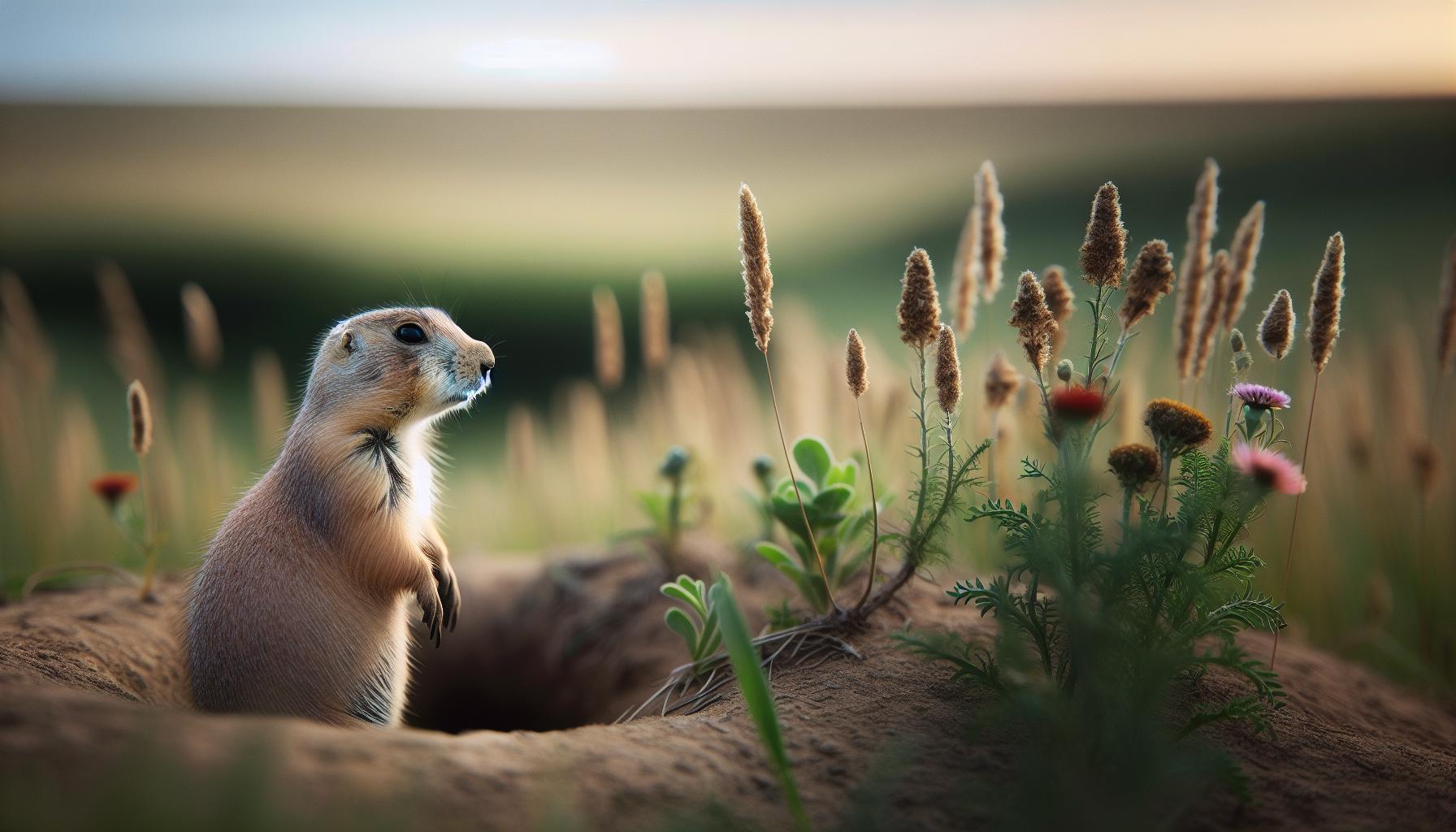
Understanding Prairie Dog Taxonomy
Recognizing prairie dogs as remarkable creatures goes beyond their social behavior; it involves understanding their taxonomy. All prairie dogs belong to the genus Cynomys, nestled within the family Sciuridae, which also includes squirrels and marmots. This classification sheds light on their evolutionary adaptations and illustrates their specialized traits. Prairie dogs are distinguished by their stout bodies, strong hind limbs, and sharp claws, perfect for their burrowing lifestyle. These adaptations are vital, as they craft extensive underground networks that not only serve as homes but also protect them from predators.
The genus Cynomys encompasses five distinct species, each adapted to different environmental conditions. These species are:
- Black-tailed prairie dog (Cynomys ludovicianus): Commonly found in the Great Plains, known for its distinctive black-tipped tails.
- White-tailed prairie dog (Cynomys leucurus): Recognizable by its white tail and typically inhabits the western regions of North America.
- Gunnison’s prairie dog (Cynomys gunnisoni): Found in the mountainous regions of Colorado and surrounding areas, it’s smaller than the black-tailed prairie dog.
- Mexican prairie dog (Cynomys mexicanus): A less common species, primarily located in northern Mexico and parts of the southwestern United States.
- Utah prairie dog (Cynomys parvidens): Endemic to Utah, it is one of the most endangered prairie dog species.
Each species showcases unique adaptations to its particular habitat, exemplifying the rich diversity within the Cynomys genus. This diversity not only highlights the evolutionary pathways of prairie dogs but also emphasizes the importance of preservation efforts for their varied habitats. Understanding their taxonomy is crucial for conservation, as it allows us to appreciate the specific ecological roles these animals play in maintaining the health of grassland ecosystems. Whether through aerating the soil or serving as prey for larger animals, prairie dogs are essential to their environment.
The Different Species of Prairie Dogs
With their playful antics and complex social structures, prairie dogs have captured the hearts of many wildlife enthusiasts. These fascinating animals belong to the genus Cynomys, which is home to five distinct species, each showcasing unique adaptations tailored to their specific habitats. Let’s dive deeper into these remarkable varieties.
Black-tailed Prairie Dog (Cynomys ludovicianus)
The black-tailed prairie dog is the most recognized of all prairie dogs and is commonly found across the Great Plains of North America. These small mammals are best known for their distinctive black-tipped tails, which add a splash of color to their otherwise sandy or light brown coats. Their colonies can be quite extensive, sometimes spanning hundreds of acres. They utilize complex burrow systems that serve as both homes and protection against predators.
White-tailed Prairie Dog (Cynomys leucurus)
In contrast, the white-tailed prairie dog typically inhabits the western regions of North America. As their name suggests, these prairie dogs feature a prominent white tail, which can be a helpful distinguishing characteristic. They thrive in open grasslands and play a crucial role in aerating the soil, which benefits the overall ecosystem health.
Gunnison’s Prairie Dog (Cynomys gunnisoni)
Gunnison’s prairie dog is native to the mountainous areas of Colorado and its surroundings. These smaller prairie dogs are particularly intriguing, as they exhibit a more limited range compared to their black-tailed counterparts. They are known for their unique vocalizations, which serve as alarms to communicate potential dangers among their colonies.
Mexican Prairie Dog (Cynomys mexicanus)
The Mexican prairie dog is less commonly seen and is primarily found in northern Mexico and parts of the southwestern United States. This species has experienced significant habitat loss, contributing to its decline. As they are primarily found in smaller, fragmented populations, conservation efforts are crucial for their survival.
Utah Prairie Dog (Cynomys parvidens)
Last but not least, the Utah prairie dog is endemic to Utah and is considered one of the most endangered species within the genus. Its habitat is limited, primarily to the state, making preservation efforts vital. These prairie dogs face threats from urban development and agricultural expansion, placing them at high risk of extinction.
Understanding these species helps highlight the importance of conservation efforts. Each species of prairie dog plays a vital role in its ecosystem, whether by improving soil health or serving as prey for larger animals. By appreciating the diversity within the Cynomys genus, we can better recognize the need to protect these charming inhabitants of the plains and grasslands.
Unique Traits of Prairie Dogs
Prairie dogs are not only charming but also fascinating creatures with unique adaptations that help them thrive in their environments. One of their most notable traits is their complex social structure, which resembles a bustling metropolis. Living in large colonies called “towns,” these social animals communicate through a diverse array of vocalizations, including barks and chirps, to warn each other of predators or to coordinate activities. Each species has its own dialect, making them a subject of interest among biologists studying animal communication.
Another striking characteristic of prairie dogs is their impressive burrowing behavior. These animals build extensive underground tunnel systems that can reach several feet deep and span over 100 acres. These burrows provide safety from predators, shelter from extreme weather, and serve as nurseries for young. The architecture of a prairie dog town can include multiple entrances, living chambers, and even separate areas for waste disposal, showcasing their intelligence and adaptability.
In addition to their impressive social lives and construction skills, prairie dogs play a crucial role in their ecosystems. Their digging helps aerate the soil, which promotes the growth of vegetation in their grassy habitats. This action not only benefits them but also supports other species, as more plants mean more food and shelter for various wildlife. Furthermore, their burrows become homes for other animals, such as burrowing owls and certain species of snakes, creating a community reliant on their habitat modifications.
These traits highlight the incredible adaptability and ecological importance of prairie dogs. By understanding their behavior and role in the ecosystem, wildlife enthusiasts and researchers alike can better appreciate and advocate for the conservation of these remarkable animals. Whether observing their playful antics or studying their vocal exchanges, prairie dogs truly embody the spirit of life’s interconnectedness in the grasslands.
The Behavior and Social Structure of Prairie Dogs
Prairie dogs are not just adorable critters; they are also social dynamos, living in elaborate communities that resemble bustling cities. These groups, known as “towns,” can consist of hundreds, if not thousands, of individuals who exhibit a level of social organization that is truly remarkable. Within their colonies, prairie dogs utilize a complex system of vocalizations-ranging from barks to chirps-to communicate important information. This includes alerts about predation and updates on the activities taking place in their town. Each prairie dog species has developed its own unique dialect, capturing the interest of wildlife researchers who study these fascinating patterns of communication.
In addition to their vocal prowess, prairie dog behavior showcases a structured hierarchy. The social dynamics often revolve around family units called “coteries,” which typically consist of one adult male, several females, and their offspring. These groups actively defend their territory against intruders, reflecting a well-defined social structure and communal responsibility. Interactions are frequent, involving grooming, play, and even elaborate courtship displays, further strengthening their social bonds.
Prairie dogs are also adept architects, constructing intricate burrow systems that serve multiple purposes. These underground networks provide shelter and protection from predators while also functioning as nurseries for young pups. The tunnels can extend several feet below ground and span vast areas above, offering various chambers for resting and waste disposal. This impressive engineering not only benefits prairie dogs but also creates microhabitats for other species, like burrowing owls and rattlesnakes, underscoring their central role in the ecosystem.
Overall, the social structure and behavior of prairie dogs highlight their adaptability and importance in the grassland environments they inhabit. Observing these lively mammals can provide fascinating insights into the complexities of animal society, making them a favorite subject for wildlife enthusiasts and casual observers alike.
Prairie Dog Habitat and Distribution
Prairie dogs are remarkable creatures that inhabit the expansive grasslands of North America, thriving in open environments where they can dig their extensive burrow systems. These burrows not only provide shelter from harsh weather but also serve as a defense mechanism against predators like hawks and coyotes. The primary species, the black-tailed prairie dog (Cynomys ludovicianus), is predominantly found in the Great Plains, stretching from Canada down to Mexico, and is known for its distinctive vocalizations and social structures.
They prefer flat, open areas that allow for visibility of approaching dangers, which is essential for their survival. You’ll often find them in regions that feature shortgrass and mixed-grass prairies, where vegetation is sparse enough to allow for clear lines of sight, yet abundant enough to provide food. In these habitats, their burrowing behavior significantly impacts the ecosystem. By aerating the soil and helping to cycle nutrients, prairie dogs contribute not only to their immediate environment but also facilitate the growth of diverse plant species that support other forms of wildlife.
The distribution of prairie dog populations also reveals interesting patterns. While they were once more widespread, urban development and agricultural expansion have drastically reduced their range. Conservation efforts are crucial in preserving these habitats, as they support a variety of other species that depend on prairie dog towns, including predators like the black-footed ferret, which relies on prairie dogs as a food source. Understanding the relationship between prairie dogs and their environment emphasizes the importance of preserving these unique ecosystems for future generations to witness and enjoy.
In short, prairie dogs are more than just charming faces in the grasslands; they are vital players in their ecosystems. Their habitat choices reflect their unique adaptations and social behaviors, offering wildlife enthusiasts and casual observers alike a delightful glimpse into the complex interdependence of species in their natural world.
Diet and Feeding Habits of Prairie Dogs
When it comes to feeding, prairie dogs are fascinating creatures with specific dietary needs that reflect their natural habitat. These social animals primarily feast on a variety of grasses, herbs, and leaves, making them herbivores that thrive on a high-fiber diet. You might find it intriguing that prairie dogs are particularly attracted to the tender shoots of plants, which provide vital nutrients and energy for their active lifestyles. In the wild, their diet is rich and varied, helping to sustain their energetic and social behavior.
In captivity, it’s essential to mimic their natural diet to maintain their health. Caregivers often provide a well-rounded mix that includes high-quality commercial prairie dog food, hay (which should make up the bulk of their diet), and fresh vegetables. Commercial foods are designed to give a balanced nutrient profile, but they shouldn’t replace the natural foraging behaviors that prairie dogs engage in. Providing fresh hay-like timothy hay or alfalfa-offers both the nutrition they need and the texture they enjoy shredding.
You can enhance their diet further with safe, fresh vegetables, ensuring they receive vitamins and minerals crucial for optimal health. Leafy greens, carrots, and bell peppers are great options, but remember to introduce new foods gradually to prevent digestive upset. An important aspect of their feeding habits is to avoid high-fat foods and fruits that contain excessive sugars, as these can lead to obesity and other health issues. Educating yourself about their dietary needs will not only enhance your experience as an owner but also contribute positively to the well-being of these delightful animals.
Additionally, understanding how prairie dogs forage and eat in the wild can deepen your appreciation for their behavior. They often consume their meals while standing upright or sitting, using their dexterous paws to manipulate food, displaying a cute yet practical approach to dining. This behavior not only showcases their unique adaptations but also their social interactions, as they often eat in groups, reinforcing their community bonds. By ensuring your prairie dog enjoys a balanced and varied diet, you are helping to sustain their health and happiness while respecting their natural instincts.
Conservation Status and Threats to Prairie Dogs
As social creatures of the plains, prairie dogs play a vital role in their ecosystems, yet they face severe threats that jeopardize their existence. The conservation status of prairie dogs is critically important because these fascinating mammals are designated as a species of concern due to their declining populations. The primary reason for their decline is habitat loss caused by urban development, agricultural expansion, and the conversion of grasslands into cultivated fields. Additionally, prairie dogs are often considered pests, leading to extermination efforts that further threaten their numbers.
Despite their importance, especially as a keystone species-meaning their presence in the ecosystem benefits many other species-prairie dogs are often misunderstood. Their burrowing activities aerate the soil and create habitats for other animals, including burrowing owls, foxes, and various plants that depend on disturbed ground to thrive. These intricate burrow systems can also help retain moisture in the soil, benefiting the overall health of the grasslands they populate.
Conservation Efforts
To boost prairie dog populations, several organizations and government initiatives work tirelessly on conservation programs aimed at habitat restoration and protection. For instance, habitat corridors are being established to connect isolated prairie dog colonies, promoting genetic diversity and allowing new populations to thrive. Education initiatives that raise awareness of the ecological roles of prairie dogs are also essential; they help change public perception, converting disdain into respect and appreciation.
Despite these efforts, prairie dogs remain at risk from factors like climate change and prairie dog plague-an infectious disease that can devastate populations. The ongoing battle to protect and conserve prairie dogs requires cooperation between wildlife agencies, conservation organizations, and local communities to ensure these remarkable animals continue to thrive in their native habitats. As wildlife enthusiasts, our role is to support these conservation efforts and champion the importance of all species within this intricate web of life. By advocating for prairie dogs, we contribute to the health of entire ecosystems, underscoring the vital interconnections in nature.
The Role of Prairie Dogs in Ecosystems
Prairie dogs are more than just adorable burrowing rodents; they play a crucial role in the ecosystems of the great plains. As keystone species, their presence significantly affects the structure and dynamics of their habitat. One fascinating aspect of prairie dogs is how their extensive burrow systems benefit not only themselves but also a myriad of other species. These burrows provide shelter for other animals, such as burrowing owls, black-footed ferrets, and various insects, creating a rich, interconnected community.
The burrowing behavior of prairie dogs also has essential ecological functions. By digging and maintaining their networks of tunnels, they aerate the soil, allowing for better water infiltration. This aeration helps reduce runoff and promotes soil health, which in turn supports the growth of grasses and other plants that are vital for the overall ecosystem. The abandoned burrows serve as habitats for a variety of other species, creating additional niches in the environment.
Moreover, prairie dogs are significant contributors to the nutrient cycle in their habitats. Their foraging activities help control vegetation growth, allowing diverse plant species to flourish. By keeping certain plants in check, they maintain the balance within the grassland ecosystem. Furthermore, their waste provides essential nutrients to the soil, benefiting plant growth and keeping the entire community vibrant.
Ultimately, understanding the ecological significance of prairie dogs is vital for conservation efforts. These small mammals help sustain a complex web of life in their ecosystems, ensuring that numerous other species, including humans, can thrive in the grasslands. So, the next time you spot a prairie dog emerging from its burrow, remember that this charming critter holds the key to a healthy and diverse ecosystem!
Interesting Facts About Prairie Dogs
Did you know that prairie dogs communicate using a sophisticated system of vocalizations, much like a language? These charming little rodents belong to the family Sciuridae and are classified within the genus Cynomys, which translates to “dog-like.” Their ability to alert each other about predators through elaborate calls is as fascinating as it is practical, showcasing their social structure and intelligence.
Social Structure & Communication
Prairie dog colonies, called “coteries,” can consist of dozens to hundreds of individuals living in a complex social hierarchy. Their communication involves a rich repertoire of sounds and even specific warnings for different predators, from hawks to coyotes. This social dynamic is crucial for their survival, as it enhances their ability to react swiftly to threats.
Unique Adaptations
Interestingly, prairie dogs have adapted to their environment in remarkable ways. Their burrows not only provide protection from predators but also help regulate temperature, keeping them cool in summer and warm in winter. These burrows are intricate networks that can reach an impressive depth of up to 10 feet and stretch over several acres, serving as homes for various other species, including insects and small mammals.
Ecological Impact
Finding prairie dogs is not just about observing them; it’s about understanding their role in the ecosystem. They are considered a keystone species because their activities significantly impact the grasslands. Their digging aerates the soil, improving water absorption, while their grazing habits help maintain the vegetation structure, ensuring biodiversity in their habitats.
In pop culture, prairie dogs often depict the playful and comical aspects of wildlife, and they have been featured in movies and cartoons, embodying the themes of friendship and community through their vibrant social interactions. Whether you’re a budding wildlife enthusiast or a seasoned naturalist, prairie dogs reveal the fascinating complexities of nature, providing endless opportunities for exploration and admiration.
How Prairie Dogs Are Portrayed in Pop Culture
Prairie dogs, with their endearing antics and vibrant social structures, have captivated audiences in various forms of media. These small, sociable rodents are often depicted in cartoons and films, emphasizing their playful nature and strong community ties. An iconic representation can be found in family-friendly movies where prairie dogs are shown as cute and humorous characters, often involved in adventures that highlight the bond of friendship and teamwork. Their distinctive vocalizations and behaviors make them ideal candidates for animated portrayals that resonate with both children and adults.
In reality, prairie dogs communicate through a sophisticated language of chirps and barks, which is sometimes humorously anthropomorphized in pop culture. They are frequently featured in children’s books and educational programs where their unique social habits are presented as entertaining, yet informative, aspects of wildlife. This not only helps raise awareness about the species but also fosters a sense of empathy and respect toward wild animals among young audiences.
Despite their whimsical characterizations, prairie dogs also play a serious role in ecological narratives. Documentaries may focus on their impact on grassland ecosystems, showcasing how their digging habits aerate soil and support biodiversity. This connection between their representation in popular culture and their vital ecological functions helps reinforce the importance of conservation efforts.
As we engage with media portrayals of prairie dogs, it’s essential to recognize both their charm and their significance within the ecosystem. By celebrating these delightful creatures in entertainment while promoting an understanding of their natural behaviors and environments, we can inspire a deeper appreciation for wildlife conservation. Whether they are starring as comic relief in a children’s show or serving as subjects in nature documentaries, prairie dogs offer a rich tapestry of cultural and ecological narratives that continue to enchant and educate.
Caring for Prairie Dogs as Pets
Keeping prairie dogs as pets can be a rewarding experience, but it comes with specific responsibilities and care requirements. These fascinating rodents, scientifically known as Cynomys, are social animals that thrive in a community setting. If you’re considering adding one to your household, it’s crucial to understand their needs and habits.
First and foremost, prairie dogs require a spacious habitat. A well-constructed enclosure mimicking their natural burrowing environment is essential. Aim for a multi-level setup with plenty of room to dig and explore; a cage measuring at least 6 feet long, 3 feet wide, and 3 feet high is ideal. This lets them exhibit their natural behavior, which is critical for their wellbeing. Use materials like safe wood chips or shredded paper for bedding, as these provide comfort and stability.
Moreover, their diet plays a vital role in their health. Prairie dogs are herbivorous and require a mix of hay, fresh vegetables, and specially formulated prairie dog pellets. Offer a variety of greens such as lettuce, carrots, and bell peppers, but avoid sugary foods and those high in fat. Fresh water should always be available, either in a heavy bowl or a water bottle designed to prevent spills and contamination.
In terms of socialization, prairie dogs are not solitary creatures. They thrive in social groups, so consider adopting more than one. However, introducing new prairie dogs should be done carefully to ensure they get along. Spend time sitting near their enclosure to let them acclimate to your presence, and gently handle them once they seem comfortable.
Lastly, while they can be adorable companions, it is difficult to replicate their complex social structures and environmental needs fully. Therefore, check local regulations regarding pet prairie dogs. In some areas, owning them may require permits, or it may not be permitted at all due to their wild nature. By understanding and respecting their needs, you can provide a loving and suitable environment for these unique animals.
Tips for Observing Prairie Dogs in the Wild
Observing prairie dogs in their natural habitat can be a delightful experience, revealing the complexities of their social behavior and the bustling ecosystems they inhabit. Did you know that prairie dogs are highly social animals that communicate with each other using a variety of vocalizations? When you venture into the plains where these charming rodents live, make sure to equip yourself with some helpful tips to enhance your wildlife observation adventure.
Firstly, choose the right time of day for your visit. Early mornings or late afternoons are ideal, as prairie dogs are most active during these cooler parts of the day. During these times, you’ll not only see them foraging but also engaging in social interactions, such as grooming or playing. Bring along binoculars to get a closer look without disturbing them. Keep a respectful distance; a good rule of thumb is to stay at least 50 yards away to ensure you don’t disrupt their natural behavior.
When approaching a prairie dog town, be mindful of wind direction. Try to position yourself downwind to avoid alerting the animals to your presence. Quietly observe how they interact with one another; they have a complex social structure and communicate through various calls, which can indicate everything from predator warnings to food availability. Taking time to watch and listen can provide insight into their daily life.
Lastly, consider visiting recognized prairie dog parks or reserves where you can find them in large colonies, like the Badlands National Park in South Dakota or the prairie dog towns in the Black Hills region. These places not only provide excellent opportunities for observation but also promote conservation efforts for these fascinating creatures. Always carry a camera, not just to capture memories but to educate others about the importance of these unique animals in their ecosystems. By following these tips, you can enjoy a fulfilling and respectful observation experience in the wild as you connect with the charming residents of the American plains.
Q&A
Q: What family do prairie dogs belong to?
A: Prairie dogs are part of the Sciuridae family, which also includes squirrels and chipmunks. Their classification emphasizes their close relation to these species, distinguishing them as unique, highly social burrowing rodents.
Q: How many species of prairie dogs exist?
A: There are five recognized species of prairie dogs: the black-tailed, white-tailed, Mexican, Gunnison’s, and Utah prairie dogs. Each species has adapted to different habitats across North America, contributing to their varied behaviors and conservation statuses.
Q: Why are prairie dogs considered a keystone species?
A: Prairie dogs are seen as keystone species because their burrowing creates habitats for other animals. Their activities also influence the plant community and provide food sources, which supports biodiversity in their ecosystems.
Q: What is the social structure of prairie dogs?
A: Prairie dogs live in complex social groups called colonies or towns. These groups exhibit a hierarchical structure divided into family units, promoting social interactions and cooperation during activities like foraging and defending against predators.
Q: What threats do prairie dogs face in the wild?
A: Prairie dogs face threats from habitat loss, disease, and predation. Urban development, agriculture, and pest control efforts have led to significant declines in their populations, necessitating conservation measures to protect these vital rodents.
Q: How do prairie dogs communicate with each other?
A: Prairie dogs employ a complex system of vocalizations and body language to communicate. They have specific calls to warn of predators, share information about food availability, and maintain social cohesion within their communities.
Q: When is the breeding season for prairie dogs?
A: The breeding season for prairie dogs typically occurs in early spring, around late March to early April. After a gestation period of about 30 to 35 days, females give birth to a litter of pups, promoting population growth in the colony.
Q: Where are prairie dogs primarily found in North America?
A: Prairie dogs are primarily found in the grasslands and plains of the western United States, Canada, and Mexico. Their burrows create extensive networks in these regions, which are critical for their survival and ecological roles.
The Conclusion
In closing, understanding the scientific classification of prairie dogs enriches our appreciation for these fascinating creatures and their role in the ecosystem. As members of the Cynomys genus, prairie dogs exhibit remarkable social behaviors and complex burrowing habits that are vital to their habitat. If you found this exploration insightful, why not dive deeper into related topics? Check out our articles on prairie dog behaviors and their impact on local wildlife, or broaden your knowledge with insights on other intriguing rodents.
Don’t miss out on more engaging wildlife content-subscribe to our newsletter for the latest updates and tips on animal conservation! Have questions or thoughts about prairie dogs? We’d love to hear from you in the comments below. Keep exploring our site to discover the wonders of nature and consider how you can contribute to wildlife conservation efforts today!
Get our latest guides, news, and insights highlighted in your Google Search & AI Overviews.