Did you know that prairie dogs have complex social structures and contribute significantly to their ecosystems? Understanding the habitat of these fascinating creatures is crucial, not only for wildlife enthusiasts but also for anyone interested in conservation. Prairie dogs thrive in grasslands and open plains, where their burrowing behaviors create rich environments for other species. Knowing the specific environmental needs of prairie dogs can help us protect their habitats and, in turn, the delicate balance of their ecosystems. As we explore the intricacies of their environment, you’ll discover why these small mammals play a vital role in maintaining the health of their surroundings. Join me on this journey to uncover the secrets of prairie dog habitats and what makes them so essential to the environment!
What Is a Prairie Dog’s Natural Habitat?
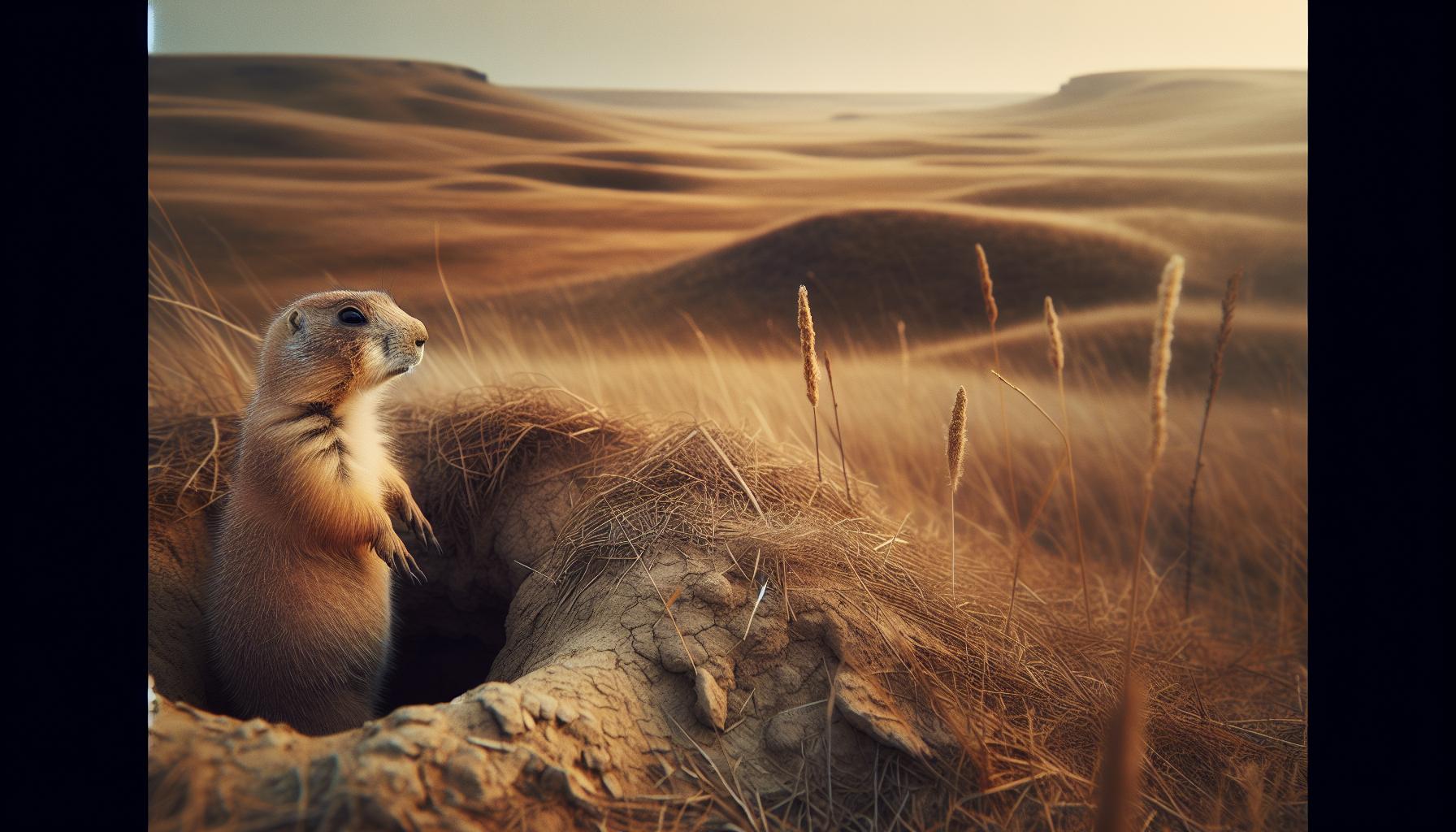
Prairie dogs are remarkable social creatures that thrive in specific habitats, predominantly found in the expansive grasslands and plains of North America. These small mammals favor open areas with short grasses that allow them to see potential predators while also providing sufficient food. Their natural habitat spans across regions such as the Great Plains, ranging from southern Canada through the United States and into northern Mexico. This preference for a well-defined ecosystem makes them integral to the grassland habitats they occupy.
The key environmental needs for prairie dogs include a well-drained soil structure to facilitate their burrowing behaviors and a landscape that supports their dietary needs. They primarily consume grasses and forbs, which flourish in their grassy terrain. The presence of companion animals and other grassland creatures fosters a diverse ecological community, making prairie dog colonies a vital component of their environment.
Additionally, prairie dog colonies are often characterized by extensive underground burrow systems, which not only provide safety from predators but also create opportunities for various other species to inhabit. These burrows significantly influence the local ecosystem, offering shelter to numerous animals, including burrowing owls and foxes, and contributing to soil aeration and nutrient cycling through their extensive digging activities.
Overall, the thriving colonies of prairie dogs symbolize the health of grassland ecosystems, and their unique adaptations to their environment allow them not only to survive but to enhance the biodiversity around them.
Essential Environmental Needs for Prairie Dogs
Prairie dogs are fascinating creatures that have evolved to thrive in specific environmental conditions essential for their survival and social behavior. These highly social mammals occupy large colonies in the grasslands of North America, and their environmental needs reflect their reliance on open, flat terrains where they can easily spot predators.
To flourish, prairie dogs require well-drained soil that supports their extensive burrowing activities. This soil allows for the construction of intricate tunnel systems that provide shelter and safety. These burrows not only serve as homes for the prairie dogs but also create a unique ecosystem. The burrowing process aerates the soil and contributes to nutrient cycling, benefiting plant growth in the area, which subsequently supports the prairie dogs’ diet.
- Open Grasslands: Prairie dogs thrive in open areas with short grasses and few tall shrubs, allowing them to remain vigilant against predators.
- Food Sources: Their diet primarily consists of grasses and forbs, which grow in their preferred habitats.
- Social Structure: They live in colonies or “towns,” which provide safety in numbers and a complex social structure.
- Climate Adaptability: While they prefer mild climates, they can adapt to various weather conditions, provided they have access to adequate shelter.
The success of prairie dog populations is closely tied to their habitat’s health. Areas rich in biodiversity, featuring a variety of plant and animal species, not only support prairie dogs’ dietary needs but also enhance the strength of their communities. Understanding and preserving these essential environmental requirements is crucial for maintaining the delicate balance of grassland ecosystems where prairie dogs play a vital role as both prey and ecosystem engineers.
The Role of Burrows in Prairie Dog Communities
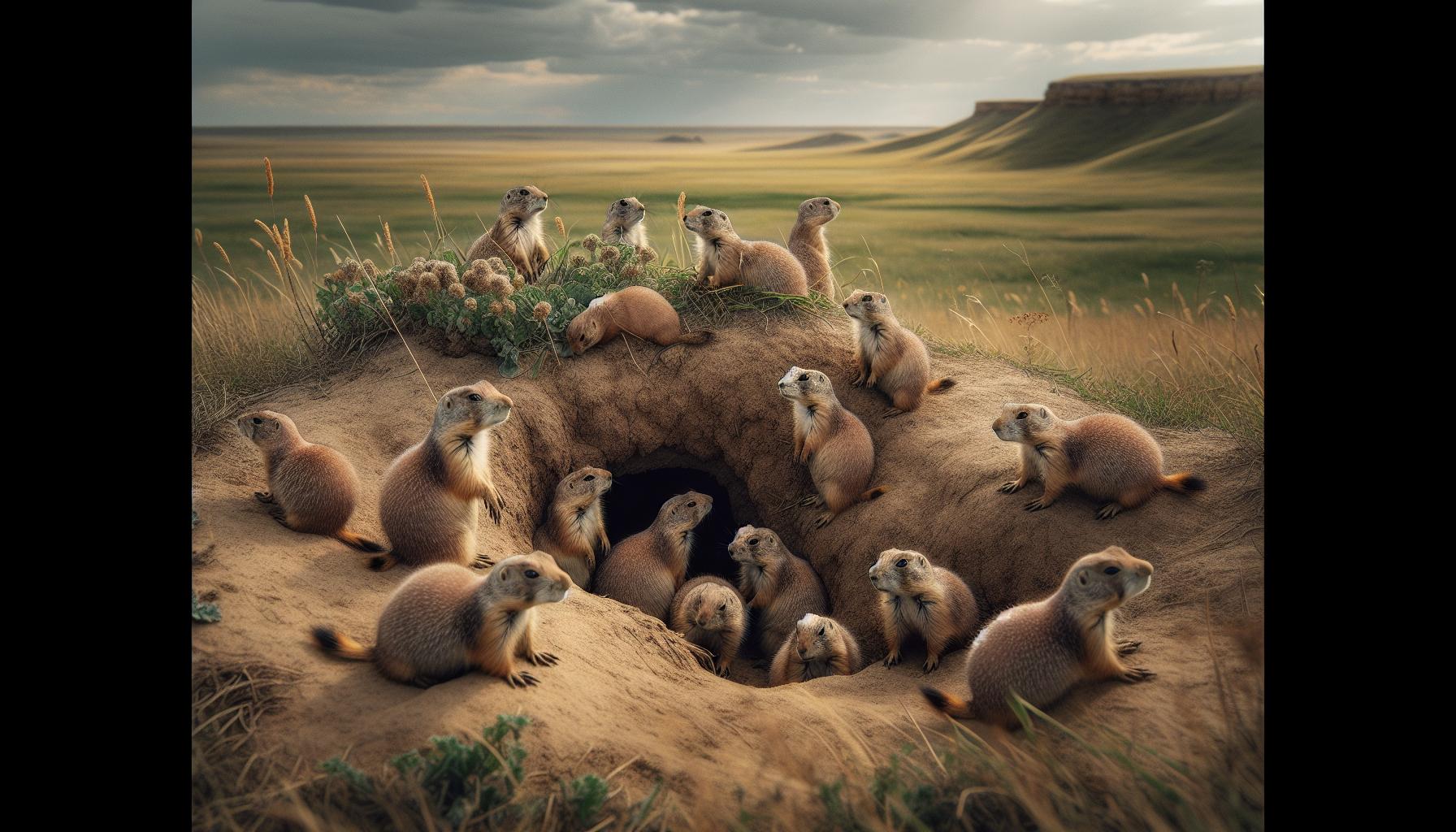
Burrows are the heart of prairie dog communities, serving as vital hubs for their social interactions and survival strategies. These small, furry architects create extensive, intricate tunnel systems that can span over a hundred acres, with burrows that may extend up to 15 feet deep. This impressive engineering is essential not just for the prairie dogs themselves, but also for the wider ecosystem they inhabit.
Within these burrows, prairie dogs find safety from predators, protection from harsh weather, and a place for raising their young. The burrows maintain a relatively stable temperature and humidity, crucial for the well-being of the colony. Each burrow often has multiple entrances, which allows prairie dogs to escape quickly from threats, make it easier to keep their social structure intact, and facilitate quick movement between different areas of their territory. The complexity of these tunnel systems also supports an array of other species, including insects, small mammals, and even some reptiles, creating a rich biodiversity in the grasslands.
The presence of a healthy burrowing system significantly impacts soil health by aerating it and promoting nutrient cycling. As prairie dogs dig, they disturb the soil, which supports plant growth and prevents the overgrowth of certain vegetation types, contributing to the ecological balance necessary for the survival of various grassland species. Furthermore, their burrows play a crucial role in water infiltration, helping rainwater reach deeper soil layers rather than running off, which benefits the entire ecosystem by maintaining soil and water resources.
Living in colonies fosters a complex social structure characterized by strong familial bonds and cooperative behaviors. Prairie dogs engage in various social activities, from grooming to sentinel behavior, where some individuals stand watch for predators while others forage. This communal lifestyle not only strengthens their social ties but also increases their chances of survival in a landscape where threats are ever-present. Thus, the burrow systems are not just homes; they are vibrant centers of social life, ecological interaction, and community resilience.
Climate Conditions Favoring Prairie Dog Populations
Prairie dogs thrive in vast expanses of grasslands, but their populations flourish primarily under specific climate conditions. These social rodents prefer areas where water is plentiful enough to support the grasses they rely on, yet it must not be inundated. Their ideal environments are often found in regions of the Great Plains of North America, characterized by relatively dry, open terrains, and moderate seasonal temperatures. They can be quite adaptable, but certain factors can significantly affect their success in a given area.
The rainfall pattern is crucial; annual precipitation between 12 to 20 inches appears to be optimal for sustaining the lush grasses prairie dogs love. During the growing season, warmer temperatures encourage grass growth, providing not only food but also a protective cover against predators. Furthermore, prairie dogs are particularly sensitive to extreme weather conditions. Harsh winters can be detrimental as they limit foraging opportunities, while excessively hot and dry conditions can lead to drought, affecting their access to water and food sources.
To paint a clearer picture, let’s consider their seasonal behavior. During spring and summer, prairie dog colonies burst with activity as young pups emerge and the social dynamics of the colonies heighten. However, as the desert-like heat of late summer rolls in, populations may be affected by increased mortality rates or migration in search of cooler areas with sufficient grass cover. Their ability to thrive in a distinct climate highlights not only their adaptability but also the importance of maintaining healthy grasslands and balancing water availability. By protecting these delicate ecosystems, we can help ensure that prairie dogs and the diverse wildlife that depend on them continue to flourish.
How Prairie Dogs Impact Their Ecosystem
Prairie dogs play an indispensable role in maintaining the health of their ecosystems, often referred to as a keystone species. Their burrowing activities create complex tunnel systems that not only serve as homes for themselves but also provide shelter for many other animals. Species such as burrowing owls, foxes, and various insects take advantage of these underground networks. This interaction underscores a fascinating ecological relationship where the existence of prairie dogs directly contributes to the survival of many other species.
The grasslands where prairie dogs reside benefit immensely from their grazing habits. By feeding on grasses and herbs, prairie dogs help manage plant growth and maintain biodiversity. Their selective grazing promotes the growth of different plant species, allowing for a more robust ecosystem. In turn, this diverse vegetation supports various herbivores, from rabbits to deer, ultimately sustaining a larger community of wildlife. The result is a dynamic environment where numerous species can thrive, thanks in part to the contributions of prairie dogs.
Additionally, these rodents play a significant role in the nutrient cycling of their habitats. Their burrowing loosens soil and enhances water infiltration, which can improve overall soil health. The breakdown of organic matter is aided by the intricate systems they create, promoting nutrient-rich conditions that benefit plant growth. This interplay of soil health and plant life supports an intricate web of life that many animals depend on.
However, the impact of prairie dogs extends beyond their immediate communities. As their populations and colonies flourish, they can influence larger ecosystems and even affect regional hydrology. Research indicates that healthy prairie dog colonies can contribute to greater plant diversity and increased water retention in grasslands. This ecosystem service demonstrates just how vital these little creatures are; protecting them is crucial not only for their survival but also for the myriad of wildlife that depend on their habitats for sustenance and shelter.
In summary, prairie dogs are not just cute inhabitants of the grasslands; they are ecosystem engineers whose presence supports a wide array of biological life. By understanding and appreciating their role, we can better advocate for the conservation of prairie dog habitats and the overall health of grassland ecosystems.
Food Sources: What Do Prairie Dogs Eat?
Prairie dogs have a surprisingly diverse and adaptive diet, which plays a crucial role in the health of their grassland ecosystems. These small, social rodents are primarily herbivores, favoring a wide variety of grasses, seeds, and herbs native to their habitats. A fascinating aspect of their feeding behavior is their selective grazing patterns; they often prioritize more nutritious forbs and tender grasses, which not only benefits their own health but also promotes a rich diversity of plant life in their colonies.
Among their favored foods are species such as clover, dandelion, and various blades of grass, particularly during the lush growth of spring and summer. This grazing behavior helps manage plant growth, preventing dominant species from overwhelming the landscape. By feeding on specific plants, prairie dogs encourage the growth of a mix of grasses that benefits many other herbivores, creating a flourishing ecosystem that supports a variety of wildlife.
In addition to grasses, prairie dogs also consume roots and seeds, particularly in the fall when they are preparing for winter. They have a keen ability to forage for food that provides essential nutrients during the colder months. Interestingly, their foraging habits can influence the composition of plant communities within their colonies. Research has shown that areas grazed by prairie dogs tend to have a higher diversity of plant species compared to ungrazed areas, demonstrating their significant role as ecological engineers.
Social dynamics among prairie dogs also affect their feeding behaviors. Within a colony, they often engage in cooperative behaviors, where individuals will alert others of danger while foraging, allowing for safer feeding conditions. This cooperation not only enhances their survival but also encourages healthy feeding strategies that optimize their foraging efficiency.
By understanding what prairie dogs eat and how their feeding habits influence their environment, we can appreciate their role in maintaining the delicate balance of grassland ecosystems. Such knowledge underscores the importance of their conservation, as these fascinating creatures are not just inhabitants of the plains but vital contributors to the overall health and diversity of their habitats.
Social Structure and Group Dynamics of Prairie Dogs
Prairie dogs are fascinating social creatures, and their complex group dynamics play a vital role in their survival and the health of their habitats. These small rodents live in colonies, often referred to as “towns,” which can span vast areas. Within these towns, prairie dogs establish a structured social hierarchy that significantly impacts their behavior and interactions. Their social structure is predominantly based around family units, where females often remain in their natal burrows while males venture out, forming the basis for cooperative living.
One of the key aspects of prairie dog social dynamics is their highly developed communication system. Prairie dogs use a range of vocalizations to convey information about their environment, including warning calls about predators. Each call has specific meanings, often varying in pitch and intensity, which can indicate the type of threat perceived-be it a hawk, coyote, or human intruder. Such sophisticated communication not only enhances the safety of individuals but also underscores their reliance on group cooperation for survival. When one prairie dog spots danger, it alerts the others, and the entire colony can take evasive action.
Moreover, the social structure facilitates foraging strategies and efficiency. Prairie dogs often exhibit cooperative behaviors, where individuals take turns foraging while others remain watchful. This cooperative approach not only increases foraging success but also fosters strong social bonds within the colony. Additionally, prairie dog towns serve as a beneficial environment for different species; their burrowing activities create homes for various animals, contributing to a biodiverse ecosystem.
The dynamics within a prairie dog colony can also have implications for their habitat health. As prairie dogs graze on grasses and plants, their collective feeding behavior encourages a diverse plant community, preventing dominance by a single species. This biodiversity is essential for the ecosystem, as it provides food and shelter for numerous other wildlife species. Consequently, understanding the not only reveals their fascinating social lives but also highlights their crucial role as ecological engineers in maintaining the health of the grassland habitats they inhabit.
Human Impact on Prairie Dog Habitats
The delicate balance of prairie dog habitats is heavily influenced by human activity, making it crucial for nature enthusiasts to understand these impacts. One of the most significant threats comes from land development. As urban areas expand, natural grasslands are converted for agriculture, housing, and infrastructure. This not only reduces the available habitat but also fragments prairie dog colonies, making it harder for them to forage, socialize, and reproduce.
Another major threat to prairie dogs is the use of pesticides and rodenticides in agricultural practices. These chemicals can kill prairie dogs directly or poison their food sources, leading to population declines. Moreover, such practices can disrupt the entire ecosystem. Prairie dogs are known as “ecosystem engineers”; their burrowing activities create homes for numerous other species. When their populations diminish, it can have a cascading effect, impacting everything from soil health to the presence of other wildlife, such as rattlesnakes and burrowing owls, which heavily rely on prairie dog towns for habitat.
While hunting and habitat destruction pose imminent threats, there are also opportunities for conservation. For example, many organizations work to promote coexistence strategies that educate landowners about the ecological role of prairie dogs and the benefits they provide, such as nutrient cycling and maintaining biodiversity. By fostering appreciation and understanding, these initiatives help mitigate negative perceptions and promote healthier landscapes.
It’s also essential for outdoor enthusiasts to practice responsible recreation. Minimizing disturbance while enjoying habitats where prairie dogs thrive ensures these animals can thrive without additional stressors. By advocating for sustainable practices and supporting local conservation efforts, we all can contribute to the preservation of prairie dog habitats, ensuring these charismatic critters continue to play their vital ecological roles for generations to come.
Conservation Efforts for Prairie Dog Ecosystems
In the vast grasslands where prairie dogs flourish, efforts to conserve their ecosystems are increasingly critical. These lively critters, known as “ecosystem engineers,” play a vital role in maintaining the health of their habitats. Their digging and tunneling activities aerate the soil, creating conditions that benefit a variety of grassland plants and animals. However, as developers encroach upon these grasslands, the delicate balance of life here is threatened. Conservation initiatives spearheaded by various organizations aim to raise awareness and foster coexistence between human activities and prairie dog populations.
One effective approach to prairie dog conservation is educating landowners about the ecological significance of these rodents. Many programs focus on demonstrating how prairie dogs enhance biodiversity. For instance, their burrows provide crucial shelter for many other species, including burrowing owls and rattlesnakes. By highlighting the interconnectedness of these species, conservationists help mitigate negative perceptions surrounding prairie dogs, often viewed as mere pests by farmers or ranchers. Workshops and educational materials addressing sustainable land management can empower landowners to adopt practices that protect prairie dog habitats while maintaining their agricultural needs.
Collaboration among pet owners, nature enthusiasts, and local governments can also pave the way for more robust conservation measures. Community-led projects, such as habitat restoration and cleanups, offer hands-on opportunities for individuals to engage with their environment. Creating protected areas or establishing wildlife corridors can also preserve critical habitats, allowing prairie dogs to thrive and fulfill their role in the ecosystem. Advocacy for better policies regarding land use and pesticide regulation is essential, as reducing chemical impacts on their environment can significantly boost prairie dog populations.
In the face of ongoing threats, the combined efforts of individuals, communities, and organizations illustrate that preserving prairie dogs and their habitats is indeed possible. By fostering a sense of stewardship towards these fascinating creatures, we can ensure they continue to enrich the grasslands for generations to come. Engaging with local wildlife initiatives, practicing responsible recreation, and championing conservation can make a notable difference, embodying a message of respect for nature’s intricate web of life.
Differences in Habitat Across Prairie Dog Species
Prairie dogs are fascinating creatures with distinct habitat preferences that vary across their species. These social rodents primarily inhabit the North American grasslands, but specific conditions and geographical features shape their living environments more intricately. For instance, the black-tailed prairie dog thrives in the shortgrass plains of the Great Plains, particularly in regions with deep, sandy soils that allow for easy burrowing. Their colonies can cover vast stretches, reaching up to 100 acres in some areas, and are often found near sources of water.
In contrast, the white-tailed prairie dog prefers the more mountainous regions. This species tends to occupy areas where the vegetation is a bit denser, allowing for better cover against predators. Their habitats are typically located at higher elevations compared to their black-tailed cousins, and they favor rocky terrains that provide additional protective burrowing opportunities. Interestingly, these environmental choices also influence their diets and social behaviors, as varied vegetation impacts food availability and shelter needs.
One of the unique aspects of prairie dog habitats is their communal nature. All species extensively dig burrows that serve not only as homes but also as social hubs. The burrow systems can be elaborate, featuring multiple entrances and depths, which help regulate temperature and humidity inside. This complex tunnel network plays a critical role in their social dynamics-providing safe spaces for young prairie dogs and serving as refuge during predatory threats.
Understanding the enhances our appreciation for these remarkable animals and informs conservation efforts. By recognizing the specific environmental needs of different prairie dog populations, we can work towards preserving their habitats more effectively. Whether in the expansive grasslands or the rugged hills, each prairie dog species is a testament to nature’s adaptability and the importance of diverse ecosystems.
Adapting Prairie Dog Habitats for Captive Care
Creating a suitable environment for prairie dogs in captivity can be both a rewarding and challenging endeavor. These charming rodents thrive on the intricate social structures and burrowing lifestyles they naturally exhibit, so replicating their native habitat is crucial for their well-being and happiness. A well-designed captive environment not only caters to their physical needs but also enriches their social interactions, which are essential for their mental health.
To start, it’s important to provide prairie dogs with plenty of space to roam and dig, much like they would in the wild. A large enclosure with soft substrate, such as sand or soil, allows them to create their burrows. This is critical since burrowing is an instinctual behavior for prairie dogs that helps alleviate stress and mimic their natural activities. Ensure the enclosure has multiple levels and climbing structures to foster exploration. Adding tunnels or rough terrain can also enhance the habitat, reminding them of the complex burrow systems they create in the wild.
Social Needs and Interaction
Prairie dogs are highly social creatures and can become lonely if kept solo. It’s best to house them in groups, ideally with members of the same species to promote social bonding. If you’re considering introducing new prairie dogs to an existing group, do so gradually to minimize stress and aggression. Regular interaction with humans can also help them acclimate, but it should be done patiently and thoughtfully to avoid overwhelming them.
Diet and Enrichment
Their dietary needs must not be overlooked. Prairie dogs are herbivores, primarily feeding on grasses and forbs, so providing a varied diet that includes hay, fresh vegetables, and commercial rodent pellets is essential. Enriching their habitat with different food items and foraging opportunities can stimulate their natural foraging instincts, keeping them engaged and active.
While , remember that respecting their natural behaviors and needs is vital. This approach not only enhances their quality of life but also provides a fascinating glimpse into the complex lives of these engaging rodents. Whether you’re a newcomer or an experienced owner, following these guidelines will help ensure that your prairie dogs live healthy, happy lives in captivity.
Fun Facts About Prairie Dogs and Their Habitats
Did you know that prairie dogs are not only unique rodents but also vital players in their ecosystems? These fascinating animals, found primarily in the grasslands of North America, live in extensive burrow systems that can stretch over several acres. Often referred to as “ecosystem engineers,” prairie dogs help shape their environment, providing crucial habitats for other species. Their burrowing activities aerate the soil and help manage the composition of vegetation around them, creating a diverse ecosystem.
Social Creatures
Prairie dogs are incredibly social beings, living in large colonies known as “towns.” These towns can number in the thousands and are organized into smaller family groups called “coteries.” Within these communities, prairie dogs communicate through a complex system of vocalizations, each sound conveying specific messages about predators or food sources. For example, their alarm calls can vary based on the type of predator approaching, showcasing their remarkable ability to differentiate threats and coordinate safety measures among family members.
Unique Adaptations
Beyond their social structures, prairie dogs have interesting adaptations that help them thrive in their natural habitats. Their burrows, which often have multiple entrances and chambers, provide protection from predators and harsh weather. Inside their burrows, they create a cooler microclimate that can be a refuge during the intense heat of the summer or the frigid cold of winter. The construction of these complex tunnels is not just a means of survival; it’s a testament to their impressive digging skills, which can move an astonishing amount of soil.
Conservation Challenges
While prairie dogs play an essential role in their ecosystems, they also face significant challenges due to habitat destruction and extermination efforts deemed necessary for agricultural development. Conservation groups work tirelessly to protect their populations, emphasizing the importance of preserving these charismatic rodents not only for their own sake but also for the myriad of species that rely on them for survival. Protecting prairie dogs means protecting a whole ecosystem, showcasing their value beyond mere charm.
These lively animals are a remarkable example of how a species can significantly influence the ecological balance. Whether you’re a budding wildlife enthusiast or a seasoned nature lover, learning about prairie dogs and their habitats adds a vibrant chapter to the story of our world’s biodiversity.
Q&A
Q: What are the key environmental needs of prairie dogs?
A: Prairie dogs require open terrains with sandy or loose soils for burrowing, along with adequate vegetation for food and cover. They thrive in grasslands and shrublands, as these areas provide the essential resources for their survival and social structures.
Q: How does habitat loss affect prairie dogs?
A: Habitat loss critically threatens prairie dog populations, leading to decreased food availability and fewer burrowing sites. As their habitat is fragmented by urban development and agriculture, their communities become isolated, which can disrupt their social structures and overall ecosystem health.
Q: What types of ecosystems do prairie dogs inhabit?
A: Prairie dogs primarily inhabit grasslands, semi-arid plains, and savannas. They prefer areas with short grasses, which facilitate their burrowing and foraging activities. Understanding their preferred ecosystems is crucial for effective conservation efforts.
Q: Why are burrows important to prairie dogs?
A: Burrows play a vital role in prairie dog habitats, providing shelter from predators and harsh weather conditions. These extensive underground systems also create a community structure, allowing for social interactions and breeding, and they help aerate the soil, benefiting other species.
Q: What plants do prairie dogs rely on in their environment?
A: Prairie dogs primarily feed on grasses, herbs, and vegetation near their burrows. They prefer tender leaves and stems, making them essential for nutrient intake and maintaining community health. Conservation initiatives often focus on preserving these plant species to support prairie dog populations.
Q: How do climate conditions influence prairie dog habitats?
A: Prairie dogs thrive in areas with a semi-arid climate, characterized by low precipitation and seasonal temperature variations. They are sensitive to extreme weather changes, which can impact their food availability and burrow integrity, ultimately influencing their population stability.
Q: What human activities threaten prairie dog habitats?
A: Agricultural expansion, urban development, and overgrazing by livestock are primary threats to prairie dog habitats. These activities degrade their living environment and reduce the available resources, prompting the need for conservation strategies that safeguard their ecosystems.
Q: Can prairie dogs adapt to changing environments?
A: While prairie dogs show some adaptability to changing conditions, significant habitat alterations can lead to stress and population decline. Maintaining habitat quality and connectivity is crucial for their survival, allowing them to adjust to environmental changes and remain viable within their ecosystems.
Final Thoughts
Understanding the habitat of prairie dogs is crucial for anyone interested in wildlife conservation or simply wanting to appreciate these fascinating creatures. Prairie dogs thrive in open grasslands and arid regions, where they create complex burrow systems and live in social groups. By taking action to support their environment, you contribute to a balanced ecosystem that benefits various species.
If you’re keen on learning more, check out our articles on “The Importance of Prairie Dogs in Ecosystems” and “How Climate Change Affects Prairie Dog Populations.” Don’t miss out-subscribe to our newsletter for the latest insights into wildlife habitats and conservation tips. Together, we can ensure that these remarkable animals continue to thrive in their natural environment. Share your thoughts below or explore other engaging wildlife topics on our site!
Get our latest guides, news, and insights highlighted in your Google Search & AI Overviews.