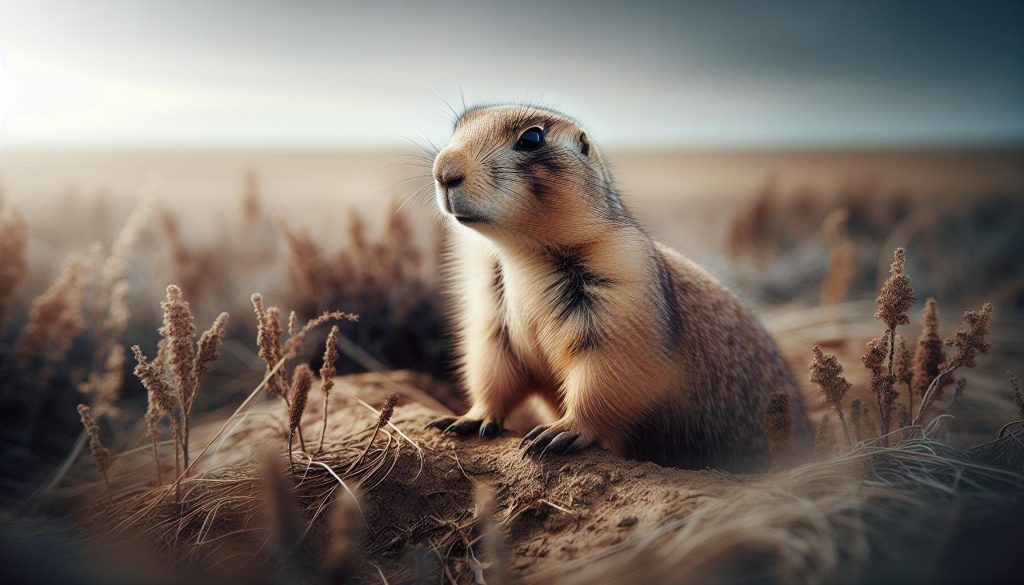
Did you know that black-tailed prairie dogs are not actually dogs at all? These charming rodents are an essential part of the North American prairie ecosystem, known for their sociable behavior and complex burrow systems. As “keystone species,” they play a critical role in their habitat, supporting various wildlife and promoting plant diversity. Understanding the black-tailed prairie dog is not just about appreciating a unique animal; it’s also about recognizing the importance of biodiversity and conservation efforts in preserving our natural landscapes. Whether you’re a wildlife enthusiast or just curious about prairie life, this species profile will illuminate the fascinating world of black-tailed prairie dogs, their social structures, and their role in the environment. Grab your binoculars and let’s dive into the intriguing life of these little prairie dwellers!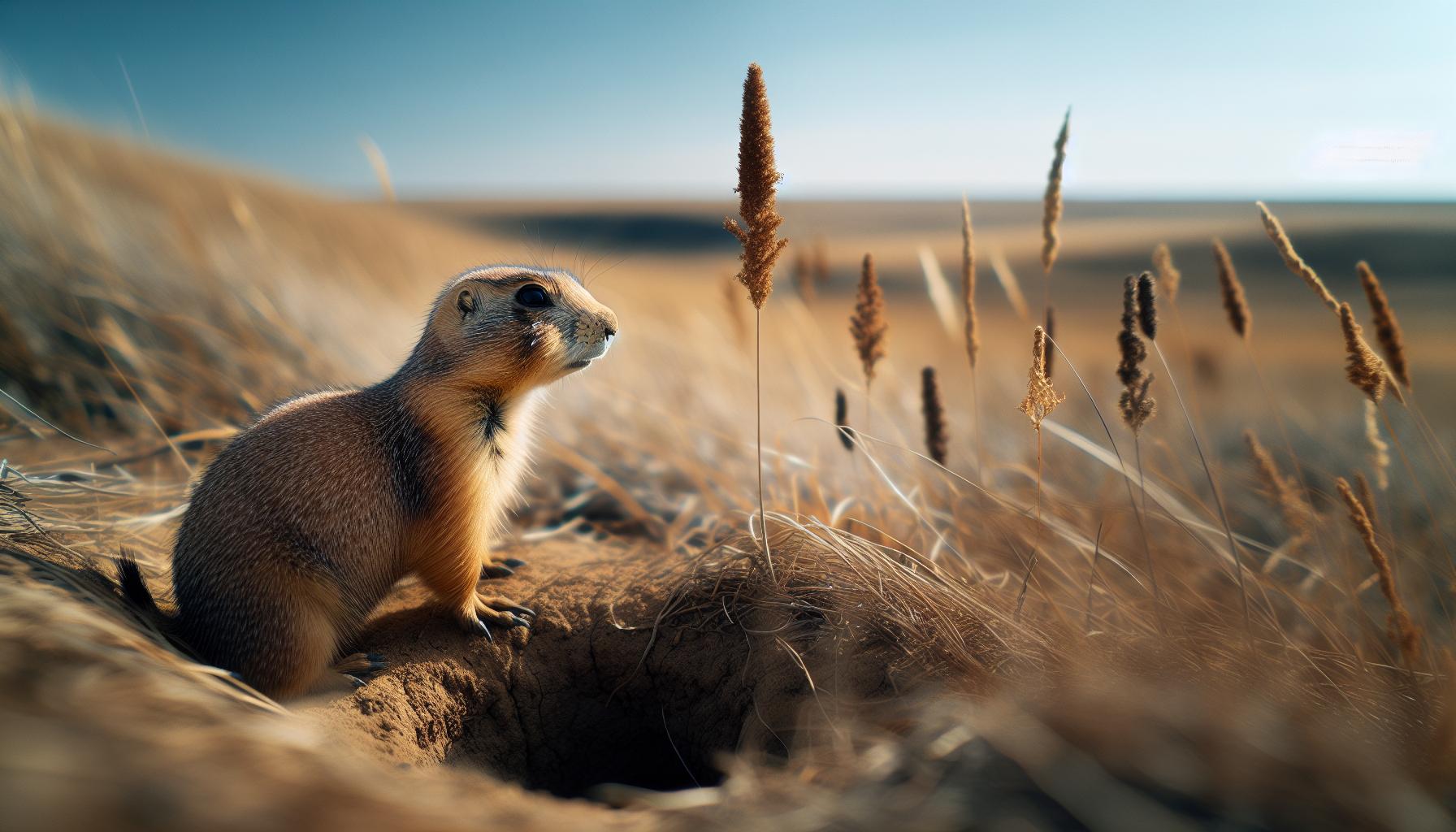
What Is a Black-tailed Prairie Dog?
Black-tailed prairie dogs are fascinating and social rodents known for their intricate burrow systems and vibrant community structures. These small mammals, belonging to the family Sciuridae, are not actually dogs, but rather a type of ground squirrel. Characterized by their robust bodies, the black-tailed prairie dog typically reaches heights of about 16 inches and possesses a distinctive black-tipped tail, which can be a useful identifier in the wild. Their fur is mainly tan, with their undersides featuring lighter shades, adding to their ability to blend into their grassland habitat.
Found predominantly in the grasslands and plains of North America, black-tailed prairie dogs play a crucial role in the ecosystems where they reside. They create extensive burrow complexes, which not only serve as their homes but also provide shelter for other species, such as foxes and birds. These burrows can significantly alter the local environment, helping to aerate the soil and facilitating the growth of various plant species. As a keystone species, the presence of prairie dogs can greatly impact the biodiversity of their habitats, providing food and shelter for other wildlife.
What sets these creatures apart is their social structure. Black-tailed prairie dogs live in family groups called coteries, which consist of several related females, their young, and a few males. Their social interactions are complex and include a sophisticated system of vocalizations to communicate alerts and warnings about predators. This communal living not only aids in protection but also enhances their reproductive success, as males often dominate territories that include several females, ensuring the continuation of their lineage.
In addition to their ecological importance, black-tailed prairie dogs are also a subject of interest in pop culture and wildlife observation. They have become a symbol of the North American plains and are often featured in documentaries showcasing their lively antics and social behaviors. Whether it’s a family outing to observe these playful rodents or learning about their role in conservation efforts, black-tailed prairie dogs provide a unique window into the complexities of wildlife and the importance of preserving their habitats.
Physical Characteristics of Black-tailed Prairie Dogs
Black-tailed prairie dogs are charming little creatures with a distinctive appearance that reflects their unique adaptation to life on the North American plains. They typically weigh between 700 to 1500 grams (1.5 to 3.3 pounds) and measure about 28 to 33 centimeters (11 to 13 inches) in length from nose to tail, making them the largest of the prairie dog species. These robust rodents showcase a range of colors, often appearing brownish to reddish-brown on their backs while featuring lighter white or cream-colored fur on their bellies. This coloration allows them to blend seamlessly into the grasslands, helping to protect them from predators.
Their most recognizable feature is their tail, which has a characteristic black tip. This black-tipped tail not only serves as a visual cue for other prairie dogs during their lively social interactions but also assists in communication within their groups. Prairie dogs have stout, squirrel-like bodies and short legs, which are perfectly designed for quickly emerging from their burrows and swiftly darting back when they sense danger. An adult black-tailed prairie dog can stand about 30 centimeters (12 inches) tall when alert, often surveying their surroundings for threats.
Behaviorally, these animals are incredibly social and exhibit complex vocalizations that can convey messages about predators. Their physical characteristics play a vital role in their lifestyle; their strong front claws are adept at digging extensive burrow systems, which not only serve as homes but also create intricate, underground communities. Understanding these physical traits helps underscore their importance in the grassland ecosystem, where they not only thrive but also support a diverse array of other wildlife. The combination of their physical attributes and social behaviors makes black-tailed prairie dogs a fascinating subject for wildlife enthusiasts and biologists alike.
Natural Habitat and Range of Prairie Dogs
Black-tailed prairie dogs are truly emblematic of the Great Plains, thriving in a landscape that is as expansive as it is vital for their survival. These social rodents inhabit grasslands, plains, and open pastures across a wide range in North America, encompassing areas from southern Canada down to northern Mexico, with significant populations in states like Colorado, Wyoming, and Texas. Their burrows create a complex underground network, essential not just for shelter but also for their bustling social life.
Typically, you will find these prairie dogs living in colonies known as “towns,” which can span several acres. These towns are often located in areas with deep, rich soils that support a variety of grasses and herbs, which make up the bulk of their diet. The burrowing nature of prairie dogs leads to the formation of extensive tunnel systems that provide safety from predators and serve as nurseries for raising young. The entrances to these burrows are strategically placed to allow for quick escapes, reflecting their keen instincts to avoid danger.
The natural habitat of black-tailed prairie dogs plays a crucial role in supporting a broader ecosystem. Their burrowing activities aerate the soil and promote the growth of plant life, creating a rich habitat for other species, from insects to larger mammals. Various predators, including hawks and coyotes, depend on prairie dog colonies as a food source, underscoring the species’ role in the food chain. Conversely, prairie dogs benefit from the vigilance of other prairie-dwelling animals, which help alert them to incoming threats.
Given their ecological significance, understanding the natural habitat and range of black-tailed prairie dogs is essential not only for appreciating these charming creatures but also for recognizing the impact of environmental changes on their populations. Conservation efforts focused on maintaining their habitats can aid both prairie dogs and the diverse wildlife that depends on the intricate tapestry of life they help create.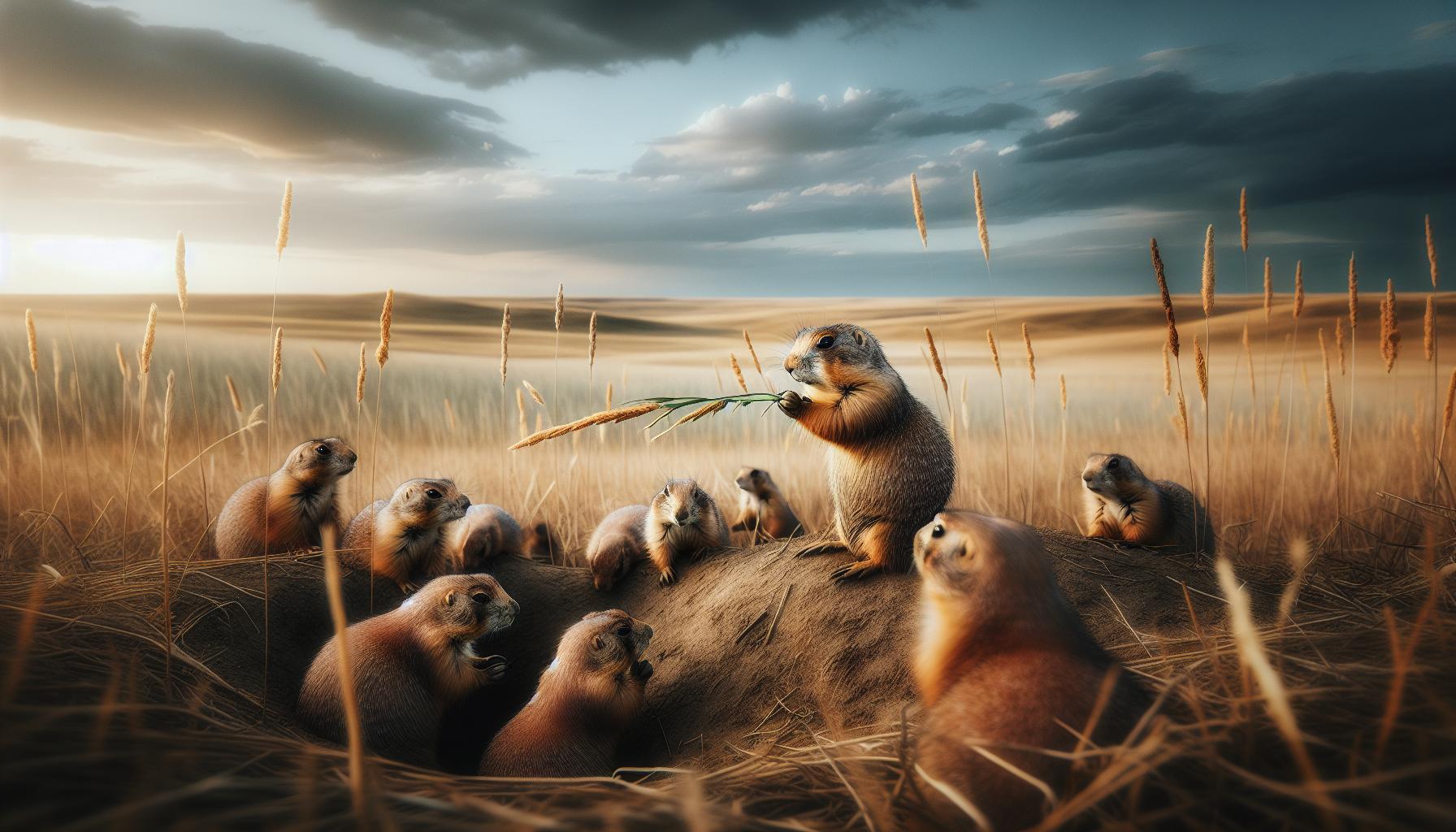
Social Structure and Behavior of Prairie Dogs
Black-tailed prairie dogs are not just adorable bundles of fur; they are social creatures with complex behaviors that make them fascinating to observe. Living in large colonies known as “towns,” these rodents thrive on interaction and cooperation, engaging in a variety of social activities that contribute to their survival. These towns can host hundreds, even thousands, of individuals, creating a bustling community that relies heavily on communication and group dynamics.
One of the most critical aspects of their social structure is their use of vocalizations. Prairie dogs are known for their elaborate warning calls, which can convey details about the type of predator present, enabling their peers to respond appropriately. Each unique call has been found to include specific information regarding the size, shape, and even the color of potential threats. This intricate communication system serves not only to promote safety within the colony but also strengthens social bonds among members.
Beyond vocalizations, prairie dogs exhibit a range of social behaviors, such as grooming, play-fighting, and the curious head-raising ‘kissing’ ritual that helps reinforce relationships within the group. These interactions are vital for establishing social hierarchies and maintaining the overall health of the colony. When it comes to parenting, black-tailed prairie dogs show cooperative behavior, with adults caring for younglings beyond their own offspring, which enhances the survival rate of the next generation.
Given their social complexities, observing prairie dogs can be a captivating experience for wildlife enthusiasts. Spotting these interactions in their natural habitat not only provides insight into their daily lives but also highlights the importance of preserving their ecosystems, where they play a vital role as a keystone species. Through vigilant monitoring and respectful observation, we can appreciate and contribute to the conservation of these remarkable animals and their communities.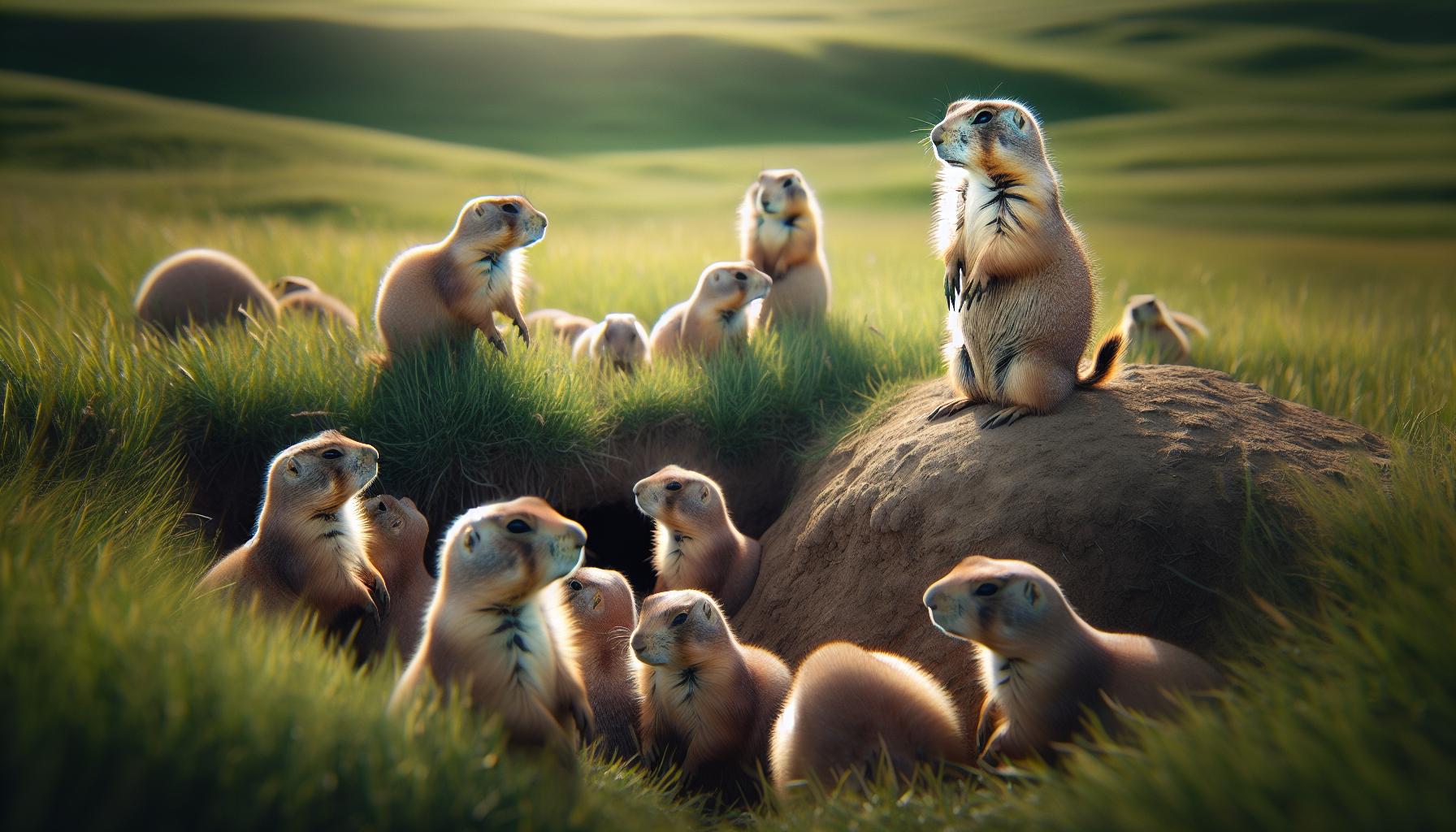
Diet and Feeding Habits of Black-tailed Prairie Dogs
Black-tailed prairie dogs are not just charming constructs of the American west; they are also fascinating herbivores with specific dietary preferences that fuel their bustling communities. Found primarily in the Great Plains of North America, these rodents thrive on a varied diet that mainly consists of grasses and shrubs, making them integral to their ecosystem. Their foraging habits help maintain their prairie habitat, creating a balance that benefits countless other species and contributing to the health of the grasslands.
Their diet primarily includes:
- Grasses: Black-tailed prairie dogs favor a variety of grass species, such as blue grama and relative forbs, which are crucial for their nutrition.
- Herbs: During the warmer months, they also consume various herbaceous plants, which provide essential vitamins and minerals.
- Roots and Seeds: Occasionally, these prairie inhabitants will dig to find roots and seeds, particularly when other food sources are scarce.
To meet their dietary needs, black-tailed prairie dogs engage in a daily routine of foraging and grazing, typically spending several hours each day actively seeking food. Their communal lifestyle allows them to share information about food sources, which is vital in their open prairie habitat where resources can be patchy. This cooperative foraging behavior not only enhances their survival rates but also fosters stronger social bonds within the colony.
Interestingly, the feeding habits of black-tailed prairie dogs have significant ecological implications. As they feed, they help aerate the soil and their grazing keeps grasslands healthy and vibrant. This activity not only benefits their health but also supports a host of other wildlife species that depend on the prairie ecosystem. By understanding how prairie dogs feed and thrive, we can appreciate the intricate connections within their environment and recognize the importance of their conservation.
Reproduction and Life Cycle of Prairie Dogs
In the lively world of black-tailed prairie dogs, reproduction is a thrilling seasonal event that plays a crucial role in maintaining the health of their colonies. The mating season occurs from late February through March, coinciding with the warming temperatures of early spring. During this time, male prairie dogs engage in displays of dominance and vocalizations to attract females and establish mating rights. This intense period lasts just a few weeks but is vital for the reproductive success of the colony.
Females typically give birth about a month after mating, usually in late April or early May, to a litter of three to four pups. These pups are born hairless and blind, relying completely on their mothers for warmth and nourishment. As they grow, their eyes open, and they begin to emerge from the burrow to explore their surroundings at about six weeks old. This exploration is vital, not only for their physical and social development but also for learning the complex social interactions of prairie dog life.
The young prairie dogs remain with their mothers for several months, learning essential survival skills. Interestingly, many young prairie dogs do not reproduce until their second spring, allowing them ample time to learn the ropes of community life before venturing into reproduction themselves. Meanwhile, adult males often only live about five years, while females can live longer, leading to dynamic relationships within the colony as new males move in and establish territories after older ones pass away or are displaced.
The entire life cycle of black-tailed prairie dogs showcases the interdependent nature of their social structure and environment. Their burrowing activities not only create homes for themselves but also contribute to the ecosystem by aerating the soil and supporting plant growth. Understanding these fascinating reproductive behaviors helps illuminate the vital role prairie dogs play in their habitat-one that extends beyond their charming appearance and into the very foundation of their grassland home.
Conservation Status and Threats Faced
One of the most charming inhabitants of North America’s grasslands, the black-tailed prairie dog, faces significant threats that endanger its survival and the health of its ecosystems. Once abundant across vast areas of the Great Plains, these social rodents have seen their populations dramatically decline due to a combination of habitat loss, disease, and human interference. Understanding these threats and the current conservation status is crucial for anyone interested in preserving the delicate balance of these ecosystems.
Urban development, agriculture, and ranching have led to substantial habitat destruction, fragmenting the prairie dog colonies that these animals depend on for their social structure and foraging needs. As grasslands are converted into farmland or urban areas, opportunities for survival diminish. In addition to habitat loss, prairie dogs are susceptible to sylvatic plague, a disease caused by the bacterium Yersinia pestis, which can devastate their populations. Although prairie dogs have evolved various methods to cope with this disease, outbreaks are frequently lethal, leading to drastic reductions in their numbers.
Policy and conservation efforts are slowly gaining momentum to protect these fascinating creatures. The black-tailed prairie dog has been the focus of various conservation programs aimed at habitat protection and restoration, particularly in regions where their colonies have been most affected. Organizations such as the U.S. Fish and Wildlife Service monitor their populations, aiming to develop management plans that can alleviate some of the pressures they face. Effective conservation strategies often involve collaboration with landowners to create protected areas that can sustain prairie dog colonies and thus provide habitat for a host of other species that rely on them, from the black-footed ferret to a variety of birds of prey.
For wildlife enthusiasts and casual observers alike, raising awareness about the black-tailed prairie dog’s ecological role can foster a deeper appreciation and encourage community involvement in conservation efforts. Healthy prairie dog colonies contribute to soil aeration and nutrient cycling, benefiting the entire ecosystem. Simple actions, such as participating in local conservation initiatives or supporting policies that protect these animals, can make a meaningful difference. By coming together to safeguard the habitats of these iconic rodents, we not only help ensure their survival but also the health of the grasslands they call home.
Fun Facts About Black-tailed Prairie Dogs
One of the most endearing aspects of black-tailed prairie dogs is their highly social nature. These lively rodents live in intricate colonies known as towns, which can house hundreds of individuals. Each town serves as a bustling community with individual family units known as coteries. Within these groups, prairie dogs communicate through an extensive range of vocalizations, including chirps, yips, and barks, which can convey warnings about predators or signal other important information. Remarkably, their calls vary in complexity, allowing them to alert others to specific threats like hawks or coyotes.
Another fascinating feature of black-tailed prairie dogs is their underground architecture. Their burrows are more than just simple holes in the ground; they are elaborate systems of tunnels and chambers, extending up to 15 feet deep and often reaching across large areas. These burrows not only provide shelter and safety for prairie dogs but also benefit other species. Various animals, such as burrowing owls and black-footed ferrets, rely on prairie dog towns as essential habitats. In fact, prairie dogs are considered a keystone species because their activities enhance the health of the grassland ecosystem by promoting biodiversity.
When it comes to diet, black-tailed prairie dogs are herbivores, primarily grazing on grasses and other vegetation found in their surroundings. They play a crucial role in their ecosystem by helping to control the growth of plants, which in turn supports the overall health of the grassland. Interestingly, these prairie dogs exhibit a behavior called “caching,” where they store food in their burrows for later consumption, showcasing their resourcefulness.
For those who appreciate their unique contributions, black-tailed prairie dogs are also an essential part of cultural narratives in the American West. These playful creatures often appear in stories and folklore, highlighting their role as iconic symbols of the grasslands. Whether you are on a hike through their habitat or simply enjoying a wildlife documentary, watching black-tailed prairie dogs in action serves as a reminder of the intricate relationships within our ecosystems and the importance of conservation efforts to protect these lively animals and their habitats.
How to Care for Prairie Dogs as Pets
Caring for prairie dogs as pets can be both rewarding and challenging, largely due to their unique social and environmental needs. These lively rodents thrive on interaction and stimulation, much like a small dog, making them an engaging companion for those willing to put in the effort. Prior to bringing one home, it’s important to understand their requirements, ensuring that you create a safe, enriching, and spacious environment that mimics their natural habitat.
First and foremost, providing the right living conditions is crucial. Prairie dogs need a large enclosure-think in terms of a custom-made cage or a multi-level habitat with solid flooring to prevent injury. Enclosure materials can vary, but strong wire or durable plastic is ideal. Ensure that their home is equipped with plenty of hiding spots, tunnels, and a mix of bedding materials, allowing them to engage in their natural burrowing behaviors. The bedding should be deep and comfortable, helping them feel secure and encouraging exploratory behavior.
- Diet: A proper diet is essential to prevent common health issues like obesity. Grass hay should make up the bulk of their diet, supplemented with fresh vegetables daily. Avoid sugary treats; instead, opt for healthy snacks such as dandelion greens or carrots in moderation.
- Social Interaction: Prairie dogs are very social creatures. Ideally, they should be kept in pairs or groups, as they are happiest when they can interact with companions. If you decide to house them solo, you’ll need to dedicate extra time to play and engage with your pet.
- Exercise: Regular exercise is vital. Create a safe play area outside their enclosure where they can run and explore. Supervised playtime not only helps prevent obesity but also bolsters their mental health.
- Veterinary Care: Routine check-ups are important. Look for a vet experienced in exotic pets to monitor your prairie dog’s health, particularly to check for respiratory issues or signs of heart disease, which are common in these animals.
Caring for prairie dogs goes beyond basic needs; it’s about fostering their inquisitive spirit. Providing varied enrichment through chew toys, climbing structures, and hidden treats can help keep their minds active. Unlike conventional pets, these delightful rodents can face specific health challenges and require attentive care. By creating a fulfilling environment, enriched with love and the right resources, you can enjoy a joyful and healthy companionship with your prairie dog, all while contributing to their conservation as a beloved member of your household.
The Role of Prairie Dogs in Ecosystems
Black-tailed prairie dogs play an essential role in their ecosystems, often referred to as “keystone species.” Their presence significantly influences the health and balance of grassland environments, making them a critical player in the ecological community. One of their most impactful contributions comes from their burrowing behavior. These rodents create extensive underground tunnel systems that not only provide shelter for themselves but also create homes for numerous other species, including owls, burrowing owls, and various insects.
The burrows of prairie dogs allow for better water infiltration into the soil, promoting healthier plant growth in the surrounding area. This natural aeration helps reduce soil erosion and enhances nutrient cycling, ultimately benefiting a variety of wildlife and plant species. Additionally, the open grassland areas they maintain through their grazing habits prevent shrub encroachment, allowing other grassland flora to thrive. This dynamic harbors a rich biodiversity, supporting not just prairie dogs, but a host of other animals such as coyotes and hawks that rely on these habitats for food and shelter.
Moreover, prairie dogs are vital for the greater ecosystem because their colonies can influence the distribution of grassland flora. By grazing on specific grasses, they help to manage plant populations, which in turn affects the herbivores that depend on those plants for food. The communal lifestyle of prairie dogs fosters social structures that can serve as a warning system for potential predators, significantly enhancing the survival chances of individuals within the colony. Their interactions and behaviors demonstrate the interconnectedness of species and the importance of preserving these fascinating creatures to maintain ecological balance.
Whether through creating burrows that benefit other wildlife or controlling vegetation, black-tailed prairie dogs are pivotal in ensuring the overall health of the ecosystems they inhabit. Their decline could lead to detrimental effects not only for other animal species but also for the entire grassland ecosystem. Conservation efforts aimed at protecting prairie dog populations are thus crucial in maintaining biodiversity and the ecological integrity of grasslands across North America.
Black-tailed Prairie Dogs in Popular Culture
There’s a certain charisma to black-tailed prairie dogs that has earned them a cherished spot in popular culture. Their playful, social nature and distinctive vocalizations have made them not only subjects of wildlife documentaries but also endearing characters in various forms of media. From cartoons to educational programs, these small rodents capture the imagination with their quirky behaviors and complex social structures.
One of the most notable representations of prairie dogs in popular culture comes from animated films and shows. For instance, the charming and humorous depictions often highlight their inquisitive nature and the comical dynamics within their colonies. The character of the prairie dog is frequently used to symbolize teamwork and community spirit, showcasing how these creatures support each other in the face of danger-an engaging narrative that resonates with audiences of all ages.
Beyond entertainment, black-tailed prairie dogs play an important role in educational outreach. Many wildlife organizations highlight these animals in their conservation efforts, emphasizing their role as a keystone species in the grassland ecosystem. Programs aimed at educating the public about prairie dogs often feature engaging visuals and fun facts about their behavior and social structures. These initiatives help foster a connection between people and nature, reinforcing the importance of preserving these unique animals and their habitats.
Visitors to national parks or wildlife reserves often cite prairie dog towns as a must-see attraction. Observing these bustling communities offers a fantastic opportunity to learn about their complex social interactions, such as their “greet kisses,” which serve as a form of social bonding and communication. Such experiences not only enhance appreciation for wildlife but also encourage responsible wildlife observation and conservation efforts.
In summary, black-tailed prairie dogs not only serve as a vital part of their ecosystems but also as a source of fascination and inspiration in popular culture. Their presence in media and conservation initiatives helps spread awareness and appreciation for the natural world, reminding us all of the beauty of biodiversity.
Tips for Wildlife Observation and Conservation Efforts
Observing black-tailed prairie dogs in their natural habitat can be a truly rewarding experience for wildlife enthusiasts. These charming creatures are not only fascinating to watch, but they also play a crucial role in our ecosystems. If you’re planning a visit to a prairie dog town or simply want to support their conservation, here are some tips to enhance your experience and make a positive impact.
Firstly, timing your visit is key. Early mornings or late afternoons are often the best times to observe prairie dogs since they are most active during these cooler parts of the day. They are less likely to be spotted in the heat of midday. Bring binoculars for a closer look, and settle down at a safe distance to enjoy their social behavior without causing stress to the animals.
Respect Their Environment
When visiting prairie dog towns, it’s essential to respect their habitat. Stay on designated paths and avoid walking on their burrows, as this can collapse their homes and disrupt their lifeways. Maintain a respectful distance; while they may appear friendly, prairie dogs can be sensitive to human presence and loud noises.
Support local conservation efforts by participating in or donating to organizations focused on prairie dog protection. These programs often run campaigns to promote awareness of their ecological significance, such as how their digging helps aerate the ground and provides habitats for other species. By contributing to these initiatives, you are helping to ensure the survival of black-tailed prairie dogs and the overall health of grassland ecosystems.
Engage in Community Science
Consider getting involved in community science projects that track prairie dog populations. Apps and platforms like iNaturalist allow you to document your sightings, contributing valuable data to scientists and conservationists. This not only makes your observation meaningful but also connects you with a network of other wildlife enthusiasts.
By combining respectful observation with proactive conservation efforts, you can play a vital role in the stewardship of these remarkable animals. Whether you’re a first-time visitor or a seasoned wildlife watcher, your involvement can lead to a deeper appreciation for the natural world and the amazing prairie dogs that inhabit it.
FAQ
Q: What are the key characteristics of black-tailed prairie dogs?
A: Black-tailed prairie dogs (Cynomys ludovicianus) are characterized by their tan fur, short tails, and strong social behavior. They live in complex burrow systems called towns, which provide essential habitats for various species. Their bark-like warning calls help alert others to predators, making them skilled in communication.
Q: Where can black-tailed prairie dogs be found in the wild?
A: Black-tailed prairie dogs are primarily found in the western United States, including grasslands and open plains. Their range extends from South Dakota to Texas, where they thrive in areas with rich vegetation that supports their diet.
Q: Why are black-tailed prairie dogs considered a keystone species?
A: Black-tailed prairie dogs are classified as a keystone species because their burrowing activities help modify their habitat, creating homes for other wildlife. Their towns support numerous species, such as burrowing owls and ferrets, demonstrating their critical role in maintaining ecosystem balance.
Q: How do black-tailed prairie dogs communicate with each other?
A: Black-tailed prairie dogs use a variety of vocalizations to communicate, including a distinct bark that alerts others of nearby predators. Their calls vary in frequency and length, conveying specific information about the type of threat encountered.
Q: What do black-tailed prairie dogs eat?
A: Black-tailed prairie dogs are herbivores, primarily feeding on grasses, forbs, and some seeds. Their diet is crucial for maintaining their health and the health of the prairie ecosystem, as they help control plant growth and provide food for other animals.
Q: How do black-tailed prairie dogs contribute to their ecosystem?
A: Black-tailed prairie dogs play an essential role in their ecosystem by creating habitats for other species through their burrowing activities. They contribute to the aeration of the soil, which helps plant growth, and their colonies support diverse wildlife, enhancing biodiversity.
Q: What threats do black-tailed prairie dogs face?
A: Black-tailed prairie dogs face several threats, including habitat loss, disease, and predation. Urban development and agriculture significantly reduce their habitats, while disease outbreaks, such as plague, can decimate their populations.
Q: Can black-tailed prairie dogs be kept as pets?
A: While some people keep black-tailed prairie dogs as pets, they require extensive care and a specific environment. They are highly social animals and thrive in colonies, making them challenging to care for alone. Potential owners should consider adopting multiple animals to meet their social needs.
In Retrospect
Thank you for diving into the fascinating world of black-tailed prairie dogs! These unique creatures are more than just adorable rodents; they’re vital to their ecosystem, showcasing behaviors and social structures that can teach us about nature’s intricacies. If you’re curious to learn more about other fascinating species, check out our profiles on the American Badger and Swift Fox, or explore tips on creating a thriving habitat for wildlife in your own backyard.
Want to stay updated on the latest in wildlife wonders? Sign up for our newsletter for exclusive content and resources tailored for nature enthusiasts just like you. Remember, every effort counts in conservation-share this article with friends who might also love learning about the black-tailed prairie dog and help spread awareness!
Together, let’s celebrate and protect these remarkable creatures. Your engagement not only fuels more enriching content but also nurtures a community passionate about wildlife preservation. Don’t stop here; keep exploring and let your curiosity lead the way!
Get our latest guides, news, and insights highlighted in your Google Search & AI Overviews.