
Have you ever marveled at the charming little creatures that populate the North American grasslands? Prairie dogs are fascinating rodents known for their distinct appearance and social behaviors. Their tan coats, white bellies, and slightly tufted tails make them easily recognizable, but there’s so much more beneath the surface. These lively animals are not just cute; they play a vital role in their ecosystems, creating extensive tunnel networks that support other wildlife. By diving into the details of what a prairie dog looks like, you’ll gain a deeper appreciation for these animals and their place in nature. Discover their unique features, including their behavior and habitat, and let your curiosity lead the way as you explore stunning photos and a full description of this iconic species.
What Do Prairie Dogs Look Like? A Visual Guide
Prairie dogs are fascinating creatures that capture the spirit of the American plains with their unique and charming appearance. They are small, stout rodents that resemble an oversized squirrel with their compact bodies, rounded ears, and short tails. Adult prairie dogs typically measure between 1 to 3 feet in length, depending on the species, and their weight can range from 1 to 3 pounds. This compact size is well-suited for their burrowing lifestyle, allowing them to navigate their intricate underground homes with ease.
Most notably, the black-tailed prairie dog, one of the most recognized species, features a tan coat that transitions to a lighter white or buff-white underneath, creating a lovely contrast. Their distinctive black-tipped tails add to their visual charm. Young prairie dogs have a yellowish-red hue on their fur, differentiating them from adults, who tend to display fewer colorful markings as they mature. This change in coloration as they grow is a beautiful example of how these animals adapt visually over their lives.
When observing prairie dogs, one can’t help but notice their expressive faces and bright, curious eyes, which exhibit a blend of intelligence and playfulness. Their strong front paws are perfectly designed for digging and foraging, showcasing their well-adapted features for life in the wild. With their social structures and communication skills, they not only have a unique appearance but also an equally interesting behavioral aspect, often standing upright to scan their surroundings for predators or engage in social interactions.
Understanding the visual traits of prairie dogs enhances our appreciation for these iconic animals. With their unique characteristics and playful nature, they are a beloved symbol of the prairie ecosystem, reminding us of the vibrant life that thrives in these expansive habitats.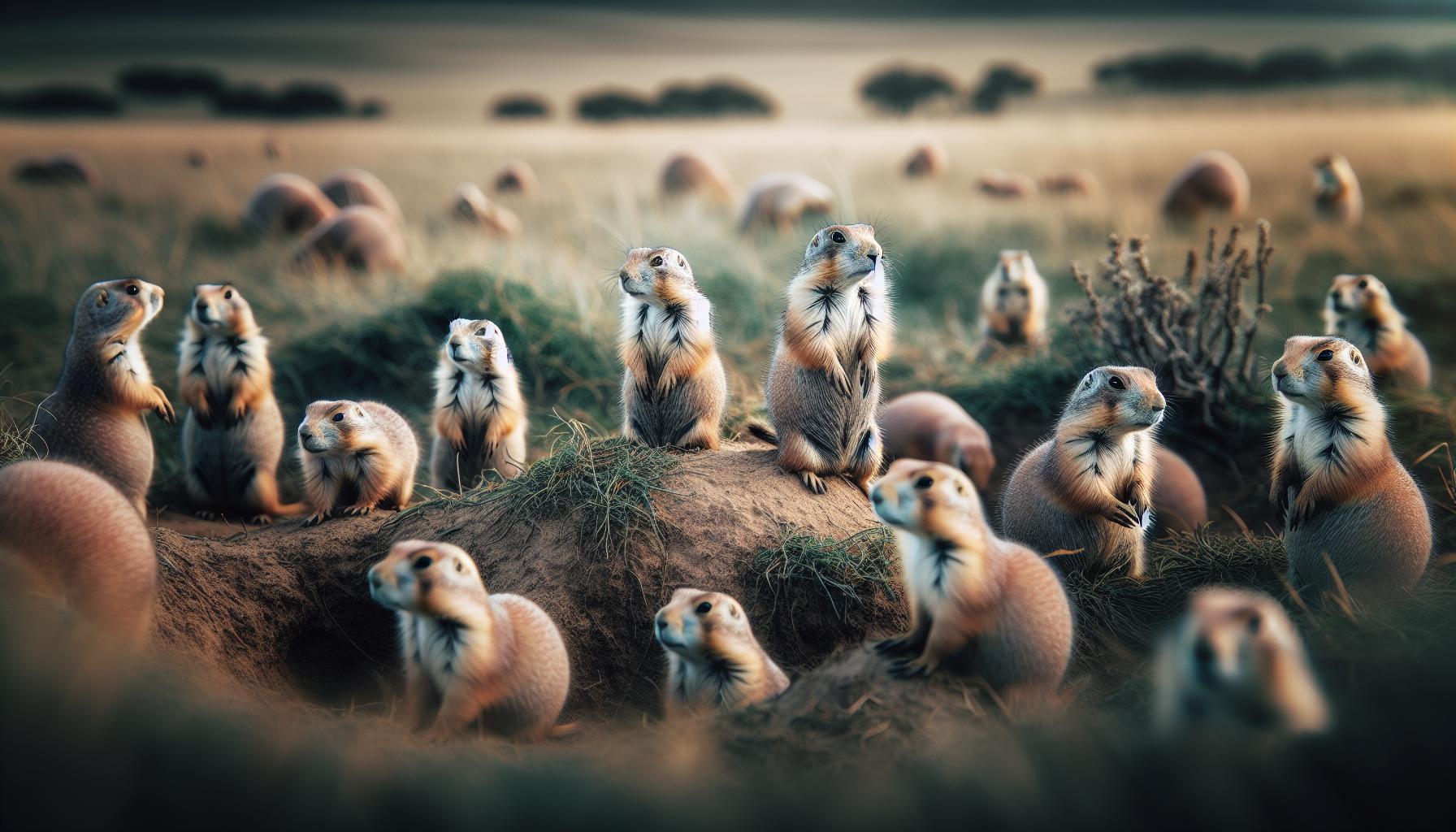
Key Physical Characteristics of Prairie Dogs
Prairie dogs are an iconic symbol of the North American grasslands, and their striking appearance is hard to miss. They possess a unique combination of features that distinguish them from other rodents. Generally, these stout little creatures have compact bodies with rounded ears and short, bushy tails, giving them a charming, playful look. Typically, prairie dogs reach lengths of 1 to 3 feet and can weigh between 1 to 3 pounds depending on their species. Their body structure is perfectly designed for a burrowing lifestyle, enabling them to navigate through complex tunnel systems with remarkable agility.
One of the most recognizable species is the black-tailed prairie dog, distinguished by its warm tan fur that becomes lighter towards the belly, a characteristic feature that beautifully contrasts with its black-tipped tail. Their faces are expressive, framed by small, alert ears that add to their inquisitive nature. Young prairie dogs, often a delightful sight, display a softer yellowish-red fur, which serves as a key identifier when they are still in their juvenile stage. As they mature, their coloration becomes less vibrant, showcasing a gradual transition that emphasizes the incredible adaptability of these creatures.
Interestingly, prairie dogs also have unique adaptations that are visible in their physical characteristics. Their strong forelimbs, equipped with sharp claws, are perfectly suited for both digging and foraging. Watching them during the day, you might notice their social behaviors, such as standing upright on their hind legs to scan their surroundings-an endearing pose that highlights their vigilance against predators. This combination of physical traits and social behavior not only captures the essence of prairie dogs but also represents the dynamic life thriving in their expansive habitats.
Understanding these physical characteristics enhances our appreciation for prairie dogs, allowing us to see them as more than just cute rodents. They play an essential role in their ecosystem, their burrows providing habitats for various other species. This interconnectedness with their environment signifies how the physical attributes of prairie dogs are not just for show; they are vital in the survival of many organisms that share their prairie home.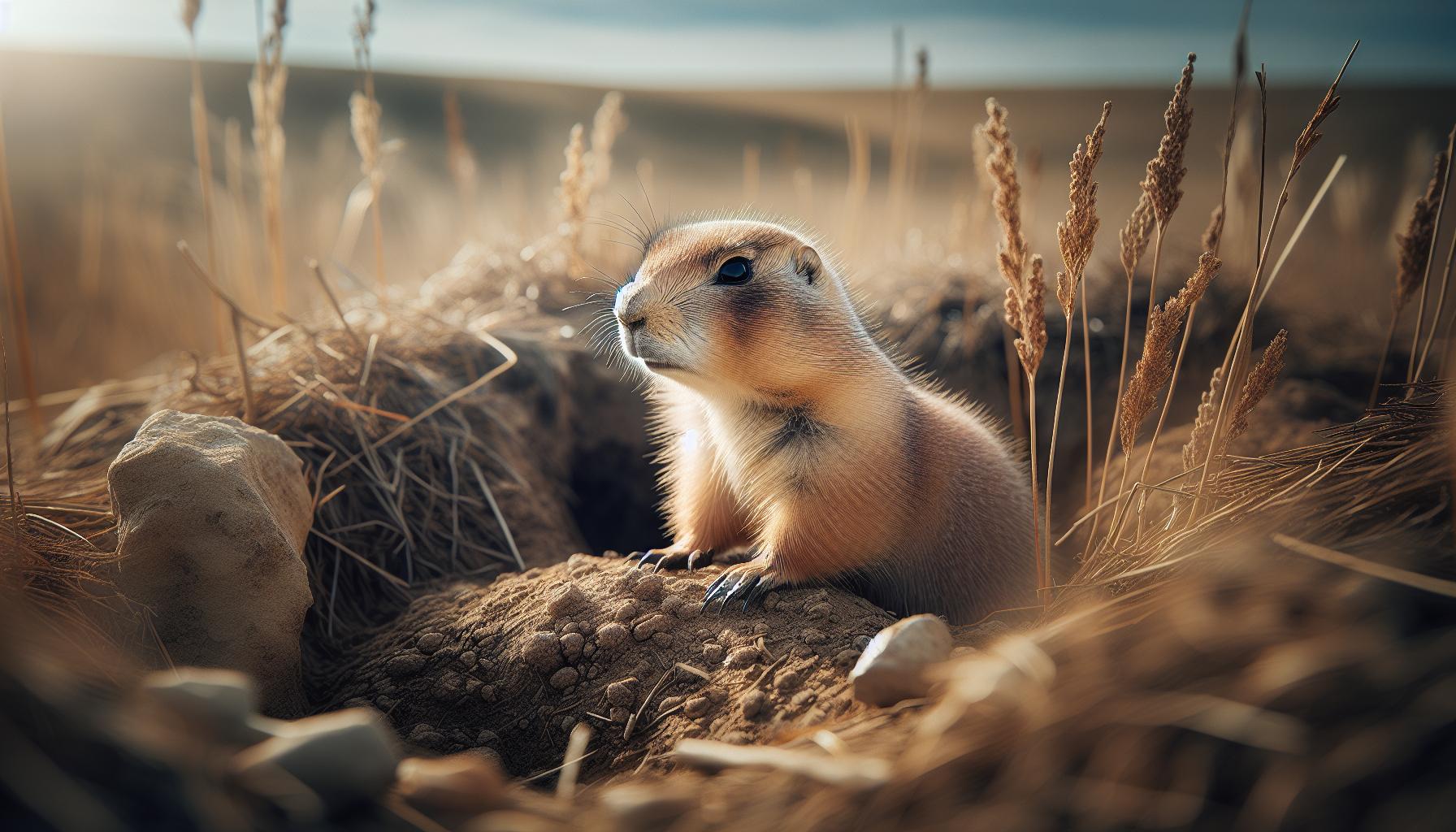
Colors and Patterns: What to Expect
Prairie dogs showcase an enchanting array of colors and patterns that make them easily identifiable in their native grassland habitats. The most common species, the black-tailed prairie dog, sports a distinctive fur coat that is primarily a warm tan, transitioning to a lighter shade on its belly. This natural gradient not only adds to their charm but also provides effective camouflage against the grasses and soil of their environment.
Young prairie dogs are particularly captivating, with their soft, yellowish-red fur that contrasts sharply with the mature adults’ more earthy tones. This difference in coloration serves a practical purpose, as it helps to distinguish juveniles from adults, which can be crucial for their protection while they learn to navigate the challenges of prairie life. As they grow, their coats gradually shift towards the typical brownish-tan of the species, highlighting their development from playful pups to alert adults.
Beyond their basic fur colors, prairie dogs also exhibit patterns that can add to their visual appeal. The black-tipped tails of black-tailed prairie dogs are a hallmark feature, drawing attention to their movements as they dart in and out of burrows. This characteristic creates a striking visual effect against the golden hues of their fur and the greenish tones of their surroundings. The contrasting colors and patterns not only serve aesthetic purposes but also play significant roles in their survival, helping them blend in with their environment while alerting fellow prairie dogs to potential dangers.
In summary, the coloration and patterns of prairie dogs are beautifully adapted to their surroundings, offering them both protection and a unique visual identity. Whether you’re a wildlife enthusiast hoping to capture stunning photos or simply a curious observer, understanding these traits can enhance your appreciation for these remarkable animals and the intricate tapestry of life they inhabit.
Comparing Prairie Dog Species: Differences in Appearance
When exploring the delightful world of prairie dogs, one fascinating aspect is the variety among the different species. There are five main species of prairie dogs, each exhibiting unique physical characteristics that help them adapt to their specific habitats. Understanding these differences not only enhances our appreciation for these charming creatures but also provides insight into their behavior and ecology.
The black-tailed prairie dog is the most recognized species, easily identifiable by its warm tan fur that transitions to a lighter belly. Their most distinguishing feature is the black tip on their tails, which adds a striking contrast against their body and allows them to be more easily spotted in the grassland ecosystem. On the other hand, the white-tailed prairie dog has a similar size and posture but differentiates itself with a lighter coat and slender build. Its tail is predominantly white, contributing to its name and making it visually distinct against the more commonly seen black-tailed variety.
Another intriguing example is the Gunnison’s prairie dog, which sports a somewhat grayer fur compared to its cousins. They are notable for their larger size and distinctive ear shapes, which aid in their hearing as they communicate with complex vocalizations. In contrast, the Utah prairie dog is slightly smaller and features a more robust build. Its fur tends to be a rich, sandy color that helps it blend into the rocky terrain of its mountainous habitat-highlighting how environmental factors have shaped their appearances.
In terms of adaptation, the differences in coloration and body shape among prairie dog species significantly contribute to their survival. While black-tailed prairie dogs use their vibrant coloration for camouflage in open grasslands, Gunnison’s prairie dogs benefit from their duller shades to hide from predators among rocky outcrops. This variety not only showcases the beauty of these animals but underlines the importance of habitat in shaping their physical traits and behaviors.
Whether you’re fascinated by their coats or curious about their sizes, learning about the various prairie dog species enriches our understanding of their role in grassland ecosystems, especially regarding social behavior and community dynamics. Observing these differences can enhance your wildlife photography or simply deepen your appreciation for these captivating mammals.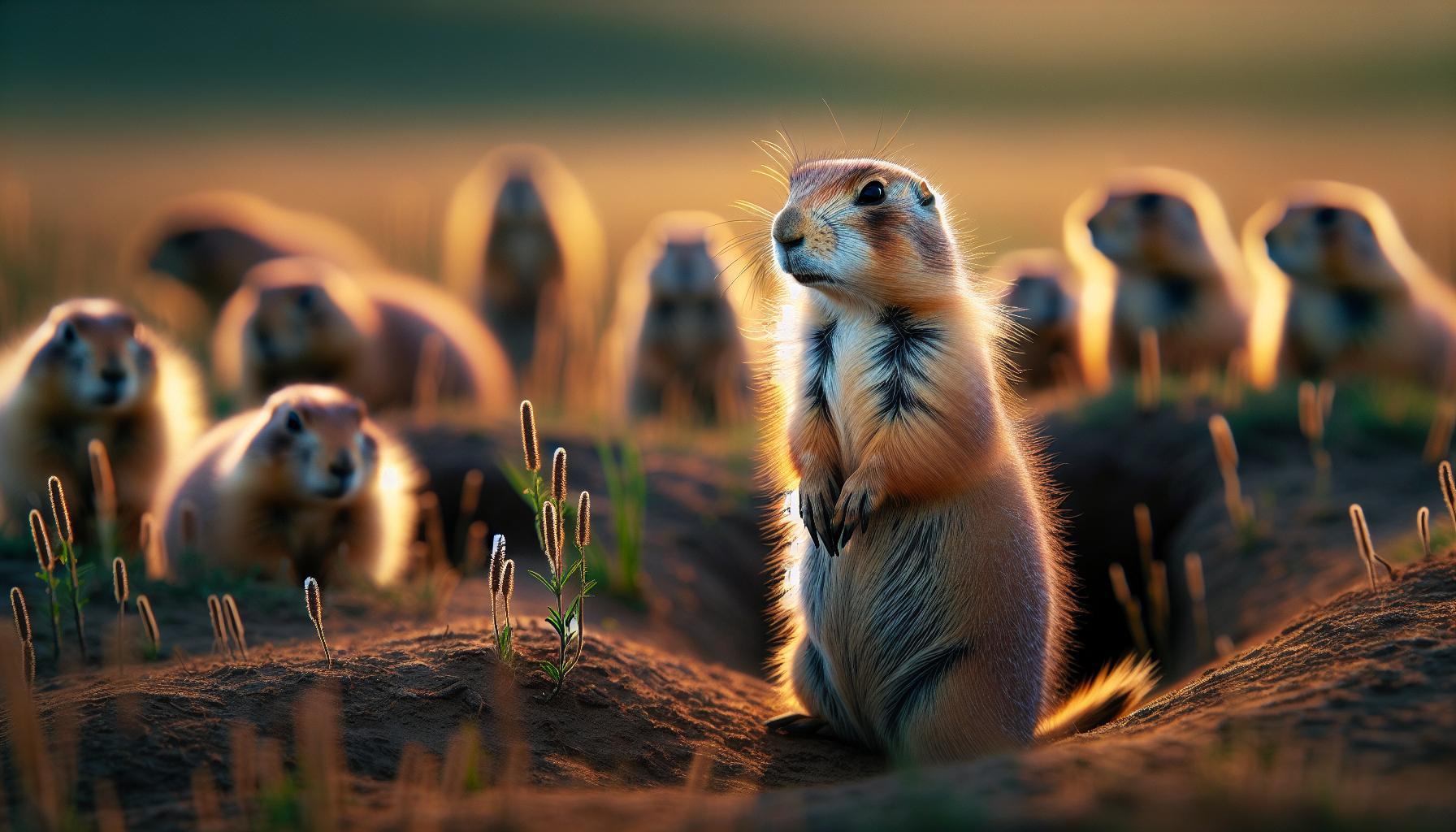
Fun Facts About Prairie Dog Features
Did you know that prairie dogs are not only fascinating in their social structures but also uniquely adapted to their environments through their physical traits? These small rodents are equipped with short, sturdy limbs and long, sharp claws, making them exceptional diggers. This adaptation allows them to create complex burrow systems that can stretch for miles, providing refuge and safety from predators.
One remarkable feature of prairie dogs is their vocal communication. They possess a diverse range of sounds-including barks, chirps, and yips-that serve different purposes, such as signaling danger or attracting mates. Some studies suggest that their calls even have specific meanings, resembling a kind of language that allows them to convey detailed information about the size and type of predators they observe.
In addition to their vocal prowess, prairie dogs exhibit an interesting variation in fur coloration among species. For instance, the black-tailed prairie dog sports a distinct black-tipped tail that stands out against their sandy-colored coats, helping them blend into the grasslands. In contrast, the white-tailed prairie dog, named for its lighter tail, has a more slender appearance. This variety not only aids in camouflage but also reflects the different habitats these species inhabit, from open plains to rocky terrains.
When it comes to their social structures, prairie dogs live in colonies known as “coteries,” often consisting of related individuals. These close-knit communities contribute to their survival, with social grooming and collaborative burrow maintenance strengthening bonds among members. Fun fact: these social behaviors are so pronounced that prairie dogs’ interactions can be likened to those of primates, highlighting their complex social dynamics!
So, whether you’re captivated by their distinctive fur, complex vocalizations, or vibrant social lives, prairie dogs certainly wear their unique features with pride, making them a delightful subject of study for wildlife enthusiasts and photographers alike.
Habitat and Lifestyle: Where Do They Live?
Prairie dogs are quintessential inhabitants of the grasslands in North America, particularly across the expansive Great Plains. They thrive in dry, flat, and sparsely vegetated areas, which offer both the essential food sources and the extensive space needed for their intricate burrow systems. These systems are not just homes; they are complex networks that can extend for miles, featuring multiple chambers and entrances. This architectural feat provides safety from predators, such as hawks and coyotes, and serves as a communal space for social interaction.
These fascinating animals thrive in specific soil types-preferably fine or medium-textured soils-which facilitate their digging abilities. The burrows created by prairie dogs are crucial not only for their own survival but also for the ecosystem. Their burrowing enhances soil aeration and promotes nutrient cycling, benefiting a host of other species that share their habitat. Initially considered a nuisance by ranchers due to their grazing habits, prairie dogs are now recognized as a keystone species; their colonies support diverse wildlife, including burrowing owls, black-footed ferrets, and various insects.
In terms of lifestyle, prairie dogs are highly social creatures. They live in large colonies, known as coteries, which are made up of related individuals. These communities reinforce their survival strategies through their cooperative behaviors, such as communal grooming and sentinel duty-where individuals take turns watching for predators while others feed. Their social structures and vocal communications are so advanced that they can convey specific warnings about different types of threats, making their community dynamics a subject of ongoing research and fascination.
Understanding where prairie dogs live gives insight into their role in the environment and their significance in the animal kingdom. Whether it’s the expansive grasslands, rocky terrains, or more arid regions, prairie dogs are not just surviving; they are actively shaping their ecosystems in ways that influence many other species. Thus, recognizing their habitat is key to appreciating their importance and the need for their conservation.
Diet and Feeding Habits of Prairie Dogs
Prairie dogs are fascinating creatures, not just for their social behavior but also for their dietary habits, which play a crucial role in their ecosystem. Primarily herbivorous, these charming rodents feast on a variety of plants found in their grassland habitats. They have a particular affinity for grasses, sedges, and forbs (flowering plants), along with a healthy selection of seeds and roots. Interestingly, prairie dogs also incorporate insects into their diet on occasion, showcasing their adaptability in the wild to supplement their nutrition.
Their nutritional needs are primarily met by consuming high-fiber materials, which helps to maintain their digestive health. In captivity, it’s essential to mimic their natural diet as closely as possible to ensure a balanced intake. Fresh, high-quality grass hay should form at least 70% of a prairie dog’s diet, alongside fresh vegetables and small amounts of fruits as treats. This high-fiber diet not only keeps their digestive systems functioning smoothly but also helps control their natural chewing instincts, crucial for their ever-growing teeth.
Dietary Preferences and Feeding Behavior
Prairie dogs are primarily grazers, and their feeding behavior is often characterized by communal eating sessions. While they dig up roots and munch on grasses, they do so in open areas where they can keep an eye out for potential predators. Their eating habits vary with the seasons: during the spring and summer, they enjoy fresh green shoots and succulent plants, while in the fall, they may seek out seeds and dried grasses. This seasonal adaptability ensures they meet their dietary needs year-round while also influencing the plant community in their habitat.
Impact on the Ecosystem
Beyond their own survival, prairie dogs serve an essential role in their ecosystem. Their grazing habits help maintain the health of grasslands by promoting plant diversity and preventing the overgrowth of certain species, which in turn benefits other local wildlife. As they dig for roots and seeds, they aerate the soil, enhancing water absorption and benefiting plants and other organisms alike. Their burrows create habitats for various other species, forming a complex relationship within the prairie ecosystem.
Overall, understanding what prairie dogs eat provides insight not only into their individual health and well-being but also into their broader ecological importance. By studying their dietary habits, we can better appreciate their role in sustaining the ecosystems that depend on them. Whether you’re observing them in the wild or caring for them as exotic pets, their feeding habits reveal much about their biology and the intricate connections within nature.
Social Behavior: Understanding Prairie Dog Communities
Prairie dogs are remarkable social beings, living in complex communities known as colonies, which mirror aspects of human society. These highly social animals have a hierarchy and structure that can be fascinating to observe. Prairie dog towns are bustling hubs where individuals interact, communicate, and work together to survive. Colonies can range from a few dozen to several hundred individuals, showcasing their gregarious nature.
Communication is key in prairie dog communities. They use a wide array of vocalizations, such as their distinctive alarm calls known as “jump-yips,” to warn others of potential predators. This vocal complexity indicates not just the presence of danger, but also specifics about the threat, such as its size and species. The social dynamics within the colony influence their communication behaviors: adult males often display more pronounced vocal activity, especially during mating season when they establish territories and attract females.
Within these communities, you’ll see strong family bonds and cooperative behaviors. Prairie dogs engage in grooming, play, and even communal babysitting, wherein multiple individuals look after the young while their parents forage. Such interactions are essential for maintaining the colony’s social structure and enhancing overall survival rates. The presence of social play is particularly important for young prairie dogs, as it teaches essential survival skills while strengthening community ties.
Training these adorable rodents, or knowing how to observe them respectfully in the wild, can deepen our appreciation for their rich social lives. Understanding their behaviors and interactions not only enriches our view of prairie dogs but also highlights their vital role in the prairie ecosystem. As they interact and thrive in their groups, prairie dogs contribute to the wider biological community, serving as prey for numerous predators and aiding in soil aeration through their burrowing activities. Their social behavior is a captivating example of the intricate relationships that define life in the wild.
The Importance of Prairie Dogs in Their Ecosystem
Prairie dogs play an essential role in their ecosystem, acting as both architects of their environment and a crucial food source for various predators. Their extensive burrowing habits create complex underground networks, which provide shelter not only for prairie dogs themselves but also for a myriad of other wildlife. Many species-such as the burrowing owl, black-footed ferret, and snakes-rely on prairie dog burrows for their homes, forming a vibrant community where each species contributes to the ecological balance.
These lively rodents are natural grazers, consuming vast amounts of grasses and weeds. Their foraging behavior helps maintain the health of grasslands by promoting plant diversity and preventing overgrowth. Grazing by prairie dogs aerates the soil and facilitates nutrient cycling, ultimately benefitting the entire prairie ecosystem. In addition, the burrowing activities of prairie dogs enhance water infiltration and reduce soil erosion, which is vital in sustaining the habitats of many other organisms.
Moreover, prairie dogs are crucial players in the food web. They serve as a primary food source for various predators, including hawks, eagles, and coyotes. By being at the center of this web, prairie dogs help sustain the populations of these predators, contributing to a balanced ecosystem. Their presence influences the distribution and abundance of other species, demonstrating the interconnectedness of life in the prairie.
Overall, the significance of prairie dogs extends far beyond their charming appearance. They are foundational to the health and stability of their environment, illustrating the importance of conservation efforts. Protecting prairie dog communities is not just about saving one species; it’s about preserving a whole ecosystem that thrives off the support of these remarkable animals. Understanding their importance can inspire wildlife enthusiasts to advocate for their habitats and the diverse species that depend on them.
Conservation Status: Protecting the Prairie Dog
As you marvel at the adorable, chubby-cheeked prairie dogs, you might not realize that these charming creatures are currently facing serious conservation challenges. Once abundant across the plains of North America, their populations have plummeted due to habitat destruction, disease, and human encroachment. This offers a crucial opportunity for conservationists and wildlife enthusiasts alike to step in and champion their cause.
Prairie dogs are more than just a fascinating wildlife spectacle; they play a key role in maintaining the health of their ecosystem. Their complex burrow systems provide shelter to numerous other species, while their foraging habits promote biodiversity in grasslands. When practicing responsible wildlife observation or photography, consider advocating for prairie dog protection by supporting local conservation initiatives or participating in habitat restoration efforts. Groups like the Prairie Dog Coalition and the U.S. Fish and Wildlife Service offer resources and programs dedicated to safeguarding these remarkable animals and their habitats. You can find out more about conservation efforts and how to support them on platforms that promote awareness and action in wildlife preservation [[3]](https://www.fws.gov/partner/prairie-dog-coalition).
The effective conservation of prairie dogs not only benefits them but also promotes the overall ecological balance. By protecting their populations, we ensure the survival of other species that rely on their burrows and the grasslands they help sustain. Educating others about the ecological significance of prairie dogs fosters a deeper respect for wildlife and encourages collective action towards rebuilding their populations.
In your own backyard-whether through community outreach or simply sharing what you learn with friends-there’s much you can do to inspire a love for these animals. Consider telling your story or sharing a captivating prairie dog photo on social media; every small action contributes to a larger movement towards their conservation. Remember, prairie dogs are not just fascinating subjects for a Nature documentary, but vital players in the ecological drama of our planet.
Capturing Prairie Dogs in Photography: Tips and Tricks
Capturing the essence of prairie dogs through photography can be an incredibly rewarding experience. These curious and social animals are not only delightful to observe in their natural habitats but also make for captivating photographic subjects. To create stunning images that reflect their unique personalities and behaviors, consider a few essential tips.
For starters, patience is key. Prairie dogs are often quite wary of humans, so giving them space and waiting for them to become comfortable with your presence will increase your chances of capturing natural behavior. A long lens, ideally 200mm or more, allows for close-up shots without disturbing them. This way, you can focus on the details of their adorable faces and playful interactions while capturing the context of their habitat.
Lighting plays a crucial role in photography; the golden hours-just after sunrise and just before sunset-provide soft, warm light that enhances details and colors. Position yourself so the light falls gently across the prairie dog, highlighting its fur and the unique textures of their environment. Try to shoot at their eye level for a more engaging perspective. Getting down on the ground not only aligns your camera with their world but also creates a more intimate representation of these fascinating creatures.
Don’t forget to tell a story with your photos! Capture their interactions with one another, particularly during activities like grooming or play-fighting, and note their behavior when they are on high alert. This context can amplify the emotion in the image and draw viewers in. You might even consider photographing prairie dogs in the context of their ecosystems, showing how they interact with the surrounding landscape or other wildlife. Engaging with local conservation initiatives or participating in habitat preservation can also enhance your connection to the subject, adding depth to your photographic journey.
Lastly, always remember to respect their space. Limit your movements, avoid sudden noises, and keep a safe distance to ensure their comfort. By approaching prairie dog photography with care and responsibility, you can create powerful images that help advocate for their conservation while celebrating the charm of these remarkable animals.
Prairie Dogs in Pop Culture: A Fun Perspective
Prairie dogs have found their way into the spotlight of pop culture, charming audiences with their quirky behavior and playful nature. Their most iconic moment on the internet is undoubtedly the “Dramatic Chipmunk” video, which features a prairie dog turning its head with a dramatic backdrop-capturing the essence of unexpected humor in wildlife. This viral sensation highlights not just the prairie dog’s distinctive appearance, with its round body and expressive face, but also its ability to evoke laughter and delight across various media platforms.
In addition to their viral fame, prairie dogs often appear in documentaries, children’s books, and animated films, portraying them as adorable characters that capture the imagination of all ages. Their role as a keystone species in their ecosystems is frequently emphasized, making them not just cute critters but important players in maintaining the balance of their habitats. For instance, documentaries often showcase their social structures and intriguing vocal communication, cementing their status as one of nature’s most intriguing entertainers.
Their popularity has also led to a thriving presence in merchandise, from plush toys to educational games, which help raise awareness about their needs and the importance of conservation efforts. Organizations often leverage the cuteness of prairie dogs in campaigns aimed at preserving their habitats and educating the public about their ecological significance. So, whether you’re watching a funny video online or coming across a children’s book featuring these lovable burrowers, prairie dogs continue to engage and charm people while underscoring the need for their conservation.
Faq
Q: What is the average size of a prairie dog?
A: The average prairie dog measures about 12 to 15 inches in length and weighs between 1.5 and 3 pounds. Their size can vary slightly depending on the species, with the black-tailed prairie dog being the most common. Understanding their size can help in identifying these fascinating creatures in their habitat.
Q: What colors do prairie dogs come in?
A: Prairie dogs typically exhibit a range of brownish colors, from light tan to dark chocolate. Some may have lighter underbellies and darker muzzles, giving them a distinct appearance. For more details on their coloration, see the “Colors and Patterns” section of the article.
Q: How can you differentiate between prairie dog species?
A: Prairie dog species can be differentiated mainly by size, color, and habitat. For example, the black-tailed prairie dog is characterized by a distinct black patch on its tail, while the white-tailed prairie dog has a lighter tail. Check out the “Comparing Prairie Dog Species” section for specific characteristics.
Q: What unique features do prairie dogs have?
A: Prairie dogs possess unique features such as strong front claws for digging and communicative vocalizations for social interaction. Their behaviors and characteristics are fascinating and complex, highlighted in the “Fun Facts About Prairie Dog Features” section.
Q: Where can you typically find prairie dogs in the wild?
A: Prairie dogs inhabit grasslands and plains across North America, most commonly found in the Great Plains region. They create extensive burrowing systems which are crucial to their lifestyle. Learn more about their habitat options in the “Habitat and Lifestyle” section.
Q: Why are prairie dogs considered important to their ecosystem?
A: Prairie dogs play a vital role in their ecosystem as keystone species. Their burrowing activities enhance soil aeration and quality, benefiting other wildlife and plant life. For an in-depth understanding, refer to the “The Importance of Prairie Dogs in Their Ecosystem” section.
Q: How do prairie dogs communicate with each other?
A: Prairie dogs communicate using a complex system of vocalizations and body language. They can convey specific messages about predators or danger to their communities. Explore their social behavior in the “Social Behavior” section of the article for more insights.
Q: What is a prairie dog’s lifestyle like?
A: Prairie dogs live in large colonies called coteries, exhibiting highly social behavior. They maintain organized burrows, interact frequently, and engage in grooming and play, which can be observed in their communities. Delve deeper into their lifestyle in the “Social Behavior” section.
Feel free to engage further with the topics mentioned for a comprehensive understanding of prairie dogs!
The Conclusion
Now that you know what prairie dogs look like, including their adorable features and vibrant social behavior, why not dive deeper into the fascinating world of these remarkable creatures? Explore our guides on prairie dog habitats and how they interact within their colonies, or check out tips for responsible wildlife observation.
Don’t miss out on the chance to enrich your understanding-sign up for our newsletter for the latest updates and exciting insights into wildlife. If you have any questions or want to share your own prairie dog encounters, feel free to leave a comment below; we love hearing from fellow wildlife enthusiasts!
Remember, knowing about prairie dogs isn’t just fun; it’s a step toward appreciating and preserving their habitats. Explore more now and keep the conversation going!
Get our latest guides, news, and insights highlighted in your Google Search & AI Overviews.